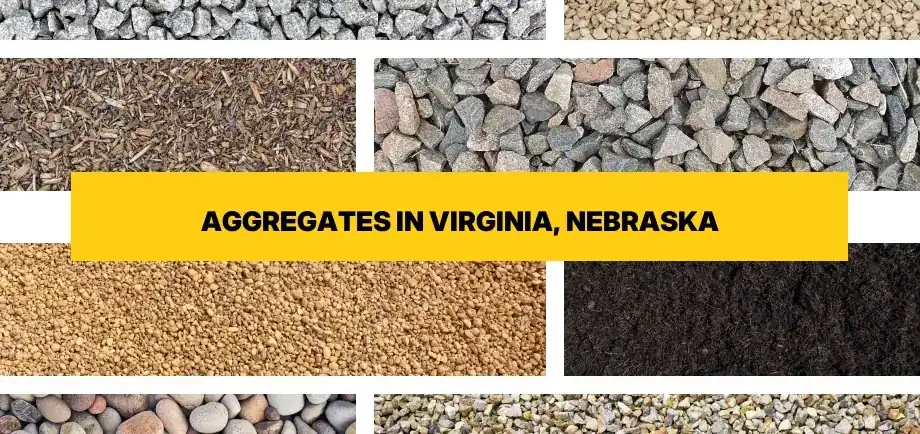
Buy Bulk Aggregates & Gravel in Virginia, Nebraska
Local Topsoil, Dirt, Sand, Rocks and Gravel near me in Virginia, Nebraska
Shop Aggregates for Delivery in Virginia
Order online for free delivery to any Virginia address.


Gravel Monkey is your trusted source for premium aggregates and gravel delivery in Virginia, Nebraska. Whether you're building a new driveway in the heart of Virginia, creating farm access roads near the Big Blue River, or upgrading your property with quality landscaping materials, we deliver the aggregates you need directly to your location - absolutely free. Serving Virginia and the surrounding Gage County area, we understand the unique soil conditions and climate challenges that southeastern Nebraska properties face, and we're here to provide solutions that last.
Complete Range of Aggregates Available in Virginia, NE
Gravel Monkey offers an extensive selection of bulk aggregates and materials for every residential, commercial, and agricultural project in Virginia and the surrounding areas. Our inventory includes:
- Driveway Gravel - Durable base material perfect for Virginia's clay-loess soil conditions
- 3/4 inch Crushed Stone - Versatile aggregate for foundations, drainage, and driveways
- #57 Stone - Clean, angular aggregate ideal for drainage systems and concrete mixing
- Pea Gravel - Smooth, decorative stone for walkways and garden beds
- River Rock - Natural aesthetic for water features and decorative landscaping
- Crusher Run - Compactable base aggregate for solid foundations
- Road Base - Heavy-duty aggregate for driveways and farm lanes
- Drain Rock - Clean stone for French drains and foundation drainage
- Crushed Concrete - Eco-friendly recycled aggregate for various applications
- Topsoil - Nutrient-rich soil for gardens and lawn establishment
- Fill Dirt - Quality dirt for grading and leveling projects
- Mason Sand - Fine sand for masonry and construction work
- Playground Sand - Safe, clean sand for play areas
- Washed Sand - Clean sand for multiple applications
- Decomposed Granite - Natural material for pathways and xeriscaping
- Walkway Gravel - Specially selected aggregate for attractive, functional paths
Serving Virginia and Southeastern Nebraska Communities
Our free aggregate delivery service extends throughout Virginia, Nebraska, and the surrounding Gage County region. We're proud to serve properties throughout southeastern Nebraska, including areas near Beatrice, Clatonia, Cortland, Roca, and the greater Lincoln area. Whether your property is located along Highway 41, near the Big Blue River valley, in the agricultural areas south of Interstate 80, or anywhere in the rolling prairie lands of Gage County, Gravel Monkey delivers quality aggregates directly to your site.
Understanding Virginia's Unique Geology and Soil Conditions
Virginia and the surrounding southeastern Nebraska region sit on deep deposits of loess - wind-blown silt that creates fertile but challenging soil conditions. This fine-grained soil becomes sticky and impassable when wet, yet turns dusty during dry periods. The underlying glacial till and limestone bedrock influence drainage patterns throughout the area. These geological characteristics make proper aggregate selection critical for any construction or landscaping project in Virginia.
The loess soil common throughout Gage County has unique properties that require specific aggregate solutions. It's highly erodible and prone to rutting when wet, which is why quality base materials are essential for driveways and access roads. Additionally, the expansive clay components in local soil can cause heaving during freeze-thaw cycles, making proper drainage and solid aggregate bases crucial for long-term stability of any construction project in the Virginia area.
Nebraska Climate Factors for Aggregate Selection
Virginia experiences a humid continental climate with hot, humid summers and cold winters - conditions that significantly impact aggregate performance. Summer temperatures regularly exceed 90 degrees Fahrenheit, while winter lows can plunge below zero. Annual precipitation averages around 30 inches, with most falling during the growing season from April through September.
These climate patterns create specific challenges for property owners. Spring snowmelt and heavy rains can saturate the loess soil, making proper drainage essential. The freeze-thaw cycles of late winter and early spring can heave poorly installed aggregates or damage inadequate foundations. Summer thunderstorms common to the region can drop several inches of rain in a short period, testing drainage systems. Selecting the right aggregates and ensuring proper installation helps Virginia property owners weather these seasonal extremes year after year.
Choosing the Right Aggregate for Your Virginia Project
Different projects require different aggregates. Understanding the characteristics of each material helps you make the best choice for your specific application and Virginia's unique conditions.
| Aggregate Type | Best Applications | Compaction | Drainage Quality | Nebraska Climate Suitability |
|---|---|---|---|---|
| Crusher Run | Driveways, Farm Roads, Base Layer | Excellent | Good | Ideal for loess soil |
| Road Base | Heavy Traffic Areas, Equipment Pads | Excellent | Moderate | Perfect for agricultural use |
| 3/4 inch Crushed Stone | Driveways, General Purpose | Very Good | Excellent | All-season performance |
| #57 Stone | Drainage, Concrete Mix, French Drains | Good | Superior | Essential for wet areas |
| Drain Rock | Foundation Drainage, Retention Systems | Minimal | Superior | Critical for spring runoff |
| Pea Gravel | Walkways, Landscaping, Decorative Use | Poor | Very Good | Attractive year-round |
| Decomposed Granite | Pathways, Patios, Natural Look | Good | Good | Low maintenance option |
| Crushed Concrete | Base Layer, Temporary Roads, Cost-Effective | Very Good | Good | Budget-friendly alternative |
Driveway Aggregate Solutions for Virginia Properties
A properly constructed driveway is essential for Virginia property owners. The combination of loess soil, seasonal moisture variations, and freeze-thaw cycles demands quality materials and proper installation techniques. Most successful driveways in the Virginia area use a layered approach with a compacted base of crusher run or road base, followed by a surface layer of driveway gravel or crushed stone.
Recommended Driveway Construction Method
For optimal results in Virginia's soil conditions, excavate 8-10 inches of native soil and replace it with 4-6 inches of compacted crusher run as your base layer. This provides a solid foundation that resists rutting and heaving. Top this with 3-4 inches of driveway gravel or 3/4 inch crushed stone for the driving surface. The angular nature of crushed aggregates helps them lock together when compacted, creating a stable surface that can withstand Nebraska's weather extremes and heavy vehicle traffic.
For farm properties and areas with heavy equipment traffic, consider using road base for even greater load-bearing capacity. Many agricultural properties around Virginia rely on this heavy-duty aggregate for lanes that must support tractors, combines, and loaded grain trucks throughout the harvest season. The investment in quality aggregates pays dividends in reduced maintenance and eliminated muddy access problems during wet weather.
Drainage Aggregates for Nebraska Properties
Proper drainage is perhaps the most critical aspect of property maintenance in Virginia and southeastern Nebraska. The dense loess soil, combined with significant spring snowmelt and summer thunderstorms, creates challenging water management situations. Without adequate drainage, foundations can settle, basements flood, and access roads become impassable during wet periods.
French Drain and Foundation Systems
French drains constructed with clean drain rock or #57 stone provide effective solutions for managing surface water and protecting foundations. These systems work by creating a permeable channel that allows water to flow away from structures and problem areas. In Virginia's clay-rich soil, installing proper drainage during construction is far easier and less expensive than addressing water problems later.
Foundation drainage systems should use clean, angular aggregates like drain rock around the perimeter of buildings. This allows water to flow freely to perforated drain tile or pipes, preventing hydrostatic pressure against foundation walls. Many Virginia homeowners and agricultural building owners have discovered that investing in proper foundation drainage prevents costly basement waterproofing issues and structural problems down the road.
Landscaping Aggregates for Virginia Gardens and Yards
Beyond functional applications, decorative aggregates can transform outdoor spaces throughout Virginia. Whether you're creating a peaceful garden retreat, establishing attractive walkways, or adding low-maintenance ground cover, the right aggregates combine beauty with practicality in Nebraska's climate.
Walkways and Pathways
Walkway gravel and pea gravel create attractive, permeable paths that handle Nebraska's weather conditions beautifully. Unlike concrete or pavers that can crack during freeze-thaw cycles, gravel pathways flex with ground movement and allow water to permeate naturally. Decomposed granite offers another excellent option, providing a more formal appearance while maintaining permeability and natural drainage.
Decorative Landscaping with River Rock
River rock adds natural beauty to Virginia landscapes while serving practical purposes. Use it around downspouts to prevent erosion, in dry creek beds to manage occasional water flow, or as mulch in planting beds where its thermal mass helps moderate soil temperatures. The smooth, rounded stones contrast beautifully with plants and require virtually no maintenance once installed.
Topsoil and Fill Dirt for Virginia Properties
Quality topsoil and fill dirt are essential materials for successful landscaping and construction projects in the Virginia area. While aggregates provide structure and drainage, soil materials enable plant growth and proper grading.
Topsoil for Gardens and Lawns
The native loess soil in Virginia can be excellent for agriculture, but specific landscaping projects often benefit from supplemental topsoil. Whether you're establishing a new lawn, creating raised garden beds, or restoring areas damaged by construction, quality topsoil provides the organic matter and nutrients plants need to thrive. Our topsoil blends work particularly well with Virginia's existing soil structure, creating optimal growing conditions for both ornamental and food plants.
Fill Dirt for Grading and Construction
Fill dirt serves critical functions in site preparation and grading projects throughout the Virginia area. Proper grading directs water away from buildings and prevents pooling in low areas - essential considerations given the region's soil characteristics and precipitation patterns. Use fill dirt to raise flower beds above grade, level areas for sheds or outbuildings, or fill in old foundations and trenches. Unlike topsoil, fill dirt contains minimal organic matter, making it ideal for applications requiring stable, non-settling fill material.
Sand Products for Construction and Recreation
Gravel Monkey supplies several types of sand for various applications around Virginia properties. Mason sand serves as a key ingredient in mortar and concrete mixes, providing the fine particles necessary for proper workability and strength. Washed sand offers clean material for multiple uses, from volleyball courts to underneath above-ground pools. For families with children, playground sand provides a safe, clean surface for play areas and sandboxes, meeting safety standards while offering hours of entertainment.
Aggregates for Agricultural Properties in Gage County
Agriculture forms the backbone of Virginia's economy and the surrounding Gage County region. Farms and ranches require substantial quantities of aggregates for access roads, equipment pads, livestock areas, and drainage management. Road base and crusher run create durable farm lanes that remain passable even during spring thaw or after heavy rains - critical for timely planting and harvest operations.
Many Virginia area farmers use crushed concrete as a cost-effective solution for secondary roads and equipment storage areas. This recycled aggregate performs admirably in lower-traffic applications while offering budget advantages for operations managing large acreages. For high-traffic main lanes and approaches to grain bins and equipment sheds, investing in premium road base or crusher run ensures reliable access throughout the year, regardless of weather conditions.
Livestock Area Applications
Cattle feeding areas, horse corrals, and livestock handling facilities benefit significantly from proper aggregate installation. These high-traffic areas in direct contact with animals become muddy quagmires without adequate surfacing. A layer of larger crusher run or road base, topped with smaller aggregate, creates firm footing that drains well and reduces mud-related problems. This investment in quality aggregates improves animal health, reduces stress during handling, and makes daily chores more manageable throughout Nebraska's variable weather conditions.
Best Practices for Aggregate Installation in Virginia
Proper installation maximizes the performance and longevity of any aggregate project. Here are essential tips for Virginia property owners:
- Excavate Adequately - Remove 8-12 inches of native soil for driveways and high-traffic areas. The loess soil common in Virginia needs substantial depth of quality aggregate for lasting results.
- Compact in Layers - Apply aggregates in 3-4 inch lifts, compacting each layer thoroughly before adding the next. This prevents settling and ensures maximum stability.
- Crown Your Driveways - Create a slight crown (higher center) so water runs off to the sides rather than pooling on the surface. This simple technique dramatically extends aggregate lifespan.
- Install Proper Drainage - Plan for water management before installing aggregates. French drains, culverts, or swales should be in place to prevent water from undermining your investment.
- Use Quality Base Materials - Don't skimp on the foundation. Crusher run or road base provides the stable platform that surface aggregates need to perform properly.
- Consider Seasonal Timing - Late spring through fall offers ideal conditions for aggregate projects. The ground is stable, and you avoid the muddy conditions of early spring and frozen ground of winter.
- Edge Your Projects - Borders or edging materials contain aggregates and prevent them from spreading into adjacent lawns or garden beds.
Free Aggregate Delivery Throughout Virginia and Gage County
Gravel Monkey makes aggregate delivery simple and affordable with free delivery throughout Virginia and the surrounding areas. We understand that hauling multiple tons of aggregates yourself is impractical for most property owners. Our delivery service brings bulk materials directly to your site, dumped where you need them, saving you time, effort, and the expense of truck rentals or multiple trips.
Whether you're located in central Virginia, on a farm south of town, near Beatrice, or anywhere in southeastern Nebraska, our delivery trucks can reach your property. We serve residential homeowners upgrading driveways, commercial contractors building new structures, farmers maintaining extensive lane systems, and everyone in between. Simply place your order, schedule a delivery time that works for your schedule, and we'll take care of the rest.
How to Order Aggregates in Virginia, NE
Ordering from Gravel Monkey is straightforward. First, determine which aggregate type best suits your project needs. Review our product descriptions and consider the recommendations throughout this guide. If you're uncertain about which material or how much you need, our team is happy to provide guidance based on your specific project and Virginia's local conditions.
Calculating Quantities
Most aggregate projects are measured in cubic yards. To calculate your needs, measure the length and width of your project area in feet, then multiply by the desired depth (convert inches to feet by dividing by 12). Divide this number by 27 to get cubic yards. For example, a driveway 12 feet wide, 100 feet long, and 4 inches deep requires: (12 × 100 × 0.33) ÷ 27 = 14.67 cubic yards. Round up to account for compaction and irregular surfaces.
Don't worry if calculations feel overwhelming - our team can help you determine the right amount for your Virginia property. We'd rather help you order the correct quantity initially than have you discover you've ordered too little after delivery.
Aggregate Delivery to All Virginia, Nebraska Areas
Our delivery service reaches every corner of Virginia and extends throughout southeastern Nebraska. We regularly deliver to properties along Highway 41, throughout the rural roads of Gage County, near the Big Blue River valley, and to agricultural operations in every direction from Virginia. Whether your property is a residential lot in town, a farm several miles outside Virginia, or anywhere in the surrounding countryside, Gravel Monkey's free delivery brings quality aggregates directly to your location.
We also serve neighboring communities including Beatrice to the south, Clatonia and Cortland to the west, and properties near Lincoln to the north. If you're in southeastern Nebraska and need bulk aggregates, we're your reliable source for quality materials and dependable delivery service.
Frequently Asked Questions About Aggregates in Virginia, Nebraska
Crusher run or road base makes an excellent base layer, topped with 3/4 inch crushed stone or driveway gravel. This combination provides stability in loess soil while offering good drainage and a solid driving surface. The angular aggregates compact well and resist rutting even during wet periods.
For residential driveways in Virginia, excavate 8-10 inches and install 4-6 inches of compacted base material (crusher run or road base) topped with 3-4 inches of surface aggregate. For farm lanes with heavy equipment traffic, consider 12 inches total depth with a heavier road base foundation.
Small projects like garden pathways or decorative landscaping can be DIY projects for capable homeowners. However, driveways and larger projects benefit from professional installation, especially given Virginia's challenging soil conditions. Proper excavation, grading, and compaction require appropriate equipment and experience for lasting results.
Driveways wash out when water flows across or underneath them without proper management. In Virginia's loess soil, this is particularly common. Installing a proper aggregate base with good compaction, creating adequate crowning for surface drainage, and adding culverts or drainage channels prevents washout problems. Clean drainage aggregates like drain rock in strategic locations also help manage water flow.
Gravel Monkey offers FREE delivery to Virginia and surrounding areas! You only pay for the aggregates themselves - we deliver them to your property at no additional charge, making bulk aggregate projects affordable and convenient.
Crushed stone features angular edges that lock together when compacted, making it ideal for driveways and foundations. Pea gravel consists of smooth, rounded stones that don't compact well but look attractive and work beautifully for walkways, landscaping, and decorative applications. Choose based on whether you need load-bearing stability (crushed stone) or aesthetic appeal (pea gravel).
Late spring through fall provides ideal conditions. The ground is stable and workable, you can compact aggregates properly, and you avoid the freeze-thaw cycles of late winter/early spring and the muddy conditions common in Nebraska during March and April. Summer and fall projects have ample time to settle before winter.
Minimal maintenance keeps aggregate projects looking great and performing well. Periodically rake the surface to redistribute materials and fill in low spots. Every few years, you may want to add a fresh layer to replace aggregates that have been pressed into the subgrade. Address drainage issues promptly if water begins pooling or channeling across the surface.
Get Started with Your Virginia Aggregate Project Today
Whether you're planning a new driveway, improving farm access roads, installing drainage systems, or beautifying your landscape, Gravel Monkey provides the quality aggregates and reliable free delivery that Virginia, Nebraska property owners depend on. We understand the unique challenges that southeastern Nebraska's soil, climate, and conditions present, and we're here to help you select materials that will perform beautifully for years to come.
Contact us today to discuss your project, get expert recommendations, and schedule your free delivery. Our team is ready to help you transform your property with premium aggregates delivered right to your Virginia location.

Need help? Reach out for a quote: