Order Topsoil, Stone & Gravel in Naper, Nebraska
Local Topsoil, Dirt, Sand, Rocks and Gravel near me in Naper, Nebraska
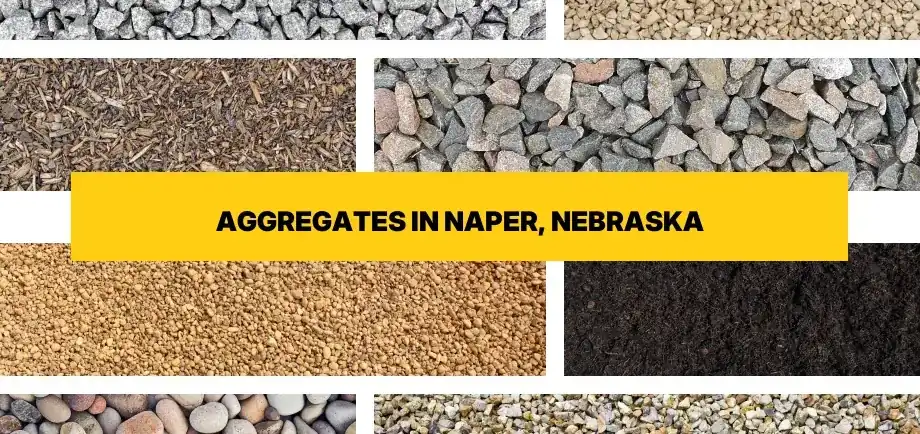
Shop Aggregates for Delivery in Naper
Order online for free delivery to any Naper address.


Gravel Monkey is your premier source for premium gravel and aggregate delivery throughout Naper, Nebraska. Serving rural properties, ranches, and residential areas across Boyd County, we provide high-quality materials for every project from ranch roads to residential driveways. Whether you're building a new access road on the Niobrara River flats or upgrading a driveway near downtown Naper, we deliver directly to your property with free shipping. Our commitment to northeastern Nebraska means you get professional-grade aggregates without the hassle of hauling them yourself.
Complete Aggregate & Gravel Selection for Naper
Understanding the unique challenges of northeastern Nebraska's climate and geology, we stock a comprehensive range of aggregates designed to perform in Boyd County conditions. From the heavy clay soils common throughout the region to the seasonal freeze-thaw cycles that test every driveway, our materials are selected for durability and long-term performance.
Our material selection includes:
- Driveway Gravel - Premium base material engineered for Nebraska's demanding weather patterns
- 3/4 inch Crushed Stone - Versatile aggregate ideal for foundations, driveways, and drainage applications
- #57 Stone - Popular angular stone that compacts well and provides excellent water management
- Crusher Run - Superior compaction material combining fines with larger stones
- Road Base - Heavy-duty foundation material for rural roads and farm lanes
- Pea Gravel - Smooth natural stones perfect for walkways and decorative areas
- River Rock - Decorative stone available in multiple sizes for landscaping projects
- Drain Rock - Specialized aggregate designed for effective water management systems
- Crushed Concrete - Eco-friendly recycled material ideal for base layers and erosion control
- Topsoil - Nutrient-rich soil for gardens and lawn establishment
- Fill Dirt - Clean fill for grading, leveling, and construction projects
- Mason Sand - Fine-grade sand for masonry and construction work
- Playground Sand - Clean, safe sand for play areas and sandboxes
- Washed Sand - Cleaned sand suitable for concrete mixing and paver bases
- Decomposed Granite - Natural pathway material that compacts beautifully
- Walkway Gravel - Attractive stone blend designed specifically for pedestrian paths
Gravel Solutions for Naper's Unique Geography
Naper sits in the heart of Boyd County, where the landscape transitions from rolling Sandhills terrain to the more dramatic breaks along the Niobrara River valley. This unique geology presents specific challenges for property owners. The underlying Pierre Shale formation contributes to expansive clay soils that shift with moisture changes, while the region's loess deposits create additional drainage considerations.
The town itself, positioned near the county's northwestern corner, experiences temperature extremes ranging from summer highs exceeding 95 degrees to winter lows plummeting below zero. Annual precipitation averages around 20 inches, with most moisture arriving during spring and early summer thunderstorms. These conditions demand aggregates that can handle freeze-thaw cycles, provide effective drainage, and maintain structural integrity through seasonal changes.
Driveways and Access Roads
Rural properties around Naper often require long access roads crossing variable terrain. The silty clay loam soils common throughout Boyd County become nearly impassable when wet without proper aggregate base. Ranch roads leading toward the Niobrara River breaks need especially robust materials to withstand erosion and maintain year-round access.
For these applications, road base material provides an exceptional foundation, while crushed stone adds the final wearing surface. Properties near Spencer Road or along County Road networks benefit from materials that compact firmly yet allow water to percolate through rather than pooling on the surface. The combination of proper base preparation and quality aggregates ensures reliable access regardless of weather conditions.
Residential Properties in Town
Within Naper's residential areas, homeowners face different but equally important considerations. The compact clay soils throughout town require careful attention to drainage to prevent water accumulation near foundations. Many older homes built before modern foundation waterproofing rely heavily on proper grading and aggregate drainage systems.
A well-constructed driveway using appropriate base materials prevents the cracking and heaving common in this climate. The key lies in proper depth—typically four inches minimum—and selecting aggregates with good compaction characteristics. Properties throughout the residential districts benefit from materials that won't migrate or wash away during the heavy spring rains that sometimes accompany snowmelt.
Building for Nebraska's Continental Climate
Northeastern Nebraska experiences a continental climate with pronounced seasonal variations. Winter temperatures regularly drop below zero Fahrenheit, with occasional Arctic blasts pushing even colder. Summer heat combined with periodic drought conditions tests materials differently than winter's freeze-thaw cycles.
Spring presents perhaps the greatest challenge, when frost leaves the ground and heavy precipitation arrives simultaneously. Clay soils throughout Boyd County become saturated, losing bearing capacity and creating muddy conditions. Proper aggregate bases remain stable during these critical periods, providing the foundation infrastructure needs to function reliably year-round.
The relatively dry conditions—Naper receives less moisture than eastern Nebraska—mean drought-tolerant landscaping makes practical sense. Decorative stone mulches conserve soil moisture while eliminating the maintenance requirements of organic mulches. Rock gardens using river stone or decomposed granite create attractive, sustainable landscape features appropriate to the region's precipitation patterns.
| Aggregate Type | Best Applications | Compaction | Drainage Rating | Ideal For Naper |
|---|---|---|---|---|
| Crusher Run | Driveways, Road Base | Excellent | Good | Primary driveway base |
| 3/4" Crushed Stone | Drainage, Foundations | Very Good | Excellent | French drains, foundations |
| #57 Stone | Concrete, Drainage | Good | Excellent | Drainage systems |
| Road Base | Roads, Heavy Traffic | Excellent | Good | Ranch roads, farm lanes |
| Pea Gravel | Walkways, Landscaping | Poor | Very Good | Decorative paths |
| Crushed Concrete | Base Layer, Erosion | Good | Good | Economical base material |
| Decomposed Granite | Pathways, Patios | Very Good | Good | Natural-looking paths |
Serving Naper and Surrounding Boyd County Communities
While Naper serves as our hub in northwestern Boyd County, Gravel Monkey delivers throughout the entire region. Our free delivery extends to Spencer, the county seat located to the southeast, as well as smaller communities like Bristow, Butte, and Lynch. Rural properties throughout the county receive the same quality service and premium aggregates as in-town locations.
The agricultural character of Boyd County means many of our customers manage ranches, farms, and recreational properties requiring specialized materials. From cattle operation lanes to hunting property access roads, we understand the specific demands of rural Nebraska properties. Properties near the Niobrara National Scenic River face unique challenges balancing access needs with environmental stewardship—our team helps select appropriate materials for sensitive locations.
Beyond Boyd County
Our delivery network extends to neighboring communities as well. Customers in Keya Paha County to the west, Holt County to the south, and even Knox County properties can access our materials and delivery services. The small-town character of northeastern Nebraska means we're all neighbors, and Gravel Monkey treats every delivery with the same attention to quality and service.
Choosing the Right Aggregate for Your Project
Selecting appropriate materials makes the difference between a project that lasts decades and one requiring frequent repairs. Naper's soil conditions and climate narrow the field to aggregates proven in similar environments. Understanding how different materials perform helps you make informed decisions.
Foundation and Drainage Projects
The expansive clay soils throughout Boyd County place tremendous stress on foundations. As moisture levels change seasonally, these soils expand and contract, potentially cracking foundations and basement walls. Proper drainage systems using drain rock or crushed stone prevent water accumulation that exacerbates soil movement.
French drain installations around foundations should use clean angular stone that maintains void spaces for water flow. The fines present in crusher run, while excellent for compaction, can clog drainage systems over time. For these applications, pure drain rock or larger crushed stone sizes provide long-term performance.
Driveway Construction
A properly built driveway starts with excavation to stable subgrade, typically eight to twelve inches deep depending on soil conditions and expected traffic. The base layer uses crusher run or road base, materials containing both larger stones and fines that compact into a nearly solid mass. This compacted base distributes weight and prevents the heaving common in freeze-thaw conditions.
The surface layer can use the same material or switch to a clean crushed stone for improved appearance and drainage. Properties with circular drives or areas requiring frequent turning benefit from slightly deeper bases and potentially geotextile fabric beneath the aggregate to prevent mixing with the clay subsoil during wet periods.
Walkways and Landscaping
Pedestrian paths around Naper properties don't require the structural strength of driveways but need adequate drainage and stable surfaces. Walkway gravel blends decorative appearance with functional performance. Decomposed granite creates natural-looking paths that complement native landscaping while compacting firmly enough for comfortable walking.
Decorative applications using river rock or pea gravel add visual interest to flower beds, around trees, and in ornamental areas. These rounded stones come in various sizes, allowing creative designs while providing weed suppression and moisture conservation. The dry climate makes stone mulches especially practical compared to organic alternatives requiring frequent replacement.
Agricultural Applications
Ranch and farm operations throughout Boyd County require durable materials for various applications. Livestock areas benefit from crushed concrete or road base materials that withstand heavy traffic and manure exposure without deteriorating. These recycled aggregates provide economical solutions for large-area applications where appearance matters less than functionality.
Equipment storage areas, barn approaches, and feed lot surfaces all benefit from proper aggregate bases that remain stable year-round. The initial investment in quality materials and proper installation pays dividends through reduced maintenance and longer service life.
Installation Best Practices for Boyd County Conditions
Even premium aggregates perform poorly without proper installation. The unique challenges of Naper's climate and soils require attention to specific details during project construction. These guidelines help ensure your investment delivers maximum value and longevity.
Subgrade Preparation
Success starts below the aggregate layer. The native clay soils must be properly prepared before adding gravel. Remove all organic material, roots, and loose soil. If working in wet conditions, allow the subgrade to dry somewhat before proceeding—working wet clay creates a pumped, unstable base that will never compact properly.
In areas with particularly poor drainage, consider installing drain tile before adding aggregate. This underground drainage system removes water before it can saturate the subgrade, preventing the soft, muddy conditions that undermine even the best gravel installations.
Depth and Compaction
Adequate depth makes all the difference. While three inches might suffice for light foot traffic, driveways need four to six inches minimum, and heavy-use areas require even more. Each lift should be no thicker than four inches before compaction—attempting to compact thicker layers results in the top compacting while the bottom remains loose.
Mechanical compaction using a plate compactor or roller produces far superior results than simply driving over new gravel. The investment in proper equipment or professional installation pays back through extended material life and reduced maintenance. Add aggregate in lifts, compact thoroughly, then add the next layer.
Edge Containment
Gravel naturally migrates outward from traffic and weathering. Installing edge restraints maintains defined borders and prevents material loss. Options range from commercial edge restraints to treated timbers or steel edging. The edges bear significant force from vehicular traffic, so sturdy installation matters.
For driveways, the edges should be installed flush with or slightly above the aggregate surface to contain materials effectively. Landscape applications might use partially buried edging for a more natural appearance while still providing functional containment.
Seasonal Project Planning in Northeastern Nebraska
Timing affects project success in Nebraska's variable climate. While we deliver year-round, certain seasons offer advantages for specific project types. Understanding these seasonal factors helps you plan effectively.
Spring Challenges
Spring brings mud season to Boyd County. As frost leaves the ground and snow melts, soil moisture peaks and bearing capacity drops. While this complicates construction, it's also when drainage problems become most apparent, making it ideal for identifying areas needing improvement. Plan major projects for late spring after the ground dries but before summer heat arrives.
Summer Opportunities
Summer's dry conditions and stable soils make it ideal for most aggregate projects. The ground is firm, equipment operates efficiently, and installed materials have time to settle before winter. High temperatures can make physical work more demanding, but projects progress smoothly without weather delays. Summer also allows adequate time for new installations to stabilize before freeze-thaw cycles begin.
Fall Preparation
Fall offers another excellent window for aggregate work. Moderate temperatures make physical labor comfortable, and completing projects before winter ensures spring access. Properties requiring drainage improvements should prioritize fall installation—the work must be complete before ground freezes to benefit from spring snowmelt and rainfall.
Winter Limitations
While we deliver year-round, frozen ground complicates excavation and installation. Emergency repairs and preparations for spring projects can proceed, but major new construction typically waits for better conditions. Winter does offer time for planning—determining material needs, arranging delivery timing, and coordinating with contractors for spring implementation.
Maximizing Value from Your Aggregate Investment
Quality materials cost more upfront but deliver superior long-term value. Understanding this relationship helps make informed decisions balancing initial expense against lifecycle costs.
Calculate Accurately
Ordering correct quantities avoids both shortage delays and excess material disposal. For rectangular areas, multiply length times width times depth (all in feet), then divide by 27 to get cubic yards. Round or irregular shapes require more complex calculations—our team can help determine needs based on your specific project dimensions.
Account for compaction in your calculations. Loose aggregate compacts 10-15% during installation, so order accordingly. It's generally better to have slight excess than run short mid-project, especially for remote properties where additional delivery adds significant cost and delay.
Consider Delivery Logistics
Our free delivery throughout the Naper area eliminates transportation costs, but site access affects efficiency. Ensure delivery trucks can reach the intended placement area—a truck with a maximum reach of fifteen feet from the discharge point. Placing materials close to their final location reduces labor costs and project time.
Plan for Maintenance
All aggregate surfaces require periodic maintenance. Budget for occasional material addition to replace losses from weather and use. Well-installed projects might need topping every 3-5 years, while heavy-use areas require more frequent attention. This maintenance costs far less than complete reconstruction, making it a wise investment in preserving your initial work.
Frequently Asked Questions About Gravel in Naper
We deliver a complete range of materials including driveway gravel, crushed stone in multiple sizes, pea gravel, river rock, crusher run, road base, drain rock, recycled concrete, topsoil, fill dirt, and various sand types throughout Naper and Boyd County.
Yes! Gravel Monkey offers FREE delivery to Naper and the surrounding Nebraska communities for all gravel and aggregate orders, making it easy and affordable to get materials for your project.
For Naper driveways, 3/4 inch crushed stone or crusher run work exceptionally well. These aggregates compact firmly, provide excellent drainage for Nebraska's variable weather, and withstand heavy vehicle traffic.
Naper sits on deep loess and silty clay loam soils that expand and contract with moisture. A solid gravel base helps prevent settling and provides crucial drainage, especially important during spring thaw and heavy rain periods.
Absolutely! We deliver mason sand, playground sand, and washed sand to properties throughout Boyd County, including rural areas around Naper. Our free delivery extends to the entire region.
Drain rock and number 57 stone are ideal for drainage systems in the Naper area. These materials handle our seasonal precipitation patterns effectively and prevent water accumulation that can damage foundations and driveways.
Calculate length times width times depth in feet, then divide by 27 for cubic yards. For a typical driveway, plan for 3 to 4 inches of depth. Our team can help you determine the exact amount based on your specific Naper property needs.
Yes! We deliver throughout Boyd County including Spencer, Bristow, Butte, and Lynch, as well as surrounding communities in northern Nebraska. Free delivery applies to the entire service area.
Professional Aggregate Delivery Throughout Naper
From ranch roads near the Niobrara River to residential driveways in town, Gravel Monkey provides the materials and expertise northeastern Nebraska properties demand. Our comprehensive selection includes everything from structural aggregates like road base and crusher run to decorative options like river rock and decomposed granite. Every delivery arrives free to your Naper location, backed by our commitment to quality materials and professional service.
The unique combination of Boyd County's expansive soils, continental climate, and rural character requires materials selected specifically for these conditions. Our aggregates perform reliably through temperature extremes, seasonal moisture changes, and the demanding use patterns of working properties. Whether you're building new infrastructure, repairing existing surfaces, or creating attractive landscape features, the right materials make all the difference.
Contact Gravel Monkey today to discuss your project needs. Our experienced team understands Naper's specific challenges and can recommend optimal materials for your situation. With free delivery throughout Boyd County and surrounding areas, getting premium aggregates to your property has never been easier. Let us help you build projects that stand the test of time in northeastern Nebraska's demanding environment.

Need help? Reach out for a quote: