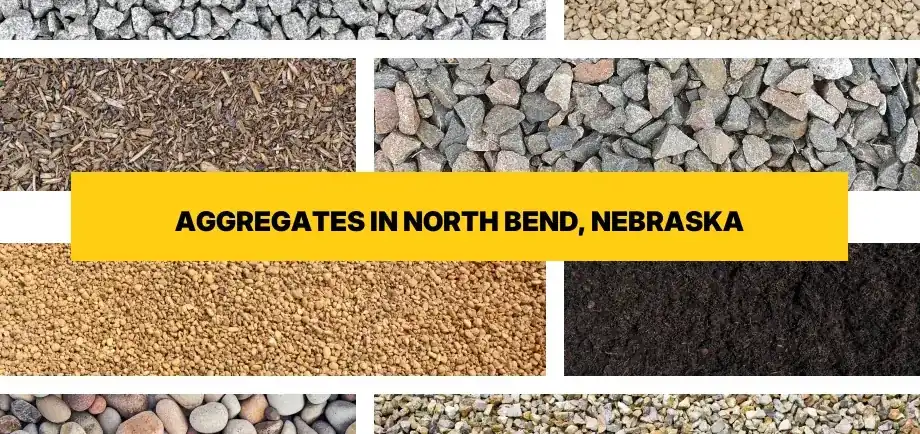
Bulk Aggregate & Gravel Products in North Bend, Nebraska
Local Topsoil, Dirt, Sand, Rocks and Gravel near me in North Bend, Nebraska
Shop Aggregates for Delivery in North Bend
Order online for free delivery to any North Bend address.


Gravel Monkey provides premium aggregate delivery throughout North Bend, Nebraska, serving residential, commercial, and agricultural properties across Dodge County. Whether you're improving a rural driveway near the Platte River bottoms, stabilizing a property in the historic downtown district, or managing drainage on farmland surrounding this close-knit community, we deliver high-quality aggregates directly to your location with absolutely free delivery. Our comprehensive selection of materials meets the unique demands of North Bend's clay-rich soils and variable Nebraska weather patterns.
Complete Range of Aggregates Available in North Bend
We stock a full inventory of aggregates and materials specifically chosen for the soil conditions and climate challenges found throughout North Bend and eastern Nebraska. Our selection addresses everything from foundation support to decorative landscaping:
- Driveway Gravel - Durable base material engineered for Nebraska's freeze-thaw cycles
- 3/4 inch Crushed Stone - Versatile aggregate for foundations and compaction projects
- #57 Stone - Popular drainage stone for managing North Bend's spring runoff
- Crusher Run - Superior compactable base for rural driveways and farm lanes
- Road Base - Heavy-duty material for lasting road construction
- Pea Gravel - Smooth decorative stone for walkways and garden beds
- River Rock - Natural aesthetic stone in multiple sizes
- Drain Rock - Engineered for French drains and foundation drainage
- Crushed Concrete - Eco-friendly recycled aggregate for budget-conscious projects
- Topsoil - Nutrient-rich soil for gardens and lawn establishment
- Fill Dirt - Essential material for grading and leveling
- Mason Sand - Fine-grade sand for masonry and construction work
- Washed Sand - Clean sand for concrete mixing and landscaping
- Playground Sand - Safe, certified sand for play areas
- Walkway Gravel - Specially sized aggregate for pedestrian paths
- Decomposed Granite - Natural pathway material that compacts beautifully
Aggregate Delivery Throughout North Bend Communities
Gravel Monkey serves every neighborhood and area throughout North Bend and the surrounding region. Whether your property is in the heart of downtown North Bend near Main Street, out in the residential areas along Highway 79, in the rural farmland areas north toward the Elkhorn River, or in the developing properties near the North Bend Central School complex, we provide reliable delivery of bulk aggregates to your exact location.
Our delivery service extends to properties throughout Dodge County, including the agricultural areas surrounding North Bend, residential developments near the old railroad corridor, and commercial properties along the Highway 79 business district. We're equally equipped to deliver to rural acreages between North Bend and neighboring communities like Morse Bluff, properties near the Platte River valley, and farms throughout the surrounding countryside. North Bend's small-town character combined with its agricultural heritage means properties range from compact town lots to expansive farm operations, and we accommodate projects of every scale.
Understanding North Bend's Soil and Climate Conditions
North Bend sits in eastern Nebraska where the Platte River valley transitions into rolling agricultural uplands, creating unique soil and drainage challenges that directly impact aggregate selection. The predominant soil type throughout the North Bend area is silty clay loam, part of the Marshall-Sharpsburg soil association common across Dodge County. These soils contain significant clay content, typically ranging from 30 to 40 percent, which creates substantial expansion and contraction during seasonal moisture changes.
The expansive clay characteristics of North Bend soils mean proper aggregate selection becomes critical for any construction project. During Nebraska's wet springs, when annual rainfall averages 28 inches with much of that concentrated between April and June, clay soils absorb moisture and expand. Summer heat and periodic droughts cause these same soils to contract and crack. This constant cycle creates stress on driveways, foundations, and hardscapes, making proper base preparation with quality aggregates essential for long-term stability.
Seasonal Weather Patterns and Material Selection
North Bend experiences typical Nebraska continental climate conditions with temperature extremes that directly affect aggregate performance. Winter temperatures regularly drop below zero Fahrenheit, while summer highs frequently exceed 95 degrees. This 100-degree-plus annual temperature swing, combined with freeze-thaw cycles that can occur 50 to 60 times each winter, demands aggregates that remain stable through repeated expansion and contraction.
Spring presents the most challenging conditions for North Bend properties. Snowmelt combines with spring rains to saturate clay soils, creating soft, unstable conditions that can compromise poorly constructed driveways and foundations. Properties in the Platte River valley areas are particularly susceptible to seasonal high water tables. Selecting proper drainage aggregates becomes critical for managing this seasonal moisture and preventing frost heave damage during subsequent winter freezes.
Choosing the Right Aggregates for North Bend Projects
Different projects throughout North Bend require specific aggregate types. Understanding which material works best for your application ensures successful, long-lasting results that can withstand Nebraska's demanding climate conditions.
| Aggregate Type | Best Applications | Compaction Quality | Drainage Performance |
|---|---|---|---|
| Crusher Run | Driveway base, farm lanes, parking areas | Excellent - locks together tightly | Good - stone dust fills voids |
| 3/4" Crushed Stone | Driveways, foundations, French drains | Very Good - angular edges bind | Excellent - uniform void spaces |
| #57 Stone | Drainage systems, concrete aggregate | Good - moderate compaction | Excellent - optimal void ratio |
| Road Base | Heavy traffic areas, rural roads | Excellent - engineered blend | Good - balanced performance |
| Pea Gravel | Walkways, landscaping, decorative use | Poor - rounded stones shift | Excellent - water flows freely |
| Crushed Concrete | Budget driveways, base layers | Very Good - similar to crushed stone | Good - comparable to natural stone |
| Drain Rock | Foundation drains, septic fields | Not applicable - loose fill | Excellent - maximized flow |
Driveway Solutions for North Bend Properties
Driveway construction in North Bend requires careful attention to base preparation due to the expansive clay soils. For residential driveways, particularly those in town along streets like Second Street or Third Street, a properly constructed base prevents the rutting and settling common with clay subsoils. Rural driveways serving agricultural properties need even more robust construction to handle heavy equipment and seasonal moisture variations.
The ideal North Bend driveway starts with proper excavation to remove organic material and unstable clay, typically 8 to 12 inches deep for residential applications and deeper for commercial or farm use. A compacted base layer of crusher run or road base creates a stable platform that resists the expansion and contraction of underlying clay soils. This base should be 4 to 6 inches thick after compaction, providing the structural integrity needed for Nebraska's freeze-thaw cycles. Top dressing with additional crushed stone or driveway gravel completes the installation, creating a surface that drains effectively while remaining stable through all seasons.
Common Applications for Aggregates in North Bend
Properties throughout North Bend and Dodge County utilize aggregates for diverse applications. Understanding these common uses helps property owners plan their projects effectively.
Agricultural and Rural Property Applications
North Bend's agricultural heritage means many properties require aggregates for farm-specific applications. Rural driveways often extend several hundred feet from county roads to farmstead buildings, demanding substantial quantities of durable base material. Crusher run works exceptionally well for these long farm lanes, providing a surface that supports heavy equipment like tractors, combines, and grain trucks while managing the seasonal moisture challenges inherent in Nebraska agriculture.
Barnyard areas and equipment yards benefit from deep aggregate bases that prevent mud accumulation during wet periods. Properties raising livestock particularly need well-drained surfaces around buildings and high-traffic areas. A combination of larger road base for the foundation topped with finer crushed stone creates surfaces that remain functional year-round. Grain bin pads require level, compacted bases that prevent settling under the tremendous weight of stored grain, making proper aggregate selection and installation critical for these agricultural structures.
Residential Landscaping and Drainage Solutions
Homeowners in North Bend frequently utilize decorative aggregates for landscaping projects that enhance curb appeal while managing moisture. Pea gravel works beautifully for garden borders and around trees, providing an attractive low-maintenance surface that prevents weed growth. River rock adds natural character to dry creek beds and water features, creating visual interest while managing roof runoff. The rounded stones also work well around foundations, though they don't provide the drainage efficiency of angular crushed stone.
French drains become necessary for many North Bend properties dealing with clay soil drainage challenges. These systems require specific drain rock that allows water to flow freely while preventing soil intrusion. Properties with basement moisture issues, particularly older homes in the downtown area, often benefit from exterior drainage systems using drain rock wrapped in filter fabric. Installing proper foundation drainage prevents the hydrostatic pressure that causes basement seepage, a common problem in clay soil regions during Nebraska's wet springs.
Commercial and Municipal Applications
Commercial properties along Highway 79 and businesses throughout North Bend require durable aggregate solutions for parking areas, loading zones, and access drives. The heavy traffic associated with commercial operations demands robust base construction using road base or thick layers of compacted crusher run. These materials withstand the stress of delivery trucks and customer vehicles while maintaining surface integrity through seasonal weather variations.
Municipal applications throughout North Bend include road maintenance, park pathways, and public facility projects. County road departments utilize crusher run and road base for maintaining unpaved roads throughout rural Dodge County. The North Bend park system benefits from walkway gravel and decomposed granite for creating pedestrian paths that remain accessible while blending with natural surroundings. These materials compact firmly while allowing water infiltration, preventing the puddling common with impervious surfaces.
Professional Installation Tips for North Bend Conditions
Successful aggregate projects in North Bend require more than quality materials. Proper installation techniques account for local soil conditions and ensure long-lasting results that withstand Nebraska's climate challenges.
Site Preparation and Excavation
Adequate site preparation determines project success more than any other factor. North Bend's clay soils demand thorough excavation to reach stable subsoil. Remove all topsoil, organic matter, and loose clay before installing aggregate base materials. For driveways, excavate to a depth that accommodates your intended aggregate thickness plus an additional 2 inches to account for compaction. Rural properties with particularly poor drainage may require excavation depths of 12 to 18 inches to ensure adequate base material beneath the surface layer.
Grade the excavated area to promote drainage away from buildings and toward appropriate discharge points. Even a modest slope of 2 percent (approximately 1/4 inch per foot) significantly improves drainage performance. Properties near the Platte River valley or in low-lying areas should consider installing drainage tile beneath aggregate bases to manage seasonal high water tables. This subsurface drainage prevents water from wicking up through aggregates and causing frost heave damage during winter months.
Compaction Best Practices
Proper compaction transforms loose aggregates into stable, load-bearing surfaces. Compact base materials in lifts no thicker than 4 inches, working from the edges toward the center. Mechanical compactors—either plate compactors for smaller areas or vibratory rollers for larger projects—create the density necessary for long-term stability. Clay subsoils in North Bend require particular attention; over-compaction when soils are too wet can create a slick surface that prevents bonding with overlying aggregates.
Ideal compaction occurs when aggregates contain optimal moisture content, typically slightly damp but not saturated. North Bend's humid springs provide natural moisture for compaction work, though summer projects may require light watering to achieve proper density. Test compaction by walking on the surface; properly compacted material should show minimal displacement under foot traffic. For critical applications like commercial driveways or road construction, professional compaction testing ensures adequate density throughout the entire installation.
Seasonal Project Planning in North Bend
Nebraska's distinct seasons create varying conditions for aggregate projects. Strategic timing ensures optimal results and minimizes weather-related complications.
Spring and Fall: Prime Installation Seasons
Late spring after soils dry and early fall before winter freezes provide ideal conditions for aggregate projects in North Bend. May and early June offer warming temperatures and drying soils after winter snowmelt. September and October present excellent weather with comfortable working conditions and adequate time for projects to settle before winter. These shoulder seasons avoid the extreme temperatures of summer and the frozen conditions of winter while providing enough warm weather for materials to compact properly.
Spring installations require patience waiting for soils to dry adequately. Working in saturated clay creates compaction problems and can actually damage soil structure. Rural properties particularly affected by spring moisture should consider delaying projects until soils firm. Simple field testing helps determine readiness: squeeze a handful of soil and if water drips out, conditions remain too wet for aggregate installation. When soil crumbles but holds together loosely, moisture content proves adequate for construction work.
Summer and Winter Considerations
Summer heat in North Bend creates challenges for large aggregate projects. Temperatures regularly exceeding 90 degrees make physical labor demanding and can cause premature drying of materials during compaction. Morning work hours when temperatures remain moderate provide the most comfortable conditions. Adequate water availability becomes essential for maintaining proper moisture content in aggregates during compaction operations. Despite heat challenges, summer's consistently dry weather eliminates mud problems and allows unrestricted equipment access.
Winter aggregate work presents substantial limitations in North Bend. Once temperatures consistently remain below freezing, effective compaction becomes nearly impossible and freeze-thaw cycles compromise installation quality. However, frozen ground conditions allow heavy equipment access to wet areas impossible to reach during other seasons. Strategic winter material delivery to remote locations takes advantage of frozen surfaces, though actual installation should wait for spring thaw and soil drying.
Free Aggregate Delivery Throughout North Bend and Dodge County
Gravel Monkey eliminates the hassle and expense of hauling aggregates yourself. Our free delivery service brings bulk materials directly to your North Bend property, whether you're located in town near the North Bend Central School, out on rural acreage toward Scribner, or on farm property between North Bend and Fremont. We deliver to residential homes, agricultural operations, commercial businesses, and municipal projects throughout Dodge County.
Our delivery trucks handle materials efficiently and place them precisely where you need them on your property. For driveway projects, we can dump materials at the entrance for easy spreading. Agricultural customers often request delivery to specific locations near project sites, minimizing the distance you need to move materials with equipment. Multiple loads for large projects arrive on schedule, ensuring continuous workflow without delays waiting for materials.
Delivery Logistics and Scheduling
Scheduling aggregate delivery requires consideration of property access and project timing. Our trucks navigate North Bend's streets and county roads effectively, though extremely narrow lanes or low-hanging power lines occasionally create challenges. Rural properties should ensure adequate turnaround space or clear backing access for delivery trucks. Spring conditions sometimes necessitate waiting for driveways to firm before scheduling heavy loads. We work with customers to time deliveries when ground conditions support truck traffic without causing property damage.
Order quantities depend on project scope and material type. Residential driveways typically require 15 to 30 tons of aggregate for proper installation, while larger rural driveways or commercial projects may need 50 tons or more. Our team helps calculate quantities based on your specific dimensions and application. Ordering adequate material for complete project coverage prevents the frustration of running short and eliminates the inefficiency of partial truckloads. We deliver full truckload quantities most efficiently, though smaller orders receive the same attention and free delivery service.
Frequently Asked Questions About Aggregates in North Bend
Crusher run and 3/4 inch crushed stone excel in North Bend's clay soil environment. These angular aggregates compact firmly and provide excellent drainage, addressing the expansion and contraction challenges inherent in eastern Nebraska's silty clay loam soils. The crushed stone's angular shape creates mechanical interlock that resists shifting even during freeze-thaw cycles, while void spaces allow moisture drainage that prevents hydrostatic pressure buildup. For critical applications like foundations and heavy-use driveways, road base provides engineered performance specifically designed for challenging soil conditions.
A standard residential driveway in North Bend requires 4 to 6 inches of compacted base material for adequate stability, translating to approximately 100 to 150 pounds of aggregate per square foot. For a typical two-car driveway measuring 12 feet wide by 40 feet long (480 square feet), expect to order 15 to 25 tons of material depending on desired depth. Rural driveways serving agricultural equipment need deeper bases, often 6 to 8 inches or more, proportionally increasing material requirements. Our team provides precise quantity calculations based on your specific driveway dimensions and intended use.
Winter aggregate installation in North Bend proves challenging and generally inadvisable due to frozen ground conditions and inability to achieve proper compaction. Once temperatures remain consistently below freezing, aggregates won't compact effectively and frost heave can disrupt installations during subsequent spring thaw. However, winter material delivery to frozen sites allows stockpiling aggregates for spring installation. Frozen ground actually facilitates access to wet areas impossible to reach during other seasons. Plan major installations for late spring through fall when temperatures support proper compaction and materials settle effectively.
Basement moisture problems in North Bend homes typically require exterior foundation drainage using specialized drain rock. Install a French drain system around the foundation perimeter using 3/4 inch to 1-1/2 inch clean stone wrapped in filter fabric. This configuration allows groundwater to flow freely to drainage tile while preventing soil infiltration that clogs drainage systems. The drain tile slopes to discharge water away from the structure, eliminating the hydrostatic pressure that forces moisture through basement walls. Combine exterior drainage with proper surface grading using fill dirt to direct roof runoff away from foundations.
Absolutely! We provide free delivery throughout North Bend and surrounding rural Dodge County areas including properties near Fremont, Morse Bluff, Ames, Scribner, and agricultural land throughout the region. Our delivery service extends to residential acreages, working farms, commercial operations, and municipal projects regardless of location. Rural deliveries require adequate access for our trucks and sufficient turnaround or backing space. We work with customers to schedule deliveries when ground conditions support heavy truck traffic without damaging property. Contact our team to confirm delivery arrangements for your specific rural location.
Maintaining aggregate driveways in North Bend requires periodic attention to preserve surface quality and drainage performance. Grade the surface annually in spring after frost heave and thaw cycles, filling low spots and maintaining crown for water drainage. Add fresh aggregate every 2 to 3 years to replace material lost to traffic and weathering, typically requiring 1 to 2 tons for an average residential driveway. Control weeds along edges and prevent organic material accumulation that breaks down into soil. During spring thaw, avoid heavy traffic until driveways firm to prevent rutting in softened base materials. Properly maintained aggregate driveways provide decades of reliable service throughout Nebraska's challenging climate.
Crusher run and road base serve similar applications but differ in composition and engineering. Crusher run consists of crushed stone in mixed sizes from fine dust up to 3/4 inch or larger, creating a material that compacts tightly as fines fill voids between larger stones. This mechanical interlock creates excellent stability for driveways and parking areas. Road base represents an engineered product with specific size gradations designed to meet performance standards for road construction applications. Road base typically undergoes testing to ensure proper composition ratios, making it ideal for critical applications requiring guaranteed performance. Both materials excel in North Bend's clay soil conditions, with crusher run offering cost-effective performance and road base providing engineered reliability.
Recycled crushed concrete provides an excellent eco-friendly alternative to natural aggregates for many North Bend applications. Crushed concrete performs similarly to natural crushed stone in base layer applications, offering comparable compaction characteristics and drainage performance at reduced cost. This sustainable option works well for driveways, parking areas, and base layers beneath other materials. However, avoid crushed concrete for decorative surface applications where appearance matters, as the gray concrete lacks the visual appeal of natural stone. Most North Bend contractors find recycled concrete ideal for hidden base layers topped with natural stone for exposed surfaces, combining sustainability with aesthetics.
Local Knowledge for North Bend Projects
Successful aggregate projects in North Bend benefit from understanding local conditions that affect material performance. The proximity to the Platte River influences groundwater levels throughout the area, particularly affecting properties in the river valley areas north of town. Spring flooding along Shell Creek and its tributaries creates seasonal high water conditions that impact drainage requirements. Properties should account for these water table variations when planning foundation drainage and driveway construction.
North Bend's agricultural character means many properties experience heavy equipment traffic that urban driveways never encounter. Farm equipment weighing tens of thousands of pounds demands robust aggregate bases significantly thicker than residential standards. Grain hauling during harvest season concentrates extreme loads on rural driveways for short periods annually. Planning aggregate installations for these agricultural demands prevents premature failure and eliminates costly repairs. Local experience with Dodge County soil conditions and climate patterns ensures your aggregate project succeeds for decades regardless of intended use.
The small-town community atmosphere in North Bend means property improvements reflect on the entire neighborhood. Well-maintained driveways and landscaping using quality aggregates contribute to community pride and property values throughout town. Whether you're improving a historic home along the downtown business district or developing rural property for agricultural use, choosing proper materials and professional installation techniques demonstrates commitment to quality that benefits the entire North Bend community. Gravel Monkey brings that same commitment to quality with every delivery, ensuring your project succeeds through Nebraska's demanding conditions.

Need help? Reach out for a quote: