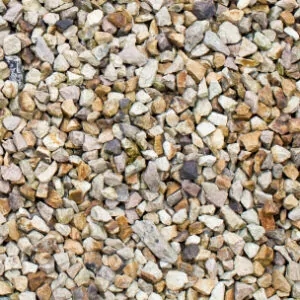
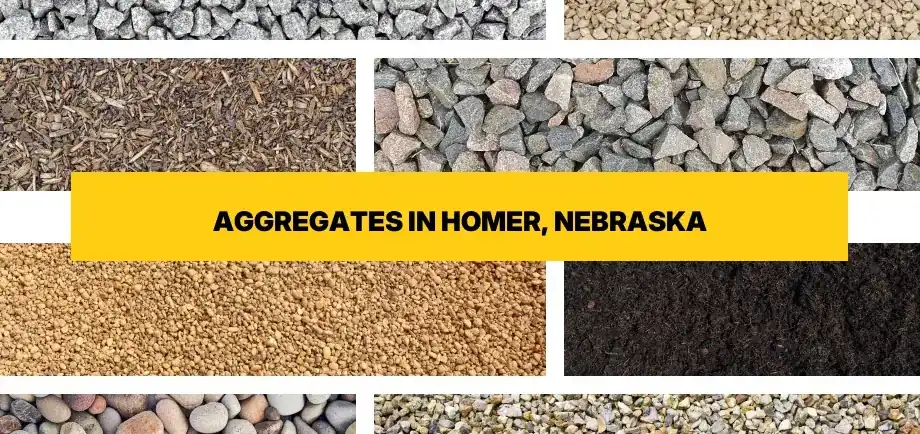
Buy Bulk Aggregates & Gravel in Homer, Nebraska
Local Topsoil, Dirt, Sand, Rocks and Gravel near me in Homer, Nebraska
Shop Aggregates for Delivery in Homer
Order online for free delivery to any Homer address.
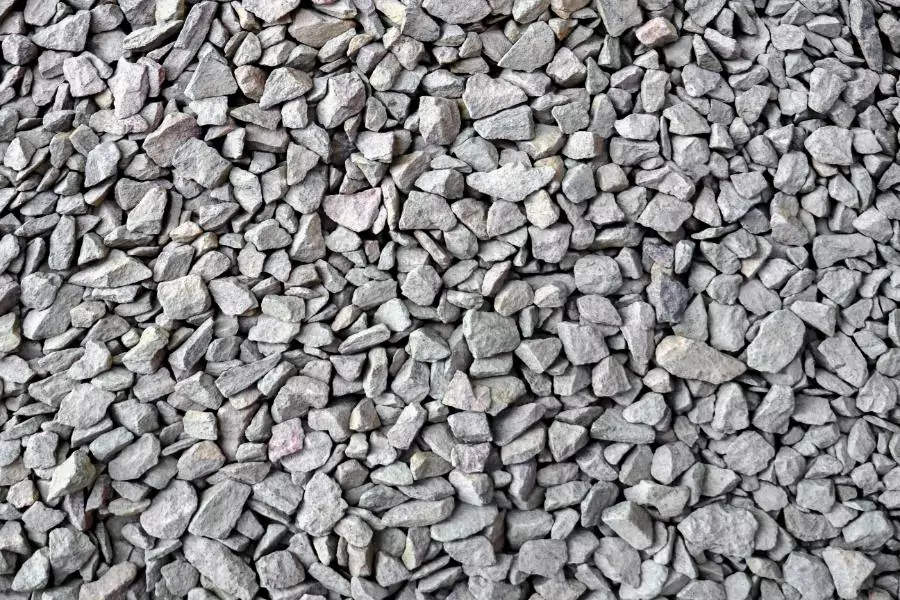
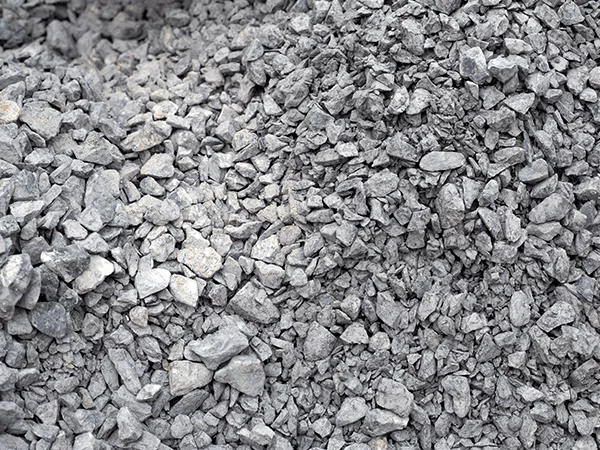


Gravel Monkey delivers premium aggregates and bulk materials to Homer, Nebraska, and throughout Dakota County. Whether you're building a new driveway near the historic downtown district, improving drainage on your rural property along the Missouri River bluffs, or undertaking a landscaping project anywhere in the Homer community, we provide high-quality aggregates with free delivery. Our comprehensive selection meets the unique needs of northeast Nebraska properties, from residential yards to agricultural operations and commercial developments.
Complete Aggregate Selection for Homer, NE
We stock a full range of aggregates and materials specifically suited for Homer's loess soil conditions and continental climate. Our product lineup includes:
- Driveway Gravel - Premium aggregate blends for long-lasting driveways
- 3/4 inch Crushed Stone - Versatile angular stone for drainage and construction
- #57 Stone - Clean drainage aggregate for French drains and foundations
- Crusher Run - Compactable base material for solid foundations
- Road Base - Heavy-duty aggregate for driveways and access roads
- Drain Rock - Washed stone for effective water management systems
- Pea Gravel - Smooth rounded aggregate for walkways and gardens
- River Rock - Natural decorative stone in multiple sizes
- Walkway Gravel - Decorative aggregate perfect for garden paths
- Decomposed Granite - Natural pathway material with excellent compaction
- Crushed Concrete - Eco-friendly recycled aggregate
- Topsoil - Rich organic soil for gardens and lawns
- Fill Dirt - Quality material for grading and leveling
- Mason Sand - Fine sand for masonry and concrete projects
- Playground Sand - Clean, safe sand for children's play areas
- Washed Sand - Clean sand for multiple applications
Understanding Homer's Unique Ground Conditions
Homer sits in the distinctive loess hills region of northeast Nebraska, where deep windblown silt deposits create unique challenges for construction and landscaping projects. The town's location along the Missouri River valley means properties deal with both the advantageous flat terrain and the complications of fine-textured, erosion-prone soil.
Dakota County's loess soils are particularly susceptible to compaction issues and poor drainage during Homer's wet springs when average rainfall reaches 3-4 inches monthly. The freeze-thaw cycles common from December through March, with temperatures swinging from below zero to above freezing, demand aggregates that provide stable foundations and proper drainage. Properties in the downtown Homer area and along Highway 77 benefit from quality base materials, while rural locations near the Missouri River bluffs require careful attention to erosion control.
Climate Considerations for Homer Projects
Homer experiences a humid continental climate with hot summers averaging in the mid-80s and cold winters with temperatures frequently dropping below 10°F. Annual precipitation of approximately 30 inches includes both rain and snow, with the heaviest moisture arriving during spring and early summer thunderstorm seasons. This weather pattern makes proper drainage absolutely critical for any gravel installation.
The region's clay-rich loess subsoil expands when wet and contracts when dry, creating movement that can damage poorly prepared surfaces. Quality aggregates provide the stable layer needed to isolate driveways, pathways, and foundations from this natural soil movement. Winter road maintenance throughout Dakota County also means properties need durable surfaces that withstand both freezing temperatures and the effects of road salt tracked in from nearby highways.
Delivering Aggregates Throughout Homer & Surrounding Areas
Gravel Monkey proudly serves all of Homer and the greater Dakota County region with free aggregate delivery. Our service area extends throughout northeast Nebraska, reaching properties in:
- Downtown Homer - Historic main street area and residential neighborhoods
- North Homer - Properties along Highway 77 corridor
- South Homer - Rural residential areas and farmland
- East Homer - Missouri River bluff properties
- West Homer - Agricultural properties and acreages
- Homer Township - Rural Dakota County locations
We also deliver to nearby communities including Dakota City, South Sioux City, Jackson, Emerson, Hubbard, Allen, Winnebago, and throughout the Sioux City metropolitan area just across the Missouri River. Whether your project is in town or on a rural acreage, we ensure timely delivery of quality aggregates.
Aggregate Applications for Homer Properties
Residential Driveways and Parking Areas
Homer homeowners need durable driveways that handle heavy snow loads, spring thaw conditions, and summer heat. Our driveway aggregate products provide excellent solutions for both new installations and resurfacing projects. The key to a long-lasting driveway in Homer starts with proper base preparation using compactable materials that won't shift during freeze-thaw cycles.
For homes along Homer's tree-lined streets and in newer subdivisions, we recommend starting with a 4-6 inch layer of compacted base material, followed by a 2-3 inch wearing surface of angular aggregate. This combination creates the stable, well-draining surface needed to withstand Dakota County's weather extremes. Properties on clay-heavy soils particularly benefit from thicker base layers that prevent the driveway from settling into soft ground during wet periods.
Agricultural and Rural Property Access
Farm operations around Homer require robust access roads and work areas that support heavy equipment year-round. Quality aggregate bases prevent the rutting and mud problems common on loess soils during wet seasons. Proper aggregate installation ensures combines, grain trucks, and equipment can access fields and buildings regardless of weather conditions.
Rural driveways extending from Highway 77 or county roads benefit from materials engineered for load-bearing capacity. The right aggregate selection means fewer maintenance headaches and better property access during critical planting and harvest seasons when time is precious and ground conditions are challenging.
Drainage Solutions for Homer Properties
Given Homer's loess soil characteristics and seasonal moisture patterns, proper drainage ranks among the most important aspects of any property improvement project. Poor drainage leads to basement seepage, foundation problems, driveway deterioration, and lawn damage. Strategic placement of drainage aggregate around foundations, in French drains, and along property boundaries protects your investment.
Properties on hillsides near the Missouri River bluffs face additional erosion challenges requiring thoughtful drainage design. Clean washed aggregate in drainage trenches allows water to move quickly away from structures while filtering out fine soil particles that could clog the system. Proper drainage installation pays dividends for decades by preventing costly water damage and maintaining stable ground conditions.
Comparing Aggregate Types for Homer Projects
Selecting the right aggregate depends on your specific application, soil conditions, and budget. Here's how our most popular products compare:
| Aggregate Type | Best Applications | Compaction | Drainage | Homer Suitability |
|---|---|---|---|---|
| Crusher Run | Driveway base, parking areas | Excellent | Moderate | Ideal for stable bases |
| Road Base | Heavy traffic areas, farm roads | Excellent | Moderate | Best for rural access |
| 3/4 inch Crushed Stone | Driveways, foundations | Good | Excellent | Versatile all-purpose |
| #57 Stone | Drainage systems, French drains | Fair | Excellent | Perfect for wet areas |
| Drain Rock | Foundation drains, trenches | Poor | Excellent | Essential for drainage |
| Pea Gravel | Walkways, decorative areas | Poor | Good | Great for landscaping |
| Decomposed Granite | Pathways, patios | Good | Good | Natural pathway option |
| Crushed Concrete | Budget driveways, fill | Good | Good | Eco-friendly choice |
Professional Installation Tips for Homer Conditions
Site Preparation Essentials
Success with any aggregate project starts with thorough site preparation. Remove all organic material, topsoil, and vegetation from the work area before beginning aggregate placement. Homer's loess soils require excavating to stable subgrade, typically 8-12 inches deep for driveways, to reach firm material that won't compress under load.
Consider fabric underlayment for projects on particularly soft or wet ground. Geotextile fabric prevents aggregate from migrating into underlying soil while allowing water to drain through. This is especially valuable for rural properties and areas with high seasonal moisture. Proper grading ensures water flows away from structures and prevents pooling that could undermine your aggregate base.
Compaction and Layering Methods
Mechanical compaction is essential for any load-bearing aggregate application in Homer. Compact base materials in 3-4 inch lifts, thoroughly compacting each layer before adding the next. This creates a dense, stable foundation that resists settling and shifting. Proper compaction eliminates air pockets and maximizes load-bearing capacity.
For driveways and parking areas, finish with a slightly crowned surface that promotes water runoff. A 2% grade from center to edges prevents standing water and extends the life of your aggregate surface. During Homer's freeze-thaw season, this drainage becomes even more critical as trapped water expands when frozen, causing heaving and surface damage.
Maintenance Considerations
Well-installed aggregate surfaces require minimal maintenance but benefit from periodic attention. Grade and compact high-traffic areas annually to maintain smooth surfaces. Add fresh aggregate as needed to replace material displaced by vehicle traffic or weather. Address drainage issues immediately to prevent them from undermining the base layer.
In Homer's climate, spring represents the ideal time for maintenance and repairs after winter freeze-thaw damage. Check for low spots, erosion, and drainage problems once ground fully thaws. Addressing small issues promptly prevents them from developing into expensive repairs requiring complete reconstruction.
Specialty Aggregates and Landscaping Materials
Decorative Stone Options
Beyond functional applications, quality aggregates enhance Homer property aesthetics. River rock creates natural-looking dry creek beds and water features while providing excellent drainage. These smooth stones work beautifully in flower beds, around trees, and as groundcover in areas where lawn maintenance proves challenging. The rounded edges prevent damage to landscape fabric and make comfortable surfaces for barefoot walking.
Pea gravel offers another attractive option for pathways, patios, and play areas. Its small size and smooth texture create comfortable walking surfaces that drain quickly after rain. Homer homeowners use pea gravel to create charming cottage-style garden paths and define landscape borders. The material's light color brightens shaded areas and provides pleasant contrast against plantings.
Sand Products for Multiple Applications
Our sand selection serves diverse needs around Homer properties. Mason sand provides the fine texture needed for masonry work, paver installation, and concrete mixing. Its consistent gradation ensures proper mortar consistency and strong bonds. Playground sand offers a safe, clean surface for children's play areas, meeting specifications for cushioning falls.
Washed sand serves multiple purposes from sandbox fill to horse arena footing. The cleaning process removes clay, silt, and organic materials, leaving pure silica sand that drains freely and resists compaction. This makes it ideal for applications requiring long-term performance without maintenance.
Soil Products for Growing Success
Quality topsoil forms the foundation for successful gardens and lawns in Homer. Our screened topsoil contains the organic matter and nutrients plants need to thrive in Dakota County's growing conditions. Use it to establish new lawns, amend existing gardens, or fill raised beds for vegetable production. The 135-day frost-free period in Homer allows productive gardening from May through September, and proper soil provides the foundation for healthy plant growth.
Fill dirt serves different purposes, providing stable material for grading, filling low spots, and building up ground levels. Unlike topsoil, fill dirt contains minimal organic matter, preventing settling and decomposition that could compromise structural applications. Use fill dirt to level yards, create berms, or establish proper drainage grades around foundations.
Common Homer Property Projects
New Construction Site Work
Building projects around Homer require extensive aggregate use from initial site preparation through final landscaping. Contractors rely on road base and crusher run for temporary access roads that allow heavy equipment to reach construction sites regardless of weather. These materials create stable work platforms that prevent equipment from becoming mired in Homer's clay soils during wet periods.
Foundation work requires clean drainage aggregate around footings and basement walls. Proper backfill prevents hydrostatic pressure that could crack walls or cause seepage. French drain systems using drain rock channel water away from structures, protecting your investment for decades. Foundation drainage is particularly crucial in Homer's loess soils which can hold moisture against basement walls.
Property Renovation and Upgrades
Updating older Homer properties often involves aggregate work. Existing driveways showing settlement, cracks, or drainage problems benefit from reconstruction using modern materials and methods. Proper base preparation addresses underlying issues, while quality wearing surfaces provide the durability homeowners expect from significant investments.
Landscape renovations incorporate decorative aggregates to reduce maintenance and add visual interest. Stone pathways create defined circulation routes through gardens while managing foot traffic that could damage lawns. Aggregate mulches around shrubs and trees suppress weeds, retain soil moisture, and provide clean, attractive groundcover requiring minimal upkeep.
Agricultural Improvements
Farm operations around Homer benefit significantly from strategic aggregate applications. Equipment storage areas, livestock facilities, and high-traffic zones around barns need stable surfaces that handle heavy loads and resist mud formation. Well-prepared aggregate bases in work areas improve efficiency, reduce equipment maintenance, and create safer working conditions year-round.
Grain bin pads require level, well-draining surfaces that support tremendous weight when bins fill during harvest. Properly constructed aggregate pads prevent settling that could damage bin structures or create safety hazards. Feed storage areas benefit similarly from aggregate surfaces that stay clean and dry regardless of weather conditions.
Sustainable Aggregate Practices
Modern aggregate use aligns with environmental stewardship goals important to Homer residents. Recycled crushed concrete diverts material from landfills while providing cost-effective aggregate for many applications. Its performance rivals natural stone products while reducing the environmental impact of quarrying new materials. Many Homer property owners choose crushed concrete for budget-friendly projects that support sustainability.
Properly installed aggregate surfaces reduce storm water runoff compared to impervious pavement. Water percolates through aggregate layers, naturally filtering pollutants before reaching groundwater. This recharge benefits local aquifers and maintains stream health in the Missouri River watershed. Permeable aggregate applications represent an environmentally responsible choice for properties throughout Dakota County.
Native vegetation combined with strategic aggregate use creates low-maintenance landscapes requiring less water, fertilizer, and chemical treatments than traditional lawns. This approach suits Homer's prairie heritage while providing habitat for beneficial insects and wildlife. Drought-resistant plantings paired with decorative stone mulches thrive with minimal irrigation, reducing water consumption during hot Nebraska summers.
Frequently Asked Questions About Aggregates in Homer, Nebraska
For Homer's loess soil conditions, we recommend starting with 4-6 inches of compacted crusher run or road base, followed by 2-3 inches of 3/4 inch crushed stone. This combination provides excellent stability during freeze-thaw cycles and proper drainage during wet seasons. The angular aggregate interlocks well and resists displacement from vehicle traffic.
Total depth typically ranges from 6-10 inches depending on soil conditions and expected traffic. Properties on clay-heavy loess soils benefit from deeper bases, while well-drained sites may need less. For standard residential driveways in Homer, 8 inches total thickness (base plus wearing surface) provides long-term durability and proper performance.
Late spring through early fall offers optimal conditions for aggregate installation. The ground must be neither frozen nor saturated for proper compaction. May through October generally provides the most consistent working conditions in Homer. Avoid installation during heavy rain or when frost remains in the ground, as proper compaction requires stable base conditions.
Geotextile fabric benefits many Homer installations, particularly on soft ground or where the water table runs high. Fabric prevents aggregate from migrating into underlying soil while allowing drainage. Properties with clay-rich loess soils often benefit from fabric installation, especially for driveways and parking areas subject to regular traffic.
Calculate volume by multiplying length times width times depth in feet, then divide by 27 to get cubic yards. For example, a 50-foot by 12-foot driveway with 8-inch depth equals 50 x 12 x 0.67 divided by 27, requiring about 15 cubic yards. Our team helps verify your calculations and recommends appropriate materials for your specific application.
For French drains and foundation drainage in Homer's loess soils, use clean washed drain rock or #57 stone. These materials provide excellent water flow while filtering fine soil particles. Proper drainage aggregate placement protects foundations from hydrostatic pressure and prevents basement seepage common in clay-rich soils during wet seasons.
Absolutely. Strategic aggregate use addresses many clay soil challenges common in Homer. Proper bases isolate structures from expansive clay movement, drainage aggregate manages moisture that causes swelling and shrinking, and well-graded aggregate surfaces provide stable working areas even during wet periods when clay becomes impassable.
Yes, we deliver throughout Homer and all surrounding rural Dakota County areas with free delivery. Whether your property is in town, along Highway 77, near the Missouri River bluffs, or on agricultural land miles from downtown, we ensure timely delivery of quality aggregates to your project site.
Start Your Homer Aggregate Project Today
Gravel Monkey provides the quality aggregates and professional service Homer property owners trust for driveways, landscaping, drainage solutions, and construction projects. Our comprehensive product selection, expert guidance, and free delivery throughout Dakota County ensure your project succeeds from planning through completion.
Contact our knowledgeable team to discuss your specific needs, receive material recommendations suited to Homer's unique soil and climate conditions, and get accurate quantity estimates. We're committed to your complete satisfaction with every aggregate delivery.
Experience the difference quality materials and reliable service make for your Homer property. From residential driveways to commercial developments and agricultural improvements, we deliver the aggregates you need exactly when you need them. Let us help you build lasting value with properly selected and installed aggregate products designed for northeast Nebraska conditions.

Need help? Reach out for a quote: