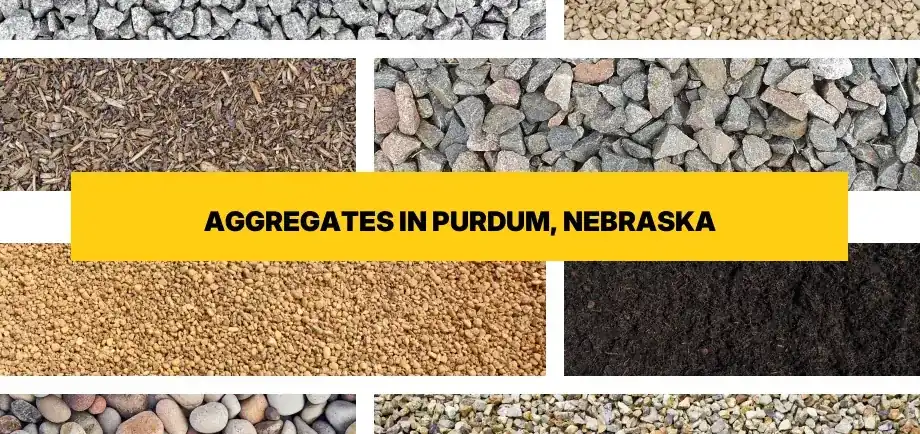
Sand, Aggregates & Gravel for Purdum, Nebraska
Local Topsoil, Dirt, Sand, Rocks and Gravel near me in Purdum, Nebraska
Shop Aggregates for Delivery in Purdum
Order online for free delivery to any Purdum address.
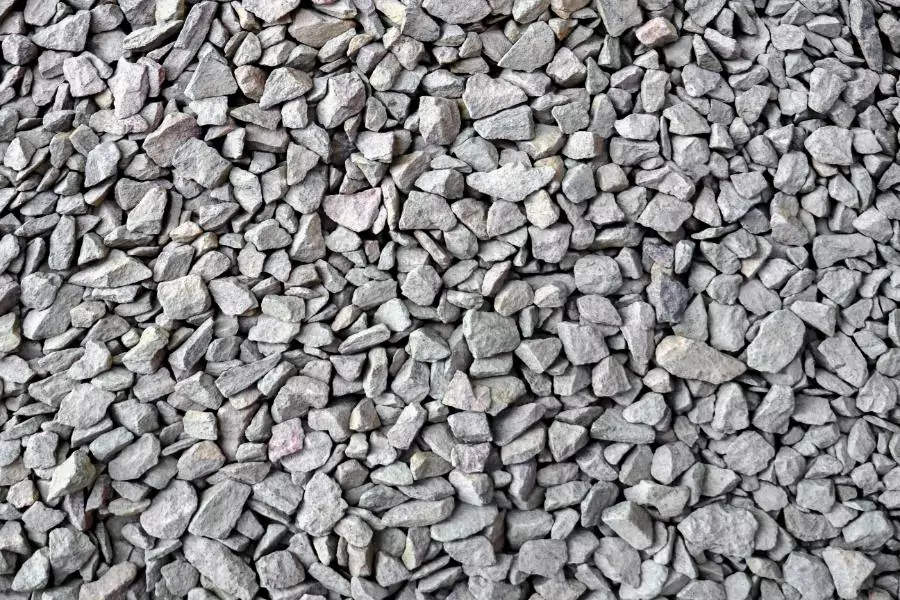
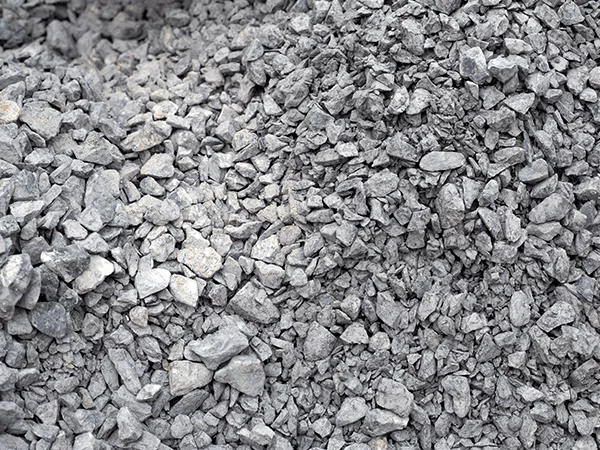


Gravel Monkey delivers premium aggregates and landscaping materials throughout Purdum, Nebraska, and the surrounding Sandhills region. Located in the heart of Blaine County, Purdum faces unique challenges with its sandy soils and rural landscape. Whether you're maintaining a ranch road, building a new driveway, or managing erosion along the Dismal River, we provide high-quality materials with FREE delivery directly to your property. Our extensive selection of aggregates supports agricultural operations, residential projects, and commercial developments across north-central Nebraska.
Complete Range of Aggregates for Purdum Properties
Understanding the specific demands of the Nebraska Sandhills, we offer materials engineered to perform in sandy soil conditions and withstand the region's temperature extremes. From ranch infrastructure to residential landscaping, our aggregates provide the stability and drainage your project requires.
- Driveway Gravel - Premium base material for lasting ranch roads and residential driveways
- 3/4 inch Crushed Stone - Versatile angular stone for foundations and drainage applications
- #57 Stone - Industry-standard crushed aggregate for construction and drainage systems
- Crusher Run - Compactable blend perfect for creating stable driveways in sandy soil
- Road Base - Heavy-duty foundation material for ranch roads and parking areas
- Drain Rock - Angular stone designed for effective water management
- Pea Gravel - Smooth decorative stone for pathways and garden beds
- River Rock - Natural rounded stone for erosion control and landscaping
- Walkway Gravel - Comfortable gravel for paths and pedestrian surfaces
- Crushed Concrete - Eco-friendly recycled aggregate for cost-effective base material
- Topsoil - Nutrient-rich soil for gardens and landscaping projects
- Fill Dirt - Essential material for grading, leveling, and foundation work
- Decomposed Granite - Natural granite fines for stable, attractive surfaces
- Mason Sand - Fine sand for masonry and construction applications
- Playground Sand - Clean, safe sand for play areas
- Washed Sand - Premium cleaned sand for concrete and landscaping
Understanding Purdum's Unique Soil and Climate Conditions
Purdum sits at the northern edge of the Nebraska Sandhills, the largest sand dune formation in the Western Hemisphere. This unique geography creates specific challenges that require specialized aggregate solutions. The sandy soils throughout Blaine County offer excellent natural drainage but lack structural stability for roads, driveways, and building foundations.
The region experiences temperature extremes, with summer highs reaching into the 90s and winter lows plunging below zero. Annual precipitation averages around 20 inches, with most falling during spring and early summer thunderstorms. These conditions demand aggregates that can withstand freeze-thaw cycles, resist wind erosion, and provide stable surfaces in loose sandy substrates.
Working with Sandy Sandhills Soils
The Valentine fine sand that dominates the Purdum area presents both advantages and challenges. While the porous nature ensures natural drainage, it lacks the cohesion needed for stable roads and structures. Successful projects in the Sandhills require proper aggregate selection and installation techniques specifically adapted to sandy conditions.
For driveways and ranch roads, compactable materials like our crusher run create an interlocking matrix that resists rutting and washboarding. The combination of angular stones and fine particles binds together when compacted, forming a solid surface even in loose sand. Road base serves similar purposes for heavier traffic areas and provides the weight needed to anchor into sandy substrates.
Ranch Roads and Agricultural Applications
The ranching community around Purdum relies on well-maintained roads to access pastures, move cattle, and transport equipment. Ranch roads take considerable abuse from heavy machinery, livestock trailers, and Nebraska's challenging weather. The right aggregate materials make the difference between a road that lasts decades and one requiring constant repair.
Many Purdum-area ranches extend across thousands of acres, necessitating miles of internal roads. Creating and maintaining this infrastructure requires substantial quantities of quality aggregates. Our free delivery service ensures that even the most remote ranch locations receive the materials needed for sustainable road systems without prohibitive transportation costs.
Stabilizing Feed Areas and Corrals
Cattle operations need firm, well-drained surfaces around feeding stations, corrals, and working facilities. Muddy conditions reduce livestock health, complicate daily operations, and accelerate equipment wear. Properly selected aggregates eliminate mud while providing comfortable footing for livestock.
Larger crushed stone creates an open-graded surface that allows water and organic matter to pass through while maintaining firmness underfoot. This drainage capability proves essential during spring snowmelt and summer storms when the Sandhills can receive several inches of rain in hours. Investing in quality aggregates for high-traffic livestock areas pays dividends through improved animal health and reduced maintenance requirements.
Residential Driveways and Home Landscaping
Purdum homeowners face similar challenges as ranchers when creating stable driveways and attractive landscaping in sandy conditions. A properly constructed driveway requires multiple layers of aggregates, each serving specific functions. The foundation layer stabilizes the sandy base, middle layers provide drainage and load distribution, and the surface layer delivers the finished appearance and driving surface.
For homes along Purdum's quiet streets or rural properties accessing Highway 183, driveway construction demands materials that compact firmly while resisting the constant abrasion of vehicle traffic. Angular crushed stone interlocks to create stability, while finer materials fill voids to create a smooth, dust-free surface. Our driveway gravel combines these characteristics for residential applications throughout Blaine County.
Landscaping in the Sandhills Environment
Creating attractive, low-maintenance landscapes in Purdum requires understanding the sandy soils and limited water availability characteristic of the region. Decorative aggregates offer practical solutions that conserve water, reduce maintenance, and provide visual appeal suited to the Sandhills aesthetic.
Pea gravel and river rock create attractive groundcover that suppresses weeds, moderates soil temperature, and eliminates the need for frequent watering. These materials complement native plants and grasses adapted to sandy conditions. Pathways constructed from decomposed granite provide stable walking surfaces with a natural appearance that blends seamlessly into the Sandhills landscape.
Water Management and Erosion Control
Despite the naturally sandy, well-drained soils around Purdum, specific situations require enhanced drainage systems. Building sites, road crossings, and landscaped areas often need controlled water flow to prevent localized flooding or erosion. The Dismal River and various creeks throughout Blaine County create additional water management considerations for properties along their banks.
Drain rock provides essential drainage capabilities for foundation perimeters, French drains, and culvert bedding. The angular shape and uniform sizing allow rapid water movement while preventing soil migration that could compromise drainage systems. Properly installed drain rock systems protect structures from water damage and extend the lifespan of roads and other infrastructure.
Controlling Wind and Water Erosion
The combination of sandy soils, strong prairie winds, and occasional intense rainfall makes erosion control critical around Purdum. Unprotected sandy areas can quickly develop ruts, channels, or blow-outs that worsen over time. Strategic placement of aggregates stabilizes vulnerable areas while allowing vegetation establishment.
River rock proves particularly effective for erosion control along waterways and drainage channels. The rounded stones absorb water energy without shifting, protecting underlying soils from scour. For slopes and vulnerable areas, larger crushed stone creates immediate stabilization while native grasses establish roots through the aggregate layer. This combination approach provides both short-term protection and long-term sustainability.
Selecting the Right Aggregate for Sandhills Conditions
Different projects throughout the Purdum area demand specific aggregate characteristics. Understanding how various materials perform in sandy soils helps ensure successful outcomes and long-lasting results. The following comparison highlights key properties of popular aggregates for Sandhills applications.
| Aggregate Type | Best Applications | Drainage | Compaction | Sandhills Performance |
|---|---|---|---|---|
| Crusher Run | Driveways, Ranch Roads | Good | Excellent | Superior stability in sand |
| Road Base | Heavy Traffic Areas | Moderate | Excellent | Maximum load-bearing capacity |
| 3/4 inch Crushed Stone | General Construction | Excellent | Good | Versatile, reliable performance |
| Drain Rock | Drainage Systems | Superior | Poor | Essential for water management |
| Pea Gravel | Landscaping, Paths | Good | Poor | Decorative, low maintenance |
| Crushed Concrete | Budget Base Material | Good | Very Good | Cost-effective for large areas |
| Decomposed Granite | Paths, Patios | Good | Good | Natural look, firm surface |
| River Rock | Erosion Control | Excellent | None | Prevents water/wind erosion |
Installation Best Practices for Sandy Conditions
Successful aggregate projects in the Purdum area require techniques adapted to sandy soils. Standard installation methods effective in clay or loam soils often fail in the Sandhills without modification. Understanding how to work with rather than against the sandy substrate ensures long-lasting results.
Foundation Preparation in Sandy Soils
Preparing sandy soils for aggregate installation begins with proper grading and compaction. While the loose sand cannot be compacted to the same density as clay soils, mechanical compaction combined with moisture creates temporary stability sufficient for aggregate placement. Some projects benefit from geotextile fabric that prevents mixing between the sandy substrate and overlying aggregate layers.
For driveways and roads, excavating sufficient depth allows for multiple aggregate layers, each serving specific functions. A deep base layer provides the mass needed to prevent settling into sand, while progressive layers transition to the final surface. This multi-layer approach distributes loads and prevents the common Sandhills problem of aggregates gradually sinking into sandy substrates.
Proper Compaction Techniques
Compacting aggregates over sandy soils requires adequate moisture and appropriate equipment. Water serves as a lubricant, allowing aggregate particles to settle into their densest configuration. In the dry Sandhills climate, adding water during compaction significantly improves results. Plate compactors work well for residential projects, while vibratory rollers suit larger ranch roads and commercial applications.
Multiple passes with compaction equipment, combined with periodic moisture addition, achieve maximum density. The effort invested in proper compaction pays immediate dividends through reduced maintenance requirements and extended aggregate lifespan. Well-compacted surfaces resist rutting, washboarding, and the displacement that often occurs when aggregates sit loosely on sandy substrates.
Seasonal Factors in North-Central Nebraska
Purdum experiences distinct seasons that impact aggregate projects and maintenance requirements. Understanding seasonal patterns helps property owners schedule work for optimal results and plan for ongoing maintenance needs throughout the year.
Spring and Summer Project Season
Spring brings snowmelt and rainfall that can temporarily soften roads and driveways. This season also marks the beginning of the primary construction season in north-central Nebraska. Late spring through early fall offers the best conditions for aggregate installation, with warm temperatures promoting proper compaction and curing.
Summer thunderstorms typical of the Sandhills can deliver intense rainfall in short periods. While the sandy soils drain quickly, roads and driveways need adequate crowning to shed water rather than allowing it to pool and cause damage. Proper drainage design prevents the erosion and rutting that otherwise require frequent repairs.
Fall and Winter Maintenance Needs
Fall presents opportunities for final maintenance before winter. Adding fresh aggregate to worn areas, repairing ruts, and ensuring proper drainage prepares roads and driveways for winter freeze-thaw cycles. The relatively dry fall weather in Blaine County provides excellent working conditions for aggregate projects.
Winter snow and ice challenge Sandhills roads, with strong winds often creating drifts that require removal. Well-constructed aggregate surfaces withstand plowing better than inferior materials. The freeze-thaw cycles during Nebraska winters can heave poorly installed aggregates, making quality initial installation critical for long-term performance.
Serving Purdum and Surrounding Blaine County Communities
From Purdum's downtown area along Highway 183 to remote ranch properties throughout the Sandhills, Gravel Monkey provides reliable aggregate delivery across north-central Nebraska. Our service extends to neighboring communities including Brewster to the northwest, Dunning to the south, and Halsey to the southeast. Understanding the unique characteristics of rural Sandhills properties, we accommodate the logistical requirements of delivering materials to areas where neighbors may be miles apart.
Free Delivery Throughout the Service Area
Transportation costs can quickly make aggregate projects prohibitively expensive, especially for rural properties requiring substantial quantities of materials. Our free delivery policy eliminates this barrier, ensuring that ranches, farms, and homes throughout the Purdum area access quality aggregates without added financial burden.
We coordinate deliveries to accommodate your schedule and site conditions. Ranch roads, seasonal access limitations, and specific unloading requirements present no obstacles to our experienced delivery team. Whether you need ten cubic yards for a residential project or several hundred cubic yards for ranch infrastructure, we deliver exactly what you need when you need it.
Determining Material Quantities for Your Project
Accurately calculating aggregate requirements prevents both material shortages that delay projects and excess quantities that waste money. The calculation method depends on your specific application and desired final depth. Understanding basic volume calculations helps you estimate needs before placing an order.
Basic Volume Calculations
For rectangular areas such as driveways or ranch roads, multiply length times width times depth (all in feet) to get cubic feet. Divide the result by 27 to convert to cubic yards, the standard unit for aggregate sales. For example, a driveway 60 feet long by 12 feet wide needing 6 inches (0.5 feet) of aggregate requires: 60 × 12 × 0.5 ÷ 27 = 13.3 cubic yards.
Always order slightly more than calculated to account for waste, uneven surfaces requiring additional material, and compaction that reduces volume. Adding ten to fifteen percent to your calculated needs provides an appropriate buffer. Our team can verify your calculations and recommend adjustments based on your specific project type and site conditions.
Application-Specific Depth Guidelines
Different applications require varying aggregate depths for optimal performance. Residential driveways typically need 4 to 6 inches of compacted aggregate, while ranch roads handling heavy equipment may require 8 to 12 inches or more. Landscaping applications vary from 2 to 4 inches depending on the desired appearance and weed suppression needs.
In sandy Sandhills soils, slightly greater depths often prove beneficial compared to more stable soil types. The additional material compensates for settling and provides more substantial separation between the finished surface and underlying sand. Consulting with our team ensures you order appropriate quantities for successful project completion.
Frequently Asked Questions About Aggregates in Purdum
We deliver driveway gravel, crushed stone in various sizes, pea gravel, river rock, crusher run, road base, drain rock, recycled concrete, topsoil, fill dirt, and multiple sand types throughout Purdum and surrounding Blaine County areas.
Yes! Gravel Monkey offers FREE delivery to Purdum and the surrounding Nebraska Sandhills area for all gravel and aggregate material orders.
For the sandy soils common in the Sandhills region, crusher run and road base provide excellent stability for driveways and roads. Drain rock helps manage water flow, while topsoil and fill dirt can improve soil structure for landscaping projects.
For ranch driveways in the Purdum area, calculate length times width times depth in feet, then divide by 27 for cubic yards. A typical ranch road needs 4 to 6 inches of compacted base material. Our team can help estimate quantities for your specific property.
Absolutely! We regularly deliver to ranches, farms, and rural properties throughout Blaine County and the surrounding Sandhills. Free delivery extends to Purdum and the broader north-central Nebraska region.
River rock and larger crushed stone provide excellent erosion control along waterways and slopes. Decomposed granite works well for pathways, while crusher run creates stable surfaces that resist wind and water erosion common in the Sandhills region.
Regular grading helps maintain proper crown and drainage. Adding fresh aggregate to worn areas before they develop deep ruts prevents more extensive repairs. In the Sandhills, periodic recompaction with moisture addition helps aggregates resist wind and water erosion.
Both are compactable materials, but road base is typically denser and designed for heavier traffic. Crusher run contains a wider range of particle sizes and costs less, making it ideal for many residential driveways. Road base offers maximum stability for ranch roads with heavy equipment traffic.
Quality Aggregates for Every Sandhills Project
Whether you're building ranch infrastructure, maintaining existing roads, or creating an attractive residential landscape in Purdum, Gravel Monkey delivers the quality aggregates your project demands. Our extensive material selection, free delivery throughout Blaine County, and understanding of Sandhills conditions ensure successful outcomes for every application.
From the sandy soils along the Dismal River to the windswept prairies surrounding Purdum, we provide materials engineered to perform in north-central Nebraska's unique environment. Our commitment to quality, service, and customer satisfaction makes us the preferred aggregate supplier for residential, agricultural, and commercial projects throughout the region.
Contact us today to discuss your project needs, receive expert recommendations for material selection, and schedule free delivery to your Purdum-area property. Let our experience working in Sandhills conditions help ensure your project's success from start to finish.

Need help? Reach out for a quote: