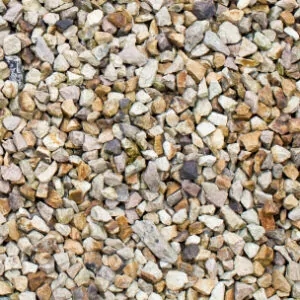

Sand, Aggregates & Gravel for Cook, Nebraska
Local Topsoil, Dirt, Sand, Rocks and Gravel near me in Cook, Nebraska
Shop Aggregates for Delivery in Cook
Order online for free delivery to any Cook address.
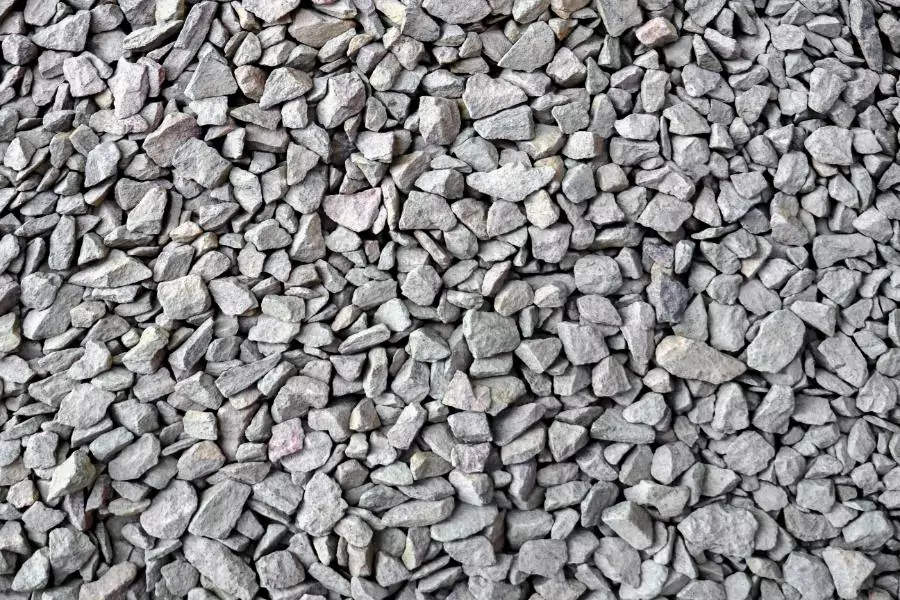
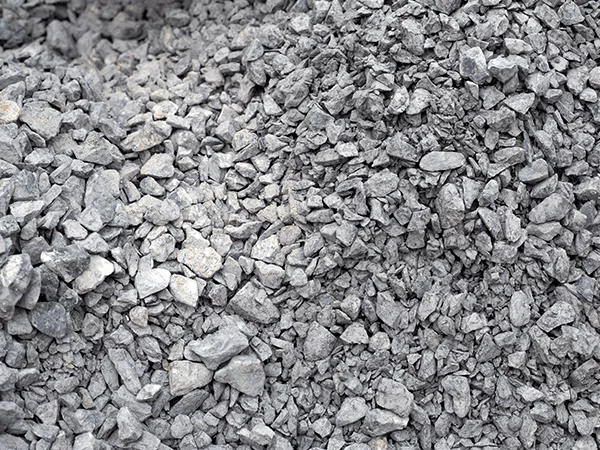


Gravel Monkey delivers premium aggregates and landscaping materials throughout Cook, Nebraska, and the surrounding Johnson County area. Whether you're improving a rural driveway, establishing proper drainage for your property, or starting a construction project in this tight-knit community, we provide free delivery of quality materials directly to your location. Our extensive selection of aggregates and building materials meets the unique needs of Cook's agricultural and residential properties.
Complete Aggregate Selection for Cook, NE
We supply a comprehensive range of aggregates and materials for every project throughout Cook and southeastern Nebraska:
- Driveway Gravel - Durable aggregate base for residential and farm driveways
- 3/4 inch Crushed Stone - Versatile aggregate for multiple construction applications
- #57 Stone - Premium drainage aggregate for perimeter drains and foundations
- Crusher Run - Compactable base material perfect for Nebraska's clay soils
- Road Base - Heavy-duty aggregate for stable driveway foundations
- Drain Rock - Angular stone for superior water management
- Pea Gravel - Decorative aggregate for walkways and gardens
- River Rock - Natural stone for aesthetic landscaping
- Walkway Gravel - Attractive aggregate for paths and landscape borders
- Crushed Concrete - Eco-friendly recycled aggregate for base applications
- Topsoil - Nutrient-rich soil for gardens and lawn establishment
- Fill Dirt - Quality fill material for grading and leveling
- Mason Sand - Fine sand for construction and masonry work
- Playground Sand - Safe, clean sand for children's play areas
- Washed Sand - Clean aggregate for concrete and various applications
- Decomposed Granite - Natural aggregate for pathways and xeriscaping
Serving Cook and Surrounding Johnson County Communities
Our aggregate delivery service reaches throughout Cook and extends to nearby communities including Sterling, Brock, Elk Creek, Tecumseh, and Johnson. Whether your property is in the heart of Cook along Highway 50, on rural farmland east toward the Missouri border, or on acreages near the Little Nemaha River watershed, we provide reliable aggregate delivery with no fuel surcharges or hidden fees.
Cook's location in southeastern Nebraska presents unique challenges for property owners. The region's loess-based clay soils are highly expansive and require proper aggregate base materials to prevent settling and drainage issues. Combined with Nebraska's temperature extremes—from subzero winter cold to summer heat exceeding 95 degrees—choosing the right aggregates becomes essential for long-lasting driveways, foundations, and drainage systems.
Understanding Cook's Soil and Geology
Johnson County sits within the Deep Loess Hills region of Nebraska, characterized by windblown silt deposits that can extend 50 feet or more in depth. This loess material, deposited during the last ice age, forms the thick clay-rich soils that dominate the Cook area. These silty clay loam soils are fertile for agriculture but present challenges for construction and drainage projects.
Clay Soil Challenges in Cook
The expansive clay soils around Cook shrink during dry periods and swell when wet, creating movement that can damage foundations, driveways, and structures. Annual precipitation in Cook averages 30 inches, with most rainfall occurring during spring and early summer. This moisture pattern combined with the clay's poor drainage characteristics means proper aggregate selection and installation become critical.
When water cannot percolate through the dense clay, it pools on the surface or flows laterally, causing erosion, mud, and instability. The freeze-thaw cycles common in Nebraska winters further complicate matters—water trapped in saturated clay expands when frozen, creating frost heaving that lifts and cracks concrete, pavement, and improperly constructed gravel driveways.
Aggregate Solutions for Local Conditions
Successful projects in Cook require aggregates that provide drainage, stability, and resistance to frost action. Angular crushed aggregates compact more firmly than rounded materials, creating a stable base that interlocks and resists shifting. A proper aggregate base also allows water to drain away from the surface rather than saturating the underlying clay.
Driveway Aggregate Solutions for Cook Properties
Farm driveways and residential entrances around Cook face heavy use and challenging conditions. Whether you're maintaining a lane that serves agricultural equipment or improving a residential driveway, selecting appropriate aggregates ensures longevity and reduces maintenance costs.
Base Layer Materials
The foundation of any driveway starts with proper base preparation. For Cook's clay soils, we recommend installing a geotextile fabric barrier before placing aggregates. This prevents the clay from migrating up into your stone and maintains separation between soil and aggregate layers.
For the base layer, crusher run provides excellent compaction and stability. This aggregate contains a mix of stone sizes from fine particles to larger pieces, allowing it to lock together tightly. When compacted over fabric on Cook's clay soils, crusher run creates a firm foundation that resists rutting even under heavy loads from tractors, combines, and loaded trucks.
Road base aggregate serves similar purposes for heavier-duty applications. This material stands up to constant traffic and provides the structural support needed for farm lanes and commercial driveways. The angular particles in road base interlock mechanically, distributing weight and preventing deformation.
Surface Layer Options
The top layer of your driveway determines its appearance and immediate performance. In Cook, many property owners choose to top their crusher run or road base with a layer of clean stone for a finished appearance and easier maintenance.
Three-quarter inch crushed stone makes an excellent surface layer. This uniform aggregate provides good traction, drains well, and presents a professional appearance. The angular shapes resist displacement under vehicle tires better than rounded gravel, maintaining a stable driving surface.
For those seeking an economical and environmentally conscious option, crushed concrete delivers solid performance. Recycled from demolished concrete structures, this aggregate compacts firmly and hardens somewhat over time, creating a stable surface at a lower cost than virgin stone.
| Aggregate Type | Best Uses | Compaction | Drainage Rating | Ideal for Clay Soil |
|---|---|---|---|---|
| Crusher Run | Driveway base, foundations | Excellent | Good | Yes |
| Road Base | Heavy traffic driveways | Excellent | Good | Yes |
| 3/4" Crushed Stone | Driveway surface, pathways | Very Good | Excellent | Yes |
| #57 Stone | Drainage, French drains | Moderate | Excellent | Yes |
| Drain Rock | Foundation drainage | Moderate | Excellent | Yes |
| Pea Gravel | Decorative, walkways | Poor | Very Good | Limited |
| Crushed Concrete | Budget driveways, base | Very Good | Good | Yes |
| River Rock | Landscaping, aesthetics | Poor | Good | No |
Drainage Aggregate Systems for Cook, Nebraska
Effective drainage remains one of the most important considerations for Cook property owners. The combination of clay soils, moderate rainfall, and flat to gently rolling topography means water management requires thoughtful planning and proper aggregate materials.
Foundation Drainage
Water accumulating near building foundations creates multiple problems in Cook's clay soils. As clay becomes saturated, it expands and exerts pressure against foundation walls. During dry periods, the clay shrinks, creating gaps and allowing water to flow closer to structures during the next rain event. This cycle of expansion and contraction causes foundation movement, cracking, and structural issues.
Proper foundation drainage uses drain rock or number 57 stone placed in a trench around the building perimeter. These aggregates have large void spaces between particles, allowing water to flow freely toward perimeter drains or away from the foundation. The angular shape of drain rock prevents particles from compacting together and closing off drainage pathways.
Surface Water Management
Managing surface runoff protects driveways, foundations, and landscaping. In Cook, where spring rains can be heavy and prolonged, creating proper drainage channels and swales directs water away from structures and prevents pooling.
Line drainage ditches and swales with drain rock to prevent erosion while maintaining water flow. The aggregate armors the channel bottom and sides against the erosive force of moving water. Number 57 stone works particularly well for this application, providing the right size and angularity to resist displacement while allowing water to move efficiently.
Landscaping and Decorative Aggregates
Beyond functional applications, aggregates enhance the aesthetic appeal of Cook properties. From creating attractive pathways to defining garden beds, decorative stone adds visual interest while reducing maintenance.
Walkways and Paths
Gravel walkways offer an attractive and practical alternative to concrete or pavers around Cook homes. Walkway gravel comes in earthy tones that complement Nebraska's natural landscape while providing firm footing and excellent drainage.
Pea gravel creates smooth, comfortable walking surfaces perfect for garden paths and around play areas. The small, rounded stones shift underfoot but provide good drainage and an appealing appearance. For areas with heavier foot traffic, decomposed granite compacts more firmly while maintaining natural aesthetics.
Garden Beds and Borders
River rock serves as an excellent mulch alternative in landscaping beds. Unlike organic mulches that decompose and require annual replacement, stone remains permanent and maintenance-free. The natural colors and smooth surfaces of river rock complement plantings while suppressing weeds and retaining soil moisture.
Use river rock around foundation plantings, in perennial beds, or to create dry creek beds that add visual interest while also serving as drainage features during heavy rains. The stone's permanence makes it particularly suitable for Cook's windy conditions, where lighter mulches might blow away.
Agricultural Aggregate Applications
Cook's agricultural heritage means many properties have specific needs related to farming and livestock operations. Aggregates play important roles in maintaining functional farm properties.
Livestock Areas
Barn entrances, feedlot areas, and equipment pads benefit from proper aggregate bases. These high-traffic areas quickly become muddy morasses in Cook's clay soil without adequate stone. Road base or crusher run creates firm, stable surfaces that support heavy equipment and resist the churning action of livestock hooves.
Place aggregate thick enough to prevent mixing with underlying clay—typically 6 to 8 inches for equipment areas and feedlots. The angular aggregates lock together under compaction, maintaining surface integrity even under sustained heavy use.
Farm Lane Maintenance
Miles of farm lanes connect fields and facilities on agricultural properties around Cook. Maintaining these access routes requires periodic aggregate additions to replace material that's been displaced or has worked into the clay subgrade. Regular maintenance with crushed stone or road base prevents lanes from deteriorating to the point where expensive reconstruction becomes necessary.
Sand Products for Cook Construction Projects
In addition to aggregates, we supply various sand products for construction, landscaping, and recreational applications throughout the Cook area.
Mason Sand Applications
Mason sand's fine, uniform particles make it ideal for mortar mixes, paver base preparation, and sandbox fill. This clean, screened sand contains no clay or organic material that might interfere with its intended use. Construction projects in Cook rely on quality mason sand for brick and block laying, ensuring proper mortar consistency and strong bonds.
Safe Play Areas
Playground sand provides a safe, cushioning surface for play equipment areas. This washed, fine sand meets safety standards for fall protection while remaining soft and comfortable. Unlike mason sand, playground sand is specifically processed to be free of any sharp particles or contaminants that might pose risks to children.
Concrete and Multipurpose Uses
Washed sand serves as a key ingredient in concrete mixes and finds use in numerous other applications. This clean sand has been processed to remove clay, silt, and organic materials, ensuring it meets specifications for concrete work and other demanding uses. The washing process produces uniform, clean particles that contribute to strong concrete and consistent performance in various applications.
Topsoil and Fill Dirt for Cook Properties
Soil products complement our aggregate offerings, providing complete solutions for grading, landscaping, and garden projects around Cook.
Topsoil for Gardens and Lawns
Quality topsoil forms the foundation of successful gardens and lawns. Our screened topsoil contains the organic matter and nutrients plants need to thrive. Use topsoil to establish new lawn areas, improve existing garden beds, or create raised beds for vegetables and flowers.
In Cook's climate with its hot summers and cold winters, good topsoil helps plants establish strong root systems. The organic matter in topsoil improves water retention during dry periods while preventing waterlogging during wet spells—important qualities for Nebraska gardens.
Fill Dirt for Grading
Fill dirt solves grading problems and builds up low areas around properties. Unlike topsoil, fill dirt contains less organic matter, making it more stable and less prone to settling. Use fill dirt for major grading projects, filling in around foundations, or building up areas for construction.
Proper grading directs water away from structures and prevents standing water—essential considerations in Cook's clay soil environment. Fill dirt provides the bulk material needed to reshape terrain and create positive drainage away from buildings and paved areas.
Seasonal Considerations for Cook Aggregate Projects
Nebraska's distinct seasons affect aggregate project planning and material performance. Understanding these seasonal factors helps ensure project success.
Spring Projects
Spring in Cook brings warming temperatures and increased rainfall. This season is excellent for aggregate projects because the ground has thawed but hasn't yet become saturated. Early spring allows time for base materials to settle and compact before summer heat arrives. However, watch for late frosts that can temporarily refreeze ground and affect compaction quality.
Summer Installation
Summer offers ideal conditions for aggregate work in Cook. Dry weather and warm temperatures allow for excellent compaction and settling. However, summer also brings the year's hottest weather, with temperatures potentially exceeding 95 degrees. Schedule delivery and installation during cooler morning hours when possible, and ensure adequate moisture for dust control when working with fine aggregates.
Fall Preparation
Fall presents another prime season for aggregate projects. Moderate temperatures and typically drier conditions create favorable working environments. Completing aggregate work in fall prepares properties for winter and allows materials to settle before freeze-thaw cycles begin. Many Cook property owners prefer fall for driveway renovation, giving the new surface time to stabilize before winter challenges arrive.
Winter Limitations
Winter restricts aggregate work in Cook due to frozen ground and potential snow cover. However, we can deliver materials during winter for spring projects, allowing you to stock aggregate and begin work as soon as conditions permit. Some maintenance and repair work remains possible during mild winter periods.
Planning Your Cook Aggregate Project
Successful aggregate projects begin with proper planning. Consider these factors when preparing for your Cook property improvement.
Calculating Material Quantities
Accurate quantity estimation prevents shortages and minimizes waste. For driveway projects, measure the length and width in feet, then multiply by the desired depth in feet. Convert this cubic footage to cubic yards by dividing by 27. For example, a driveway 50 feet long, 12 feet wide, and 4 inches (0.33 feet) deep requires (50 × 12 × 0.33) ÷ 27 = 7.3 cubic yards of aggregate.
Add 10-15% to your calculation to account for compaction, especially when working with crusher run or road base. These materials compress significantly during compaction, and the extra quantity ensures adequate depth after settling.
Site Preparation
Proper site preparation dramatically improves project outcomes. Remove existing vegetation, organic topsoil, and any unstable material down to firm subgrade. In Cook's clay soil areas, consider installing geotextile fabric before placing aggregate. This barrier prevents clay migration into stone while allowing water to drain.
Grade the prepared area to promote drainage away from structures. Even a subtle slope of 2-3% (about 1/4 inch per foot) significantly improves water runoff and prevents ponding on completed surfaces.
Frequently Asked Questions About Aggregates in Cook, Nebraska
We deliver driveway gravel, crushed stone, number 57 stone, pea gravel, river rock, crusher run, road base, drain rock, crushed concrete, topsoil, fill dirt, and various sand types throughout Cook and surrounding Johnson County areas.
Yes! Gravel Monkey offers FREE delivery to Cook and the surrounding Nebraska area for all gravel and aggregate orders.
The amount depends on your project size. For driveways, calculate length times width times depth in feet, typically 4 inches deep. Our team can help you estimate the right amount for your specific Cook property needs.
For Cook's clay-based loess soil, we recommend crusher run or road base for driveways as they compact firmly. For drainage, drain rock or number 57 stone works best to prevent water pooling on the expansive clay soils common in southeastern Nebraska.
Absolutely! We deliver to all areas around Cook, including rural Johnson County properties, farms, and acreages near Sterling, Brock, and Elk Creek.
For Nebraska winters with freeze-thaw cycles, we recommend angular crushed stone or crusher run that drains well and resists frost heaving better than rounded materials.
For residential driveways in Cook, install 4-6 inches of compacted aggregate. Farm lanes and commercial driveways carrying heavy equipment should use 6-8 inches or more, depending on expected loads.
Yes, we strongly recommend geotextile fabric under gravel driveways in Cook. The fabric prevents clay migration into your aggregate while maintaining drainage—essential for Cook's expansive clay soils.
Why Choose Gravel Monkey for Cook Aggregate Delivery
Our commitment to Cook and Johnson County customers goes beyond simply delivering materials. We provide expert guidance to help you select the right aggregates for your specific soil conditions and project requirements. Understanding the unique challenges of Cook's clay soils and climate, we recommend materials that deliver lasting performance.
Free delivery eliminates one of the significant costs associated with aggregate projects. Whether you're located in central Cook or on a rural property miles from town, delivery costs remain the same—zero. This pricing transparency helps you budget accurately and invest more in quality materials rather than transportation expenses.
Quality matters in aggregates. Substandard materials compact poorly, mix with clay, and require premature replacement. We source aggregates that meet specifications for size, cleanliness, and durability. Whether you need crusher run for a farm lane or river rock for decorative landscaping, you receive materials that perform as expected.
Start Your Cook Aggregate Project Today
Transform your Cook property with quality aggregates delivered free to your location. From driveway improvements to drainage solutions, landscaping projects to agricultural applications, Gravel Monkey supplies the materials you need for success in southeastern Nebraska's challenging soil conditions.
Our team understands Cook's clay soils, climate challenges, and local project requirements. We'll help you select appropriate aggregates, estimate quantities accurately, and ensure timely delivery that keeps your project on schedule. Contact us today to discuss your aggregate needs and experience the difference that quality materials and local expertise make for Cook, Nebraska properties.

Need help? Reach out for a quote: