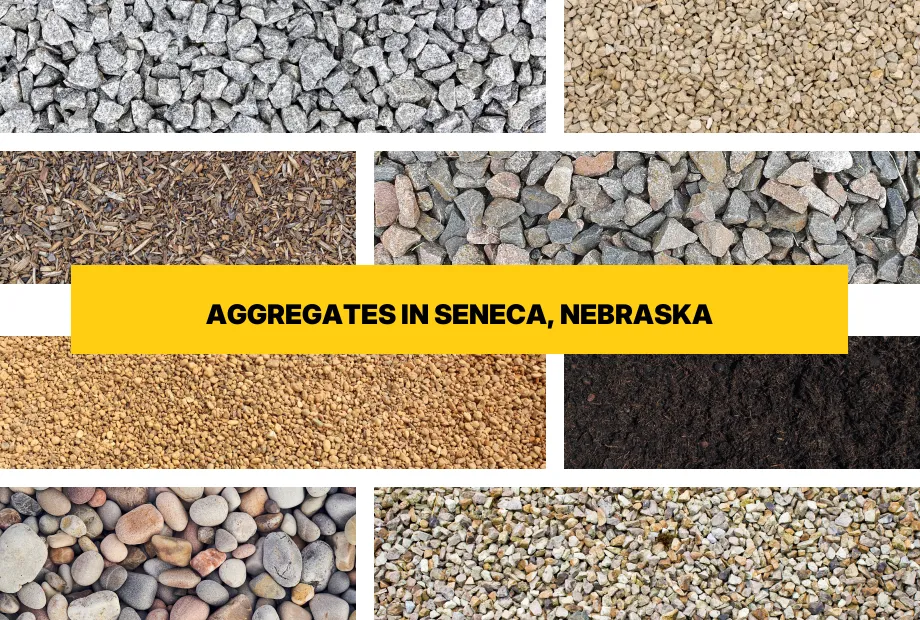
Bulk Aggregate & Gravel Products in Seneca, Nebraska
Local Topsoil, Dirt, Sand, Rocks and Gravel near me in Seneca, Nebraska
Shop Aggregates for Delivery in Seneca
Order online for free delivery to any Seneca address.
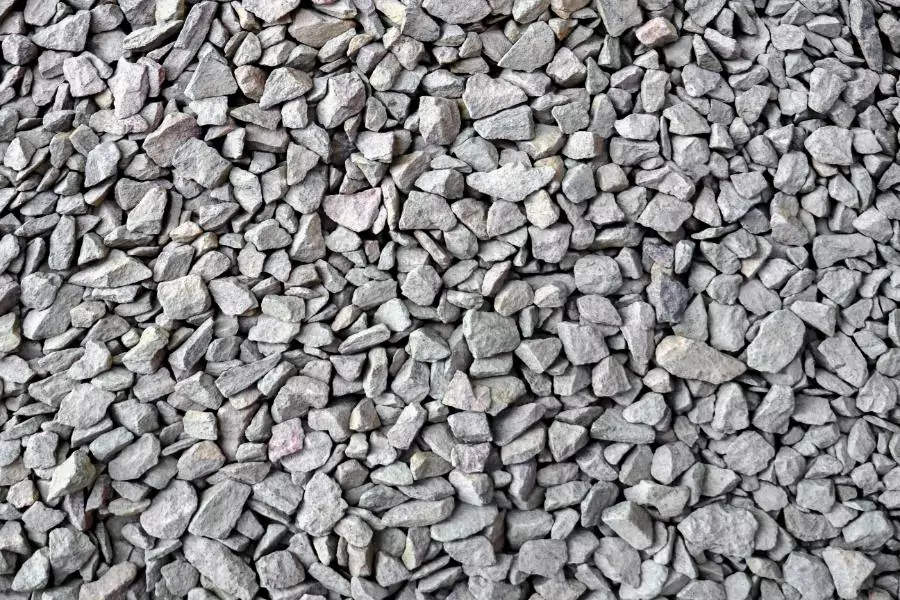
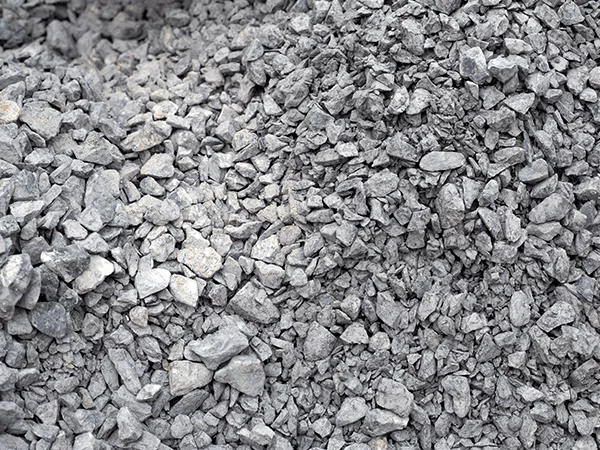


Gravel Monkey is your trusted source for premium aggregates and bulk materials delivery in Seneca, Nebraska. Located in the heart of the Nebraska Sandhills in Thomas County, Seneca presents unique challenges for property owners, ranchers, and contractors working with the region's sandy loam soils and variable groundwater levels. Whether you're building a new ranch road that connects to Highway 2, stabilizing a driveway in the residential area near Main Street, or improving drainage on agricultural land near the Middle Loup River, we deliver high-quality aggregates directly to your property with absolutely free delivery throughout Thomas County.
Complete Aggregate Selection for Seneca Properties
The sandy terrain around Seneca demands materials specifically chosen for stability, drainage, and long-term performance. Our comprehensive inventory serves residential, agricultural, and commercial projects throughout Thomas County:
- Driveway Gravel - Durable foundation material engineered for Nebraska's freeze-thaw cycles
- 3/4 Inch Crushed Stone - Versatile angular aggregate for driveways, foundations, and base layers
- #57 Stone - Medium-sized crushed stone ideal for drainage systems and French drains
- Crusher Run - Premium compactable base material for roads and parking areas
- Road Base - Heavy-duty aggregate blend for ranch roads and farm lanes
- Drain Rock - Angular stone designed for superior water management
- Pea Gravel - Smooth rounded aggregate for pathways and decorative applications
- River Rock - Natural aesthetic stone for landscaping and erosion control
- Walkway Gravel - Specially sized aggregate mix for garden paths and residential walkways
- Decomposed Granite - Natural granite fines for pathways and xeriscape designs
- Crushed Concrete - Eco-friendly recycled aggregate for budget-conscious projects
- Topsoil - Nutrient-rich soil for gardens, lawns, and landscape beds
- Fill Dirt - Clean fill material for grading and leveling projects
- Mason Sand - Fine sand for masonry work and construction projects
- Washed Sand - Clean sand for concrete mixing and various applications
- Playground Sand - Safe, clean sand for play areas and sandboxes
Understanding Seneca's Unique Soil and Climate Conditions
Seneca sits at approximately 2,900 feet elevation in the Nebraska Sandhills, a distinctive ecoregion characterized by stabilized sand dunes covered with native grasses. The underlying Valentine fine sand and Elsmere loamy fine sand create specific challenges for construction and landscaping projects. These sandy soils drain quickly but can lack the bearing capacity needed for heavy loads without proper aggregate base preparation.
Thomas County experiences a continental climate with average annual precipitation of about 20 inches, most falling during the growing season from April through September. Summer temperatures regularly exceed 90 degrees Fahrenheit, while winter lows can drop below zero. The combination of freeze-thaw cycles, limited precipitation, and the prevalence of sandy soils means choosing the right aggregates becomes critical for project longevity.
The Middle Loup River flows through the southern portion of Thomas County, creating areas with higher groundwater levels that require enhanced drainage solutions. Properties near the river or in lower-lying areas benefit significantly from proper aggregate placement to manage moisture and prevent foundation issues. The region's strong winds, particularly during spring months, also necessitate stable surface materials that resist erosion and displacement.
Agricultural and Ranch Considerations
As a predominantly agricultural community, Seneca's landscape features numerous ranch operations, center pivot irrigation systems, and cattle feeding areas. Ranch roads must withstand heavy equipment traffic during calving season, harvest operations, and cattle moves. The sandy native soils compact poorly under load, making proper aggregate selection essential for roads that remain passable year-round, especially during spring thaws when frost leaves the ground and soil moisture increases.
Choosing the Right Aggregates for Your Seneca Project
Driveway and Road Construction
Seneca driveways and private roads face unique challenges from the sandy subgrade typical throughout Thomas County. A proper driveway requires a solid foundation that prevents the aggregate from sinking into the native sand. We recommend starting with a geotextile fabric layer to separate your base material from the sand below, preventing mixing and extending your driveway's lifespan.
For the base layer, crusher run provides excellent compaction and stability in sandy conditions. This blend of various aggregate sizes creates a tight, interlocking matrix that distributes weight effectively. The fines in crusher run fill voids between larger stones, creating a surface that resists rutting even under the weight of farm equipment or delivery trucks. Apply crusher run in four-inch lifts, compacting thoroughly between layers for optimal performance.
Top dressing with driveway gravel provides an attractive, functional surface that drains well during Nebraska's spring rains and summer thunderstorms. The angular shape of this aggregate locks together while allowing water to percolate through rather than pooling on the surface. For ranch roads connecting outbuildings or pastures, road base offers even greater load-bearing capacity and stands up to repeated heavy equipment traffic throughout calving and harvest seasons.
Drainage Solutions for Sandy Terrain
While sandy soils drain naturally, concentrated water from downspouts, irrigation systems, or slope changes can cause erosion and foundation problems. Proper drainage aggregate installations protect your property investment. Drain rock, with its clean, angular shape and lack of fines, creates void spaces that allow rapid water movement away from structures and low spots.
French drain installations around homes near Main Street or along property boundaries near the Middle Loup River prevent water accumulation during heavy rains. The number 57 stone works particularly well for French drains, providing consistent sizing that maintains permeability over time. Wrap drain rock in filter fabric to prevent sand infiltration that could reduce drainage effectiveness as the system ages.
For areas with seasonal standing water or springs emerging from hillsides, creating dry wells filled with drain rock provides an effective solution. These underground chambers collect and slowly disperse water into surrounding soil, preventing boggy conditions that damage pastures or limit property use. The high void ratio of clean drain rock ensures these systems continue functioning even during extended wet periods.
Landscaping and Decorative Applications
Creating attractive outdoor spaces in Seneca's climate requires materials that tolerate temperature extremes, strong winds, and periodic drought. Pea gravel excels in flower beds and around trees, providing a clean appearance while allowing air and moisture to reach roots. Its rounded shape won't damage plant stems or delicate growth, and the lighter color reflects heat during summer months, moderating soil temperature.
River rock adds natural beauty to xeriscaped areas that reduce irrigation demands, an important consideration given Thomas County's semi-arid climate. Larger river rock sizes resist wind displacement better than lighter materials and create visual interest with varied coloring and texture. Use river rock around foundation plantings to create a low-maintenance zone that prevents soil splash during rainstorms and reduces weed growth.
Garden pathways benefit from walkway gravel, which compacts enough for comfortable walking while maintaining permeability. The mix of aggregate sizes in walkway gravel creates a stable surface that stands up to regular foot traffic without developing the ruts or soft spots common with loose materials. Edge pathways with landscape timber or metal edging to contain the gravel and maintain clean lines as you navigate from the house to gardens or outbuildings.
For pathways with heavy use or where a more refined appearance is desired, decomposed granite offers an excellent alternative. This material compacts to a firm, almost concrete-like surface while maintaining some permeability. The natural coloring complements Nebraska's landscape, and the fine texture provides comfortable footing for both people and pets.
| Aggregate Type | Best Applications | Compaction | Drainage | Load Bearing |
|---|---|---|---|---|
| Crusher Run | Driveway base, parking areas | Excellent | Moderate | Very High |
| Road Base | Ranch roads, heavy equipment areas | Excellent | Good | Excellent |
| 3/4 Inch Crushed Stone | General purpose, foundations | Good | Very Good | High |
| #57 Stone | Drainage systems, French drains | Poor | Excellent | Moderate |
| Drain Rock | Foundation drainage, wet areas | Poor | Excellent | Low |
| Pea Gravel | Landscaping, pathways | Poor | Excellent | Low |
| Decomposed Granite | Walkways, patios | Good | Moderate | Moderate |
| Crushed Concrete | Budget projects, temporary roads | Good | Good | High |
Aggregate Delivery Throughout Seneca and Thomas County
Gravel Monkey provides free delivery service throughout Seneca's residential and agricultural areas. Our familiarity with local conditions ensures your materials arrive ready for immediate use, properly sized for your specific application.
Residential Areas and Town Properties
Downtown Seneca properties along Main Street benefit from our delivery of decorative aggregates for landscaping improvements and crushed stone for parking area stabilization. Homes in the residential neighborhoods surrounding the business district require driveway materials that complement the community's character while providing practical functionality. We regularly deliver to properties throughout the incorporated area, navigating local streets with care to protect your property and neighbors.
Agricultural and Ranch Operations
Thomas County's extensive ranch lands require substantial quantities of aggregates for road maintenance, feed lot surfaces, and equipment areas. Properties along Highway 2 and Highway 83 corridors receive regular deliveries of road base and crusher run for maintaining access roads that connect to public highways. Ranch headquarters near the Dismal River area utilize our aggregates for corrals, working facilities, and approach roads that must handle cattle trucks during shipping season.
Operations in the northern portions of Thomas County, closer to the Cherry County line, depend on stable aggregate surfaces for pivot roads that provide access to irrigation equipment. The combination of heavy equipment weight and repetitive traffic patterns demands materials that resist rutting and maintain grade even when damp from irrigation or rainfall.
Surrounding Communities
Our delivery area extends beyond Seneca proper to serve the broader Thomas County region. We regularly deliver to Halsey, located southwest of Seneca near the Nebraska National Forest, where sandy soils present similar challenges for construction projects. Properties near Thedford, the county seat located east of Seneca, receive our aggregates for municipal projects and private property improvements.
Rural properties scattered throughout the Sandhills terrain between these communities utilize our delivery service for projects ranging from erosion control to building site preparation. The isolation of many ranch headquarters makes reliable aggregate delivery especially valuable, eliminating the need for property owners to transport heavy materials long distances over rural roads.
Best Practices for Aggregate Installation in Seneca
Site Preparation for Sandy Soils
Successful aggregate installations in Seneca's sandy terrain begin with proper site preparation. Remove all organic matter, including topsoil and vegetation, from the project area. The high sand content of native soils means you're working with material that shifts easily and compacts poorly. Excavate deep enough to reach stable subgrade, typically removing six to eight inches of material for driveway projects.
Install geotextile fabric over the prepared subgrade before adding any aggregate. This critical step prevents mixing between your aggregate base and the sandy soil beneath, maintaining the integrity of your investment for years. The fabric also distributes loads more evenly across the soft subgrade, reducing settling and deformation common in sandy conditions.
Compaction Techniques
Proper compaction transforms loose aggregate into a solid, stable surface. Add base materials in lifts no thicker than four inches, compacting each layer thoroughly before adding the next. In Seneca's dry climate, moisture content affects compaction significantly. Lightly dampen aggregates before compacting, as the optimum moisture content helps particles bind together and achieve maximum density.
Rent a plate compactor for smaller projects or use a roller for larger installations like ranch roads. Make multiple passes over each area, overlapping slightly to ensure uniform compaction throughout the project. Pay special attention to edges and corners where compaction naturally proves more difficult. The investment in proper compaction pays dividends through reduced maintenance and longer surface life.
Seasonal Considerations
Spring and fall offer ideal conditions for aggregate projects in Thomas County. Summer's heat can dry materials too quickly, while frozen ground prevents proper compaction during winter months. Plan major installations for moderate weather when ground moisture and temperature conditions support optimal compaction.
If installing during dry periods, have water available for dust control and moisture management. Conversely, avoid working in saturated conditions after heavy rains when equipment creates ruts and proper compaction becomes impossible. The relatively low annual precipitation in Seneca means extended dry periods are common, making irrigation availability important for larger projects.
Maintaining Aggregate Surfaces in Nebraska's Climate
Aggregate driveways and roads require periodic maintenance to remain functional and attractive. Grade the surface annually to redistribute materials and fill low spots where settling occurs. Spring maintenance after winter freeze-thaw cycles proves especially important, as temperature changes can disrupt even well-compacted surfaces.
Add fresh aggregate every few years to compensate for material loss through embedding into underlying soil, wind displacement, and gradual breakdown from weather exposure and traffic. The quantity needed depends on usage levels and material type, but most residential driveways benefit from a one to two-inch refresher layer every three to five years.
Control weeds aggressively, as vegetation can break up aggregate surfaces and create unsightly appearance. Apply pre-emergent herbicides in early spring before weed seeds germinate, following up with spot treatments as needed throughout the growing season. The dry climate around Seneca naturally suppresses some weed growth, but disturbed soil in and around aggregate surfaces provides hospitable conditions for opportunistic plants.
Maintain proper crown on roads and driveways to encourage water runoff toward edges rather than allowing standing water in wheel tracks. Even in sandy soils, concentrated water flow creates erosion channels that undermine aggregate surfaces. Regrade periodically to restore crown and ensure positive drainage away from the center of traveled surfaces.
Sustainable Aggregate Solutions
Choosing recycled crushed concrete for appropriate applications reduces environmental impact while providing cost-effective material for your projects. This recycled aggregate performs excellently as base material for roads and parking areas, diverting concrete waste from landfills while delivering performance comparable to virgin aggregates. The angular shape of crushed concrete provides good compaction and load-bearing capacity suitable for most applications around ranch headquarters and outbuildings.
Permeable aggregate surfaces support environmental stewardship by allowing rainfall to infiltrate naturally rather than creating runoff that carries sediment and pollutants. This proves particularly beneficial in areas near the Middle Loup River where maintaining water quality protects aquatic habitat and downstream water users. Gravel driveways and pathways filter water as it percolates through, improving quality while recharging groundwater supplies.
Using locally sourced aggregates reduces transportation distances and associated fuel consumption. While we deliver from regional sources, the materials we provide require far less transport than options shipped long distances, reducing the carbon footprint of your project while supporting regional economic activity.
Frequently Asked Questions About Aggregates in Seneca, Nebraska
For Seneca's Valentine fine sand and similar sandy soils, we recommend a layered approach. Start with geotextile fabric, then add four to six inches of compacted crusher run as a base. Top with two to three inches of driveway gravel for the surface. This combination prevents the aggregate from sinking into soft sand while providing excellent stability and drainage.
Ranch road aggregate requirements depend on road length, width, and base depth. A typical ranch road sixteen feet wide requires approximately fifty tons of road base per hundred feet of length at a four-inch depth. We help calculate exact quantities based on your specific dimensions and soil conditions to avoid over-ordering or running short during installation.
Yes, properly installed aggregate surfaces perform well through freeze-thaw cycles common in Thomas County. The key is adequate depth and thorough compaction. A minimum four-inch base of compacted crusher run or road base provides sufficient thickness to resist frost heaving. Good drainage prevents water accumulation that expands when frozen, the primary cause of freeze-thaw damage.
Crushed concrete offers excellent value for farm and ranch applications like equipment yards, feed lot approaches, and secondary roads. This recycled material costs less than virgin aggregates while providing comparable performance for load-bearing applications. For areas requiring top drainage or exposure to livestock, traditional crushed stone may prove more suitable despite higher initial cost.
Seneca's strong winds can displace lightweight materials like pea gravel. Choose larger aggregate sizes for exposed locations, or use decomposed granite which compacts firmly and resists wind movement. For decorative applications where smaller aggregates are desired, installing landscape edging contains materials and prevents spreading. Regular light watering also helps aggregates settle and resist displacement.
Late spring through early fall provides optimal conditions for aggregate installation in Seneca. Avoid frozen ground periods from late November through March when proper compaction becomes impossible. Summer installations work well but require moisture management during dry spells. Schedule projects when soil moisture is moderate - not saturated from recent rain but not completely dry either.
Yes, we deliver throughout Thomas County including remote ranch locations far from town. Our drivers are experienced navigating rural roads and can typically reach any property accessible by truck. Contact us with your location and project details, and we will confirm delivery availability and schedule a convenient delivery time for your aggregate materials.
Mason sand provides the proper gradation and cleanliness required for quality concrete mixing. While the native sand around Seneca might seem suitable, it typically lacks the proper sizing and contains organic matter that weakens concrete. Our washed sand offers another excellent option, having been cleaned to remove contaminants that could compromise concrete strength or finishing quality.
Start Your Seneca Aggregate Project Today
Whether you're improving a residential property in town, maintaining ranch roads across Thomas County pastures, or managing erosion along the Middle Loup River, Gravel Monkey delivers the quality aggregates your project demands. Our extensive product selection, local expertise, and free delivery service make us the preferred choice for contractors, ranchers, and property owners throughout the Seneca area.
We understand the unique challenges presented by sandy Sandhills soils, variable groundwater levels, and Nebraska's demanding climate. Our recommendations consider these local factors to ensure your aggregate installation performs reliably for years. Contact us today to discuss your project needs, receive expert guidance on material selection, and schedule free delivery of premium aggregates to your Seneca property.

Need help? Reach out for a quote: