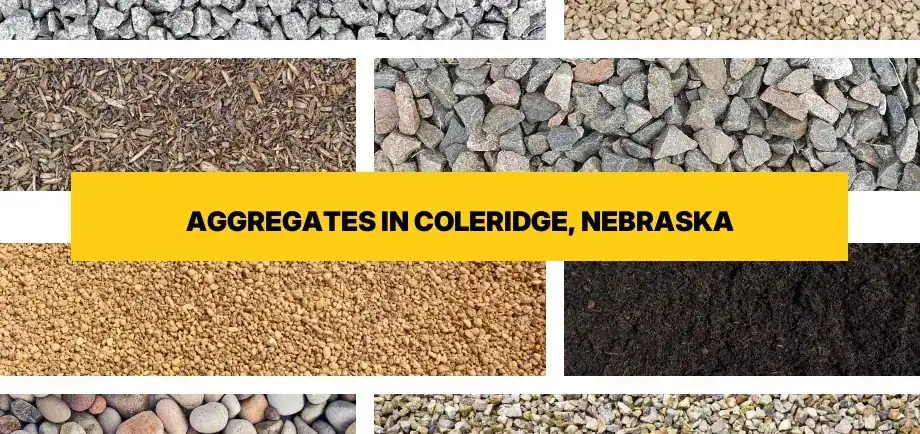
Shop Sand, Stone & Gravel in Coleridge, Nebraska
Local Topsoil, Dirt, Sand, Rocks and Gravel near me in Coleridge, Nebraska
Shop Aggregates for Delivery in Coleridge
Order online for free delivery to any Coleridge address.
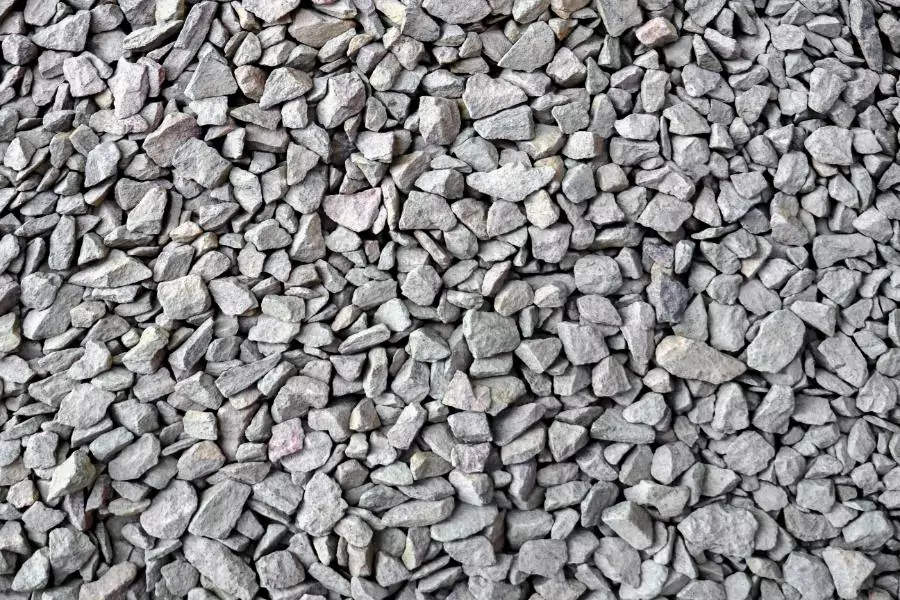
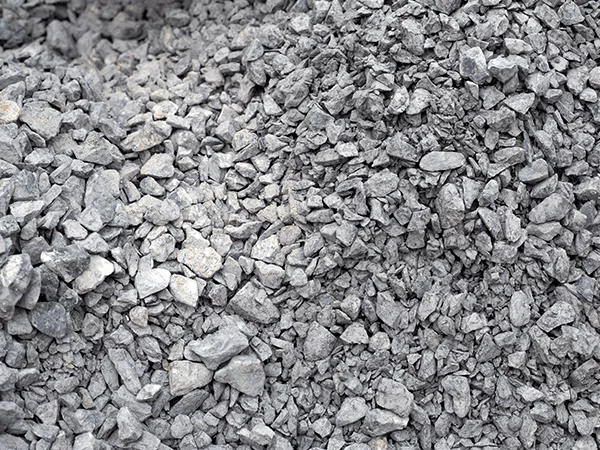


Gravel Monkey is your trusted source for high-quality aggregates and bulk materials in Coleridge, Nebraska. Whether you're building a new driveway on Main Street, improving drainage on your rural Cedar County property, or tackling a commercial project near the downtown area, we deliver premium aggregates directly to your site with absolutely free delivery. Our comprehensive selection of materials meets the unique challenges of northeast Nebraska's soil conditions and climate.
Complete Aggregate Selection for Coleridge Projects
Coleridge property owners trust Gravel Monkey for a full range of aggregates and bulk materials suited to the region's specific needs. From residential projects in town to agricultural applications throughout Cedar County, we supply the right materials for every job:
- Driveway Gravel - Durable base material engineered for Nebraska's freeze-thaw cycles
- 3/4 inch Crushed Stone - Versatile aggregate for driveways, foundations, and drainage applications
- #57 Stone - Industry-standard crushed stone ideal for concrete backfill and French drains
- Crusher Run - Compactable base that locks together for maximum stability
- Road Base - Heavy-duty foundation material for roads and large equipment areas
- Drain Rock - Angular stone designed specifically for water management systems
- Pea Gravel - Smooth, decorative aggregate perfect for walkways and garden beds
- River Rock - Natural rounded stone for aesthetic landscaping features
- Walkway Gravel - Specially sized material for comfortable, attractive paths
- Crushed Concrete - Eco-friendly recycled aggregate for cost-effective projects
- Topsoil - Rich, nutrient-dense soil for gardens and lawn establishment
- Fill Dirt - Essential material for grading, leveling, and site preparation
- Mason Sand - Fine-grade sand for masonry, paver bases, and construction
- Playground Sand - Safe, clean sand meeting playground safety standards
- Washed Sand - Premium clean sand for multiple applications
- Decomposed Granite - Naturally stabilizing material for paths and landscaping
Understanding Coleridge's Soil and Climate Challenges
Located in Cedar County along the James River valley, Coleridge sits in an area characterized by heavy clay soils and glacial till deposits. The region experiences a continental climate with cold winters averaging 15-20°F in January and warm summers reaching 85-90°F in July. Annual precipitation averages around 26 inches, with most rainfall occurring during spring and early summer months.
These conditions create specific challenges for property owners. The predominant clay soils have poor drainage and are prone to expansion and contraction with moisture changes. During spring thaws and heavy rains, these soils become saturated and unstable. Proper aggregate selection and installation become critical for long-term project success in Coleridge and throughout Cedar County.
The freeze-thaw cycles experienced from November through March place additional stress on driveways, roads, and foundations. Without proper base preparation using quality aggregates, surfaces can heave, crack, and deteriorate rapidly. This is why Coleridge residents and contractors rely on properly graded materials that provide both drainage and stability.
Serving Coleridge and Surrounding Cedar County Communities
Gravel Monkey proudly delivers throughout Coleridge's residential and rural areas, extending service to nearby communities. We regularly serve properties from downtown Coleridge's Main Street district to agricultural operations in the surrounding countryside. Our delivery routes cover areas near the James River, properties along Highway 121, and farms throughout the productive agricultural region.
We frequently deliver to nearby communities including Laurel, Hartington, Randolph, Belden, and Wynot, ensuring that rural Cedar County and neighboring areas have access to quality aggregates. Whether you're located in town or on a rural acreage, our free delivery service brings premium materials directly to your project site.
Choosing the Right Aggregate for Your Coleridge Project
Driveway Construction and Repair
Coleridge driveways face unique challenges from clay soil and seasonal weather extremes. For new driveway construction, we recommend starting with a base layer that provides both compaction and drainage. The combination of proper base aggregates creates a stable foundation that resists the heaving and settling common in Cedar County's clay soils.
Many Coleridge property owners choose a layered approach: a compacted base layer for stability, followed by a wearing surface that handles daily traffic and weather exposure. This method has proven effective for both in-town properties on streets like Main Street and rural driveways throughout the area. The key is ensuring proper drainage to prevent water from saturating the clay subsoil beneath.
Agricultural and Farm Applications
Cedar County's agricultural community requires aggregates that withstand heavy equipment traffic while managing water effectively. Farm roads, equipment yards, and cattle lanes need materials that compact well and remain stable through Nebraska's seasonal conditions. Road base materials excel in these applications, providing the load-bearing capacity necessary for tractors, combines, and grain trucks.
Farmyard improvements often require aggregates that control mud while allowing water drainage. Properties near Coleridge benefit from well-compacted aggregate surfaces that remain functional during spring rains and fall harvest seasons when traffic is heaviest. Proper material selection prevents the rutting and deterioration that can halt farm operations.
Drainage Solutions for Clay Soils
Cedar County's heavy clay soils require effective drainage systems to protect foundations, basements, and landscaping. French drains, foundation drains, and surface water management systems all depend on properly selected aggregates. Angular stone with good void space allows water to flow freely while preventing soil infiltration that would clog the system.
Many Coleridge properties benefit from perimeter drainage systems that direct water away from structures. The region's seasonal rainfall patterns and spring snowmelt can overwhelm natural drainage, making engineered solutions essential. Clean, angular aggregates ensure these systems function effectively for years without maintenance.
Aggregate Comparison Guide for Coleridge Applications
| Material Type | Best Applications | Compaction | Drainage Rating | Traffic Durability |
|---|---|---|---|---|
| Crusher Run | Driveway base, road foundation | Excellent | Moderate | Very High |
| Road Base | Heavy equipment areas, farm roads | Excellent | Moderate | Extreme |
| 3/4 inch Crushed Stone | General purpose, driveways, parking | Good | Very Good | High |
| #57 Stone | Drainage systems, concrete backfill | Moderate | Excellent | Moderate |
| Drain Rock | French drains, foundation drainage | Low | Excellent | Low |
| Pea Gravel | Walkways, decorative landscaping | Low | Very Good | Low |
| Crushed Concrete | Budget driveways, temporary roads | Good | Good | Moderate |
| Decomposed Granite | Pathways, natural landscaping | Good | Good | Moderate |
This comparison helps Coleridge property owners select appropriate materials based on specific project requirements and local soil conditions. Consider both immediate needs and long-term performance when choosing aggregates for Cedar County applications.
Best Practices for Aggregate Installation in Coleridge
Successful aggregate projects in Coleridge require understanding local soil conditions and proper installation techniques. The heavy clay soils throughout Cedar County demand extra attention to base preparation and drainage considerations.
Base Preparation
Begin by excavating to stable subgrade, removing any organic topsoil or unstable clay. In many Coleridge locations, this means digging 8-12 inches deep for driveways or high-traffic areas. The goal is reaching soil that provides a firm foundation without excessive clay content that could cause future movement.
Consider installing geotextile fabric over the prepared subgrade, especially in areas with questionable soil conditions. This fabric prevents clay migration into your aggregate base while maintaining drainage capability. Many successful Coleridge projects incorporate this step for added longevity.
Proper Compaction Techniques
Compaction is critical for aggregate performance, particularly in materials like crusher run and road base. Apply aggregates in lifts of 3-4 inches, compacting each layer before adding the next. This ensures uniform density throughout the depth of your base, preventing settlement and maintaining stability.
Moisture content affects compaction effectiveness. Materials should be slightly damp during compaction—not saturated or bone dry. Cedar County's climate provides natural moisture during much of the year, but you may need to add water during dry summer periods for optimal compaction results.
Addressing Drainage
Never underestimate drainage importance in Coleridge's clay soil environment. Ensure your aggregate installation includes positive drainage away from structures and toward appropriate outlets. Even well-compacted aggregates fail if standing water saturates the clay subgrade beneath.
Consider crown or slope in driveways and roadways to shed water effectively. A minimum 2% grade prevents water pooling while remaining comfortable for vehicle traffic. Properties throughout Cedar County benefit from this simple but essential design consideration.
Seasonal Planning for Aggregate Projects in Northeast Nebraska
Coleridge's continental climate influences project timing and material selection throughout the year. Understanding seasonal patterns helps ensure successful installations and optimal material performance.
Spring Conditions
Spring brings snowmelt and increased rainfall to Cedar County, creating challenging conditions for aggregate work. Soil moisture levels peak during April and May, making excavation difficult and compaction less effective. However, this is when many property owners notice winter damage and plan repairs.
If undertaking spring projects, allow extra time for soil drying and plan for drainage management during construction. Many experienced Coleridge contractors prefer waiting until late May or early June when conditions stabilize. However, emergency repairs and drainage improvements often can't wait, making proper material selection crucial.
Summer Installation
Summer offers ideal conditions for aggregate projects in Coleridge. Dry, warm weather from June through August allows excellent compaction and rapid project completion. The firm ground conditions make excavation and grading straightforward, while lower precipitation reduces weather delays.
This is prime season for driveway installation, farm road improvements, and drainage projects throughout Cedar County. Plan ahead and schedule delivery early, as summer is popular for construction and agricultural improvements. The extended daylight and favorable weather make summer the preferred season for major aggregate projects.
Fall Preparation
Fall provides another excellent window for aggregate work in Coleridge. September and October typically offer dry conditions and moderate temperatures ideal for installation. Many property owners complete projects before winter, addressing summer wear and preparing surfaces for the coming freeze-thaw season.
Consider fall timing for projects that will cure or settle before winter stress begins. New aggregate installations benefit from some settling time before experiencing freezing temperatures. Completing work in early fall provides this stabilization period while weather remains cooperative.
Winter Considerations
Winter limits aggregate installation in Cedar County, though emergency repairs and delivery remain possible during mild periods. Frozen ground prevents proper excavation and compaction, while snow and ice complicate material placement. Most major projects wait for spring thaw.
However, winter is excellent for planning and material ordering. Use this time to design projects, calculate material needs, and schedule spring delivery. Early planning ensures materials arrive when weather permits work to begin, avoiding delays during the busy spring and summer seasons.
Commercial and Agricultural Aggregate Solutions
Coleridge's economy depends on agriculture and rural enterprises that require robust aggregate solutions. From grain elevator operations to livestock facilities, commercial and agricultural applications demand materials engineered for heavy-duty performance.
Grain Handling Facilities
Grain operations throughout Cedar County require surfaces that withstand heavy truck traffic during harvest season while managing water effectively year-round. The combination of load-bearing capacity and drainage capability makes certain aggregates ideal for elevator approaches, truck scales, and loading areas.
Proper aggregate selection prevents the rutting and muddy conditions that slow operations during critical harvest windows. Well-designed surfaces maintain functionality through spring rains, fall harvest, and winter conditions, ensuring continuous operation regardless of weather.
Livestock Operations
Cattle operations and livestock facilities face unique surface challenges from concentrated animal traffic and moisture. Feed lots, cattle lanes, and equipment areas need aggregates that provide firm footing, drain effectively, and resist degradation from constant use.
Many Coleridge-area livestock operations use compacted aggregate bases in high-traffic zones, creating surfaces that remain stable and sanitary. Proper installation prevents mud accumulation that compromises animal health and equipment access, especially important during wet seasons when pastures may be unusable.
Equipment Storage and Maintenance Areas
Modern agricultural equipment represents significant investment requiring proper storage and maintenance facilities. Equipment yards need surfaces supporting heavy loads while allowing water drainage. Aggregates provide cost-effective solutions that protect expensive machinery from mud and moisture damage.
Many Cedar County farmers create dedicated equipment areas using properly compacted aggregates over prepared subgrade. These surfaces remain functional year-round, allowing maintenance work and equipment movement even during wet periods when field access is limited.
Residential Landscaping and Decorative Applications
Beyond functional applications, Coleridge homeowners use decorative aggregates to enhance property aesthetics and create attractive outdoor spaces. The right materials transform ordinary yards into appealing landscapes while addressing practical drainage and maintenance needs.
Garden Beds and Borders
River rock and pea gravel create attractive, low-maintenance ground covers for garden beds throughout Coleridge properties. These materials suppress weeds, retain soil moisture, and provide visual interest while improving drainage around foundation plantings. The natural appearance complements both traditional and contemporary home designs.
Many homeowners appreciate how decorative aggregates reduce landscape maintenance compared to mulch, which requires regular replacement. Stone materials maintain appearance for years, providing permanent solutions that withstand Nebraska weather without decomposition or displacement.
Pathways and Walkways
Attractive pathways connect outdoor living spaces while managing foot traffic away from grass and planted areas. Walkway aggregates create comfortable, permeable surfaces that drain effectively during rain events. The natural appearance suits Coleridge's character while providing practical access throughout properties.
Consider pathways connecting main entries to gardens, sheds, or garage areas. Properly installed aggregate walks remain functional through all seasons, unlike concrete that can crack with freeze-thaw cycles. The permeable nature prevents water pooling, creating safe access even during wet weather.
Water Management Features
Decorative aggregates serve functional roles in landscape drainage while enhancing appearance. Dry creek beds using river rock direct runoff naturally while creating attractive landscape features. These installations manage water from downspouts, slopes, or low areas where standing water creates problems.
Many Coleridge properties benefit from integrating drainage with aesthetics. Properly designed features using appropriate aggregates solve water problems while complementing overall landscape design. This approach transforms drainage challenges into attractive landscape elements.
Frequently Asked Questions About Gravel and Aggregates in Coleridge
We deliver driveway gravel, crushed stone in various sizes, pea gravel, river rock, crusher run, road base, drain rock, topsoil, fill dirt, sand products, decomposed granite, and crushed concrete throughout Coleridge and surrounding Cedar County areas. Our complete selection addresses both functional and decorative needs for residential, commercial, and agricultural applications.
Yes! Gravel Monkey offers FREE delivery to Coleridge and the surrounding northeast Nebraska area for all gravel and aggregate material orders. We serve in-town properties along Main Street and rural locations throughout Cedar County with the same complimentary delivery service.
The amount depends on your project size and depth requirements. For driveways, calculate length times width times depth, typically 3 to 4 inches for residential driveways in Coleridge. For example, a 12-foot by 50-foot driveway at 4 inches deep requires approximately 7-8 cubic yards of aggregate. Our team can help you estimate the right amount for your specific project based on local soil conditions and intended use.
For Cedar County's heavy clay soils, we recommend crusher run or road base for driveways and high-traffic areas as they compact well and provide stability over expansive clay. For drainage projects, number 57 stone or drain rock works excellently to manage water in clay-rich soil. The angular shape and gradation of these materials resist the movement and settling that plague installations over clay subgrade.
Yes, we deliver year-round to Coleridge. However, delivery may be affected by severe winter weather or ground conditions when temperatures drop below freezing for extended periods. We recommend calling ahead during winter months to confirm availability and scheduling. Most aggregate installation waits for spring thaw, but we can deliver materials for spring projects or emergency repairs as weather permits.
For agricultural roads in the Coleridge area, road base and crusher run are excellent choices. They compact tightly, handle heavy equipment traffic from tractors and grain trucks, and perform well in northeast Nebraska weather conditions. These materials create stable surfaces that resist rutting during harvest season while managing water effectively during wet periods. Many Cedar County farmers prefer these aggregates for equipment lanes, field access roads, and farmyard surfaces.
For Coleridge's clay soils, geotextile fabric is highly recommended under aggregate driveways and high-traffic areas. The fabric prevents clay migration into your aggregate base while maintaining drainage capability. This additional step significantly extends the life of your installation and prevents the soft spots and rutting that occur when clay mixes with aggregate. Most professional contractors in Cedar County include fabric in their installations for optimal long-term performance.
For residential driveways in Coleridge, we recommend a minimum depth of 8-10 inches of compacted aggregate over prepared subgrade. This typically includes 4-6 inches of base material like crusher run or road base, plus 3-4 inches of surface material. Heavy-use driveways, farm lanes, or commercial applications may require 12 inches or more depending on traffic loads and soil conditions. Proper depth ensures your driveway withstands Cedar County's freeze-thaw cycles and heavy loads without premature failure.
Get Started with Your Coleridge Aggregate Project
Whether you're planning a new driveway on Main Street, improving farm roads throughout Cedar County, or enhancing your property's landscaping, Gravel Monkey delivers the quality aggregates you need with free delivery to Coleridge and surrounding areas.
Our experienced team understands northeast Nebraska's unique challenges, from heavy clay soils to seasonal weather extremes. We help property owners select appropriate materials for long-lasting installations that perform through all conditions. From residential landscaping to commercial agriculture, we supply the aggregates that make your project successful.
Contact us today to discuss your project requirements, get expert material recommendations, and schedule your free delivery. We're committed to providing Coleridge and Cedar County with premium aggregates, professional service, and the local knowledge that ensures project success. Let us help you choose the right materials and quantities for your specific application, soil conditions, and budget.

Need help? Reach out for a quote: