
Sand, Aggregates & Gravel for Dwight, Nebraska
Local Topsoil, Dirt, Sand, Rocks and Gravel near me in Dwight, Nebraska
Shop Aggregates for Delivery in Dwight
Order online for free delivery to any Dwight address.
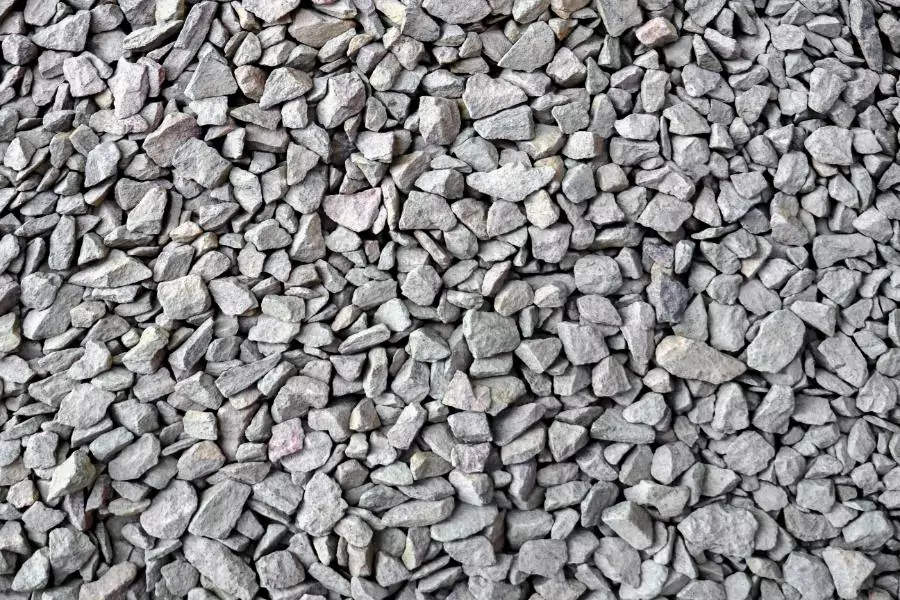
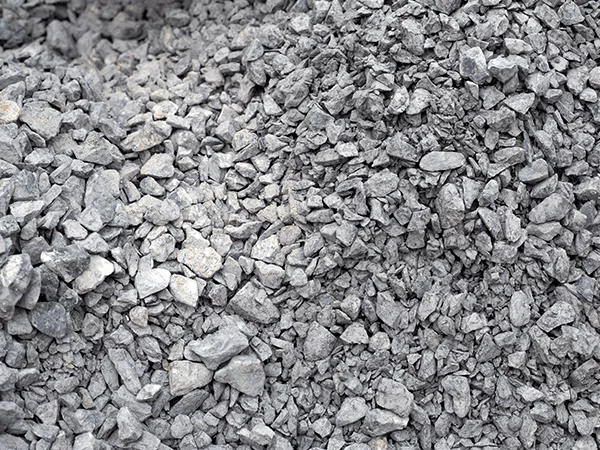


Gravel Monkey is your trusted source for premium gravel, aggregates, and bulk materials in Dwight, Nebraska. Serving Butler County and the surrounding agricultural communities, we deliver high-quality materials directly to your property with absolutely free delivery. Whether you're improving a rural driveway near the Platte River, building farm infrastructure, or completing residential projects in town, we provide the aggregates you need to handle Nebraska's challenging clay soils and variable weather conditions.
Complete Aggregate & Material Selection for Dwight Properties
We understand the unique requirements of Butler County projects, from dealing with expansive clay soils to preparing for spring flooding and winter freeze-thaw cycles. Our comprehensive selection of aggregates and materials addresses every challenge:
- Driveway Gravel - Superior base material that compacts firmly in Nebraska clay
- 3/4 inch Crushed Stone - Versatile angular aggregate for driveways and foundations
- #57 Stone - Clean drainage stone ideal for French drains and pipe bedding
- Crusher Run - Exceptional compaction for stable base layers
- Road Base - Heavy-duty material for farm lanes and equipment pads
- Pea Gravel - Smooth rounded aggregate for walkways and decorative features
- River Rock - Natural aesthetic stone for landscaping and drainage
- Drain Rock - Angular stone for superior water management systems
- Crushed Concrete - Eco-friendly recycled aggregate for rural projects
- Topsoil - Nutrient-rich soil for gardens and lawn establishment
- Fill Dirt - Clean fill for grading and elevation work
- Mason Sand - Fine sand for masonry and concrete mixing
- Playground Sand - Safe, clean sand for play areas
- Washed Sand - Clean sand for multiple construction applications
- Decomposed Granite - Compactable material for natural-looking pathways
- Walkway Gravel - Specialty blend for attractive, stable walkways
Understanding Dwight's Unique Soil and Climate Conditions
Dwight sits in the heart of Butler County agricultural country, where the landscape is characterized by rich but challenging soils. The area features predominantly Sharpsburg silty clay loam and Pawnee clay loam - expansive soils that swell when wet and shrink during dry periods. This soil movement creates significant challenges for driveways, foundations, and hardscaping projects throughout the community.
Properties near the Platte River and throughout the rural areas surrounding Dwight face additional moisture management concerns. Spring snowmelt and seasonal rainfall can saturate these clay-heavy soils, creating muddy conditions that persist for weeks. The freeze-thaw cycles of Nebraska winters compound these issues, as moisture trapped in clay soils expands when frozen, causing frost heave that can damage improperly prepared surfaces.
Annual precipitation in the Dwight area averages around 28 inches, with peak rainfall occurring during spring and early summer months. Combined with winter temperatures that regularly drop below freezing from December through February, proper drainage and aggregate selection become critical. These conditions affect everything from farm lanes serving agricultural operations to residential driveways in town and along the county roads.
Driveway Aggregates for Dwight Properties
Creating a durable driveway in Dwight requires understanding how different aggregates perform in Butler County's clay soils and weather extremes. The right material selection prevents rutting during wet seasons, resists frost damage during winter, and maintains a stable surface year-round.
Base Layer Importance for Clay Soils
The expansive clay soils throughout Dwight demand proper base preparation. Starting with a solid foundation of compactable aggregates prevents the movement and settling that leads to premature driveway failure. Rural properties, farmsteads near Brainard, and residential driveways throughout town all benefit from proper base installation that accounts for soil conditions specific to this agricultural region.
For properties dealing with poor drainage or low-lying areas common near creek tributaries, the base layer becomes even more critical. Aggregates must facilitate water drainage away from the surface while providing a stable platform that resists the push and pull of expanding clay below.
Surface Material Selection
Once the base is established, the surface aggregate determines how well your driveway performs. Properties throughout the Dwight area successfully use various materials depending on traffic patterns, aesthetic preferences, and budget considerations. Residential driveways in town often prefer the refined appearance of properly graded stone, while rural farm lanes prioritize durability and cost-effectiveness for heavy equipment traffic.
The angular nature of crushed aggregates provides superior compaction and interlock compared to rounded materials. This characteristic proves especially valuable in Butler County, where the weight of vehicles must be distributed across potentially unstable clay subsoils. The sharp edges of crushed materials bind together, creating a matrix that resists lateral movement and maintains grade even under challenging conditions.
Critical Drainage Solutions for Butler County
Proper water management ranks among the most important considerations for any Dwight property improvement project. The clay-heavy soils characteristic of this region shed water slowly, creating conditions where surface runoff must be actively managed to prevent flooding, erosion, and structural damage.
Foundation Drainage Systems
Homes and buildings throughout Dwight benefit from properly installed foundation drainage using clean angular aggregates. These systems intercept groundwater before it can enter basements or crawlspaces, channeling moisture away from structures to daylight outlets or collection systems. Properties in lower-lying areas or near seasonal drainages require particularly robust drainage design to handle spring snowmelt and heavy summer rains.
Surface Water Management
Beyond foundation protection, managing surface water prevents yard flooding and protects driveways from washout. Agricultural properties frequently incorporate drainage swales and culvert systems to manage runoff from fields and prevent erosion along farm lanes. Residential properties in town use similar principles at smaller scales, directing water away from structures and hardscaping to appropriate drainage points.
The proper aggregate selection for drainage applications requires materials that balance particle size with void space. Too fine, and soil particles clog the system. Too coarse, and the aggregate won't conform to trench profiles. Clean, angular materials provide the ideal solution, offering both drainage capacity and structural integrity.
| Aggregate Type | Best Applications | Compaction | Drainage Rating | Ideal for Dwight |
|---|---|---|---|---|
| Driveway Gravel | Residential driveways, rural lanes | Excellent | Very Good | Clay soil stability |
| 3/4 inch Crushed Stone | Base layers, driveways | Excellent | Very Good | Multi-purpose aggregate |
| #57 Stone | Drainage systems, pipe bedding | Good | Excellent | French drains |
| Crusher Run | Base layers, compaction | Superior | Good | Heavy traffic areas |
| Road Base | Farm lanes, equipment pads | Superior | Good | Agricultural use |
| Drain Rock | Foundation drainage, swales | Fair | Excellent | Water management |
| Pea Gravel | Walkways, decorative areas | Fair | Very Good | Low-traffic paths |
| Crushed Concrete | Rural roads, base layers | Very Good | Good | Cost-effective solution |
Agricultural Aggregate Applications in Butler County
The farming heritage of Dwight and Butler County creates unique aggregate requirements. Agricultural operations demand materials that withstand heavy equipment loads while remaining cost-effective for the large quantities needed for farm lanes, equipment pads, and barn foundations.
Farm Lane Maintenance and Construction
Rural properties throughout the area rely on well-maintained farm lanes for equipment access to fields and buildings. These lanes must support fully loaded grain trucks, tractors pulling implements, and harvest equipment during all seasons. The challenge intensifies during spring planting and fall harvest when weather conditions may be less than ideal and time pressures are intense.
Successful farm lanes in this region typically start with proper grading to establish drainage, followed by base aggregate that compacts firmly and resists rutting. Properties dealing with particularly problematic clay soils benefit from geotextile fabric beneath the aggregate, preventing base material from migrating into the soft subgrade while maintaining drainage capacity.
Equipment Pads and Staging Areas
Modern farming operations require dedicated spaces for equipment storage, maintenance, and grain handling. These areas experience concentrated loads from heavy machinery and benefit from aggregates that distribute weight effectively. Proper drainage prevents these areas from becoming mud pits during wet periods, maintaining productivity throughout the season.
Properties near Ulysses and throughout the rural areas surrounding Dwight often incorporate these hardened surfaces to protect investment equipment and maintain operational efficiency. The aggregate solutions that work for these applications translate well to residential projects, just at different scales.
Residential Landscaping with Aggregates in Dwight
While Dwight's agricultural character dominates the landscape, residential properties throughout town and on acreages demonstrate how decorative aggregates enhance outdoor living spaces. The key lies in selecting materials that provide aesthetic appeal while functioning effectively in Butler County's climate and soil conditions.
Walkways and Pathways
Creating attractive, functional walkways requires aggregates that remain stable underfoot while complementing home architecture and landscape design. Properties throughout Dwight incorporate these features connecting homes to outbuildings, gardens, and outdoor living areas. The materials resist weed growth, manage moisture effectively, and maintain their appearance through seasons of freeze-thaw cycling and summer heat.
Decorative Landscape Features
River rock and decorative stone add visual interest to foundation plantings, garden beds, and water features throughout residential properties. These materials help retain soil moisture during hot Nebraska summers while preventing soil splash that can spread disease to plants. The natural appearance complements both traditional and contemporary landscape designs common in the community.
Properties incorporating these decorative elements benefit from the same drainage principles that govern larger aggregate installations. Proper bed preparation with landscape fabric prevents aggregate from mixing with underlying soil while allowing water to drain freely, maintaining both appearance and function over time.
Installation Best Practices for Dwight Projects
Successful aggregate projects throughout Butler County share common preparation and installation techniques that account for local conditions. Understanding these practices helps ensure long-lasting results whether you're installing a residential driveway or constructing a farm lane.
Site Preparation Requirements
Proper preparation begins with removing organic material and unstable soil, then establishing appropriate grade for drainage. In Dwight's clay soils, this often means excavating deeper than you might expect, removing the expansive clay and replacing it with stable aggregate base. This extra effort prevents future problems as the clay beneath the aggregate continues its expansion and contraction cycles.
Properties with existing drainage issues require particular attention to slope and water management. Even small grade adjustments can direct water away from structures and prevent ponding that leads to aggregate failure. Rural properties with longer driveways or farm lanes often incorporate crown profiles that shed water to vegetated shoulders where it can infiltrate naturally.
Compaction and Layer Thickness
Achieving proper compaction requires placing aggregates in lifts - layers thin enough to compact thoroughly with available equipment. For residential projects, this typically means layers of three to four inches. Larger agricultural projects might use slightly thicker lifts if equipped with heavier compaction equipment. Each layer must be compacted before placing the next to achieve the density necessary for long-term stability.
The compaction process works by forcing aggregate particles together, creating friction and interlock that resists movement. In Butler County's clay soils, this becomes especially critical as the unstable subgrade provides little natural support. Well-compacted aggregates essentially float on the clay, distributing loads across a wider area and maintaining grade despite subgrade movement.
Seasonal Factors Affecting Aggregate Projects in Dwight
Nebraska's distinct seasons create a project calendar that influences timing for aggregate installations throughout the Dwight area. Understanding these seasonal factors helps schedule work for optimal results and longevity.
Spring Challenges and Opportunities
Spring brings snowmelt and frequent rainfall that saturate Butler County soils. While this period presents challenges for aggregate installation, it also reveals drainage problems that need addressing. Properties that experience flooding or excessive mud during spring thaw benefit from drainage improvements using proper aggregates before the next winter cycle.
Many Dwight-area property owners schedule major aggregate projects for late spring after soils have dried sufficiently for excavation and compaction. This timing allows projects to cure through summer before facing winter freeze-thaw cycles, though favorable conditions may permit work earlier or later depending on specific weather patterns.
Summer and Fall Project Windows
Summer offers the most predictable conditions for aggregate work, with warm temperatures and generally drier soils. However, the agricultural calendar around Dwight means equipment and contractor availability may be limited during peak farming seasons. Planning ahead ensures resources are available when needed.
Fall presents an excellent window for aggregate projects after harvest but before ground freeze. Completing work during this period allows base aggregates to settle naturally through winter moisture cycles, with any final grade adjustments made the following spring. This approach works particularly well for farm lanes and rural driveways where timing flexibility exists.
Winter Considerations
While winter isn't ideal for major aggregate installations, emergency repairs and small projects remain possible during moderate weather. Properties experiencing driveway failure or drainage issues during winter sometimes require temporary solutions to maintain access until comprehensive repairs can be completed during favorable conditions.
Serving All Areas of Dwight and Butler County
Our free delivery service extends throughout Dwight and the surrounding Butler County region, including residential properties in town, rural farmsteads, and acreages throughout the agricultural areas. We regularly deliver aggregates to properties near the Platte River, along county roads radiating from Dwight, and to neighboring communities including Brainard, Ulysses, and the broader David City area.
Whether your project is located in the historic downtown area, in newer residential developments, or on working farms surrounding the community, we provide the same reliable service and quality materials. Our experience with Butler County's clay soils, drainage challenges, and weather patterns ensures you receive not just aggregates, but practical guidance for successful project completion.
Rural properties benefit from our understanding of agricultural requirements, from farm lane specifications to equipment pad construction. Residential customers appreciate our attention to aesthetic details and our ability to recommend materials that complement Dwight's character while performing reliably in Nebraska's climate. Every delivery represents our commitment to serving the community with materials that meet local conditions and exceed expectations.
Calculating Aggregate Quantities for Your Dwight Project
Determining the right amount of aggregate requires understanding your project dimensions and material characteristics. The basic formula multiplies length times width times depth, but practical considerations affect the final quantity needed.
Depth Requirements by Application
Different projects require different depths of aggregate. Residential driveways typically need four to six inches of total aggregate depth, often installed in two layers with a compacted base and surface course. Farm lanes and heavy-use areas may require eight to twelve inches depending on soil conditions and expected loads.
Drainage applications have specific depth requirements based on system design. French drains around foundations typically use twelve to eighteen inches of drain rock, while surface swales might need only six to eight inches. These specifications ensure adequate drainage capacity while maintaining system integrity through seasonal cycles.
Accounting for Compaction
Compactable aggregates reduce in volume during installation. Crusher run and road base typically compact by fifteen to twenty percent, meaning you need more material than the calculated volume suggests. Clean drainage aggregates compact less, perhaps five to ten percent, as the uniform sizing limits particle rearrangement.
Our team can help estimate quantities based on your specific project, accounting for these factors along with site conditions unique to your property. Proper quantity calculation prevents delays from material shortages while avoiding excess material that creates disposal concerns.
Why Dwight Property Owners Choose Gravel Monkey
Serving the Dwight community means understanding Butler County's unique requirements and providing materials that perform reliably in local conditions. Our experience with clay soils, agricultural applications, and residential projects translates to better results for your property improvement efforts.
We deliver exactly what you order, when you need it, where you need it - all with free delivery throughout the Dwight service area. Our aggregates meet specifications for demanding applications, from heavy agricultural use to refined residential landscaping. Quality materials, reliable service, and local understanding make us the preferred aggregate supplier for Butler County property owners.
Every project receives the same attention to detail, whether you're enhancing a farmstead near Ulysses or completing a residential driveway in Dwight. We source materials specifically suited to Nebraska conditions, ensuring they perform reliably through seasonal extremes and provide lasting value. That commitment to quality and service defines the Gravel Monkey difference throughout Butler County.
Frequently Asked Questions About Gravel in Dwight
We deliver driveway gravel, crushed stone in various sizes including 3/4 inch and #57, pea gravel, river rock, crusher run, road base, drain rock, crushed concrete, topsoil, fill dirt, and multiple types of sand including mason sand, playground sand, and washed sand throughout Dwight and surrounding Butler County areas.
Yes! Gravel Monkey offers FREE delivery to Dwight and the surrounding Butler County area for all gravel and aggregate material orders. We serve the entire community including areas near the Platte River and rural properties.
For Dwight driveways, we recommend driveway gravel, 3/4 inch crushed stone, or crusher run. These materials compact well in Nebraska clay soils, provide excellent drainage during spring thaws and summer storms, and stand up to freeze-thaw cycles common in Butler County winters.
The amount depends on your project size and depth needed. For driveways, calculate length times width times depth in feet, typically 3 to 4 inches deep. Our team can help estimate the right amount of aggregates for your specific Dwight property based on soil conditions and intended use.
Absolutely! We deliver throughout Butler County including rural properties, farmsteads, and acreages near Dwight, Brainard, Ulysses, and the surrounding agricultural areas. Free delivery applies to the entire service area.
For Butler County properties, drain rock and #57 stone work excellently for French drains and foundation drainage. The expansive clay soils in this area require proper drainage, and these angular aggregates allow water to flow freely while preventing soil infiltration.
Yes! We supply road base, crusher run, and fill dirt for farm lanes, equipment pads, barn foundations, and other agricultural projects throughout the Dwight area. Our aggregates are ideal for the heavy equipment and machinery common on Butler County farms.
Nebraska freeze-thaw cycles require aggregates that drain well and resist frost heave. Materials like crushed stone, crusher run, and road base compact firmly while allowing moisture drainage, preventing ice damage and maintaining stability through Dwight winters and wet spring seasons.

Need help? Reach out for a quote: