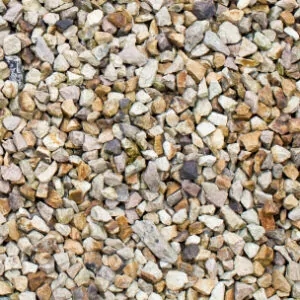

Sand, Aggregates & Gravel for Page, Nebraska
Local Topsoil, Dirt, Sand, Rocks and Gravel near me in Page, Nebraska
Shop Aggregates for Delivery in Page
Order online for free delivery to any Page address.
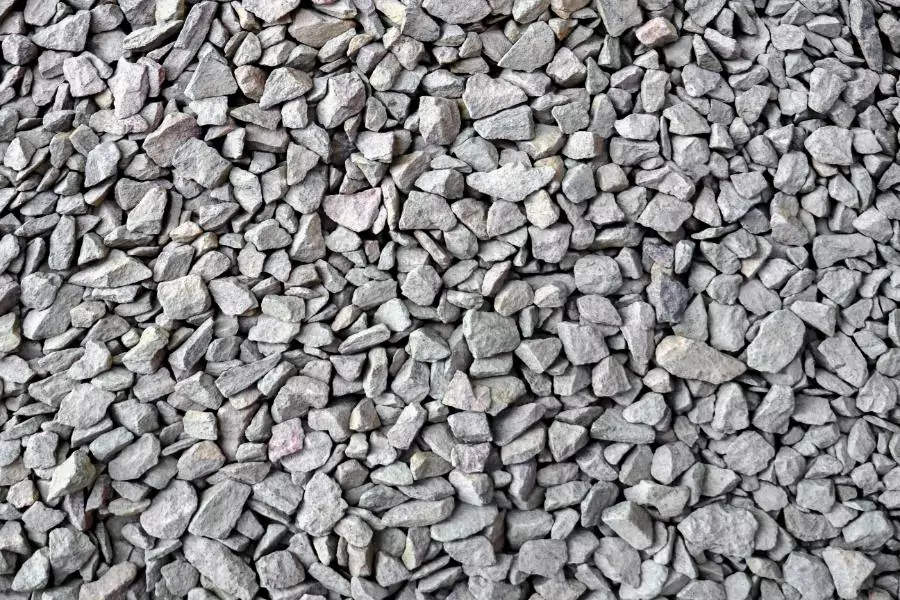
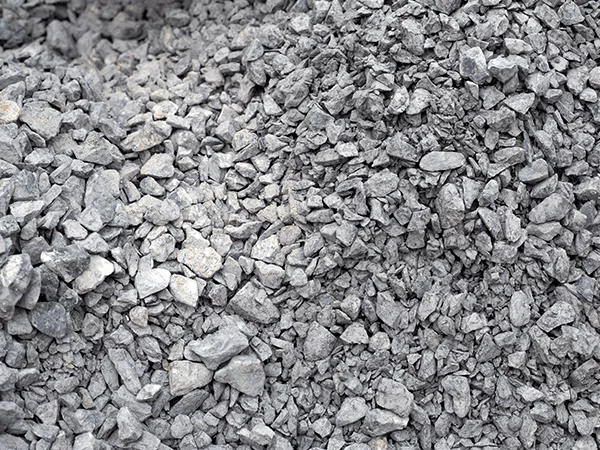


Gravel Monkey brings premium aggregates and bulk materials directly to your Page, Nebraska property with completely free delivery. Whether you're maintaining a rural driveway in Holt County, building an agricultural access road, or creating landscaping features for your home, we provide the quality stone, gravel, sand, and soil products that perform in Nebraska's demanding climate and soil conditions. Serving Page and surrounding communities including Orchard, Inman, and Ewing, we understand the unique challenges that north-central Nebraska properties face with clay-rich soils, seasonal freeze-thaw cycles, and agricultural demands.
Complete Aggregate Selection for Page Area Projects
Our comprehensive inventory includes every aggregate material you need for residential, agricultural, and commercial applications throughout the Page area. Each product is selected specifically to perform well in Nebraska's glacial till soil and continental climate conditions:
- Driveway Gravel - Durable aggregate designed for long-lasting rural and residential driveways
- 3/4 inch Crushed Stone - Versatile aggregate for driveways, foundations, and drainage applications
- #57 Stone - Popular drainage stone that prevents water accumulation around structures
- Crusher Run - Excellent compactable base material that locks together when compacted
- Road Base - Heavy-duty aggregate for farm roads, access lanes, and parking areas
- Drain Rock - Specialized aggregate for foundation drainage and water management
- Pea Gravel - Smooth rounded stone perfect for pathways and decorative landscaping
- River Rock - Natural decorative stone in multiple sizes for landscaping features
- Walkway Gravel - Sized specifically for comfortable, attractive pedestrian paths
- Crushed Concrete - Eco-friendly recycled aggregate for base layers and farm applications
- Decomposed Granite - Natural pathway material that compacts firmly
- Mason Sand - Fine sand for mortar, concrete mixing, and masonry work
- Playground Sand - Clean, safe sand for play areas and sandboxes
- Washed Sand - Versatile clean sand for multiple construction applications
- Topsoil - Nutrient-rich soil for gardens, lawns, and agricultural plantings
- Fill Dirt - Quality earth material for grading, leveling, and construction projects
Understanding Page's Unique Soil and Climate Conditions
Page sits in the heart of Nebraska's glacial till plain, a region shaped by ancient glaciers that left behind dense clay-rich soils mixed with gravel deposits. This geological heritage creates specific challenges for construction and landscaping projects that require specialized aggregate solutions.
Glacial Till Soil Characteristics
The predominant soil type around Page is clay loam derived from glacial deposits. This soil exhibits high plasticity, meaning it expands significantly when wet and contracts during dry periods. The clay content ranges from 25-40% in most areas, creating a dense, poorly-draining substrate. Without proper base preparation using quality aggregates, structures and surfaces built on this soil experience settling, cracking, and frost heaving during winter months.
Agricultural operations throughout Holt County understand these soil challenges intimately. Farm roads and access lanes require substantial aggregate bases to remain passable during spring thaw and wet weather. The combination of heavy equipment traffic and expansive clay creates conditions where inadequate base materials quickly deteriorate into impassable mud.
Continental Climate Impact on Aggregates
Page experiences a true continental climate with January temperatures averaging 18°F and July temperatures reaching 86°F. Annual precipitation averages 24 inches, with peak rainfall occurring May through July. These conditions create a challenging freeze-thaw cycle that tests aggregate installations.
Winter temperatures regularly drop below zero, causing ground frost to penetrate 30-40 inches deep. When moisture trapped in clay soil freezes, it expands with tremendous force, lifting anything above it. This frost heaving destroys improperly constructed driveways and foundations. Using proper drainage aggregates and adequate base depth helps moisture escape before freezing, preventing this destructive cycle.
Summer conditions bring different challenges. Extended dry periods cause clay soils to crack and shrink, potentially undermining gravel surfaces. Hot temperatures also soften asphalt-coated materials. In Page's agricultural setting, dust control becomes important for both comfort and equipment longevity, making properly maintained gravel surfaces essential.
Aggregate Applications for Page Area Properties
Rural Driveway Construction and Maintenance
Page area driveways demand more robust construction than urban settings due to agricultural traffic, longer lengths, and exposure to the elements. A typical rural driveway should begin with proper grading to establish drainage away from structures. The base layer uses crusher run compacted to 6-8 inches depth, creating a stable foundation that resists the expansion of underlying clay.
The surface layer typically consists of 3/4 inch crushed stone or driveway gravel at 3-4 inches depth. This size aggregate interlocks effectively while still allowing water drainage. For properties with heavy equipment traffic, increasing the total aggregate depth to 12-14 inches provides superior longevity. Regular maintenance every 2-3 years, adding fresh surface gravel, keeps rural driveways in excellent condition.
Agricultural and Farm Road Applications
Working farms around Page, Orchard, and Inman require dependable access roads for equipment, livestock management, and crop transportation. Road base provides the heavy-duty performance needed for these applications. This coarse aggregate, containing particles from fine dust to 3-inch stones, compacts into an extremely stable surface that supports loaded grain trucks and heavy machinery.
Farm roads benefit from crown shaping, where the center sits 4-6 inches higher than edges, promoting water runoff. Side ditches channeling runoff away from the roadway prevent the aggregate from washing away during heavy rains. In low-lying areas prone to standing water, additional aggregate depth combined with proper drainage ensures year-round access.
Foundation Drainage Solutions
Protecting building foundations from moisture damage ranks among the most critical applications for aggregates in Page's clay soil environment. Water accumulating around foundations causes multiple problems including basement flooding, structural settling, wall cracking, and mold growth. Drain rock installed around foundation perimeters, connected to drain tile systems, channels water away before problems develop.
Proper foundation drainage begins with excavation to footer depth. A layer of drain rock, typically 12-18 inches wide and extending from footer to grade level, surrounds the foundation. Perforated drain tile embedded in this rock collects water and carries it to daylight or a sump system. This aggregate drainage system proves especially valuable in Page's spring conditions when snowmelt and rain simultaneously saturate clay soils.
Landscaping and Decorative Stone Features
Beyond functional applications, aggregates create attractive landscaping features around Page homes and businesses. Pea gravel provides an excellent surface for pathways, creating comfortable walking areas that drain quickly after rain. Its rounded shape feels pleasant underfoot while the neutral tan color complements most architectural styles common in rural Nebraska.
River rock serves multiple decorative purposes from dry creek beds that manage runoff to borders around flower beds and trees. These natural stones add visual interest while providing permanent, low-maintenance ground cover. In areas where grass struggles to grow due to shade or traffic, river rock offers an attractive alternative that never needs mowing or watering.
Aggregate Comparison Guide for Page Projects
Selecting the right aggregate for your specific application ensures optimal performance and longevity. This comparison helps Page area property owners choose appropriate materials:
| Aggregate Type | Best Applications | Typical Depth | Drainage Performance | Compaction |
|---|---|---|---|---|
| Crusher Run | Base layer for driveways, parking areas | 6-8 inches | Moderate | Excellent |
| Road Base | Farm roads, heavy traffic areas | 8-12 inches | Good | Excellent |
| 3/4" Crushed Stone | Driveway surface, general fill | 3-4 inches | Excellent | Good |
| #57 Stone | Drainage, concrete aggregate | 12-18 inches (drainage) | Excellent | Fair |
| Drain Rock | Foundation drainage, French drains | 12-24 inches | Excellent | Poor |
| Pea Gravel | Pathways, decorative landscaping | 2-3 inches | Excellent | Poor |
| River Rock | Landscaping, dry creek beds | 3-4 inches | Good | None |
| Crushed Concrete | Base layer, farm roads | 6-8 inches | Good | Good |
Serving Page and Surrounding Holt County Communities
Gravel Monkey proudly delivers aggregates throughout the Page area and neighboring communities in north-central Nebraska. Our service area encompasses the rural landscape where agriculture, ranching, and small-town life define the character of this region.
In downtown Page along Hancock Street and the residential areas spreading north toward the golf course, homeowners rely on quality aggregates for driveway maintenance and foundation protection. The established neighborhoods feature a mix of early 20th-century homes and newer ranch-style residences, all requiring proper drainage solutions in our clay soil environment.
South of Page toward Orchard, we serve the agricultural operations and acreages that form the backbone of Holt County's economy. These properties often require larger aggregate quantities for farm roads, equipment pads, and drainage projects. The rolling terrain and fertile farmland demand reliable access roads that function in all seasons and weather conditions.
Northeast toward Inman and the communities along Highway 275, our delivery service brings aggregates to both residential and commercial customers. The Elkhorn River valley in this direction creates additional drainage challenges where aggregate solutions prove essential for property protection and access maintenance.
West toward Ewing and the communities dotting Highway 20, we supply aggregates for the ranching operations and rural properties characteristic of this grassland region. These areas often need substantial amounts of road base and driveway materials for long access lanes traversing the scenic Nebraska Sandhills transition zone.
The areas surrounding Chambers and the northeastern portions of Holt County receive the same reliable aggregate delivery service. Whether you're maintaining a century farm, building a new rural home, or improving commercial property access, Gravel Monkey brings the materials you need directly to your job site without delivery charges.
Installation Best Practices for Nebraska Conditions
Site Preparation Requirements
Success with aggregate installations begins long before material delivery. Proper site preparation prevents future problems and ensures your investment delivers lasting value. Start by removing organic material including topsoil, vegetation, and roots. These materials decompose over time, creating voids that cause settling and surface failure.
In Page's clay soil environment, addressing drainage proves critical. Establish positive drainage away from structures and paved areas. Even a 2% grade (1/4 inch per foot) effectively moves water away from problem areas. For locations where natural drainage doesn't exist, consider installing drain tile before adding aggregate base materials.
Compaction of the native clay subgrade provides a stable foundation for aggregate layers. While clay compacts naturally, disturbed areas benefit from mechanical compaction using a plate compactor or roller. This step prevents differential settling that creates dips and depressions in finished surfaces.
Aggregate Layer Installation
Professional-quality aggregate installation follows specific procedures that maximize performance and longevity. Base layers should consist of crusher run or road base, spread in lifts no more than 4 inches thick before compaction. Each lift requires thorough compaction before adding the next layer, ensuring the aggregate interlocks properly and achieves maximum density.
Water application during compaction helps particles nestle together, creating a dense, stable base. However, excessive water turns clay into mud, negating compaction benefits. Aim for moisture content where the aggregate clumps slightly when squeezed but doesn't leave water on your hand. In dry conditions, light watering between lifts improves compaction results.
Surface layers use appropriately sized aggregate for the intended purpose. Driveway surfaces typically use 3/4 inch crushed stone at 3-4 inches depth over the compacted base. Walkways might use smaller pea gravel at 2-3 inches depth. Proper depth prevents aggregate migration and ensures stable, long-lasting surfaces.
Seasonal Maintenance Considerations
Nebraska's climate demands seasonal attention to aggregate surfaces. Spring brings freeze-thaw cycles that can lift and displace surface materials. A light grading after frost leaves the ground restores smooth surfaces and redistributes displaced aggregate. Adding fresh material at this time replenishes any losses from winter and maintains proper surface depth.
Summer heat and traffic can cause surface rutting, especially in areas with heavy vehicle use. Periodic grading redistributes aggregate, filling depressions and restoring crown for proper drainage. This maintenance prevents water accumulation that eventually undermines the base.
Fall preparation focuses on ensuring proper drainage before winter. Clean side ditches and culverts so snowmelt has clear paths away from aggregate surfaces. Check for low spots where water might accumulate and freeze, causing frost heaving. Adding material to these areas before winter prevents spring problems.
Calculating Aggregate Quantities for Your Page Project
Accurate material estimation ensures you order sufficient aggregate while avoiding costly excess. Understanding volume calculation helps you plan effectively and budget appropriately for your project.
Basic Volume Calculation Method
Aggregate quantities are measured in cubic yards. To calculate the volume needed, measure the length and width of your project area in feet, then determine the desired depth in inches. Convert depth to feet by dividing by 12, then multiply length times width times depth. Divide this result by 27 (cubic feet per cubic yard) to determine cubic yards needed.
For example, a driveway measuring 12 feet wide by 200 feet long with 4 inches of aggregate: (12 × 200 × 0.33) ÷ 27 = 29.3 cubic yards. Round up to 30 cubic yards to ensure adequate coverage, as some compaction occurs during installation and irregular terrain may require additional material.
Application-Specific Depth Recommendations
Different applications require varying aggregate depths for optimal performance in Page's conditions. Standard driveways with light vehicle traffic function well with 6 inches of crusher run base plus 3 inches of surface aggregate, totaling 9 inches depth. Heavy equipment access requires 8-12 inches of base plus 4 inches of surface material.
Foundation drainage applications typically use 12-18 inches of drain rock width surrounding foundations. Pathways need only 2-3 inches of pea gravel or walkway gravel over properly prepared base. Parking areas serving multiple vehicles benefit from 10-12 inches total depth to handle concentrated loading without rutting.
When ordering materials, discuss your project specifics with our team. We can refine calculations based on actual site conditions, intended use, and soil characteristics. It's generally better to have slightly more material than needed rather than stopping installation short and dealing with seams or insufficient depth.
Frequently Asked Questions About Aggregates in Page, Nebraska
We deliver a complete range of aggregates including crushed stone, driveway gravel, road base, crusher run, drain rock, pea gravel, river rock, and sand products. We also provide topsoil and fill dirt for all your Page area projects.
Yes, Gravel Monkey offers completely free delivery to Page, Nebraska and the surrounding Holt County area. There are no hidden fees or minimum order requirements for delivery.
For Page driveways, we recommend 3/4 inch crushed stone or number 57 stone. These sizes provide excellent compaction and drainage, which is crucial given our clay-rich soils and seasonal moisture conditions.
Page sits on predominantly clay-rich glacial till soil. This soil expands when wet and contracts when dry. Proper base preparation with crusher run or road base helps prevent settling and maintains stability in driveways and pathways.
We strive to accommodate rush orders whenever possible. Contact us early in the day for potential same-day delivery in Page. Standard delivery typically occurs within 1-2 business days throughout Holt County.
Given Page seasonal rainfall and clay soil conditions, drain rock and number 57 stone are excellent choices. These aggregates allow water to flow freely while preventing soil migration, protecting foundations from moisture damage.
Calculate by measuring length times width times depth in feet, then divide by 27 for cubic yards. For a standard driveway, plan for 4 inches of depth. Our team can help you calculate exact amounts for your specific Page area project.
Absolutely. We provide free aggregate delivery throughout Holt County including Orchard, Inman, Ewing, and other communities surrounding Page. Our service area covers the entire north-central Nebraska region.
Start Your Page Aggregate Project Today
Whether you're maintaining a rural driveway, building farm access roads, installing foundation drainage, or creating attractive landscaping features, Gravel Monkey delivers the quality aggregates you need with free delivery throughout Page and Holt County. Our materials are selected specifically to perform in Nebraska's challenging clay soil and continental climate conditions, ensuring your investment delivers lasting value.
Contact us today to discuss your project requirements. Our knowledgeable team understands the unique challenges of building and maintaining properties in the Page area, and we're ready to help you select the right materials and calculate accurate quantities. With free delivery and competitive pricing, Gravel Monkey makes it easy to get professional-quality aggregates for projects of any size throughout north-central Nebraska.

Need help? Reach out for a quote: