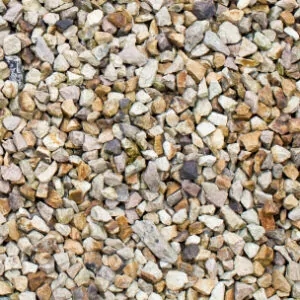
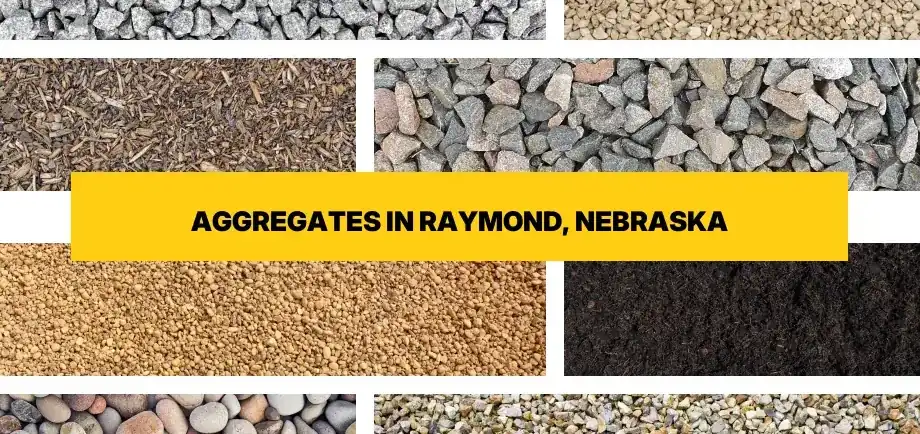
Rock & Driveway Gravel in Raymond, Nebraska
Local Topsoil, Dirt, Sand, Rocks and Gravel near me in Raymond, Nebraska
Shop Aggregates for Delivery in Raymond
Order online for free delivery to any Raymond address.
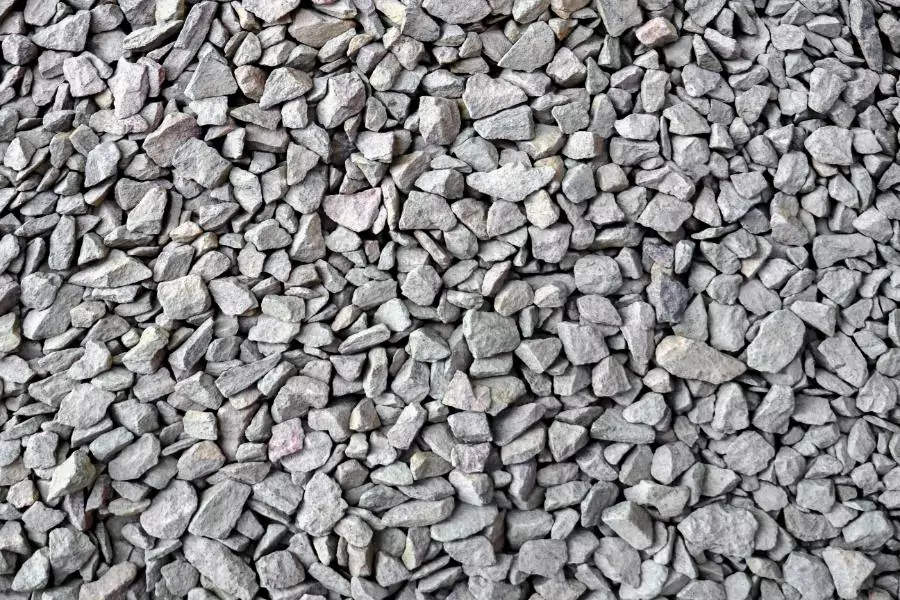
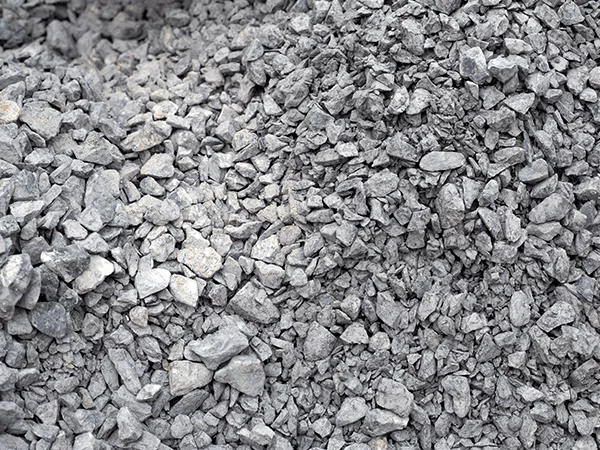


Gravel Monkey is your trusted source for premium aggregates and landscaping materials in Raymond, Nebraska. Whether you're building a new driveway on the east side of town, improving drainage on your rural property near Highway 79, or creating pathways around your home near Raymond Central High School, we deliver high-quality gravel and stone directly to your property with absolutely free delivery throughout Lancaster County.
Complete Aggregate & Material Selection for Raymond Properties
Raymond's unique position in eastern Nebraska means property owners face specific challenges with the region's clay-rich glacial till soils and seasonal weather extremes. Our comprehensive selection of aggregates addresses these local conditions while meeting the needs of residential, agricultural, and commercial projects throughout the community.
- Driveway Gravel - Durable surface material that handles Nebraska weather and heavy loads
- 3/4 inch Crushed Stone - Versatile aggregate for bases, drainage, and foundations
- #57 Stone - Clean crushed limestone for drainage systems and concrete work
- Crusher Run - Compactable base material that locks together for stable foundations
- Road Base - Heavy-duty aggregate for driveways and rural road maintenance
- Pea Gravel - Smooth decorative stone for landscaping and play areas
- River Rock - Natural rounded stones for gardens and water features
- Walkway Gravel - Attractive, comfortable stone for paths and garden borders
- Drain Rock - Specialized aggregate for French drains and foundation drainage
- Crushed Concrete - Eco-friendly recycled material for base layers
- Topsoil - Nutrient-rich soil for gardens and lawn establishment
- Fill Dirt - Quality material for grading and leveling projects
- Mason Sand - Fine sand for masonry and construction applications
- Playground Sand - Safe, clean sand for children's play areas
- Washed Sand - Clean sand for concrete mixing and landscaping
- Decomposed Granite - Natural granite fines for pathways and xeriscaping
Serving All Raymond Neighborhoods and Surrounding Areas
Gravel Monkey provides free aggregate delivery throughout Raymond and the surrounding Lancaster County region. We know the local area well and regularly serve properties throughout these communities:
Raymond proper includes the historic downtown area along Main Street, residential neighborhoods near Raymond Central Schools, and the newer developments on the town's east side. Properties throughout central Raymond benefit from our quick delivery service, whether you're upgrading a driveway near the water tower or creating landscaping features around established homes.
The rural areas surrounding Raymond encompass hundreds of agricultural properties, acreages, and country homes stretching toward Valparaiso to the northeast and Ceresco to the southeast. These properties along county roads often require larger quantities of aggregates for long driveways, farm lanes, and drainage management, all of which we deliver at no charge.
Properties near Highway 79 and the routes connecting Raymond to nearby communities like Davey, Branched Oak, and western Lancaster County receive the same free delivery service. Whether you're maintaining a rural road or building a new entrance to your property, we bring materials directly to your location.
The Branched Oak Lake area west of Raymond attracts property owners seeking recreational land and lake access. These properties often need aggregates for roads, parking areas, and erosion control, particularly on sloped terrain near the water. We deliver throughout this recreational region with the same reliability as in-town service.
Farms and acreages near Valparaiso and Ceresco frequently order aggregates for maintenance roads, equipment pads, and drainage solutions. The agricultural character of Lancaster County means many properties need ongoing access to quality stone and gravel, and our free delivery makes material acquisition convenient for working farms.
Understanding Raymond's Soil and Climate Conditions
Raymond sits in the glaciated plains region of eastern Nebraska, where understanding local geology and climate patterns is essential for successful aggregate projects. The town rests on glacial till deposits from the Kansan glaciation period, resulting in the characteristic clay loam soils that define much of Lancaster County.
These Crete-Butler-Tomek soil associations create specific challenges for construction and landscaping projects. The high clay content means soils retain moisture, expand when wet, and can become difficult to work during spring thaws and periods of heavy rainfall. This characteristic makes proper base preparation and drainage absolutely critical for driveways, foundations, and any hardscape features.
Raymond experiences a humid continental climate with hot, humid summers averaging 85-90°F and cold winters where temperatures regularly drop to 10-15°F. Annual precipitation averages 28-30 inches, with the wettest months typically occurring from May through June. These moisture patterns, combined with the clay soils, create conditions where standing water and poor drainage become major concerns for property owners.
The freeze-thaw cycle presents another significant challenge for Raymond residents. Winter temperatures fluctuate above and below freezing multiple times per season, causing moisture in the ground to freeze, expand, and then thaw repeatedly. This cycle pushes stones upward (frost heaving), shifts foundation footings, and can crack improperly prepared driveways. Using properly sized and compacted aggregate bases helps mitigate these effects.
Seasonal water table fluctuations in the Raymond area mean that areas with poor drainage can develop standing water problems, particularly in spring when snowmelt combines with rainfall and the ground remains partially frozen. French drains, proper grading, and drainage aggregate installations become essential for keeping properties dry and stable throughout the year.
Driveway Aggregates for Raymond's Climate and Soils
Building a durable driveway in Raymond requires understanding how local clay soils and weather patterns affect different aggregate materials. The key to a long-lasting driveway lies in proper base preparation and selecting materials that work with, rather than against, the local soil conditions.
The foundation of any successful Raymond driveway starts with a proper base layer. Road base provides exceptional stability by combining various aggregate sizes that lock together when compacted. This material creates a solid foundation that prevents the clay soil beneath from pushing upward during freeze-thaw cycles. For rural properties with longer driveways, road base offers the structural integrity needed to support vehicle traffic year-round without developing ruts or washboard patterns.
Crusher run serves as another excellent base option, particularly for driveways in town or shorter residential applications. The mixture of crushed stone and stone dust compacts tightly, creating a water-resistant barrier that sheds moisture rather than allowing it to penetrate down into the clay. This characteristic proves especially valuable during spring thaws when moisture management becomes critical.
For the surface layer, traditional driveway gravel performs well when applied over a properly prepared base. The larger stone size resists sinking into softer base materials and provides good traction even during wet conditions. Many Raymond property owners prefer the clean, maintained appearance of fresh driveway gravel, especially for approaches near the street or main house entrances.
Properties dealing with challenging drainage situations often benefit from incorporating drain rock beneath the standard base layer. This creates a drainage plane that moves water away from the driveway structure, preventing saturation of the clay soils and reducing frost heaving. This technique works particularly well on sloped driveways or areas where water naturally collects.
Comparing Common Aggregates for Raymond Projects
| Material Type | Best Applications | Compaction | Drainage Rating | Clay Soil Performance |
|---|---|---|---|---|
| Crusher Run | Driveway base, foundations, parking areas | Excellent | Moderate | Outstanding - locks together |
| Road Base | Heavy traffic areas, rural roads, farm lanes | Superior | Good | Excellent - very stable |
| 3/4 inch Crushed Stone | Drainage, concrete aggregate, base layer | Good | Excellent | Good - prevents clay migration |
| #57 Stone | French drains, pipe bedding, clean fill | Fair | Superior | Excellent for drainage systems |
| Driveway Gravel | Surface layer, maintained appearance | Good | Good | Good over proper base |
| Pea Gravel | Decorative landscaping, walkways, play areas | Poor | Excellent | Fair - needs edging |
| Crushed Concrete | Base material, eco-friendly applications | Very Good | Good | Good - economical option |
| Drain Rock | Foundation drainage, French drains | Poor | Superior | Excellent for water management |
Drainage Solutions for Raymond's Clay Soils
Managing water effectively represents one of the most important aspects of property maintenance in Raymond. The combination of clay soils that resist infiltration and Nebraska's concentrated rainfall events during spring and summer creates conditions where proper drainage systems become essential for protecting foundations, preventing basement flooding, and maintaining usable outdoor spaces.
French drain installations using #57 stone provide the gold standard for foundation drainage throughout Raymond. This clean, uniformly sized aggregate creates consistent void spaces that allow water to flow freely through the drainage system. When installed along foundation perimeters or in low-lying areas, French drains intercept water before it can penetrate basements or cause foundation settlement in the expansive clay soils.
Surface drainage swales lined with larger aggregates help move water across properties during heavy rainfall events. The intense thunderstorms common to eastern Nebraska in May and June can drop several inches of rain in short periods, overwhelming clay soils that cannot absorb water quickly. Strategic placement of gravel-lined channels moves this surface water away from buildings and toward appropriate drainage points.
Many rural properties around Raymond deal with standing water in fields or low spots along driveways. Installing a base layer of drain rock before adding road base or crusher run creates a permeable layer that helps water migrate laterally rather than pooling at the surface. This technique proves especially effective for long farm lanes or driveways that cross seasonal wet areas.
Retaining wall drainage represents another critical application. When building retaining walls to manage slopes or create level areas, backfilling with crushed stone allows water to escape rather than building up hydrostatic pressure behind the wall. This simple step dramatically extends the life of retaining structures and prevents failure during freeze-thaw cycles.
Landscaping Aggregates for Raymond Gardens and Yards
Beyond structural applications, aggregates play important roles in creating attractive, low-maintenance landscapes that thrive in Raymond's climate. Decorative stone offers practical benefits alongside aesthetic appeal, reducing water usage, preventing weed growth, and creating defined spaces in residential yards and commercial properties.
River rock has become increasingly popular for Raymond landscaping projects, offering a natural, polished appearance that complements both traditional and contemporary home styles. Available in various sizes from small accent stones to larger feature rocks, river rock creates visual interest in planting beds, around trees, and as ground cover in areas where grass struggles to grow. The rounded stones won't puncture landscape fabric and provide excellent weed suppression when installed over proper weed barrier.
For pathways and garden borders, walkway gravel delivers both functionality and appearance. The angular particles lock together better than rounded pea gravel, reducing migration and providing more stable footing. This makes walkway gravel ideal for frequently traveled paths, garden access routes, and areas around sheds or outbuildings where you need a clean, navigable surface.
Pea gravel works beautifully in areas where its smaller size and smooth texture add value. Around Raymond, property owners commonly use pea gravel for dog runs, children's play areas (though playground sand offers better cushioning), and decorative accents in flower beds. The material drains exceptionally well, which helps prevent muddy conditions during wet periods.
Decomposed granite offers an alternative for those seeking a more natural, settled appearance. This material compacts somewhat over time, creating pathways and patios with an organic feel that works particularly well in prairie-style landscaping or native plant gardens. The fine texture feels pleasant underfoot and takes on a warm, golden tone that complements Nebraska's landscape palette.
When planning landscaping projects, consider that Raymond's clay soils require adequate drainage beneath decorative aggregates. Installing a layer of crushed stone or #57 stone beneath ornamental rock prevents water from ponding under your landscaping features and helps ensure long-term stability and appearance.
Aggregate Solutions for Lancaster County Agricultural Properties
The agricultural heritage of Raymond and surrounding Lancaster County creates unique aggregate needs for working farms, acreages, and rural properties. From maintaining miles of farm lanes to creating stable equipment pads and managing drainage in fields, aggregates serve essential functions in agricultural operations throughout the region.
Farm lane maintenance represents an ongoing challenge, particularly during spring fieldwork when heavy equipment must travel muddy roads to reach planting areas. Refreshing lane surfaces with road base before spring work begins provides the stable surface needed for equipment movement while protecting the underlying clay from rutting and erosion. Many farmers schedule deliveries in late winter or early spring to prepare for the busy season ahead.
Equipment storage pads require special attention in Raymond's clay-rich environment. Creating a stable, level area for parking tractors, combines, and implements involves excavating native clay, installing a crusher run base, and topping with clean crushed stone for drainage. This investment prevents machinery from sinking during wet periods and reduces maintenance on expensive agricultural equipment by keeping it off wet ground.
Grain bin pads and approach areas demand excellent drainage and stability. Water pooling around grain storage facilities creates safety hazards and can compromise foundation integrity. A properly constructed aggregate pad using crusher run as a base with clean stone on top provides the year-round access needed for harvest operations while protecting valuable infrastructure investments.
Livestock areas benefit significantly from strategic aggregate use. High-traffic zones around water tanks, feed bunks, and gates quickly become muddy wallows in Raymond's clay soils. Installing road base or large crushed stone in these areas creates firm footing for animals, reduces mud-related health issues, and makes daily chores more manageable during wet weather. The initial investment in proper footing pays dividends in animal health and reduced labor.
Field drainage tile outlets and waterway management require clean aggregate materials that won't clog drainage systems. Using #57 stone or drain rock around tile outlet points protects these critical drainage features from erosion while allowing water to disperse properly across the landscape. Maintaining these areas helps preserve the productivity of Lancaster County's valuable agricultural soils.
Best Practices for Aggregate Installation in Raymond
Successful aggregate projects in Raymond require attention to preparation, installation techniques, and material selection appropriate for local conditions. Following these guidelines helps ensure your investment delivers lasting performance regardless of project type or scale.
Site Preparation and Excavation
Begin by removing all organic material, topsoil, and vegetation from the project area. Raymond's clay soils require excavation to adequate depth—typically 8-12 inches for driveways and 6-8 inches for pathways. This creates room for proper base materials while removing the expansive clay that causes most installation problems. The excavated area should extend 6-12 inches beyond the final surface dimensions to accommodate edge restraints and prevent lateral spreading.
Base Layer Installation
Install base materials in lifts of 3-4 inches, compacting each layer thoroughly before adding the next. This approach proves especially important in Raymond's clay environment, where inadequate compaction allows the clay to push upward through the aggregate during freeze-thaw cycles. Rent a proper plate compactor or roller for projects larger than a small walkway—hand tamping rarely provides adequate compaction for lasting performance.
Moisture Management During Installation
Raymond's weather can complicate installation timing. Avoid working in extremely wet conditions when clay becomes sticky and unworkable. However, most aggregate base materials compact better with slight moisture—completely dry materials don't lock together as effectively. Light misting during compaction often improves results, but never attempt installation when standing water is present or clay has become saturated.
Edge Restraint and Containment
All aggregate installations benefit from proper edge restraint. For driveways, this might mean concrete edges, steel edging, or landscape timbers. Walkways and landscaping features use commercial landscape edging or natural stone borders. Without containment, aggregates gradually spread, creating maintenance issues and diminished appearance over time. This proves particularly true with rounded materials like pea gravel.
Surface Material Application
Apply finish layers uniformly across properly prepared bases. For driveways, a 2-3 inch layer of driveway gravel over compacted base provides optimal performance. Landscaping applications may use 2-4 inches of decorative stone depending on desired appearance and underlying support. Deeper isn't always better—excessive aggregate depth creates unstable surfaces that shift under foot or vehicle traffic.
Seasonal Maintenance Considerations
Plan for annual maintenance needs. Raymond's freeze-thaw cycles and heavy spring rains inevitably create some surface disturbance. Budget for periodic top dressing of driveways and pathways, particularly after harsh winters. Spring represents the ideal time for assessment and touch-up work, allowing repairs to settle before summer heat arrives.
Seasonal Planning for Raymond Aggregate Projects
Timing your aggregate projects appropriately for Raymond's distinct seasons dramatically affects both the installation process and long-term results. Each season presents unique advantages and challenges worth considering when planning your project.
Spring Considerations (March-May)
Spring brings muddy conditions as frost leaves the ground and rainfall increases. While challenging for installation, spring remains popular for aggregate work because property owners can assess winter damage and make repairs before summer activities begin. Wait until the ground firms after initial thaw—typically late March or early April—before beginning major projects. French drain installations work well in spring when water problems are most visible and you can see exactly where drainage improvements are needed.
Summer Advantages (June-August)
Summer offers the most favorable conditions for aggregate work in Raymond. Dry, warm weather allows proper excavation, compaction, and material settling. However, intense heat during July and August can make physical work uncomfortable, and dust becomes an issue when working with dry materials. Schedule deliveries for early morning to take advantage of cooler temperatures and plan installation work before midday heat arrives. Summer thunderstorms can interrupt work but typically pass quickly, allowing projects to resume.
Fall Opportunities (September-November)
Fall presents ideal conditions for most aggregate projects. Moderate temperatures, lower humidity, and generally drier conditions make installation work more pleasant while allowing materials to settle before winter. Many Raymond residents schedule fall projects to prepare for winter or to take advantage of favorable weather before ground freezing limits work options. Complete projects by mid-November to ensure adequate settling time before sustained freezing temperatures arrive.
Winter Limitations (December-February)
Winter poses significant challenges for new installations due to frozen ground and difficulty achieving proper compaction in cold conditions. However, maintenance work like adding surface material to existing driveways remains possible during mild periods. Some property owners use winter months for planning, obtaining quotes, and scheduling spring projects. Delivery of materials continues weather permitting, and stockpiling aggregates for spring installation can lock in pricing and ensure material availability.
Commercial and Municipal Aggregate Applications
Beyond residential uses, aggregates serve critical functions in Raymond's commercial development, municipal infrastructure, and community spaces. From parking areas to public pathways, these applications require materials that deliver reliable performance under demanding conditions.
Commercial parking lots and loading areas represent major aggregate consumers. Businesses throughout Raymond use road base and crushed concrete for cost-effective parking solutions that accommodate customer traffic without the expense of asphalt or concrete paving. Agricultural businesses, in particular, benefit from gravel parking areas that handle heavy truck traffic during harvest season while providing adequate drainage year-round.
Raymond's municipal infrastructure includes gravel roads requiring periodic maintenance. County road departments regularly apply fresh aggregate to maintain rural road surfaces, working to balance dust control with surface stability. The selection of proper aggregate types helps extend maintenance intervals while keeping roads passable during wet weather when clay roads become impassable.
Community spaces and trails incorporate decorative aggregates for pathways and gathering areas. Parks, school grounds, and recreational facilities use combinations of walkway gravel, decomposed granite, and river rock to create attractive, accessible spaces that withstand heavy foot traffic. These installations often incorporate sustainable drainage features, allowing rainwater to infiltrate rather than creating runoff that overwhelms storm sewers.
Church parking areas, cemetery maintenance, and other community facilities frequently rely on aggregate surfaces. The relatively low cost compared to paved alternatives, combined with good drainage characteristics and acceptable appearance, makes gravel surfaces practical for facilities that need adequate parking without large construction budgets. Regular maintenance with fresh surface material keeps these areas attractive and functional for years.
Frequently Asked Questions About Aggregates in Raymond, Nebraska
We deliver a complete range of aggregates including driveway gravel, crushed stone, number 57 stone, crusher run, pea gravel, river rock, road base, drain rock, topsoil, fill dirt, sand varieties, crushed concrete, and decomposed granite throughout Raymond and surrounding Lancaster County areas. Each material serves specific purposes, and our team can help you select the right aggregates for your project's requirements and Raymond's unique clay soil conditions.
Yes! Gravel Monkey offers FREE delivery to Raymond and the surrounding Nebraska area for all gravel and aggregate orders. We serve properties throughout Raymond, nearby Valparaiso, Ceresco, Davey, and other Lancaster County communities. Whether you're located in town near Raymond Central Schools or on a rural property along county roads, we bring materials directly to your site at no additional charge.
For Raymond driveways, we recommend 3/4 inch crushed stone or crusher run as a base layer, topped with driveway gravel. These materials compact well in Nebraska clay soils, provide excellent drainage during spring thaws and summer storms, and withstand freeze-thaw cycles common in Lancaster County. The combination creates a stable foundation that prevents the underlying clay from pushing upward while providing a clean, maintained appearance on the surface.
The amount depends on your project size and depth. For driveways, calculate length times width times depth in feet, then divide by 27 for cubic yards. A standard driveway in Raymond typically needs 4 inches of base material plus 2-3 inches of surface gravel. For example, a 12-foot-wide by 100-foot-long driveway with 6 inches total depth requires approximately 22 cubic yards of material. Our team can help estimate quantities for your specific project and Raymond's conditions.
Raymond sits on glacial till with heavy clay loam soils that retain moisture and expand when wet. Road base, crusher run, and drain rock work exceptionally well as base materials because they provide drainage and stability while preventing clay migration upward. For surface layers, crushed stone and driveway gravel resist sinking into the clay. The key is creating adequate separation between the clay subgrade and your finished surface through proper base preparation and material selection.
Yes, we deliver year-round to Raymond, though winter deliveries may be affected by severe weather conditions. Many property owners schedule aggregate delivery in late fall or early spring to prepare for seasonal maintenance needs. Winter is actually an excellent time for certain drainage projects when the ground is frozen, and for stockpiling materials for spring installation. We work around weather conditions to ensure safe delivery whenever possible.
Absolutely! We deliver throughout Raymond and surrounding rural Lancaster County areas. Whether your property is near Highway 79, along rural roads toward Valparaiso, in the Branched Oak Lake region, or in the agricultural areas surrounding Raymond, we provide free delivery of all aggregates and materials. Many of our customers operate farms and acreages that require larger quantities for long driveways and farm lanes—we're equipped to handle projects of any size in rural settings.
Preventing spring mud in Raymond requires proper base preparation and drainage. Install adequate base depth—at least 6-8 inches of compacted crusher run or road base—before adding surface gravel. This creates separation from the clay subgrade. Incorporate crown or slope to shed water off the driveway surface, and consider adding French drains along the edges if water collects. Using angular crushed materials rather than rounded stone helps prevent sinking into soft spots during wet periods. Annual maintenance with fresh surface material helps maintain drainage and appearance.
Professional Aggregate Delivery Throughout Raymond and Lancaster County
Gravel Monkey combines extensive aggregate selection, local knowledge of Raymond's soil and climate conditions, and free delivery service to provide the complete solution for your property improvement projects. Whether you're building a new driveway, installing drainage systems, creating attractive landscaping, or maintaining rural roads and farm lanes, we deliver the right materials at the right time.
Our team understands the unique challenges of working with Lancaster County's clay soils and Nebraska's variable weather patterns. We help customers select appropriate materials for their specific applications, estimate quantities accurately, and schedule deliveries that match project timelines. From small residential walkway projects to large agricultural installations, we provide the same attention to quality and service.
Free delivery throughout Raymond and surrounding communities means you can focus on your project rather than worrying about material transportation. We bring aggregates directly to your property, placing materials where you need them for convenient access during installation. This service eliminates the hassle of making multiple trips with trucks or trailers and ensures you have adequate quantities to complete your project without interruption.
Contact Gravel Monkey today to discuss your aggregate needs, receive expert recommendations for Raymond's conditions, and schedule free delivery to your property. Let our knowledge of local requirements and commitment to quality materials help make your next project successful from start to finish.

Need help? Reach out for a quote: