Order Topsoil, Stone & Gravel in South Bend, Nebraska
Local Topsoil, Dirt, Sand, Rocks and Gravel near me in South Bend, Nebraska
Shop Aggregates for Delivery in South Bend
Order online for free delivery to any South Bend address.


Gravel Monkey is your premier source for quality gravel and aggregate delivery in South Bend, Nebraska. Whether you're improving a rural driveway near the Platte River bottomlands or upgrading your property in the heart of this historic Cass County community, we deliver premium aggregates directly to your location with free delivery. Our comprehensive selection of materials supports residential, agricultural, and commercial projects throughout South Bend and the surrounding eastern Nebraska region.
Complete Selection of Aggregates in South Bend, NE
We understand the unique needs of South Bend properties, from managing the expansive loamy soils common in the Platte River valley to handling Nebraska's seasonal freeze-thaw cycles. Our material selection addresses every project requirement across Cass County:
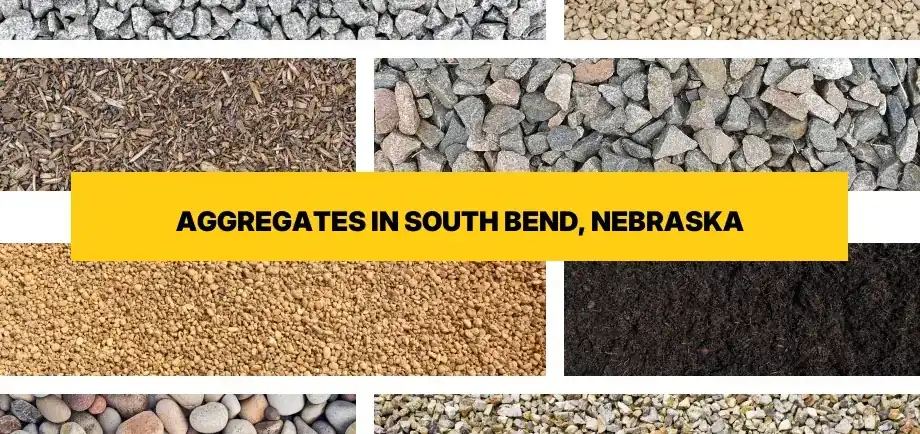
- Driveway Gravel - Durable aggregate designed for South Bend's soil conditions and climate
- 3/4 inch Crushed Stone - Versatile stone for foundations and drainage applications
- #57 Stone - Standard construction aggregate for multiple uses
- Crusher Run - Compactable base material perfect for Nebraska driveways
- Road Base - Heavy-duty foundation for rural roads and farm lanes
- Pea Gravel - Smooth decorative stone for landscaping projects
- River Rock - Natural aesthetic materials in various sizes
- Drain Rock - Angular aggregates for effective water management
- Crushed Concrete - Eco-friendly recycled aggregate option
- Topsoil - Rich soil for gardens and lawn establishment
- Fill Dirt - Essential material for grading and leveling
- Mason Sand - Fine sand for construction and masonry work
- Washed Sand - Clean sand for various applications
- Playground Sand - Safe, soft sand for play areas
- Decomposed Granite - Natural pathway material
- Walkway Gravel - Attractive stone sized specifically for foot traffic
Understanding South Bend's Soil and Geology
South Bend sits in the fertile Platte River valley of eastern Nebraska, characterized by deep loamy soils deposited over thousands of years of river activity. The area features predominantly silty clay loam and silt loam soils that provide excellent agricultural productivity but present specific challenges for construction and landscaping projects. These soils exhibit moderate to high shrink-swell potential, making proper aggregate base installation critical for long-term driveway and foundation stability.
The seasonal climate in South Bend brings average annual precipitation of approximately 30 inches, with significant spring rainfall that can exceed 4-5 inches per month during April and May. Winter temperatures regularly dip below freezing, creating freeze-thaw cycles that impact soil structure and require properly compacted aggregate bases. Summer temperatures commonly reach the upper 80s and low 90s, causing soil drying and potential cracking in poorly prepared surfaces.
Properties near the Platte River bottomlands face additional considerations with seasonal water table fluctuations and occasional flooding concerns. Proper drainage becomes essential for these locations, requiring strategic aggregate selection and placement. Understanding these local soil characteristics helps South Bend property owners make informed decisions about material selection for lasting results.
Serving All South Bend Areas and Surrounding Communities
We proudly deliver throughout South Bend and the broader Cass County region. Our service extends to properties throughout the community and nearby areas:
South Bend proper includes the historic downtown district where many properties date to the late 1800s when the town served as a key river crossing point. The residential areas spreading north and south from Main Street feature a mix of vintage homes and newer construction, all benefiting from quality aggregate materials for driveways, walkways, and landscaping features.
Properties along Highway 92 corridor benefit from easy access to aggregate delivery services. This main thoroughfare connects South Bend to Louisville to the east and Ashland to the west, with many rural residences and farmsteads requiring quality gravel for lane maintenance and property improvements.
The Platte River bottomlands south of town present unique opportunities for property owners managing river-adjacent land. These areas require careful attention to drainage and erosion control, making aggregates essential for sustainable property management and access road maintenance.
Rural Cass County properties surrounding South Bend rely on quality aggregates for farm lane maintenance, equipment pad construction, and property access. Agricultural operations throughout the area depend on reliable aggregate supply for ongoing maintenance and improvement projects.
We also serve neighboring communities including Louisville (8 miles east), Ashland (7 miles west), Greenwood (12 miles northwest), and Cedar Creek (10 miles south). This comprehensive service area ensures that property owners throughout eastern Nebraska have access to quality aggregates with convenient delivery.
Aggregate Applications for South Bend Properties
Driveway Construction and Repair
South Bend driveways face significant stress from Nebraska's climate extremes. Winter freeze-thaw cycles can heave poorly prepared surfaces, while spring moisture softens underlying soils. Summer heat and drought create expansion and contraction that damages inadequate bases. Proper aggregate selection and installation prevents these common problems.
For new driveway construction, we recommend starting with a compacted layer of road base or crusher run to create a stable foundation that resists seasonal movement. This base layer should extend 4-6 inches deep for residential driveways, with greater depth for heavier vehicle traffic. The final surface layer provides the finished appearance while maintaining structural integrity throughout Nebraska's demanding weather patterns.
Drainage Solutions for Eastern Nebraska Properties
Managing water effectively protects South Bend properties from erosion, foundation damage, and landscape deterioration. Spring rainfall and snowmelt can overwhelm inadequate drainage systems, causing standing water, soil saturation, and structural concerns. Strategic aggregate placement addresses these challenges efficiently.
French drain installations using drain rock provide excellent subsurface water management. These systems intercept groundwater before it reaches foundations or creates surface ponding. Surface drainage swales lined with larger aggregates direct runoff away from buildings and sensitive areas while preventing erosion. Properties near the Platte River bottomlands particularly benefit from comprehensive drainage planning incorporating multiple aggregate types.
Agricultural and Rural Property Applications
Farm and ranch properties throughout the South Bend area rely on aggregates for essential infrastructure. Equipment pads constructed with compacted aggregate provide stable work surfaces for machinery maintenance and storage. Feed bunkers require proper base preparation to prevent settling and maintain structural integrity through seasonal use.
Rural lane maintenance represents an ongoing need for Cass County agricultural operations. Regular aggregate application maintains access during wet spring conditions and prevents rutting that damages vehicle suspensions. Cattle crossing areas benefit from aggregate placement that provides firm footing while resisting the erosive effects of livestock traffic.
Choosing the Right Aggregate for Your South Bend Project
Different projects demand specific aggregate characteristics. Understanding material properties helps South Bend property owners select the optimal products for their applications:
| Aggregate Type | Best Applications | Compaction | Drainage Rating | South Bend Suitability |
|---|---|---|---|---|
| Crusher Run | Driveway base, road foundation | Excellent | Moderate | Ideal for loamy soils |
| Road Base | Heavy-duty foundations, farm lanes | Superior | Good | Perfect for rural properties |
| #57 Stone | Drainage, concrete aggregate | Moderate | Excellent | Great for wet areas |
| 3/4 inch Crushed Stone | General construction, driveways | Good | Very Good | Versatile for most projects |
| Pea Gravel | Landscaping, pathways, decorative | Poor | Very Good | Excellent for aesthetics |
| River Rock | Decorative landscaping, water features | Poor | Good | Popular for gardens |
| Drain Rock | French drains, foundation drainage | Poor | Superior | Essential for wet soils |
| Crushed Concrete | Base material, erosion control | Very Good | Good | Eco-friendly alternative |
Seasonal Considerations for South Bend Aggregate Projects
Spring Installation Best Practices
Spring brings optimal conditions for aggregate projects in South Bend, with moderate temperatures and adequate moisture for compaction. However, excessive rainfall can complicate installation timing. Wait for soil moisture levels to stabilize before beginning major projects. Early spring work takes advantage of pre-growing season conditions, allowing landscaping to establish before summer heat arrives.
Summer Project Advantages
Summer offers the longest working window for South Bend aggregate installations. Dry conditions facilitate excavation and compaction, while warm temperatures allow proper curing of adjacent concrete work. Plan for adequate watering during compaction to achieve optimal density. Morning installations help crews avoid peak afternoon heat while maintaining productivity.
Fall Preparation
Fall represents an excellent time for aggregate projects in eastern Nebraska. Cooler temperatures make physical work more comfortable, while soil conditions remain workable before winter freeze. Completing driveway and drainage projects before winter protects properties from seasonal damage. Fall installations have several months to settle before spring moisture tests their durability.
Winter Considerations
Winter limits major aggregate installations in South Bend, but emergency repairs and planning remain possible. Frozen ground prevents proper compaction and makes excavation difficult. However, aggregate delivery for spring projects can begin in late winter, with materials stockpiled on-site for immediate use when conditions improve. Planning winter projects ensures spring readiness when weather permits.
Professional Installation Tips for South Bend Properties
Proper installation maximizes aggregate performance and longevity. These professional techniques ensure successful projects on South Bend properties:
Site Preparation
Begin every project with thorough site preparation. Remove existing vegetation, organic materials, and unsuitable soil to reach stable subgrade. South Bend's loamy soils may require deeper excavation than anticipated, particularly in areas with high organic content. Proper subgrade preparation prevents future settling and maintains surface stability through seasonal changes.
Compaction Methodology
Achieving proper compaction proves critical for South Bend aggregate installations. Use mechanical plate compactors for areas up to 4 inches deep, and vibratory rollers for deeper installations. Compact in lifts no greater than 4 inches to ensure density throughout the aggregate depth. Add moisture if materials appear dry during compaction, as proper moisture content facilitates particle interlocking.
Drainage Integration
Every South Bend aggregate installation should incorporate drainage planning. Grade surfaces away from buildings at minimum 2% slope. Install perimeter drainage where needed to intercept surface water before it undermines aggregate bases. Consider seasonal water table elevations when planning drainage systems, particularly on properties near the Platte River bottomlands.
Edge Restraint
Aggregate surfaces require proper edge restraint to prevent material migration and maintain defined borders. Options include buried landscape edging, concrete curbing, or timber framing depending on application and aesthetic preferences. Proper edging extends surface life and maintains clean appearances throughout years of use.
Maintaining Aggregate Surfaces in South Bend
Regular maintenance preserves aggregate investments and extends surface life across South Bend properties. Implement these maintenance practices for optimal long-term performance:
Annual inspection identifies developing problems before they require major repairs. Check for low spots, drainage issues, and edge deterioration each spring after winter freeze-thaw cycles. Address minor problems promptly to prevent escalation into costly repairs.
Surface renewal every 2-3 years maintains proper grade and appearance. Add thin layers of fresh aggregate to restore surface texture and fill minor depressions. This preventive maintenance proves far more economical than complete reconstruction resulting from neglect.
Weed control preserves clean appearances and prevents root damage to aggregate bases. Apply pre-emergent herbicides in early spring before weed seeds germinate. Hand-pull emerging weeds promptly before they establish deep root systems. Fabric barrier installation during initial construction prevents most weed problems.
Drainage maintenance ensures water management systems continue functioning effectively. Clean ditches and swales annually to remove accumulated sediment. Verify that French drain outlets remain clear and discharge freely. Address any signs of standing water immediately to prevent base saturation and structural damage.
Environmentally Responsible Aggregate Use
South Bend property owners increasingly prioritize environmental stewardship in their improvement projects. Aggregate selection and use can significantly impact local ecosystems and sustainability:
Recycled aggregates like crushed concrete provide excellent alternatives to virgin materials. These products divert waste from landfills while delivering comparable performance in many applications. Using recycled materials reduces environmental impact without compromising project quality or durability.
Permeable aggregate installations allow rainwater infiltration, reducing runoff volumes and recharging groundwater supplies. These systems prove particularly valuable in South Bend's agricultural setting, where groundwater supports irrigation and livestock operations. Permeable driveways and parking areas contribute to sustainable water management across the community.
Native plantings combined with appropriate aggregate applications create attractive, low-maintenance landscapes requiring minimal irrigation and chemical inputs. River rock or pea gravel mulches suppress weeds while conserving soil moisture. These combinations support pollinator habitats and reduce landscape maintenance requirements throughout the growing season.
Budgeting for South Bend Aggregate Projects
Understanding project costs helps South Bend property owners plan effectively and avoid budget surprises. Several factors influence total investment requirements:
Material selection significantly impacts project costs. Basic aggregates like crusher run and road base offer economical solutions for functional applications, while decorative materials like river rock command premium prices. Balancing aesthetic desires with budget realities helps optimize value.
Project scope determines total material requirements and labor needs. Larger installations benefit from economies of scale, with per-square-foot costs decreasing as project size increases. Accurate measurements prevent over-ordering that wastes money or under-ordering that causes project delays.
Site conditions affect installation complexity and costs. Properties requiring extensive excavation, challenging access, or significant drainage work incur higher expenses than straightforward installations on prepared sites. Professional site evaluation identifies potential complications before projects begin.
Timing considerations can influence project costs. Spring and fall represent peak seasons when contractor availability may be limited and prices reflect high demand. Summer and winter offer potential savings for property owners with flexible schedules, though winter work faces weather-related limitations.
Frequently Asked Questions About Gravel in South Bend
Crusher run provides excellent results for South Bend driveways due to its superior compaction characteristics and resistance to Nebraska's freeze-thaw cycles. This material creates a stable base that handles seasonal moisture changes and temperature extremes common in eastern Nebraska. For the final surface, driveway gravel delivers an attractive finish with good traction in all weather conditions.
Residential driveways in South Bend typically require 4-6 inches of compacted aggregate depth to handle the area's loamy soils and climate conditions. Properties with heavier vehicle traffic or challenging soil conditions may need 8-10 inches for adequate support. The key is creating sufficient thickness to bridge soft spots and distribute weight effectively across the subgrade.
Small projects like garden pathways or decorative borders can be DIY-friendly for motivated homeowners with basic tools. However, driveway installations and drainage systems benefit significantly from professional expertise. Proper equipment ensures adequate compaction, correct grading prevents drainage problems, and experienced installers recognize soil conditions requiring special attention. For major projects, professional installation typically proves more economical than correcting DIY mistakes.
Well-installed driveways typically need surface refreshment every 2-3 years to maintain optimal appearance and function. This involves adding a thin layer of new material to restore texture and fill minor depressions. Properties with heavy use or challenging drainage may require more frequent attention. Regular maintenance prevents major reconstruction by addressing wear before structural problems develop.
Stone size significantly affects material performance and appropriate applications. Three quarter inch crushed stone provides versatility for general construction and driveway surfaces. Number 57 stone, with its uniform size, excels in drainage applications and concrete mixing. Larger sizes resist compaction, making them ideal for drainage systems, while smaller sizes compact more densely for stable driving surfaces. Selecting appropriate size for your specific application ensures optimal performance.
Preventing weeds starts with proper installation using landscape fabric beneath the aggregate layer. This barrier blocks most weed growth while allowing water drainage. For existing surfaces, apply pre-emergent herbicides in early spring before weed seeds germinate. Hand-pull any emerging weeds promptly before they establish root systems. Regular surface renewal with fresh aggregate also discourages weed establishment by maintaining dense surface coverage.
Properly installed and maintained aggregate surfaces resist washout during normal rainfall events. The key is ensuring adequate compaction, proper grading for surface drainage, and appropriate edge restraint to contain materials. Properties experiencing washout problems typically have inadequate drainage planning or insufficient compaction. Adding perimeter drainage and recompacting affected areas resolves most washout issues while preventing future problems.
Crushed concrete serves excellently as a substitute for virgin aggregate in many applications. This recycled material compacts well, provides good drainage, and costs less than new stone while supporting environmental sustainability. It works particularly well for driveway bases, rural lanes, and erosion control. However, decorative applications may prefer the more uniform appearance of natural stone products. Crushed concrete represents an excellent value for functional projects throughout South Bend.
Start Your South Bend Aggregate Project Today
Whether you're maintaining a rural farm lane near Cedar Creek, upgrading your residential driveway in South Bend proper, or managing drainage on property near the Platte River bottomlands, Gravel Monkey delivers the quality aggregates you need. Our comprehensive material selection addresses every project requirement across Cass County and eastern Nebraska.
We understand South Bend's unique soil conditions, climate challenges, and property needs. From the expansive loamy soils common throughout the area to the seasonal moisture variations affecting construction timing, our expertise ensures project success. Free delivery throughout South Bend and surrounding communities makes quality aggregate materials accessible for every property owner.
Contact Gravel Monkey today to discuss your project requirements. Our knowledgeable team helps you select appropriate materials, estimate quantities accurately, and plan installations that deliver lasting results. Experience the difference that quality aggregates and professional service make for your South Bend property.

Need help? Reach out for a quote: