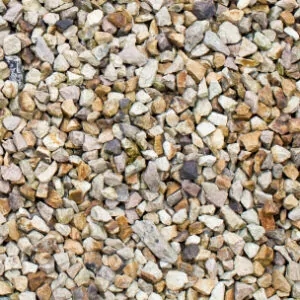

Rock & Driveway Gravel in Lorton, Nebraska
Local Topsoil, Dirt, Sand, Rocks and Gravel near me in Lorton, Nebraska
Shop Aggregates for Delivery in Lorton
Order online for free delivery to any Lorton address.
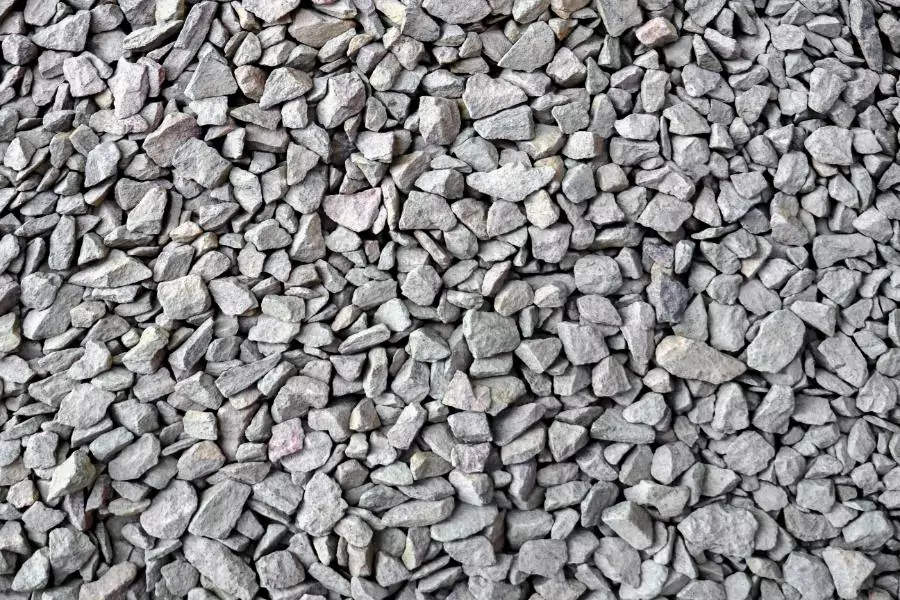
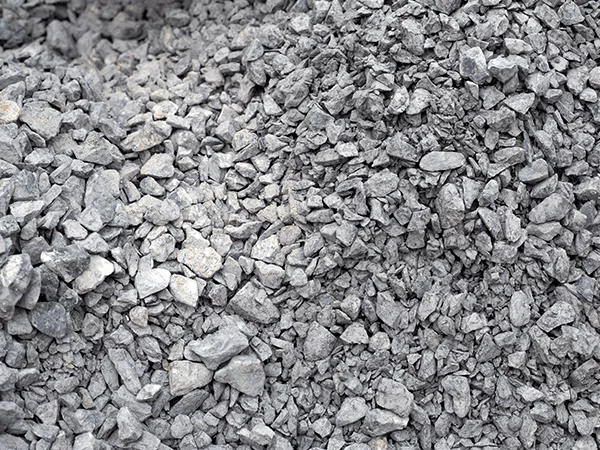


Gravel Monkey delivers premium aggregates and landscaping materials throughout Lorton, Nebraska and surrounding Otoe County communities. Whether you're building a new driveway along Highway 50, establishing proper drainage in the heavy clay soils common to eastern Nebraska, or creating a pathway on your rural property, we provide the quality materials you need with completely free delivery. Our extensive selection of crushed stone, gravel, sand, and soil products meets the unique demands of Nebraska agricultural and residential projects.
Complete Aggregate Selection for Lorton Projects
Gravel Monkey stocks a comprehensive inventory of aggregates suitable for Nebraska's distinct soil conditions and climate patterns. From foundation work to decorative features, we have the right material for every project in Lorton and the surrounding area.
- Driveway Gravel - Durable aggregate specifically formulated for long-lasting driveways that withstand freeze-thaw cycles
- 3/4 inch Crushed Stone - Versatile aggregate for base layers, drainage applications, and construction projects
- #57 Stone - Industry-standard crushed stone ideal for concrete work and French drain systems
- Crusher Run - Compactable blend of stone and fines that creates a solid, stable base
- Road Base - Heavy-duty foundation material for roads, parking areas, and high-traffic surfaces
- Drain Rock - Clean, angular stone designed for optimal water flow and drainage solutions
- Pea Gravel - Smooth, rounded aggregate perfect for pathways, landscaping, and decorative applications
- River Rock - Natural polished stone in various sizes for water features and landscape accent areas
- Walkway Gravel - Specially sized aggregate for comfortable, attractive garden paths and walkways
- Crushed Concrete - Eco-friendly recycled aggregate for base layers and fill applications
- Topsoil - Rich, nutrient-dense soil for gardens, lawns, and agricultural applications
- Fill Dirt - Clean fill material for grading, leveling, and raising property elevations
- Mason Sand - Fine-grade sand essential for mortar, concrete mixing, and masonry work
- Playground Sand - Safe, clean sand that meets playground safety standards
- Washed Sand - Clean, screened sand for construction and landscaping projects
- Decomposed Granite - Natural material that compacts firmly for paths while maintaining permeability
Understanding Lorton's Unique Soil and Climate Conditions
Lorton sits in eastern Nebraska's glacial till plain, where heavy clay soils dominate the landscape. These clay-rich soils, deposited during ancient glacial periods, present specific challenges for construction and landscaping projects. The soil's high clay content causes it to expand when wet and contract during dry periods, leading to foundation movement, drainage issues, and driveway settlement if not properly addressed.
The Nebraska climate adds another layer of complexity. Lorton experiences average summer temperatures reaching the upper 80s and winter lows frequently dropping below 10 degrees Fahrenheit. This freeze-thaw cycle—with temperatures repeatedly crossing the freezing point—puts tremendous stress on any aggregate installation. Water trapped in inadequate base materials freezes, expands, and creates heaving and cracking. Properties throughout Otoe County require properly selected aggregates with excellent drainage characteristics to combat these conditions.
Annual precipitation in Lorton averages around 30 inches, with spring and early summer bringing the heaviest rainfall. The combination of clay soil and seasonal moisture creates poor natural drainage conditions. Rural properties and developments near Highway 50 often struggle with standing water, saturated yards, and muddy access roads during wet seasons. Professional aggregate installation with proper base preparation provides the solution.
Aggregate Solutions for Nebraska Clay Soils
Working with Lorton's heavy clay requires specific aggregate strategies. A properly designed driveway or parking area needs a substantial base layer of compactable material that creates a stable platform isolated from the problematic native soil. The crusher run material we deliver provides an excellent foundation because it combines larger crushed stone with smaller particles that fill voids and lock together when compacted.
For properties dealing with drainage issues—a common complaint throughout eastern Nebraska—clean stone products like drain rock allow water to flow freely away from structures. Installing drainage systems with the right aggregate prevents basement moisture, foundation damage, and yard flooding that plague many Otoe County properties during spring thaws and summer storms.
Choosing the Right Aggregate for Your Lorton Project
Different projects demand different aggregate characteristics. Understanding which material works best for your specific application ensures successful results and prevents costly mistakes common in Nebraska installations.
Driveway and Parking Area Construction
Rural properties around Lorton often require long driveways from the main road to home sites. These driveways must handle regular vehicle traffic while resisting Nebraska's harsh weather conditions. The proper installation starts with excavation to remove unsuitable topsoil and clay, followed by a substantial base layer.
Road base material provides the strongest foundation for driveways serving heavy vehicles or experiencing frequent use. This material compacts to a dense, stable layer that distributes weight effectively and resists rutting. For lighter-duty residential driveways, crusher run offers excellent performance at a more economical price point. Both materials handle freeze-thaw cycles well when properly installed with adequate drainage.
The surface layer depends on desired appearance and functionality. Many Lorton property owners choose driveway gravel for the top layer, which provides good traction, attractive appearance, and easy maintenance. The angular crushed stone locks together, preventing washouts during heavy rains common in spring and early summer.
Foundation Drainage Systems
Proper foundation drainage prevents the moisture problems that damage homes throughout Otoe County. The clay soils around Lorton hold water against foundation walls, creating hydrostatic pressure that forces moisture through concrete and into basements. Installing a drainage system with clean drain rock around the foundation perimeter allows water to flow away instead of accumulating.
The drainage rock must be clean—free of fines that would clog the voids between stones and prevent water flow. Our drain rock products meet this requirement, ensuring long-term drainage performance. Combined with proper grading that slopes away from the foundation, these systems keep basements dry even during Nebraska's wettest seasons.
| Aggregate Type | Best Applications | Size Range | Drainage Quality | Compaction |
|---|---|---|---|---|
| Crusher Run | Driveway base, parking areas, shed pads | 3/4 inch minus | Moderate | Excellent |
| Road Base | Heavy-duty driveways, roads, equipment pads | Varies | Good | Superior |
| Drain Rock | Foundation drains, French drains, septic systems | 3/4 - 1.5 inch | Excellent | Poor |
| #57 Stone | Drainage systems, concrete aggregate, decorative rock | 3/4 inch | Excellent | Fair |
| Driveway Gravel | Driveway surface, pathway surface | Varies by blend | Good | Good |
| Pea Gravel | Landscaping, walkways, decorative areas | 3/8 inch | Excellent | Poor |
Serving Lorton and Surrounding Otoe County Communities
Our delivery service extends throughout Lorton and reaches neighboring communities across eastern Nebraska. We regularly deliver aggregates to properties along Highway 50, rural homesteads throughout Otoe County, and developments in nearby towns.
Local Area Coverage
Residents in Nebraska City, located just south of Lorton, rely on our aggregate supply for both residential landscaping projects and commercial construction. The historic downtown area and growing residential neighborhoods require quality materials that match the region's architectural character.
Properties in Weeping Water to the north benefit from our free delivery, especially rural acreages requiring long driveways and farm road maintenance. The community's mix of agricultural operations and residential properties creates diverse aggregate needs we're equipped to fulfill.
Palmyra and Unadilla residents access our full product line for home improvement projects, from new construction to property maintenance. These smaller communities appreciate the convenience of quality aggregate delivery without traveling to distant suppliers.
The Syracuse area continues expanding with new residential development, creating demand for foundation materials, driveway aggregates, and landscaping stone. Our prompt delivery service supports both contractors and homeowners completing projects on schedule.
Rural properties throughout Otoe County benefit from our agricultural-friendly products, including materials for farm lanes, livestock areas, and erosion control applications. We understand the practical requirements of rural Nebraska properties and stock products that meet those demanding conditions.
Timing Your Aggregate Project in Nebraska
Nebraska's distinct seasons significantly impact aggregate installation success. Understanding the best timing for your project prevents complications and ensures optimal results that last for years.
Spring Installation Considerations
Spring brings warmer temperatures that make outdoor work comfortable, but also delivers Nebraska's heaviest precipitation. The clay soils around Lorton become saturated during this season, making excavation and grading difficult. Wet conditions prevent proper compaction of base materials, potentially leading to future settling and drainage problems.
If spring installation is necessary, wait for a dry period when soil moisture drops to workable levels. The soil should be damp but not saturated, allowing compaction equipment to achieve proper density without creating a muddy mess. Watch weather forecasts carefully and be prepared to pause work if heavy rains approach.
Summer: Peak Installation Season
Summer provides ideal conditions for aggregate projects throughout Lorton. Warm, dry weather allows soil to dry out sufficiently for proper excavation and compaction. Base materials compact to maximum density, creating the stable foundation needed for long-term performance.
Schedule your project for mid-summer when weather patterns are most stable. The combination of low soil moisture, consistent temperatures, and longer daylight hours makes summer the preferred season for driveway construction, foundation drainage installation, and other major aggregate projects.
Fall: Second-Best Window
Early fall offers another excellent installation window before winter arrives. Cooler temperatures make physical work more comfortable while soil moisture typically remains at manageable levels. Complete projects by mid-October to ensure adequate time for settling before freeze-thaw cycles begin.
Winter Limitations
Winter installation presents significant challenges in Nebraska. Frozen ground prevents proper excavation and compaction. Cold temperatures affect material handling and equipment operation. Unless absolutely necessary, postpone aggregate projects until spring thaw. Emergency repairs sometimes require winter work, but plan major installations for warmer seasons whenever possible.
Professional Installation Tips for Nebraska Properties
Proper installation techniques maximize the performance and longevity of aggregate materials in Lorton's challenging conditions. Following proven methods prevents common problems and ensures your investment delivers lasting value.
Excavation and Preparation
Remove all topsoil and organic material from the project area before installing aggregate base materials. Organic matter decomposes over time, creating voids and allowing settling. In Lorton's clay soils, excavate deep enough to reach stable subgrade—typically 8 to 12 inches for driveways, more for areas supporting heavy loads.
Grade the excavated area to promote drainage away from structures. Even a slight slope prevents water accumulation that would saturate base materials and cause frost heaving. Properties throughout Otoe County benefit from this attention to drainage, especially given the region's clay soil and freeze-thaw cycles.
Base Layer Installation
Install base materials in lifts—layers of 4 to 6 inches—rather than dumping the full depth at once. Compact each lift thoroughly before adding the next. This method achieves superior density and stability compared to attempting to compact thick layers that equipment cannot penetrate effectively.
Use proper compaction equipment for the project scale. Walk-behind plate compactors work well for small areas and walkways, while larger projects require ride-on rollers or jumping jack compactors. Rent or hire professional equipment rather than relying on inadequate tools that produce poor results.
Surface Layer Considerations
The final surface layer serves both functional and aesthetic purposes. For driveways, use angular crushed stone that locks together and resists displacement. Smooth pea gravel works beautifully for walkways and decorative areas but doesn't provide the stability needed for vehicle traffic.
Install the surface layer at least 2 to 3 inches thick to prevent the base material from showing through and to provide adequate cushioning. Slightly crown the surface in the middle so water drains to the sides rather than pooling in the center.
Maintaining Your Aggregate Investment
Regular maintenance extends the life of aggregate installations and preserves their appearance. Nebraska's weather creates specific maintenance needs that property owners should address proactively.
Seasonal Maintenance Schedule
Spring: After winter thaw, inspect driveways and pathways for settling, rutting, or material displacement. Add fresh surface material to low spots and grade to restore proper drainage. Heavy spring rains reveal drainage problems that require attention before they worsen.
Summer: Control weeds that sprout in aggregate areas during the growing season. Apply landscape fabric beneath aggregates during installation to minimize weed problems, but expect some maintenance regardless. Refresh surface materials worn thin by traffic and weather exposure.
Fall: Prepare for winter by ensuring good drainage and addressing any settling or erosion. Remove fallen leaves that would decompose and create weed growth. Make repairs before ground freezes and prevents proper compaction.
Winter: Minimize snow removal damage by using plastic-edged shovels rather than metal blades that gouge aggregate surfaces. Avoid overusing salt or chemical deicers that can affect some aggregate types. Sand provides traction without the potential issues of chemical treatments.
Long-term Care
Every few years, add fresh surface material to replace aggregate lost to traffic and weather. This periodic top-dressing maintains appearance and functionality. Address drainage issues promptly—standing water causes most long-term aggregate problems. Regrade areas where material has migrated or settling has created depressions.
Environmental Advantages of Quality Aggregates
Properly selected and installed aggregates provide environmental benefits compared to impervious surfaces like asphalt or concrete. Understanding these advantages helps property owners make informed decisions for their Lorton properties.
Permeable aggregate surfaces allow rainwater to infiltrate naturally rather than creating runoff that carries pollutants to streams and rivers. This benefits both individual properties and the broader watershed. In areas with clay soil like Lorton, maintaining natural infiltration patterns where practical reduces stress on drainage systems and helps recharge groundwater supplies.
Recycled aggregate products like crushed concrete offer sustainability advantages by diverting material from landfills and reducing the environmental impact of new material extraction. These recycled options perform well in many applications while supporting environmental stewardship.
Local aggregate sourcing—a key part of our business model—reduces transportation distances and associated emissions compared to materials shipped long distances. By working with regional quarries and suppliers, we minimize the carbon footprint of delivering materials to your Lorton property.
Frequently Asked Questions About Aggregates in Lorton
Both are compactable base materials, but road base typically contains a more precise gradation of particle sizes and may include binders for maximum stability. Crusher run is more economical and works well for most residential applications. Road base suits heavy-duty commercial projects or areas supporting substantial weight. For typical Lorton driveways, crusher run provides excellent performance at a better value.
Most residential driveways in Lorton need 8 to 12 inches of total aggregate depth, including both base and surface layers. Properties with particularly poor clay soil may benefit from deeper installation. Commercial driveways or areas supporting heavy equipment require 12 to 18 inches or more. The exact depth depends on soil conditions, expected traffic, and whether you plan to eventually pave over the aggregate base.
Small projects like garden pathways or decorative areas are manageable DIY projects. Larger installations like driveways benefit from professional expertise, especially in Lorton's clay soils where proper base preparation is critical. Contractors have the equipment needed for proper compaction and the experience to address drainage issues. We deliver to both DIY customers and professional contractors.
Yes, with proper installation. The key is excavating deep enough to remove problematic clay, installing adequate drainage, and using appropriate base materials that remain stable despite the underlying soil conditions. Many successful aggregate installations throughout Lorton and Otoe County prove these methods work reliably in Nebraska clay when done correctly.
Calculate volume by multiplying length times width times depth in feet, then divide by 27 to get cubic yards. For example, a 12-foot by 50-foot driveway installed 10 inches deep needs about 19 cubic yards of aggregate. We help customers calculate accurate quantities to avoid shortages or excess material. Provide your project dimensions and we'll recommend the right amount.
Poor base preparation, inadequate aggregate depth, insufficient compaction, or drainage problems cause most driveway failures. Nebraska's freeze-thaw cycles exploit these weaknesses, creating the ruts and potholes common in improperly installed driveways. Prevention through quality installation beats repairs. If your existing driveway has problems, rebuilding with proper methods provides a permanent solution.
For decorative applications like pathways and landscape beds, geotextile fabric prevents aggregate from mixing with soil and reduces weed growth. For structural applications like driveway bases, fabric is less critical but can provide a separation layer over particularly soft soils. We recommend fabric for most projects given the benefits it provides for minimal additional cost.
Properly installed aggregate driveways perform excellently through Nebraska winters. The key advantages are flexibility—aggregates can shift slightly during freeze-thaw without cracking like rigid pavements—and drainage. Good drainage prevents ice lenses from forming beneath the surface, the main cause of frost heaving. Many Lorton properties have aggregate driveways lasting decades with basic maintenance.
Start Your Lorton Aggregate Project Today
Gravel Monkey makes ordering quality aggregates simple for Lorton property owners. Our extensive product selection, competitive pricing, and free delivery service provide everything needed for successful projects in Nebraska's challenging conditions. We stock materials proven to perform in eastern Nebraska's clay soils and extreme weather, backed by knowledge gained serving properties throughout Otoe County.
Whether you're building a new driveway, solving drainage problems, or creating attractive landscape features, we deliver the right aggregates directly to your property. Our customer service team helps you select appropriate materials, calculate accurate quantities, and schedule convenient delivery times that fit your project timeline.
Contact Gravel Monkey today to discuss your Lorton aggregate needs. We're ready to supply the quality materials that make your project successful, delivered free to your door throughout Lorton, Nebraska City, Weeping Water, and all of eastern Nebraska.

Need help? Reach out for a quote: