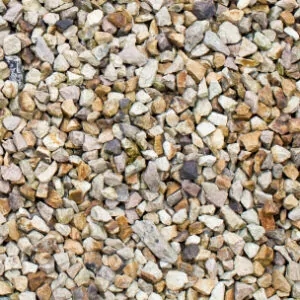
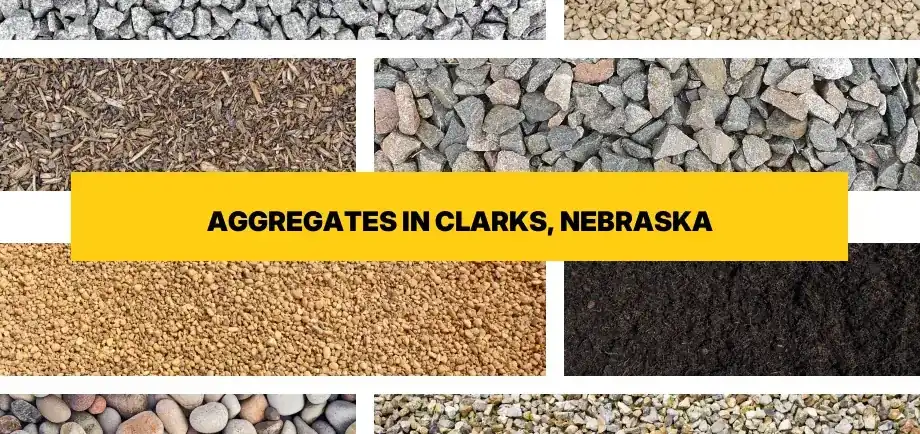
Rock & Driveway Gravel in Clarks, Nebraska
Local Topsoil, Dirt, Sand, Rocks and Gravel near me in Clarks, Nebraska
Shop Aggregates for Delivery in Clarks
Order online for free delivery to any Clarks address.
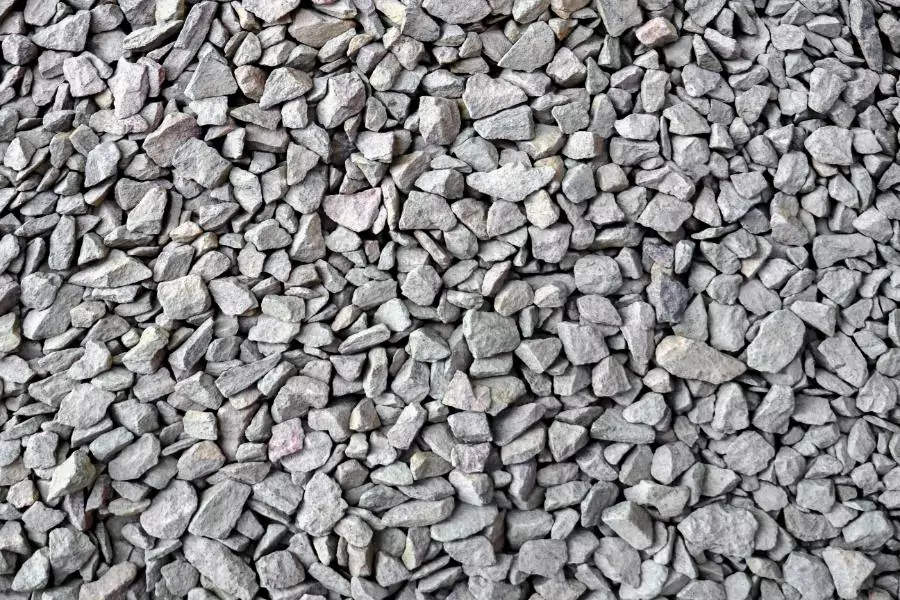
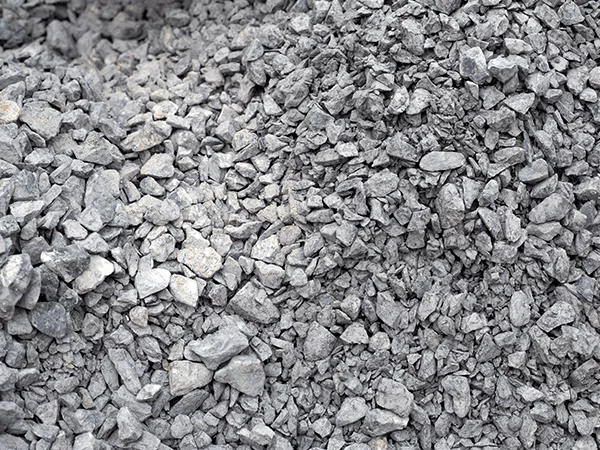


Gravel Monkey is your trusted aggregate supplier serving Clarks, Nebraska and the surrounding Merrick County region. Whether you're building a new driveway on the west side of town, upgrading farm access roads in the rural areas, or creating better drainage solutions for properties dealing with central Nebraska's clay-rich soil, we deliver premium gravel and aggregates directly to your location with absolutely free delivery. Our comprehensive material selection meets the demands of both residential projects and agricultural operations throughout the Clarks community.
Complete Aggregate Selection for Clarks Properties
Understanding the specific needs of Clarks residents and the unique soil conditions of central Nebraska, we offer an extensive range of aggregates, gravel, sand, and materials suitable for every project type:
- Driveway Gravel - Premium blended aggregate designed for lasting residential and farm driveways
- 3/4 inch Crushed Stone - Versatile angular aggregate for driveways, bases, and drainage applications
- #57 Stone - Clean angular aggregate perfect for drainage systems and concrete work
- Crusher Run - Compactable blend of stone and fines for superior base stability
- Road Base - Heavy-duty stabilized aggregate for roads and high-traffic surfaces
- Pea Gravel - Smooth rounded stone ideal for walkways and decorative landscaping
- River Rock - Natural aesthetic stone in multiple sizes for gardens and water features
- Walkway Gravel - Specially sized aggregate for comfortable pedestrian paths
- Drain Rock - Clean aggregate engineered for French drains and foundation drainage
- Crushed Concrete - Eco-friendly recycled aggregate for cost-effective base layers
- Topsoil - Rich organic soil for gardens, lawns, and agricultural applications
- Fill Dirt - Quality earthen material for grading and leveling projects
- Mason Sand - Fine sand for mortar, masonry, and construction projects
- Washed Sand - Clean sand for concrete mixing and various applications
- Playground Sand - Safe, certified sand for play areas and sandboxes
- Decomposed Granite - Natural granite fines for pathways and low-maintenance surfaces
Aggregate Solutions for Central Nebraska Soil Conditions
Clarks sits in the heart of central Nebraska's Platte River valley region, where the soil composition presents unique challenges for property owners. The predominant loess soil—windblown silt deposits—combined with underlying clay layers creates conditions that require specific aggregate approaches. Properties throughout Clarks, from the residential areas near Highway 11 to agricultural operations extending toward Silver Creek and Osceola, deal with soil that expands when wet and contracts during dry periods.
This expansive clay behavior means proper aggregate selection becomes critical for long-lasting driveways, stable building foundations, and effective drainage systems. The region's geology, shaped by ancient glacial activity and centuries of Platte River sediment deposition, results in fine-textured soils with high moisture retention. Smart aggregate application helps counteract these natural soil characteristics that Clarks residents know well.
Climate Considerations for Aggregate Projects
Central Nebraska experiences a continental climate with significant seasonal temperature variations. Clarks sees winter temperatures dropping to an average low of 14°F in January, while summer highs reach around 87°F in July. The area receives approximately 27 inches of annual precipitation, with peak rainfall occurring during spring and early summer months. These wet-dry cycles, combined with freeze-thaw action during winter, put substantial stress on driveways and surfaces.
Properties throughout the Clarks area must contend with these weather patterns. The freeze-thaw cycles cause untreated or poorly constructed surfaces to heave and crack. Spring rains create drainage challenges, particularly in areas where clay soil doesn't absorb water efficiently. Summer heat can cause bare soil to become dusty and unstable. Properly selected and installed aggregates address each of these seasonal challenges, providing year-round stability and performance.
Serving Clarks and Surrounding Merrick County Communities
Gravel Monkey provides free aggregate delivery throughout Clarks and the greater Merrick County region. We serve residential properties in town, agricultural operations across the rural landscape, and commercial sites throughout the area. Our delivery service extends to nearby communities including Silver Creek to the east, Palmer to the northwest, and Central City to the west, ensuring farmers and property owners across the region have access to quality materials.
Whether your project is located on Main Street in downtown Clarks, on farmland along Highway 39, or on rural properties extending toward the Platte River bottomlands, we deliver directly to your site. The agricultural heritage of the area means many of our customers manage large properties requiring substantial quantities of aggregates for farm lanes, equipment pads, and drainage improvements. We accommodate projects of all sizes with the same commitment to quality materials and reliable service.
Driveway Aggregates for Clarks Properties
Driveways represent one of the most common aggregate applications in Clarks, and selecting the right material makes the difference between a surface that lasts decades and one requiring frequent repairs. The local soil conditions demand careful consideration of both the base layers and surface materials.
Recommended Driveway Construction Approach
For properties in Clarks dealing with clay-rich soil, successful driveway construction typically follows a layered approach. Start with proper excavation and grading to ensure water drains away from buildings and doesn't pool on the surface. Many experienced contractors serving the Clarks area recommend installing geotextile fabric over the clay subgrade to prevent mixing and migration of materials.
The base layer should consist of compactable material that creates a stable foundation resistant to shifting. Angular aggregates lock together better than rounded stones, providing the structural integrity needed for vehicles ranging from passenger cars to heavy agricultural equipment. The surface layer then provides the final wearing course that handles daily traffic while shedding water effectively.
Top Driveway Aggregate Options
For Clarks properties, several aggregate types stand out as excellent driveway materials. Crusher run offers superior base performance thanks to its combination of various stone sizes and fine particles that compact into a dense, stable layer. This aggregate type works particularly well in the local clay soil conditions, creating a barrier between the expansive subsoil and the driveway surface.
Road base provides another excellent option, especially for longer farm driveways or surfaces that will support heavy equipment. Its engineered blend of aggregates and binding materials creates exceptional load-bearing capacity. Many agricultural operations around Clarks choose road base for equipment access lanes and grain truck routes.
For the surface layer, options like 3/4 inch crushed stone deliver the angular interlock and drainage properties needed for long-term performance. The angular faces of crushed stone resist displacement under traffic, while the uniform sizing creates good compaction. Alternatively, blended driveway gravel combines multiple aggregate sizes for a self-compacting surface that stabilizes quickly and handles traffic well.
| Aggregate Type | Best Applications | Key Benefits | Compaction Quality | Drainage Rating |
|---|---|---|---|---|
| Crusher Run | Driveway base, parking areas, farm lanes | Superior compaction, excellent stability | Excellent | Good |
| Road Base | Heavy-duty access roads, equipment areas | Maximum load capacity, weather resistant | Excellent | Good |
| 3/4" Crushed Stone | Driveway surface, building bases, drainage | Angular interlock, versatile use | Very Good | Excellent |
| #57 Stone | Drainage systems, concrete aggregate | Clean stone, excellent water flow | Good | Excellent |
| Drain Rock | French drains, foundation drainage | Engineered for water movement | Good | Excellent |
| Pea Gravel | Walkways, decorative areas, gardens | Smooth surface, attractive appearance | Fair | Very Good |
| Crushed Concrete | Base layers, utility projects, farm use | Cost-effective, environmentally friendly | Very Good | Good |
| Decomposed Granite | Pathways, patios, xeriscaping | Natural appearance, compacts well | Very Good | Good |
Drainage Aggregates for Managing Clay Soil Moisture
Effective drainage stands as one of the most important considerations for Clarks properties. The clay-rich loess soil characteristic of central Nebraska doesn't drain naturally, leading to water accumulation, foundation problems, and surface instability. Strategic aggregate placement creates pathways for water to move away from buildings, roads, and other structures.
Foundation and Perimeter Drainage
Properties throughout Clarks benefit from proper foundation drainage systems. French drains installed around building perimeters use clean aggregate to capture and redirect water before it can penetrate basements or compromise foundations. The system typically consists of perforated pipe surrounded by drain rock or #57 stone, wrapped in filter fabric to prevent soil infiltration.
The angular, uniform sizing of these drainage aggregates creates consistent void spaces that allow water to flow freely even under soil pressure. This becomes particularly important during spring when snowmelt and rain create saturated conditions. Proper drainage aggregate installation protects significant investments in homes, agricultural buildings, and commercial structures across the Clarks area.
Surface Drainage and Swale Construction
Beyond foundation drainage, many Clarks properties need surface water management solutions. Swales lined with drainage aggregate direct runoff away from buildings and toward appropriate discharge points. Farm operations often use aggregate-lined channels to manage equipment wash areas or to direct water away from livestock facilities.
Clean aggregates like drain rock work effectively in these applications because they don't contain fines that would clog void spaces over time. The stone remains functional for years, continuing to move water efficiently even after exposure to Nebraska's seasonal weather extremes. Agricultural operations extending toward the rural areas around Palmer and Silver Creek frequently incorporate these drainage solutions into their property management plans.
Aggregate Solutions for Agricultural Operations
Agriculture forms the backbone of the Clarks community, and area farmers regularly use aggregates to improve their operations. From equipment access lanes to grain bin pads and livestock areas, the right aggregate selection enhances functionality while reducing maintenance requirements.
Farm Lane and Access Road Construction
Agricultural operations require reliable access regardless of weather conditions. Spring fieldwork and fall harvest can't wait for roads to dry, making properly constructed aggregate surfaces essential. Farm lanes connecting fields to main roads need materials that support heavy loaded trucks while resisting rutting during wet periods.
Road base and crusher run serve as excellent choices for these applications around Clarks. Their compactability creates stable surfaces that distribute weight effectively, preventing the ruts and soft spots that plague poorly constructed farm roads. The investment in quality aggregate pays dividends through reduced equipment wear, faster travel times, and the ability to move crops regardless of weather.
Equipment Pads and Storage Areas
Modern agricultural equipment represents substantial investment, and protecting it from moisture and mud extends its useful life. Aggregate pads provide clean, stable surfaces for equipment storage and maintenance. The aggregates create separation from wet clay soil while allowing water to drain away from expensive machinery.
Many farms near Clarks construct equipment pads using a base layer of crushed concrete for economical stability topped with crushed stone for a cleaner working surface. This layered approach balances cost-effectiveness with functionality, providing years of service for equipment storage areas and maintenance zones.
Decorative Aggregates and Landscape Materials
Beyond functional applications, aggregates serve important roles in landscape design throughout Clarks. Decorative stone enhances curb appeal, reduces maintenance, and creates attractive outdoor spaces that withstand Nebraska's climate challenges.
Walkways and Pathway Construction
Garden paths and walking surfaces benefit from aggregate materials that provide stable, comfortable walking while complementing landscape design. Pea gravel offers smooth surfaces that work well for winding garden paths, while walkway gravel provides slightly larger stones that compact into firmer surfaces for higher-traffic areas.
These materials drain naturally, preventing puddles that would form on solid surfaces. This drainage characteristic proves particularly valuable during Nebraska's spring rainy season when traditional concrete or paved surfaces can remain wet for extended periods. Properties throughout Clarks residential areas use these materials to create functional, attractive pathways connecting homes to gardens, sheds, and other outdoor features.
Decorative Landscape Applications
River rock creates beautiful accents around homes and businesses in Clarks. Available in various sizes, these naturally rounded stones work well for dry creek beds, as ground cover around plantings, and as decorative elements in garden beds. The stone's smooth texture and natural colors complement both traditional and contemporary landscape designs.
Decomposed granite offers another attractive option for Clarks landscapes. This natural material compacts into firm surfaces suitable for patios, seating areas, and modern landscape designs. Its natural tones blend well with Nebraska's prairie aesthetic, while its permeability allows water to soak through rather than running off, reducing erosion and supporting healthy soil conditions.
Sand Products for Construction and Landscaping
Quality sand products support various projects throughout the Clarks area. From masonry work to children's play areas, having access to appropriate sand types ensures successful project outcomes.
Construction Sand Applications
Mason sand serves as an essential ingredient in mortar and stucco applications. Its fine particle size and clean composition create strong, workable mixes for brick and block construction projects common throughout Clarks. Washed sand provides similar benefits for concrete work, offering the clean aggregate needed for strong, durable concrete mixes.
Construction projects ranging from residential home improvements to agricultural building construction rely on these materials. The consistent quality of properly washed and graded sand ensures reliable results whether mixing small batches for repair work or ordering bulk quantities for major construction projects.
Playground and Recreational Sand
Playground sand meets safety standards for children's play areas, providing cushioning for play structures while remaining free from harmful contaminants. Schools, parks, and residential properties throughout Clarks use this material to create safe play environments that comply with modern safety guidelines while offering attractive, functional surfaces children enjoy.
Soil Products for Grading and Garden Projects
Beyond aggregates, topsoil and fill dirt play crucial roles in property development and improvement projects around Clarks. These materials address different needs, and understanding their proper applications ensures successful outcomes.
Fill Dirt for Grading and Leveling
Fill dirt provides economical material for changing property elevations, filling low spots, and creating proper drainage grades. Clarks properties often need fill dirt to direct water away from foundations or to level areas for construction projects. This material compacts well and provides stable subgrades for buildings, driveways, and other structures.
Agricultural operations frequently use fill dirt for site preparation, creating level pads for buildings or improving drainage around livestock facilities. The material's ability to compact into stable forms makes it valuable for these permanent improvements that must withstand years of use.
Topsoil for Landscaping and Agriculture
Quality topsoil supports plant growth in gardens, lawns, and agricultural applications. This nutrient-rich material contains organic matter and beneficial microorganisms that help plants thrive. Clarks residents use topsoil to establish new lawns, improve garden beds, and replenish soil quality in areas where construction or erosion has removed the natural topsoil layer.
For properties where the native loess and clay soil presents challenges for certain plants, adding topsoil creates better growing conditions. Mixing topsoil with native soil improves drainage and provides the organic content many ornamental plants prefer, expanding the range of species that will flourish in central Nebraska landscapes.
Best Practices for Aggregate Installation in Clarks
Proper installation techniques maximize the performance and longevity of aggregate projects. Understanding local soil conditions and following proven methods leads to results that withstand Nebraska's climate and serve property needs for years.
Site Preparation Fundamentals
Successful aggregate projects begin with thorough site preparation. Remove all organic material, roots, and debris from the project area. The underlying soil should be graded for proper drainage—typically sloping away from buildings at a rate of at least one inch per foot for the first ten feet.
For projects on Clarks' clay soil, consider the moisture content during preparation. Working soil when it's too wet causes compaction problems that create future drainage issues. Conversely, working extremely dry clay creates hard clods that prevent proper compaction. Aim for slightly moist conditions when preparing the site for aggregate installation.
Geotextile Fabric Considerations
Installing geotextile fabric between clay soil and aggregates prevents mixing of materials while maintaining drainage. This separation layer proves particularly valuable in central Nebraska's expansive clay conditions. The fabric allows water to pass through while preventing clay from migrating up into aggregate layers where it would clog void spaces and reduce drainage effectiveness.
Choose fabric appropriate for your application—heavier fabrics for driveways supporting regular traffic, lighter weights for walkways and decorative areas. Overlap fabric seams by at least 12 inches and secure edges to prevent displacement during aggregate placement and compaction.
Compaction and Finishing
Proper compaction creates stable aggregate surfaces that resist displacement and settling. For driveway and road applications, mechanical compaction with a plate compactor or roller ensures adequate density. Work in lifts of 3-4 inches, compacting each layer before adding the next for deep aggregate installations.
Surface finishing depends on the aggregate type and application. Some materials like crusher run and road base compact into smooth, firm surfaces with equipment traffic. Others like crushed stone may benefit from a final pass with compaction equipment to settle the surface layer and create an even profile.
Maintaining Aggregate Surfaces in Central Nebraska
Proper maintenance extends the life of aggregate installations and maintains their appearance and functionality. Different aggregate types require different maintenance approaches, but some principles apply across all applications.
Regular Inspection and Regrading
Periodically inspect aggregate surfaces for signs of displacement, rutting, or drainage problems. Spring inspections after snowmelt and freeze-thaw cycles help identify issues early when they're easier to address. Look for areas where water pools or where the aggregate has thinned, exposing underlying layers.
Regrading aggregate driveways every few years maintains proper crown and drainage. Use a box blade or landscape rake to redistribute material, filling low spots and restoring the surface profile. This simple maintenance prevents minor issues from becoming major problems requiring complete surface reconstruction.
Adding Fresh Material
Over time, traffic and weather gradually compact and displace aggregate surfaces. Plan to add fresh material every few years to maintain adequate depth and surface quality. The frequency depends on traffic levels and aggregate type—heavily used farm lanes may need material annually, while residential driveways might go several years between additions.
When adding material, scarify the existing surface lightly to help new and old aggregates integrate. This prevents layering that creates weak planes where materials might separate. Add material in thin layers, compacting each thoroughly for best results.
Weed Control in Gravel Areas
Weeds can colonize gravel surfaces, particularly in less-trafficked areas or where organic material accumulates. Regular maintenance with landscape fabric beneath aggregates reduces weed problems. For existing installations, apply pre-emergent herbicides in early spring or use spot treatments to control individual weeds as they appear.
Avoid herbicides that persist in soil if your gravel areas drain near gardens or agricultural fields. Select products appropriate for your specific situation, considering both effectiveness and environmental impact on your Clarks property.
Ordering and Delivery Process for Clarks
Gravel Monkey makes ordering aggregates simple and straightforward. Our process ensures you receive the right materials in the quantities needed for your project, delivered when and where you need them.
Estimating Material Quantities
Calculating aggregate requirements depends on the project area and desired depth. For rectangular areas, multiply length times width times depth (all in feet) then divide by 27 to convert to cubic yards—the standard unit for aggregate orders. For example, a 12-foot by 50-foot driveway with 4-inch depth requires: 12 × 50 × 0.33 ÷ 27 = 7.3 cubic yards.
Add approximately 10% extra material to account for compaction and variations in subgrade. Our team can help verify calculations and recommend appropriate quantities based on your specific project type and conditions. We'd rather you have slightly too much material than run short during installation.
Delivery Scheduling and Site Access
We coordinate delivery times that work with your schedule and project timeline. Ensure the delivery site is accessible for our trucks—a clear path at least 12 feet wide with adequate overhead clearance. Identify where you want material placed, considering proximity to the work area and any site constraints.
For Clarks area deliveries, we serve both in-town locations and rural properties. If your site has special access requirements or if you need material placed in a specific location, let us know when scheduling delivery. Our experienced drivers work with customers throughout Merrick County to accommodate various site conditions.
Free Delivery Throughout the Clarks Area
All deliveries to Clarks and the surrounding region include free delivery—no hidden fees or distance charges. This free delivery applies to all aggregate types and quantities, whether you're ordering material for a small walkway project or bulk quantities for agricultural use. We believe in transparent, straightforward pricing that helps you budget accurately for your project.
Why Clarks Customers Choose Gravel Monkey
Property owners throughout Clarks and Merrick County choose Gravel Monkey for their aggregate needs because we understand local conditions and deliver quality materials with reliable service. Our commitment to customer satisfaction extends from order placement through delivery and beyond.
Quality Materials for Nebraska Conditions
We supply aggregates specifically suited to central Nebraska's soil and climate conditions. Our materials perform well in Clarks' clay soil environment, providing the stability and drainage properties local projects demand. Quality control ensures consistent sizing, cleanliness, and composition that meets expectations for both residential and agricultural applications.
Knowledgeable Support and Guidance
Our team understands aggregate applications and can help you select appropriate materials for your specific project. Whether you're planning a residential driveway, agricultural improvement, or commercial development, we provide recommendations based on actual local experience and proven practices for the Clarks area.
Reliable Delivery Service
We deliver when promised, respecting your time and project schedule. Our drivers know the Clarks area and can navigate both town streets and rural roads to reach your property. Free delivery eliminates transportation costs from your project budget, and our straightforward pricing means no surprises on your invoice.
Frequently Asked Questions About Gravel and Aggregates in Clarks
We deliver a comprehensive range including driveway gravel, crushed stone, number 57 stone, crusher run, pea gravel, river rock, drain rock, road base, crushed concrete, topsoil, fill dirt, mason sand, washed sand, playground sand, decomposed granite, and walkway gravel throughout Clarks and surrounding Merrick County areas.
Yes! Gravel Monkey offers FREE delivery to Clarks and the surrounding Nebraska area for all gravel, aggregate, and material orders. We serve properties throughout the community and nearby rural areas.
The amount depends on your project scope. For driveways, calculate length times width times depth, typically 3 to 4 inches for residential use. Our team can help estimate the right quantity for your specific Clarks property and project requirements.
For Clarks clay-rich loess soil, we recommend crusher run or road base for driveways as they compact well and resist shifting. Drain rock or number 57 stone works excellent for drainage solutions to manage moisture in expansive clay soils common to central Nebraska.
Absolutely! We deliver throughout Clarks and surrounding rural Merrick County areas. Whether your property is in town or on agricultural land outside the city limits, Gravel Monkey provides free delivery across the region.
For farm and rural driveways around Clarks, three-quarter inch crushed stone or crusher run provides excellent durability and drainage. These aggregates handle heavy equipment and resist rutting in Nebraska weather conditions.
Remove existing vegetation and debris, grade the surface for proper drainage away from buildings, compact the soil base, and consider a geotextile fabric layer. For clay soils common in Clarks, proper base preparation prevents shifting and extends driveway life.
Yes! We supply aggregates for both residential and commercial projects throughout Clarks. From agricultural operations to municipal projects and business developments, we deliver bulk quantities with the same free delivery service.
Get Started with Your Clarks Aggregate Project
Ready to improve your Clarks property with quality aggregates? Gravel Monkey delivers the materials you need with free delivery throughout the area. Our selection includes everything from driveway materials to decorative landscape stone, all suited to central Nebraska's unique conditions. Contact us today to discuss your project needs, get expert recommendations, and schedule your free delivery to any location in Clarks or surrounding Merrick County.

Need help? Reach out for a quote: