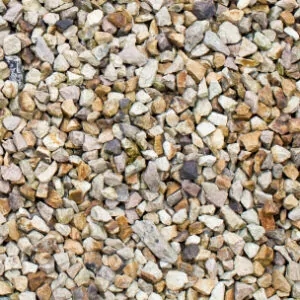

Rock & Driveway Gravel in Whiteclay, Nebraska
Local Topsoil, Dirt, Sand, Rocks and Gravel near me in Whiteclay, Nebraska
Shop Aggregates for Delivery in Whiteclay
Order online for free delivery to any Whiteclay address.
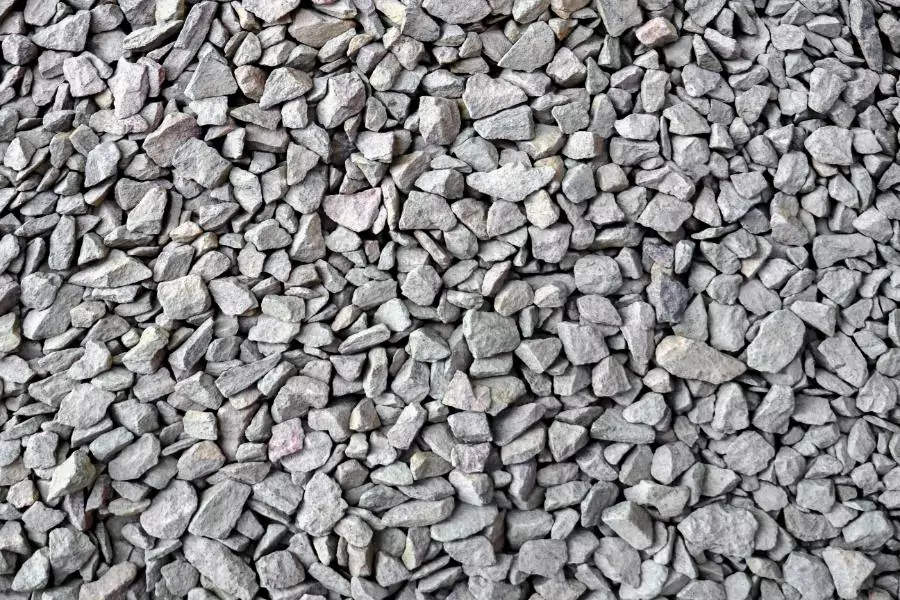
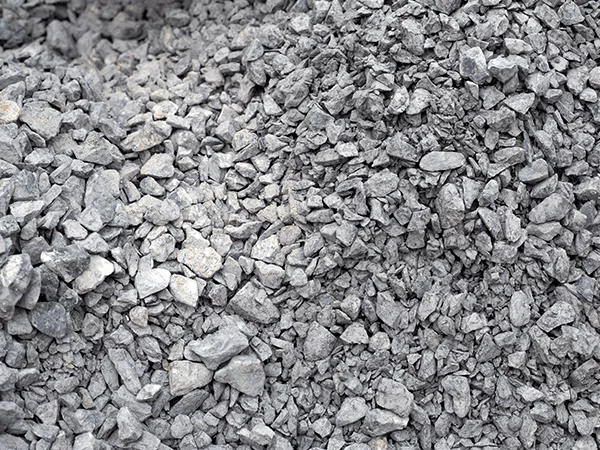


Gravel Monkey delivers premium gravel and aggregate materials throughout Whiteclay, Nebraska, serving properties near the Pine Ridge area and along the South Dakota border. Whether you're building access roads for rural properties, creating stable driveways that withstand Nebraska's extreme temperature swings, or installing drainage solutions for clay-heavy soils, we provide free delivery of high-quality aggregates directly to your location. From residential projects to agricultural applications across this northwestern Nebraska community, our comprehensive selection of crushed stone, gravel, and construction materials meets the unique challenges of the Great Plains environment.
Complete Range of Aggregates for Whiteclay Properties
Whiteclay's position near the Pine Ridge escarpment and its clay-rich soil composition require carefully selected aggregates for lasting results. We stock materials specifically suited to this region's geological characteristics and climate extremes:
- Driveway Gravel - Engineered for Nebraska's freeze-thaw cycles and heavy agricultural traffic
- 3/4 inch Crushed Stone - Versatile aggregate for foundations and drainage applications
- #57 Stone - Premium drainage aggregate for septic systems and French drains
- Crusher Run - Superior compaction base for roads and building pads
- Road Base - Heavy-duty foundation for rural access roads and farm lanes
- Drain Rock - Essential for managing seasonal moisture in clay soils
- Pea Gravel - Decorative and functional for walkways and landscaping
- River Rock - Natural aesthetic appeal for property enhancement
- Crushed Concrete - Eco-friendly recycled aggregate for base layers
- Topsoil - Nutrient-rich soil for gardens and restoration projects
- Fill Dirt - Essential for grading and leveling in this rolling terrain
- Mason Sand - Fine-grade sand for construction and concrete work
- Washed Sand - Clean sand for various building applications
- Playground Sand - Safe, certified sand for play areas
- Decomposed Granite - Natural pathways and erosion control
- Walkway Gravel - Perfect for trails and pedestrian paths
Understanding Whiteclay's Unique Soil and Climate Conditions
Located in the northwestern corner of Nebraska near the Pine Ridge escarpment, Whiteclay presents distinctive challenges for construction and landscaping projects. The area's soil profile consists primarily of Valentine fine sands overlying Rosebud clay loam, creating drainage complications that require thoughtful aggregate selection. The underlying Pierre Shale formation, common throughout this region, contributes to the expansive clay characteristics that can damage improperly supported structures.
Northwestern Nebraska experiences continental climate extremes with temperature ranges from -20°F in January to over 100°F during summer months. Annual precipitation averages just 17-19 inches, but spring storms can deliver intense rainfall that overwhelms poorly designed drainage systems. The freeze-thaw cycles occurring from November through March place tremendous stress on driveways and foundations, making proper aggregate base preparation essential for longevity.
Addressing Local Soil Challenges
The Rosebud soil series prevalent around Whiteclay contains significant clay content that expands when wet and contracts during dry periods. This soil movement creates particular challenges for structures and paved surfaces. Properties throughout the area, especially those near seasonal drainage patterns, benefit from deep aggregate bases that provide both drainage and structural stability. The Valentine sands found in upper soil layers, while excellent for percolation, require stabilization for load-bearing applications like driveways and equipment pads.
Agricultural operations common throughout this region demand durable access solutions that resist rutting during wet seasons while maintaining integrity through harsh winters. Rural properties often deal with erosion challenges where the rolling topography and sparse vegetation allow water runoff to create gullies and wash out unprepared surfaces.
Aggregate Applications for Northwestern Nebraska Properties
Rural Driveway Construction
Whiteclay-area driveways face unique demands from agricultural traffic, extreme weather, and the clay soil expansion issues characteristic of this region. Successful long-term driveway construction requires a multi-layer approach. Begin with proper excavation to remove unstable topsoil and clay, typically 8-12 inches deep depending on traffic expectations. Install geotextile fabric to prevent aggregate mixing with underlying clay soils.
The foundation layer should consist of road base or crusher run, compacted to 95% density in 4-inch lifts. This creates a stable platform that resists the shifting caused by clay soil movement. The surface layer using driveway gravel provides excellent traction and drainage while accommodating the seasonal ground movement without cracking like concrete or asphalt. This proven system handles everything from daily passenger vehicles to heavy equipment and grain trucks during harvest season.
Drainage Solutions for Clay Soils
Properties throughout the Whiteclay area require proactive drainage management due to the clay-heavy soil composition. Water that cannot percolate through dense clay creates hydrostatic pressure against foundations, leads to basement seepage, and forms surface puddles that freeze during winter months. French drain systems using drain rock or #57 stone provide effective solutions by creating underground pathways for water movement.
Install drainage systems at foundation perimeters with perforated pipe surrounded by 8-12 inches of drain rock, wrapped in geotextile fabric to prevent silt infiltration. Surface swales lined with crushed stone help redirect runoff before it reaches vulnerable areas. Spring snowmelt and occasional heavy thunderstorms can deliver significant water volumes quickly, making properly sized and installed drainage systems essential for property protection.
Agricultural and Livestock Applications
Farming and ranching operations dominate the Whiteclay landscape, creating demand for aggregates that withstand constant heavy use. Equipment yards, feeding areas, and livestock pens all benefit from proper aggregate bases that reduce mud, improve sanitation, and extend usability through wet seasons. Crusher run provides excellent compaction for high-traffic areas, while pea gravel in livestock pens offers drainage and ease of cleaning.
Access roads connecting farm buildings and fields to main roads need road base foundations that resist rutting from loaded grain trucks and farm equipment. Proper construction using layered aggregates costs less long-term than constantly repairing graded dirt roads that deteriorate each spring. Storage areas for machinery and equipment stay cleaner and more accessible with crushed stone surfaces that drain quickly and resist vehicle damage.
| Aggregate Type | Primary Applications | Compaction Rating | Drainage Properties | Best For Clay Soils |
|---|---|---|---|---|
| Crusher Run | Road bases, building pads, driveways | Excellent | Moderate | Yes - Superior stability |
| Road Base | Access roads, heavy traffic areas | Excellent | Moderate | Yes - Load bearing |
| #57 Stone | Drainage systems, septic fields | Good | Excellent | Yes - Water management |
| Drain Rock | French drains, foundation drainage | Good | Excellent | Yes - Moisture control |
| 3/4 inch Crushed Stone | General construction, paths | Good | Very Good | Yes - Versatile |
| Driveway Gravel | Residential driveways, parking areas | Very Good | Good | Yes - Flexible surface |
| Pea Gravel | Decorative landscaping, dog runs | Moderate | Excellent | No - Decorative use |
| Crushed Concrete | Base layers, fill applications | Very Good | Good | Yes - Economical base |
Serving Whiteclay and Northwestern Nebraska Communities
Gravel Monkey provides free aggregate delivery throughout Whiteclay and the surrounding Pine Ridge region of Nebraska. We regularly serve properties in nearby communities including Pine Ridge, South Dakota to the north, Gordon to the southwest, Rushville to the south, and Clinton to the southeast. Our delivery service extends throughout Sheridan County and into adjacent areas where aggregate materials support both residential and agricultural development.
The rural character of northwestern Nebraska means many properties require larger aggregate volumes for long driveways, equipment yards, and farm roads. We accommodate orders of all sizes, from single yards for small residential projects to truckload quantities for major construction and agricultural applications. Our knowledge of local soil conditions and climate challenges helps customers select the right materials for their specific situations.
Why Choose Quality Aggregates for Great Plains Projects
The extreme environment of northwestern Nebraska demands aggregates that perform under stress. Temperature swings exceeding 120 degrees between summer and winter create expansion and contraction that destroys inferior materials. Clay soils that dominate this region shift and heave with moisture changes, requiring properly engineered aggregate bases to maintain stability. Gravel Monkey sources materials that meet these demanding specifications, providing customers with aggregates that deliver lasting performance.
Properly graded and sized aggregates compact to maximum density, creating load-bearing surfaces that resist deformation. Clean, well-shaped stones interlock effectively, distributing weight and maintaining stability through freeze-thaw cycles. Angular crushed materials like crusher run and road base outperform rounded gravels in applications requiring compaction and stability. Understanding these performance characteristics ensures project success in challenging soil and climate conditions.
Best Practices for Aggregate Installation
Site Preparation Essentials
Successful aggregate projects begin with thorough site preparation. Remove all organic material, topsoil, and unstable clay to reach firm subgrade. In Whiteclay's clay-heavy soils, this often means excavating 10-14 inches below final grade. Poor subgrade preparation leads to aggregate failure as clay movement telegraphs through overlying layers. Install geotextile fabric over prepared subgrade to prevent aggregate mixing with clay while allowing drainage.
Proper grading establishes drainage patterns that move water away from structures and traffic areas. A minimum 2% slope prevents ponding while steeper grades in swales and ditches accelerate runoff removal. Consider seasonal water flow patterns when planning grades, as spring snowmelt and summer thunderstorms can deliver large water volumes to poorly planned surfaces.
Layering and Compaction Techniques
Professional results require proper material layering and compaction at each stage. Base layers using crusher run or road base should be placed in lifts no deeper than 4 inches, with each lift compacted to 95% density before adding the next. Mechanical compaction using a vibratory plate compactor or roller ensures adequate density. Hand tamping proves inadequate for load-bearing applications.
Surface materials like driveway gravel perform best over properly compacted bases. The 2-3 inch surface layer provides traction and drainage while the dense base provides structural support. Avoid mixing different aggregate types during installation, as uniform materials compact more effectively than mixed gradations. Edges should be properly contained with timbers, pavers, or earth berms to prevent lateral movement and edge failure.
Maintenance for Longevity
Even properly installed aggregate surfaces require periodic maintenance. Grade and compact high-traffic areas annually to restore crown and fill any depressions where water might pond. Add fresh surface material every 2-3 years to maintain proper depth and replace material lost to embedment or displacement. Address drainage issues immediately, as standing water accelerates aggregate failure and promotes subgrade deterioration.
Spring presents ideal time for maintenance activities after winter frost leaves ground and before heavy use begins. Address potholes and rutted areas promptly to prevent further deterioration. Well-maintained aggregate surfaces last decades while neglected installations require premature replacement.
Sustainable Aggregate Solutions for Nebraska
Environmental stewardship matters in rural Nebraska where land and water resources support both livelihoods and quality of life. Crushed concrete provides an excellent example of sustainable aggregate use, recycling construction waste into functional base material that performs comparably to virgin stone while reducing landfill burden. This recycled aggregate works particularly well for farm roads, equipment pads, and other utilitarian applications where appearance matters less than functionality.
Proper aggregate installation actually benefits the environment by controlling erosion, managing stormwater runoff, and reducing dust from bare soil or dirt roads. French drains and drainage swales lined with stone allow water infiltration while filtering sediments, protecting local watersheds. Stabilized surfaces reduce soil loss during wind events common across the Great Plains. These environmental benefits complement the practical advantages of well-designed aggregate installations.
Water Conservation Through Proper Drainage
Northwestern Nebraska's limited annual precipitation makes water conservation important. Properly designed drainage systems using drain rock and #57 stone direct runoff to areas where it can percolate slowly rather than rushing away as erosive flow. Rain gardens and infiltration basins filled with appropriate aggregates capture and slowly release stormwater, recharging groundwater supplies while preventing flooding. These systems work particularly well in Whiteclay's soil conditions where clay layers impede natural percolation.
Frequently Asked Questions About Gravel in Whiteclay
We deliver a complete range including driveway gravel, crushed stone in multiple sizes, #57 stone, crusher run, pea gravel, river rock, road base, drain rock, crushed concrete, topsoil, fill dirt, and various sand types throughout Whiteclay and the Pine Ridge area.
Yes! Gravel Monkey offers FREE delivery to Whiteclay and surrounding areas in northwestern Nebraska for all gravel and aggregate material orders.
For Nebraska's clay-rich soils and temperature extremes, crusher run and road base provide excellent compaction. Drain rock and #57 stone work well for managing moisture, while driveway gravel offers durability against freeze-thaw cycles common in this region.
Calculate length times width times depth in feet, then divide by 27 for cubic yards. For driveways, use 4 inches depth. For drainage projects around Pine Ridge, consider 6 inches. Our team can help estimate the right amount for your specific property needs.
Yes, we deliver year-round in Whiteclay. Winter aggregate delivery helps with traction on icy driveways and allows property preparation before spring construction season. We recommend scheduling early during winter months.
Given the local clay soils and seasonal moisture variations, drain rock and #57 stone provide excellent percolation. French drains using crushed stone help manage spring runoff and prevent foundation issues common in this region.
For residential driveways in Whiteclay, excavate 8-10 inches and install 6-8 inches of compacted base aggregate with 2-3 inches of surface gravel. Heavy agricultural traffic requires 12-14 inches total depth with thicker base layers for long-term durability.
Crusher run contains a mix of stone sizes and fines that compact together into a dense, stable base. This interlocking structure resists rutting and shifting better than uniform-sized gravel, making it ideal for roads and high-traffic areas in challenging soil conditions.
Selecting the Right Aggregate for Your Specific Project
Every property and project presents unique requirements based on intended use, soil conditions, budget considerations, and aesthetic preferences. Understanding these variables helps ensure proper material selection for optimal results.
Functional vs. Decorative Applications
Utilitarian applications like equipment yards, farm roads, and drainage systems prioritize functionality over appearance. Crushed concrete, road base, and crusher run deliver excellent performance at economical prices for these projects. Decorative applications near homes benefit from river rock, pea gravel, or decomposed granite that provide visual appeal alongside functionality. Many projects combine both approaches, using economical base materials under decorative surface layers.
Traffic Volume Considerations
Light residential traffic requires less robust aggregate bases than commercial or agricultural applications. Daily passenger vehicles demand 6-8 inch compacted bases, while regular heavy truck traffic needs 10-14 inches of engineered aggregate structure. Properties with seasonal heavy use, like grain operations during harvest, should design for peak loads rather than average traffic. Undersized aggregate bases fail prematurely under traffic they weren't designed to support.
Budget-Conscious Solutions
Strategic material selection balances performance with cost effectiveness. Crushed concrete provides economical base material at lower cost than virgin crushed stone while delivering comparable performance. Recycled aggregates make particular sense for large projects where material costs represent significant portions of total budgets. For applications requiring premium appearance, use economical bases with decorative surface layers rather than expensive materials throughout entire depth.
Professional Aggregate Delivery Throughout Northwestern Nebraska
Gravel Monkey combines extensive aggregate inventory with understanding of local soil and climate conditions to help Whiteclay-area property owners achieve successful project outcomes. Our free delivery service eliminates the hassle and expense of transporting bulk materials yourself. Whether you're building a new driveway near Pine Ridge, installing drainage systems to protect your foundation, creating access roads for agricultural operations, or enhancing your property's appearance with decorative stone, we provide the quality aggregates and expert guidance that ensure lasting results.
Our team understands the unique challenges presented by northwestern Nebraska's clay soils, temperature extremes, and moisture variations. We help customers select appropriate materials and provide installation guidance based on decades of combined experience with Great Plains projects. From small residential applications to large agricultural and commercial installations, Gravel Monkey delivers the aggregates that build lasting value into your property investments.

Need help? Reach out for a quote: