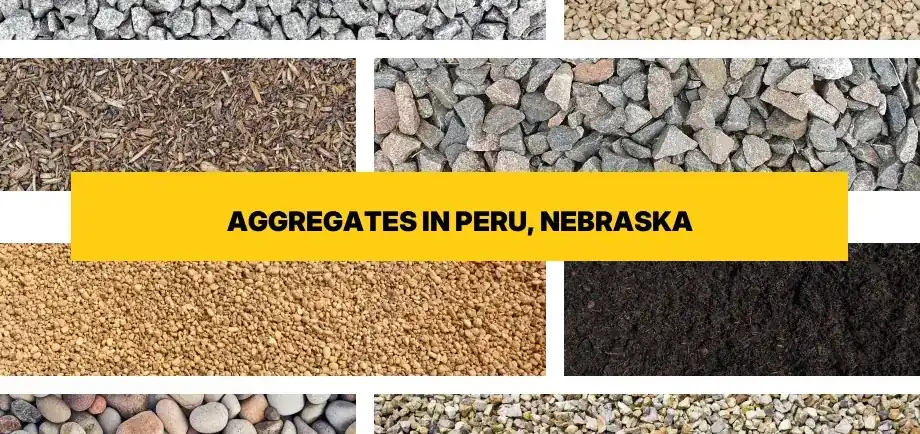
Sand, Aggregates & Gravel for Peru, Nebraska
Local Topsoil, Dirt, Sand, Rocks and Gravel near me in Peru, Nebraska
Shop Aggregates for Delivery in Peru
Order online for free delivery to any Peru address.
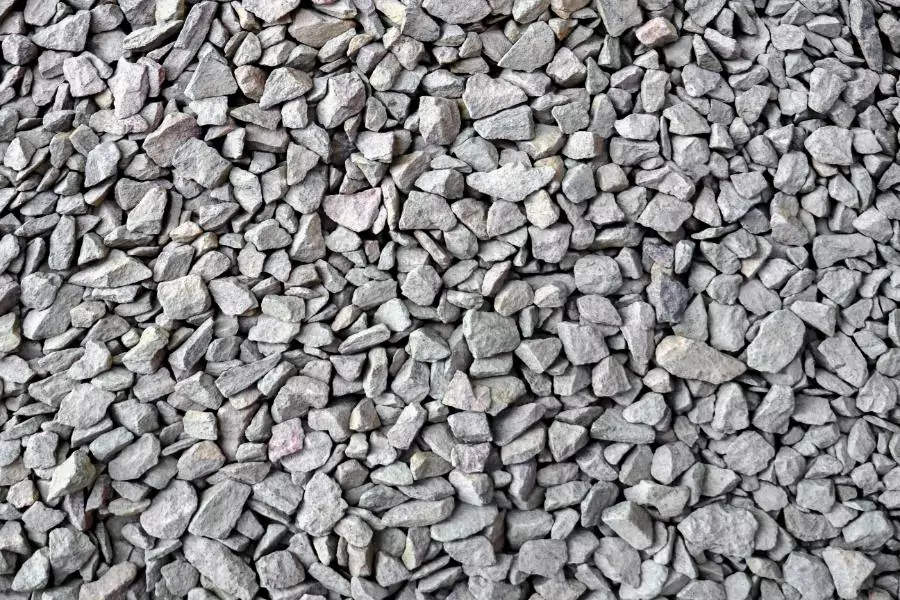
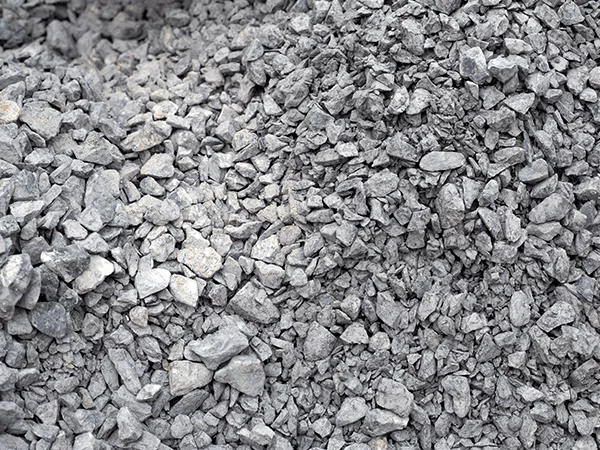


Gravel Monkey is your trusted source for premium aggregates and bulk materials in Peru, Nebraska. Serving the Peru State College community, downtown Peru, and rural properties throughout Nemaha County, we provide free delivery of high-quality gravel, stone, sand, and soil products directly to your project site. Whether you're building a driveway near campus, managing drainage around historic buildings, or creating pathways in this scenic Missouri River valley town, our complete selection of aggregates meets every residential, commercial, and agricultural need in southeast Nebraska.
Complete Aggregate Selection for Peru Properties
Peru's unique position overlooking the Missouri River valley, combined with the area's loess soil composition and seasonal weather patterns, requires quality aggregates that perform in local conditions. We offer materials specifically suited for Peru's clay-rich soil, significant elevation changes, and the freeze-thaw cycles that affect this region. Our inventory includes:
- Driveway Gravel - Durable base material perfect for Peru's steep hillside driveways
- 3/4 inch Crushed Stone - Versatile aggregate for foundations and drainage projects
- #57 Stone - Clean angular stone ideal for drainage systems and concrete work
- Crusher Run - Compactable base that locks together in Peru's clay soil
- Road Base - Heavy-duty foundation for driveways and parking areas
- Pea Gravel - Decorative stone for walkways and landscaping near campus
- River Rock - Natural Missouri River-style stones for aesthetic projects
- Walkway Gravel - Comfortable walking surface for paths and garden areas
- Drain Rock - Essential for managing water on Peru's sloped properties
- Crushed Concrete - Eco-friendly recycled aggregate for base layers
- Topsoil - Nutrient-rich soil for gardens and lawn establishment
- Fill Dirt - Grading material for leveling sloped Peru properties
- Mason Sand - Fine sand for bricklaying and masonry restoration
- Washed Sand - Clean sand for concrete mixing and construction
- Playground Sand - Safe, soft sand for recreational areas
- Decomposed Granite - Natural pathway material that compacts firmly
Every aggregate we deliver is selected for performance in Peru's specific environmental conditions. The Missouri River valley's microclimate, characterized by higher humidity and temperature variations compared to western Nebraska, influences material selection. Our aggregates handle Peru's average annual rainfall of 32 inches, winter temperatures that can drop to -10°F, and summer heat exceeding 95°F.
Understanding Peru's Geology and Soil Conditions
Peru sits atop bluffs overlooking the Missouri River valley, creating unique geological challenges for construction and landscaping projects. The area's loess soil—windblown silt deposited during the last ice age—dominates the landscape. This fine-grained soil is highly productive for agriculture but presents specific challenges for driveways, foundations, and drainage systems.
Loess soil has distinct characteristics that affect aggregate performance. It's highly erodible when disturbed, absorbs significant moisture during spring rains, and experiences considerable expansion and contraction with seasonal moisture changes. Properties near Peru State College and throughout downtown Peru often deal with water management issues due to the soil's clay content and the town's hillside topography.
The bedrock beneath Peru consists primarily of Pennsylvanian-age limestone and shale formations. While bedrock is typically 50-100 feet below the surface, understanding this geology helps explain why proper aggregate bases are essential. Our recommended materials create stable foundations that bridge the unstable loess to provide lasting performance.
Climate Considerations for Aggregate Selection
Peru experiences a humid continental climate with four distinct seasons. Average January temperatures hover around 24°F, while July averages reach 78°F. This 54-degree temperature range, combined with frequent freeze-thaw cycles in spring and fall, makes choosing freeze-resistant aggregates critical for project longevity.
Annual precipitation averages 32 inches, with peak rainfall occurring in May and June. These spring rains coincide with snowmelt from the Missouri River valley, creating drainage challenges throughout Peru. Properties on hillsides near the college or along residential streets require aggregates that channel water effectively while preventing erosion of the underlying loess soil.
Serving All Peru Communities and Surrounding Areas
Gravel Monkey provides free aggregate delivery throughout Peru and neighboring communities in southeast Nebraska. We regularly serve these areas:
Peru State College Area
The Peru State College campus dominates much of the town, and we frequently deliver aggregates for both campus projects and nearby residential properties. The historic campus buildings require careful drainage management, and walkways between academic buildings benefit from our decorative stone options. Student housing areas and faculty residences throughout the college neighborhood rely on our materials for driveway maintenance and landscaping projects.
Downtown Peru Historic District
Peru's small downtown area features historic buildings dating to the town's founding in 1857. Many properties require specialized aggregate solutions for drainage around century-old structures. We supply materials for alley improvements, parking area maintenance, and foundation drainage systems that protect these valuable historic buildings from water damage.
Residential Hillside Properties
Peru's hillside neighborhoods present unique challenges. Steep driveways require aggregates with excellent compaction and erosion resistance. Properties along residential streets benefit from proper drainage stone that prevents water from undermining foundations. We deliver materials specifically suited for these sloped conditions throughout Peru's residential areas.
Rural Nemaha County Properties
Beyond Peru's town limits, we serve rural properties throughout Nemaha County. Farm lanes, agricultural access roads, and rural residential driveways benefit from our aggregate products. The region's agricultural community relies on durable stone for equipment yards, grain storage facility approaches, and livestock facility improvements.
Nearby Communities We Serve
Our free delivery extends to Auburn (11 miles northwest), Brownville (8 miles north), Nebraska City (20 miles northeast), Falls City (25 miles south), and Shubert (12 miles southeast). These communities share similar soil conditions and climate patterns with Peru, and our aggregate recommendations apply throughout the region.
Choosing the Right Aggregate for Your Peru Project
Selecting appropriate materials for Peru's conditions ensures project success and longevity. Different aggregates serve specific purposes, and understanding these differences helps homeowners and contractors make informed decisions.
| Aggregate Type | Best Applications | Peru-Specific Advantages | Compaction Level |
|---|---|---|---|
| Crusher Run | Driveway base, parking areas | Locks together in loess soil, resists erosion | Excellent |
| 3/4 inch Crushed Stone | Drainage layers, general fill | Handles spring rainfall, allows water flow | Very Good |
| Road Base | Heavy traffic areas, foundations | Withstands freeze-thaw cycles, maximum stability | Excellent |
| #57 Stone | French drains, behind retaining walls | Superior drainage on hillside properties | Good |
| Pea Gravel | Pathways, decorative landscaping | Attractive campus-style walkways | Moderate |
| River Rock | Decorative beds, water features | Complements Missouri River valley aesthetic | Low |
| Decomposed Granite | Natural pathways, garden paths | Drains well, attractive natural appearance | Good |
| Crushed Concrete | Sub-base, temporary roads | Cost-effective, environmentally friendly | Very Good |
Driveway Construction in Peru
Peru's hillside driveways require extra attention to base preparation and material selection. The typical residential driveway in Peru should follow this construction approach:
Step 1: Excavation and Soil Preparation - Remove loess soil to a depth of 8-12 inches, depending on driveway usage and slope. Steeper driveways may require deeper excavation. The exposed surface should be graded to promote drainage away from structures.
Step 2: Base Layer Installation - Install 4-6 inches of compacted crusher run or road base. This layer creates stability in the unstable loess soil. Mechanical compaction is essential—simply spreading material without compaction leads to eventual failure. Each 2-inch lift should be compacted before adding the next layer.
Step 3: Surface Layer Application - Add 2-4 inches of driveway gravel or additional crushed stone for the wearing surface. This top layer handles vehicle traffic and weather exposure. Proper compaction of this layer prevents rutting and maintains a smooth driving surface.
Properties near Peru State College or downtown often have limited space for equipment access, making hand compaction or smaller equipment necessary. We can help you calculate the correct amounts based on your specific driveway dimensions and slope conditions.
Drainage Solutions for Peru's Challenging Topography
Water management ranks among the most critical concerns for Peru property owners. The town's location on Missouri River bluffs, combined with loess soil's poor drainage characteristics, makes proper aggregate selection essential for preventing water damage, soil erosion, and foundation problems.
French Drain Systems
French drains effectively manage subsurface water on Peru's sloped properties. These systems use perforated pipe surrounded by drain rock to intercept and redirect water away from structures. The drain rock must be clean, angular aggregate like #57 stone that allows water to flow freely while preventing soil particles from clogging the system. Properties experiencing basement moisture, foundation settling, or yard flooding benefit significantly from properly installed French drains.
Surface Drainage Improvements
Many Peru properties need surface water management solutions. Swales lined with river rock or larger drainage stone channel runoff away from buildings and toward appropriate discharge points. Decorative drainage solutions using pea gravel or river rock can enhance landscaping while serving functional purposes. Campus-area properties often incorporate attractive drainage features that handle spring rainfall while complementing architectural aesthetics.
Erosion Control on Hillsides
Peru's steep terrain makes erosion control critical. Loess soil erodes rapidly when disturbed, particularly during spring rains. Strategic placement of aggregates helps stabilize slopes and prevent soil loss. Larger stones create barriers that slow water flow, while crushed stone fills create stable surfaces that resist erosion. Rural properties and hillside residences particularly benefit from erosion control measures.
Landscaping and Decorative Aggregate Applications
Beyond functional construction uses, aggregates enhance Peru's residential and campus landscapes. The Missouri River valley's natural beauty inspires landscaping designs that incorporate stone and gravel elements complementing the environment.
Garden Pathways and Walkways
Pea gravel and decomposed granite create attractive, functional pathways through gardens and yards. These materials provide comfortable walking surfaces that drain well during Peru's rainy springs. Walkway gravel offers a stable surface for connecting outdoor spaces, while river rock adds visual interest to garden borders and transition areas.
Mulch Alternatives
Stone mulch provides long-lasting ground cover that doesn't decompose like organic mulches. River rock or pea gravel around foundation plantings suppresses weeds, retains soil moisture, and creates clean, attractive landscaping. These materials work particularly well in Peru's climate because they don't blow away during windy conditions and don't require annual replacement.
Water Features and Dry Creek Beds
Decorative aggregates create natural-looking water features or dry creek beds that manage drainage while enhancing landscape aesthetics. River rock mimics the Missouri River's natural stone, creating authentic-looking features. These installations can be both decorative and functional, channeling water during rainstorms while serving as attractive landscape elements during dry periods.
Commercial and Agricultural Aggregate Applications
Peru's economy includes agriculture, education, and small businesses, each with specific aggregate needs. Peru State College facilities, local businesses, and surrounding farms rely on quality materials for various projects.
Campus and Institutional Projects
Peru State College periodically undertakes infrastructure improvements requiring bulk aggregates. Parking lot bases, walkway construction, athletic field drainage, and building foundation preparations all utilize our materials. We supply aggregates for both college projects and contractor work throughout the campus area.
Agricultural Applications
Nemaha County's agricultural operations use aggregates for numerous purposes. Equipment yards need stable, mud-free surfaces that handle heavy machinery. Grain storage facilities require well-drained approaches that remain passable during harvest season. Livestock facilities benefit from proper drainage stone that keeps animal areas dry and sanitary. Our crusher run and crushed concrete provide cost-effective solutions for agricultural applications.
Commercial Property Maintenance
Downtown Peru businesses and commercial properties throughout the area need ongoing aggregate materials for parking lot maintenance, drainage improvements, and landscaping projects. We work with property managers, business owners, and contractors to supply materials for commercial applications throughout the community.
Planning Your Peru Aggregate Project
Successful projects begin with proper planning. Understanding material requirements, quantities, and installation methods ensures efficient completion and lasting results.
Calculating Material Quantities
Accurate quantity calculation prevents delays and ensures you order sufficient material. For rectangular areas, multiply length times width times depth (all in feet), then divide by 27 to convert cubic feet to cubic yards. A Peru residential driveway measuring 20 feet wide by 50 feet long requiring 4 inches of base material needs: 20 × 50 × 0.33 ÷ 27 = 12.2 cubic yards.
Sloped driveways require additional material—typically 10-15% more than flat area calculations suggest. Irregular shapes need careful measurement, often breaking the area into smaller sections and calculating each separately. Our team can help verify your calculations and recommend appropriate amounts.
Site Preparation Requirements
Proper site preparation significantly impacts project success. Remove existing vegetation, debris, and unsuitable soil before aggregate installation. Peru's loess soil often requires removal deeper than you might expect, particularly in areas with poor drainage or structural requirements. Compact exposed surfaces before adding base materials to prevent future settling.
Timing Considerations
Nebraska weather affects project timing. Spring's wet conditions make excavation and compaction challenging, though this season's moderate temperatures are otherwise ideal. Summer's heat and occasional storms can complicate work schedules. Fall offers excellent conditions before ground freezing begins. Winter work is possible during dry, above-freezing periods but requires extra planning. We deliver year-round, though scheduling flexibility helps during busy seasons.
Installation Best Practices for Peru Conditions
Proper installation techniques ensure aggregate materials perform as intended in Peru's challenging soil and climate conditions.
Compaction Importance
Mechanical compaction is absolutely essential for base layers. Peru's loess soil provides minimal natural support, making well-compacted aggregate bases critical. Use plate compactors for smaller areas or vibratory rollers for driveways and larger projects. Compact in 2-3 inch lifts rather than attempting to compact thick layers at once. Proper moisture content during compaction—slightly damp but not saturated—optimizes results.
Edge Restraint Systems
Aggregates need edge restraint to prevent spreading, particularly on sloped Peru properties. Steel edging, treated lumber, or concrete curbs contain material and maintain defined boundaries. Without proper edging, gravel migrates downhill during rains or gradually spreads outward under traffic, requiring frequent maintenance and material addition.
Drainage Integration
Every aggregate installation should incorporate drainage considerations. Grade surfaces to promote water flow away from structures. Install drain rock layers beneath compacted bases where groundwater or seasonal moisture is present. Consider how surface water will move across or through your aggregate installation, and plan accordingly to prevent erosion or material washout.
Frequently Asked Questions About Gravel & Aggregates in Peru
We deliver a complete range of aggregates including driveway gravel, crushed stone, #57 stone, crusher run, pea gravel, river rock, road base, drain rock, recycled concrete, topsoil, fill dirt, and various sand types throughout Peru and surrounding Nemaha County areas.
Yes! Gravel Monkey offers FREE delivery to Peru and the surrounding southeast Nebraska area for all gravel and aggregate orders. We service the Peru State College area, downtown Peru, and nearby communities.
The amount depends on your project size. For driveways, calculate length times width times depth in feet, then divide by 27 for cubic yards. A typical Peru residential driveway needs 3 to 4 inches of base material. Our team can help you estimate the right amount for your specific property.
For Peru loess soil and our climate with freeze-thaw cycles, we recommend crusher run or three-quarter inch crushed stone for driveways. These aggregates compact well in our clay-rich soil and provide excellent drainage during spring rains and winter snowmelt near the Missouri River valley.
Absolutely! We deliver to all areas of Peru including near Peru State College campus, residential neighborhoods, rural properties, and commercial sites throughout the community. Free delivery applies to all Peru locations.
Yes, we supply mason sand, washed sand, and playground sand for construction, masonry work, and recreational projects throughout Peru. All sand products are delivered free to your Peru property.
Crusher run and road base are excellent choices for Peru driveways. These compactable aggregates create a stable foundation that handles Nebraska weather well, resists rutting in our loess soil, and provides proper drainage during heavy rains common in spring and summer months.
Peru loess soil is fine-grained and highly expansive, requiring deeper aggregate bases than you might use elsewhere. The soil holds water during spring but shrinks during dry periods, creating unstable conditions. Proper aggregate bases bridge this unstable soil to provide lasting stability for driveways and foundations.
Why Choose Gravel Monkey for Peru Aggregate Delivery
Selecting the right aggregate supplier impacts project success, timeline, and final costs. Gravel Monkey offers distinct advantages for Peru-area customers.
Local Knowledge and Expertise
We understand Peru's unique conditions—the loess soil composition, hillside topography, seasonal weather patterns, and Missouri River valley microclimate. This knowledge informs our material recommendations and ensures you receive aggregates suited for local conditions rather than generic products that may underperform.
Quality Materials
Every aggregate we deliver meets strict quality standards. Clean materials free from excessive fines, properly sized and graded aggregates, and consistent product specifications ensure reliable performance. Whether you're installing a driveway near Peru State College or improving drainage on a rural property, our materials deliver the performance you expect.
Free Delivery Throughout Peru Area
Free delivery eliminates hidden costs and simplifies project budgeting. We deliver throughout Peru, to nearby Auburn, Brownville, Nebraska City, Falls City, and throughout Nemaha County. This service area coverage ensures convenient access to quality aggregates regardless of your project location.
Reliable Service
Project schedules depend on timely material delivery. We work with your timeline to ensure aggregates arrive when needed, preventing costly delays. Whether you're a homeowner planning a weekend project or a contractor managing multiple jobs, reliable delivery keeps your work moving forward.
Expert Guidance
Not sure which aggregate suits your project? Need help calculating quantities? Wondering about installation techniques for Peru's challenging conditions? Our team provides the expertise you need to make informed decisions and achieve successful outcomes.
Getting Started with Your Peru Aggregate Project
Beginning your gravel or aggregate project in Peru is straightforward with Gravel Monkey. Our streamlined process ensures you get the right materials delivered free to your Peru property.
Start by assessing your project requirements. Measure the area requiring aggregates, noting any slopes, drainage concerns, or access limitations. Consider your project's purpose—driveway construction needs different materials than decorative landscaping. Think about Peru's specific conditions affecting your property: hillside location, soil type, proximity to campus or downtown, and seasonal water movement.
Browse our complete material selection to identify products matching your needs. Product descriptions explain typical applications, helping you narrow choices. For driveways on Peru's steep terrain, crusher run or road base provides excellent stability. Drainage projects benefit from #57 stone or drain rock. Landscaping applications might use pea gravel, river rock, or decomposed granite.
Calculate approximate quantities using area measurements and desired depth. Our team can verify calculations and adjust recommendations based on your specific site conditions. Remember that Peru's loess soil often requires deeper bases than similar projects in areas with better native soil conditions.
Contact us to discuss your project, confirm material selection, and arrange delivery. We'll answer questions about installation techniques, compaction requirements, or any Peru-specific concerns. Schedule delivery for a time that fits your project timeline, knowing that free delivery throughout the Peru area eliminates transportation worries.
Upon delivery, materials arrive ready for immediate use. Have your site prepared—excavated, graded, and ready for aggregate installation. Proper preparation combined with quality materials and correct installation techniques ensures your project succeeds and provides years of reliable performance in Peru's challenging conditions.
Seasonal Considerations for Peru Aggregate Projects
Peru's four-season climate creates distinct challenges and opportunities throughout the year. Understanding seasonal conditions helps you plan projects for optimal results.
Spring Projects (March-May)
Spring brings frequent rainfall and snowmelt to Peru. Soil moisture levels rise, sometimes making excavation difficult but creating ideal compaction conditions. This season is popular for drainage improvements as water problems become obvious. Plan for occasional rain delays, but take advantage of moderate temperatures and contractors' increasing availability as winter ends. Peru's spring precipitation averages 9 inches across these three months, with May typically being the wettest month.
Summer Work (June-August)
Summer offers the longest daylight hours and most predictable weather for Peru projects. Heat can make physical work challenging, but dry conditions facilitate excavation and compaction. This busy season may require advance scheduling for contractor services. Afternoon thunderstorms occasionally interrupt work but typically don't cause major delays. Summer's average temperatures in the upper 80s provide ideal conditions for aggregate installation and compaction.
Fall Opportunities (September-November)
Fall presents excellent project conditions in Peru. Moderate temperatures, lower humidity than summer, and typically dry weather make this season ideal for aggregate work. Complete projects before ground freezing begins, usually in late November or December. Fall's pleasant conditions attract many property owners to finally tackle postponed projects, so schedule contractors early.
Winter Limitations (December-February)
Peru winters bring freezing temperatures averaging in the mid-20s, with occasional cold snaps well below zero. Ground freezing prevents excavation, and frozen aggregates complicate handling. However, dry periods with above-freezing temperatures allow some project work. Winter delivery is available, though scheduling flexibility helps us work around weather conditions. Some property owners stockpile materials during winter for spring installation.

Need help? Reach out for a quote: