
Gravel for Sale in Laurel, Nebraska
Local Topsoil, Dirt, Sand, Rocks and Gravel near me in Laurel, Nebraska
Shop Aggregates for Delivery in Laurel
Order online for free delivery to any Laurel address.
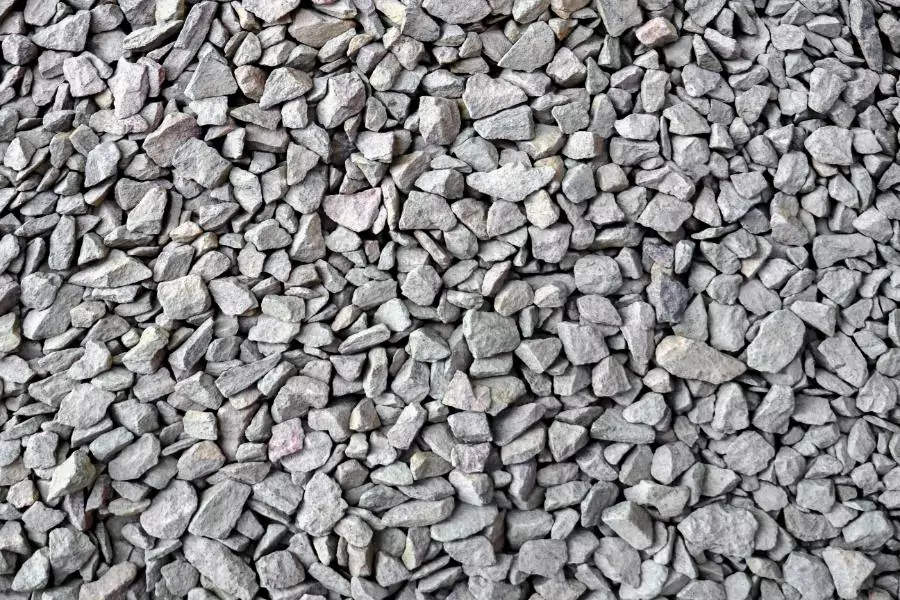
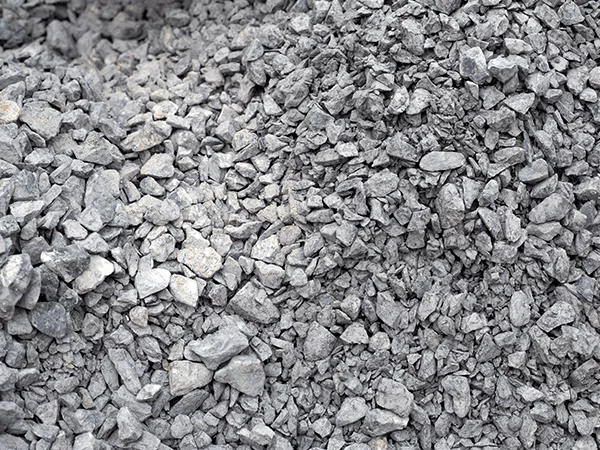


Gravel Monkey is your trusted source for premium gravel and aggregate delivery in Laurel, Nebraska. Whether you're building a new driveway along Wakefield Street, improving drainage near Cedar Creek, or creating pathways around your property, we deliver high-quality aggregates directly to your location with free delivery throughout Cedar County. Our comprehensive selection of construction and landscaping materials meets the unique needs of Laurel's agricultural community and residential properties.
Complete Selection of Aggregates Available in Laurel
We provide a full range of gravel, stone, sand, and soil materials for every project type across Laurel and surrounding communities. Our aggregate products are specifically selected to perform well in northeast Nebraska's climate, handling everything from spring flooding to winter freeze-thaw cycles:
- Driveway Gravel - Durable aggregate base material engineered for long-lasting rural and residential driveways
- 3/4 Inch Crushed Stone - Versatile angular aggregate perfect for driveways, foundations, and drainage applications
- #57 Stone - Premium drainage stone ideal for French drains, septic systems, and foundation perimeters
- Crusher Run - Compactable blend of crushed stone and fines for stable driveways and parking areas
- Road Base - Heavy-duty foundation material for private roads, farm lanes, and commercial access routes
- Pea Gravel - Smooth decorative stone for pathways, garden beds, and around play areas
- River Rock - Natural rounded stone for decorative landscaping and water features
- Walkway Gravel - Ideal aggregate for creating attractive, stable garden paths
- Drain Rock - Specially sized aggregate for optimal water flow in drainage systems
- Crushed Concrete - Eco-friendly recycled aggregate for base layers and rural roads
- Topsoil - Nutrient-rich soil for gardens, lawns, and agricultural applications
- Fill Dirt - Quality dirt for grading, leveling, and raising property elevations
- Mason Sand - Fine, clean sand for mortar mixing and construction projects
- Playground Sand - Safe, clean sand perfect for children's play areas
- Washed Sand - Clean sand for concrete mixing, paver bases, and general construction
- Decomposed Granite - Natural pathway material that compacts beautifully
Serving All of Laurel and Surrounding Cedar County Communities
Gravel Monkey proudly serves the entire Laurel area with free aggregate delivery. We know the local terrain, from the downtown business district along Wakefield Street to rural farmsteads north of Highway 20, properties near the Logan Creek watershed, and residential developments throughout the community. Our delivery service extends to neighboring communities including Coleridge, Belden, Randolph, Carroll, and Dixon, ensuring farmers, homeowners, and contractors across northeast Nebraska have access to quality construction materials.
The agricultural heritage of Laurel and Cedar County means many of our customers operate working farms and acreages that require substantial amounts of aggregates for lane maintenance, livestock facilities, grain storage areas, and field access. We understand these unique needs and provide materials specifically suited for agricultural applications. Whether you're maintaining a century farm near the historic downtown area or developing new property near the Laurel-Concord-Coleridge School complex, our team delivers the right aggregates for your project.
Understanding Nebraska Aggregates: Material Types and Applications
Base Materials for Driveways and Roads
Laurel's location in the glacial till region means local soils contain significant clay content, which creates unique challenges for driveway construction. The clay-based soils expand when wet and contract during dry periods, leading to shifting and cracking without proper base preparation. Crusher run provides an excellent solution because the mixture of crushed stone and fines compacts tightly, creating a stable foundation that moves as one unit rather than settling unevenly. This compaction is especially important for the long farm lanes common throughout Cedar County.
Road base serves a similar function but with even greater load-bearing capacity. For properties that accommodate heavy equipment, grain trucks, or commercial vehicles, road base creates a foundation that won't rut or deteriorate under weight. Many Laurel-area farmers use road base for their main access lanes, grain bin approaches, and equipment storage areas where durability is paramount. The angular particles interlock to distribute weight effectively across the clay subgrade.
Drainage Solutions for Northeast Nebraska Properties
Proper drainage is critical in Laurel's climate, which averages 25 to 30 inches of annual precipitation with peak rainfall during spring and early summer. The flat to gently rolling topography means water doesn't naturally run off quickly, and the clay soils don't absorb moisture readily. This combination makes strategic drainage planning essential for both agricultural and residential properties near Cedar Creek and Logan Creek watersheds.
Drain rock and number 57 stone work exceptionally well for French drains, foundation drains, and surface water management systems. The uniform sizing creates void spaces that allow water to flow freely while the stones themselves provide structural support. Around Laurel homes, particularly in low-lying areas near the creek systems, perimeter drains with proper aggregate prevent basement flooding and foundation settlement. For agricultural operations, these same materials help manage runoff from barn roofs, livestock areas, and concrete pads.
Decorative Stone and Landscaping Aggregates
While much of Laurel's aggregate use focuses on functional applications, decorative stone plays an important role in residential and commercial landscaping. Pea gravel creates attractive, low-maintenance ground cover for garden beds, around trees, and in xeriscaping designs. The smooth, rounded stones available in various natural colors complement both traditional farmhouse landscaping and modern residential designs throughout the community.
River rock serves as an excellent accent material for larger landscape features. Many Laurel properties use river rock to create dry creek beds that manage stormwater runoff while adding visual interest. The natural appearance blends well with the rural character of Cedar County while providing practical benefits for water management. Walkway gravel offers another option for creating stable, attractive paths through gardens and between buildings without the maintenance requirements of traditional lawn areas.
| Aggregate Type | Best Applications | Drainage Rating | Compaction |
|---|---|---|---|
| Crusher Run | Driveways, farm lanes, parking areas | Good | Excellent |
| 3/4 Inch Crushed Stone | Driveway base, general construction | Excellent | Very Good |
| #57 Stone | French drains, septic systems, foundation drainage | Excellent | Moderate |
| Road Base | Heavy traffic areas, equipment lanes | Good | Excellent |
| Pea Gravel | Landscaping, pathways, decorative use | Very Good | Poor |
| Drain Rock | Drainage systems, retaining walls | Excellent | Moderate |
| Crushed Concrete | Base layers, rural road maintenance | Good | Very Good |
| Decomposed Granite | Natural pathways, rustic landscaping | Moderate | Good |
Working with Laurel's Soil and Climate Conditions
Understanding Cedar County Geology
The geology beneath Laurel consists primarily of glacial till deposited during the Pleistocene ice age, creating the characteristic clay-rich soils found throughout northeast Nebraska. This glacial legacy means the native soils have high clay content, poor natural drainage, and significant expansion potential when moisture levels change. These conditions make proper aggregate selection and installation techniques particularly important for long-term project success.
The clay soils hold moisture during wet periods but crack and shrink during dry spells, creating an unstable foundation for structures and surfaces. By installing a proper aggregate base, you create a buffer between the clay subgrade and your finished surface. Materials like crusher run and road base don't just provide structural support—they also help regulate moisture movement, preventing the clay beneath from expanding and contracting as dramatically.
Climate Considerations for Aggregate Selection
Laurel experiences a true continental climate with cold winters, warm summers, and significant temperature swings throughout the year. Winter temperatures regularly drop below zero degrees Fahrenheit, while summer highs often exceed 90 degrees. This temperature range creates freeze-thaw cycles in spring and fall that can damage improperly constructed surfaces.
Aggregates help mitigate freeze-thaw damage by providing drainage that prevents water from accumulating and freezing in place. When water freezes, it expands with considerable force—enough to crack concrete, shift pavement, and heave foundations. By using drainage stone like number 57 or drain rock around foundations and beneath driveways, water moves away before it can freeze and cause damage. The void spaces in properly sized aggregates remain open even when surrounding soil freezes.
Spring rainfall in northeast Nebraska can be particularly heavy, with storms sometimes dropping several inches of rain in short periods. Creek systems like Cedar Creek and Logan Creek can overflow during these events, and low-lying properties face flooding risks. Strategic placement of aggregates helps manage this seasonal water challenge. French drains with proper drain rock intercept groundwater before it reaches basements, while well-constructed aggregate driveways remain passable even during wet conditions when clay-based surfaces would become muddy and impassable.
Common Aggregate Projects in the Laurel Area
Residential Driveway Construction and Repair
Most Laurel homes feature gravel driveways rather than paved surfaces, making driveway maintenance an ongoing concern for homeowners. A properly constructed gravel driveway starts with good site preparation, removing any organic material and addressing drainage issues. Next comes the base layer of crusher run or road base, installed at least four inches deep and compacted thoroughly. This base layer provides the structural foundation that prevents settling and rutting.
The top layer can be the same crusher run or a finishing layer of 3/4 inch crushed stone for a cleaner appearance. Some homeowners prefer driveway gravel specifically blended for surface application. Regular maintenance involves adding material to fill any low spots and occasional regrading to maintain proper drainage slope. With Laurel's clay soils, ensuring the driveway crowns slightly in the center helps water run off to the sides rather than pooling on the surface.
Agricultural and Farm Applications
Farming operations around Laurel require substantial amounts of aggregates for various purposes. Grain bin areas need stable, well-drained surfaces to support heavy equipment and prevent grain contamination from mud. Road base creates an excellent foundation for these high-traffic areas. Livestock facilities benefit from aggregates in feeding areas, around waterers, and along fence lines where animals create muddy conditions.
Farm lanes connecting to public roads or extending through fields need regular maintenance with fresh aggregates. Many farmers spread crushed concrete or crusher run as an economical option for these utilitarian roads. The material compacts well under the weight of tractors and grain trucks while providing better traction than mud or bare soil. Equipment storage areas also benefit from aggregate surfaces that remain firm year-round and prevent rust-causing moisture from splashing onto stored machinery.
Landscaping and Aesthetic Improvements
Beyond purely functional applications, aggregates enhance the appearance and usability of Laurel properties. Pea gravel creates attractive, low-maintenance pathways through gardens, connecting outdoor spaces without the cost and maintenance of concrete or pavers. The natural colors blend with plantings while providing clean, dry walking surfaces even after rain.
River rock serves as mulch around trees and shrubs, suppressing weeds while adding visual texture. Unlike organic mulches, stone doesn't decompose or need replacement, making it an economical long-term solution. Many homeowners create decorative features like dry stream beds using river rock to manage roof runoff or create visual interest in otherwise plain yard areas. Decomposed granite offers another aesthetic option for rustic pathways that complement the rural character of Cedar County properties.
Best Practices for Aggregate Installation in Laurel
Site Preparation Fundamentals
Successful aggregate projects begin with proper site preparation. Remove all organic material including topsoil, grass, and roots from the project area. Organic matter decomposes over time, creating voids that cause settling. In Laurel's clay-rich environment, this step is particularly important because clay holds moisture that accelerates organic decomposition.
Grade the prepared area to promote drainage away from buildings and toward appropriate discharge points. Even a slight slope of one to two percent makes a significant difference in water management. For driveways, crown the surface so water runs to both sides. For parking areas and equipment pads, slope uniformly in one direction. This grading prevents water from pooling, which would saturate the clay subgrade and lead to instability.
Proper Depth and Compaction
Aggregate depth depends on the intended use and expected load. Residential driveways typically need four to six inches of compacted base material. Farm lanes and equipment areas handling heavy machinery require six to eight inches or more. The clay soils around Laurel necessitate adequate depth because insufficient aggregate allows the clay beneath to influence the surface, leading to rutting and settling.
Compaction transforms loose aggregate into a solid, stable surface. While some settling occurs naturally over time, mechanical compaction speeds this process and creates a denser, more durable result. For DIY projects, renting a plate compactor for a day ensures proper compaction. Work in lifts of two to three inches, compacting each layer before adding the next. Proper compaction is especially important with materials like crusher run and road base that rely on interlocking particles for strength.
Drainage Integration
Consider drainage during project planning, not as an afterthought. French drains along the edges of driveways intercept water before it undermines the aggregate base. Perforated pipe surrounded by drain rock or number 57 stone creates effective subsurface drainage that handles both surface water and groundwater. Position drain outlets where water can discharge without causing erosion or creating problems elsewhere on the property.
For properties in low-lying areas near Cedar Creek or Logan Creek, more extensive drainage systems may be necessary. Consult with local contractors familiar with Laurel's topography and drainage patterns. The investment in proper drainage pays dividends by extending the life of aggregate surfaces and preventing damage to structures.
Calculating Aggregate Quantities for Your Laurel Project
Accurate quantity estimation prevents delays and additional delivery fees. Calculate aggregate needs using the area's square footage and desired depth. For rectangular areas, multiply length times width to find square footage. For circular areas, use the formula: pi times radius squared (3.14 x radius x radius).
Convert depth to feet by dividing inches by 12. For example, four inches equals 0.33 feet. Multiply square footage by depth in feet to get cubic feet, then divide by 27 to convert to cubic yards. Aggregates are typically sold by the ton, and the conversion factor depends on the material's density. Crushed stone and gravel generally convert at approximately 1.4 tons per cubic yard, though this varies by specific material.
For a typical Laurel driveway measuring 12 feet wide by 100 feet long at four inches deep: 12 x 100 = 1,200 square feet. At four inches (0.33 feet) deep: 1,200 x 0.33 = 396 cubic feet. Divided by 27: 396 ÷ 27 = 14.67 cubic yards. At 1.4 tons per cubic yard: 14.67 x 1.4 = approximately 20.5 tons. Always add 10 to 15 percent extra to account for compaction and variations in site grading.
Our team at Gravel Monkey helps verify these calculations and ensures you order the right amount for your specific project. We understand local conditions in Laurel and can adjust recommendations based on your soil type, intended use, and site characteristics.
Seasonal Planning for Aggregate Projects in Northeast Nebraska
Spring Installation Considerations
Spring is a popular time for aggregate projects in Laurel as property owners emerge from winter and plan improvements. However, spring's wet conditions require patience. Wait for soil to dry sufficiently before beginning excavation or base preparation. Working in muddy conditions compromises compaction and creates long-term stability problems. The soil should be dry enough that it doesn't stick to boots or equipment.
Spring's frequent rainfall means drainage becomes immediately apparent. This makes spring an excellent time to identify and address drainage problems while they're actively occurring. Installing proper drainage aggregates during spring ensures the system is ready for summer storms and the following spring's snowmelt.
Summer and Fall: Optimal Construction Windows
Summer provides ideal conditions for aggregate projects in Laurel. Dry soil, warm temperatures, and stable weather allow for efficient excavation, grading, and compaction. Projects can proceed from start to finish without weather delays. The dry conditions also make it easier to achieve proper compaction, particularly important for materials like crusher run and road base.
Early fall offers another excellent window before ground freezes. September and October typically provide dry conditions and comfortable working temperatures. Completing projects in fall means they're ready for use immediately and will have settled and stabilized by the following spring. Fall work allows aggregates to experience winter freeze-thaw cycles, helping identify any areas that need adjustment before heavy spring use.
Winter Maintenance and Planning
While major aggregate installation isn't practical during Laurel's winter months when ground freezes, winter is an excellent time for planning and preparation. Review your property's drainage patterns, identify problem areas, and develop project plans. Winter grading issues become obvious when snow melts, showing where water flows and where it accumulates.
Emergency aggregate deliveries for winter traction on icy driveways or farm lanes remain possible during most winter conditions. Materials like crushed stone or driveway gravel improve traction on packed snow and ice, making farm lanes and residential driveways safer for vehicle traffic during Nebraska's challenging winter weather.
Frequently Asked Questions About Gravel and Aggregates in Laurel
We deliver driveway gravel, crushed stone in multiple sizes including 3/4 inch and #57 stone, crusher run, pea gravel, river rock, road base, drain rock, topsoil, fill dirt, sand varieties including mason sand and playground sand, decomposed granite, and recycled crushed concrete throughout Laurel and surrounding areas. Our complete product range ensures we have the right material for residential, agricultural, and commercial projects across Cedar County.
Yes! Gravel Monkey offers FREE delivery to Laurel and the surrounding Nebraska area for all gravel and aggregate material orders. We serve the entire Cedar County region including rural properties, farms, and acreages. Whether you're located in downtown Laurel or on a farmstead several miles outside town, we deliver quality aggregates directly to your property at no additional charge.
The amount depends on your project size and type. For driveways, calculate length times width times depth in feet, typically 4 inches deep. For example, a 12 by 30 foot driveway at 4 inches deep needs about 4 to 5 tons. Farm lanes require 6 to 8 inches of base material due to heavier traffic. Drainage projects depend on system length and width. Our team can help you estimate the right amount for your specific Laurel property, accounting for local soil conditions and intended use.
For Laurel's freeze-thaw cycles and prairie weather conditions, crusher run or 3/4 inch crushed stone works best. These materials compact well, provide excellent drainage during heavy spring rains, and handle the temperature fluctuations common in northeast Nebraska. The angular particles interlock to create a stable surface that resists rutting even during wet periods. Road base provides even greater durability for heavy-use farm lanes and equipment areas.
Absolutely! Drain rock and #57 stone are excellent choices for drainage systems around Laurel homes. Given the clay-rich soils common in Cedar County, proper drainage aggregates help prevent water pooling and foundation issues during Nebraska's wet seasons. French drains with appropriate stone protect basements from flooding, while perimeter drainage systems manage runoff from roof downspouts and surface water. The glacial till soils beneath Laurel make strategic drainage particularly important.
Yes, we deliver free to rural properties throughout the Laurel area, including farmsteads and acreages in surrounding Cedar County. Whether you're maintaining a working farm, developing rural property, or living on an acreage outside town limits, we bring quality aggregates right to your location. Our service extends to neighboring communities including Coleridge, Belden, Randolph, Carroll, and Dixon, ensuring farmers and rural landowners have access to the materials they need.
Road base and crusher run work exceptionally well with the heavy clay soils found around Laurel. These materials create a stable base that prevents sinking and shifting, which is crucial for the glacial till and clay-based soils throughout Cedar County. The mixture of stone sizes in these products allows for excellent compaction while providing internal drainage. For the best results, install adequate depth (4 to 6 inches minimum) over properly prepared and graded clay subgrade. This creates a buffer between the expansive clay and your finished surface.
Why Choose Gravel Monkey for Laurel Aggregate Delivery
Gravel Monkey understands the unique needs of Cedar County properties. We've worked with countless homeowners, farmers, and contractors throughout northeast Nebraska, providing quality aggregates that perform well in local soil and climate conditions. Our free delivery service eliminates the hassle and expense of transporting heavy materials yourself, and our knowledgeable team helps ensure you select the right products for your specific application.
We stock a comprehensive range of aggregates from functional base materials to decorative stone, giving you one-stop shopping for any project. Whether you're maintaining a century farm, developing residential property, or managing commercial landscaping, we deliver the materials you need when you need them. Our commitment to customer service and product quality has made us a trusted partner for aggregate supply throughout the Laurel area and surrounding communities.
Contact Gravel Monkey today to discuss your project needs. Our team provides expert guidance on material selection, quantity estimation, and installation techniques specific to Laurel's soil and climate conditions. With free delivery throughout Cedar County and a complete inventory of aggregates, we make your project easier from planning through completion.

Need help? Reach out for a quote: