
Bulk Aggregate & Gravel Products in Weed, New Mexico
Local Topsoil, Dirt, Sand, Rocks and Gravel near me in Weed, New Mexico
Shop Aggregates for Delivery in Weed
Order online for free delivery to any Weed address.
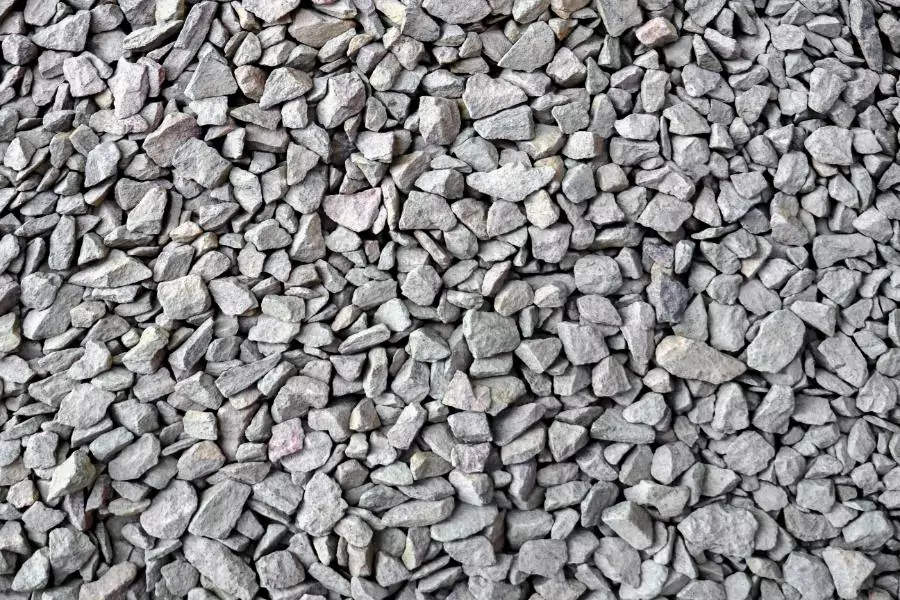
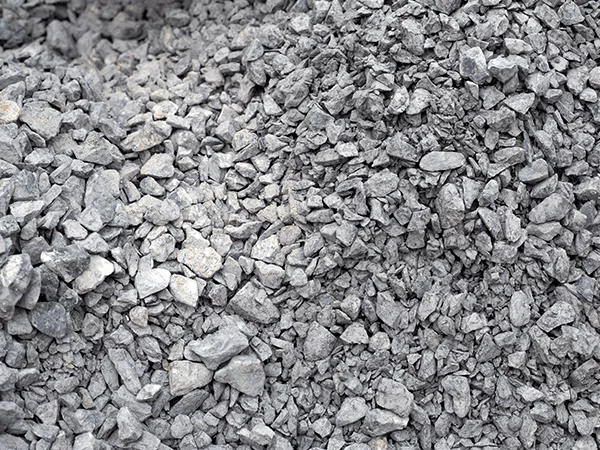


Gravel Monkey delivers premium aggregates and landscaping materials throughout Weed, New Mexico, serving properties across this historic Sacramento Mountains community. From mountain driveways near the Lincoln National Forest to ranch access roads along Highway 24, we provide free delivery of quality gravel, stone, and soil products directly to your property. Whether you're working on a residential project near Upper Canyon or maintaining ranch roads in the surrounding foothills, our comprehensive selection of aggregates meets the unique demands of high-elevation New Mexico construction and landscaping.
Complete Aggregate Selection for Weed's Mountain Terrain
The unique geology and climate of the Sacramento Mountains region requires specialized materials that perform reliably at elevation. Weed's volcanic and limestone-rich soils, combined with elevation exceeding 6,800 feet, create specific challenges for construction and landscaping projects. Our aggregate selection addresses these mountain conditions with products designed for excellent drainage, frost resistance, and long-term stability.
Understanding Weed's seasonal weather patterns is essential for material selection. Summer monsoon storms can deliver intense rainfall between July and September, while winter temperatures regularly drop below freezing from November through March. The area experiences approximately 150 frost-free days annually, with January lows averaging 20°F and July highs reaching the mid-80s. This combination of seasonal moisture and freeze-thaw cycles demands aggregates that provide superior drainage and structural integrity.
- Driveway Gravel - Engineered base material for mountain driveways and ranch roads
- 3/4 inch Crushed Stone - Versatile angular aggregate for foundations and drainage
- #57 Stone - Clean drainage stone for French drains and septic systems
- Road Base - Stable compacting material for driveways and access roads
- Crusher Run - Self-compacting blend for maximum stability
- Decomposed Granite - Natural southwestern aesthetic for pathways and patios
- Pea Gravel - Rounded stone for landscaping beds and walkways
- River Rock - Decorative stone in multiple sizes for water features
- Drain Rock - Large aggregate for superior water management
- Crushed Concrete - Recycled aggregate for eco-conscious projects
- Topsoil - Screened soil for mountain gardens and landscaping
- Fill Dirt - Grading material for leveling and site preparation
- Mason Sand - Fine sand for masonry and concrete mixing
- Washed Sand - Clean sand for construction applications
- Playground Sand - Safe, soft sand for play areas
- Walkway Gravel - Stable footing for mountain paths and trails
Mountain Driveway Solutions for Weed Properties
Properties throughout Weed face unique driveway challenges due to steep grades, high elevation, and seasonal weather extremes. Whether you're maintaining a long ranch access road off Highway 82 or installing a new residential driveway near the James Canyon area, selecting appropriate aggregate materials is critical for longevity and safety.
The volcanic tuff and limestone geology underlying much of the Weed area provides generally stable soil conditions, but seasonal moisture from monsoons and snowmelt can create drainage issues. Angular aggregates compact more effectively than rounded materials on mountain slopes, providing better traction for vehicles during wet or icy conditions. The rocky Sacramento Mountain terrain also means most properties require less excavation compared to other regions, as the native subsurface is already relatively stable.
Optimal Driveway Materials for High-Elevation Projects
For properties near the Upper Penasco area and along State Road 24, we recommend angular crushed stone or road base as primary driveway materials. These aggregates interlock when compacted, creating a stable surface that resists erosion during summer monsoons. The sharp edges of crushed materials also provide better traction than smooth stone on steep grades common throughout Weed's mountainous terrain.
Most Weed driveways benefit from 4-6 inches of compacted base material, depending on soil conditions and expected traffic loads. Ranch properties with heavy equipment usage may require deeper aggregate layers. Proper crown and grade are essential for water management—even slight slopes toward ditches or swales prevent water pooling that can lead to frost damage during winter months.
| Aggregate Type | Best Applications in Weed | Compaction Rating | Drainage Performance |
|---|---|---|---|
| Road Base | Primary driveways, ranch roads | Excellent | Very Good |
| 3/4" Crushed Stone | Driveways, foundation prep | Excellent | Excellent |
| Crusher Run | High-traffic access roads | Superior | Good |
| #57 Stone | Drainage layers, French drains | Moderate | Superior |
| Decomposed Granite | Residential driveways, paths | Good | Very Good |
| Crushed Concrete | Budget ranch roads, bases | Very Good | Very Good |
Critical Drainage Solutions for Sacramento Mountain Properties
Managing water runoff is essential for any Weed property. The area receives approximately 18 inches of annual precipitation, with summer monsoons capable of delivering several inches in single storm events. Combined with spring snowmelt from the surrounding Lincoln National Forest, effective drainage prevents erosion, foundation problems, and driveway deterioration.
Properties near James Canyon and along the slopes above Upper Canyon experience particularly dramatic runoff during monsoon season. French drains installed with clean drain rock create subsurface channels that redirect water away from structures and hardscaped areas. For properties with significant elevation changes, terracing combined with proper aggregate placement controls erosion while maintaining usable land.
Seasonal Water Management Strategies
The freeze-thaw cycle in Weed demands attention to drainage details that prevent ice formation in aggregate layers. Water trapped in compacted materials expands when frozen, causing heaving and surface cracking. Clean angular aggregates allow water to percolate through rather than pooling, reducing frost damage risk throughout winter months when temperatures regularly dip into the teens.
Ranch properties maintaining stock tanks and irrigation systems benefit from strategic aggregate placement around water features. River rock and larger drain rock create stable, well-draining surfaces that prevent muddy conditions while maintaining access during wet periods. These materials also reduce algae growth and water contamination compared to bare soil surfaces.
Landscaping Aggregates for High Desert Mountain Gardens
Weed's high desert mountain environment presents unique landscaping opportunities and challenges. At 6,820 feet elevation, the area falls within USDA hardiness zone 6b, supporting a mix of native pines, junipers, and high-altitude wildflowers. Landscaping materials must accommodate both the area's limited growing season and intense summer sun exposure.
Decomposed granite has become increasingly popular for Weed landscapes, offering a natural southwestern aesthetic that complements the surrounding ponderosa pine forests. This material compacts well for pathways while allowing excellent drainage around native plantings. The warm tan and reddish hues blend seamlessly with local geology, creating cohesive designs that feel organic to the Sacramento Mountain setting.
Ground Cover and Mulch Alternatives
Traditional organic mulches decompose rapidly in Weed's intense UV exposure and dry climate. Stone-based ground covers provide long-term solutions for water conservation and weed suppression. Pea gravel creates attractive, low-maintenance beds around native plants, while larger river rock makes dramatic statements in xeriscape designs near Mountain Road properties and along Highway 82 frontages.
Many Weed residents incorporate aggregates into fire-wise landscaping strategies essential for properties adjacent to Lincoln National Forest. Stone pathways, gravel beds, and crushed stone borders create defensible spaces that reduce wildfire risk while maintaining aesthetic appeal. These materials never become fuel sources and actually help slow fire progression during dry summer months when fire danger peaks.
Ranch and Agricultural Applications Throughout Weed Area
Weed's ranching heritage continues strong, with working cattle operations and horse properties common throughout the valley and surrounding foothills. Agricultural applications for aggregates include livestock enclosures, equipment areas, and access roads connecting properties to Highway 24 and surrounding county roads.
Sacrifice paddocks and high-traffic livestock areas benefit enormously from proper aggregate placement. Heavy use quickly degrades unprotected soil into mud during wet seasons and dust during dry periods. A base layer of crushed concrete or crusher run topped with smaller aggregates creates all-weather surfaces that improve animal health and reduce maintenance requirements.
Equipment Storage and Work Areas
Ranch operations near Sunspot and the Upper Penasco region require stable surfaces for equipment storage, hay handling, and livestock loading. Properly prepared aggregate pads prevent equipment from sinking during wet periods while reducing dust that can damage mechanical components. These surfaces also provide safer footing for both people and animals during daily operations.
Access roads connecting ranch buildings to public roads require regular maintenance in Weed's variable climate. Periodic additions of road base or crusher run restore crown and fill ruts before they worsen. Properties with longer access routes often maintain stockpiles of aggregate for quick repairs after heavy storms or spring snowmelt.
Foundation and Construction Aggregates for Mountain Building
Construction projects throughout Weed require specialized approaches due to elevation, climate, and geology. Foundation preparation at high altitude must account for increased freeze-thaw cycles and the need for superior drainage beneath structures. The area's volcanic tuff and limestone bedrock often lies relatively close to the surface, sometimes requiring rock excavation but providing excellent bearing capacity.
New construction near James Canyon and properties along Mountain Road benefit from proper aggregate base preparation. A well-prepared foundation begins with adequate excavation followed by compacted layers of larger drain rock for drainage, topped with smaller crushed stone for level, stable bearing surfaces. This layered approach prevents water accumulation beneath structures while distributing building loads effectively.
Septic System Installation Considerations
Many Weed properties rely on septic systems due to limited municipal infrastructure. Clean #57 stone provides ideal aggregate for leach field construction, offering void space for effluent distribution while maintaining structural integrity under soil loads. The area's relatively porous volcanic soils generally provide good percolation, but proper aggregate selection ensures system longevity.
Alternative septic designs gaining popularity in mountain communities incorporate aggregate filters and enhanced treatment zones. These systems use various sizes of washed stone to create filtration layers that improve effluent quality before soil dispersal. Properly designed aggregate-based septic systems perform reliably even in Weed's challenging freeze-thaw environment.
Erosion Control for Mountain Terrain
Steep slopes throughout the Sacramento Mountains make erosion control critical for property preservation. Summer monsoons can move enormous amounts of soil if properties lack adequate stabilization. Strategic aggregate placement creates hardened surfaces and energy-dissipation zones that protect vulnerable slopes without requiring complex engineering.
Properties with seasonal drainages benefit from riprap installations using larger river rock or crushed stone. These materials line drainage channels, preventing scour during high-flow events while allowing water passage. The rocky nature of Weed's landscape means many properties already feature natural stone outcroppings—incorporating additional aggregates extends this protective character to vulnerable areas.
Retaining Wall and Terrace Backfill
Creating level areas on sloped properties often requires retaining walls and terracing. Proper backfill behind these structures is essential for longevity and performance. Clean drain rock allows water to pass through rather than building hydrostatic pressure against walls. This drainage function becomes critical during spring snowmelt and monsoon storms when water volumes peak.
Terraced gardens common in Weed landscaping combine aesthetic appeal with practical erosion control. Stabilizing terrace edges with stone and filling with appropriate aggregates creates permanent structures requiring minimal maintenance. These features also improve property usability by creating flat areas suitable for gardens, outdoor living spaces, or equipment storage on otherwise challenging terrain.
Serving All Weed Area Communities
Gravel Monkey delivers throughout Weed and surrounding Sacramento Mountain communities. We service properties from the Upper Canyon area through downtown Weed along Highway 24, extending to Mountain Road properties and ranches near the James Canyon region. Our delivery routes include the Upper Penasco valley, properties near Sunspot Road, and residential areas close to the Lincoln National Forest boundary.
Whether you're located in the historic townsite near the old mill area, maintaining a mountain retreat along the roads accessing Cloudcroft, or managing a working ranch in the foothills east of Highway 82, we provide reliable aggregate delivery tailored to your project requirements. Our familiarity with local roads and property access challenges ensures efficient delivery throughout this mountainous terrain.
Selecting the Right Aggregate for Your Weed Project
Choosing appropriate materials requires understanding both your project goals and Weed's environmental conditions. A mountain driveway demands different aggregates than a decorative landscape bed, while ranch roads have distinct requirements from residential pathways. Our experience delivering throughout the Sacramento Mountains region helps match materials to applications for optimal performance and longevity.
Climate-Appropriate Material Selection
Weed's elevation creates longer winters and more intense freeze-thaw cycles than lower-altitude New Mexico communities. Materials must handle temperature swings from summer highs in the 80s to winter lows below 20°F. Angular aggregates with good void space allow proper drainage, preventing ice formation that causes heaving and surface deterioration.
Summer monsoon intensity also factors into material selection. Well-draining aggregates prevent water pooling that can wash out finer materials or create erosion gullies. Properties near seasonal drainage channels particularly benefit from clean stone products that resist migration during high-flow events while maintaining surface stability.
Calculating Material Quantities
Accurate quantity calculation prevents project delays and excess costs. For driveway and base applications, measure length times width to determine square footage, then multiply by desired depth in feet. Most Weed driveways require 4-6 inches of base material, translating to approximately 0.33-0.50 feet depth.
For example, a 12-foot by 100-foot driveway with 4-inch depth requires: 12 × 100 × 0.33 = 396 cubic feet, or roughly 14.7 cubic yards of aggregate. Adding 10% for compaction and irregularities brings the order to approximately 16 cubic yards. Our team helps verify calculations and recommends appropriate quantities for your specific Weed property conditions.
Installation Best Practices for Mountain Properties
Proper installation determines whether aggregate projects succeed or fail in Weed's demanding environment. While specific requirements vary by application, fundamental principles apply across most projects: adequate site preparation, appropriate material selection, proper compaction, and strategic drainage design.
Site Preparation Fundamentals
Begin any aggregate project by removing organic material and loose soil. Weed's native soils often contain volcanic ash and decomposed tuff—these materials compact reasonably well but benefit from mechanical compaction before aggregate placement. Areas with significant clay content may require geotextile fabric to prevent mixing between native soil and aggregate layers.
Establish proper grade during preparation. Even subtle slopes (2-3%) dramatically improve drainage and project longevity. Water should always flow away from structures and toward designated drainage areas. Properties with challenging terrain may benefit from swales or berms that direct water along property contours rather than allowing straight downslope flow.
Compaction and Layer Thickness
Mechanical compaction transforms loose aggregate into stable surfaces. Renting a plate compactor or jumping jack compactor for DIY projects significantly improves results compared to uncompacted materials. For larger projects, professional installation with heavy vibratory rollers ensures maximum density and longevity.
Place aggregates in lifts no thicker than 4 inches before compaction. Thicker layers compact inadequately at depth, leading to premature settling and surface failure. Multiple thin lifts with proper compaction between each layer create superior bases compared to single thick placements, even when total depth is identical.
Seasonal Project Planning for Weed's Mountain Climate
Timing aggregate projects appropriately maximizes success and minimizes weather-related complications. Weed's seasonal patterns create optimal windows for different project types, while some periods present challenges best avoided when possible.
Spring Installation Opportunities
Late spring offers excellent conditions for aggregate projects after snowmelt completes but before monsoon season begins. April and May typically provide dry weather with moderate temperatures ideal for site work. Soil moisture during this period facilitates excavation without the muddy conditions of peak snowmelt or the dust of summer drought.
Spring installation allows aggregates to settle and compact naturally through initial monsoon rains, creating well-stabilized surfaces by fall. Drainage features installed in spring also undergo immediate testing during summer storms, revealing any adjustments needed before winter weather arrives.
Fall Project Advantages
September through October represents another prime installation window. Monsoon season concludes, temperatures remain moderate, and ground conditions are typically ideal for earthwork. Fall projects settle during winter freeze-thaw cycles, emerging well-compacted when spring arrives. This seasonal conditioning often produces superior long-term stability compared to installations completed just before winter.
Avoid major aggregate projects during peak monsoon months (July-August) when intense storms can complicate site work and wash out incomplete installations. Similarly, winter projects face challenges from frozen ground and snow cover, though emergency repairs and small projects remain feasible during mild periods.
Frequently Asked Questions About Gravel and Aggregates in Weed
Angular crushed stone or road base provides the best traction and stability for steep grades common throughout Weed. These materials interlock when compacted, resisting downhill migration better than rounded stone. For driveways steeper than 10%, consider crusher run for maximum stability and all-weather performance.
At over 6,800 feet elevation, Weed experiences more intense freeze-thaw cycles than lower-altitude areas. This demands superior drainage beneath aggregate surfaces to prevent frost heaving. We recommend deeper base layers and clean angular stone that allows water to drain freely rather than pool and freeze during winter months.
Decomposed granite performs well in Weed when properly installed with adequate depth and compaction. The material drains effectively and resists freeze-thaw damage when installed over stable base material. For high-traffic areas, consider topping DG with binding agents or combining it with stabilizing additives that improve all-season performance.
French drains installed with clean drain rock or #57 stone effectively manage intense monsoon rainfall. Position drains to intercept upslope runoff before it reaches structures or hardscaped areas. For properties with significant drainage challenges, combine subsurface drains with surface swales and adequate site grading to handle peak flows during summer storms.
Ranch roads typically require 4-6 inches of compacted base material depending on expected traffic and soil conditions. Calculate square footage of the road surface and multiply by 0.33 to 0.5 feet for depth. A 12-foot wide, quarter-mile road needs approximately 160-240 cubic yards of aggregate. Our team can help refine estimates based on your specific property conditions.
Both materials perform well in Weed's climate. Crushed concrete offers cost savings for ranch roads and utility areas while providing excellent compaction and drainage. Natural crushed stone may be preferred for visible areas like residential driveways or near-house applications. Both handle freeze-thaw cycles effectively when properly installed with adequate drainage.
Late spring (April-May) and early fall (September-October) offer optimal conditions for aggregate delivery and installation. These periods provide dry weather, moderate temperatures, and stable ground conditions. We deliver year-round, but scheduling projects during these windows typically results in easier site access and installation compared to winter or peak monsoon months.
Proper crown and grade are essential—your driveway should slope slightly from center to edges, directing water to controlled drainage areas. Install adequate depth of base material (minimum 4 inches) and ensure good compaction. For particularly vulnerable areas, consider adding road base or crusher run that resists erosion better than loose angular stone. Periodic maintenance adding fresh material and re-grading preserves performance.
Professional Aggregate Delivery Throughout Weed and the Sacramento Mountains
Gravel Monkey understands the unique requirements of mountain construction and landscaping projects in Weed, New Mexico. Our comprehensive aggregate selection, combined with free delivery throughout the area, provides convenient access to quality materials that perform reliably in high-elevation environments. From ranch roads traversing the foothills to residential driveways near Lincoln National Forest, we deliver materials that meet the demands of Sacramento Mountain living.
Our experience serving Weed properties ensures we understand local challenges including seasonal weather patterns, elevation considerations, and access requirements for mountain terrain. Whether you're planning a major construction project, maintaining ranch infrastructure, or enhancing your mountain property's landscaping, our team provides material recommendations and delivery scheduling that keeps your project moving forward efficiently.

Need help? Reach out for a quote: