
Gravel for Sale in Prewitt, New Mexico
Local Topsoil, Dirt, Sand, Rocks and Gravel near me in Prewitt, New Mexico
Shop Aggregates for Delivery in Prewitt
Order online for free delivery to any Prewitt address.
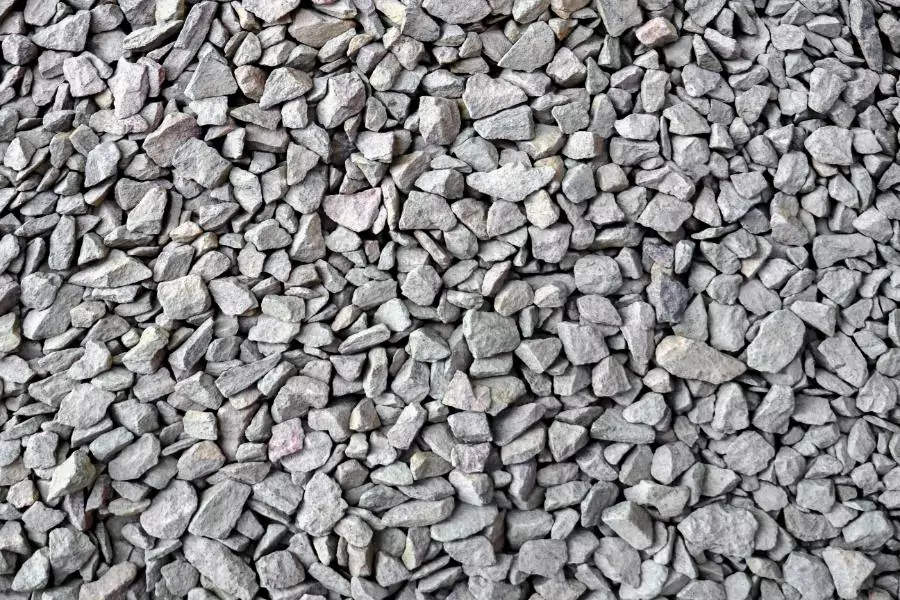
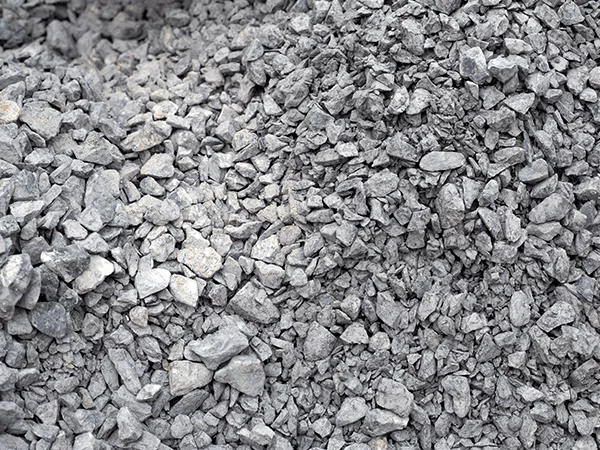


Gravel Monkey delivers premium aggregates and construction materials throughout Prewitt, New Mexico, serving the high desert communities of McKinley County. Whether you're building a driveway along Route 66, creating erosion control near the Rio Puerco Valley, or landscaping your property in this rugged terrain, we provide free delivery of quality gravel, stone, sand, and soil directly to your location. Our materials are specifically selected to withstand the extreme temperature swings, low rainfall, and harsh winds characteristic of the New Mexico high desert at 6,600 feet elevation.
Premium Aggregates & Materials Available in Prewitt
We stock a comprehensive selection of aggregates and construction materials suitable for Prewitt's unique climate and soil conditions:
- Driveway Gravel - Durable base material engineered for long-lasting driveways in high desert conditions
- 3/4 inch Crushed Stone - Versatile angular aggregate for drainage, foundations, and compaction projects
- #57 Stone - Clean drainage stone perfect for French drains and foundation perimeters
- Crusher Run - Superior compactable base for roads and driveways that locks together firmly
- Road Base - Heavy-duty aggregate mixture for stable road construction and parking areas
- Decomposed Granite - Natural desert material ideal for xeriscaping and southwestern landscaping
- Pea Gravel - Smooth rounded stone for decorative landscaping and ground cover
- River Rock - Polished natural stone in multiple sizes for water features and landscape accents
- Drain Rock - Washed angular stone specifically sized for optimal drainage systems
- Crushed Concrete - Eco-friendly recycled aggregate for budget-conscious base projects
- Topsoil - Amended soil blend suitable for gardening in high desert conditions
- Fill Dirt - Screened fill material for grading, leveling, and construction sites
- Mason Sand - Fine-grade sand for mortar mixing and masonry applications
- Washed Sand - Clean multipurpose sand for concrete, paver bases, and construction
- Playground Sand - Safe, certified sand for children's play areas and sandboxes
- Walkway Gravel - Comfortable walking surface aggregate for paths and garden trails
Serving All Prewitt-Area Locations
Gravel Monkey provides free aggregate delivery throughout Prewitt and surrounding McKinley County communities. We regularly deliver to properties along Historic Route 66, near Interstate 40 corridors, throughout the Rio Puerco Valley, along tribal land boundaries, in the Continental Divide area, and to ranches scattered across the high desert plateau. Our service extends to nearby Thoreau, Grants, Milan, Bluewater, and throughout western New Mexico, ensuring rural properties receive the same quality materials and service as those in more populated areas.
The Prewitt region sits in a transitional zone where the Colorado Plateau meets the Rio Grande Valley, creating unique geological conditions. The predominantly sandy loam and clay loam soils derived from Cretaceous sandstone and Mancos Shale require proper aggregate selection for successful construction projects. Understanding these local soil characteristics helps us recommend the right materials for drainage, compaction, and stability in your specific location.
High Desert Climate Considerations for Prewitt Projects
Prewitt experiences a cold semi-arid climate with dramatic temperature variations that significantly impact aggregate performance and construction requirements. Summer temperatures frequently exceed 90 degrees Fahrenheit while winter nights regularly drop below freezing, creating over 100-degree temperature swings throughout the year. This extreme thermal cycling causes expansion and contraction in soil and construction materials, making proper aggregate base selection critical for long-term project success.
Annual precipitation averages just 10 to 12 inches, with much of that concentrated during July and August monsoon storms. These intense rainfall events on dry, compacted soil create flash flooding and erosion challenges that require proper drainage solutions. Wind erosion is another constant factor in this exposed high desert environment, with sustained winds and occasional dust storms affecting unprotected surfaces. Successful projects in Prewitt incorporate aggregates that provide excellent drainage during brief intense storms while resisting wind displacement during dry periods.
Soil Composition and Foundation Requirements
The native soils around Prewitt consist primarily of alkaline sandy clay and silty clay derived from weathered Cretaceous formations. These soils exhibit moderate to high plasticity when wet and become extremely hard when dry. The high clay content causes significant expansion when moisture is present and substantial shrinkage during extended dry periods. This expansive soil behavior necessitates deep, well-compacted aggregate bases for driveways, foundations, and structural applications to prevent settling and cracking.
The underlying geology includes layers of Mancos Shale, Dakota Sandstone, and Morrison Formation deposits, with occasional volcanic rock from the nearby Zuni Mountains visible in the landscape. This geological diversity means soil conditions can vary significantly even within small areas. Professional site evaluation combined with appropriate aggregate selection ensures your project performs reliably despite these variable subsurface conditions.
Choosing the Right Aggregates for Prewitt Applications
Driveway and Road Construction
Driveways in Prewitt require robust aggregate bases to handle temperature extremes, occasional heavy monsoon runoff, and the abrasive effects of windblown sand. Our crusher run provides the ideal solution, creating a compactable base that locks together to prevent rutting and settling. For the surface layer, 3/4 inch crushed stone offers excellent drainage while maintaining a solid driving surface. Many Prewitt property owners also appreciate the aesthetic and functional benefits of decomposed granite as a finished driveway surface, which complements the natural desert landscape while providing good traction and minimal maintenance.
Long rural driveways common in the area benefit from road base as a foundation layer, topped with driveway gravel for the traveled surface. This two-layer approach distributes weight effectively, manages water runoff during storms, and reduces maintenance requirements. Properties near the Interstate 40 corridor with heavier traffic loads may require additional depth and compaction to ensure long-term durability.
Drainage and Erosion Control
Despite low annual rainfall, monsoon storms create significant drainage challenges when inches of rain fall within hours on hard-packed desert soil. Proper drainage solutions prevent property damage, foundation undermining, and soil erosion. Our #57 stone excels in French drain applications, providing void space for rapid water movement while filtering out fines that could clog the system. For surface drainage swales and erosion control, larger drain rock maintains flow capacity even during peak runoff events.
Properties in the Rio Puerco Valley and along seasonal drainages require particularly robust erosion control measures. Strategically placed aggregates channel water safely away from structures while preventing gully formation. The angular nature of crushed stone products interlocks to resist displacement even during high-velocity water flow, making them superior to rounded gravels for erosion-prone areas.
Landscaping in Desert Conditions
Xeriscaping and desert-adapted landscaping are both practical and beautiful in Prewitt's arid climate. Decomposed granite serves as an excellent mulch alternative, suppressing weed growth while retaining minimal moisture, allowing it to percolate to plant roots. Its natural tan to reddish color complements native vegetation and requires no maintenance beyond occasional raking. For decorative accents, river rock and pea gravel create attractive borders, dry creek beds, and focal points that enhance desert landscapes without requiring irrigation.
Walkway gravel provides comfortable, permeable surfaces for garden paths and recreational trails. Unlike solid paving, these aggregate surfaces allow rainfall to infiltrate naturally, reducing runoff while creating attractive, functional outdoor spaces. The proper aggregate selection transforms stark desert properties into inviting landscapes while respecting water conservation principles essential in this semi-arid environment.
| Aggregate Type | Best Applications | Drainage Rating | Desert Climate Performance |
|---|---|---|---|
| Crusher Run | Driveway base, road construction | Good | Excellent compaction, heat stable |
| 3/4 Inch Crushed Stone | General purpose, driveways, drainage | Excellent | Wind resistant, thermally stable |
| #57 Stone | French drains, foundation drainage | Excellent | Maintains voids in extreme temps |
| Road Base | Heavy traffic areas, parking lots | Good | Superior load distribution |
| Decomposed Granite | Xeriscaping, natural driveways | Moderate | Perfect for desert aesthetics |
| Drain Rock | Subsurface drainage, erosion control | Excellent | Handles monsoon flash floods |
| Pea Gravel | Decorative landscaping, ground cover | Good | Low maintenance, heat reflective |
| Crushed Concrete | Budget base layer, temporary roads | Good | Compacts well, economical |
Common Aggregate Projects in Prewitt
Residential Driveways and Access Roads
Many Prewitt properties feature long access roads connecting to Route 66 or rural county roads. These require durable aggregate bases capable of handling daily use, occasional heavy loads, and extreme weather without excessive maintenance. A typical residential driveway installation begins with 6 to 8 inches of compacted crusher run providing a stable foundation. This base layer accommodates the expansive clay soils common in the area while providing proper drainage. The surface layer uses 3 to 4 inches of driveway gravel or crushed stone, creating a solid, attractive driving surface.
Properties along the tribal land boundaries and in outlying areas often need extended driveways spanning hundreds of feet. These longer installations benefit from proper grading to manage water runoff and prevent erosion channels. Strategic placement of culverts with drain rock backfill ensures water crosses under rather than washing over the driveway surface during monsoon storms.
Ranch and Agricultural Applications
Ranching operations common throughout McKinley County require various aggregates for corrals, livestock pens, equipment yards, and access roads. Well-drained surfaces prevent mud during wet periods and reduce dust during dry conditions. Road base provides excellent solutions for heavy equipment areas, compacting into a firm surface that supports loaded trailers and machinery. For livestock areas, washed sand or finer crushed stone creates comfortable, fast-draining surfaces that promote animal health.
Water management on ranch properties often involves creating berms, swales, and detention basins using fill dirt shaped to control runoff patterns. Properly graded areas lined with crushed stone prevent erosion while directing water to storage tanks or stock ponds, maximizing the benefit of limited rainfall.
Commercial and Industrial Sites
Businesses along Interstate 40 and in the Prewitt area require robust parking areas, loading zones, and yard surfaces. Commercial applications demand heavier base depths and superior compaction compared to residential projects. Road base up to 12 inches thick provides the foundation for areas supporting loaded semi-trucks and heavy equipment. Surface layers of larger crushed stone resist rutting under point loads while maintaining drainage capacity.
Industrial yards benefit from crushed concrete as an economical base material for areas requiring firm surfaces but not needing the structural capacity of primary traffic zones. This recycled aggregate compacts well, provides adequate drainage, and offers significant cost savings for large-area coverage.
Aggregate Installation Best Practices for Prewitt
Site Preparation and Grading
Successful aggregate installations begin with proper site preparation adapted to Prewitt's soil conditions and climate. Excavate the area to the required depth, removing any organic material, vegetation, or unsuitable soil. In areas with expansive clay, excavation depths typically increase to ensure adequate aggregate thickness prevents soil movement from affecting the finished surface. Compact the subgrade thoroughly before aggregate placement, especially important in clay soils that must be at optimal moisture content for proper compaction.
Grade the site to ensure positive drainage away from structures, typically maintaining a 2 percent slope minimum for water runoff. In flat areas common across the high desert plateau, creating slight crowns or swales becomes essential for directing monsoon runoff. Consider the prevailing wind direction when planning grades and surfaces, as proper orientation reduces dust and wind erosion.
Compaction and Layer Thickness
Proper compaction is critical in Prewitt's expansive soils and extreme temperature environment. Compact aggregate bases in lifts no thicker than 4 to 6 inches, with each layer receiving thorough compaction before adding the next. Use mechanical compaction equipment appropriate to the project scale—plate compactors for small areas, jumping jack tampers for confined spaces, and vibratory rollers for larger driveways and roads.
During the hot summer months, water the aggregate lightly before compaction to achieve optimal density. The dry desert air causes rapid evaporation, so timing is important. Conversely, avoid compaction during winter months when frozen ground prevents proper densification. Spring and fall provide ideal conditions for aggregate installation and compaction in the Prewitt area.
Drainage Integration
Every aggregate project should include drainage considerations given the region's clay soils and intense monsoon rainfall. Install subsurface drainage systems using drain rock or #57 stone in trenches along the upslope edge of driveways and around building foundations. These French drain systems intercept water before it can saturate expansive soils or undermine aggregate bases. Wrap drain rock in geotextile fabric to prevent fines from clogging the system over time.
For surface drainage, create defined channels lined with larger crushed stone to convey water away from critical areas. In the Rio Puerco Valley and other low-lying areas prone to sheet flooding during heavy rains, elevate driveways and building pads above surrounding grades using additional fill dirt and aggregate bases.
Estimating Aggregate Quantities for Your Prewitt Project
Accurate material estimates prevent costly shortages or excess deliveries. Calculate the area of your project in square feet by multiplying length times width. Convert your desired depth from inches to feet by dividing by 12. Multiply area times depth to get cubic feet, then divide by 27 to convert to cubic yards—the standard measurement for aggregate ordering.
For example, a driveway 12 feet wide by 100 feet long needs a 4-inch base layer: (12 × 100 = 1,200 square feet) × (4 ÷ 12 = 0.333 feet) = 400 cubic feet ÷ 27 = 14.8 cubic yards. Round up to 15 cubic yards to account for compaction and minor spillage. For two-layer installations, calculate each layer separately and add the totals.
Compaction factors vary by aggregate type. Crusher run and road base typically require 15 to 20 percent additional material to account for compaction. Larger, single-sized stones like #57 stone or drain rock need minimal overage as they compact less. Our team helps calculate precise quantities based on your specific project requirements and the unique conditions of your Prewitt property.
Frequently Asked Questions About Aggregates in Prewitt
Crusher run provides the best driveway base in Prewitt due to excellent compaction in expansive clay soils. Top with 3/4 inch crushed stone for the driving surface, or use decomposed granite for a natural desert appearance. This combination handles temperature extremes and provides proper drainage during monsoon season.
Residential driveways typically require 6 to 8 inches of compacted base aggregate due to expansive clay soils. Commercial areas and heavy equipment zones need 10 to 12 inches. Properties with particularly problematic soils may require geotextile fabric and deeper bases. Our team assesses your specific site conditions to recommend appropriate depths.
Spring (April to May) and fall (September to October) offer ideal conditions for aggregate installation in Prewitt. These periods provide moderate temperatures and lower wind speeds. Avoid July and August due to monsoon storms, and winter months when frozen ground prevents proper compaction. Summer heat makes working conditions challenging though projects can proceed with proper hydration and timing.
Yes, drainage is essential in Prewitt despite low annual rainfall. Monsoon storms deliver intense rainfall that overwhelms surface infiltration on clay soils. Install French drains using #57 stone or drain rock along upslope edges and around foundations. Grade surfaces for positive runoff and create defined drainage channels to protect your investment.
Aggregates refer to crushed stone, gravel, and sand used primarily for structural and drainage applications like driveways, roads, and foundations. While some aggregates like pea gravel and river rock serve decorative purposes, the term emphasizes load-bearing and functional properties rather than purely aesthetic uses. Most construction and property improvement projects in Prewitt rely heavily on various aggregates.
Crushed concrete works well for base layers, secondary roads, and utility areas in Prewitt. It compacts effectively and costs less than crushed stone. However, it produces more fines over time and may not provide the same long-term performance as crushed stone in primary driveways or high-traffic areas. Many property owners use crushed concrete for bases and crushed stone for surface layers, optimizing both performance and budget.
Use angular crushed stone rather than rounded gravel, as the irregular shapes interlock to resist wind displacement. Proper compaction is critical—well-compacted surfaces resist erosion far better than loose materials. For decorative areas, consider slightly larger stone sizes that wind cannot easily move. Decomposed granite compacts into a relatively wind-resistant surface when properly installed. Strategic landscaping with native plants also creates windbreaks protecting vulnerable areas.
Absolutely! We deliver free to rural properties throughout the Prewitt area, including ranches along the Rio Puerco Valley, properties near Continental Divide, and locations along Route 66 and Interstate 40. Distance from town centers does not affect our service commitment or delivery charges. We regularly serve remote McKinley County locations with the same quality materials and service as town properties.
Sustainable Aggregate Practices in Prewitt
Environmental stewardship aligns naturally with practical construction in Prewitt's fragile desert ecosystem. Properly installed aggregates reduce erosion, minimize dust, and manage limited water resources effectively. Crushed concrete recycling diverts demolition waste from landfills while providing functional construction material. This sustainable alternative performs well in many applications while reducing the environmental impact of new stone quarrying.
Permeable aggregate surfaces allow rainfall infiltration rather than creating runoff that carries sediment and pollutants to arroyos and the Rio Puerco. This infiltration recharges aquifers—critical in a region where groundwater represents the primary water source. Native vegetation established around aggregate installations stabilizes soils, provides wildlife habitat, and reduces maintenance requirements compared to traditional landscaping approaches inappropriate for the high desert environment.
Choosing local aggregates whenever possible reduces transportation impacts and supports regional economies. New Mexico produces excellent crushed stone, sand, and gravel suitable for virtually all construction applications. Using these regional materials rather than imported products reduces project costs while minimizing the carbon footprint of long-distance hauling.
Maintaining Aggregate Installations in Prewitt
Well-installed aggregate surfaces require minimal maintenance in Prewitt's dry climate, but periodic attention extends their lifespan and preserves appearance. Rake crushed stone driveways annually to redistribute material and maintain even surfaces. Windblown sand and dust accumulation on aggregate surfaces should be periodically removed by raking or light rinsing to preserve drainage capacity and appearance.
Inspect drainage systems before monsoon season each summer, clearing any accumulated debris from culverts, drainage channels, and French drains. Heavy rainfall events can deposit sediment that clogs drainage features, so prompt cleaning after significant storms prevents long-term problems. Address any erosion or rutting immediately by adding fresh aggregate and re-compacting affected areas before damage spreads.
Weed control remains easier in desert conditions than humid climates, but opportunistic plants still emerge in aggregate surfaces after rainfall. Hand-pull weeds while small or apply appropriate herbicides to prevent root systems from disrupting compacted bases. Some property owners install landscape fabric beneath decorative aggregates, though this is less practical for driveways and functional surfaces requiring periodic refreshing.
Plan to add fresh surface aggregate every few years as normal use and weathering gradually deplete the top layer. This periodic refreshing maintains appearance and drainage function far more economically than allowing deterioration to reach the base layers. For high-traffic areas, annual inspection and selective topping maintain consistent performance with minimal expense.
Why Prewitt Residents Choose Gravel Monkey
Gravel Monkey understands the unique challenges of construction and landscaping in Prewitt's high desert environment. Our aggregates are selected specifically for performance in expansive clay soils, extreme temperature swings, and arid conditions. We stock materials ranging from heavy-duty road base for commercial applications to decorative river rock for xeriscaping, ensuring one supplier meets all your aggregate needs.
Free delivery throughout Prewitt and surrounding McKinley County means no hidden charges or surprise fees. Whether your project sits along Historic Route 66, in the Rio Puerco Valley, or on a remote ranch, delivery is included. Our experienced team provides quantity estimates, material recommendations, and installation guidance specific to your site conditions and project requirements.
Quality aggregates properly installed transform Prewitt properties, creating durable driveways, effective drainage systems, and attractive landscapes adapted to desert conditions. We supply materials that perform reliably for decades when installed correctly, representing true value beyond initial cost. Our commitment extends beyond delivery to ensuring your project success through expert advice and consistent product quality.
Get Started on Your Prewitt Aggregate Project
Transform your Prewitt property with quality aggregates delivered free directly to your site. Whether you're building a new driveway along Route 66, improving ranch roads, creating desert landscaping, or solving drainage challenges, Gravel Monkey provides the materials and expertise your project requires. Our team understands McKinley County conditions and recommends aggregates proven to perform in the high desert environment.
Contact Gravel Monkey today to discuss your project needs, receive accurate quantity estimates, and schedule your free delivery. We serve Prewitt, Thoreau, Grants, Milan, Continental Divide, and throughout western New Mexico with premium aggregates backed by knowledgeable service. Let us help you select the right materials for lasting results in New Mexico's challenging but beautiful high desert.

Need help? Reach out for a quote: