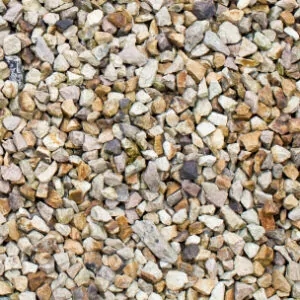
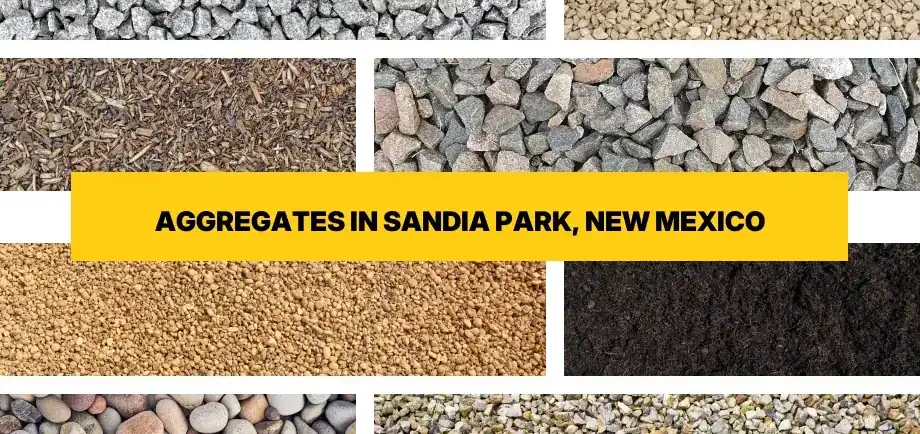
Gravel for Sale in Sandia Park, New Mexico
Local Topsoil, Dirt, Sand, Rocks and Gravel near me in Sandia Park, New Mexico
Shop Aggregates for Delivery in Sandia Park
Order online for free delivery to any Sandia Park address.
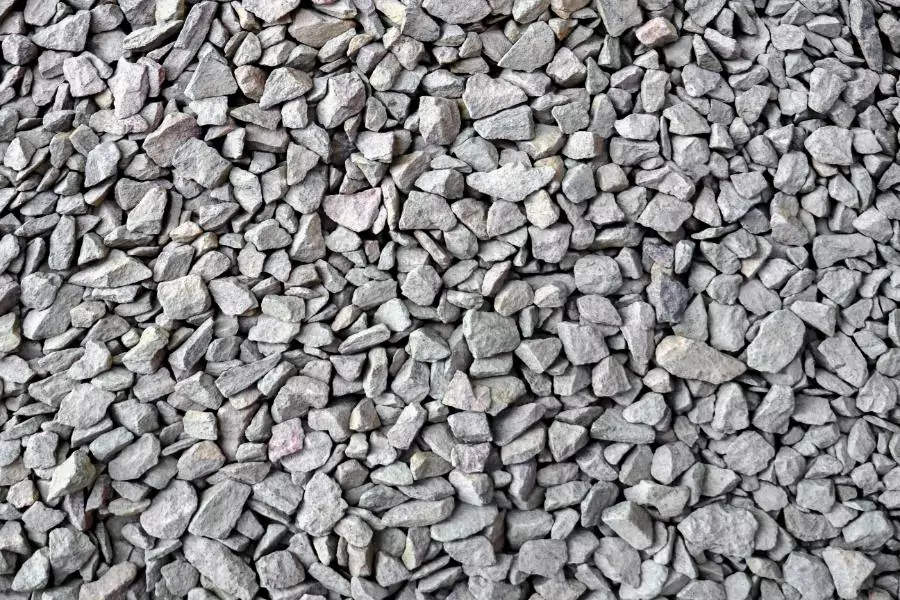
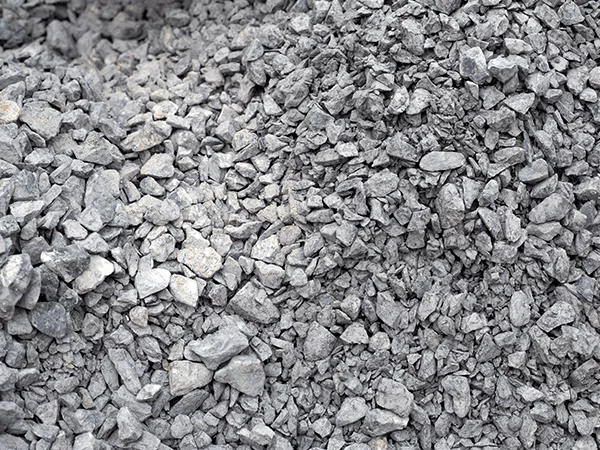


Gravel Monkey provides premium aggregate delivery throughout Sandia Park, New Mexico, serving the East Mountains community with quality materials for mountain properties. Whether you're building a driveway in Cedar Crest, creating drainage solutions near Paa-Ko Ridge, or landscaping your property in the Sandia Heights East area, we deliver superior aggregates and materials directly to your location with free delivery throughout the region.
Complete Range of Aggregates Available in Sandia Park
Living at 7,000 feet elevation in the Sandia Mountains requires materials that can handle extreme temperature swings, low humidity, and unique volcanic soils. Gravel Monkey supplies a comprehensive selection of aggregates specifically suited for East Mountains properties:
- Driveway Gravel - Engineered for mountain roads with steep grades and seasonal weather
- 3/4 Inch Crushed Stone - Versatile aggregate for foundations and drainage systems
- #57 Stone - Popular size for French drains and concrete projects
- Road Base - Compactable base material essential for stable mountain driveways
- Crusher Run - Excellent all-purpose base that locks together firmly
- Decomposed Granite - Natural southwestern material perfect for paths and xeriscaping
- Pea Gravel - Smooth stones ideal for decorative landscaping
- River Rock - Beautiful natural stones for water features and gardens
- Drain Rock - Critical for managing snowmelt and monsoon runoff
- Topsoil - Nutrient-rich soil for mountain gardens and raised beds
- Fill Dirt - Quality material for grading and leveling properties
- Crushed Concrete - Eco-friendly recycled aggregate for base applications
Why Sandia Park Properties Need Specialized Aggregates
Sandia Park sits on the western slope of the Sandia Mountains at elevations ranging from 6,800 to 7,500 feet. The area's unique geology, formed by ancient volcanic activity, creates distinctive challenges for construction and landscaping projects.
The volcanic tuff and pumice soils throughout Sandia Park and neighboring Tijeras drain rapidly, which benefits properties during summer monsoons but requires proper aggregate selection for stable foundations. Winter temperatures regularly drop below freezing, with freeze-thaw cycles demanding materials that resist frost heave and maintain structural integrity through seasonal changes.
Properties near Gutierrez Canyon and along Frost Road face additional challenges from steep terrain and erosion. The clay content in some areas of Cedar Crest expands when wet, making proper drainage systems with quality aggregates essential for long-term structural stability.
Climate Considerations for Material Selection
Sandia Park experiences approximately 16 inches of annual precipitation, with summer monsoons bringing intense afternoon storms and winter snowfall accumulating 30-40 inches per year. Temperature extremes range from below 0°F in winter to above 85°F in summer, creating significant expansion and contraction in materials.
The high elevation means intense UV exposure and low humidity averaging just 40%, which affects how materials weather and perform over time. These conditions make aggregate selection particularly important for driveways, foundations, and landscaping features throughout the East Mountains.
Choosing the Right Aggregate for Your Sandia Park Project
Different projects throughout the East Mountains require specific materials. Understanding aggregate properties helps ensure successful outcomes for mountain properties.
| Material Type | Best Applications | Drainage Rating | Mountain Climate Suitability |
|---|---|---|---|
| 3/4" Crushed Stone | Driveways, foundations, drainage | Excellent | Superior - resists frost heave |
| Road Base | Driveway base, parking areas | Very Good | Excellent - compacts firmly |
| Decomposed Granite | Paths, xeriscape, natural look | Good | Very Good - retains moisture |
| Pea Gravel | Landscaping, decorative areas | Excellent | Good - may shift in wind |
| Drain Rock | French drains, foundation drainage | Superior | Excellent - handles runoff |
| Crusher Run | Base layers, road building | Very Good | Excellent - locks together |
Mountain Driveway Solutions for Sandia Park Properties
Driveways in Sandia Park face unique challenges from elevation, grade, and weather. Many properties along Highway 14 and throughout the Sandia Mountain Ranch area have steep approaches requiring materials that provide traction and resist washout during summer monsoons.
The ideal driveway in this region starts with a solid base layer. Crusher run creates an excellent foundation that compacts tightly and resists movement even on sloped terrain. This base layer should be 4-6 inches deep for residential driveways and deeper for properties with heavy vehicle traffic or steep grades.
For the surface layer, most Sandia Park homeowners choose between crushed stone and dedicated driveway materials. The three-quarter inch size provides the optimal balance of stability and drainage, while the angular edges lock together to prevent displacement. Properties near La Madera and Frost Road particularly benefit from this combination, as it handles both summer runoff and winter snowmelt effectively.
Addressing Steep Grades and Erosion
Many driveways in Cedar Crest and higher elevation areas of Sandia Park climb significant grades. These steep approaches need additional erosion control measures. Installing walkway gravel along drainage swales directs water away from the driving surface, while proper compaction of base materials prevents rutting and washboarding.
For properties with extreme slopes near Gutierrez Canyon, consider terracing the driveway with retaining walls or creating switchbacks. Using compacted road base between terraces provides a stable surface that won't shift during weather events. The volcanic soil's natural drainage helps, but proper aggregate installation remains critical for long-term durability.
Essential Drainage Systems for East Mountains Properties
Summer monsoons in Sandia Park can drop an inch of rain in less than an hour, creating sudden runoff that challenges poorly drained properties. Winter snowmelt adds another dimension, with slow, steady water movement potentially causing foundation problems if not properly managed.
French drains remain the most effective solution for properties throughout the area. These systems use #57 stone surrounding perforated pipe to capture and redirect water away from structures. The stone's uniform size creates optimal void space for water movement while preventing soil infiltration that could clog the system.
Properties near Paa-Ko Ridge and the Sandia Heights East area often need extensive drainage systems due to terrain contours that concentrate water flow. Installing drain rock around foundations, beneath driveways, and along property borders protects buildings from water damage while preventing erosion that could undermine structures.
Retaining Wall Drainage
Many Sandia Park properties use retaining walls to manage steep terrain. These walls require proper backfill to prevent water pressure buildup that could cause failure. Using drainage aggregates behind retaining walls allows water to percolate down to perforated drain pipes at the base, eliminating hydrostatic pressure while stabilizing the soil.
Southwestern Landscaping Materials for Mountain Gardens
The natural beauty of Sandia Park inspires landscaping that complements the surrounding ponderosa pine forests and high desert vegetation. Decomposed granite has become increasingly popular throughout the area for its natural appearance and practical benefits in the arid mountain environment.
This material stabilizes quickly, creates a semi-permeable surface that allows water infiltration, and provides a warm, earthy appearance that blends beautifully with native landscaping. Properties along Piedra Lisa Trail and throughout the Cedar Creek area particularly benefit from decomposed granite paths and patios that feel natural in the mountain setting.
For garden beds and decorative features, river rock adds visual interest while providing excellent weed suppression. The stones come in various sizes, from small pebbles to larger rocks several inches across. These aggregates work particularly well around native plants, creating low-maintenance landscapes that thrive in Sandia Park's climate.
Xeriscaping with Aggregates
Water conservation matters throughout New Mexico, and Sandia Park's elevation makes irrigation even more challenging. Xeriscaping with appropriate aggregates reduces water needs while creating attractive outdoor spaces. Combining pea gravel with larger river rocks creates textural variety and visual interest without requiring irrigation systems.
Many properties near Turkey Track Road and along the mountain slopes use mason sand beneath pavers and flagstones, creating stable bases for outdoor living spaces. The sand allows water infiltration while providing a level surface that resists settling, even through winter freeze-thaw cycles common at this elevation.
Foundation and Construction Aggregates for Mountain Building
Building in Sandia Park requires attention to the unique volcanic soils and freeze-thaw conditions. Foundation work throughout the East Mountains demands quality aggregates that provide drainage, prevent heaving, and create stable bases for structures.
Most builders start with fill dirt for rough grading, establishing proper drainage patterns away from building sites. The fill must be compacted in lifts, with each layer properly settled before adding the next. This methodical approach prevents future settling that could crack foundations or create drainage problems.
Once grading establishes the proper elevation and slope, the foundation base uses crushed stone or road base. These materials compact to a firm surface while providing excellent drainage beneath foundation footings. The angular particles lock together, resisting movement even through seasonal temperature changes that affect properties throughout Cedar Crest and beyond.
Concrete Mixing and Aggregate Delivery
Contractors working on projects throughout Sandia Park appreciate reliable aggregate delivery for concrete mixing. #57 stone serves as excellent aggregate for concrete projects, from foundation pours to decorative patios. The uniform sizing ensures consistent mixing and proper aggregate distribution throughout the concrete matrix.
For larger projects requiring significant volumes, we coordinate deliveries to maintain construction schedules. Whether you're building near La Madera or working on a project in the Sandia Mountain Ranch area, consistent aggregate supply keeps work moving efficiently through New Mexico's limited construction season.
Specialized Sand Products for Mountain Projects
Different projects throughout Sandia Park require specific sand types. Understanding these variations ensures proper material selection for each application.
Mason sand provides the ideal texture for masonry work, mixing mortar, and creating level bases beneath pavers. Its fine, consistent texture allows for smooth application and proper bonding in masonry projects. Many stone patios and retaining walls throughout the area rely on quality mason sand for structural integrity.
For families with children, playground sand creates safe play areas that soften falls while draining well after rain or snow. The rounded grains provide a soft texture without sharp edges, and proper depth over compacted base provides excellent impact absorption for play equipment.
When projects require clean sand for specialized applications, washed sand offers consistent quality free from clay and organic material. This material works well for sandboxes, equestrian arenas, and applications where purity matters. Properties throughout Tijeras and Cedar Crest use washed sand for various recreational and construction applications.
Serving East Mountains Communities
Gravel Monkey delivers premium aggregates throughout Sandia Park and the surrounding East Mountains region. We know the unique needs of properties in each area:
Cedar Crest properties along Highway 14 often need materials for long driveways and erosion control. The area's mixture of volcanic soil and clay pockets requires careful drainage planning with quality aggregates.
Sandia Heights East sits at higher elevation where freeze-thaw cycles intensify. Foundations and driveways in this neighborhood benefit from aggregates that resist frost heave and provide superior drainage during snowmelt.
Paa-Ko Ridge features spectacular views and challenging terrain. Properties here require materials that perform on steep slopes while maintaining aesthetic appeal in this upscale community.
Tijeras represents the southern portion of the service area, where properties often need materials for equestrian facilities, larger parcels, and rural homesteads that require substantial aggregate volumes.
Turkey Track area encompasses properties on the mountain's east side, where longer driveways and remote locations demand durable materials that minimize maintenance needs.
Gutierrez Canyon properties face erosion challenges from steep terrain and concentrated water flow during storms. Specialized drainage solutions using proper aggregates protect these properties from water damage.
Frost Road corridor includes both residential and small ranch properties that benefit from bulk aggregate delivery for various projects, from driveway maintenance to arena construction.
Sustainable Aggregate Options for Eco-Conscious Projects
Many Sandia Park property owners appreciate sustainable building practices that reduce environmental impact. Crushed concrete provides an excellent recycled alternative for base applications, offering comparable performance to virgin aggregates while diverting material from landfills.
This recycled material works particularly well for driveway bases, sub-grade applications, and non-visible installations where appearance matters less than performance. The crushed concrete compacts well and provides good drainage characteristics, making it suitable for many applications throughout the East Mountains.
Properties focused on sustainable landscaping also benefit from decomposed granite, which requires minimal processing and blends naturally with the local environment. This material supports the native landscape aesthetic many homeowners seek while providing practical benefits for paths, patios, and garden areas.
Seasonal Planning for Aggregate Projects in Sandia Park
New Mexico's elevation affects project timing throughout the year. Understanding seasonal considerations helps ensure successful outcomes for aggregate installations.
Spring brings snowmelt that can create muddy conditions, particularly in areas with clay soil content. Starting projects after the ground dries but before summer heat arrives provides ideal working conditions. This window, typically April through early June, allows proper compaction of base materials before monsoon season begins.
Summer monsoons, usually arriving in early July and continuing through September, create afternoon storms that can interrupt work. However, the intense sun and low humidity mean morning work progresses well, and materials dry quickly between storm events. Many contractors schedule concrete pours and major earthwork during this season despite the rain, as the storms typically follow predictable afternoon patterns.
Fall offers excellent conditions for aggregate projects, with comfortable temperatures and generally dry weather from October through early November. This season provides the last opportunity for major projects before winter arrives, and many property owners schedule driveway improvements during this period.
Winter in Sandia Park can halt outdoor work when snow covers the ground and temperatures remain below freezing for extended periods. However, mild periods between storms provide opportunities for material delivery and staging, allowing projects to begin quickly when spring returns.
Frequently Asked Questions About Aggregates in Sandia Park
Three-quarter inch crushed stone provides excellent performance at high elevation, resisting frost heave while maintaining stability through freeze-thaw cycles. Pair it with a compacted road base foundation for optimal durability on mountain properties. The angular edges lock together while allowing drainage of snowmelt and rain.
Measure the length and width of your area in feet, then multiply by the desired depth in feet. Divide by 27 to convert to cubic yards. For example, a driveway 50 feet long by 12 feet wide at 4 inches deep needs about 7.5 cubic yards. Our team can help verify calculations for your specific Sandia Park project.
Sandia Park's volcanic tuff and pumice soils drain rapidly, which generally benefits properties during monsoons. However, some areas have clay pockets that hold water. Installing proper drainage aggregate around foundations prevents water accumulation regardless of soil type. French drains with drain rock effectively manage both monsoon runoff and winter snowmelt.
Yes, we deliver throughout Sandia Park, Cedar Crest, Tijeras, and the entire East Mountains region. Our experienced drivers regularly navigate mountain roads and steep driveways. We coordinate delivery timing to ensure access during favorable weather conditions, particularly important during winter months or monsoon season.
Both materials create excellent driveway bases, but road base typically includes finer particles that compact extremely well, while crusher run contains slightly larger aggregate pieces. For steep Sandia Park driveways, crusher run may provide better surface traction, while road base excels for heavily trafficked areas needing maximum compaction. Both resist erosion and handle freeze-thaw cycles effectively.
Absolutely. Decomposed granite performs beautifully in our high desert mountain environment. It stabilizes quickly, provides natural appearance that complements the landscape, and allows water infiltration while resisting erosion. The material handles freeze-thaw cycles well and requires minimal maintenance, making it ideal for paths, patios, and xeriscape designs throughout the East Mountains.
High elevation means more intense freeze-thaw cycles, requiring aggregates that resist frost heave. The thin atmosphere increases UV exposure, affecting some materials over time. Lower humidity means less water retention in soils, making proper drainage critical during monsoons. Choose angular crushed aggregates over rounded materials for structural applications, as they interlock better and resist movement through seasonal changes common at 7,000 feet.
Most mountain properties benefit from French drains around foundations, proper driveway drainage to handle snowmelt, and erosion control on slopes. Installing drain rock systems captures and redirects water before it causes problems. Summer monsoons and winter snow create significant water management challenges that proper aggregate systems address effectively, protecting foundations and preventing erosion on steep terrain common throughout the area.
Free Aggregate Delivery Throughout Sandia Park
Gravel Monkey provides complimentary delivery of all aggregates and landscaping materials to Sandia Park and the East Mountains area. Our experienced team understands mountain property challenges and can recommend materials suited to your specific elevation, terrain, and project requirements.
From driveway construction in Cedar Crest to drainage systems near Paa-Ko Ridge, xeriscaping in Tijeras to foundation work throughout the Sandia Heights East area, we supply the aggregates that perform in New Mexico's demanding mountain environment. Contact us today to discuss your project needs and schedule delivery to your Sandia Park property.

Need help? Reach out for a quote: