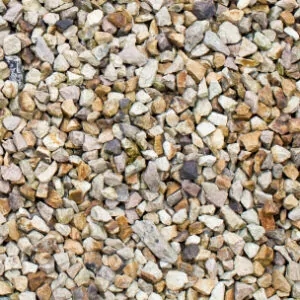
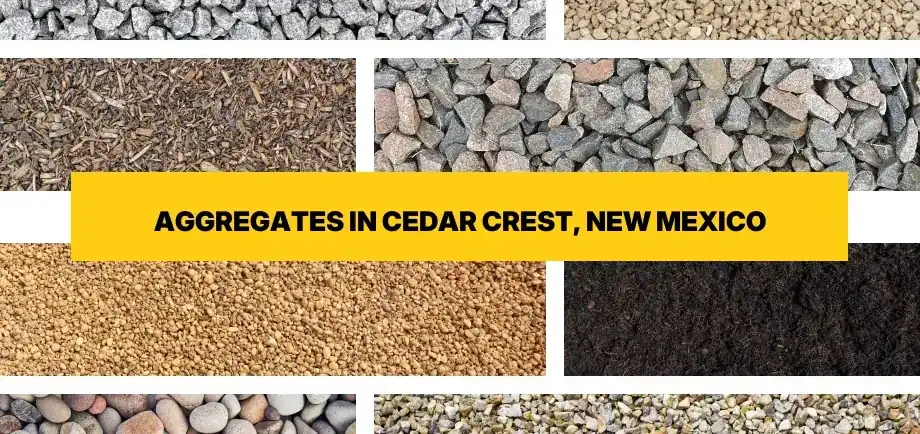
Buy Bulk Aggregates & Gravel in Cedar Crest, New Mexico
Local Topsoil, Dirt, Sand, Rocks and Gravel near me in Cedar Crest, New Mexico
Shop Aggregates for Delivery in Cedar Crest
Order online for free delivery to any Cedar Crest address.
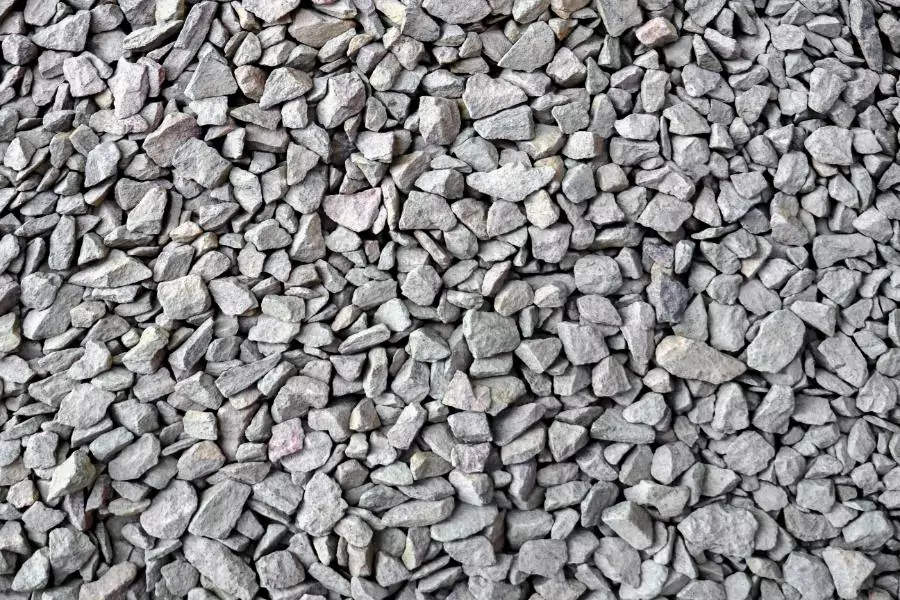
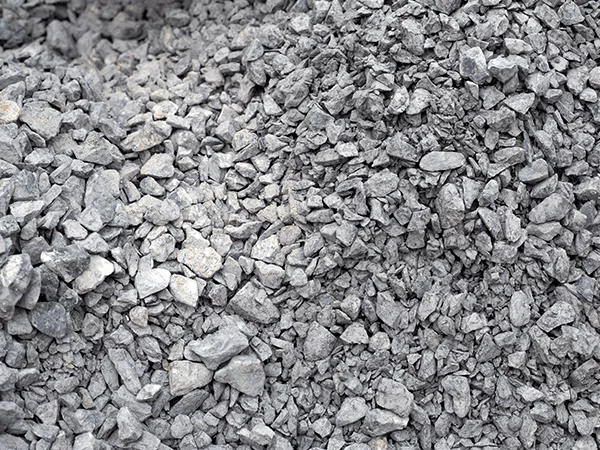


Gravel Monkey is your trusted source for high-quality aggregates and landscaping materials in Cedar Crest, New Mexico. Nestled in the scenic Sandia Mountain foothills at 6,800 feet elevation, Cedar Crest presents unique challenges for property owners, from expansive clay soils to dramatic seasonal weather shifts. Whether you're building a driveway along Highway 14, creating drought-tolerant landscaping in Paa-Ko Ridge, or addressing drainage issues near Sandia Heights, we deliver the right materials for your East Mountain property—absolutely free.
Comprehensive Aggregate Selection for Cedar Crest Properties
Cedar Crest's high-desert climate and unique geological conditions demand materials that can withstand temperature extremes, manage seasonal moisture, and complement the natural piñon-juniper landscape. Gravel Monkey provides a complete range of aggregates specifically suited for East Mountain projects:
- Driveway Gravel – Engineered for long-lasting driveways that handle freeze-thaw cycles
- 3/4 Inch Crushed Stone – Versatile angular aggregate ideal for bases and drainage
- #57 Stone – Clean washed stone perfect for drainage applications
- Road Base – Stabilizing material essential for mountain driveways
- Crusher Run – Compactable blend providing superior stability
- Decomposed Granite – Natural southwestern aesthetic for paths and patios
- Pea Gravel – Smooth rounded aggregate for decorative landscaping
- River Rock – Natural stone for xeriscaping and water features
- Walkway Gravel – Comfortable surface for garden paths and trails
- Drain Rock – Large aggregate for managing runoff and preventing erosion
- Topsoil – Nutrient-rich soil for establishing gardens at elevation
- Fill Dirt – Essential for grading and site preparation
- Crushed Concrete – Eco-friendly recycled base material
- Mason Sand – Fine sand for construction and masonry
- Playground Sand – Safe, clean sand for play areas
- Washed Sand – Clean sand for various construction applications
Understanding Cedar Crest's Unique Aggregate Needs
Cedar Crest's position along the eastern slopes of the Sandia Mountains creates distinctive challenges that require specialized aggregate solutions. The area's expansive clay soils, derived from weathered volcanic and sedimentary formations, expand dramatically when wet and contract during dry periods. This soil movement can wreak havoc on improperly prepared driveways, foundations, and hardscaping throughout neighborhoods like Oak Flats and Tierra Monte.
At nearly 7,000 feet elevation, Cedar Crest experiences temperature swings from below freezing winter nights to warm summer days exceeding 85°F. These freeze-thaw cycles stress inferior materials and improperly installed aggregates. Properties near the Cibola National Forest face additional considerations, including wildlife traffic, forest fire mitigation requirements, and watershed protection concerns.
Climate Factors Affecting Aggregate Performance
Cedar Crest receives approximately 15 inches of annual precipitation, with summer monsoons delivering intense afternoon thunderstorms from July through September. This concentrated rainfall can quickly overwhelm inadequate drainage systems, causing washouts and erosion on sloped properties common throughout Paa-Ko communities. Winter brings occasional snow and ice, particularly at higher elevations near Sandia Peak, requiring aggregates that maintain stability through repeated freeze-thaw cycles.
The area's high desert climate means rapid evaporation and low humidity most of the year, creating dusty conditions that affect material compaction and require proper moisture management during installation. Wind patterns funneling through mountain canyons can also redistribute lighter aggregates, making proper material selection crucial for long-term project success.
Driveway Aggregate Solutions for Mountain Properties
Cedar Crest driveways face unique challenges that distinguish them from typical urban installations. Many properties feature steep grades, extended lengths up to quarter-mile or longer, and exposure to dramatic weather shifts. The combination of expansive clay subsoils and elevation-related freeze-thaw cycles demands robust base preparation and appropriate aggregate selection.
Building Driveways That Last in the East Mountains
Successful driveway construction in Cedar Crest starts with proper excavation and subgrade preparation. Remove unstable clay to adequate depth, typically 12-18 inches for residential driveways. Install geotextile fabric to separate clay subsoil from base materials, preventing intermixing that compromises stability. A substantial layer of compacted base material creates the foundation for your driveway surface.
Many Cedar Crest properties along Highway 333 and surrounding roads benefit from a combination approach: substantial base layer topped with surface aggregate. This multi-layer strategy distributes loads effectively, manages moisture, and accommodates soil movement without surface failure. Proper crown or cross-slope ensures water sheds to sides rather than pooling or channeling down the driveway center.
Aggregate Options for East Mountain Driveways
For Cedar Crest driveways, angular aggregates perform better than rounded materials. The angular edges interlock when compacted, creating stable surfaces that resist displacement under vehicle traffic. Aggregate size matters: materials too large create uncomfortable driving surfaces, while oversized pieces don't compact effectively. Materials too small lack adequate drainage and can wash away during monsoon storms.
Properties in Sandia Heights and higher elevation areas benefit from additional drainage considerations. Install drainage swales or culverts at strategic intervals to prevent water concentration. Consider permeable approaches that allow water infiltration while maintaining surface stability, particularly important for watershed protection near forest boundaries.
Cedar Crest Aggregate Comparison Guide
Selecting the right aggregate for your Cedar Crest project depends on application, budget, and site conditions. This comprehensive comparison helps you choose appropriate materials:
| Aggregate Type | Best Applications | Drainage Rating | Compaction | Cedar Crest Suitability |
|---|---|---|---|---|
| Road Base | Driveway base, structural support | Excellent | Superior | Ideal for clay soil conditions |
| Crusher Run | Driveway surface, pathways | Very Good | Excellent | Perfect for steep grades |
| 3/4" Crushed Stone | Driveways, drainage, base layer | Excellent | Very Good | Versatile for most applications |
| #57 Stone | Drainage systems, French drains | Superior | Good | Essential for monsoon management |
| Decomposed Granite | Paths, patios, xeriscape areas | Good | Moderate | Complements natural landscape |
| Pea Gravel | Decorative landscaping, ground cover | Very Good | Poor | Best for flat areas |
| River Rock | Xeriscaping, decorative features | Excellent | None | Ideal for water-wise landscapes |
| Drain Rock | French drains, erosion control | Superior | Minimal | Critical for slope management |
| Crushed Concrete | Budget base material, rural roads | Very Good | Good | Cost-effective for long driveways |
Xeriscaping and Water-Wise Landscaping Aggregates
Cedar Crest's high-desert climate and water conservation priorities make xeriscaping not just environmentally responsible but practically essential. The combination of moderate precipitation, intense summer sun, and elevation-related temperature swings favors drought-tolerant landscapes that work with natural conditions rather than against them.
Creating Sustainable East Mountain Landscapes
Successful xeriscaping in Cedar Crest embraces the native piñon-juniper woodland aesthetic while reducing maintenance and water consumption. Stone mulches and aggregates play crucial roles in these water-wise landscapes, providing ground cover that suppresses weeds, moderates soil temperature, and reduces evaporation.
Decomposed granite offers particular advantages for Cedar Crest properties. This natural material compacts into stable surfaces for patios and pathways while maintaining permeability for water infiltration. The warm earth tones complement native vegetation and architectural styles common throughout Oak Flats and surrounding areas. Unlike organic mulches that decompose rapidly in intense sun and require frequent replacement, decomposed granite provides lasting performance with minimal maintenance.
Decorative Aggregate Applications
River rock creates striking visual contrasts in xeriscape designs throughout Tierra Monte and Paa-Ko Ridge neighborhoods. Available in various sizes and natural color ranges, river rock works beautifully around native plants, in dry creek beds that channel monsoon runoff, and as focal features in meditation gardens. The smooth rounded stones handle foot traffic well while discouraging weed growth.
Pea gravel provides comfortable walking surfaces for garden paths while maintaining excellent drainage. Its small size allows creative pattern work and easy installation around irregular spaces. In shaded areas under established trees or along north-facing walls, pea gravel creates cool, attractive ground cover that complements the natural forest floor appearance.
Drainage Solutions for Monsoon Season Management
Cedar Crest's summer monsoon pattern delivers intense rainfall in short periods, often exceeding an inch per hour during peak storms. Properties throughout Sandia Heights and surrounding mountainside developments must manage this concentrated runoff to prevent erosion, foundation damage, and driveway washouts.
French Drains and Subsurface Drainage Systems
French drains installed with appropriate drain rock provide effective solutions for intercepting and redirecting groundwater. These systems work particularly well on Cedar Crest's sloped properties, capturing water before it reaches structures or saturates unstable clay soils. Proper installation requires adequate depth, correct aggregate sizing, and perforated pipe positioned to maximize water collection.
The key to successful French drain performance lies in using clean, angular drain rock that maintains open void spaces for water flow. Smaller aggregates or materials containing fines quickly clog, defeating the drainage purpose. Wrapping drain rock in landscape fabric prevents soil infiltration while allowing water passage, ensuring long-term system effectiveness.
Surface Water Management Strategies
Managing surface water on Cedar Crest properties often requires multiple strategies working together. Swales lined with appropriately sized stone slow water velocity and allow infiltration while protecting against erosion. Dry creek beds using river rock and larger stones handle concentrated flows aesthetically while providing habitat value and landscape interest even when dry.
Properties near the national forest boundary must consider watershed protection requirements. Erosion control measures using properly installed aggregates prevent sediment transport while maintaining natural water infiltration patterns. Strategic placement of larger stones creates energy dissipation structures that slow runoff velocity without creating barriers to wildlife movement.
Serving All Cedar Crest and East Mountain Communities
Gravel Monkey provides free delivery throughout Cedar Crest and surrounding East Mountain areas. We understand the unique challenges of each neighborhood and can recommend appropriate aggregates for your specific location:
Paa-Ko Ridge and Communities
The Paa-Ko area's elevated ridgetop properties feature spectacular views but often challenging access and steep grades. Driveway projects here benefit from substantial base preparation using road base materials that compact firmly and resist erosion during heavy rains. Many properties incorporate decorative aggregates like decomposed granite for paths connecting multiple building sites while maintaining the natural landscape character.
Sandia Heights and Mountain Slopes
Properties climbing the Sandia slopes face unique drainage challenges as water concentrates while flowing downhill. Strategic aggregate placement for erosion control, combined with properly engineered drainage systems, protects these valuable properties. Fire mitigation requirements favor gravel and stone materials over organic mulches in defensible space zones.
Oak Flats Area
The relatively flatter terrain of Oak Flats allows more design flexibility but doesn't eliminate the need for proper aggregate selection. Clay soils throughout this area expand significantly with moisture, requiring stable bases for driveways and hardscaping. The established neighborhood features mature trees that benefit from permeable hardscaping materials allowing water and air to reach root zones.
Tierra Monte Developments
This growing area features newer construction with modern drainage planning, but individual properties still require appropriate aggregate choices for long-term performance. Many homeowners here embrace xeriscaping principles, creating attractive, sustainable landscapes using decomposed granite, river rock, and native plantings that thrive in Cedar Crest's climate.
Highway 14 Corridor Properties
Properties along the Turquoise Trail often feature commercial or mixed-use applications requiring durable aggregate solutions for parking areas and access roads. The visibility from this scenic byway encourages attractive hardscaping that complements the area's artistic character while providing practical functionality.
Surrounding Communities
We also serve nearby communities including Sandia Park, Tijeras, Edgewood, and northern sections of Estancia. Each area presents its own combination of elevation, soil conditions, and weather patterns that influence optimal aggregate selection for successful projects.
Professional Installation Considerations for Cedar Crest
While Gravel Monkey delivers premium aggregates to your Cedar Crest property, proper installation techniques ensure your project achieves maximum longevity and performance. Understanding local conditions helps contractors and DIY property owners avoid common pitfalls.
Timing Your Project
Spring and fall offer ideal conditions for aggregate projects in Cedar Crest. Ground workability improves after winter frost penetration dissipates, typically by late April. Fall work completed before hard freezes allows proper compaction and settling. Summer monsoon season presents challenges with afternoon thunderstorms, though morning work sessions can be productive. Avoid major excavation and base work during winter months when freeze-thaw cycles complicate soil preparation.
Compaction and Base Preparation
Cedar Crest's clay soils require thorough compaction of base materials to prevent settling and surface failure. Mechanical compactors provide far superior results compared to hand tamping or vehicle traffic alone. Proper moisture content during compaction maximizes density—materials too dry won't compact effectively, while oversaturated materials can't achieve proper density. Test compaction in lifts of 4-6 inches rather than attempting to compact deeper layers.
Addressing Expansive Soils
The expansive clay soils throughout Cedar Crest present unique challenges that proper technique can overcome. Adequate excavation removes unstable material before base installation. Geotextile fabrics separate clay from aggregate layers, preventing intermixing that compromises both materials. Consider lime stabilization of clay subgrade for critical applications like building foundations or heavy-use driveways.
Specialized Sand Products for Construction and Landscaping
Beyond stone aggregates, many Cedar Crest projects require specialized sand products. Mason sand serves as bedding material for paver installations, creating smooth, level surfaces that support individual pavers evenly. The fine, clean texture ensures proper compaction without voids that could lead to settling or movement over time.
Playground sand provides safe surfaces for children's play areas, offering impact absorption and drainage. Cedar Crest's family-oriented neighborhoods value quality play spaces, and appropriate playground sand meets safety standards while withstanding local weather conditions. Regular raking and occasional replenishment maintain safe, attractive play surfaces.
Washed sand serves numerous construction applications, from concrete mixing to pipe bedding. The cleaning process removes clay particles and other fines that could interfere with specific applications. For projects requiring precise specifications, washed sand delivers consistent performance and predictable results.
Frequently Asked Questions About Aggregates in Cedar Crest
We deliver a complete range including driveway gravel, crushed stone in multiple sizes, decomposed granite, river rock, pea gravel, road base, crusher run, drain rock, topsoil, fill dirt, and various sand types throughout Cedar Crest and the East Mountain area.
Yes! Gravel Monkey offers FREE delivery to Cedar Crest and surrounding East Mountain communities for all gravel and aggregate orders.
For Cedar Crest driveways at 6,800 feet elevation, we recommend three-quarter inch crushed stone or road base. These materials provide excellent drainage during monsoon season and withstand freeze-thaw cycles common in the Sandia Mountain foothills.
Cedar Crest sits on expansive clay soils that retain moisture and shift with seasonal changes. Proper base preparation with road base or crusher run is essential for driveways and foundations. Adequate drainage using drain rock prevents water accumulation and soil movement.
Absolutely! Decomposed granite is perfect for Cedar Crest properties. It complements the natural piñon-juniper landscape, requires minimal water, and stays stable in our high-desert climate while providing a natural southwestern aesthetic.
Calculate your area in square feet and multiply by depth in feet to get cubic feet, then divide by 27 for cubic yards. For a typical driveway, plan for 4 to 6 inches depth. Our team can help estimate quantities based on your specific Cedar Crest project requirements.
Yes! We deliver throughout Cedar Crest including Paa-Ko Ridge, Sandia Heights, Oak Flats, Tierra Monte, and all East Mountain communities along Highway 14 and surrounding areas.
Spring through fall offers ideal conditions in Cedar Crest. Avoid late fall through early spring when freeze-thaw cycles complicate ground preparation. Summer monsoons bring afternoon moisture, so plan morning deliveries during July and August for best results.
Environmental Responsibility in the East Mountains
Cedar Crest's location adjacent to Cibola National Forest and within important watershed areas requires environmental consciousness in all construction and landscaping activities. Proper aggregate selection and installation techniques protect water quality, prevent erosion, and maintain the natural beauty that draws residents to this mountain community.
Watershed Protection Through Proper Drainage
Rainwater falling on Cedar Crest properties eventually flows into larger watershed systems supporting downstream communities and ecosystems. Erosion control using appropriately placed aggregates prevents sediment transport that could impact water quality. Permeable surfaces allow natural infiltration patterns to continue, recharging groundwater rather than creating concentrated runoff.
Fire Mitigation and Defensible Space
Recent wildfire events throughout New Mexico highlight the importance of proper defensible space around structures. Stone and gravel materials create fire-resistant zones in immediate proximity to buildings, meeting county requirements while maintaining attractive landscapes. Unlike organic mulches that fuel fire spread, rock-based ground covers provide protection without combustion risk.
Sustainable Material Choices
Crushed concrete and recycled aggregates offer environmentally conscious alternatives to virgin quarried materials. These recycled products perform well in many applications while reducing landfill waste and minimizing quarrying impacts. For budget-conscious property owners, recycled materials often provide cost advantages alongside environmental benefits.
Start Your Cedar Crest Aggregate Project Today
Whether you're improving a driveway in Paa-Ko Ridge, creating xeriscape gardens in Oak Flats, or managing drainage on a Sandia Heights slope, Gravel Monkey delivers the quality aggregates your Cedar Crest project demands. Our free delivery service eliminates transportation challenges, bringing materials directly to your mountain property.
Our knowledgeable team understands Cedar Crest's unique conditions—from expansive clay soils to monsoon drainage requirements to fire mitigation needs. We help you select appropriate materials and estimate quantities accurately, ensuring your project succeeds the first time. Trust your East Mountain aggregate needs to the local experts who know the territory.
Ready to transform your Cedar Crest property? Contact Gravel Monkey today for expert advice, competitive pricing, and free delivery on all the aggregates and landscaping materials you need. Experience the difference that quality materials and local expertise make in creating lasting, beautiful results in New Mexico's East Mountain region.

Need help? Reach out for a quote: