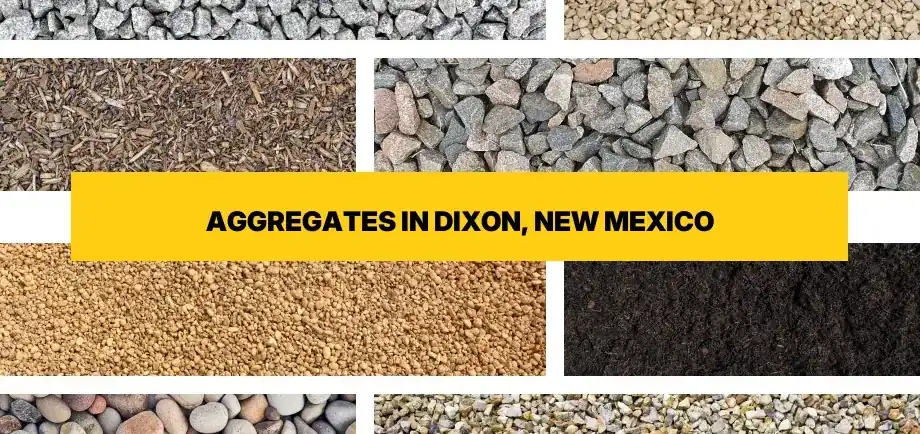
Bulk Aggregate & Gravel Products in Dixon, New Mexico
Local Topsoil, Dirt, Sand, Rocks and Gravel near me in Dixon, New Mexico
Shop Aggregates for Delivery in Dixon
Order online for free delivery to any Dixon address.
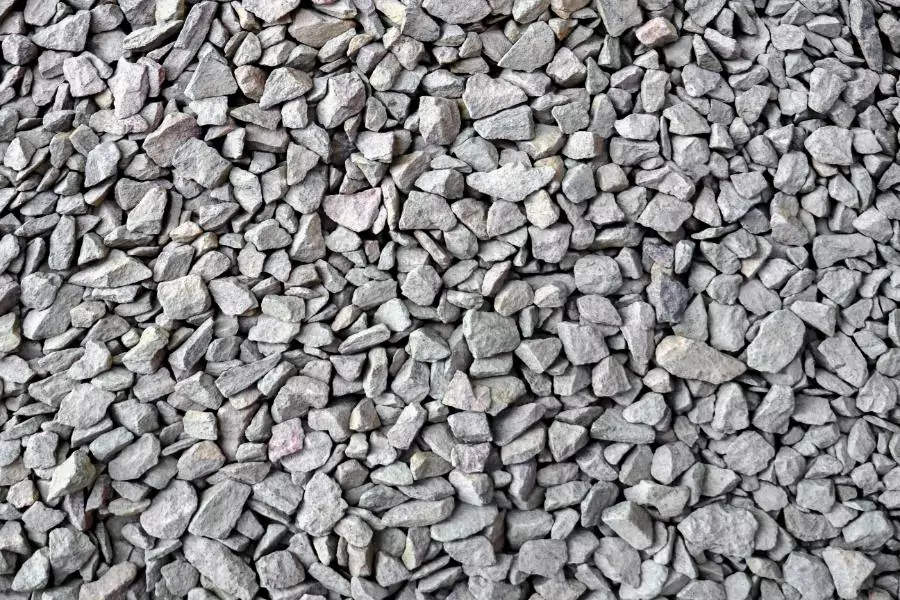
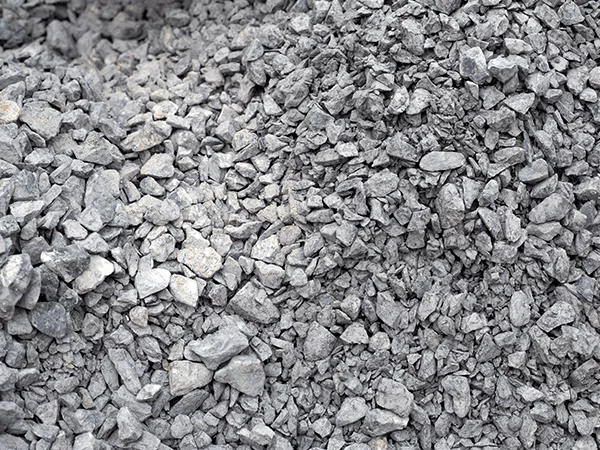


Gravel Monkey provides premium gravel and aggregate delivery throughout Dixon, New Mexico and the surrounding Embudo Valley. Whether you're building a driveway near the historic apple orchards, improving drainage along the Rio Grande bottomlands, or creating xeriscaping in the high desert hills, we deliver quality bulk materials directly to your property with absolutely free delivery. Our aggregates are specifically selected to handle Dixon's unique combination of clay soils, semi-arid climate, and dramatic elevation changes that characterize this beautiful Northern New Mexico community.
Complete Range of Aggregates Available in Dixon, NM
Dixon's unique geography—situated in the Embudo Valley at approximately 5,900 feet elevation—requires materials that can handle clay-rich soils, significant temperature fluctuations, and the area's characteristic low rainfall of around 12 inches annually. We stock aggregates and materials perfectly suited to these conditions:
- Driveway Gravel - Durable base for long-lasting driveways throughout the valley
- Crushed Stone - Multiple sizes for various construction and drainage applications
- Decomposed Granite - Perfect for pathways and natural New Mexico landscaping
- Road Base - Compactable foundation material for driveways and roads
- River Rock - Natural decorative stone for gardens and water features
- Pea Gravel - Smooth rounded stone for walkways and landscaping
- Drain Rock - Essential for French drains in clay soil areas
- Sand Varieties - Mason, washed, and playground sand for all projects
- Topsoil - Amended soil for gardens and raised beds
- Fill Dirt - Grading material for leveling and construction
Serving Dixon and Surrounding Rio Arriba County Communities
Our free delivery service extends throughout Dixon and neighboring areas in the picturesque Embudo Valley. We regularly deliver aggregates to properties throughout these areas:
Dixon Village and Historic Core: The heart of Dixon along Highway 75 features many historic properties and working farms. Whether you're maintaining an adobe home near the Dixon Studio Tour galleries or upgrading a farm road through the apple orchards, we deliver all aggregate types to this cultural center of the valley.
Embudo Station Area: Properties near the confluence of the Rio Embudo and Rio Grande require excellent drainage solutions. The bottomland soils here benefit greatly from proper aggregate selection. We provide 3/4 inch crushed stone and drainage materials perfect for this lower-elevation zone.
Upper Dixon and Highway 75 Corridor: Homes along the upper reaches of Highway 75 face steeper grades and rockier soils. Road maintenance and driveway construction in this area benefit from compactable materials that resist erosion during summer monsoons.
La Puebla and Cañada Areas: These rural residential areas extending toward Peñasco feature properties with long access roads and excellent mountain views. Our crusher run material provides an economical solution for extended driveways common in these outlying areas.
Rio Embudo Bottomlands: Properties along the Rio Embudo benefit from irrigation water but face unique drainage challenges. The clay-loam soils here require careful aggregate selection for any construction project.
Surrounding Communities: We also serve nearby Embudo, Velarde, Peñasco, and rural areas extending toward Española and Taos. Free delivery applies throughout Northern Rio Arriba County.
Understanding Dixon's Unique Soil and Climate Conditions
Dixon's geography presents specific challenges and opportunities for property owners. Located in the transition zone between the Sangre de Cristo Mountains and the Rio Grande Rift Valley, the area features complex geology that directly impacts construction and landscaping decisions.
Soil Composition and Challenges
The predominant soil type throughout Dixon is a clay-loam mixture derived from weathered volcanic and sedimentary rock. These soils have high clay content—often 30-40%—which means they expand significantly when wet and contract during dry periods. This expansion-contraction cycle creates several challenges for property owners:
Foundation movement is common without proper drainage and grading. Clay expansion can exert significant pressure on concrete slabs and retaining walls. Proper use of aggregates, particularly for drainage systems, becomes critical. Many Dixon properties benefit from French drains using #57 stone to channel water away from structures.
Driveway maintenance is an ongoing concern. The clay soil beneath gravel driveways tends to migrate upward during wet periods, mixing with gravel and reducing drainage effectiveness. A proper base layer is essential—this is where materials like walkway gravel or compacted road base make a significant difference.
Climate Considerations for Aggregate Selection
Dixon experiences a high desert climate with significant temperature variations. Summer days regularly reach 85-90°F while winter nights can drop to 10-15°F. Annual precipitation averages only 12-13 inches, but intense summer monsoons can deliver significant rainfall in short periods.
This climate pattern affects aggregate performance in several ways. Freeze-thaw cycles occur regularly from November through March. Materials must be selected to resist breaking down under these conditions. Properly compacted aggregates with good angular particle shapes perform best.
Summer heat requires materials that won't break down or create excessive dust. Washed sand and clean aggregates minimize dust issues while maintaining drainage capacity during monsoon rains.
The high elevation at 5,900 feet means more intense UV radiation. While this primarily affects organic materials, it's one reason why inorganic aggregates like crushed stone and decomposed granite perform so well in Dixon landscapes—they don't degrade under intense sun exposure.
Best Aggregate Applications for Dixon Properties
Driveway Construction and Maintenance
Dixon driveways face unique challenges from clay soils below and weather extremes above. The most successful driveway projects use a layered approach. Start with a base layer of compacted road base—typically 4-6 inches depending on soil conditions and expected traffic. This base layer should be properly graded to direct water away from the driveway surface.
The top layer depends on your specific needs and aesthetic preferences. For high-traffic areas and properties with heavy vehicles, a 3-4 inch layer of driveway gravel provides excellent performance. For lighter use and a more refined appearance, consider crushed concrete, which compacts well and offers an eco-friendly alternative to virgin aggregates.
Many Dixon property owners appreciate the natural look of decomposed granite for driveway surfaces. This material compacts to a firm surface while maintaining a softer, more natural appearance that complements adobe and territorial-style homes common throughout the valley.
Landscaping and Garden Applications
Water conservation is critical in Dixon's semi-arid climate. Xeriscaping with appropriate aggregates reduces water consumption while creating beautiful, low-maintenance landscapes. River rock in various sizes creates visual interest in dry stream beds and garden borders. Pea gravel works beautifully for pathways and around plantings, providing excellent weed suppression.
For vegetable gardens and raised beds—popular throughout Dixon given the area's agricultural heritage—quality topsoil is essential. The native clay soils are too dense for most vegetables without significant amendment. Our topsoil provides the organic content and drainage needed for successful garden production.
Decorative applications using mason sand work well for setting flagstone patios and walkways. This fine material provides a stable, level base that conforms to irregular stone shapes while allowing proper drainage.
Drainage Solutions for Clay Soils
Proper drainage is perhaps the single most important consideration for Dixon properties. Without adequate drainage, clay soils stay saturated longer, increasing freeze-thaw damage and foundation problems. French drain systems using specialized drain rock provide the solution.
A typical French drain installation uses drain rock surrounding a perforated pipe, wrapped in landscape fabric to prevent soil infiltration. The angular particles in drain rock create void spaces that allow water to flow freely while maintaining structural integrity. Position these drains to intercept water before it reaches foundations or other structures.
Surface drainage also requires attention. Swales filled with playground sand or small river rock can channel water away from buildings while adding visual interest to the landscape. These features prove especially valuable during summer monsoons when short-duration, high-intensity rainfall can overwhelm inadequate drainage systems.
| Aggregate Type | Best Applications | Key Benefits | Dixon-Specific Advantages |
|---|---|---|---|
| Crushed Stone 3/4" | Driveways, foundations, drainage | Excellent compaction, superior drainage | Resists clay migration, handles freeze-thaw cycles |
| Road Base | Driveway base, road construction | Maximum compaction, stable foundation | Creates solid base over expansive clay soils |
| Decomposed Granite | Pathways, patios, driveways | Natural appearance, compacts firmly | Perfect for Southwest aesthetic, water-permeable |
| Pea Gravel | Walkways, landscaping, drainage | Smooth texture, decorative appeal | Won't break down in UV exposure, xeriscape-friendly |
| Drain Rock (#57) | French drains, foundation drainage | Maximum void space for water flow | Critical for managing clay soil moisture |
| River Rock | Decorative landscaping, dry streams | Natural beauty, various sizes | Complements Rio Grande valley aesthetic |
| Crushed Concrete | Driveways, base material | Eco-friendly, cost-effective | Compacts well in Dixon's climate conditions |
| Topsoil | Gardens, lawns, raised beds | Nutrient-rich, improved drainage | Essential amendment for native clay soils |
Seasonal Considerations for Dixon Aggregate Projects
Spring Planning and Installation
Spring in Dixon brings snowmelt and increasing temperatures, making it an ideal time for aggregate projects. The soil thaws completely by late March or early April, allowing proper compaction of base materials. However, be aware that spring runoff can be significant, especially in areas near the Rio Embudo. Plan drainage systems to handle this seasonal water flow.
This is the perfect season for installing French drains before summer monsoons arrive. Proper drainage installed in spring protects your property throughout the wetter summer months and prevents ice formation near foundations the following winter.
Summer Project Considerations
Summer in Dixon means warm, dry conditions punctuated by intense afternoon thunderstorms from July through September. These monsoons can deliver an inch of rain in an hour, testing any drainage system. New driveway installations should include proper crowning and side drainage to handle these events.
Dust control becomes important during dry spells. Well-compacted aggregates minimize dust, but periodic watering during installation helps achieve optimal compaction and reduces airborne particles—important for rural properties where neighbors may be a quarter-mile away but still affected by dust.
Fall and Winter Work
Fall offers excellent conditions for aggregate work, with moderate temperatures and typically dry weather. Complete major projects before consistent freezing arrives in late November. However, small repairs and top-dressing can continue through winter during warm spells.
Winter snow and ice management in Dixon benefits from proper aggregate selection. Driveways with good drainage and slight grades shed snow and ice more effectively. Some property owners apply fresh gravel in early winter to improve traction—a practice that works well with our free delivery service allowing convenient seasonal material additions.
Planning Your Dixon Aggregate Project
Calculating Material Quantities
Accurate material estimation prevents delays and additional delivery charges. For rectangular areas, measure length and width in feet, determine desired depth in inches, then use this formula: (Length × Width × Depth in inches ÷ 324) = Cubic yards needed.
For example, a driveway 50 feet long and 12 feet wide with a 4-inch depth requires: (50 × 12 × 4 ÷ 324) = 7.4 cubic yards. Always order 10% extra to account for compaction and irregular surfaces—so order 8 cubic yards for this project.
Irregular shapes require breaking the area into rectangles, calculating each section, then adding the totals together. For curved pathways, use the longest length and widest width measurements to ensure adequate material.
Site Preparation Requirements
Proper site preparation determines project success. For driveways, remove all organic material—roots, plants, and topsoil—down to stable mineral soil. In Dixon's clay soils, this typically means excavating 8-12 inches total depth for a standard driveway cross-section.
Grade the excavated area with a slight crown in the center and 2-3% slope to the sides. This promotes drainage and prevents water from standing on the surface. In areas with particularly troublesome clay, consider installing geotextile fabric before placing aggregates—this prevents the clay from migrating upward into your gravel layers.
For landscaping projects, define edges clearly using metal, plastic, or stone edging. This prevents aggregate migration into lawns or planting areas and maintains clean visual lines in your landscape design.
Equipment and Tools
Most residential projects require basic tools: wheelbarrow, rake, shovel, and tamper for small areas. Larger projects benefit from renting a plate compactor—essential for proper driveway base compaction. For projects over 10 cubic yards, consider whether you need a small tractor or skid steer for efficient spreading and grading.
Many Dixon property owners have agricultural tractors that work perfectly for spreading and grading aggregates. If you don't have equipment, hand tools work fine for smaller projects, though they require more time and effort.
Why Choose Gravel Monkey for Dixon Aggregate Delivery
Free Delivery Throughout the Embudo Valley
Unlike many aggregate suppliers who charge premium delivery fees to rural areas, we offer free delivery throughout Dixon and surrounding communities. This includes remote properties along the Rio Embudo, hillside homes with challenging access, and everywhere in between. Our delivery vehicles can navigate Dixon's rural roads, bringing materials directly to your project site.
Quality Materials for Northern New Mexico Conditions
We specifically select aggregates that perform well in Northern New Mexico's climate and soil conditions. Our materials handle freeze-thaw cycles, resist breakdown under UV exposure, and provide the drainage characteristics essential for managing clay soils. Every load meets consistent quality standards.
Expert Local Knowledge
Understanding Dixon's unique conditions—from the clay-loam soils to the 5,900-foot elevation and semi-arid climate—allows us to recommend the right materials for your specific project. Whether you're building near the Rio Grande bottomlands or on the rocky hillsides above Highway 75, we can guide your material selection for optimal results.
Convenient Ordering and Scheduling
Order online or call us directly to schedule delivery. We work with your timeline and can often accommodate same-day or next-day delivery for most materials. For larger projects requiring multiple loads, we coordinate delivery schedules to keep your project moving efficiently.
Supporting Dixon's Community Character
Dixon's unique character as an agricultural and artistic community deserves suppliers who understand and respect local values. We support sustainable practices, including offering recycled aggregates like crushed concrete, and we work to minimize environmental impact while delivering the materials that keep Dixon properties beautiful and functional.
Environmental and Sustainability Considerations
Dixon's position in the Rio Grande watershed means environmental stewardship matters. Proper aggregate selection and installation protects water quality by managing erosion and filtering runoff before it reaches streams.
Permeable aggregates like pea gravel and decomposed granite allow rainwater to infiltrate naturally rather than running off into drainage systems. This groundwater recharge proves increasingly important as Northern New Mexico faces long-term water supply challenges.
Recycled materials like crushed concrete reduce demand for virgin aggregates while performing equally well in most applications. These eco-friendly options cost less and reduce the environmental impact of quarrying operations—a win for both your budget and the environment.
Xeriscaping with appropriate aggregates dramatically reduces outdoor water use. Traditional lawns struggle in Dixon's climate and require constant irrigation. Replacing turf with gravel-based landscape designs, native plants, and decorative rock creates beautiful spaces that thrive without excessive water input.
Frequently Asked Questions About Aggregates in Dixon, New Mexico
We deliver a complete range of materials including driveway gravel, crushed stone, decomposed granite, river rock, pea gravel, road base, crusher run, drain rock, topsoil, fill dirt, and various sand types throughout Dixon and the surrounding Embudo Valley area.
Yes! Gravel Monkey offers FREE delivery to Dixon and the surrounding Rio Arriba County area for all bulk gravel and aggregate orders. We service the entire Embudo Valley region including Embudo, Velarde, and Peñasco.
For Dixon's heavy clay soil, we recommend crushed stone or road base for driveways, decomposed granite for pathways, and drain rock for French drain systems. These materials provide excellent drainage and help manage the clay expansion issues common in the area.
For driveways, calculate length times width times depth in feet, then divide by 27 to get cubic yards. A typical Dixon driveway at 4 inches deep needs about 1.2 cubic yards per 100 square feet. Our team can help calculate the exact amount for your specific project.
Yes! We deliver throughout the Dixon area including remote properties in the Embudo Valley, along Highway 75, near the Rio Grande, and surrounding rural areas. Free delivery applies to all locations within our Dixon service area.
For Dixon winters, we recommend 3/4 inch crushed stone or road base. These materials compact well, provide excellent drainage during spring snowmelt, and resist the freeze-thaw cycles common at our 5,900 foot elevation.
Dixon's high desert climate with low rainfall and intense sun makes materials like decomposed granite, crushed stone, and river rock particularly suitable. These aggregates handle temperature swings well, conserve water, and complement the natural Northern New Mexico landscape.
Install a geotextile fabric barrier between the native clay soil and your aggregate base layer. This prevents soil migration upward while still allowing drainage. Proper base compaction and adequate depth also minimize this common Dixon problem.
Ready to Start Your Dixon Aggregate Project?
Whether you're maintaining a historic property near the Dixon Studio Tour route, developing agricultural land in the Embudo Valley, or creating a xeriscape garden that celebrates Northern New Mexico's natural beauty, Gravel Monkey delivers the quality aggregates you need with free delivery throughout Dixon and Rio Arriba County.
Our extensive inventory includes everything from fine mason sand to large river rock, all selected to perform in Dixon's unique conditions of clay soils, high elevation, and semi-arid climate. With expert guidance, competitive pricing, and free delivery, we make it easy to get your project done right.
Contact Gravel Monkey today at 646-809-3983 or use our online ordering system to schedule delivery of premium aggregates to your Dixon property. We're here to help you select the perfect materials and ensure your project succeeds in Northern New Mexico's beautiful but challenging environment.

Need help? Reach out for a quote: