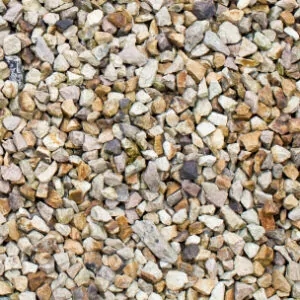

Shop Sand, Stone & Gravel in Navajo, New Mexico
Local Topsoil, Dirt, Sand, Rocks and Gravel near me in Navajo, New Mexico
Shop Aggregates for Delivery in Navajo
Order online for free delivery to any Navajo address.
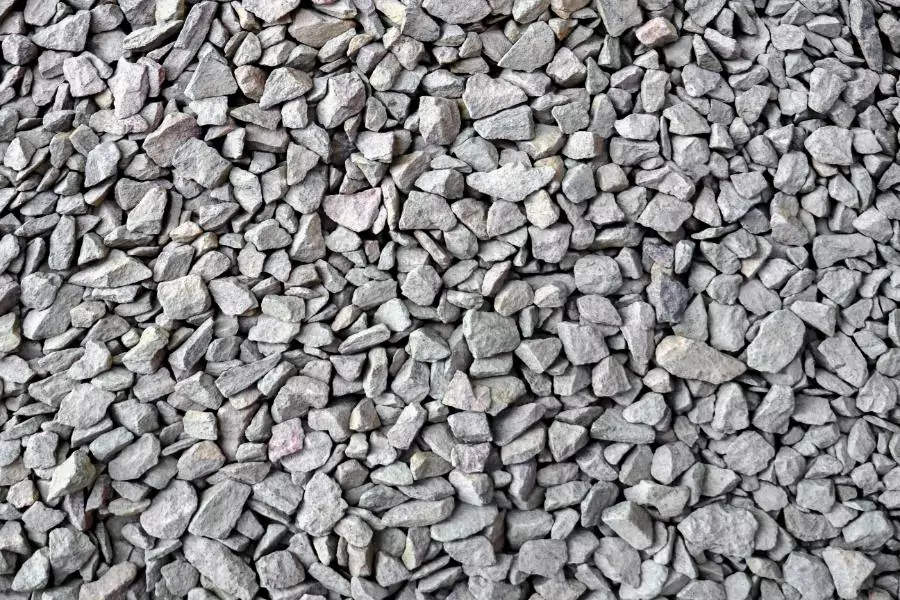
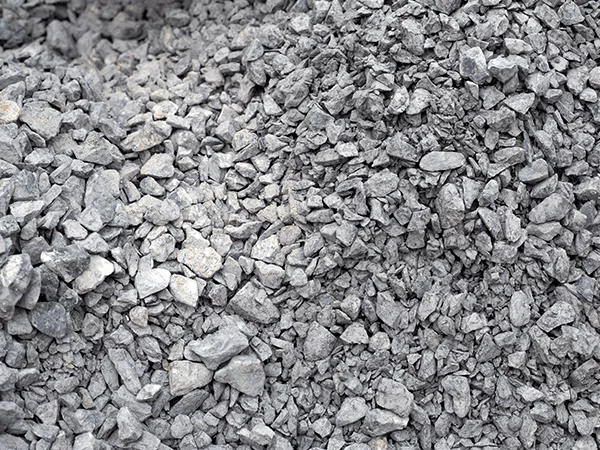


Gravel Monkey is your trusted source for premium aggregates and bulk materials in Navajo, New Mexico. Serving McKinley County and the surrounding high desert communities, we deliver construction-grade gravel, decorative stone, and essential landscaping materials directly to your property with free delivery. Whether you're building a driveway near Navajo Dam, creating erosion control solutions in the nearby mesas, or enhancing your property with native-friendly landscaping, we provide the quality aggregates your New Mexico project demands.
Complete Aggregate & Gravel Selection for Navajo Properties
Our comprehensive inventory of aggregates serves residential, commercial, and agricultural projects throughout the Navajo area. From the valley floor to the surrounding mesas, we supply materials engineered to perform in New Mexico's demanding climate conditions:
- Driveway Gravel - Compactable base material designed for long-lasting driveways in high desert conditions
- 3/4 inch Crushed Stone - Versatile aggregate for foundations, drainage, and roadway applications
- #57 Stone - Clean angular stone perfect for French drains and concrete base layers
- Road Base - Professional-grade compactable material for private roads and access routes
- Crusher Run - All-purpose aggregate combining stone and fines for superior compaction
- Decomposed Granite - Natural Southwest aesthetic for xeriscaping and desert-appropriate landscapes
- Pea Gravel - Smooth stones ideal for decorative ground cover and pathways
- River Rock - Natural rounded stones for water-wise landscaping features
- Walkway Gravel - Comfortable walking surface for garden paths and trails
- Drain Rock - Essential aggregate for managing water runoff in desert soils
- Topsoil - Nutrient-enriched soil for gardens and native plant cultivation
- Fill Dirt - Quality earth material for grading and leveling projects
- Crushed Concrete - Eco-friendly recycled aggregate for sustainable construction
- Mason Sand - Fine sand for masonry work and concrete mixing
- Playground Sand - Safe, clean sand for residential play areas
- Washed Sand - Clean sand for landscaping and construction applications
Aggregate Delivery Throughout Navajo and McKinley County
Gravel Monkey serves every corner of the Navajo region with reliable aggregate delivery. Our service area includes properties throughout McKinley County and extends to neighboring communities:
Primary Service Areas: Whether you're located near Navajo Dam where water management is critical, in the residential areas along Highway 371, near the historic trading post district, or in the agricultural zones surrounding the community, we deliver aggregates suited to your specific location. Our materials are selected to perform in Navajo's unique combination of sandy soils, temperature extremes, and occasional heavy rainfall events.
Nearby Communities We Serve: We extend delivery service to Bloomfield, Aztec, Farmington, Shiprock, Tohatchi, Sheep Springs, Crownpoint, and throughout the Four Corners region. Properties near the Chaco Canyon area, along the San Juan River valley, and in the surrounding mesa country all receive the same quality service and free delivery.
Selecting Aggregates for Navajo's High Desert Environment
Navajo's location in New Mexico's high desert plateau presents unique challenges that require proper aggregate selection. At an elevation of approximately 5,900 feet, the area experiences dramatic temperature swings, intense UV exposure, and periodic monsoon activity that impacts material performance.
Understanding Navajo's Soil Conditions
The geology around Navajo features predominantly sandy soils mixed with clay deposits from the Cretaceous formations that characterize this region of McKinley County. These soils exhibit moderate to high permeability, making proper base preparation essential for any construction project. The sandy nature of local soils means that compactable aggregates like crusher run and road base provide necessary stability that natural earth alone cannot deliver.
Wind erosion is a constant consideration in this exposed high desert landscape. Decomposed granite and properly sized crushed stone resist displacement better than finer materials, maintaining their position even during the strong spring winds common to the Four Corners area. For projects near the San Juan River basin to the north, proper drainage becomes even more critical during summer thunderstorm season.
Climate Considerations for Material Selection
Navajo experiences temperature ranges from below zero in winter to over 95 degrees Fahrenheit in summer. These thermal cycles stress aggregates through expansion and contraction. Our angular crushed stone varieties interlock effectively, resisting the movement that rounded materials experience under temperature stress. This characteristic makes angular aggregates particularly valuable for driveways and roadways throughout the area.
Annual precipitation averages around 9 inches, with most moisture arriving during July and August monsoon thunderstorms. When rain does come, it often arrives intensely, requiring aggregates with excellent drainage properties. Materials like #57 stone and drain rock allow rapid water percolation, preventing standing water that can undermine foundations or create ice hazards during winter freezes.
| Aggregate Type | Best Applications | Drainage Rating | Desert Climate Performance |
|---|---|---|---|
| Crushed Stone 3/4" | Driveways, foundations, base layers | Excellent | Superior - resists thermal movement |
| Road Base | Private roads, parking areas | Good | Excellent - compacts firmly in dry climate |
| Decomposed Granite | Pathways, xeriscaping, decorative areas | Very Good | Outstanding - natural desert aesthetic |
| #57 Stone | Drainage systems, concrete base | Excellent | Superior - handles monsoon runoff |
| Crusher Run | Driveways, roads, stable base | Good | Excellent - locks together in heat |
| River Rock | Landscaping, water features, mulch | Excellent | Good - retains position in wind |
| Pea Gravel | Walkways, ground cover, decorative | Very Good | Good - smaller size needs edging |
Common Aggregate Projects in the Navajo Area
Residential Driveways and Access Roads
Navajo's residential properties frequently feature extended driveways and private access roads connecting to the main highway network. These applications demand aggregates that compact firmly and resist the daily wear of vehicle traffic. A proper driveway installation begins with road base or crusher run as the foundation layer, providing 4-6 inches of compactable material that locks together under the weight of traffic.
The finish layer typically consists of driveway gravel or 3/4 inch crushed stone, adding another 2-3 inches of wearing surface that distributes loads and provides traction. This two-layer approach delivers driveways that last decades in Navajo's climate, resisting washboard formation and maintaining their grade through seasonal temperature changes. Properties near the agricultural areas often benefit from even thicker aggregate bases to accommodate heavier equipment traffic.
Erosion Control and Water Management
Despite Navajo's arid climate, erosion control remains essential, particularly during the intense summer monsoons that can drop significant rainfall in short periods. Drain rock creates effective channels that direct water away from structures, preventing foundation undermining and soil loss. Strategic placement of drainage aggregates protects property values and maintains landscape integrity.
Properties on sloping terrain benefit from terracing techniques incorporating crusher run and larger stone. These installations slow water velocity during heavy rains, allowing moisture to percolate into the soil rather than running off and carrying topsoil away. The sandy native soils around Navajo actually benefit from this water retention, supporting native vegetation that helps stabilize the landscape.
Landscaping and Xeriscaping Applications
Water conservation drives landscaping choices throughout New Mexico, and Navajo properties increasingly feature xeriscaping that eliminates thirsty lawns in favor of drought-tolerant native plants and attractive aggregate ground covers. Decomposed granite provides a natural Southwestern appearance that complements adobe and stucco architecture while requiring zero irrigation once established.
Walkway gravel and pea gravel create comfortable pedestrian surfaces around homes and businesses, defining pathways without the maintenance demands of concrete or pavers. River rock adds visual interest around accent plants and defines planting beds, its rounded profile creating gentle transitions between vegetation zones. These aggregate applications reduce water consumption by 75% or more compared to traditional turf grass while actually improving in appearance as they age and weather.
Commercial and Agricultural Applications
Navajo's commercial properties and agricultural operations rely heavily on quality aggregates for functional surfaces. Equipment yards require road base that can support heavy machinery without rutting or displacement. Parking areas benefit from properly installed crusher run that provides stable surfaces for customer and employee vehicles while managing the occasional intense rainfall.
Agricultural operations use aggregates for feed lot surfaces, access lanes, and equipment storage areas. The combination of good drainage and firm support that aggregates provide prevents the mud issues that plague bare earth surfaces during wet periods, while the heat-reflecting properties of light-colored stone reduce surface temperatures compared to asphalt alternatives.
Professional Aggregate Installation Practices for Navajo
Site Preparation Fundamentals
Successful aggregate installations begin with proper site preparation adapted to Navajo's soil conditions. The sandy native soils require excavation to firm subgrade, typically 8-12 inches deep for driveways and parking areas. Remove all organic material, as decomposing vegetation creates voids that allow settling. Where clay pockets exist, dig deeper to reach stable material or install geotextile fabric to prevent mixing of aggregate and native soil.
Grade the excavated area to promote drainage away from structures. Even in the desert, water management matters, and the monsoon season brings enough precipitation to cause problems if drainage isn't addressed. A minimum slope of 2% (approximately 1/4 inch per foot) keeps water moving off the surface rather than ponding.
Compaction and Layer Building
Proper compaction is crucial for aggregate longevity in Navajo's climate. Install base materials in lifts no thicker than 4 inches, compacting each layer with appropriate equipment before adding the next. Plate compactors work well for smaller residential projects, while larger installations benefit from vibratory rollers that achieve deeper compaction.
The dry climate actually aids compaction, as aggregates achieve density more readily without excessive moisture. However, extremely dry conditions may require light water application to achieve optimal compaction, particularly with crusher run and road base materials that contain fines. The goal is dust control rather than saturation – just enough moisture to activate the binding properties of the fine materials.
Edging and Containment
Wind exposure around Navajo makes edge containment more important than in sheltered locations. Install header boards, concrete edging, or steel landscape borders wherever aggregates meet planted areas or open ground. This containment prevents material migration during strong winds and maintains clean, defined borders that enhance curb appeal.
For decorative applications using pea gravel or small river rock, edging becomes even more critical. These rounded materials move easily under foot traffic and wind pressure. A solid border keeps them contained within designated areas, reducing maintenance and preventing aggregate loss to surrounding lawns or planting beds.
Calculating Aggregate Quantities for Your Navajo Project
Accurate material estimation prevents shortages that delay projects or excess material that increases costs. For rectangular areas like driveways, calculate square footage by multiplying length times width. Determine your desired depth in inches (typically 4-6 inches for base layers, 2-3 inches for surface layers), then use this formula:
Cubic yards needed = (Length × Width × Depth in feet) ÷ 27
For example, a driveway measuring 12 feet wide by 50 feet long with 4 inches (0.33 feet) of aggregate depth requires: (12 × 50 × 0.33) ÷ 27 = 7.3 cubic yards. Always order 10% extra to account for compaction, irregular subgrade, and edge waste.
Irregular shapes require breaking the area into manageable rectangles or circles, calculating each section separately, then totaling the results. Our team at Gravel Monkey assists with quantity estimates, helping ensure you order the right amount for your specific Navajo project requirements.
Why Navajo Residents Choose Gravel Monkey
Gravel Monkey has built our reputation on reliable aggregate delivery throughout McKinley County and the broader Four Corners region. Our commitment to quality materials and customer service sets us apart in the New Mexico aggregate supply industry:
- Free Delivery: No hidden delivery charges to Navajo or surrounding communities – the price you see is what you pay
- Quality Aggregates: All materials sourced from reputable quarries and suppliers, meeting or exceeding industry standards
- Desert Climate Expertise: We understand high desert conditions and recommend materials proven to perform in New Mexico's environment
- Flexible Scheduling: Delivery times that accommodate your project timeline, including agricultural and commercial operations
- Quantity Accuracy: Precise measurements ensure you receive the material volume you ordered
- Expert Guidance: Professional advice on material selection, quantities, and installation techniques specific to Navajo conditions
- Responsive Service: Quick answers to questions and solutions to delivery challenges
Understanding Navajo's Unique Aggregate Requirements
Navajo's position in the Colorado Plateau presents specific conditions that influence aggregate performance. The combination of elevation, temperature extremes, and soil composition requires materials that resist degradation while providing long-term stability.
Temperature Cycling Effects
Daily temperature swings of 30-40 degrees are common in Navajo, especially during spring and fall. These cycles cause expansion and contraction in all materials. Angular aggregates like crushed stone maintain their interlock better than rounded materials during thermal movement, making them preferable for load-bearing applications like driveways and parking areas.
Winter freezing adds another dimension to material selection. While freeze-thaw cycles are less severe than in higher elevations or more northern climates, they still occur. Proper drainage becomes crucial, as trapped water expands when frozen, potentially heaving aggregates and creating surface irregularities. This is why materials like #57 stone and drain rock that facilitate rapid water movement are essential components of quality installations.
Wind Erosion Resistance
Navajo's exposed location in the high desert subjects properties to persistent winds, particularly during spring months. Lightweight materials and fine particles can migrate over time, gradually depleting surface layers. Larger aggregates (3/4 inch and up) resist wind displacement better than smaller sizes, while angular shapes interlock to create wind-resistant surfaces.
For decorative applications where smaller materials like pea gravel are desired, proper installation with adequate edge containment and sufficient depth (minimum 3 inches) prevents wind loss. Strategic placement of larger river rock or boulders can create windbreaks that protect finer materials in critical areas.
Frequently Asked Questions About Aggregates in Navajo
For Navajo driveways, we recommend a two-layer system: crusher run or road base for the foundation layer (4-6 inches compacted), topped with 3/4 inch crushed stone or driveway gravel (2-3 inches). This combination provides excellent stability in sandy soils while resisting the temperature cycles common to high desert environments. The angular nature of crushed stone creates interlock that prevents shifting, while the base layer distributes loads effectively across the underlying soil.
Sandy soils require thicker aggregate installations than clay or compacted soils. For driveways and parking areas in Navajo, plan for a minimum total depth of 6-8 inches of compacted aggregate, with many installations benefiting from 8-10 inches. This depth provides adequate support and prevents the aggregate from gradually working down into the sandy subgrade. Areas with heavy vehicle traffic may require even greater depth, particularly for commercial or agricultural applications.
Properly installed aggregates resist erosion even during intense monsoon storms. The key is correct installation with proper compaction and adequate depth. Angular crushed stone and road base interlock to form a stable matrix that resists water movement. Ensure your installation slopes away from structures and includes edge containment to prevent material migration. For areas with concentrated water flow, consider drain rock installations to manage runoff without surface erosion.
Decomposed granite is the premier choice for Navajo xeriscaping, providing a natural desert appearance that complements native plants while requiring zero irrigation. Pea gravel and river rock also excel in water-wise landscapes, offering different textures and colors to create visual interest. These materials reflect heat, reduce soil moisture loss, and eliminate the water demands of traditional turf grass. Combined with native plants adapted to high desert conditions, aggregate landscaping creates beautiful, sustainable outdoor spaces.
At nearly 6,000 feet elevation, Navajo experiences more intense UV radiation and greater temperature extremes than lower elevations. These conditions accelerate weathering of certain materials. Quality crushed stone and natural aggregates resist UV degradation and handle thermal cycling effectively. The elevation also means more intense freeze-thaw cycles than lower desert areas, making proper drainage even more important to prevent frost heaving during winter months.
Installing aggregates over existing surfaces depends on the current conditions. For deteriorated driveways or parking areas, removing the old surface and starting from stable subgrade usually provides better long-term results. However, firm, well-draining existing bases can sometimes be topped with additional aggregate after roughening the surface to improve bonding. Our team can assess your specific situation and recommend the approach that delivers optimal performance for your Navajo property.
Yes! We deliver throughout McKinley County and into neighboring San Juan County. Whether your property is near Navajo Dam, along Highway 371, in the agricultural areas around Sheep Springs, or near any of the surrounding communities, we provide the same quality service and free delivery. Contact us with your specific location to confirm delivery availability and schedule your aggregate shipment.
While similar, crusher run and road base have subtle differences. Crusher run is aggregate directly from the crusher, containing a mix of stone sizes from large pieces down to fines in natural proportions as they emerge from crushing. Road base is a more controlled blend, mixed to specific gradations optimized for compaction and load bearing. Both work excellently in Navajo's conditions, with road base offering slightly more consistent performance for critical applications like commercial driveways or heavy equipment areas, while crusher run provides excellent value for general purpose use.
Ready to Start Your Navajo Aggregate Project?
Gravel Monkey delivers the quality aggregates your Navajo property needs, backed by expertise in high desert conditions and commitment to customer satisfaction. From residential driveways to commercial installations, from decorative landscaping to functional drainage solutions, we supply materials that perform in New Mexico's demanding environment.
Our free delivery service extends throughout McKinley County and surrounding areas, bringing premium aggregates directly to your job site. Whether you're located in Navajo proper, near the dam, in surrounding agricultural areas, or anywhere in the broader Four Corners region, we deliver the materials you need when you need them.
Contact Gravel Monkey today to discuss your project requirements. Our team provides expert guidance on material selection, accurate quantity calculations, and delivery scheduling that works with your timeline. Experience the difference that quality aggregates and professional service make in your next Navajo construction or landscaping project.

Need help? Reach out for a quote: