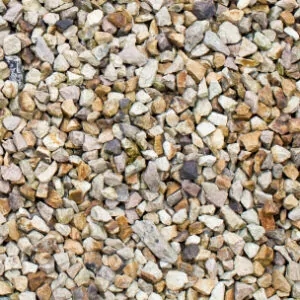
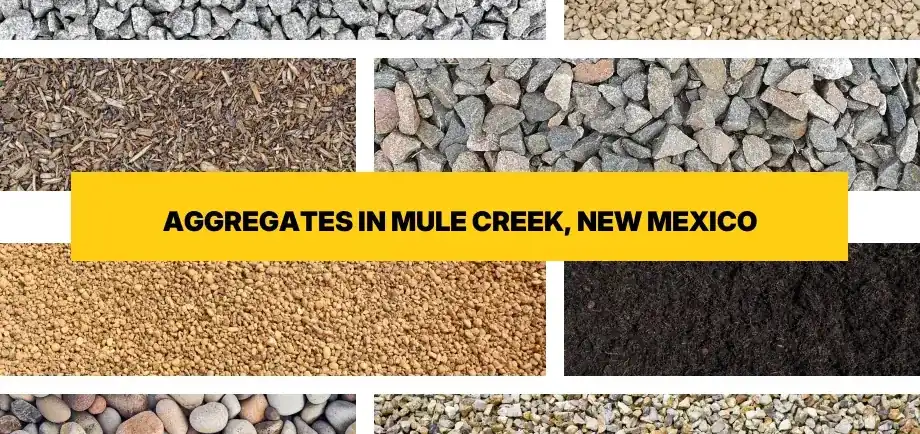
Shop Bulk Materials & Gravel in Mule Creek, New Mexico
Local Topsoil, Dirt, Sand, Rocks and Gravel near me in Mule Creek, New Mexico
Shop Aggregates for Delivery in Mule Creek
Order online for free delivery to any Mule Creek address.
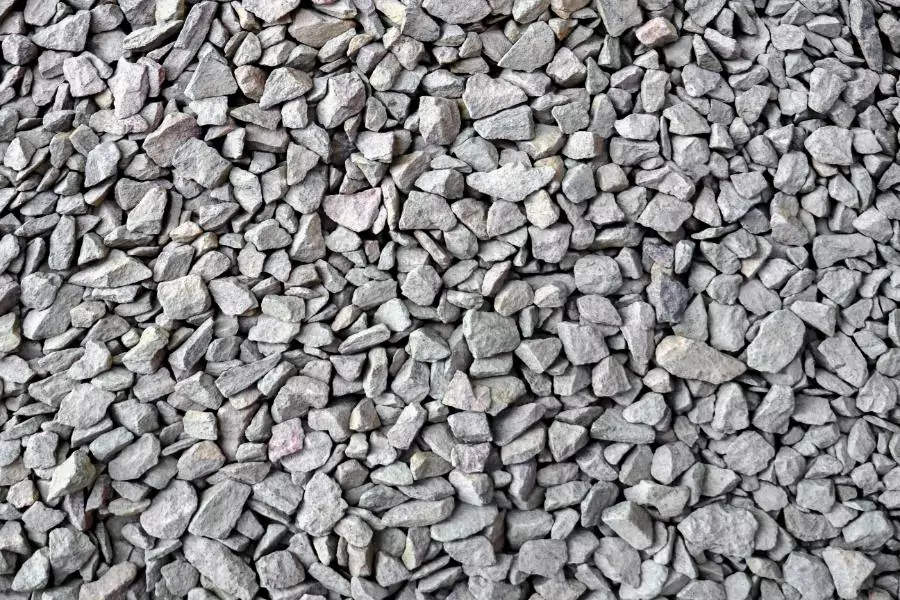
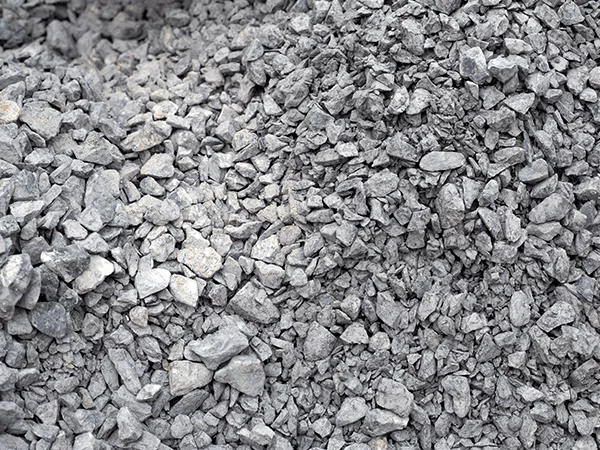


Gravel Monkey delivers premium aggregates and landscaping materials to Mule Creek, New Mexico, serving the remote ranches, homesteads, and properties scattered throughout this rugged corner of Grant County. Nestled in the volcanic mountains where the Gila National Forest meets the Arizona border, Mule Creek presents unique challenges that demand quality materials built for southwestern conditions. Whether you're maintaining a ranch road near the San Francisco River, upgrading a mountain property driveway, or managing erosion in the steep terrain around Mule Creek itself, we provide free delivery of bulk aggregates directly to your location.
Complete Aggregate & Material Selection for Mule Creek Properties
Our comprehensive inventory addresses the specific needs of rural New Mexico properties, from high-elevation ranches to remote homesteads:
- Driveway Gravel - Durable aggregate for long ranch and mountain driveways
- 3/4 inch Crushed Stone - Versatile size for multiple applications in volcanic soil
- #57 Stone - Uniform drainage aggregate for construction projects
- Road Base - Superior compaction material for ranch roads and access routes
- Crusher Run - All-purpose base material that locks together firmly
- Drain Rock - Essential for managing monsoon runoff and erosion
- Pea Gravel - Smooth aggregate for walkways and decorative applications
- River Rock - Natural stone for xeriscaping and water feature projects
- Decomposed Granite - Southwest favorite for low-maintenance paths and yards
- Walkway Gravel - Stable material for pedestrian paths
- Crushed Concrete - Economical recycled aggregate for base layers
- Topsoil - Nutrient-enriched soil for gardens and landscaping
- Fill Dirt - Essential for grading and leveling mountain properties
- Mason Sand - Fine sand for masonry and construction work
- Playground Sand - Safe, clean sand for family play areas
- Washed Sand - Clean aggregate for concrete mixing and projects
Understanding Mule Creek's Unique Geology and Climate
Mule Creek sits at approximately 5,000 feet elevation in the volcanic mountains of southwestern New Mexico, where ancient lava flows created the distinctive rocky terrain visible throughout Grant County. The local soil consists primarily of volcanic material mixed with decomposed granite and sedimentary deposits, creating a dark, mineral-rich base that drains quickly but can shift during heavy rains.
The climate here brings temperature extremes and dramatic seasonal variation. Summer highs regularly exceed 90°F from June through August, while winter nights drop below freezing from November through March. Annual precipitation averages 16 inches, with most rainfall concentrated during the July-September monsoon season. These intense afternoon thunderstorms can dump several inches of rain in hours, creating flash flood conditions along the San Francisco River and its tributaries.
This combination of volcanic soil, elevation, and monsoon patterns creates specific challenges for aggregate applications. Materials must drain effectively during summer storms while remaining stable through winter freeze-thaw cycles. The rocky substrate provides excellent natural drainage but requires proper base preparation for driveways and roads. Properties near Mule Creek, Turkey Creek, and the surrounding Gila Wilderness benefit from aggregates that complement rather than fight these natural conditions.
Aggregate Applications for Mule Creek Ranch and Mountain Properties
Ranch Road Maintenance and Construction
Rural access roads throughout the Mule Creek area require aggregates that withstand heavy ranch equipment, livestock trailers, and the punishing effects of monsoon season. Properties extending into the Gila National Forest or along Turkey Creek Road need materials that maintain stability across elevation changes and variable terrain. Road base provides the compaction and stability essential for long driveways that may stretch a mile or more from highway access to homesteads.
The volcanic bedrock underlying much of Grant County offers natural drainage advantages, but surface materials must prevent rutting during wet periods while resisting dust generation during the dry months that dominate the climate. Crusher run creates an interlocking surface that handles livestock trailers and hay trucks without excessive maintenance, while remaining permeable enough to manage the brief but intense rainfall events typical of southwestern New Mexico.
Erosion Control and Water Management
The steep slopes and exposed hillsides surrounding Mule Creek make erosion control essential for any property development or maintenance project. Drain rock excels at directing water away from structures and roads while preventing soil loss during thunderstorms. Many properties near the San Francisco River drainage need aggregate solutions that protect against seasonal flooding while maintaining year-round access.
The monsoon pattern creates unique challenges absent in other regions. A dry hillside in June becomes a rushing waterway in July, demanding drainage systems that activate instantly when needed. Aggregates placed strategically around buildings, along roadways, and in natural drainage channels prevent the kind of catastrophic erosion that can destroy roads and undermine foundations in a single storm event.
Residential and Homestead Landscaping
Mule Creek's remote location and limited water availability make xeriscaping the practical choice for most residential landscaping projects. Decomposed granite creates attractive, low-maintenance ground cover that thrives in the hot, dry conditions between monsoons. This material compacts naturally, resists weed growth, and complements the natural desert and mountain vegetation that defines the regional aesthetic.
River rock adds visual interest around native plants like prickly pear, yucca, and mesquite while providing thermal mass that moderates soil temperature. The smooth, rounded stones handle foot traffic well for walkway borders and patio surrounds. For properties attempting gardens or irrigated areas, topsoil amended with organic matter provides the foundation for growing vegetables during the extended frost-free period that typically runs from May through October.
Selecting the Right Aggregate for Your Mule Creek Project
Different applications throughout the Mule Creek area demand specific aggregate characteristics. Understanding these distinctions ensures optimal performance and longevity for your investment.
| Aggregate Type | Best Applications | Drainage Rating | Compaction |
|---|---|---|---|
| Road Base | Ranch roads, driveways, foundations | Good | Excellent |
| Crusher Run | Access roads, parking areas, base layers | Good | Excellent |
| 3/4" Crushed Stone | Drainage, driveways, general construction | Excellent | Good |
| #57 Stone | French drains, pipe bedding, drainage | Excellent | Moderate |
| Drain Rock | Erosion control, culvert areas, runoff | Excellent | Moderate |
| Decomposed Granite | Pathways, xeriscaping, ground cover | Moderate | Good |
| Pea Gravel | Decorative landscaping, walkways | Excellent | Poor |
| River Rock | Landscaping, water features, decorative | Excellent | Poor |
The choice between materials often depends on multiple factors including slope, intended use, traffic patterns, and aesthetic preferences. Properties along Highway 78 toward Glenwood may prioritize different aggregates than remote ranches deeper in the mountains. Gravel Monkey helps match materials to your specific Mule Creek location and project requirements.
Service Throughout the Mule Creek Region
Gravel Monkey delivers aggregates throughout the Mule Creek area and surrounding Grant County locations, ensuring ranches and homesteads receive quality materials regardless of their remote location. We serve properties throughout these areas:
Primary Service Areas
Mule Creek Central - The core community along Highway 78, including properties near the historic Mule Creek Post Office and surrounding homesteads. This area represents some of the most accessible locations while still maintaining the rural character that defines the region.
San Francisco River Valley - Properties along the riparian corridor where the San Francisco River flows through volcanic canyons. These locations often need erosion control and drainage solutions due to proximity to seasonal water flows and the steep canyon walls that characterize the river valley.
Gila National Forest Border - Remote ranches and recreational properties adjacent to the wilderness boundary, where maintained access roads become essential for year-round use. These high-elevation locations experience more precipitation and cooler temperatures than lower valley areas.
Turkey Creek Area - Properties along Turkey Creek and associated drainages northeast of Mule Creek proper, extending toward the Gila Wilderness. This region features dramatic elevation changes and requires aggregates that handle steep grades and seasonal runoff.
Highway 78 Corridor - Ranches and properties along the main access route connecting Mule Creek to Glenwood and the Mogollon area to the north. These locations benefit from better road access but still face the same climate and soil challenges as more remote properties.
Nearby Communities We Serve
Beyond Mule Creek itself, we deliver throughout southwestern Grant County including Glenwood, Alma, Pleasanton, and Mogollon. Properties in Catron County along Highway 180 and ranches extending toward the Arizona border receive the same free delivery and quality aggregates as central Mule Creek locations.
Best Practices for Aggregate Installation in Mule Creek
Site Preparation
The volcanic soil and rocky substrate common throughout the Mule Creek area require specific preparation techniques. Remove existing vegetation and organic matter before placing aggregates, as decomposing material creates voids that compromise stability. For driveway and road applications, the native volcanic material often provides excellent natural drainage, but grade the surface to direct water away from structures and prevent ponding.
Steep slopes demand additional attention. Stabilize banks before placing aggregates, using geotextile fabric beneath base materials where slopes exceed 10 percent. The combination of monsoon intensity and exposed hillsides means erosion can begin within hours of improper installation. Properties near San Francisco River tributaries should install aggregates with consideration for potential flash flooding during peak monsoon months.
Depth and Compaction Requirements
Ranch roads handling heavy equipment require 6-8 inches of compacted road base or crusher run over properly prepared subgrade. Residential driveways perform well with 4-6 inches of compacted aggregate. The dry climate and low humidity mean materials compact effectively, but proper moisture content during installation ensures optimal results.
Walk areas and decorative applications using decomposed granite or pea gravel need only 2-3 inches of material depth. The key to longevity involves installing landscape fabric or geotextile beneath decorative aggregates to prevent mixing with underlying volcanic soil during monsoon events. This barrier maintains the clean appearance of river rock or pea gravel while allowing water to drain effectively.
Seasonal Timing Considerations
Schedule major aggregate projects for spring or fall when temperatures moderate and monsoon season hasn't yet begun or has recently ended. The months from April through early June provide ideal conditions with warm days for compaction but without the intense afternoon thunderstorms that can disrupt work and wash away fresh installations. Late September through November offers another excellent window after monsoons subside but before winter freezing begins at higher elevations.
Winter installation remains possible given the relatively mild daytime temperatures that typically prevail even during the coldest months. However, frozen ground at night can complicate excavation and grading work. Properties above 5,500 feet elevation may experience prolonged freezing periods that make winter installation impractical for certain applications.
Maintaining Aggregate Surfaces in Southwestern New Mexico
The extreme climate and dramatic seasonal shifts around Mule Creek demand proactive maintenance to preserve aggregate installations. Monsoon season brings the most significant challenges as intense rainfall can redistribute materials and create ruts in driveways and roads. Inspect all aggregate surfaces after major storm events, regrading as necessary and adding material to low spots or areas showing erosion.
Dust control becomes essential during the extended dry periods between monsoons. Light watering of crusher run or road base surfaces before anticipated traffic minimizes dust generation while actually improving compaction over time. Some property owners apply magnesium chloride or similar dust suppressants on heavily used ranch roads, though this treatment requires reapplication after significant rain events.
Spring maintenance should address any frost heave or material displacement from winter weather. While Mule Creek experiences less severe freezing than higher elevation New Mexico communities, freeze-thaw cycles still occur and can lift or shift aggregates. Rake and redistribute pea gravel or river rock in landscaped areas, and add fresh material to driveways where winter runoff has carried away fines from crusher run or road base.
Weed control in gravel areas remains ongoing throughout the growing season. The monsoon months promote vigorous plant growth, and seeds blown into aggregate areas germinate readily once adequate moisture arrives. Regular spot treatment with appropriate herbicides or physical removal prevents vegetation from taking hold and disrupting carefully installed materials. Properties using decomposed granite benefit from its natural tendency to compact and resist weed establishment compared to larger aggregates like pea gravel.
Frequently Asked Questions About Aggregates in Mule Creek
Road base or crusher run provide the best performance for extended ranch driveways in Mule Creek's volcanic terrain. These materials compact firmly, resist rutting from heavy vehicles, and handle the moisture extremes from monsoon season through winter. The combination of various aggregate sizes locks together over the stable volcanic bedrock common throughout this region. For driveways exceeding half a mile, consider installing 6-8 inches of compacted road base to ensure longevity and minimal maintenance requirements.
Steep slopes around Mule Creek demand a multi-layer approach to erosion control. Install geotextile fabric on the slope, then place drain rock or large river rock to stabilize the surface and slow water movement. These materials allow water to percolate while preventing soil loss during thunderstorms. For slopes adjacent to structures or roads, consider creating swales or berms using compacted aggregates to direct runoff away from vulnerable areas. The intense but brief nature of monsoon rains means erosion control must function immediately when storms arrive rather than gradually absorbing moisture.
Gardens thrive in Mule Creek when supported by quality topsoil and appropriate irrigation. The frost-free season typically extends from early May through late October, providing ample time for warm-season vegetables and herbs. Amend delivered topsoil with compost to improve water retention in the dry climate, and plan for supplemental irrigation during the extended periods between monsoon storms. Raised beds using topsoil over landscape fabric work exceptionally well, keeping roots away from the mineral-rich volcanic soil while providing the organic matter most vegetables require. The high elevation means cooler nights even in summer, which many crops appreciate.
Walking paths using decomposed granite perform well with 2-3 inches of material over landscape fabric. This depth provides adequate cushioning and stability for foot traffic while allowing the material to compact naturally over time. Install borders using larger river rock or wood timbers to contain the granite and maintain clean edges. The material will settle somewhat after initial installation and through several monsoon seasons, so plan to add a fresh inch periodically. Decomposed granite excels in the Mule Creek climate because it requires no irrigation, resists weed growth, and complements the natural desert and mountain landscape aesthetic.
Calculate driveway aggregate needs by multiplying length times width times depth in feet, then divide by 27 to get cubic yards. A typical single-lane ranch driveway measures 12 feet wide, and optimal depth for compacted crusher run or road base runs 4-6 inches. For a 200-foot driveway at 12 feet wide and 5 inches deep, you would need approximately 37 cubic yards of material. Gravel Monkey helps verify quantities for your specific Mule Creek property, accounting for slope, soil conditions, and intended use patterns. Remote properties with challenging access may benefit from ordering slightly more material to avoid the logistics of multiple deliveries.
Properly installed aggregate driveways handle ranch equipment effectively when using appropriate materials at adequate depth. Road base or crusher run installed at 6-8 inches over compacted subgrade supports loaded livestock trailers, tractors, and hay trucks without excessive rutting. The key involves achieving proper compaction during installation and maintaining the surface through periodic regrading. Properties experiencing heavy equipment traffic year-round should consider deeper aggregate layers or even a stabilized base using geogrid beneath the aggregate layer. The volcanic bedrock underlying most of the Mule Creek area provides excellent natural support for aggregate surfaces.
Spring from April through early June offers ideal conditions for aggregate installation in the Mule Creek region. Temperatures warm sufficiently for effective compaction while monsoon season hasn't yet arrived to complicate the work. Late September through November provides another excellent window after summer storms subside. Avoid major installations during peak monsoon months of July and August when afternoon thunderstorms can disrupt projects and wash away fresh materials before they properly compact. Winter installation remains possible given the generally mild daytime temperatures, though frozen ground at night can complicate excavation work at higher elevations near the Gila Wilderness boundary.
Most aggregate installations on private property in rural Grant County do not require permits, but regulations vary based on project scope and location. Properties adjacent to the Gila National Forest may face additional restrictions, especially regarding drainage modifications or work near waterways like the San Francisco River. Major grading projects or commercial operations might trigger county oversight. Contact the Grant County Planning Department for specific guidance regarding your property and intended work. Properties maintaining existing driveways or adding landscaping aggregates typically proceed without permit requirements, but confirming regulations before beginning work prevents potential complications.
Why Mule Creek Properties Choose Gravel Monkey
Serving remote southwestern New Mexico properties requires understanding the unique challenges of this rugged landscape. Gravel Monkey specializes in delivering quality aggregates to locations other suppliers consider too distant or difficult. Our free delivery extends throughout Grant County and beyond, ensuring your Mule Creek ranch or homestead receives the same premium materials and service as urban customers.
We understand that aggregates must perform in extreme conditions with minimal maintenance opportunities. The materials we deliver withstand temperature swings from below freezing to over 90°F, manage intense monsoon rainfall, and maintain stability across months without precipitation. Properties along the San Francisco River, deep in the Gila National Forest border areas, or anywhere in the Mule Creek region receive aggregates proven to excel in southwestern conditions.
Remote properties require reliability in both products and delivery. When your nearest hardware store sits 50 miles away in Silver City, ordering the wrong material or receiving insufficient quantities creates significant inconvenience. Gravel Monkey works with you to specify exactly what your project demands, delivers on schedule, and ensures you have adequate material to complete the work without multiple trips or orders.
The combination of free delivery, quality aggregates, and expertise in rural southwestern applications makes Gravel Monkey the logical choice for Mule Creek area properties. Whether you're maintaining miles of ranch roads, creating erosion control on steep terrain, or landscaping around a mountain homestead, we provide the materials and guidance that ensure successful outcomes in this challenging but beautiful corner of New Mexico.
Ready to Order Aggregates for Your Mule Creek Property?
Gravel Monkey makes ordering bulk aggregates simple even for the most remote Mule Creek locations. Our team understands the specific needs of Grant County properties and helps specify materials that perform in southwestern New Mexico conditions. From the first phone call through delivery and beyond, we ensure your aggregate project succeeds.
Contact us today to discuss your specific needs, whether that involves maintaining existing ranch roads, creating new driveways, controlling erosion, or landscaping around your property. We deliver throughout Mule Creek, the San Francisco River valley, and surrounding areas with no delivery charges. Let us help you select the right aggregates and quantities for projects that last in this demanding but rewarding landscape.

Need help? Reach out for a quote: