
Shop Bulk Materials & Gravel in Wagon Mound, New Mexico
Local Topsoil, Dirt, Sand, Rocks and Gravel near me in Wagon Mound, New Mexico
Shop Aggregates for Delivery in Wagon Mound
Order online for free delivery to any Wagon Mound address.
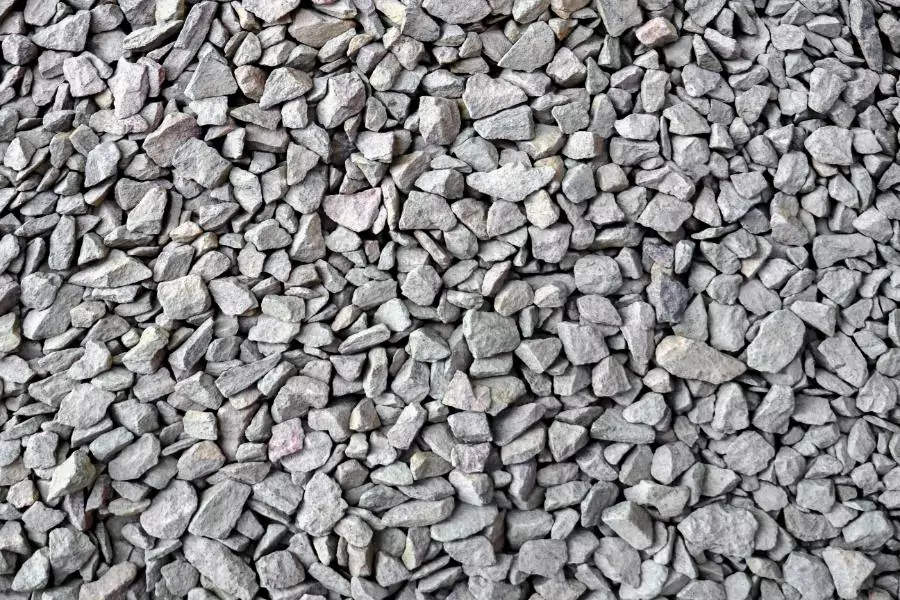
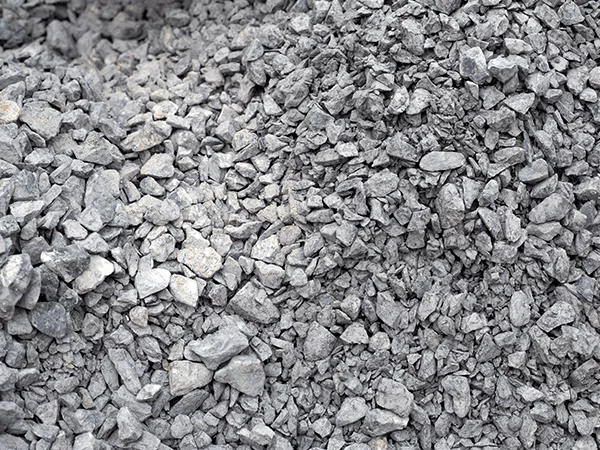


Gravel Monkey delivers premium aggregates and bulk materials to Wagon Mound, New Mexico, serving ranchers, homeowners, and contractors throughout Mora County. Located along the historic Santa Fe Trail at 6,200 feet elevation on New Mexico's High Plains, Wagon Mound presents unique challenges for construction and ranch maintenance. Our comprehensive selection of aggregates, from road base for ranch roads to decorative stone for Main Street properties, arrives at your location with free delivery throughout the region. Whether you're maintaining a working cattle ranch east of town, upgrading a residential driveway near the iconic Wagon Mound butte, or managing erosion on sloped properties, we provide the quality materials needed to succeed in this demanding high-desert environment.
Complete Aggregate Selection for Wagon Mound Properties
Wagon Mound's combination of clay-based soils, elevation extremes, and seasonal weather patterns demands specialized aggregate solutions. Our inventory addresses every challenge you'll face on local properties:
- Road Base - Essential compactable base for ranch roads and access routes across working properties
- Driveway Gravel - Durable surfacing that handles temperature swings from sub-zero winters to 90-degree summers
- 3/4 inch Crushed Stone - Versatile angular aggregate for foundations, drainage, and driveway applications
- #57 Stone - Uniform crushed stone perfect for drainage systems and concrete work
- Crusher Run - All-in-one base material that compacts tight for stable driveways and roads
- Drain Rock - Angular stone for French drains and foundation drainage in heavy clay soils
- Decomposed Granite - Natural pathway material that blends with the local volcanic landscape
- Pea Gravel - Rounded stone for decorative landscaping and erosion control
- River Rock - Smooth decorative stone in multiple sizes for water features and xeriscaping
- Walkway Gravel - Pedestrian-friendly aggregate for paths around homes and historic properties
- Crushed Concrete - Economical recycled aggregate for ranch roads and large-scale projects
- Topsoil - Screened soil for gardens that need amendment in our naturally alkaline conditions
- Fill Dirt - Grading material for leveling and erosion repair on sloped terrain
- Mason Sand - Fine sand for masonry work and construction projects
- Playground Sand - Safe, clean sand for play areas and recreational spaces
- Washed Sand - Clean sand for concrete mixing and landscaping applications
Understanding Wagon Mound's Unique Aggregate Requirements
Wagon Mound sits at the transition between New Mexico's High Plains and the eastern slopes of the Sangre de Cristo Mountains, creating distinctive soil and climate conditions that directly impact aggregate performance. The town's namesake landmark, the volcanic butte resembling a covered wagon, reflects the area's geological composition—weathered volcanic tuff and granite formations overlaying expansive clay soils.
Properties throughout the Wagon Mound valley and surrounding ranchlands deal with clay-rich soils derived from ancient lake deposits. These soils expand during wet periods and contract during dry seasons, placing significant stress on foundations, driveways, and ranch roads. The region receives approximately 15 inches of precipitation annually, with intense summer monsoons from July through September delivering sudden downpours that test drainage systems. Winter temperatures routinely drop below zero, with frost penetrating 30 inches or deeper into the ground.
This combination of expansive clay, freeze-thaw cycles, and seasonal moisture extremes demands aggregates with specific properties. Materials must drain effectively to prevent water accumulation in clay soils, compact sufficiently to create stable surfaces, yet remain flexible enough to accommodate soil movement. Ranch operations east toward Canadian River tributaries require particularly robust road base to handle livestock and equipment traffic across properties that can span thousands of acres.
Serving Wagon Mound's Diverse Property Types
The community includes historic Main Street properties built during the railroad era, residential neighborhoods established in the mid-20th century, and extensive working ranches that dominate the surrounding landscape. Each area presents distinct aggregate needs:
Historic downtown properties along Main Street between Romero Avenue and Tilton Road often feature older foundations that benefit from proper drainage solutions. Properties near the Wagon Mound School require accessible walkways and parking areas that handle daily traffic while maintaining curb appeal. The residential area around Roosevelt Avenue and Cleveland Street includes homes on relatively flat terrain, though proper grading remains essential for managing water runoff during monsoons.
Ranch properties extending east toward Roy and south toward Watrous encompass the majority of land area served. These operations require extensive ranch roads, cattle guards, equipment yards, and water management infrastructure. Properties along the old Santa Fe Trail route face unique challenges where historic wagon ruts and modern use patterns intersect. Ranches near Interstate 25 corridors benefit from improved access but must maintain roads connecting outlying pastures and facilities across vast distances.
Properties closer to surrounding communities like Springer to the north, Watrous to the south, and Roy to the northeast share similar soil and climate characteristics, making our aggregate recommendations broadly applicable throughout eastern Mora County. The Canadian River watershed to the east and Sangre de Cristo foothills to the west create natural boundaries that define the regional geology.
Aggregate Applications for Ranch and Residential Projects
Ranch Road Construction and Maintenance
Ranch roads constitute the lifeline of working cattle operations throughout the Wagon Mound area. These access routes must withstand heavy equipment, livestock trailers, and daily use across properties where the nearest paved road might be miles away. Successful ranch roads start with proper base preparation, addressing the clay soils that dominate the region.
Begin by excavating existing soil to a depth of 8-12 inches, creating a stable foundation that extends beyond expansive clay layers. Install a geotextile fabric to separate aggregate from underlying soil, preventing mixing and maintaining road integrity. Apply a 6-inch compacted layer of road base as the foundation, followed by a 3-4 inch top layer of crusher run for the driving surface. This two-layer approach provides both structural support and a weather-resistant surface.
Properties with particularly troublesome clay sections benefit from increasing base depth to 12 inches and incorporating drainage solutions. Install culverts at low points to manage water flow during monsoon events, and crown roads slightly to encourage runoff. Spring maintenance typically involves bladegrading to restore surface profiles and adding fresh material to areas worn by winter freeze-thaw damage.
Residential Driveway Solutions
Wagon Mound residential driveways face constant stress from temperature swings that can exceed 100 degrees between winter lows and summer highs. Clay soils beneath driveways expand and contract with moisture and temperature changes, creating movement that undermines poorly constructed drives. Proper construction techniques make the difference between a driveway lasting decades versus requiring constant repair.
Excavate driveway areas to 8 inches depth, sloping away from structures at 2-3% grade to ensure drainage. Compact subgrade thoroughly, then install 4 inches of compacted 3/4 inch crushed stone as a base layer. This angular aggregate locks together under compaction, creating a stable platform that resists movement. Top with 3 inches of driveway gravel, compacting in lifts for maximum density.
Properties near the Wagon Mound butte or other sloped areas should increase base depth to compensate for additional drainage challenges. Install French drains along the uphill side of driveways to intercept water before it reaches the driving surface. Regular maintenance involves adding fresh material every 3-4 years and recompacting high-traffic areas near garages and road entrances.
Drainage System Installation
Managing water in Wagon Mound's clay soils represents one of the most critical aspects of property maintenance. Poor drainage leads to foundation problems, road failure, pasture degradation, and erosion. Summer monsoons can deliver an inch or more of rain in a single hour, overwhelming inadequate drainage systems.
French drains work effectively around foundations and along roads. Excavate trenches 18-24 inches deep and 12 inches wide, install perforated pipe wrapped in geotextile fabric, and backfill with drain rock. The angular stone creates void spaces for water movement while preventing soil infiltration. Route drainage to natural discharge points away from structures and traffic areas.
Surface drainage swales channelize water across properties without erosion. Construct swales with gentle side slopes lined with river rock or larger stone that resists displacement during high-flow events. Position swales to intercept sheet flow before it concentrates into erosive channels. Properties with significant elevation change may require multiple terraced swales to manage water safely.
Aggregate Material Comparison for Wagon Mound Projects
Selecting appropriate aggregates for local conditions ensures project success and longevity. This comparison highlights key materials and their optimal applications in our high-elevation, clay-soil environment:
| Material Type | Best Applications | Compaction Properties | Drainage Rating | Local Advantages |
|---|---|---|---|---|
| Road Base | Ranch roads, parking areas, heavy-use access routes | Excellent - compacts very tight | Good | Handles livestock traffic and equipment loads |
| Crusher Run | Driveways, base layers, rural roads | Excellent - self-binding material | Good | All-in-one solution reduces hauling costs |
| 3/4" Crushed Stone | Foundations, drainage, general construction | Very Good - angular interlock | Excellent | Versatile for multiple ranch applications |
| #57 Stone | Drainage systems, concrete aggregate, pipe bedding | Good - uniform size limits compaction | Excellent | Ideal for French drains in clay soils |
| Drain Rock | Foundation drainage, septic systems, water management | Minimal - designed for flow | Excellent | Critical for managing clay soil moisture |
| Decomposed Granite | Pathways, erosion control, natural landscaping | Moderate - compacts naturally | Good | Blends with local geology and aesthetics |
| Crushed Concrete | Large ranch roads, temporary access, base material | Good - economical alternative | Very Good | Cost-effective for extensive ranch projects |
| Pea Gravel | Landscaping, walkways, decorative applications | Poor - rounded shape resists compaction | Excellent | Low maintenance in xeriscaping designs |
Seasonal Aggregate Management in Wagon Mound
Winter Freeze-Thaw Challenges
Wagon Mound winters test aggregate installations with sustained cold and deep frost penetration. Temperatures routinely reach -15°F to -20°F during January and February, with frost depths approaching 36 inches in unprotected soil. This deep freezing causes significant heaving in clay soils, lifting and cracking driveways, roads, and foundations.
Proper aggregate depth prevents frost-related damage. Extend base materials below the frost line wherever possible, or at minimum, install sufficient depth to isolate structures from soil heaving. Ranch roads benefit from increased crown during fall maintenance, promoting drainage before moisture freezes. Properties with northern exposures or shaded areas face more severe freezing and require additional base depth for protection.
Spring brings the thaw cycle when most damage becomes apparent. Water trapped in clay soils expands during freezing, then consolidates during thaw, creating voids beneath aggregate surfaces. Schedule maintenance for late March or early April when ground has thawed completely but before spring moisture compromises access. Add fresh material to settled areas and recompact surfaces that shifted during winter.
Summer Monsoon Preparation
Monsoon season from July through September delivers intense thunderstorms that can drop an inch of rain in less than an hour. These sudden deluges overwhelm unprepared drainage systems, washing out roads, eroding embankments, and undermining foundations. Properties throughout the Wagon Mound area show evidence of historic flood events where concentrated runoff carved channels across the landscape.
Prepare properties before monsoon onset by clearing drainage structures, repairing erosion damage from previous years, and reinforcing vulnerable areas with appropriate aggregates. Check culverts for blockage and ensure discharge points direct water safely away from structures. Apply fresh material to roads and driveways in May or early June, allowing time for compaction before heavy rains arrive.
During active monsoon periods, monitor drainage performance and address problems immediately. Small washouts become major failures if left unattended through multiple storm cycles. Keep drain rock and other repair materials on hand for emergency fixes. Properties with livestock should maintain alternative access routes in case primary roads become temporarily impassable during extreme events.
Year-Round Maintenance Planning
Successful aggregate installations require ongoing attention rather than reactive repairs. Develop a maintenance schedule tied to seasonal conditions: spring inspection and repair of winter damage, early summer resurfacing before monsoons, fall preparation for winter conditions, and winter monitoring for problem areas requiring attention.
Ranch operations should budget for annual material additions even without visible problems. Normal traffic and weather gradually degrade surfaces through compaction, material migration, and erosion. Adding a refresh layer every 2-3 years costs far less than complete reconstruction after total failure. Residential properties typically need material additions every 3-4 years depending on traffic levels and drainage conditions.
Aggregate Delivery Throughout the Wagon Mound Region
Gravel Monkey provides free delivery to all areas within and surrounding Wagon Mound, serving the diverse properties that characterize eastern Mora County. Our delivery capability extends throughout the region:
The historic downtown district along Main Street includes residential and commercial properties dating to Wagon Mound's railroad era. These established neighborhoods between Romero Avenue and Tilton Road feature older foundations and infrastructure requiring specialized drainage solutions. Properties near Roosevelt Avenue and Cleveland Street benefit from relatively flat terrain but still need proper grading for monsoon water management. The area around the Wagon Mound School serves families with needs ranging from playground surfacing to driveway maintenance.
Residential development extends south along Highway 120 toward Watrous and north along the Interstate 25 frontage road toward Springer. These areas include newer homes built from the 1970s onward, with modern septic systems and wells requiring careful drainage planning. Properties with views of the Wagon Mound butte often occupy sloped lots where erosion control and water management become critical concerns.
The vast majority of land area comprises working cattle ranches extending east across the High Plains toward Canadian River tributaries and west into the Sangre de Cristo foothills. Ranch operations encompass properties of several thousand acres with extensive road networks, corrals, equipment yards, and water facilities. Properties along historic Santa Fe Trail routes maintain connections to the region's heritage while supporting modern ranching operations. These remote locations receive the same free delivery service as in-town properties, with our experienced drivers navigating ranch roads and coordinating with property managers for optimal material placement.
Surrounding communities including Watrous to the south, Springer to the north, Roy to the northeast, and rural areas toward Mosquero and Solano benefit from Wagon Mound's central location. Properties throughout this broader region share similar soil conditions, climate patterns, and aggregate requirements. Our delivery network serves this entire area efficiently, bringing quality materials to remote locations where local supply options may be limited or nonexistent.
Technical Considerations for Wagon Mound Aggregate Projects
Soil Conditions and Base Preparation
The clay soils predominant throughout the Wagon Mound area present unique challenges that must be addressed during project planning. These soils, derived from ancient lake bed deposits and weathered volcanic materials, exhibit high plasticity and significant expansion potential. When wet, clay becomes soft and unstable; when dry, it shrinks and cracks, creating voids beneath structures.
Successful projects begin with proper soil evaluation. Conduct simple field tests by moistening soil samples and forming them into ribbons. Clay soils that form ribbons longer than 2 inches indicate high plasticity requiring extra attention to drainage and base depth. Properties showing visible cracking during dry periods definitely need robust aggregate bases to isolate structures from soil movement.
Base preparation involves removing unsuitable soil to adequate depth, typically 8-12 inches for driveways and 12-18 inches for heavily loaded areas like equipment yards. Compact remaining subgrade to 90% density using vibratory equipment. Install geotextile separation fabric to prevent aggregate and soil mixing. This fabric prevents clay from migrating upward into aggregate layers while allowing water drainage downward.
Properties with particularly problematic soils benefit from chemical stabilization or over-excavation and replacement with select fill. However, these solutions rarely prove cost-effective for ranch applications. Instead, focus on adequate aggregate depth, proper drainage, and regular maintenance to manage clay soil challenges successfully.
Compaction Techniques for Maximum Performance
Proper compaction transforms loose aggregate into stable surfaces that resist traffic, weather, and time. Inadequate compaction guarantees premature failure regardless of material quality or depth. Wagon Mound's elevation affects compaction equipment performance, requiring adjustments compared to lower-elevation operations.
Compact materials in lifts no thicker than 4 inches for optimal density. Thicker lifts prevent compaction energy from reaching lower material, leaving weak zones that eventually fail. Use vibratory plate compactors for small areas and walk-behind or ride-on rollers for driveways and roads. Make multiple passes over each area, overlapping slightly to ensure complete coverage.
Moisture content significantly impacts compaction effectiveness. Materials slightly below optimum moisture compact more densely than completely dry or saturated aggregates. In Wagon Mound's dry climate, lightly misting materials before compaction often improves results. During monsoon season, allow materials to drain before attempting compaction, as excess moisture prevents proper consolidation.
Test compaction by walking across finished surfaces. Properly compacted materials feel firm and stable with minimal movement under foot traffic. Materials that shift, rut, or show footprints need additional compaction passes. Professional projects may warrant nuclear density testing, though visual inspection and performance observation suffice for most residential and ranch applications.
Calculating Material Quantities
Accurate quantity calculations prevent shortages that delay projects and overages that waste money. Use these formulas for common applications around Wagon Mound properties:
For driveways and roads: Multiply length (feet) × width (feet) × depth (feet), then divide by 27 to convert to cubic yards. Example: A driveway 50 feet long × 12 feet wide × 0.33 feet deep (4 inches) = 198 cubic feet ÷ 27 = 7.3 cubic yards. Round up to 8 yards to account for compaction and edge losses.
For circular areas like equipment yards: Use the formula π × radius² × depth, then divide by 27. Example: A 40-foot diameter yard with 6-inch base = 3.14 × 20² × 0.5 = 628 cubic feet ÷ 27 = 23.3 cubic yards, rounded to 24 yards.
Add 10-15% extra material for compaction factor, irregular shapes, and edge spillage. Ranch roads benefit from additional material for future maintenance, as ordering minimum delivery quantities costs less than multiple small deliveries. Properties more than 10 miles from Wagon Mound should consider ordering extra material given delivery distances.
Frequently Asked Questions About Aggregates in Wagon Mound
We deliver a comprehensive selection including road base, driveway gravel, crushed stone in multiple sizes, decomposed granite, river rock, pea gravel, drain rock, topsoil, fill dirt, and various sand types throughout Wagon Mound and surrounding Mora County ranches.
Yes! Gravel Monkey offers FREE delivery to Wagon Mound and surrounding areas including rural ranches and properties throughout eastern Mora County. We serve the entire region from the Santa Fe Trail corridor to communities along Highway 120.
Road base and crusher run are ideal for ranch roads around Wagon Mound. These materials compact well in the clay soils common to the area, provide excellent stability for livestock and equipment traffic, and hold up against seasonal freeze-thaw cycles and summer monsoon rains.
For driveways, multiply length times width times depth in feet, then divide by 27 to get cubic yards. For a typical ranch driveway at 4 inches deep, estimate 1 cubic yard per 80 square feet. Our team can help calculate the exact amount needed for your Wagon Mound property.
Drain rock and crushed stone work effectively in Wagon Mound clay-based soils. The volcanic tuff and weathered granite soils common here benefit from angular aggregates that create void spaces for water movement while resisting compaction in our expansive clay conditions.
Yes, we deliver year-round to Wagon Mound, though winter weather can occasionally impact scheduling. Our high-elevation delivery experience means we understand how to work around the area typical winter conditions, with temperatures often dropping below freezing from November through March.
Three-quarter inch crushed stone and Number 57 stone are excellent choices for Wagon Mound driveways. These sizes provide good compaction, excellent drainage during monsoon season, and hold up well against the temperature swings common at our 6,200-foot elevation.
Ranch roads typically need annual bladegrading and material addition every 2-3 years. Residential driveways benefit from inspection each spring after freeze-thaw cycles, with material refresh every 3-4 years. Properties with heavy traffic or steep grades may require more frequent attention.
Professional Aggregate Delivery for Wagon Mound Projects
Gravel Monkey brings decades of aggregate supply experience to Wagon Mound and throughout New Mexico's High Plains region. We understand the unique challenges posed by local clay soils, extreme temperature swings, and seasonal weather patterns. Our materials meet or exceed specifications for residential, ranch, and commercial applications, with consistent sizing, proper gradation, and minimal fines content.
Free delivery throughout Wagon Mound and surrounding Mora County means materials arrive where you need them, when you need them. Our experienced drivers navigate ranch roads and coordinate placement to minimize disruption to your operations. Whether you're maintaining miles of ranch access roads, upgrading a residential driveway, or managing a commercial construction project, we provide reliable service backed by quality materials.
Contact Gravel Monkey today to discuss your aggregate needs. Our team can help you select appropriate materials, calculate quantities, and schedule delivery convenient to your timeline. From the smallest residential project to the largest ranch operation, we deliver the aggregates that keep Wagon Mound properties functioning effectively in demanding High Plains conditions.

Need help? Reach out for a quote: