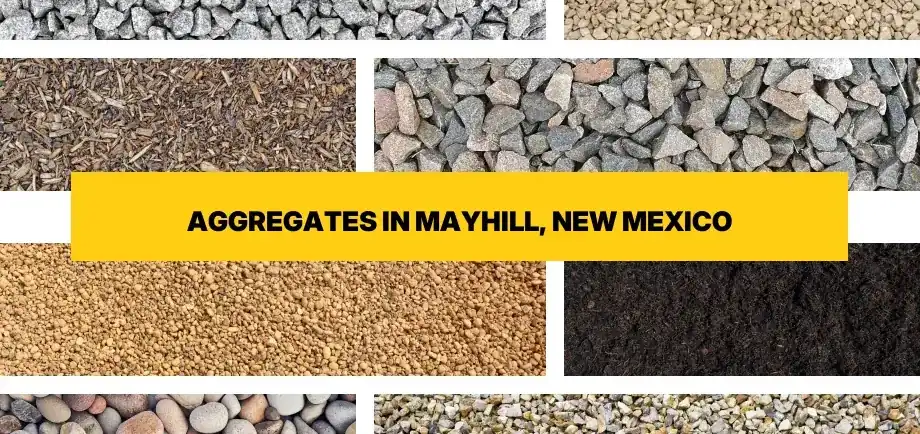
Order Topsoil, Stone & Gravel in Mayhill, New Mexico
Local Topsoil, Dirt, Sand, Rocks and Gravel near me in Mayhill, New Mexico
Shop Aggregates for Delivery in Mayhill
Order online for free delivery to any Mayhill address.


Gravel Monkey delivers high-quality aggregates and landscaping materials directly to your mountain property in Mayhill, New Mexico. Nestled in the Sacramento Mountains at over 6,800 feet elevation, Mayhill presents unique challenges for construction and landscaping projects. Whether you're maintaining a mountain driveway through pine-covered terrain, managing erosion on sloped land near the Lincoln National Forest, or creating a drought-resistant landscape that complements the natural beauty of southern New Mexico, we provide the premium materials you need with absolutely free delivery throughout the area.
Complete Range of Aggregates for Mayhill Mountain Properties
At Gravel Monkey, we understand the specific demands of mountain properties in the Sacramento Mountains region. Our comprehensive selection of aggregates and materials addresses everything from steep driveway construction to erosion control on forested slopes:
- Driveway Gravel - Essential for maintaining mountain access roads that handle elevation changes and seasonal weather
- 3/4 inch Crushed Stone - Versatile aggregate ideal for foundations and drainage in rocky mountain soil
- #57 Stone - Premium drainage material perfect for French drains and septic systems
- Crusher Run - Superior compactable base for roads and driveways on sloped terrain
- Road Base - Stable foundation material that performs in freeze-thaw cycles
- Drain Rock - Clean aggregate for managing snowmelt and monsoon runoff
- Decomposed Granite - Natural pathway material that blends with the southwestern mountain aesthetic
- Pea Gravel - Smooth stone for walkways and decorative landscaping around cabins
- River Rock - Attractive natural stone for xeriscaping and water features
- Walkway Gravel - Perfect for creating paths through pine forest settings
- Crushed Concrete - Eco-friendly recycled aggregate for sustainable mountain construction
- Topsoil - Enriched soil for mountain gardens dealing with rocky native ground
- Fill Dirt - Quality material for grading and leveling challenging terrain
- Mason Sand - Fine sand for masonry and construction projects
- Playground Sand - Safe, clean sand for family mountain retreats
- Washed Sand - Clean sand for various construction applications
Understanding Mayhill's Unique Mountain Environment
Mayhill's location in the Sacramento Mountains creates specific considerations for aggregate selection and property management. At elevations ranging from 6,600 to 7,200 feet, properties in the area experience significant temperature variations, monsoon rains, winter snowfall, and spring snowmelt that impact driveways, foundations, and landscaping.
The native soil around Mayhill consists primarily of mountain forest soils with rocky substrates, often containing limestone bedrock characteristic of the Sacramento Mountains. This alkaline soil base drains slowly when clay content is high, making proper aggregate drainage systems essential for preventing water accumulation around foundations and in low-lying areas. During summer monsoon season (typically July through September), intense afternoon thunderstorms can deposit several inches of rain in short periods, creating erosion challenges on sloped properties.
Winter conditions bring freezing temperatures and snow accumulation, particularly from December through February. Properties along the higher elevations near Cloud-croft Road and in the upper canyons may experience extended periods below freezing, subjecting aggregates to freeze-thaw cycles. Selecting materials that compact well and resist frost heaving becomes critical for long-term driveway and road stability.
Climate Considerations for Aggregate Selection
Mayhill experiences a mountain climate with four distinct seasons. Summer daytime temperatures typically reach the mid-70s to low 80s Fahrenheit, while nights cool to the 50s—ideal conditions for outdoor projects. However, the intense UV radiation at this elevation accelerates weathering of exposed materials. Winter lows frequently drop into the teens and single digits, with occasional dips below zero during cold snaps.
Annual precipitation averages around 20-25 inches, with significant variation from year to year. The monsoon pattern brings roughly half of the yearly moisture between July and September, while winter snowfall contributes another quarter. Spring can be extremely dry and windy, creating dust issues on unpaved surfaces. These weather patterns make erosion-resistant aggregates and proper drainage design essential for any property improvement project.
Serving Mayhill Communities and Surrounding Areas
Gravel Monkey proudly delivers aggregates throughout Mayhill and neighboring mountain communities. Our service area encompasses the diverse terrain and settlements across this beautiful region of southern New Mexico:
Mayhill Community Core
The main Mayhill settlement along Highway 130 includes numerous mountain homes, cabins, and small ranches scattered among ponderosa pine forests. Properties here range from permanent residences to seasonal getaways, many requiring ongoing driveway maintenance and drainage improvements. The combination of steep access roads and forest cover creates unique challenges for maintaining reliable access year-round.
Upper Sacramento Canyon Area
Properties in the upper canyon regions north and west of central Mayhill often sit at the highest elevations, experiencing the most severe winter conditions. These mountain retreats typically feature long, winding driveways that climb significant elevation changes. Proper aggregate selection for these access roads must account for both summer erosion from intense rainfall and winter challenges from snow and ice.
Rio Penasco Valley
Lower elevation properties along the Rio Penasco drainage face different challenges, including seasonal water flow management and the need for robust drainage systems. The canyon bottom areas may experience temperature inversions and higher moisture levels, requiring aggregates that perform well in damper conditions while still handling monsoon flooding events.
Weed and Pinon Communities
Just south of Mayhill proper, the Weed and Pinon areas represent lower elevation transitions where pine forest gives way to juniper-pinon woodland. Properties here experience slightly warmer temperatures but face similar drainage challenges. The soil composition shifts somewhat, often containing more clay, making proper base preparation with quality aggregates even more critical for driveway longevity.
Near Cloudcroft
While Cloudcroft itself sits at even higher elevation, properties between Mayhill and Cloudcroft along Highway 130 combine the accessibility of Mayhill with the extreme weather of higher altitudes. These locations often require the most robust aggregate solutions to handle heavy winter snow, spring snowmelt runoff, and the constant temperature cycling that can destroy improperly constructed driveways and roads.
We also serve properties throughout the Lincoln National Forest areas accessible from Mayhill, including recreational cabin sites and rural homesteads. Nearby communities like Elk, Sacramento, Dunken, and Pinon all fall within our free delivery zone. Whether your property sits in dense ponderosa forest or more open pinon-juniper transition zones, we understand the local conditions and can recommend the right materials for your specific location and elevation.
Choosing the Right Aggregate for Mountain Conditions
Selecting appropriate materials for your Mayhill property depends on several factors: elevation, slope grade, soil composition, drainage patterns, and intended use. Our aggregate comparison helps you understand which materials perform best for common mountain applications:
| Aggregate Type | Best Applications | Mountain Performance | Drainage Quality |
|---|---|---|---|
| Crusher Run | Driveway base, road construction | Excellent compaction, resists erosion on slopes | Moderate - compacts tightly |
| 3/4" Crushed Stone | General purpose, parking areas | Very good stability, handles freeze-thaw well | Good - allows water passage |
| #57 Stone | Drainage systems, French drains | Excellent for water management | Excellent - rapid drainage |
| Road Base | Foundation for driveways and roads | Superior load-bearing in mountain conditions | Moderate - designed for stability |
| Decomposed Granite | Pathways, natural landscaping | Compacts well, southwestern aesthetic | Good - permeable surface |
| Drain Rock | Foundation drainage, culverts | Essential for managing snowmelt | Excellent - clean, open structure |
| Pea Gravel | Decorative areas, walkways | Good appearance, shifts on steep slopes | Excellent - excellent permeability |
| River Rock | Xeriscaping, decorative features | Attractive but can migrate downhill | Excellent - open void spaces |
Aggregate Performance in Mayhill's Freeze-Thaw Cycles
The repeated freezing and thawing that occurs throughout winter and spring in Mayhill can destroy poorly constructed driveways and roads. Water infiltrates gaps in the aggregate, freezes overnight, expands, and gradually pushes materials apart. Angular crushed aggregates like crusher run and road base interlock better than rounded materials, creating a matrix that resists this destructive process.
Proper installation requires adequate depth—typically 4 to 6 inches of compacted aggregate for driveways at Mayhill elevations, sometimes more for areas with heavy traffic or poor native soil. The base must extend below the frost line where possible, and proper crown drainage must direct surface water off the driving surface before it can infiltrate and freeze within the aggregate layer.
Essential Applications for Aggregates in Mountain Properties
Mountain Driveway Construction and Repair
Driveways present the most common challenge for Mayhill property owners. Steep grades, curved alignments following natural contours, and exposure to harsh weather all contribute to rapid deterioration of poorly constructed access roads. A properly built mountain driveway starts with a solid base of compacted crusher run or road base, providing the load-bearing foundation that resists both vehicle weight and erosion forces.
The surface layer typically uses driveway gravel or three-quarter inch crushed stone, which provides traction on slopes while maintaining a relatively smooth driving surface. Angular particles lock together when compacted, creating a stable mat that won't wash away during intense monsoon storms. For particularly steep sections, some property owners use slightly larger aggregates that wedge together even more securely.
Regular maintenance proves essential at these elevations. Spring grading after snowmelt addresses winter damage, while late summer maintenance before monsoon season ensures proper drainage channels remain clear. Adding fresh aggregate every few years replaces material lost to erosion and maintains the proper crown that sheds water effectively.
Drainage Systems and Erosion Control
Managing water flow constitutes a critical concern on any Mayhill property. French drains using number 57 stone or drain rock intercept subsurface water before it can undermine foundations or saturate soil around homes. These systems become especially important on sloped lots where uphill water naturally flows toward structures.
Surface drainage requires equal attention. Culverts under driveways must handle spring snowmelt surges and summer cloudburst runoff. Properly sized pipes bedded in clean drain rock maintain flow capacity while preventing erosion around inlet and outlet structures. Drainage swales lined with larger aggregates slow water velocity, allowing it to infiltrate gradually rather than cutting erosive channels through the landscape.
Retaining walls on steeper properties often require drainage backfill to prevent hydrostatic pressure buildup. Clean drain rock behind the wall, connected to perforated drain pipes at the base, carries water away safely. This prevents the freeze-thaw expansion of saturated soil from pushing walls forward—a common failure mode in mountain construction.
Foundation Drainage and Moisture Management
The clay-rich mountain soils around many Mayhill properties hold moisture against foundation walls, creating conditions for frost damage and moisture infiltration. A proper foundation drainage system uses drain rock in trenches beside footings, with perforated pipe at the base directing water to daylight downslope or into dry wells.
The coarse, clean aggregate creates an open structure that water moves through easily, yet it provides structural support for the surrounding soil. This prevents settlement issues while ensuring that moisture doesn't accumulate where it can cause problems. In areas with particularly heavy clay content, some builders extend the drainage rock zone several feet from the foundation, creating a buffer that keeps the immediate foundation area drier.
Landscaping for Mountain Aesthetics
Xeriscaping with native plants and decorative aggregates creates beautiful, low-maintenance landscapes appropriate for Mayhill's climate and elevation. Decomposed granite pathways wind naturally through pine forest settings, providing stable walking surfaces that blend with the environment. The material compacts firmly when properly installed, yet allows water infiltration that prevents runoff issues.
River rock and pea gravel define planting beds and create visual interest around native plants adapted to mountain conditions. These decorative aggregates provide mulch benefits—suppressing weeds, moderating soil temperature, and reducing water evaporation—while requiring no replacement like organic mulches. Their natural colors complement the earth tones of mountain vegetation and terrain.
Dry creek beds constructed with river rock manage storm water artistically, channeling runoff through attractive landscape features rather than allowing erosive flow across open ground. During dry periods, these features provide textural interest and wildlife habitat. When summer thunderstorms arrive, they function as intended, moving water safely downslope while the stones prevent channel erosion.
Best Practices for Aggregate Installation at Elevation
Successful aggregate projects in Mayhill require attention to mountain-specific installation techniques. The high elevation, temperature extremes, and seasonal moisture variations all influence how materials should be prepared and placed.
Timing Your Project
Late spring through early fall provides the best window for aggregate installation. Soil moisture levels stabilize after snowmelt but before monsoon season begins. Ground temperatures warm enough for proper compaction, yet summer heat hasn't made working conditions uncomfortable. Avoid installation during active monsoon months when sudden storms can wash away loose material before it's properly compacted and stabilized.
Fall work must be completed before ground freezing begins, typically by mid-October at Mayhill elevations. Frozen ground cannot be properly graded or compacted, and aggregate placed over frozen soil will settle unevenly when spring thaw arrives. If fall projects must extend into cold weather, plan to complete all grading and base layers before frost, leaving only surface material for spring application.
Proper Compaction Techniques
Mountain soils and aggregates require thorough compaction to perform well under freeze-thaw stress. Plate compactors work well for pathways and smaller areas, but driveways and roads demand heavier vibratory rollers that penetrate deeper into the aggregate matrix. Compact in layers no more than 4 inches thick, as thicker lifts won't achieve adequate density throughout their depth.
Moisture content significantly affects compaction quality. Aggregates should be slightly damp—enough to bind particles together during compaction, but not so wet that water squeezes out under pressure. At Mayhill's low humidity, base materials may need light watering before compaction, especially during dry, windy spring conditions. Conversely, after rainstorms, allow excess moisture to drain before attempting compaction.
Grade and Slope Requirements
Proper surface drainage prevents most aggregate performance problems. Driveways should crown at least 2-3% from center to edges, allowing water to sheet off to vegetated areas where it can infiltrate. On sloped terrain, consider adding cross-slope drainage to prevent water from accelerating down the grade and cutting channels in the surface.
For particularly steep sections, water bars or drainage dips every 50-100 feet interrupt downslope flow, directing water off to the sides before it gains erosive velocity. These features require careful design to avoid creating tripping hazards or uncomfortable driving conditions while still managing water effectively.
Frequently Asked Questions About Aggregates in Mayhill
Crusher run provides the best performance on steep grades because it contains a mix of angular stone sizes that lock together when compacted. The fine particles fill voids between larger stones, creating a solid matrix that resists erosion and provides good traction. For surface layers on steep driveways, three-quarter inch crushed stone offers the right balance of stability and comfort. Avoid rounded gravels like pea gravel on steep slopes—they roll and migrate downhill, creating unstable driving surfaces.
Proper drainage design prevents most washout problems. Maintain a crown or cross-slope of 2-3% so water sheets off the surface rather than flowing down the length of the driveway. Install drainage dips or water bars every 50-100 feet on steep grades to interrupt downslope flow. Ensure culverts are properly sized and kept clear of debris. Using angular crushed aggregates rather than rounded stone helps materials interlock and resist erosion. Regular grading maintenance also keeps drainage features functioning as designed.
Small projects like walkway gravel paths or decorative landscaping work well as DIY projects. However, driveways, road base, and drainage systems benefit from professional installation. Contractors have the heavy equipment needed for proper compaction and grading, understand local soil conditions, and know how to design drainage that works with mountain topography. Poor installation creates costly problems that exceed the savings of doing it yourself. We can recommend experienced local contractors familiar with Mayhill's specific conditions.
Calculate volume by measuring length times width times depth in feet, then divide by 27 to convert cubic feet to cubic yards. For a driveway 100 feet long and 12 feet wide with 4 inches of aggregate, that's 100 x 12 x 0.33 divided by 27, which equals about 14.8 cubic yards. Round up to 15-16 yards to account for compaction and base irregularities. Our team can help with calculations specific to your project dimensions and elevation challenges. Mountain properties often need more material due to sloped terrain and deeper base requirements for freeze-thaw resistance.
Plan on grading your driveway at least annually, typically in late spring after snowmelt damage appears. This redistributes aggregate, re-establishes proper crown, and fills developing ruts. Add fresh material every 2-3 years to replace stone lost to erosion and wear. Clear drainage features before monsoon season and after major storms. During winter, avoid using excessive ice melt chemicals that can degrade aggregate. Snow plowing should be done carefully to avoid scraping away surface material—set plow blades an inch or two above the surface.
Crushed concrete performs well in Mayhill's environment and provides an eco-friendly alternative to quarried stone. The material compacts excellently and resists freeze-thaw damage because concrete itself handles freezing well. Crushed concrete works particularly well for base layers under driveways and as a road base material. Some property owners prefer natural stone for visible surface layers due to aesthetics, but for structural applications, recycled concrete provides reliable, sustainable performance at lower cost than new quarried aggregates.
Higher elevation properties experience more severe freeze-thaw cycles, heavier snow loads, and more intense UV exposure. These conditions favor angular crushed aggregates that interlock mechanically rather than rounded materials that depend on compaction alone. Properties above 7,000 feet may benefit from slightly larger aggregate sizes for better frost resistance. Lower elevation properties near the Rio Penasco valley can use a wider range of materials but should still prioritize good drainage design. Regardless of elevation, proper installation and adequate material depth matter more than minor differences in aggregate type.
Both materials provide excellent base layers for driveways and roads, but with subtle differences. Road base typically contains a carefully engineered gradation of stone sizes designed for maximum compaction and load-bearing strength. Crusher run comes straight from the crushing process with less precise size control but still contains the mix of sizes needed for good performance. For most Mayhill applications, either material works well. Road base may perform slightly better for heavy-use areas or extremely poor native soil conditions. Crusher run often costs less while delivering excellent results for typical residential driveways.
Why Mayhill Property Owners Choose Gravel Monkey
Serving mountain communities requires understanding the unique challenges of elevation, weather, and terrain. Our experience with properties throughout the Sacramento Mountains region means we can recommend materials that perform reliably in Mayhill's specific conditions.
Free Delivery Throughout the Area
We provide complimentary delivery to Mayhill and surrounding communities, including properties along remote forest roads and mountain access routes. Our delivery drivers know the area and can navigate challenging terrain to place materials exactly where you need them on your property. This eliminates the hassle and expense of hauling aggregates yourself from distant suppliers.
Quality Materials from Trusted Sources
All our aggregates come from reputable quarries that meet industry standards for size gradation, cleanliness, and durability. We inspect materials to ensure consistency and quality before delivery. Whether you need crusher run for a driveway base or decorative river rock for landscaping, you receive materials that perform as expected in mountain conditions.
Expert Guidance for Mountain Properties
Not sure which aggregate suits your project? Our team understands the relationship between material selection, installation methods, and long-term performance at elevation. We consider your property's specific characteristics—elevation, slope, soil type, drainage patterns—to recommend solutions that work. This expertise helps you avoid costly mistakes and ensures your investment delivers lasting results.
Flexible Ordering and Reliable Service
Order the quantity you need, when you need it. Small loads for landscaping projects or full truckloads for major driveway reconstruction—we accommodate projects of all sizes. Our scheduling works around your timeline, and we communicate clearly about delivery windows so you can plan accordingly. Mountain weather can create logistical challenges, but we work with you to find solutions that keep your project moving forward.
Understanding Mayhill's Geology and Soil Conditions
The Sacramento Mountains formed through tectonic uplift of Permian-age limestone, creating the high-elevation plateau where Mayhill sits. This underlying limestone bedrock influences everything from soil pH to water chemistry to aggregate selection. The alkaline nature of these formations means soils derived from limestone weathering also tend toward alkaline pH levels, which affects plant selection and sometimes requires amendment for successful gardening.
Soil overlying the bedrock consists of forest soils developed under ponderosa pine at higher elevations and mixed conifer-pine forests. These soils contain organic matter from decomposing needles and forest litter, but the underlying mineral content remains rocky and often clay-rich. The clay component, derived from limestone weathering, expands when wet and contracts when dry—a characteristic that creates challenges for foundations and driveways without proper aggregate buffering.
Frost Action and Soil Movement
Winter frost penetration at Mayhill elevations can reach 18-24 inches or more in severe winters. Moisture in soil and aggregate freezes, expanding by roughly 9% in volume. This expansion creates substantial forces that can heave foundations, crack concrete, and destroy poorly constructed aggregate surfaces. Proper installation mitigates frost action through adequate depth, proper drainage (preventing moisture accumulation), and using angular aggregates that maintain structural integrity during freeze-thaw cycling.
Clay-rich soils amplify frost heaving because clay particles hold water more tenaciously than sandy soils. When this water freezes, expansive forces concentrate in the clay layer. Properly designed aggregate bases create a capillary break that prevents moisture from wicking up from deeper soil layers, reducing the water available for freezing and expansion.
Drainage Patterns and Water Table
The Sacramento Mountains receive moisture from summer monsoons, winter snow, and occasional spring storms. This precipitation percolates through rocky, fractured limestone formations, emerging as springs and seeps at various elevations. Some Mayhill properties sit above natural springs or drainage paths, creating localized wet conditions even during dry periods.
Understanding your property's position in the overall drainage pattern helps plan aggregate applications effectively. Properties on ridge tops shed water downhill and may need less elaborate drainage, though erosion control becomes more critical. Mid-slope properties must manage both water generated on-site and flow from uphill areas. Properties in draws or canyon bottoms face the most significant drainage challenges, requiring robust systems to handle concentrated flow during storms and snowmelt.
Seasonal Factors for Aggregate Projects
Spring: Snowmelt and Assessment
Spring reveals winter damage to driveways and drainage systems. As snow melts, watch for areas where water ponds or flows across surfaces—these indicate drainage problems requiring correction. Frost heaving may have created uneven surfaces or pushed aggregate aside. Late April through May provides excellent conditions for grading and adding fresh material before summer's heat arrives. Soil moisture levels stabilize after snowmelt but before monsoon season, creating ideal compaction conditions.
Summer: Monsoon Challenges
July through September brings afternoon thunderstorms that can drop intense rainfall in short periods. While the storms themselves make poor working conditions, the weeks before monsoon onset (typically early June) provide a good window for completing projects. Ensure all drainage features function properly before storms begin. During monsoon season, watch how water moves across your property—this information guides future improvements. The intense UV radiation at Mayhill's elevation during summer requires sun protection for workers but doesn't significantly affect aggregate installation.
Fall: Final Projects Before Winter
September and October offer outstanding working conditions—pleasant temperatures, generally dry weather, and soil moisture that aids compaction. Complete major projects before late October, when overnight freezes become common. Fall represents the last opportunity to address drainage issues before winter. Properties at the highest elevations around Mayhill may see snow as early as mid-October, shortening the fall work window. Monitor weather forecasts and be prepared to work quickly when conditions allow.
Winter: Planning and Preparation
Snow cover and frozen ground make winter unsuitable for aggregate installation, but the season provides valuable planning time. Observe how snow accumulates and melts on your property—this mirrors summer storm drainage patterns. Note where drifts form, where snow melts first, and where ice persists. These observations inform spring project planning. Use winter to research materials, get quotes, and schedule contractors for spring work. Properties accessible during winter can receive material deliveries for stockpiling, allowing work to begin immediately when conditions permit.
Get Started on Your Mayhill Aggregate Project
Whether you're building a new mountain driveway, repairing erosion damage, or creating beautiful xeriscaped gardens, Gravel Monkey delivers the quality aggregates your Mayhill property needs. Our knowledge of mountain conditions, commitment to customer service, and free delivery throughout the Sacramento Mountains area make your project easier and more successful.
Contact us today to discuss your specific needs. We'll help you select the right materials, calculate quantities accurately, and schedule delivery that fits your timeline. From the pine forests above Mayhill to the lower elevation valleys, we're your trusted partner for premium aggregates and landscaping materials throughout southern New Mexico's mountain communities.

Need help? Reach out for a quote: