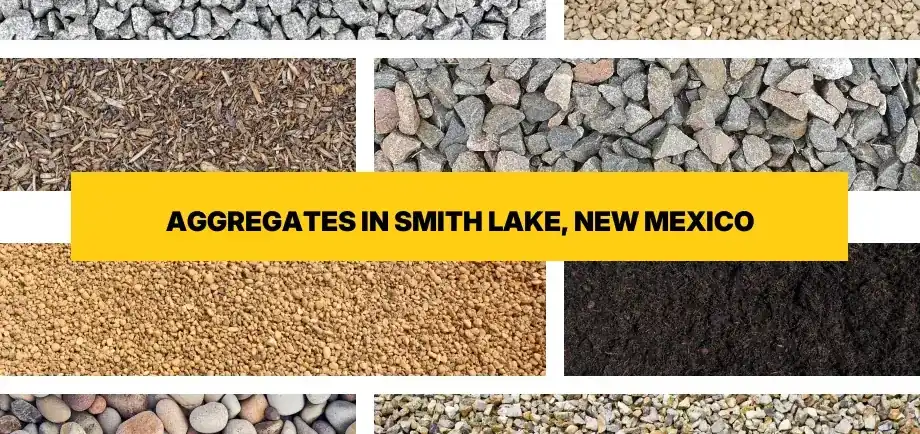
Bulk Aggregate & Gravel Products in Smith Lake, New Mexico
Local Topsoil, Dirt, Sand, Rocks and Gravel near me in Smith Lake, New Mexico
Shop Aggregates for Delivery in Smith Lake
Order online for free delivery to any Smith Lake address.


Gravel Monkey delivers premium aggregates and landscaping materials directly to properties throughout Smith Lake, New Mexico. Located in McKinley County at 7,200 feet elevation, Smith Lake presents unique challenges for property owners—from alkaline clay soils to intense summer heat and winter freezes. Our comprehensive selection of gravel, crushed stone, sand, and specialty aggregates addresses these specific conditions with free delivery to your property near Smith Lake, Prewitt, Thoreau, and surrounding areas of northwestern New Mexico.
Complete Aggregate & Material Selection for Smith Lake Properties
Smith Lake's semi-arid high desert climate, sandstone geology, and expansive clay soils require carefully selected aggregates for successful projects. Gravel Monkey provides a full range of materials specifically suited to this region's conditions:
- Driveway Gravel - Compactable base material engineered for long-lasting driveways
- 3/4 inch Crushed Stone - Versatile angular aggregate for foundations and drainage
- #57 Stone - Clean crushed stone ideal for concrete work and drainage applications
- Crusher Run - Superior compaction aggregate for stable base layers
- Road Base - Heavy-duty foundation material for roads and large driveways
- Drain Rock - Large aggregate specifically designed for drainage systems
- Pea Gravel - Smooth decorative stone for xeriscape landscaping
- River Rock - Natural rounded stone for water features and desert gardens
- Walkway Gravel - Attractive pathways material that complements the regional aesthetic
- Decomposed Granite - Natural compacting pathway material perfect for high desert landscapes
- Crushed Concrete - Eco-friendly recycled aggregate for cost-effective projects
- Topsoil - Nutrient-rich soil amendments for gardens and lawns
- Fill Dirt - Bulk material for grading, leveling, and earthwork projects
- Mason Sand - Fine sand for masonry and construction applications
- Playground Sand - Safe, clean sand for play areas
- Washed Sand - Premium clean sand for multiple uses
Aggregate Delivery Throughout the Smith Lake Region
We proudly serve the entire Smith Lake area with free aggregate delivery, including properties near Smith Lake itself, the surrounding ranch lands, areas along State Highway 371, properties near the historic Chaco Canyon region, communities along County Road 19, residential areas near Prewitt just to the east, locations near Thoreau to the southeast, properties approaching Continental Divide, and the broader McKinley County high desert areas. Whether your project is on established ranch property, new construction near the lake, or remote acreage in the surrounding mesas and valleys, Gravel Monkey delivers reliably throughout northwestern New Mexico.
The Smith Lake region's geology features exposed Cretaceous-age sandstones, shale formations, and surface layers of Dakota Sandstone. The soils are predominantly alkaline, clay-rich, and derived from weathered sandstone and shale. These conditions create poor natural drainage, expansive soil movement during seasonal moisture changes, and challenging growing conditions. Understanding these local geological characteristics is essential when selecting appropriate aggregates for construction, landscaping, and drainage projects in this area.
Smith Lake Climate & Aggregate Selection Guidelines
At approximately 7,200 feet elevation, Smith Lake experiences a semi-arid high desert climate with distinct seasonal variations that significantly impact aggregate performance. Summer temperatures frequently exceed 85°F with intense solar radiation, while winter lows regularly drop to 15°F with occasional temperatures well below zero. Annual precipitation averages around 12 inches, with most moisture arriving during July and August monsoon thunderstorms and winter snowfall from December through March.
These climate conditions create specific requirements for aggregates in the Smith Lake area. Temperature fluctuations cause freeze-thaw cycles that can heave improperly installed aggregates, particularly in poorly drained areas. The clay-rich native soils expand when wet and contract when dry, creating movement that affects foundations and driveways. Strong winds common across these high plains can blow away finer materials if not properly installed. Smart aggregate selection and installation techniques address all these regional challenges.
Choosing Aggregates for Smith Lake's Environmental Conditions
For driveway projects in the Smith Lake area, the combination of clay soils and temperature extremes makes proper base preparation critical. A thick layer of compacting aggregate provides the stable foundation needed to prevent heaving and rutting. Drainage considerations are equally important—the clay-based soils drain slowly, allowing water to pool and freeze during winter months. Aggregates that facilitate water movement away from the surface prevent frost heaving and extend driveway life significantly.
Landscaping projects benefit from aggregates that complement the natural high desert aesthetic while requiring minimal maintenance. Materials that resist wind erosion, handle temperature extremes, and work with xeriscape principles perform best in this environment. The alkaline soil pH around Smith Lake also affects plant selection and soil amendment strategies, making quality imported topsoil particularly valuable for successful gardens.
Smith Lake Aggregate Material Comparison
Different projects around Smith Lake require specific aggregate types. This comparison helps you select the right material for your property needs:
| Aggregate Type | Best Applications | Smith Lake Benefits | Compaction |
|---|---|---|---|
| Crusher Run | Driveway base, road foundations | Superior stability in clay soils, excellent drainage | Excellent |
| 3/4 inch Crushed Stone | General base work, drainage layers | Handles freeze-thaw cycles, versatile | Very Good |
| #57 Stone | Drainage systems, concrete aggregate | Clean stone, excellent water flow | Good |
| Road Base | Heavy-duty roads, large driveways | Maximum stability on clay soils | Excellent |
| Decomposed Granite | Pathways, xeriscaping | Natural look, wind resistant, compacts well | Very Good |
| Drain Rock | French drains, erosion control | Moves water away from clay soils | Fair |
| Pea Gravel | Decorative landscaping, ground cover | Low maintenance, desert aesthetic | Fair |
| River Rock | Dry creek beds, decorative features | Natural appearance, erosion resistant | Poor |
Driveway Aggregate Solutions for Smith Lake Properties
Driveways in the Smith Lake region face unique stresses from clay soil movement, freeze-thaw cycling, and the area's temperature extremes. A properly constructed aggregate driveway begins with excellent drainage—the most critical factor for longevity in this environment. The native clay soils hold moisture, which expands when frozen and contracts when dried, creating relentless pressure on anything built above.
The ideal driveway construction for Smith Lake conditions starts with excavating the clay soil to a depth of 8 to 12 inches, depending on expected traffic loads. Installing a geotextile fabric barrier prevents clay from migrating upward into the aggregate base. The first layer consists of larger drain rock or coarse aggregate to facilitate water movement away from the surface. Above this drainage layer, compacted crusher run or road base creates the stable foundation that resists movement even when the clay below shifts with seasonal moisture changes.
The top surface layer depends on your aesthetic preferences and budget. Some property owners prefer crusher run as a final surface—it compacts to near-pavement hardness and requires only occasional grading. Others choose a driveway gravel topping for traditional appearance and excellent traction. The angular edges of crushed stone varieties lock together under vehicle weight, creating a firm surface that resists rutting even during spring thaw periods when clay soils are most problematic.
Drainage Considerations for Smith Lake Driveways
Proper drainage extends driveway life dramatically in this region. Driveways should be crowned (higher in the center) to shed water toward the edges, and cross-slope should be at least 2% to ensure water doesn't pool on the surface. Bar ditches or culverts at the roadway entrance prevent water from running down the driveway during heavy monsoon rains. Installing drain rock along driveway edges, particularly on the uphill side, intercepts water before it undermines the aggregate base.
The semi-arid climate means long dry periods punctuated by intense rainfall events during July and August. When rain arrives, it often comes in concentrated downpours that can move impressive amounts of water quickly. Drainage systems must accommodate these peak flows, even though they remain dry most of the year. Proper drainage aggregate placement during construction is far easier and less expensive than attempting repairs after water damage has destabilized your driveway.
Landscaping Aggregates for High Desert Gardens
Smith Lake's high desert environment, with its alkaline soils, limited water, and extreme temperatures, creates perfect conditions for xeriscape landscaping enhanced with decorative aggregates. Native and adapted plants combined with attractive stone create low-maintenance gardens that thrive in this climate while conserving precious water resources.
Decomposed granite has become increasingly popular for Smith Lake landscaping projects. This natural material compacts to form a firm surface that resists wind erosion—a significant advantage in this exposed high plains location. It allows water penetration while suppressing weeds, and its earth-toned colors complement the surrounding landscape beautifully. Pathways, patios, and ground cover areas all benefit from decomposed granite's practical and aesthetic qualities.
For dry creek beds and erosion control features, river rock provides a natural appearance that mimics the ephemeral waterways common throughout this region. These features aren't just decorative—they channel water away from structures during heavy rains, preventing erosion and foundation problems. Sizes ranging from small river rock to large cobbles create visual interest while serving important drainage functions.
Pea gravel offers another excellent option for ground cover around plants and in garden beds. Its small, smooth stones don't retain heat as intensely as darker materials, helping moderate soil temperatures during hot summer days. The rounded edges are comfortable for walking, making pea gravel ideal for areas around seating or entertaining spaces. As a permeable ground cover, it allows rainfall to reach plant roots while suppressing weed growth.
Working with Smith Lake's Native Soils
The alkaline clay soils around Smith Lake present challenges for many plant species. Rather than attempting to dramatically alter the existing soil chemistry across large areas, successful gardeners create amended planting pockets for individual plants or raised beds filled with quality topsoil. This targeted approach conserves resources while creating optimal growing conditions for vegetables, herbs, and ornamental plants that require different soil conditions than the alkaline native earth provides.
Mulching with aggregates rather than organic materials offers advantages in this dry climate. Organic mulches decompose quickly in the intense sun and low humidity, requiring frequent replacement. Stone mulches, in contrast, are permanent. They moderate soil temperature, reduce water evaporation, prevent erosion, and maintain their appearance indefinitely. While organic matter is still valuable mixed into the soil, stone surface layers provide practical, long-lasting benefits that match this region's environmental conditions.
Construction Aggregates & Foundation Materials
Construction projects in the Smith Lake area require aggregates that perform reliably on challenging clay soils and withstand environmental extremes. Foundation work, in particular, demands careful attention to drainage and soil stability to prevent the cracking and movement issues common in this region's expansive soils.
Proper site preparation begins with removing or stabilizing the clay soil beneath structures. For foundations, excavating below the frost line (typically 30 inches in this elevation zone) and replacing with compacted road base or crusher run creates a stable platform that resists seasonal soil movement. The angular particles in these crushed aggregates lock together under compaction, forming a semi-rigid layer that distributes structural loads evenly and prevents differential settlement.
Drainage aggregate placement around foundations is equally critical. A layer of drain rock wrapped in geotextile fabric along the perimeter intercepts water and directs it away from the structure through foundation drains. This system prevents hydrostatic pressure against foundation walls during spring snowmelt and summer monsoon events. Given the clay soil's poor natural drainage, engineered drainage systems using appropriate aggregates are essential for long-term foundation integrity.
Concrete & Masonry Aggregates
Concrete work requires clean, well-graded aggregates for optimal strength and durability. Number 57 stone serves as excellent coarse aggregate in concrete mixes, while mason sand provides the fine aggregate component. The quality of these materials directly affects concrete performance—particularly important given the freeze-thaw cycling that concrete experiences in this climate.
For masonry projects, mason sand's fine, uniform particles create smooth mortar that bonds well and is easy to work with. Block walls, stone veneer, and brick work all benefit from quality masonry sand. In this dry climate, mortar can dry too quickly during hot summer months, so masonry work is often best scheduled for spring or fall when temperatures moderate. The aggregates themselves remain workable year-round with proper handling and storage.
Sand Products for Smith Lake Projects
Beyond construction applications, specialized sand products serve important functions for Smith Lake properties. Playground sand creates safe play surfaces for children, meeting ASTM safety standards while remaining soft enough to cushion falls. Unlike the native sandy clay soils, playground sand is carefully screened, washed, and tested to ensure it's free from contaminants and safe for child contact.
Washed sand's versatility makes it valuable for numerous projects around the property. It serves as a component in concrete, works as bedding sand beneath pavers, fills joints in flagstone patios, and can even be used for sandboxes. The washing process removes clay particles and organic material, leaving clean quartz sand that drains well and resists compaction.
For landscaping projects, sand amendments can improve the drainage characteristics of clay-heavy soils. Mixed into garden beds or planting areas at rates of about one-third sand to two-thirds existing soil, it creates a more workable growing medium. However, this technique works best in limited areas rather than attempting to amend large areas—the sheer volume of sand required for broad application makes targeted topsoil use more practical for most Smith Lake properties.
Erosion Control & Water Management Aggregates
The Smith Lake region's topography features rolling terrain with slopes that can experience significant erosion during heavy rains. Summer monsoon storms frequently deliver intense rainfall that runs quickly off the clay soils, carrying sediment and creating gullies if not properly managed. Strategic aggregate placement controls erosion while directing water safely across the landscape.
For gentle to moderate slopes, a layer of larger aggregates creates armor that protects the soil surface from raindrop impact and water flow. Materials like river rock or drain rock are heavy enough to resist movement during storms while allowing water to flow through and infiltrate gradually. On steeper slopes or areas with concentrated water flow, larger rip rap or boulders may be necessary to withstand erosive forces.
French drains constructed with drain rock and perforated pipe intercept subsurface water and redirect it away from structures and landscape areas. These systems are particularly valuable in the Smith Lake area, where clay soils create perched water tables during wet periods. The water sits above the dense clay layer, moving slowly laterally rather than percolating downward. French drains capture this shallow groundwater and route it to appropriate discharge points before it can cause problems.
Managing Monsoon Runoff
July and August bring the monsoon season to northwestern New Mexico, with brief but intense thunderstorms that can drop impressive rainfall amounts in short periods. Properties throughout the Smith Lake area need systems to handle this concentrated runoff. Swales lined with river rock, check dams constructed from larger stone, and properly placed culverts manage water flow while preventing erosion.
The dry arroyos and washes that remain empty most of the year can transform into raging torrents during major storm events. Understanding natural drainage patterns across your property and working with them rather than against them creates more resilient and lower-maintenance landscapes. Aggregates play a key role in these systems—they're durable, movable if needed, and blend with the natural environment while performing essential engineering functions.
Frequently Asked Questions About Aggregates in Smith Lake
We deliver a comprehensive range of aggregates including driveway gravel, crushed stone in multiple sizes, river rock, pea gravel, decomposed granite, crusher run, road base, drain rock, recycled crushed concrete, topsoil, fill dirt, and various sand types throughout Smith Lake and the surrounding McKinley County area.
Yes! Gravel Monkey offers FREE delivery to Smith Lake and the surrounding New Mexico area for all gravel and aggregate orders. We serve properties throughout the Smith Lake region with no delivery charges.
For driveways in Smith Lake, we recommend 3/4 inch crushed stone or crusher run as a base layer. These materials compact well and handle the temperature fluctuations and occasional heavy rains common in this region. The angular edges lock together to create a stable, long-lasting surface.
Smith Lake sits on sandstone and shale formations with alkaline, clay-rich soils that drain poorly. This makes proper drainage aggregates essential. We recommend drain rock or larger crushed stone for drainage projects, and quality topsoil amendments for garden beds to improve the native soil structure.
Absolutely! Decomposed granite is an excellent choice for pathways in the Smith Lake area. It compacts well, resists wind erosion common at this elevation, handles the semi-arid climate beautifully, and complements the natural desert landscape aesthetic of northwestern New Mexico.
For erosion control around Smith Lake properties, we recommend river rock or larger drain rock for water diversion, crusher run or road base for stabilizing slopes, and rip rap or large stone for areas with heavy water flow during monsoon season. These materials resist movement and provide lasting protection.
For a typical Smith Lake driveway, plan for a 4 to 6 inch base depth. Calculate your needs by multiplying length times width times depth in feet, then divide by 27 to get cubic yards. Our team can help you estimate the exact amount based on your specific property conditions and local soil characteristics.
Spring and fall offer ideal conditions for aggregate projects in Smith Lake—moderate temperatures make physical work more comfortable, and soil moisture levels are typically optimal for compaction. Summer work is possible but requires attention to heat, while winter projects may face frozen ground challenges. We deliver year-round to accommodate your schedule.
Free Aggregate Delivery Throughout Smith Lake, New Mexico
Gravel Monkey understands the specific requirements of construction and landscaping projects in Smith Lake's high desert environment. Our comprehensive aggregate selection, deep knowledge of local conditions, and commitment to free delivery make us your ideal partner for property improvements throughout this region. From ranch driveways near the lake to residential landscaping projects approaching Prewitt, we deliver the quality materials your project demands.
Every aggregate we supply is carefully selected to perform reliably in northwestern New Mexico's challenging climate and soil conditions. Whether you're building on clay soils near Thoreau, creating drainage solutions for property along Highway 371, or developing xeriscape landscaping that complements the natural high desert beauty, we have the aggregates and expertise to ensure success.
Our delivery service covers the entire Smith Lake region, including remote properties throughout McKinley County. We understand that access can be challenging on some ranch roads and rural properties, and we work with you to ensure safe, timely delivery. Contact Gravel Monkey today to discuss your aggregate needs and discover why property owners throughout the Smith Lake area trust us for quality materials and exceptional service.

Need help? Reach out for a quote: