Sand, Aggregates & Gravel for Gila, New Mexico
Local Topsoil, Dirt, Sand, Rocks and Gravel near me in Gila, New Mexico
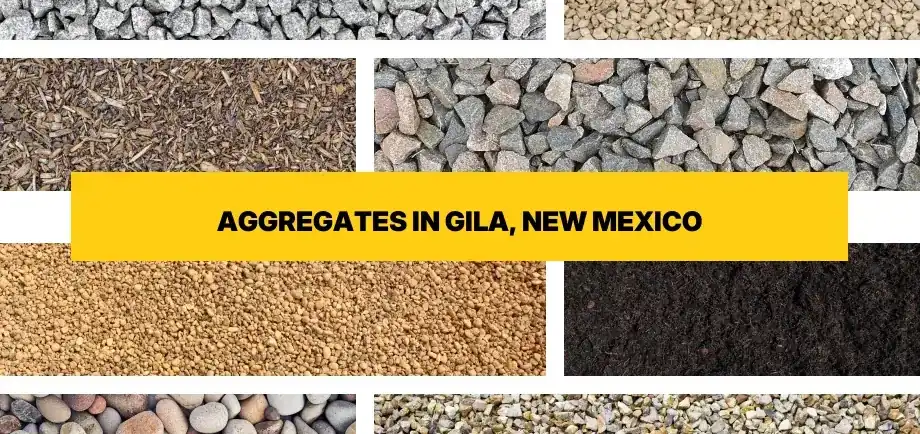
Shop Aggregates for Delivery in Gila
Order online for free delivery to any Gila address.


Gravel Monkey is your trusted source for premium aggregates and gravel delivery in Gila, New Mexico. Nestled in the heart of Grant County near the Gila National Forest and the historic Gila River, this southwestern community requires specialized materials that can withstand the unique high desert climate and diverse terrain. Whether you are building a driveway near the Gila Cliff Dwellings, creating drainage solutions for properties along the Gila River corridor, or developing ranch roads in the surrounding wilderness areas, we deliver high-quality aggregates directly to your property with absolutely free delivery throughout the Gila region.
Complete Range of Aggregates Available in Gila, NM
The Gila area presents unique challenges for construction and landscaping projects, from expansive clay soils to seasonal monsoon drainage needs to temperature swings between freezing winters and hot summers. Our comprehensive selection of aggregates addresses these specific southwestern New Mexico conditions:
- Driveway Gravel - Compactable base material engineered for long-lasting driveways in desert conditions
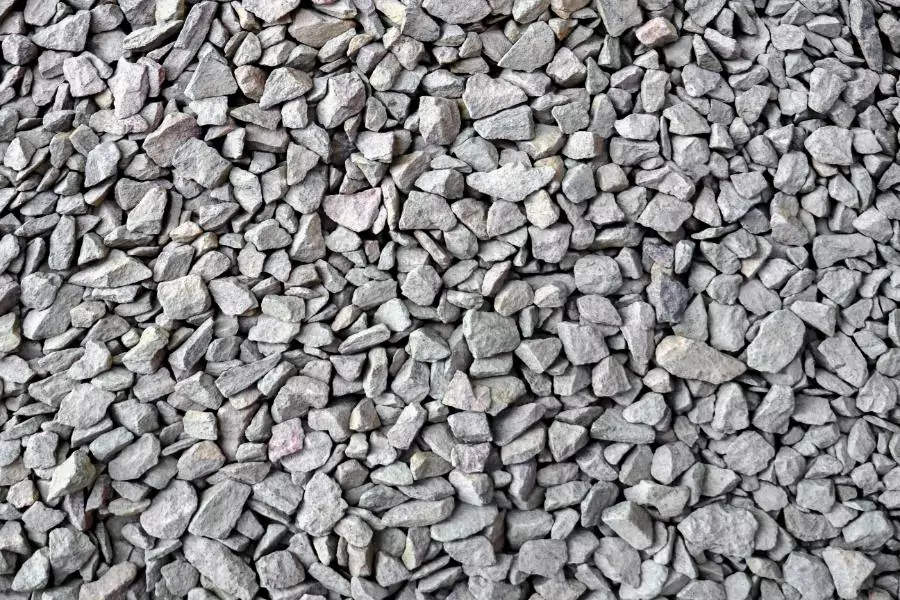
- 3/4 inch Crushed Stone - Versatile aggregate for driveways, foundations, and drainage applications
- #57 Stone - Angular crushed stone ideal for French drains and concrete mix applications
- Road Base - Heavy-duty compactable material for rural roads and ranch access routes
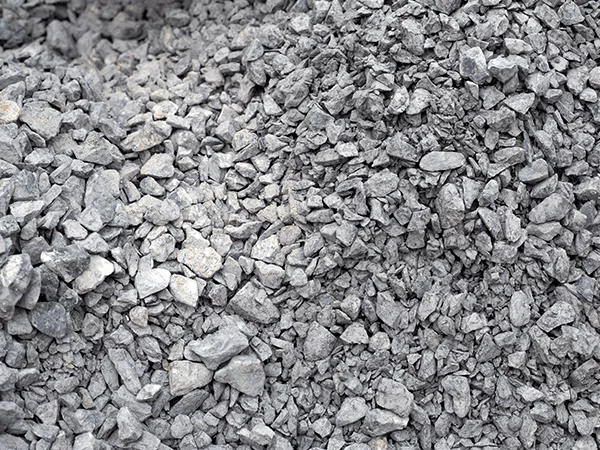
- Crusher Run - All-purpose aggregate that compacts to a solid base for any project
- Pea Gravel - Smooth, rounded stones perfect for walkways and xeriscape landscaping
- River Rock - Natural decorative stone in various sizes for southwestern landscape design
- Decomposed Granite - Native-looking material ideal for natural pathways and desert gardens
- Drain Rock - Specifically sized for optimal water management during monsoon season
- Crushed Concrete - Eco-friendly recycled aggregate for budget-conscious base projects
- Topsoil - Enriched soil for gardens and growing areas in the high desert
- Fill Dirt - Quality material for grading, leveling, and building up low areas
- Mason Sand - Fine sand for mortar, concrete, and masonry work
- Washed Sand - Clean sand for construction and landscaping applications
- Playground Sand - Safe, clean sand for play areas and recreational spaces
- Walkway Gravel - Specifically sized aggregate for comfortable, stable pathways
Understanding Gila's Unique Soil and Climate Conditions
Gila sits at approximately 4,800 feet elevation in the high desert of southwestern New Mexico, where the landscape transitions between the Mogollon Mountains and the Chihuahuan Desert. This positioning creates specific challenges that require careful material selection for any outdoor project.
The predominant soil type in the Gila area consists of clay-rich alluvial deposits mixed with decomposed volcanic material and caliche layers. These expansive clay soils can shift dramatically with moisture changes, making proper base preparation and drainage absolutely critical for driveways, foundations, and hardscaping projects. Properties near the Gila River and its tributaries may encounter additional layers of river-deposited sediment and seasonal moisture variation.
Climate-wise, Gila experiences a high desert environment with significant temperature swings. Summer temperatures regularly exceed 90 degrees Fahrenheit, while winter nights frequently drop below freezing. The area receives most of its annual precipitation during the July through September monsoon season, when intense thunderstorms can dump several inches of rain in short periods. This creates immediate drainage challenges that proper aggregate selection and installation can effectively manage.
Selecting Aggregates for Southwestern New Mexico Conditions
The combination of expansive clay soils, temperature extremes, and concentrated monsoon rainfall means that aggregates used in the Gila area must provide excellent drainage, remain stable through freeze-thaw cycles, and compact firmly over unstable clay bases. Crushed angular stones typically perform better than rounded materials because they interlock and resist shifting. A minimum depth of four to six inches is recommended for most applications to prevent the clay subsoil from pushing through during wet periods.
Serving All Areas of Gila and Grant County
Gravel Monkey proudly serves the entire Gila region and surrounding Grant County communities. Our delivery coverage extends throughout this scenic area of southwestern New Mexico:
Central Gila properties require materials that handle the clay-rich soils common throughout the historic valley. Ranch properties and rural residences benefit from durable driveway materials and proper drainage solutions.
Gila River Corridor locations near the river and its tributaries face unique moisture management challenges. Properties in this area need aggregates that provide superior drainage while remaining stable during seasonal high-water periods.
Gila National Forest Gateway areas serving as access points to the wilderness require robust materials for roads and driveways that endure heavy recreational traffic and limited maintenance opportunities.
Upper Gila Valley properties at higher elevations experience more pronounced freeze-thaw cycles, requiring aggregates that remain stable through temperature fluctuations while providing consistent drainage.
Lower Box Canyon region properties benefit from materials that manage runoff from the surrounding hillsides during intense monsoon storms while providing stable foundations on sloped terrain.
We also regularly deliver to nearby communities including Silver City, Cliff, Buckhorn, Pinos Altos, and Mimbres, ensuring that all of Grant County has access to premium aggregates with free delivery.
Aggregate Applications for Gila Properties
Driveway Construction and Repair
Gila driveways face particular challenges from the expansive clay soil base and seasonal weather extremes. A properly constructed driveway begins with adequate excavation to remove unstable topsoil and clay, followed by a compacted base layer of road base or crusher run at least four inches deep. The surface layer can utilize driveway gravel, additional crushed stone, or crusher run, depending on traffic levels and aesthetic preferences.
For properties with steep grades common in the foothills and mountain approaches, adding extra depth and using larger aggregate sizes helps prevent washouts during heavy monsoon rains. Many Gila property owners choose to crown their driveways slightly and install drainage swales on both sides to direct water away from the driving surface.
Drainage Solutions for Monsoon Season
Effective water management is essential in Gila, where summer monsoons can deliver months' worth of rain in a single afternoon. French drains constructed with drain rock or #57 stone wrapped in geotextile fabric effectively channel water away from foundations and low-lying areas. Surface drainage swales filled with river rock or larger crushed stone create attractive features that also serve critical functions during heavy rainfall.
Properties at the base of slopes or in natural drainage paths require particularly robust solutions. Installing catch basins connected to properly sized drainage pipes surrounded by drain rock prevents erosion and protects structures from water damage.
Desert Landscaping and Xeriscaping
The high desert environment around Gila is ideal for water-wise landscaping that embraces the natural beauty of the region. Decomposed granite creates natural-looking pathways and garden beds that complement native plants and require minimal maintenance. River rock in earth tones provides attractive ground cover around desert-adapted plantings while helping to retain soil moisture and regulate ground temperature.
Pea gravel works beautifully for creating defined borders between different landscape zones and provides comfortable surfaces for seating areas and courtyards. The rounded stones also work well around water features and dry creek beds that reflect the natural landscape of the Gila watershed.
| Aggregate Type | Best Applications in Gila | Key Benefits | Typical Depth |
|---|---|---|---|
| Road Base | Driveway foundations, ranch roads, parking areas | Maximum compaction, clay soil stabilization | 4-6 inches |
| Crusher Run | All-purpose base, pathways, utility trenches | Self-compacting, versatile, economical | 3-4 inches |
| 3/4" Crushed Stone | Driveway surfaces, drainage, foundations | Excellent interlock, superior drainage | 3-4 inches |
| Drain Rock | French drains, foundation drainage, erosion control | Optimal water flow, monsoon management | 6-12 inches |
| Decomposed Granite | Natural pathways, xeriscaping, garden beds | Natural appearance, compacts firm, low maintenance | 2-3 inches |
| River Rock | Decorative landscaping, dry creek beds, borders | Attractive, heat reflective, weed suppression | 2-4 inches |
| Pea Gravel | Walkways, courtyards, around plantings | Comfortable surface, decorative, excellent drainage | 2-3 inches |
Planning Your Gila Aggregate Project
Calculating Material Quantities
Accurate material estimation prevents delays and ensures you order the right amount for your Gila property. For rectangular areas like driveways and patios, multiply length times width times depth (all in feet), then divide by 27 to convert to cubic yards. For example, a 50-foot by 12-foot driveway with 4 inches of aggregate requires 7.4 cubic yards of material.
For irregular shapes or areas with varying depths, break the project into sections and calculate each separately. Always add 10-15 percent extra to account for compaction, spillage, and irregular sub-grades. Properties with particularly poor soil conditions may require additional depth and correspondingly more material.
Site Preparation Considerations
Proper site preparation is critical for successful aggregate projects in Gila's challenging soil conditions. Remove all vegetation, roots, and organic material from the project area. Excavate unstable clay to reach firm subgrade, which may require digging 8-12 inches deep in some areas. Grade the excavated area to promote drainage away from structures.
For driveways and parking areas, compact the native soil before placing aggregates. In areas with particularly expansive clay, consider installing geotextile fabric as a separation barrier between the native soil and your aggregate base. This prevents clay from migrating up into your aggregate during wet periods and helps maintain a stable, long-lasting installation.
Seasonal Timing Recommendations
While Gravel Monkey delivers year-round to Gila, certain seasons offer advantages for different projects. Spring and early summer provide ideal conditions before monsoon season arrives. Ground is typically dry enough to work easily, and you will have your project completed before the heavy rains begin.
Fall offers another excellent window after monsoons taper off but before winter freezes arrive. Winter work is certainly possible during the many mild days Gila experiences, though be prepared for occasional frozen ground that can complicate excavation. If possible, avoid heavy earth-moving during the July through September monsoon season when saturated soils make compaction and grading more challenging.
Material Specifications and Performance
Understanding Aggregate Gradation
Aggregate gradation refers to the distribution of particle sizes within a material. Well-graded aggregates contain a range of sizes from larger stones down to fine particles, allowing them to compact tightly and create stable surfaces. Uniformly graded materials consist of similarly sized particles, which may not compact as firmly but provide superior drainage.
For Gila applications, crusher run and road base are well-graded materials ideal for bases that need maximum compaction and stability over clay soils. The mix of sizes allows fines to fill voids between larger stones, creating a nearly impermeable barrier that prevents clay migration and provides a solid foundation. Clean crushed stone like 3/4 inch or #57 stone is more uniformly graded, making it perfect for drainage applications where you want water to flow freely through the material.
Compaction Requirements
Achieving proper compaction is essential for long-term performance. Base materials like road base and crusher run should be compacted in lifts no more than four inches thick using a plate compactor or vibratory roller. Each lift should reach at least 95 percent compaction before adding the next layer.
Surface materials may require less aggressive compaction depending on the application. Decorative aggregates like river rock and pea gravel need only light compaction to settle them into place, as excessive compaction can break decorative stones. Decomposed granite benefits from good compaction with water to create firm, stable pathways that resist erosion.
Sustainable Practices and Environmental Benefits
Choosing the right aggregates for your Gila property contributes to environmental sustainability in several ways. Properly installed drainage systems using drain rock and crushed stone help manage stormwater naturally, reducing erosion and protecting the Gila River watershed from sediment pollution during intense monsoons.
Desert landscaping with river rock, decomposed granite, and pea gravel dramatically reduces water consumption compared to traditional turf grass, which struggles in Gila's high desert climate. These materials also eliminate the need for chemical fertilizers and pesticides while creating habitat-friendly spaces for native wildlife.
Our crushed concrete option provides an environmentally responsible alternative to virgin aggregates for many applications. This recycled material performs excellently as a base course while reducing landfill waste and the environmental impact of quarrying new stone. It compacts well over clay soils and costs less than traditional crushed stone, making it an economical choice for budget-conscious projects.
Maintaining Your Aggregate Installations
Properly installed aggregate projects in Gila require minimal maintenance but benefit from occasional attention. Driveways and parking areas should be inspected after heavy monsoon rains for signs of washout or rutting. Add fresh material to low spots and re-grade as needed to maintain proper drainage. A light raking helps redistribute material and maintain an even surface.
Weed growth in gravel areas is minimal in Gila's dry climate but can occur in irrigated zones. Hand-pulling weeds before they establish deep roots prevents problems. For larger areas, landscape fabric installed beneath the aggregate during initial construction provides long-term weed suppression without chemicals.
Decorative aggregates like river rock and pea gravel may migrate over time, especially in sloped areas or high-traffic zones. Installing edging materials helps contain these materials within their designated areas. Occasionally rake decorative stones to redistribute them evenly and restore their attractive appearance.
Frequently Asked Questions About Aggregates in Gila, NM
We deliver driveway gravel, crushed stone in various sizes including 3/4 inch and #57, pea gravel, river rock, decomposed granite, road base, crusher run, drain rock, topsoil, fill dirt, and various sand types throughout Gila and the surrounding Grant County area. Our complete inventory addresses all construction, landscaping, and drainage needs specific to southwestern New Mexico conditions.
Yes! Gravel Monkey offers FREE delivery to Gila and the surrounding New Mexico area for all gravel and aggregate orders. We serve the entire Gila region including areas near the Gila National Forest, along the Gila River corridor, and throughout Grant County. There are no hidden delivery fees or fuel surcharges.
For Gila's high desert climate with seasonal temperature swings and monsoon rainfall, we recommend road base or crusher run as a compacted base layer with driveway gravel or 3/4 inch crushed stone as the surface layer. These materials compact well over the clay-rich soil, provide excellent drainage during monsoon season, and withstand the freeze-thaw cycles common in southwestern New Mexico. The angular shapes interlock to prevent shifting and create stable, long-lasting driveways.
The amount depends on your project size and type. For driveways, calculate length times width times depth in feet, then divide by 27 to get cubic yards. For a standard driveway in Gila, plan on 4 to 6 inches of depth to ensure stability over clay soils. Add 10-15 percent extra for compaction and irregular areas. Our team can help you estimate the right amount for your specific Gila property based on soil conditions and intended use.
Yes, we deliver aggregates throughout the greater Gila area including properties near the Gila National Forest, along the Gila River and its tributaries, and in surrounding Grant County communities such as Silver City, Cliff, Buckhorn, and Mimbres. Contact us to confirm delivery to your specific location, as our service area extends throughout southwestern New Mexico.
For desert xeriscaping in Gila, decomposed granite, river rock, and pea gravel are excellent choices. These materials complement native vegetation like agave, yucca, and cacti, reduce water needs dramatically compared to grass, reflect heat appropriately for the high desert environment, and blend naturally with the southwestern landscape while providing excellent drainage. Decomposed granite creates natural-looking pathways, while river rock adds attractive texture to garden beds and borders.
We strive to accommodate urgent delivery needs in the Gila area. Contact us early in the day to check same-day availability for your location. Standard delivery scheduling typically allows us to deliver within 1-3 business days, ensuring you receive your aggregates when you need them for your project timeline. For remote locations or larger orders, advance scheduling helps ensure timely delivery.
Gila's expansive clay soils require proper preparation for successful aggregate installations. Excavate unstable clay to reach firm subgrade, typically 8-12 inches deep. Consider installing geotextile fabric as a separation barrier between clay and aggregates. Use well-graded base materials like road base or crusher run that compact firmly and resist clay migration. Ensure adequate depth of at least 4-6 inches of compacted aggregate to prevent clay from pushing through during wet periods. Proper drainage is essential to direct water away from aggregate areas.
Professional Aggregate Delivery Throughout Grant County
Gravel Monkey serves as your local aggregate partner for all of Grant County and the greater Gila region. Our extensive experience with southwestern New Mexico's unique soil conditions, climate challenges, and landscape requirements ensures you receive not just materials, but expert guidance for successful project outcomes.
We understand that properties in Gila face different challenges than those in the surrounding mountains or desert lowlands. Whether you are maintaining a rural ranch road, building a new driveway near the historic Gila area, creating sustainable xeriscaping around your home, or installing drainage systems to protect against monsoon flooding, we provide the right aggregates with the knowledge to use them effectively.
Our commitment to free delivery means significant savings on every project, especially for properties in more remote areas where hauling costs typically add substantial expense. We deliver throughout Gila and to neighboring communities including Silver City to the south, Cliff to the northwest, and Mimbres to the southwest, making quality aggregates accessible across Grant County.
Contact Gravel Monkey today to discuss your aggregate needs and schedule free delivery to your Gila property. Our knowledgeable team is ready to help you select the perfect materials for southwestern New Mexico's distinctive environment and ensure your project succeeds from foundation to finish.

Need help? Reach out for a quote: