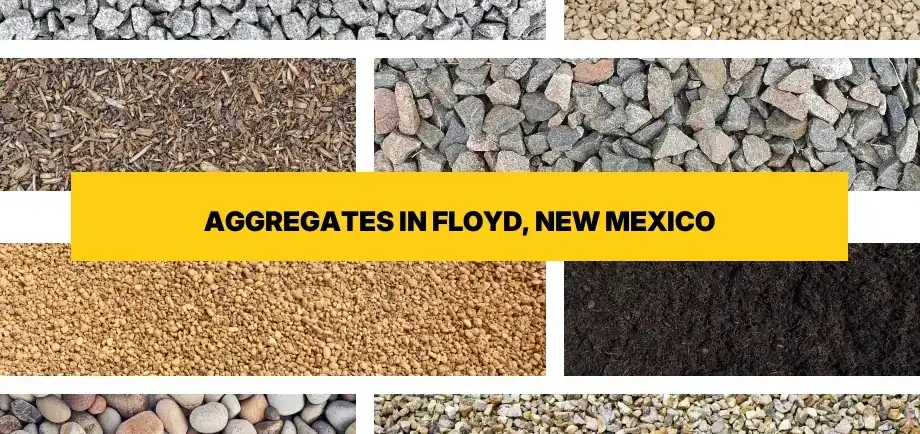
Buy Bulk Aggregates & Gravel in Floyd, New Mexico
Local Topsoil, Dirt, Sand, Rocks and Gravel near me in Floyd, New Mexico
Shop Aggregates for Delivery in Floyd
Order online for free delivery to any Floyd address.
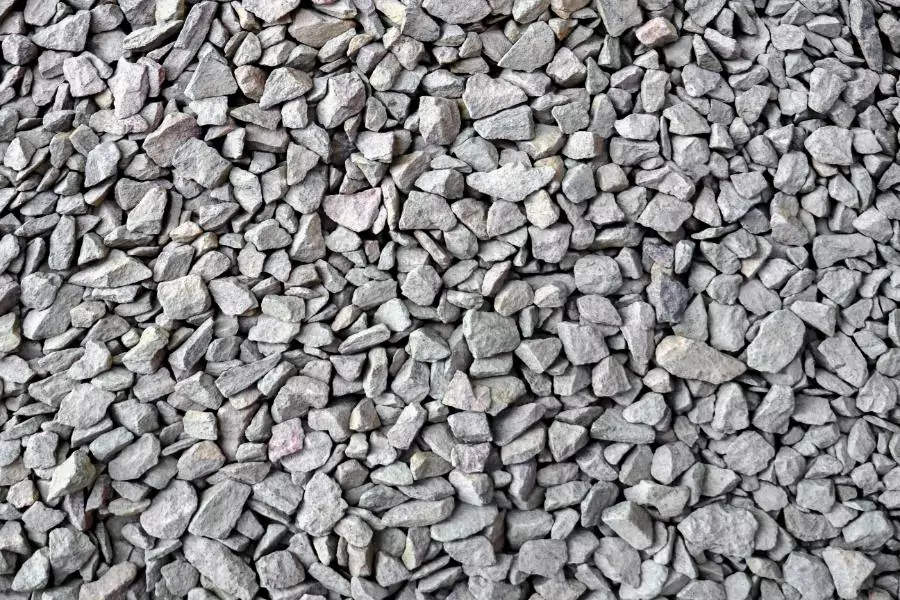
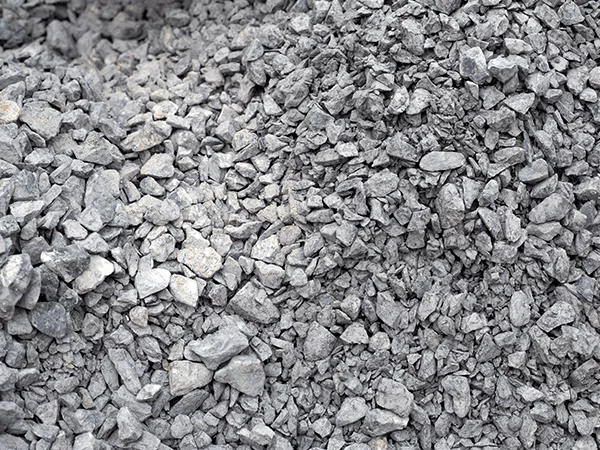


Gravel Monkey provides reliable aggregate delivery services to Floyd, New Mexico and the surrounding Roosevelt County area. Whether you're building a new driveway on the eastern edge of town, upgrading ranch roads near Portales Highway, or creating drought-resistant landscaping that thrives in our High Plains climate, we deliver premium aggregates directly to your property with free delivery. Our materials are specifically selected to perform well in Floyd's caliche-rich soils and semi-arid conditions, ensuring your projects stand the test of time in eastern New Mexico's unique environment.
Comprehensive Aggregate Selection for Floyd Properties
Floyd's location in the Llano Estacado region requires aggregates that can handle alkaline soils, dramatic temperature swings, and low annual rainfall. Gravel Monkey delivers a complete range of materials engineered for the High Plains:
- Driveway Gravel - Compactable base material perfect for Floyd's rural properties and ranch access roads
- 3/4 inch Crushed Stone - Versatile aggregate for drainage, driveways, and foundation support in caliche soils
- #57 Stone - Premium crushed stone for concrete work and French drain installations
- Road Base - Heavy-duty compactable material for long-lasting driveways and farm roads
- Crusher Run - All-purpose aggregate that binds well in Roosevelt County's soil conditions
- Decomposed Granite - Natural-looking stabilized material ideal for xeriscape pathways
- Pea Gravel - Smooth rounded stones for decorative landscaping and ground cover
- River Rock - Natural decorative stone for drought-tolerant landscape designs
- Walkway Gravel - Specially sized aggregate for garden paths and pedestrian areas
- Drain Rock - Clean angular stone for superior drainage in Floyd's clay-based soils
- Crushed Concrete - Eco-friendly recycled aggregate for cost-effective base layers
- Topsoil - Nutrient-rich soil for gardens and lawns in eastern New Mexico
- Fill Dirt - Quality material for grading and leveling Floyd properties
- Mason Sand - Fine sand for mortar mixing and masonry projects
- Washed Sand - Clean sand for concrete and construction applications
- Playground Sand - Safe, soft sand for children's play areas
Aggregates Engineered for Floyd's High Plains Environment
Floyd sits at approximately 4,150 feet elevation in the heart of Roosevelt County's agricultural region, where the landscape is characterized by flat to gently rolling terrain and the distinctive red-brown soils of the Llano Estacado. The area experiences a semi-arid climate with average annual rainfall of just 16-18 inches, most falling during summer thunderstorms. Winter temperatures can drop below 20°F, while summer highs regularly exceed 95°F, creating a temperature range that tests material durability.
The dominant soil type throughout Floyd and the surrounding areas is caliche-rich clay, formed over millennia from ancient calcium carbonate deposits. This alkaline soil presents unique challenges for construction and landscaping projects. Caliche layers, sometimes called "hardpan," can restrict water movement and root growth, making proper drainage critical for any aggregate application. Properties along the northern sections near Portales Highway and those extending toward the Roosevelt County line all share these geological characteristics.
Eastern New Mexico's High Plains region experiences approximately 270 days of sunshine annually, with low humidity levels that accelerate surface drying. Strong winds, particularly in spring months, can reach 30-40 mph, making dust control an important consideration for exposed soil and aggregate surfaces. These environmental factors make choosing the right aggregates essential for project longevity throughout Floyd and nearby communities like Elida, Causey, and Dora.
Aggregate Solutions for Rural Floyd Properties
Ranch and Farm Road Construction
Floyd's economy revolves around agriculture and ranching, with numerous properties requiring reliable access roads for equipment, livestock management, and crop transportation. The combination of road base and crusher run creates exceptionally durable rural roads that can handle heavy farm equipment, frequent cattle truck traffic, and seasonal moisture from irrigation runoff. Properties throughout the Roosevelt County agricultural belt depend on properly constructed aggregate roads that resist rutting and washboard formation.
For ranch entrances and long driveways connecting to Highway 267 or County Road systems, a layered approach works best. Start with 4-6 inches of compacted road base to create a stable foundation that won't shift in Floyd's expansive clay soils. Top with 2-3 inches of driveway gravel for a weather-resistant surface that sheds water and resists erosion during summer thunderstorms. This proven combination performs reliably across the High Plains region, from Floyd to Portales and beyond.
Residential Driveways and Property Access
While Floyd maintains its rural character, residential properties in town and along the outskirts require practical driveway solutions that handle daily vehicle traffic while managing the challenges of caliche soil and alkaline conditions. The 3/4 inch crushed stone provides excellent compaction and drainage, essential for preventing the pooling that can occur when water encounters impermeable caliche layers.
Many Floyd homeowners appreciate the clean appearance and low-maintenance nature of properly installed aggregate driveways. Unlike asphalt, which can crack and deteriorate under intense High Plains sun exposure, quality crushed stone maintains its integrity through freeze-thaw cycles and temperature extremes. Properties near the center of Floyd and those along the residential areas benefit from the dust control that comes with well-compacted aggregate surfaces.
Drainage Solutions for Clay and Caliche Soils
Effective drainage is critical throughout Roosevelt County, where underlying caliche layers can create perched water tables during rain events. French drains installed with #57 stone provide excellent void space for water movement, channeling moisture away from foundations, livestock facilities, and agricultural structures. The angular nature of drain rock ensures particles won't compact over time, maintaining long-term drainage capacity even under Floyd's challenging soil conditions.
Properties experiencing standing water after irrigation or summer thunderstorms benefit from strategic aggregate placement. Creating drainage swales filled with clean drain rock allows water to percolate slowly through multiple soil layers rather than running off rapidly and causing erosion. This approach works particularly well for properties on the slight slopes found throughout the Floyd area, protecting both the land and neighboring properties from water-related issues.
Choosing the Right Aggregate for Your Floyd Project
Different applications require specific aggregate types to ensure optimal performance in eastern New Mexico's climate. This comparison helps you select the ideal material:
| Aggregate Type | Best Applications | Compaction Level | Drainage Quality | Floyd Climate Suitability |
|---|---|---|---|---|
| Road Base | Driveways, farm roads, foundations | Excellent | Moderate | Outstanding - handles heavy loads |
| Crusher Run | Driveways, parking areas, walkways | Very Good | Good | Excellent - binds well in dry climate |
| 3/4 inch Crushed Stone | Driveways, drainage, concrete base | Good | Excellent | Excellent - versatile for most projects |
| #57 Stone | French drains, concrete aggregate | Minimal | Excellent | Outstanding - ideal for drainage |
| Decomposed Granite | Pathways, xeriscaping, patios | Good | Very Good | Excellent - perfect for desert landscaping |
| Pea Gravel | Decorative landscaping, ground cover | Poor | Good | Very Good - attractive, low maintenance |
| Drain Rock | Foundation drainage, septic systems | Minimal | Excellent | Outstanding - critical for clay soils |
| Crushed Concrete | Base layers, temporary roads | Good | Good | Good - economical option |
Water-Wise Landscaping with Aggregates
Floyd's semi-arid climate and limited annual rainfall make water-wise landscaping not just environmentally responsible but economically sensible. Decorative aggregates reduce water consumption by 50-70% compared to traditional lawns while providing attractive, functional outdoor spaces that thrive in eastern New Mexico's conditions.
Decomposed granite has become increasingly popular throughout Roosevelt County for creating natural-looking pathways and patio areas that complement adobe-style homes and ranch architecture. This material stabilizes beautifully under the High Plains sun, forming a firm surface that remains permeable for the occasional rain while requiring virtually no maintenance. Combined with native plants like desert marigold, penstemon, and yucca, decomposed granite creates authentic Southwest landscapes that honor Floyd's heritage.
River rock and pea gravel offer contrasting textures and colors for visual interest in water-wise designs. Light-colored pea gravel reflects sunlight, helping moderate soil temperatures around plant roots during scorching summer months when temperatures can exceed 95°F for weeks at a stretch. Darker river rock provides mass for heat absorption in winter, creating microclimates that benefit cold-hardy succulents and ornamental grasses. These aggregates also prevent wind erosion, a significant concern during spring when sustained winds can strip topsoil from exposed areas.
Practical Outdoor Living Spaces
Creating functional outdoor areas that withstand Floyd's weather extremes requires thoughtful aggregate selection. Crusher run provides an excellent base for covered patios and outdoor entertainment areas, compacting to a stable surface that won't shift or settle over time. Layer with finer walkway gravel for a finished appearance that's comfortable underfoot while maintaining proper drainage.
For properties throughout the Floyd area, aggregate-based outdoor spaces require minimal maintenance compared to wood decking or concrete patios that can crack under temperature stress. The natural permeability of properly installed aggregates prevents water accumulation, eliminating mosquito breeding sites and reducing mud during summer thunderstorm season. These practical benefits make aggregates the preferred choice for ranch homes, agricultural properties, and residential yards alike.
Professional Installation Practices for High Plains Conditions
Successful aggregate projects in Floyd require understanding how materials interact with local soil conditions. The presence of caliche layers throughout Roosevelt County means excavation depth becomes crucial. Remove existing caliche or heavily compacted clay to a depth of at least 6-8 inches for driveways, ensuring the aggregate base contacts native soil that can provide adequate support.
Moisture content during compaction significantly affects long-term performance. In Floyd's dry climate, lightly misting aggregates before compaction helps particles lock together more effectively. However, avoid over-watering, which can mobilize salts in alkaline soils and create problems as materials dry. The goal is achieving optimal moisture content—usually when aggregates darken slightly and begin to clump when squeezed but don't leave your hand muddy.
Edge restraint prevents aggregate migration, particularly important given the wind conditions common to the Llano Estacado. Install landscape edging, concrete curbs, or compacted shoulders along driveway edges and walkways. This containment keeps materials in place during summer dust storms and prevents gradual spreading that would require constant maintenance. Properties near the windswept areas extending toward Causey and Elida especially benefit from proper edge treatment.
Compaction and Base Preparation
Proper compaction is non-negotiable for aggregate projects in clay-based soils. Rent or hire a plate compactor or vibratory roller appropriate for your project size. Make multiple passes over each layer, compacting in 2-3 inch lifts rather than attempting to compact deeper layers all at once. This systematic approach creates uniform density throughout the aggregate base, preventing differential settlement that causes dips and rough spots.
For driveways and high-traffic areas, achieve at least 95% standard Proctor density through proper compaction. Test compaction by walking across the finished surface—properly compacted aggregates should feel firm underfoot with minimal movement. If the surface shifts noticeably or shows deep footprints, additional compaction passes are necessary. Floyd's agricultural community understands the value of doing the job right the first time, and aggregate installation is no exception.
Long-Term Aggregate Maintenance in Eastern New Mexico
Well-installed aggregates require surprisingly little maintenance in Floyd's climate, but periodic attention ensures decades of reliable performance. Annual inspection should focus on edge integrity, surface evenness, and drainage function. Spring is ideal timing, allowing you to address winter freeze-thaw effects and prepare surfaces for summer heat.
Rake and redistribute surface aggregates every 6-12 months to maintain even coverage and fill any thin spots that develop from vehicle traffic or wind action. This simple maintenance task takes minimal time but prevents minor issues from becoming major problems. For driveways receiving heavy use from farm equipment or livestock trailers, consider adding a thin refresh layer of driveway gravel every 3-5 years to maintain surface integrity.
Weed control is straightforward with aggregates compared to traditional landscaping. Any vegetation that emerges through properly installed aggregates indicates the base layer needs attention. Spot-treat with appropriate herbicides or use landscape fabric beneath decorative aggregates to prevent weed establishment. Floyd's low humidity and intense sun naturally suppress weed growth in aggregate surfaces, giving you an advantage over properties in more humid climates.
Seasonal Considerations
Winter preparation involves ensuring drainage channels remain clear so spring snowmelt and occasional winter rain can flow freely away from structures. Floyd's winters, while cold, typically feature limited precipitation, but when moisture does arrive, frozen ground can impede normal percolation. Aggregate surfaces that drain properly prevent ice formation and the hazardous conditions that come with freezing standing water.
Summer maintenance focuses on dust control for larger aggregate areas. A light watering during particularly dry, windy periods helps suppress dust without compromising drainage or compaction. Some Floyd property owners apply magnesium chloride to ranch roads and long driveways as an eco-friendly dust suppressant that doesn't harm livestock or vegetation. This approach works well throughout Roosevelt County's agricultural areas.
Serving All Floyd Area Properties
Gravel Monkey provides free aggregate delivery throughout Floyd and the surrounding Roosevelt County region. We understand the unique needs of properties in different areas:
- Floyd Town Center - Residential properties and historic downtown areas requiring attractive, low-maintenance aggregate solutions
- Portales Highway Corridor - Commercial and agricultural properties along the main route requiring durable access roads
- Northern Agricultural Region - Large ranch and farm operations needing bulk aggregates for road maintenance and drainage
- Eastern Rural Properties - Homesteads and ranchettes requiring reliable driveway materials and water management solutions
- Roosevelt County Line Areas - Remote properties needing quality aggregates delivered to challenging access locations
We also serve nearby communities including Portales, Elida, Causey, Dora, and Arch, ensuring convenient aggregate delivery across the entire eastern New Mexico region. Whether your property is in town or on a remote section of Roosevelt County rangeland, Gravel Monkey delivers the materials you need.
Frequently Asked Questions About Aggregates in Floyd
Road base and crusher run excel in caliche soils because they compact firmly and create stable surfaces that won't shift. For drainage applications in caliche areas, #57 stone and drain rock provide the void space necessary for water movement through dense clay layers. Decomposed granite works beautifully for pathways since it binds naturally in our alkaline soil conditions.
For residential driveways, install 4-6 inches of compacted road base or driveway gravel. Ranch roads and areas with heavy equipment traffic benefit from 6-8 inches of base material. In areas with particularly problematic caliche layers, excavate deeper and replace with aggregate to ensure proper drainage and prevent heaving during freeze-thaw cycles.
Yes, properly compacted crusher run or road base significantly reduces dust compared to bare caliche or dirt roads. The finer particles in these aggregates fill voids and create a denser surface that resists wind erosion. Light watering or magnesium chloride application during particularly dry, windy periods provides additional dust suppression without harming livestock or vegetation.
While possible, best results come from removing problematic caliche layers first, especially in areas prone to standing water. If caliche is well-compacted and drainage isn't an issue, scarify the surface to create mechanical bonding, then install aggregates in proper layers with thorough compaction. For critical areas like building foundations or main driveways, excavation and replacement typically proves more reliable long-term.
Measure the length and width of your project area in feet, then multiply by the desired depth in feet. Divide this result by 27 to convert cubic feet to cubic yards. For example, a 12-foot wide by 100-foot long driveway with 4 inches (0.33 feet) of aggregate needs: 12 x 100 x 0.33 = 396 cubic feet ÷ 27 = 14.7 cubic yards. Round up to account for compaction and order 15-16 yards.
Mason sand contains a specific gradation of particles ideal for mortar mixing and bricklaying, with enough fines to create workable mortar that bonds well in our dry climate. Washed sand has fewer fines and works better for concrete mixing where you need consistent aggregate sizing. Both perform well in Roosevelt County's alkaline conditions, but choose based on your specific application.
Floyd's semi-arid climate, temperature extremes, and caliche soils actually benefit aggregate performance. Low humidity prevents organic growth and decomposition, while the lack of sustained moisture means less freeze-thaw damage than in wetter climates. Strong winds make proper compaction and edge restraint essential, but once installed correctly, aggregates remain stable for decades with minimal maintenance.
Absolutely. Crushed concrete performs excellently as a base layer material throughout Roosevelt County. It compacts well, provides good drainage, and costs less than virgin aggregates while offering environmental benefits. Many Floyd ranch owners use crushed concrete for farm roads, equipment pads, and secondary driveways with excellent results. The alkaline nature of concrete actually complements our naturally alkaline soils.
Free Aggregate Delivery Throughout Floyd and Roosevelt County
Gravel Monkey eliminates the hassle of sourcing and transporting bulk aggregates for your Floyd property. We deliver premium materials directly to your site anywhere in Roosevelt County—completely free. Whether you're building ranch roads near Elida, upgrading residential driveways in Floyd proper, or creating water-wise landscapes along the Portales Highway corridor, we provide the quality aggregates your project demands.
Our team understands the unique challenges of High Plains construction and landscaping. We can help you select the ideal aggregates for Floyd's caliche soils, semi-arid climate, and your specific application. From small residential projects to large-scale agricultural operations, we supply the materials eastern New Mexico properties need to thrive.
Experience the Gravel Monkey difference: premium aggregates, expert guidance, and reliable free delivery to Floyd and all surrounding Roosevelt County areas. Your project deserves materials that will perform for decades in New Mexico's demanding environment—let us deliver them to your door.

Need help? Reach out for a quote: