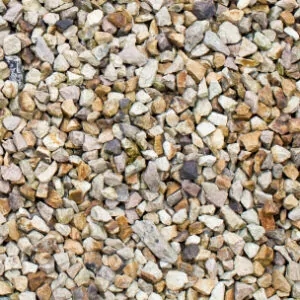
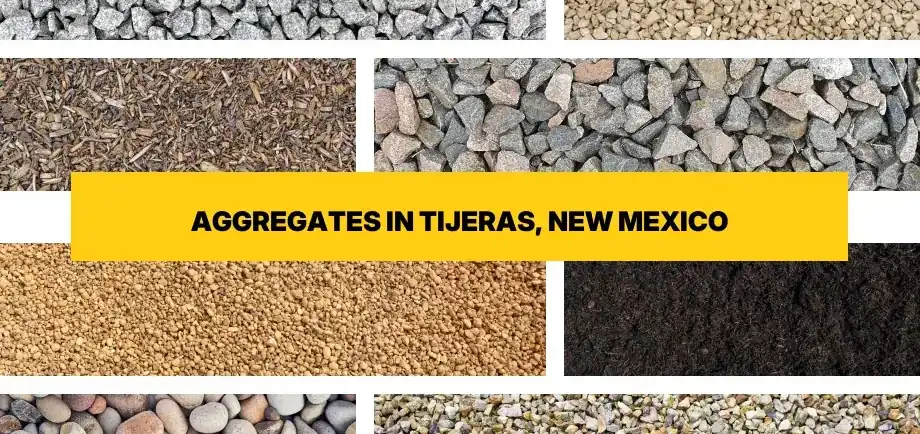
Rock & Driveway Gravel in Tijeras, New Mexico
Local Topsoil, Dirt, Sand, Rocks and Gravel near me in Tijeras, New Mexico
Shop Aggregates for Delivery in Tijeras
Order online for free delivery to any Tijeras address.
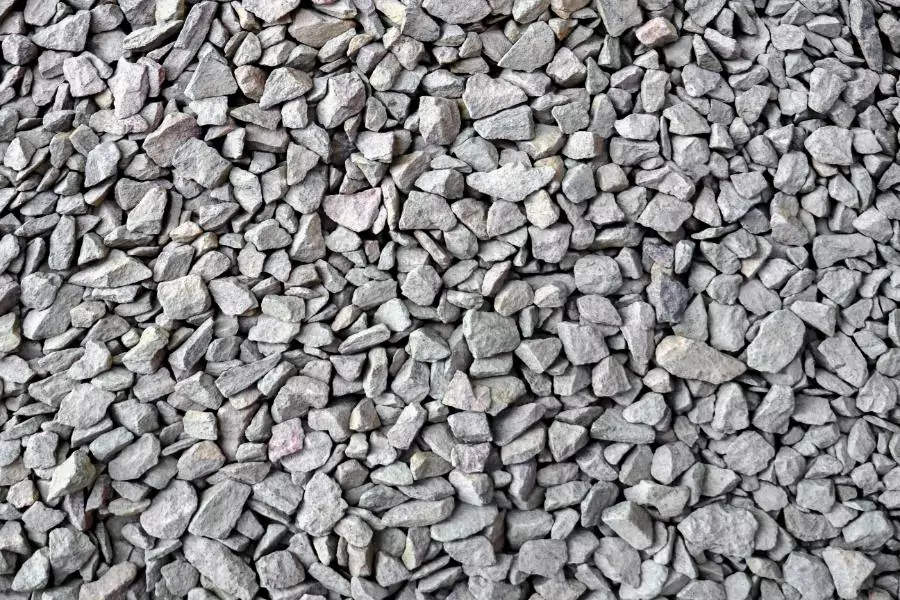
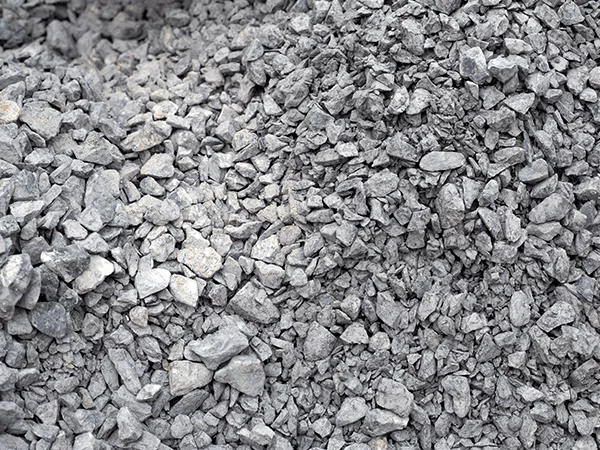


Gravel Monkey delivers premium aggregates and landscaping materials throughout Tijeras and the East Mountains region of New Mexico. Located at the gateway to the scenic Sandia Mountains, Tijeras presents unique challenges including high elevation terrain, volcanic soils, and dramatic temperature swings that require specialized materials and proper installation techniques. Whether you're building a mountain driveway in Canyon Estates, creating xeriscaping along Highway 14, or stabilizing slopes near Cedar Crest, we provide the right aggregates with free delivery to your Tijeras property.
Buy Materials by Type in Tijeras
Every material we deliver in Tijeras, with coverage, sizing and ordering details for each one.
Complete Aggregate Selection for Tijeras Mountain Properties
The East Mountains environment demands durable aggregates that handle elevation changes, freeze-thaw cycles, and expansive soils common throughout the Tijeras area. We supply materials specifically suited for the unique geological and climatic conditions found at 6,600 feet elevation:
- Driveway Gravel - Angular aggregate that compacts firmly on sloped mountain driveways
- 3/4 inch Crushed Stone - Versatile aggregate for foundations and drainage applications
- #57 Stone - Clean crushed rock ideal for French drains and water management
- Crusher Run - Compactable base material that locks together for stable surfaces
- Road Base - Heavy-duty foundation aggregate for mountain roads and driveways
- Decomposed Granite - Natural material perfect for Tijeras xeriscaping projects
- Pea Gravel - Smooth decorative stone for pathways and garden beds
- River Rock - Natural aesthetic stone for landscaping accents
- Drain Rock - Essential aggregate for managing mountain runoff and drainage
- Crushed Concrete - Economical recycled aggregate for base layers
- Topsoil - Amended soil for gardens adapted to high elevation
- Fill Dirt - Stable material for grading on volcanic soils
- Mason Sand - Fine aggregate for masonry and construction projects
- Washed Sand - Clean sand for concrete mixing and specialized applications
- Playground Sand - Safe, soft sand for residential play areas
- Walkway Gravel - Attractive aggregate for mountain property paths
Understanding Tijeras Geology and Climate Challenges
Successful aggregate projects in Tijeras require understanding the area's unique environmental factors. Positioned at the eastern edge of the Sandia Mountains where the high desert meets ponderosa pine forests, Tijeras experiences conditions distinctly different from lower elevation Albuquerque just 15 miles west.
Volcanic and Sedimentary Soil Composition
Tijeras sits on a complex geological foundation formed by ancient volcanic activity and sedimentary deposits. The local soil contains significant clay content that expands when wet and contracts during dry periods. This expansive soil behavior causes foundation movement, driveway shifting, and drainage problems throughout Canyon Estates, Paa-Ko Ridge, and neighborhoods along Highway 333. Properties require proper base preparation with compacted aggregates that resist soil movement. The underlying Madera Limestone and Sandia Formation create rocky terrain that challenges excavation but provides excellent natural drainage when properly managed with angular crushed stone.
High Elevation Climate Impacts
At 6,659 feet elevation, Tijeras experiences approximately 200 freeze-thaw cycles annually, significantly more than lower elevation communities. Winter temperatures regularly drop below freezing overnight while daytime sun warms surfaces above freezing, creating expansion and contraction that shifts poorly installed aggregates. The area receives about 16 inches of precipitation annually, concentrated in summer monsoons and winter snowfall. These moisture events followed by rapid drying cause dramatic soil volume changes. Properties near Cedar Crest and San Antonito particularly experience frost heave issues requiring proper aggregate depth and drainage installation.
Temperature Extremes and Wind Exposure
Tijeras experiences temperature swings exceeding 40 degrees between day and night, particularly during spring and fall transitions. Summer highs reach the upper 80s while winter lows can plunge below zero degrees Fahrenheit. Strong winds funneling through Tijeras Canyon, especially in spring, can displace loose aggregates and create erosion problems. Projects along exposed ridgelines in Canyon Estates require aggregates that compact firmly and resist wind scour. The combination of intense UV exposure, low humidity averaging 30 percent, and dramatic temperature cycling demands durable aggregates that won't degrade under harsh environmental conditions common throughout the East Mountains.
Serving Tijeras Neighborhoods and East Mountain Communities
Gravel Monkey provides free delivery throughout Tijeras and surrounding East Mountain areas. Each community presents unique terrain and access challenges requiring different aggregate solutions:
Canyon Estates and Mountain View
These established neighborhoods feature steep driveways and sloped lots requiring aggregates that compact firmly on grades. Properties here benefit from crusher run bases topped with driveway gravel that resists sliding on inclines. Proper drainage installation with drain rock prevents water from undermining driveways during monsoon season.
Cedar Crest and Paa-Ko Ridge
Communities along Highway 14 north of Tijeras experience similar elevation and climate conditions. Larger lots with longer driveways often use road base for durability under repeated vehicle traffic. Xeriscaping projects incorporating decomposed granite complement the natural pinon-juniper landscape while conserving water.
San Antonito and Highway 333 Corridor
Properties south toward Chilili feature rolling terrain with excellent mountain views. These areas often deal with rocky soil conditions where fill dirt provides stable foundations for building pads. French drain installations using #57 stone manage seasonal runoff effectively on these properties.
Tijeras Village and Commercial District
The historic village core along old Route 66 includes commercial properties requiring durable parking lot bases and proper storm water management. Road base and crusher run provide long-lasting foundations for high-traffic areas, while decorative river rock enhances business landscaping visible from Interstate 40.
High-Elevation Properties Above 7,000 Feet
Homes in the highest elevation sections near Sandia Park experience the most severe freeze-thaw cycles. These properties require deeper aggregate bases, typically six inches minimum, using angular materials that interlock effectively. Proper installation prevents the frost heave that commonly affects inadequately prepared surfaces at higher elevations.
Aggregate Applications for Mountain Properties
Mountain Driveway Construction and Repair
Tijeras driveways face unique challenges including steep grades, freeze-thaw damage, and erosion from intense summer storms. Successful mountain driveways require substantial base preparation. We recommend excavating 8-12 inches and installing compacted layers starting with road base for the foundation, followed by crusher run for stability, and finishing with driveway gravel for the driving surface. This multi-layer approach creates driveways that resist frost heave and drainage problems common throughout Canyon Estates and Cedar Crest. For existing driveway repair, adding fresh gravel annually before winter helps maintain surface integrity against freezing temperatures.
Drainage Solutions for East Mountain Properties
Managing water flow is critical on sloped Tijeras properties where summer monsoons deliver intense rainfall in short periods. French drains using drain rock intercept water before it reaches foundations or undermines driveways. Swales lined with larger river rock slow runoff while preventing erosion. Properties along Highway 333 particularly benefit from drainage systems that direct water away from building sites while preventing soil saturation that activates expansive clay soils. Proper drainage design considers both summer monsoon intensity and spring snowmelt volume typical at higher elevations.
Foundation and Building Pad Preparation
Tijeras building sites often require significant grading to create level pads on sloped terrain. Fill dirt provides stable fill material that won't settle over time, while road base creates a solid foundation layer under concrete slabs. The expansive clay soils throughout the area require proper compaction and moisture control during construction. Building pads should extend drainage away from foundations using strategic grading and aggregate placement that prevents water accumulation during the area's wet seasons.
Xeriscaping and Desert Mountain Landscaping
The semi-arid climate and limited water availability make xeriscaping ideal for Tijeras properties. Decomposed granite creates attractive, low-maintenance surfaces for courtyards and pathways that complement native vegetation. Pea gravel works well for decorative beds around drought-tolerant plants, providing weed suppression without organic mulch that decomposes quickly in intense sun. River rock accents add visual interest while requiring zero water. These approaches reduce landscape water consumption by 70 percent or more compared to traditional grass lawns while suiting the natural East Mountain environment.
Erosion Control on Sloped Lots
Steep terrain throughout Tijeras creates erosion challenges during summer thunderstorms that can deliver an inch or more of rain in less than an hour. Larger aggregates like crushed concrete or road base can stabilize slopes when installed with proper compaction. Terracing using retained aggregate layers creates stable planting areas while managing runoff. Properties with significant slope benefit from professional erosion control design that considers Tijeras' unique combination of intense rainfall events, rapid snowmelt, and erodible volcanic soils.
Choosing the Right Aggregate for Your Tijeras Project
Different aggregates serve specific purposes in the challenging East Mountain environment. Understanding material characteristics helps select the optimal aggregate for your project conditions:
| Aggregate Type | Best Applications | Key Benefits | Tijeras Considerations |
|---|---|---|---|
| Driveway Gravel | Driveway surfaces, parking areas | Compacts firmly, excellent traction | Resists sliding on sloped mountain driveways |
| Crusher Run | Base layers, foundations | Interlocks tightly when compacted | Stable under freeze-thaw cycles |
| Road Base | Heavy-duty foundations, roads | Maximum load-bearing capacity | Handles elevation terrain and heavy vehicles |
| Decomposed Granite | Walkways, xeriscaping | Natural appearance, water-permeable | Perfect for low-water East Mountain landscapes |
| #57 Stone | Drainage systems, French drains | Excellent water flow, no fines | Manages monsoon runoff effectively |
| 3/4 Inch Crushed | Multiple applications, versatile | Angular shape provides stability | Adapts to various mountain property needs |
| Fill Dirt | Grading, building pads | Stable fill with proper compaction | Works with expansive clay soils |
| Drain Rock | Perimeter drains, water management | Prevents foundation water issues | Critical for properties on clay soils |
Installation Best Practices for East Mountain Conditions
Proper Base Preparation on Volcanic Soils
Tijeras' volcanic and clay-rich soils require thorough base preparation before aggregate installation. Excavate to stable subgrade, removing organic material and loose soil. On expansive clay soils common throughout the area, install a geotextile fabric layer to separate aggregates from underlying soil and prevent mixing. Compact base layers in four-inch lifts using a mechanical compactor, not hand tamping, to achieve proper density. Properties in Canyon Estates and along Highway 14 particularly need attention to base preparation due to problematic soil conditions. Proper base work prevents future settling and maintains drainage functionality even during intense monsoon rainfall.
Depth Requirements for Freeze-Thaw Resistance
Aggregate installations must extend below the frost line to prevent heaving during Tijeras' 200 annual freeze-thaw cycles. Driveways require minimum six-inch depth in most areas, with eight inches preferable for high-traffic routes or properties above 7,000 feet elevation. Walkways need at least four inches to resist frost movement. Install aggregates in layers, compacting each layer before adding the next. This builds a stable mass that moves as a unit rather than heaving unevenly when ground moisture freezes and expands. Proper depth and installation technique prevent the common spring pothole formation that affects many East Mountain driveways.
Drainage Integration and Water Management
Every aggregate installation in Tijeras should include drainage considerations. Grade surfaces to direct water away from structures and prevent pooling. Crown driveway surfaces slightly so water flows to edges rather than collecting in wheel ruts. Install French drains upslope from critical areas using perforated pipe surrounded by drain rock wrapped in fabric. These systems intercept groundwater before it reaches foundations or undermines driveways. Consider that summer thunderstorms can deliver more rainfall in one hour than the area receives in an average month, requiring drainage systems sized for intense peak flows rather than average conditions.
Timing Projects with Tijeras Weather Patterns
Optimal installation timing avoids weather extremes common in the East Mountains. Spring installation from late April through May allows aggregates to settle before summer monsoons while avoiding late winter freezing. Fall work from September through October provides stable conditions before winter but requires completion before first freeze. Avoid July-August when afternoon thunderstorms occur almost daily, making compaction difficult and washing out fresh installations. Winter work is generally impractical due to frozen ground and equipment challenges at higher elevations where Tijeras sits.
Why Choose Gravel Monkey for Tijeras Aggregate Delivery
Free Delivery Throughout the East Mountains
We provide complimentary delivery to all Tijeras neighborhoods and surrounding communities including Cedar Crest, San Antonito, Canyon Estates, and Paa-Ko Ridge. Unlike suppliers that charge premium rates for mountain delivery, our free delivery makes quality aggregates accessible regardless of your property's elevation or location along Highway 14, Highway 333, or the back roads winding through the East Mountains. We navigate mountain roads and steep driveways regularly, understanding access challenges unique to the area.
Aggregates Selected for Mountain Conditions
Our materials are specifically chosen to perform in Tijeras' challenging environment. We source angular crushed aggregates that interlock effectively under freeze-thaw cycling rather than round materials that shift easily. Our crusher run and road base contain proper gradations that compact to maximum density, critical for stability on sloped terrain. We understand that aggregates performing well at lower elevations may fail at 6,600 feet where temperature extremes and freeze-thaw intensity demands superior materials.
Expert Guidance for East Mountain Projects
Our team understands challenges specific to Tijeras properties including expansive soils, steep grades, and dramatic weather conditions. We provide recommendations based on your property's specific slope, soil type, and intended use rather than generic suggestions. Whether you're installing a driveway in Canyon Estates that must handle winter ice and summer heat, creating xeriscaping at a Cedar Crest property, or building a stable pad on volcanic soils, we help select appropriate aggregates and estimate accurate quantities accounting for mountain terrain factors.
Reliable Service in All Seasons
We maintain delivery schedules year-round, weather permitting, understanding that mountain property maintenance doesn't follow a convenient timeline. When your driveway develops spring potholes from frost heave or summer storms wash out drainage systems, we respond promptly with the aggregates you need. Our drivers know East Mountain roads and navigate seasonal conditions safely, whether that means dealing with summer afternoon thunderstorms, spring mud, or early winter snow that arrives earlier at higher elevations than in the valley below.
Delivery Service to Tijeras and Neighboring Communities
Gravel Monkey serves the entire East Mountain region surrounding Tijeras. We regularly deliver to properties throughout this scenic mountain area where Interstate 40 climbs out of the Rio Grande Valley toward the high plains:
- Edgewood - Growing community east of Tijeras along I-40 requiring aggregates for new home construction
- Sandia Park - Higher elevation properties needing materials resistant to severe freeze-thaw cycles
- Cedar Crest - Established neighborhood with mature properties requiring driveway maintenance and landscaping materials
- San Antonito - Rural properties with unique access and terrain challenges requiring flexible delivery solutions
- Chilili - Remote mountain properties where reliable material delivery makes project completion possible
Properties throughout these areas share similar geological conditions and climate challenges with Tijeras, making our understanding of mountain aggregate applications valuable regardless of your specific location along the eastern slopes of the Sandia Mountains.
Frequently Asked Questions About Gravel in Tijeras
We deliver a complete range of aggregates including driveway gravel, crushed stone, decomposed granite, pea gravel, river rock, crusher run, road base, drain rock, topsoil, fill dirt, and various sand types throughout Tijeras and the East Mountains area.
Yes! Gravel Monkey offers FREE delivery to Tijeras and surrounding East Mountain communities for all aggregate and material orders.
For the sloped terrain and freeze-thaw cycles common in Tijeras, we recommend driveway gravel, crusher run, or three-quarter inch crushed stone. These aggregates compact well, provide excellent drainage, and handle elevation changes typical of East Mountain properties.
At over 6,600 feet elevation, Tijeras experiences significant freeze-thaw cycles that can shift poorly installed aggregates. Proper base preparation and choosing angular crushed stone or crusher run helps materials lock together and resist frost heave common at higher elevations.
Tijeras sits on volcanic and sedimentary soils with high clay content that can expand and contract with moisture changes. Fill dirt and road base provide stable foundations, while proper drainage with drain rock prevents water accumulation that causes soil movement in the local geology.
Absolutely! Decomposed granite is ideal for Tijeras xeriscaping and low-water landscaping. It complements the natural desert mountain environment, requires minimal maintenance, and handles the area's dry climate and temperature extremes exceptionally well.
Calculate length times width times depth in feet, then divide by 27 for cubic yards. For mountain driveways, we recommend 4 to 6 inches depth. Our team can help estimate quantities based on your specific Tijeras property's slope, soil conditions, and project requirements.
Yes! We deliver throughout Tijeras including Canyon Estates, Cedar Crest, Paa-Ko Ridge, San Antonito, and all East Mountain communities along Highway 14 and Highway 333. Contact us to confirm delivery to your specific location.
Start Your Tijeras Aggregate Project Today
Whether you're building a new mountain driveway, repairing freeze-thaw damage, installing drainage systems, or creating water-wise xeriscaping, Gravel Monkey delivers the right aggregates for your East Mountain property. Our materials perform reliably in Tijeras' challenging high-elevation environment, and our free delivery makes quality aggregates accessible throughout Canyon Estates, Cedar Crest, San Antonito, and all surrounding communities. Contact us today to discuss your project needs and receive expert recommendations tailored to your specific property conditions and the unique demands of mountain living at 6,600 feet elevation.

Need help? Reach out for a quote: