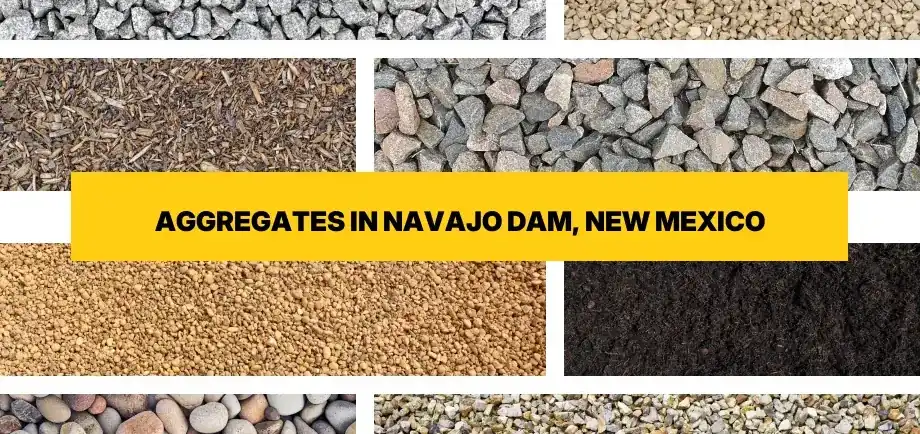
Buy Bulk Aggregates & Gravel in Navajo Dam, New Mexico
Local Topsoil, Dirt, Sand, Rocks and Gravel near me in Navajo Dam, New Mexico
Shop Aggregates for Delivery in Navajo Dam
Order online for free delivery to any Navajo Dam address.
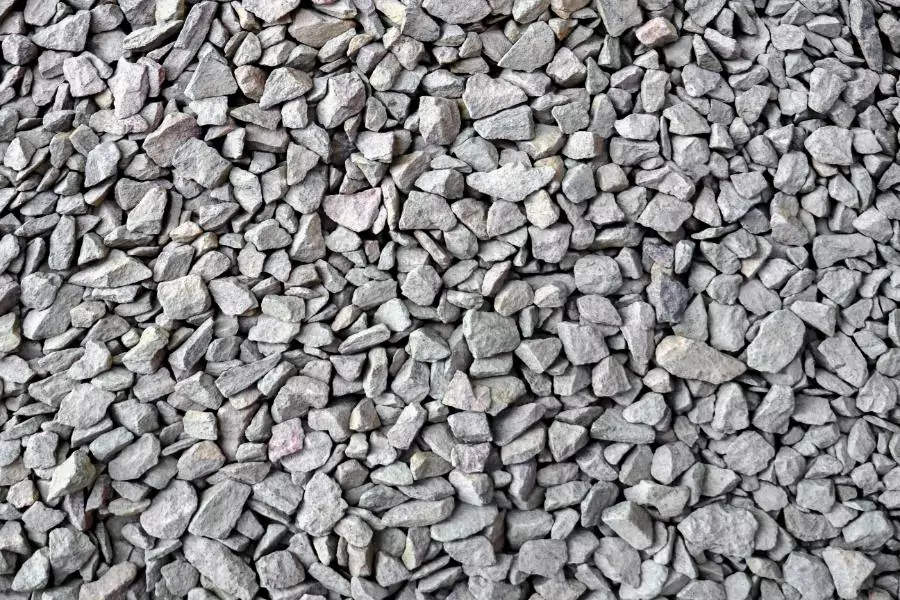
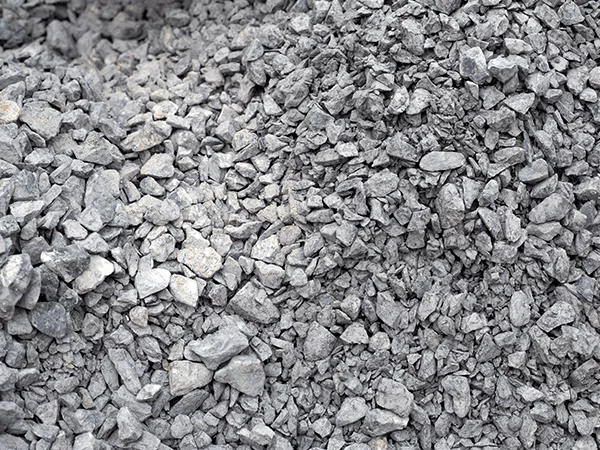


Gravel Monkey brings premium aggregates and construction materials directly to Navajo Dam, New Mexico, with completely free delivery. Located in the scenic San Juan River valley of northwestern New Mexico, Navajo Dam presents unique challenges for property owners—from the area's expansive clay soils to extreme temperature swings and seasonal moisture from snowmelt and monsoons. Whether you're building a new driveway near Navajo Lake State Park, improving drainage along the San Juan River corridor, or creating xeriscaped landscapes that thrive in our high-desert climate, we deliver the right aggregates for your project.
Comprehensive Aggregate Selection for Navajo Dam Projects
Our extensive inventory includes every aggregate type needed for residential, commercial, and recreational properties across Navajo Dam and San Juan County. We understand the geological characteristics of this region—including the Mancos shale formations and clay-rich alluvial soils—and stock materials that perform reliably in these conditions.
- Driveway Gravel - Angular aggregate that compacts firmly for long-lasting driveways
- 3/4 inch Crushed Stone - Versatile size for driveways, foundations, and drainage applications
- #57 Stone - Industry-standard aggregate for French drains and concrete work
- Crusher Run - Compactable blend of stone and fines for stable base layers
- Road Base - Heavy-duty foundation material for roads and parking areas
- Drain Rock - Clean aggregate for superior water management systems
- Pea Gravel - Smooth stones perfect for pathways and decorative landscaping
- River Rock - Natural rounded stones for water features and xeriscaping
- Walkway Gravel - Comfortable surface for foot traffic and garden paths
- Decomposed Granite - Natural compacting material ideal for southwestern landscapes
- Crushed Concrete - Eco-friendly recycled aggregate for sustainable projects
- Topsoil - Rich soil for gardens and lawn establishment
- Fill Dirt - Grading material for leveling and earthwork
- Mason Sand - Fine sand for mortar, concrete, and paver installation
- Washed Sand - Clean sand for multiple construction applications
- Playground Sand - Safe, soft sand for children's play areas
Understanding Navajo Dam's Unique Soil and Climate Conditions
Navajo Dam sits at approximately 6,100 feet elevation in the transitional zone between high desert and mountain environments. This location creates specific challenges that influence material selection for construction and landscaping projects. The area experiences cold winters with average January temperatures ranging from 15°F to 40°F, and warm summers where July temperatures typically reach 55°F to 90°F. Annual precipitation averages just 10-12 inches, but includes both winter snow and intense summer monsoon thunderstorms.
The geological foundation of Navajo Dam consists primarily of Mancos shale with clay-rich alluvial deposits along the San Juan River valley. These expansive clay soils shrink during dry periods and swell when saturated, creating movement that can damage improperly constructed driveways, foundations, and hardscapes. The freeze-thaw cycles during winter months compound these challenges, making proper aggregate selection and drainage essential for long-term project success.
Properties near Navajo Lake and along the San Juan River face additional moisture management considerations. Spring snowmelt from the surrounding San Juan Mountains can raise water tables temporarily, while summer monsoons deliver sudden intense rainfall that challenges drainage systems. Using proper aggregates with excellent drainage characteristics helps protect your investment from these seasonal moisture fluctuations.
Driveway Aggregates That Perform in Navajo Dam Conditions
Building a driveway in Navajo Dam requires aggregates that can handle expansive soils, temperature extremes, and moisture variations. Our most popular driveway materials provide the stability and drainage needed for lasting performance in San Juan County's challenging environment.
Crusher Run: The Foundation Specialist
Properties throughout the Navajo Dam area—from homes near the dam itself to ranches along County Road 4280—benefit from crusher run's superior compaction characteristics. This blend of crushed stone and fine particles creates a dense, interlocking base that resists the movement caused by expansive clays. When properly installed over well-draining subbase material, crusher run forms a stable platform that handles both vehicle traffic and seasonal ground movement with minimal maintenance.
Road Base for Heavy-Duty Applications
Commercial properties, RV parking areas near Navajo Lake State Park, and equipment storage yards require the extra strength that road base provides. This engineered aggregate blend compacts to near-concrete hardness while maintaining enough permeability to shed water effectively. Properties in the Arboles area and along Highway 511 frequently choose road base for parking areas that accommodate heavy vehicles and equipment.
Three-Quarter Inch Crushed Stone Versatility
The 3/4 inch crushed stone serves as an excellent all-purpose aggregate for Navajo Dam driveways. Its angular shape provides good compaction and stability, while the uniform size allows adequate drainage to prevent water accumulation. This material works particularly well for residential driveways in areas with moderate traffic and serves double duty as an attractive surface material that requires minimal maintenance throughout the year.
Managing Water with Proper Drainage Aggregates
Effective drainage protects your property investment from water damage, foundation problems, and landscape erosion. The Navajo Dam area's clay soils drain poorly naturally, making supplemental drainage systems essential for most properties. Our specialized drainage aggregates move water away from structures and prevent the saturation that leads to foundation settlement and landscape damage.
Number 57 Stone has become the standard for French drain construction throughout northwestern New Mexico. Its three-quarter inch to one-inch size range creates void spaces that allow rapid water movement while the clean, washed stone prevents clogging that compromises system performance. Properties near the San Juan River floodplain particularly benefit from French drains constructed with this reliable aggregate.
Drain rock offers even larger void spaces for applications requiring maximum water-moving capacity. Foundation drains, retaining wall backfill, and erosion control systems around properties in the Pine River and Archuleta areas utilize drain rock to handle the intense runoff generated during summer monsoon events. This clean aggregate maintains its drainage capacity year after year without the clogging problems associated with materials containing fines.
Landscaping Aggregates for High-Desert Beauty
Creating attractive, sustainable landscapes in Navajo Dam's semi-arid climate requires materials that conserve water, withstand temperature extremes, and complement the natural high-desert environment. Our decorative aggregates help property owners throughout San Juan County achieve beautiful outdoor spaces that thrive with minimal maintenance and irrigation.
Decomposed Granite for Authentic Southwest Style
Decomposed granite brings natural southwestern character to pathways, patios, and xeriscaped areas around Navajo Dam properties. This material compacts moderately when wet, creating stable walking surfaces that remain permeable for excellent drainage. The natural earth tones—ranging from tan to reddish-brown—harmonize perfectly with the surrounding landscape and native vegetation. Properties throughout the Navajo Lake area use decomposed granite to create low-maintenance landscape areas that require far less water than traditional lawns.
River Rock and Pea Gravel Accents
The smooth, rounded stones we offer as river rock and pea gravel provide visual contrast and functional benefits for landscape designs. River rock works beautifully around native plants, in dry creek beds that channel occasional runoff, and as mulch in planting beds where it helps retain soil moisture while preventing weed growth. Pea gravel creates comfortable pathways and decorative accents that drain instantly, preventing puddles even during heavy monsoon downpours.
Walkway Gravel for Functional Paths
Garden paths, access routes to outbuildings, and informal trails across larger properties benefit from walkway gravel's balance of stability and drainage. This aggregate compacts enough to provide firm footing while maintaining permeability that prevents erosion during runoff events. Properties extending toward Carracas Canyon and the surrounding BLM lands use walkway gravel to create durable paths that blend naturally with the high-desert terrain.
| Aggregate Type | Best Applications | Compaction | Drainage Rating | Navajo Dam Suitability |
|---|---|---|---|---|
| Crusher Run | Driveway base, parking areas | Excellent | Good | Perfect for expansive soils |
| Road Base | Heavy traffic, equipment yards | Excellent | Good | Commercial applications |
| 3/4" Crushed Stone | Driveways, foundations, general use | Very Good | Excellent | All-purpose residential |
| #57 Stone | French drains, concrete aggregate | Moderate | Excellent | Drainage systems |
| Drain Rock | Foundation drains, erosion control | Low | Superior | High-flow applications |
| Decomposed Granite | Pathways, patios, xeriscaping | Moderate | Very Good | Southwestern landscapes |
| Pea Gravel | Decorative landscaping, paths | Low | Excellent | Mulch and accents |
| River Rock | Water features, garden beds | None | Excellent | Decorative applications |
Construction Aggregates and Foundation Materials
Building projects in Navajo Dam require aggregates that meet the specific demands of our local soil conditions and building codes. From new construction to renovation work, having the right materials delivered to your site ensures project success and long-term structural integrity.
Fill dirt provides the essential material for grading, leveling, and establishing proper drainage around structures. Properties throughout the Navajo Dam valley use fill dirt to create positive drainage away from foundations, fill low spots that collect water, and establish proper grades before hardscape installation. Our fill dirt comes from reliable local sources and contains minimal organic material that could decompose and cause settling.
Topsoil becomes crucial when establishing lawns, gardens, or landscape plantings in areas where native soil lacks adequate organic content or has been disturbed during construction. The thin layer of topsoil over Navajo Dam's clay subsoil often needs supplementing for successful plant establishment. Our topsoil provides the nutrients and improved texture that help plants thrive in this challenging growing environment.
The three types of sand we offer—mason sand, washed sand, and playground sand—serve distinct purposes in construction and landscaping. Mason sand provides the fine particles needed for quality mortar and concrete mixes in masonry and foundation work. Washed sand offers clean material for concrete aggregate, pipe bedding, and general construction uses where cleanliness matters. Playground sand delivers the safe, soft surface required for children's play areas at homes, schools, and parks throughout San Juan County.
Sustainable Aggregate Options for Environmentally-Conscious Projects
Many Navajo Dam property owners prioritize environmental sustainability in their construction and landscaping projects. Crushed concrete provides an excellent eco-friendly alternative to virgin aggregates while delivering comparable performance in many applications. This recycled material consists of clean, crushed concrete from demolished structures, diverting waste from landfills while providing a cost-effective aggregate option.
Crushed concrete works well for driveway base layers, parking areas, and erosion control applications around Navajo Dam properties. The material compacts reliably and provides adequate drainage characteristics for most residential uses. Some property owners appreciate the environmental statement that choosing recycled materials makes, while others simply value the combination of performance and cost-effectiveness this aggregate delivers.
Serving Navajo Dam and Surrounding Communities
Gravel Monkey delivers aggregates throughout the Navajo Dam area and neighboring communities across northwestern New Mexico. Our delivery service extends from the immediate Navajo Dam community near the reservoir to surrounding areas that share similar geological conditions and material needs.
Properties along Highway 511 between Navajo Dam and the Colorado border receive regular deliveries, as do homes and ranches along County Road 4280 extending toward Carracas. The Arboles area, just across the border in Colorado, sits within our delivery range, as does the small community of Archuleta to the east. We regularly serve properties around both the main Navajo Dam facility and throughout the Navajo Lake State Park area, including the Sims Mesa and Pine River recreation areas.
Ranch properties extending into the BLM lands south of the lake and residential developments near the lake's eastern arms all fall within our free delivery zone. From the San Juan River valley floor to properties perched on the surrounding mesas, we understand the specific access challenges and material requirements throughout this diverse landscape. Whether your project sits on the valley floor where clay soils dominate or on higher ground with better-draining sandy soils, we deliver the appropriate aggregates for your location.
Planning for Navajo Dam's Seasonal Challenges
The dramatic seasonal changes in the Navajo Dam area influence both project timing and material selection. Understanding these patterns helps property owners plan successful projects that deliver lasting results.
Winter Considerations
Winter temperatures frequently drop below freezing from November through March, with January averaging lows around 15°F. Snow accumulation varies year to year but typically totals 20-30 inches over the winter season. These conditions create freeze-thaw cycles that test aggregate installations, making proper material selection and installation critical. Projects involving excavation become challenging when ground freezes, while aggregate delivery and spreading works best during brief warm periods between storms.
Spring Snowmelt Period
March through May brings warming temperatures that melt accumulated snowpack, raising the San Juan River and increasing soil moisture throughout the valley. Properties near the river and around Navajo Lake may experience temporarily elevated water tables during peak runoff. This period highlights the importance of proper drainage systems and using aggregates that maintain stability in saturated conditions. Many property owners schedule aggregate projects for late spring after soils have dried but before summer heat arrives.
Summer Monsoon Season
July and August bring the Southwest monsoon pattern that delivers sudden, intense thunderstorms to the Navajo Dam area. These storms can drop significant rainfall in short periods, testing drainage systems and potentially causing erosion on inadequately protected slopes. Projects completed before monsoon season begins benefit from having time to settle and stabilize before facing these intense rain events. Proper aggregate selection and installation techniques help ensure your project weathers monsoon season without damage.
Fall Project Window
September and October offer ideal conditions for aggregate projects—warm days, cool nights, reduced precipitation, and stable soil conditions. Many experienced local contractors and property owners prefer this window for driveway construction, drainage system installation, and landscape projects. Completing projects before winter arrives allows materials to settle naturally during freeze-thaw cycles, resulting in well-stabilized installations by the following spring.
Aggregate Installation Best Practices for Local Conditions
Proper installation techniques make the difference between aggregates that perform reliably for decades and materials that fail prematurely. The specific challenges presented by Navajo Dam's expansive soils and temperature extremes require attention to detail during installation.
Addressing Expansive Clay Soils
The clay-rich soils throughout much of the Navajo Dam area expand when wet and shrink when dry, creating movement that damages improperly constructed features. Successful aggregate installations begin with adequate excavation to remove unsuitable topsoil and clay layers. Most driveway and hardscape projects benefit from excavating 8-12 inches below final grade, then building up in properly compacted layers of different aggregate types.
Starting with a foundation layer of larger drainage aggregate—such as number 57 stone or drain rock—provides pathways for water to escape from beneath the installation. This drainage layer prevents water accumulation that would saturate underlying clay soils and trigger expansion. Above this drainage layer, install successive lifts of compactable base material, properly wetting and compacting each layer before adding the next. This careful layering creates a stable platform that floats above problematic clay soils, minimizing the impact of expansion and contraction.
Compaction and Moisture Management
Proper compaction creates the dense, stable surface that characterizes successful aggregate installations. In Navajo Dam's dry climate, adding water during compaction becomes essential for achieving maximum density with most aggregates. The fines in materials like crusher run and road base act as lubricants when moist, allowing particles to slide into optimal positions during compaction. Dry compaction fails to achieve comparable density and results in surfaces that remain loose and prone to rutting.
Use a plate compactor for smaller areas and pathways, or a vibratory roller for larger driveways and parking areas. Apply water as needed to maintain optimal moisture content—the aggregate should feel damp but not saturated. Make multiple passes, overlapping slightly, until the surface no longer shows footprints or equipment marks. This level of compaction provides the firm, stable surface that performs reliably under Navajo Dam's challenging conditions.
Frequently Asked Questions About Aggregates in Navajo Dam
For driveways in the Navajo Dam area, we recommend crusher run or three-quarter inch crushed stone as primary materials. These aggregates compact well in our clay-rich soils and provide excellent drainage during spring snowmelt and summer monsoon season. Crusher run offers superior compaction for base layers, while crushed stone serves well as both base and surface material. Properties with heavy vehicle traffic may benefit from road base, which provides even greater load-bearing capacity.
Winter freeze-thaw cycles test aggregate installations throughout the Navajo Dam area. Properly installed aggregates with adequate drainage handle these temperature swings reliably, as water drains away rather than freezing in place and causing heaving. Avoid materials that trap moisture, and ensure proper compaction and drainage during installation. Projects completed in fall have time to settle during winter, resulting in stable installations by spring. The key is choosing appropriate aggregates and following proper installation techniques that accommodate our temperature extremes.
Absolutely. The clay soils common around Navajo Dam drain poorly naturally, making aggregate drainage systems essential for many properties. French drains constructed with number 57 stone or drain rock move water away from foundations and prevent saturation problems. Properly graded aggregate surfaces shed water quickly, preventing puddles and erosion. Even decorative aggregates like pea gravel and river rock provide better drainage than bare soil in landscape areas. Strategic use of drainage aggregates solves most water management challenges on local properties.
Calculate aggregate needs by multiplying length times width times depth in feet, then convert to cubic yards by dividing by 27. For example, a driveway 50 feet long by 12 feet wide with 4 inches of aggregate depth equals 50 times 12 times 0.33 feet equals 198 cubic feet divided by 27 equals 7.3 cubic yards. Round up slightly to account for compaction and uneven subgrade. Our team can help verify your calculations and recommend appropriate quantities for your specific Navajo Dam project requirements.
Yes, we deliver throughout the Navajo Dam area including properties around Navajo Lake, along the San Juan River, and in surrounding communities. Our free delivery service extends to Arboles, Archuleta, and properties along County Road 4280 and Highway 511. If you have questions about delivery to a specific location, contact us with your address and we will confirm delivery availability. Remote ranch properties and lakeside locations throughout northwestern New Mexico typically fall within our delivery zone.
Decomposed granite offers several advantages for the Navajo Dam area's high-desert environment. This natural material requires minimal water once established, resists erosion during monsoon rains, and compacts moderately to create stable surfaces. The earth-tone colors complement native vegetation and the surrounding landscape beautifully. Decomposed granite works excellently for xeriscaping projects that conserve water while creating attractive outdoor spaces. Its permeability allows rainfall to soak into the ground rather than running off, supporting sustainable landscape practices appropriate for our semi-arid climate.
Crushed concrete serves well as an eco-friendly alternative for many applications around Navajo Dam. This recycled material works effectively for driveway base layers, parking areas, and general fill applications. While it may not match virgin aggregate for every specialized use, crushed concrete provides comparable performance for most residential projects at a lower cost while diverting waste from landfills. Properties throughout San Juan County successfully use crushed concrete for sustainable construction and landscaping projects.
Late spring (May-June) and fall (September-October) offer ideal conditions for aggregate projects around Navajo Dam. These periods provide warm temperatures, stable soil conditions, and reduced precipitation compared to winter snow or summer monsoons. Fall projects benefit from winter freeze-thaw cycles that naturally stabilize installations before spring use. Avoid scheduling major projects during winter when frozen ground complicates excavation, or during peak monsoon season when intense rains may delay work. Plan ahead to secure delivery during these optimal installation windows.
Why Navajo Dam Property Owners Choose Gravel Monkey
Gravel Monkey has earned the trust of property owners throughout the Navajo Dam area by consistently delivering quality aggregates with exceptional service. Our understanding of local soil conditions, climate challenges, and material requirements sets us apart from suppliers who serve the region without local expertise.
We stock the complete range of aggregates needed for projects in northwestern New Mexico, from specialized drainage materials to decorative landscape stones. Our free delivery eliminates the hassle and expense of transporting heavy materials yourself, while our experienced team helps ensure you order the right type and quantity for your specific project. Whether you're building a new driveway near the dam, installing landscape features around your Navajo Lake property, or managing drainage challenges along the San Juan River valley, we deliver the materials and knowledge you need for success.
Contact Gravel Monkey today to discuss your project requirements and schedule free delivery to your Navajo Dam property. Our team looks forward to helping you select the perfect aggregates for your northwestern New Mexico project.

Need help? Reach out for a quote: