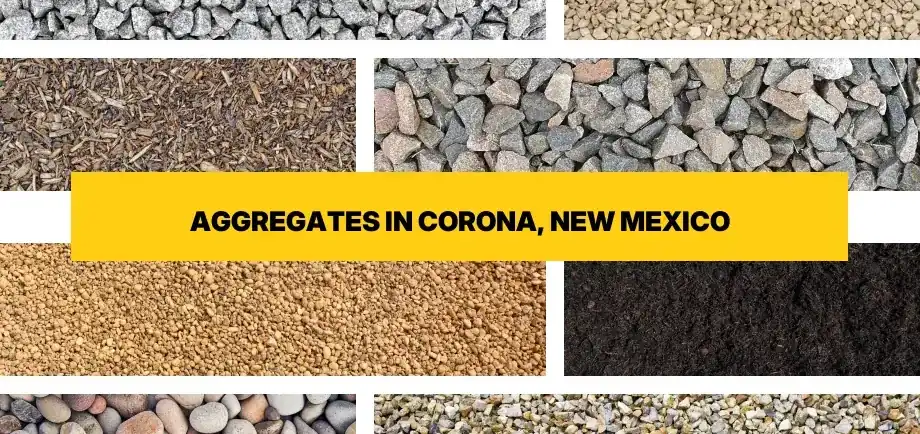
Shop Sand, Stone & Gravel in Corona, New Mexico
Local Topsoil, Dirt, Sand, Rocks and Gravel near me in Corona, New Mexico
Shop Aggregates for Delivery in Corona
Order online for free delivery to any Corona address.
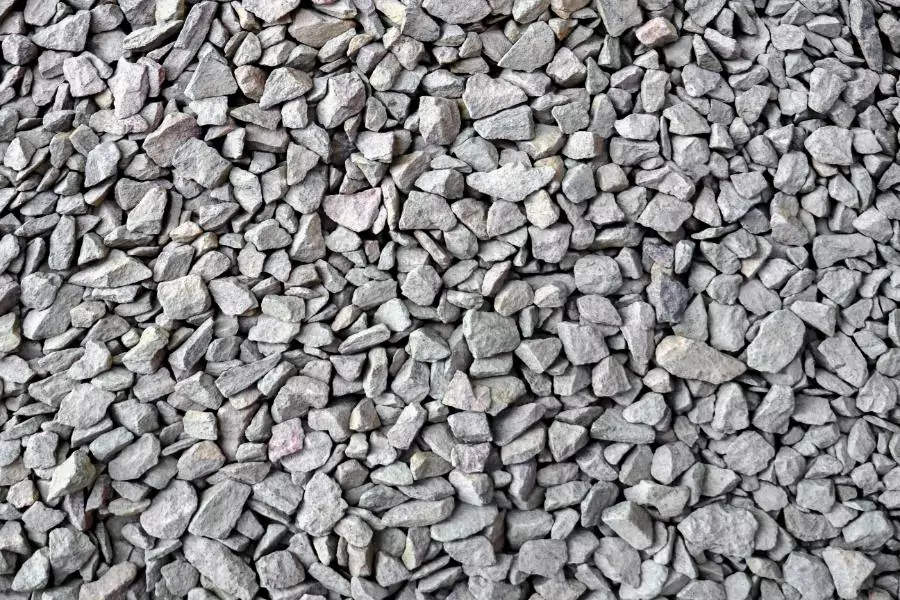
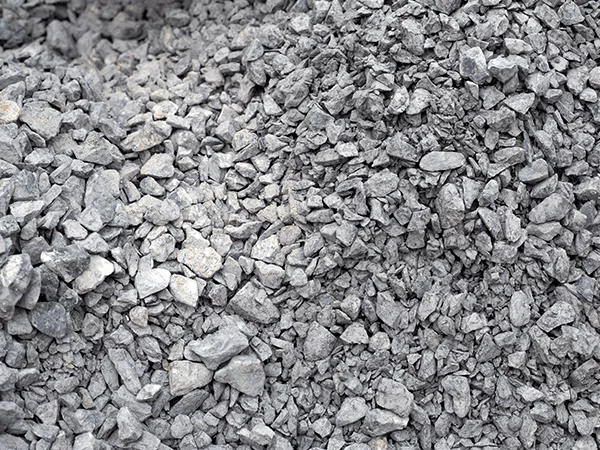


Gravel Monkey provides premium aggregate delivery throughout Corona, New Mexico, serving ranchers, homeowners, and contractors across Lincoln County. Whether you're maintaining a ranch access road near the historic Corona Townsite, improving drainage on properties along State Route 42, or creating xeriscaping around homes in the downtown area, we deliver high-quality gravel and aggregates directly to your location with absolutely free delivery. Our extensive inventory meets the unique demands of Corona's high desert environment, caliche soil conditions, and rural landscape challenges.
Complete Range of Aggregates and Materials in Corona
Corona's elevation of 6,666 feet above sea level creates specific challenges for construction and landscaping projects. The calcareous soil with underlying caliche layers, combined with intense summer sun and monsoon rains, requires carefully selected aggregates. We stock materials specifically suited to Lincoln County's geology and climate conditions:
- Driveway Gravel - Essential for ranch roads and residential driveways that handle heavy use
- Road Base - Superior foundation material for rural roads and ranch access routes
- Crusher Run - Compactable aggregate perfect for stable parking areas and driveways
- 3/4 inch Crushed Stone - Versatile aggregate for drainage and foundation applications
- #57 Stone - Clean angular stone ideal for concrete work and French drains
- Decomposed Granite - Perfect for xeriscape paths and drought-resistant landscaping
- Pea Gravel - Smooth decorative stone for walkways and landscape beds
- River Rock - Natural aesthetic appeal for water-wise landscaping features
- Drain Rock - Angular stone engineered for superior water management
- Crushed Concrete - Eco-friendly recycled aggregate for cost-effective projects
- Topsoil - Enriched soil for gardens and landscape plantings
- Fill Dirt - Bulk material for grading and leveling projects
- Walkway Gravel - Specially sized aggregate for pedestrian paths
- Mason Sand - Fine sand for construction and masonry applications
- Playground Sand - Safety-tested sand for play areas
- Washed Sand - Clean sand for multiple construction uses
Understanding Corona's Unique Soil and Climate Conditions
Corona sits in the transition zone between the Great Plains and the southwestern high desert, creating distinctive soil characteristics that significantly impact construction and landscaping decisions. The predominant soil type is calcareous with a high calcium carbonate content, often featuring hardpan caliche layers just below the surface. This caliche formation, common throughout eastern Lincoln County, creates both challenges and opportunities for property development.
Properties near the historic Corona Townsite and along Old Highway 54 frequently encounter these caliche layers between 18 and 36 inches deep. While caliche provides excellent natural drainage in some areas, it can also create impermeable barriers that require proper aggregate installation for water management. The region receives approximately 13 to 15 inches of annual precipitation, with dramatic monsoon storms from July through September delivering intense rainfall that tests the quality of drainage systems and driveway installations.
Climate Factors Affecting Aggregate Performance
Corona experiences temperature extremes that affect material selection and performance. Summer daytime temperatures regularly exceed 90 degrees Fahrenheit, while winter nights can plunge below zero. This freeze-thaw cycling, combined with the area's high elevation and intense UV exposure, demands durable aggregates that resist breakdown. Properties along State Route 42 and ranch roads extending toward the Cibola National Forest face additional challenges from wind erosion and dust control.
The growing season in Corona is short, typically 120 to 140 frost-free days, which influences landscaping material choices. Water conservation is critical in this semi-arid environment, making properly installed aggregates essential for retaining soil moisture while providing adequate drainage during monsoon events. The alkaline soil pH, typically ranging from 7.5 to 8.5, affects plant growth and makes water-wise landscaping with appropriate aggregates particularly important for properties throughout the Corona area.
Ranch and Rural Property Applications
Corona's economy has long centered on ranching and agriculture, creating substantial demand for heavy-duty aggregates that withstand constant use from livestock operations and agricultural equipment. Ranch access roads extending from town toward surrounding grasslands require materials that compact firmly, resist rutting from cattle trucks, and maintain stability during both dry and wet conditions.
Driveway and Road Construction for Rural Properties
Long ranch driveways characteristic of Lincoln County properties need strategic layering of aggregates for longevity. A typical installation begins with proper grading to establish drainage away from structures, followed by geotextile fabric to prevent aggregate migration into the caliche subgrade. The base layer uses compactable material that creates a solid foundation capable of supporting heavy equipment. For ranch roads near Corona that experience regular cattle truck traffic, we recommend a minimum 6-inch base layer for adequate load distribution.
Properties in the Corona area with particularly challenging caliche conditions benefit from breaking through the hardpan layer before aggregate installation. This technique, combined with proper crown grading, ensures water sheds effectively during monsoons rather than pooling or creating washouts. Many ranchers in the region have found that investing in quality road construction aggregates significantly reduces maintenance costs over time, particularly for access roads connecting to State Route 42 and other main arteries.
Water Management and Drainage Solutions
Effective water management separates successful Corona properties from those plagued by erosion and foundation issues. The intense but brief monsoon storms that characterize summer weather can deliver an inch or more of rain in less than an hour, overwhelming inadequate drainage systems. Strategic placement of drain rock around building foundations, combined with properly graded surfaces, protects structures from water infiltration while directing runoff away from critical areas.
Properties near the historic Corona business district and residential areas along Sunnyside Street often face drainage challenges due to the relatively flat terrain and underlying caliche. French drain installations using angular drain rock provide reliable solutions, intercepting water before it reaches foundations or causes surface ponding. The key is selecting aggregates with void spaces that allow rapid water movement while filtering out sediment that could clog the system over time.
| Aggregate Type | Best Corona Applications | Compaction Rating | Drainage Performance |
|---|---|---|---|
| Road Base | Ranch roads, heavy-use driveways | Excellent | Moderate |
| Crusher Run | Residential driveways, parking areas | Excellent | Good |
| 3/4" Crushed Stone | Drainage layers, foundation backfill | Good | Excellent |
| Decomposed Granite | Xeriscape paths, decorative landscaping | Good | Moderate |
| Drain Rock | French drains, foundation drainage | Poor | Excellent |
| Pea Gravel | Walkways, decorative ground cover | Poor | Good |
Residential Landscaping in Corona's Desert Environment
Successful landscaping in Corona requires embracing xeriscape principles that work with the natural high desert environment rather than against it. The combination of limited water availability, alkaline soil, intense sun exposure, and temperature extremes demands thoughtful material selection. Decomposed granite has become increasingly popular among Corona homeowners for creating attractive, low-maintenance pathways and ground cover that complements native vegetation and conserves precious water resources.
Creating Water-Wise Outdoor Spaces
Properties throughout Corona, from the historic downtown area to newer developments, benefit from landscape designs that minimize water consumption while providing functional outdoor spaces. Decomposed granite pathways connect different garden zones without requiring irrigation, and the material's natural tan and rust tones harmonize beautifully with New Mexico's landscape palette. When properly installed with adequate edge restraints, decomposed granite compacts to create stable walking surfaces that resist wind erosion common in the area.
Decorative rock features using river rock or pea gravel add visual interest to xeriscaped yards while providing excellent ground cover that suppresses weeds and retains soil moisture. Many Corona residents create dry creek bed features that serve dual purposes: adding aesthetic appeal during dry months and providing functional drainage channels during monsoon storms. These landscape elements require minimal maintenance compared to traditional lawns, an important consideration given Corona's water conservation needs and short growing season.
Hardscaping for Entertainment and Function
Outdoor living spaces constructed with appropriate aggregates extend usable square footage for Corona homes. Walkway gravel creates defined paths through gardens and connects patios to other yard features. Properly graded and installed gravel walkways drain quickly after storms, preventing mud and standing water that would plague traditional landscaping materials. The crushed angular particles interlock to resist displacement from foot traffic while providing comfortable walking surfaces.
Patio bases and entertainment areas benefit from multi-layer aggregate installation beginning with compacted fill dirt for proper elevation and drainage. A base layer of road base or crusher run provides structural stability, while a top dressing of decorative aggregates creates the finished appearance. This layered approach ensures outdoor spaces remain stable and functional through Corona's freeze-thaw cycles and seasonal weather variations.
Commercial and Municipal Aggregate Applications
Corona's small-town character includes essential commercial operations and municipal facilities that require quality aggregates for maintenance and improvement projects. The Corona School, municipal buildings, and local businesses all rely on properly maintained parking areas, sidewalks, and drainage systems to serve the community effectively. Municipal road maintenance throughout town and extending to surrounding areas demands consistent supplies of road base and other aggregates for ongoing repairs and improvements.
Infrastructure Maintenance Across Lincoln County
County road departments serving the Corona area face ongoing challenges maintaining miles of rural roads with limited budgets. Strategic aggregate application extends pavement life and improves safety on both paved and unpaved routes. Cold patch repairs combined with proper aggregate base preparation address the pothole formation that results from freeze-thaw cycling and heavy agricultural vehicle traffic. Regular grading and aggregate application on unpaved roads minimizes dust generation while maintaining firm, stable driving surfaces.
Corona's position along State Route 42 makes it a waypoint for travelers between Carrizozo and Vaughn, creating the need for well-maintained commercial facilities and parking areas. Businesses serving both local residents and passing travelers depend on durable parking lot construction that withstands constant use while managing stormwater effectively. Properly installed crusher run bases topped with appropriate surface aggregates provide cost-effective solutions that deliver years of reliable performance.
Calculating Your Aggregate Requirements
Accurate material estimation prevents project delays and controls costs effectively. For Corona area projects, proper calculations must account for the compaction characteristics of different aggregates and the underlying soil conditions. A typical residential driveway measuring 12 feet wide by 100 feet long requires different aggregate depths depending on expected use. Light residential traffic needs approximately 3 to 4 inches of compacted material, while ranch driveways handling heavy equipment benefit from 6 to 8 inches of base aggregate.
Volume Calculations for Common Projects
Calculate aggregate volume by multiplying length times width times depth, then converting to cubic yards by dividing by 27 (since a cubic yard contains 27 cubic feet). A driveway measuring 12 feet by 100 feet by 4 inches deep requires 148 cubic feet, equivalent to approximately 5.5 cubic yards. However, this calculation represents loose material volume. Compactable aggregates like road base and crusher run typically compact 20 to 30 percent, so ordering extra material accounts for this reduction.
Drainage projects require different calculation approaches since drain rock and crushed stone don't compact significantly. French drain trenches typically measure 12 inches wide by 24 inches deep, and length determines total volume needed. Corona properties often require extended drainage runs to reach appropriate discharge points beyond structures, so careful measurement prevents material shortages mid-project. Our Gravel Monkey team provides expert assistance calculating requirements for any size project throughout the Corona area.
Estimating for Landscaping Applications
Decorative aggregate applications like pea gravel or river rock typically install at 2 to 3 inch depths for adequate ground coverage while allowing underlying weed barrier fabric to function properly. Decomposed granite pathways perform best at 3 to 4 inch depths, providing enough material to achieve proper compaction while resisting wind erosion. Calculate square footage of landscaped areas, then apply appropriate depth multipliers to determine volume needs. Adding 10 to 15 percent extra material accounts for irregular shapes and settling over time.
Installation Best Practices for Corona Conditions
Successful aggregate installation begins with proper site preparation that addresses Corona's specific challenges. The caliche subgrade common throughout the area provides a naturally firm base in some locations but may require modification in others. Breaking through caliche hardpan layers improves drainage where water would otherwise perch on the impermeable surface. Conversely, stable caliche provides excellent natural foundations for aggregate layers when properly prepared.
Foundation and Base Preparation
Start every project by establishing proper grade and drainage patterns. Water must flow away from structures and toward appropriate discharge points. In Corona's relatively flat terrain, creating adequate slope requires careful attention to elevation changes, sometimes necessitating fill dirt to build up low areas before aggregate installation. Remove all organic material, loose soil, and debris from the installation area, then compact the exposed subgrade to create a firm foundation.
Geotextile fabric installation between native soil and aggregate layers prevents material migration that causes premature failure. This separation layer is particularly important in Corona soils where fine particles can work upward through aggregate over time. The fabric maintains distinct layers while allowing water to permeate downward, essential for managing monsoon runoff effectively. Overlap fabric edges by at least 12 inches and extend fabric beyond aggregate edges to prevent lateral material loss.
Compaction Techniques for Longevity
Proper compaction transforms loose aggregate into stable, durable surfaces that perform reliably for years. Compactable materials like road base and crusher run require mechanical compaction in lifts (layers) of 3 to 4 inches for optimal density. Plate compactors work well for smaller residential projects, while larger ranch road applications benefit from vibratory rollers that achieve deeper compaction. Water application during compaction, called "wetting in," helps particles settle and lock together more effectively.
Corona's dry climate means aggregate surfaces may require periodic water application during installation to achieve proper compaction. However, avoid over-wetting, which creates mud that won't compact properly. The goal is achieving uniform moisture throughout the aggregate layer, allowing particles to nest together under compaction force. Multiple passes with compaction equipment, changing direction each pass, ensures even density throughout the installation.
Serving Communities Throughout the Corona Area
Gravel Monkey proudly serves residential, ranch, and commercial customers throughout Corona and surrounding Lincoln County communities. Our delivery service extends from the historic Corona Townsite along Old Highway 54 to ranch properties accessing from State Route 42 in all directions. Properties near the Corona School and municipal buildings receive the same reliable service as remote ranches extending toward the Cibola National Forest boundaries.
Local Area Coverage and Delivery
We deliver aggregates to properties along Sunnyside Street and throughout Corona's residential neighborhoods, ensuring homeowners have access to quality materials for landscaping and home improvement projects. Ranch operations south toward Carrizozo and north toward Vaughn count on our reliable delivery service for road maintenance and infrastructure needs. Commercial properties along the State Route 42 corridor receive prompt service for parking lot maintenance, drainage improvements, and facility upgrades.
Our knowledge of local conditions extends beyond Corona proper to include understanding the unique challenges faced by properties throughout eastern Lincoln County. Whether you're maintaining a ranch access road through typical grassland terrain or managing drainage around structures in Corona's downtown area, we provide materials and expertise suited to your specific situation. Free delivery throughout our service area means you receive quality aggregates without transportation hassles or added costs.
Sustainable Aggregate Choices for New Mexico
Environmental stewardship matters to Corona area residents and businesses committed to preserving New Mexico's natural beauty for future generations. Choosing recycled crushed concrete for appropriate applications reduces demand for virgin aggregate while providing excellent performance in many situations. This recycled material works particularly well for base layers in driveways and roads, offering comparable structural properties to natural stone at reduced environmental impact.
Water Conservation Through Smart Material Selection
Aggregate-based landscaping significantly reduces water consumption compared to traditional turf grass, a critical consideration in Corona's semi-arid climate. Decomposed granite, pea gravel, and river rock create attractive outdoor spaces that thrive without irrigation, allowing property owners to minimize water use while maintaining appealing landscapes. These materials also reduce urban heat island effects by avoiding expanses of heat-absorbing pavement or water-demanding lawns.
Proper drainage design using appropriate aggregates prevents erosion and protects Corona's soil resources. Channeling stormwater runoff through well-designed aggregate drainage systems allows water to infiltrate slowly rather than causing sheet erosion across property surfaces. This controlled infiltration recharges groundwater supplies while protecting surface features from washout damage. The result benefits individual properties and contributes to broader watershed health throughout Lincoln County.
Seasonal Project Planning for Corona
Corona's elevation and climate create distinct seasonal patterns that influence optimal timing for aggregate projects. Spring and fall offer ideal working conditions with moderate temperatures and typically dry weather. Summer brings intense heat that can make outdoor work challenging, though monsoon storm breaks provide occasional relief. Winter projects face potential delays from freezing temperatures and occasional snow, though Corona's generally dry winter climate allows work on many days when temperatures cooperate.
Monsoon Season Planning
The monsoon season from July through September brings dramatic afternoon thunderstorms that dump significant rainfall in short periods. Schedule major aggregate projects to complete base layers and achieve initial compaction before monsoons begin. If working during monsoon season proves necessary, monitor weather forecasts closely and protect partially completed work from erosion. Establishing proper drainage patterns early in projects prevents storm damage to works in progress.
Monsoon rains actually benefit some aggregate installations by providing natural moisture for compaction processes. However, excessive rainfall creates muddy conditions that prevent effective compaction and can damage prepared subgrades. Planning projects with weather patterns in mind, maintaining flexibility in scheduling, and working efficiently during favorable conditions ensures successful outcomes despite seasonal weather variability.
Winter Construction Considerations
While Corona winters are generally mild compared to higher-elevation New Mexico locations, occasional freezing conditions affect aggregate installation. Avoid compaction work when aggregates contain frozen moisture, as compaction equipment cannot achieve proper density on frozen materials. Plan winter projects for mid-day when temperatures peak, and be prepared to pause work during cold snaps. Properly completed installations before winter resist freeze-thaw damage and perform reliably through seasonal temperature cycling.
Gravel Monkey's Commitment to Corona Customers
Gravel Monkey understands that Corona area residents and businesses need reliable aggregate suppliers who deliver quality materials on schedule. Our free delivery service eliminates transportation challenges for customers throughout Lincoln County, making professional-grade aggregates accessible to every project regardless of location. We maintain extensive inventory of materials suited to local conditions, ensuring availability when your project schedule demands.
Expert Guidance for Your Project Success
Choosing the right aggregates for Corona's unique conditions makes the difference between projects that perform reliably and those requiring frequent maintenance. Our team provides expert consultation to help you select materials appropriate for your specific application, soil conditions, and budget. Whether you're planning a ranch road renovation, residential driveway installation, or landscaping transformation, we share knowledge gained from years serving New Mexico properties.
We recognize that every property in the Corona area faces unique challenges based on location, soil type, intended use, and budget constraints. Our consultation service accounts for these variables, recommending aggregate solutions that deliver optimal performance for your circumstances. From calculating material quantities to suggesting installation techniques suited to local conditions, Gravel Monkey supports your project from planning through completion.
Frequently Asked Questions About Aggregates in Corona
Ranch roads in the Corona area perform best with road base or crusher run that compacts firmly and resists rutting from heavy equipment and livestock traffic. These materials handle the caliche subgrade common throughout Lincoln County and provide excellent stability during both dry conditions and monsoon season. A minimum 6-inch compacted base layer supports ranch operations reliably, with 8-inch depths recommended for the heaviest use areas.
Caliche layers common in Corona soil can create impermeable barriers that cause water ponding. Install French drains using drain rock or crushed stone to intercept water before it reaches foundations. In some cases, breaking through the caliche layer improves drainage, while in others, grading surfaces to direct water away from structures and toward drainage systems proves more effective. Combining surface grading with subsurface drainage provides comprehensive water management.
Decomposed granite excels for xeriscaping in Corona's high desert environment. It compacts to form stable pathways and ground cover while requiring no irrigation. The material's natural color complements native vegetation and its permeability allows rainfall to reach plant roots. Pea gravel and river rock also work well for decorative landscaping that conserves water while creating attractive outdoor spaces suited to New Mexico's climate.
A residential driveway in Corona typically measures 12 feet wide by 50 to 100 feet long and requires 3 to 4 inches of compacted aggregate for light vehicle traffic. This translates to approximately 2 to 5 cubic yards of material depending on length. Ranch driveways supporting heavy equipment need 6 to 8 inch depths, doubling material requirements. Our team provides precise calculations based on your specific dimensions and intended use.
Spring and fall offer ideal conditions for aggregate installation in Corona, with moderate temperatures and typically dry weather. Summer projects work well if scheduled early in the day before peak heat, though monsoon storms may cause delays. Winter allows work on most days when temperatures stay above freezing. Avoid compaction work during frozen conditions or immediately after heavy rains when soil becomes saturated.
Yes! Gravel Monkey provides free delivery throughout Corona and surrounding Lincoln County, including remote ranch properties accessible from State Route 42 and other area roads. Our delivery service extends to properties in all directions from town, ensuring ranchers and rural residents receive the same quality aggregates and service as in-town customers. Contact us to confirm delivery availability to your specific location.
Crushed concrete offers an environmentally responsible aggregate option that performs excellently in Corona's climate. This recycled material compacts well for driveway bases and road construction while costing less than virgin stone. It resists freeze-thaw damage, drains effectively, and provides comparable structural properties to natural aggregates. Crushed concrete works particularly well for projects where base layer performance matters more than top surface aesthetics.
Proper driveway crown (slight center elevation) ensures water sheds to edges rather than flowing down the driving surface. Install culverts or drainage dips where water naturally crosses the driveway. Use well-compacted crusher run or road base that resists erosion, and consider edging to prevent aggregate migration. Establish vegetation or rock features at drainage discharge points to dissipate water energy and prevent erosion channels from forming.
Start Your Corona Aggregate Project Today
Whether you're maintaining miles of ranch roads, creating water-wise landscaping, or improving your residential driveway in Corona, Gravel Monkey delivers the quality aggregates you need with the expert guidance you deserve. Our extensive inventory includes materials specifically suited to Lincoln County's unique soil conditions, climate challenges, and project requirements. Free delivery throughout the Corona area means professional-grade aggregates arrive at your property ready for installation, without transportation hassles or added delivery fees.
Contact Gravel Monkey today to discuss your project requirements. Our knowledgeable team helps you select appropriate materials, calculate quantities accurately, and plan installation for optimal results. From small residential landscaping projects to large-scale ranch road construction, we provide the aggregates and expertise that ensure your Corona property project succeeds. Experience the difference that quality materials and local knowledge make—partner with Gravel Monkey for all your aggregate needs in Corona, New Mexico.

Need help? Reach out for a quote: