Shop Bulk Materials & Gravel in University Center, Michigan
Local Topsoil, Dirt, Sand, Rocks and Gravel near me in University Center, Michigan
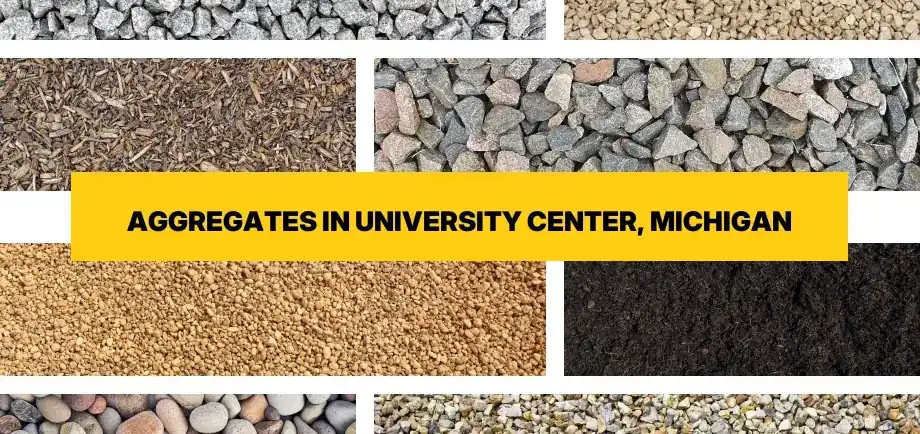
Shop Aggregates for Delivery in University Center
Order online for free delivery to any University Center address.


Gravel Monkey is your trusted source for high-quality aggregates and building materials in University Center, Michigan. Serving the Great Lakes Bay Region including the Saginaw Valley State University campus, Sheridan Park neighborhood, and communities near Bay City and Midland, we deliver premium gravel, stone, and sand products directly to your property with absolutely free delivery. Whether you're building a new driveway in the Tamarack Ridge area or creating drainage solutions for properties along the Tittabawassee River floodplain, our comprehensive selection of aggregates meets every residential and commercial need throughout Bay County.
Complete Aggregate & Material Selection for University Center Projects
University Center's unique location in Michigan's central lower peninsula, with its clay-heavy glacial soil and seasonal freeze-thaw cycles, requires carefully selected aggregates for lasting results. Gravel Monkey provides the full range of materials needed for successful projects in this challenging environment:
- Driveway Gravel - Engineered specifically for the weight and weather demands of Michigan driveways
- 3/4 inch Crushed Stone - Versatile angular aggregate for foundations, driveways, and drainage applications
- #57 Stone - Industry-standard crushed stone ideal for concrete backfill and French drains
- Crusher Run - Compactable mixture of stone and fines that creates a solid, stable base layer
- Road Base - Heavy-duty aggregate designed for high-traffic areas and parking lots
- Pea Gravel - Smooth, rounded stones perfect for walkways and decorative landscaping
- River Rock - Natural aesthetic stone for gardens, water features, and erosion control
- Walkway Gravel - Specially selected aggregate for comfortable, attractive pedestrian paths
- Drain Rock - Clean, uniform stone that provides superior water movement in drainage systems
- Crushed Concrete - Eco-friendly recycled aggregate that performs like virgin stone at lower cost
- Topsoil - Rich, screened soil for lawns, gardens, and raised beds
- Fill Dirt - Clean fill material for grading, leveling, and site preparation
- Mason Sand - Fine, clean sand for mortar, concrete mixing, and masonry projects
- Playground Sand - Safe, certified sand for children's play areas
- Washed Sand - Premium cleaned sand for multiple construction and landscaping uses
- Decomposed Granite - Natural granite aggregate that compacts firmly for pathways and patios
Understanding University Center's Soil Conditions and Climate Challenges
University Center sits in Bay County where glacial till deposited during the last ice age created heavy clay soils that present unique challenges for construction and landscaping. The region experiences approximately 35 inches of annual precipitation with significant snowfall averaging 45 inches per winter. These conditions, combined with temperature swings from below zero in January to the upper 80s in July, create intense freeze-thaw cycles that can heave poorly prepared driveways and foundations.
Addressing Clay Soil and Drainage Issues
The clay-dominant soil throughout the Sheridan Park neighborhood and areas near Delta College requires special attention to drainage. Clay holds moisture, which expands when frozen, causing frost heave that damages driveways, sidewalks, and building foundations. Proper base preparation using compactable aggregates creates a stable platform that resists movement. Properties in low-lying areas near the Tittabawassee and Shiawassee River systems are particularly susceptible to poor drainage and benefit significantly from professionally designed aggregate drainage solutions.
For residential projects in the Heritage Woods subdivision or commercial developments along Bay Road, we recommend a minimum four-inch base layer of compacted aggregate beneath any paved or graveled surface. This base should extend beyond the finished surface to direct water away from structures. In areas with particularly heavy clay, increasing the aggregate depth to six inches provides additional insurance against frost damage during harsh Michigan winters.
Residential Driveway Solutions for University Center Homes
Driveways throughout University Center face punishing conditions from snow removal, freeze-thaw cycles, and the weight of vehicles navigating icy conditions. The key to a long-lasting driveway starts with proper aggregate selection and installation techniques adapted to local soil conditions.
Building a Proper Driveway Base
For properties in the Tamarack Ridge development or neighborhoods near Mackinaw Road, a properly constructed driveway begins with excavating existing soil to a depth of 8-10 inches. This removes problematic clay and provides space for aggregate layers. The first layer should be larger stone that provides structural strength and drainage. Angular aggregates like crushed stone interlock to create a stable matrix that won't shift under load. The uniformly sized material allows water to drain through rather than pooling and freezing.
The second layer uses finer aggregates that fill voids in the base layer while maintaining some drainage capacity. This creates a smooth, compact surface ready for a final top layer of smaller gravel if you prefer a loose-stone driveway, or as preparation for asphalt or concrete paving. Properties on heavily traveled streets like Schust Road or State Street benefit particularly from this multi-layer approach that distributes weight and manages water effectively.
Commercial Aggregate Solutions for Bay County Businesses
Commercial properties throughout the University Center area, from retail centers along Bay Road to industrial facilities near the Great Lakes Bay Regional Convention Center, demand aggregates that withstand heavy use while minimizing maintenance costs. Businesses near Saginaw Valley State University campus serve thousands of vehicles daily and require especially durable aggregate solutions.
Parking lots, loading docks, and access roads need substantial base depths to prevent rutting and settling. Commercial applications typically require 8-12 inches of compacted aggregate base, with the thickness increasing for areas experiencing heavy truck traffic. The proper aggregate type depends on the specific use - delivery areas handling loaded semi-trucks need maximum load-bearing capacity, while employee parking areas can use slightly less robust specifications while still providing decades of service.
Sustainable Aggregate Choices for Commercial Projects
Many University Center businesses are embracing recycled aggregates for both environmental and economic benefits. Recycled materials perform identically to virgin aggregates while reducing environmental impact and often lowering project costs. For large commercial projects near the SVSU campus or the expanding business district around Schust Road, recycled aggregates represent smart business decisions that don't compromise quality or durability.
| Aggregate Type | Best Applications | Typical Size | Drainage Rating | Load Bearing |
|---|---|---|---|---|
| Driveway Gravel | Residential driveways, parking areas | Mixed sizes | Excellent | High |
| 3/4" Crushed Stone | Foundation drainage, base layers | 3/4 inch | Excellent | Very High |
| #57 Stone | French drains, concrete backfill | 3/4 inch | Excellent | High |
| Crusher Run | Driveway base, roadways | Graded mix | Good | Very High |
| Road Base | Heavy traffic areas, parking lots | Graded mix | Good | Maximum |
| Pea Gravel | Walkways, landscaping, drainage | 3/8 inch | Excellent | Moderate |
| River Rock | Decorative landscaping, water features | Various | Good | Moderate |
| Drain Rock | Septic fields, foundation drains | 3/4 - 1 inch | Maximum | Moderate |
| Crushed Concrete | Base layers, driveways, fill | Graded mix | Excellent | High |
| Decomposed Granite | Pathways, patios, landscaping | Fine particles | Fair | Moderate |
Decorative Aggregates for University Center Landscaping
Beyond functional applications, aggregates transform ordinary yards into attractive outdoor spaces throughout University Center neighborhoods. Decorative stone creates visual interest, reduces lawn maintenance, and solves erosion problems on sloped properties common throughout the Tamarack Ridge area and hillsides near the Tittabawassee River valley.
Creating Attractive, Low-Maintenance Landscapes
Smooth materials create comfortable walking surfaces for garden paths and play areas. The rounded edges are gentle on bare feet, making them ideal for residential landscaping around homes in the Heritage Woods subdivision or properties near Shields Elementary School. These materials come in attractive natural colors that complement Michigan's native plantings and seasonal color changes.
Larger decorative stone creates dramatic focal points in landscape beds and around building foundations. Natural variations in color and shape add organic texture that complements both traditional and contemporary architecture prevalent throughout University Center. Properties near Saginaw Valley State University often use decorative aggregates to create attractive, durable landscapes that withstand heavy foot traffic from students while maintaining visual appeal year-round.
Erosion Control and Water Management
Sloped properties throughout the region benefit from strategic aggregate placement that slows water runoff and prevents soil erosion. Stone-lined swales direct stormwater safely away from structures while adding visual interest. Rain gardens featuring decorative rock filter runoff naturally while creating habitat for beneficial insects and birds. These sustainable landscaping techniques align with University Center's growing emphasis on environmental stewardship and water quality protection in the Great Lakes Bay watershed.
Serving University Center Neighborhoods and Surrounding Communities
Gravel Monkey proudly delivers throughout University Center and the broader Great Lakes Bay Region. We serve residential neighborhoods from Sheridan Park to Tamarack Ridge, commercial districts along Bay Road and State Street, and institutional customers including Saginaw Valley State University and Delta College. Our delivery area extends to nearby Saginaw, Bay City, Midland, Freeland, and Auburn, ensuring everyone in central Michigan has access to premium aggregates with convenient free delivery.
Whether your project is in the established neighborhoods near Mackinaw Road, newer developments around Heritage Woods, or rural properties along Wheeler Road, we deliver the materials you need when you need them. Our knowledge of local soil conditions, climate challenges, and building practices throughout Bay County ensures you receive not just materials, but expert guidance for successful projects that last for decades in Michigan's demanding environment.
Foundation and Base Materials for University Center Construction
New construction and major renovations throughout University Center require proper foundation preparation to ensure structural integrity on the region's challenging clay soils. From residential additions in Sheridan Park to commercial developments near the SVSU campus, success starts below grade with appropriate aggregate selection and placement.
Soil Stabilization and Site Preparation
Before aggregate placement, sites often need soil improvement or removal. Poor native soil should be excavated and replaced with quality material that provides stable support. This creates a solid platform for aggregate base layers that distribute building loads and prevent differential settling that cracks foundations and causes structural problems.
The base aggregate layer must resist compression under load while allowing water drainage away from foundations. Proper drainage is absolutely critical in University Center's clay soils where water accumulation causes frost heave during winter months. Foundation walls need perimeter drainage systems using clean stone that efficiently moves groundwater to drainage tiles or daylight outlets. This prevents basement moisture problems and the foundation damage that compromises structural integrity over time.
Aggregate Selection for Different Foundation Types
Slab-on-grade foundations popular in University Center construction require different aggregate specifications than full basements. Slab foundations need extremely compactable base material that won't settle, while basement foundations prioritize drainage capacity around footings and walls. Understanding these differences ensures appropriate material selection that provides optimal performance for your specific foundation type and local soil conditions.
Specialized Sand Products for University Center Projects
Sand serves crucial functions beyond beaches and sandboxes. University Center contractors and homeowners rely on specialized sand types for specific applications ranging from masonry work to children's play areas. Each sand type is processed and cleaned to meet exacting standards for its intended use.
Construction-Grade Sands
Masonry projects throughout Bay County depend on clean, properly graded sand that creates strong mortar bonds. This sand mixes with cement to form the mortar that holds bricks, blocks, and stone in place. The particle size and shape directly affect mortar workability and final strength, making proper sand selection critical for lasting masonry work on homes and commercial buildings throughout the University Center area.
Concrete mixing requires carefully graded sand that fills voids between coarse aggregates while maintaining workability. The sand fraction in concrete affects strength, durability, and finish quality. From residential sidewalks in Heritage Woods to commercial flatwork near Bay Road, proper sand selection contributes significantly to concrete performance and longevity in Michigan's freeze-thaw environment.
Recreational and Safety Sands
Children's play areas at homes, schools, and parks require sand meeting strict safety standards. This specialized sand is thoroughly cleaned, screened to remove debris, and tested to ensure safety for constant contact with children. Properties throughout University Center, from private residences to facilities near Shields Elementary, trust certified playground sand to provide safe, enjoyable play surfaces that meet or exceed all safety regulations.
Clean sand also serves landscaping purposes, improving soil drainage and texture in planting beds. Mixed into clay-heavy native soils, sand creates better growing conditions for plants while improving water infiltration. Landscape contractors working throughout the Tamarack Ridge area and commercial properties near Saginaw Valley State University use sand amendments to optimize growing conditions for ornamental plantings.
Professional Drainage Systems Using Quality Aggregates
Effective drainage separates successful University Center projects from constant headaches involving standing water, ice dams, foundation moisture, and landscape erosion. The region's clay soils and significant precipitation make drainage planning absolutely essential for every residential and commercial property.
French Drain Installation
French drains solve many common drainage problems throughout University Center. These underground trenches filled with drainage aggregate and perforated pipe intercept and redirect groundwater away from problem areas. Properties in low-lying areas near the river systems particularly benefit from French drains that prevent water accumulation during spring thaws and heavy rain events.
Proper French drain construction requires specific aggregate sizes that won't clog the perforated pipe while allowing rapid water movement. The aggregate must be clean and uniformly sized to maintain open voids for water flow. Wrapped in filter fabric to prevent soil intrusion, a properly constructed French drain provides decades of reliable service protecting foundations, basements, and landscapes from excess moisture.
Surface Drainage and Swales
Not all drainage happens underground. Surface solutions direct water safely across properties to storm drains or drainage easements. Stone-lined swales add visual interest while managing stormwater runoff. Aggregates stabilize swale bottoms and sides, preventing erosion while allowing water infiltration that reduces downstream flooding. These sustainable drainage features benefit individual properties while contributing to watershed health throughout the Great Lakes Bay Region.
Seasonal Timing for Aggregate Projects in University Center
Michigan's distinct seasons affect aggregate project scheduling and success. Understanding seasonal considerations helps University Center property owners plan projects for optimal results and avoid weather-related complications that compromise quality or extend timelines unnecessarily.
Spring and Summer Project Season
Late spring through early fall represents prime construction season throughout University Center when ground conditions and weather support efficient project completion. Soil moisture levels stabilize after spring thaw, allowing proper compaction of aggregate base layers. Warm temperatures ensure concrete and asphalt cure properly if your project includes paved surfaces over aggregate bases.
However, spring can bring heavy rains that make working with clay soils challenging. Properties in the Sheridan Park neighborhood or low-lying areas may need to wait until soil dries sufficiently for proper excavation and aggregate placement. Patient timing prevents muddy messes and ensures proper compaction that's essential for long-term performance.
Fall and Winter Considerations
Fall offers excellent conditions with moderate temperatures and typically drier soil. However, projects must finish before ground freezes, typically by mid-November in the University Center area. Frozen ground prevents proper excavation and compaction, forcing delays until spring thaw.
Winter aggregate delivery remains available for urgent repairs or specialized projects, though installation challenges increase. Snow removal, frozen ground, and limited equipment access complicate winter work. Planning ahead and scheduling projects during the main construction season prevents these complications while ensuring optimal results that last for decades in Michigan's challenging climate.
Frequently Asked Questions About Gravel and Aggregates in University Center
We deliver a complete range of aggregates including driveway gravel, crushed stone in multiple sizes, pea gravel, river rock, crusher run, road base, drain rock, recycled concrete, topsoil, fill dirt, and various sand types throughout University Center and surrounding Bay County areas. Every material is carefully selected to perform excellently in Michigan's challenging climate and soil conditions.
Yes! Gravel Monkey offers FREE delivery to University Center and the surrounding Michigan area for all gravel and aggregate orders. We serve the entire Great Lakes Bay Region including Bay City, Saginaw, Midland, and surrounding communities with no delivery charges regardless of order size.
For driveways in University Center, we recommend 3/4 inch crushed stone or #57 stone as a base layer, topped with smaller aggregates for the surface. These sizes compact well while providing excellent drainage essential for managing Michigan's freeze-thaw cycles. The angular shape of crushed stone interlocks to create a stable base that resists rutting and settling on clay soils common throughout Bay County.
University Center sits on clay-rich glacial till soil that retains moisture and expands during freeze-thaw cycles. This creates significant challenges for driveways, foundations, and landscaping projects. Proper drainage using drain rock or crushed stone is essential to prevent frost heave and settling issues. Projects often require deeper aggregate bases and careful attention to water management to achieve lasting results in this challenging soil environment.
Absolutely! Crushed concrete is an eco-friendly and cost-effective alternative to virgin aggregates. It performs excellently in University Center for driveways, base layers, and drainage projects while supporting sustainable construction practices. Recycled concrete aggregates meet the same performance standards as virgin stone while reducing environmental impact and often lowering project costs significantly.
For landscaping projects near campus areas, pea gravel, river rock, and decomposed granite are popular choices. These materials provide attractive, low-maintenance solutions for walkways, garden beds, and decorative features around the university district. They withstand heavy foot traffic while maintaining visual appeal throughout Michigan's four distinct seasons.
For a typical University Center driveway, calculate length times width times depth in feet, then divide by 27 to convert to cubic yards. A standard residential driveway needs 4 to 6 inches of base aggregate, with greater depth recommended for clay soil conditions. For example, a 12-foot by 50-foot driveway with 4 inches of aggregate requires approximately 7.5 cubic yards. Our team can help you calculate the exact amount needed for your specific project and soil conditions.
We deliver mason sand for construction and mortar work, playground sand for safe play areas, and washed sand for general applications. Each sand type is carefully selected, cleaned, and processed to meet specific project requirements in the University Center area. Whether you're building a masonry wall, installing a playground, or improving garden soil, we have the right sand product for your needs.
Ready to Start Your University Center Project?
Whether you're planning a new driveway in Sheridan Park, improving drainage near the Tittabawassee River, or enhancing your landscape around Saginaw Valley State University, Gravel Monkey delivers the quality aggregates you need with expert guidance for success in Michigan's unique environment. Our team understands Bay County's soil conditions, climate challenges, and local building practices, ensuring you receive materials and advice that lead to lasting results.
From residential projects in Heritage Woods to commercial developments along Bay Road, we serve University Center and the entire Great Lakes Bay Region with comprehensive aggregate solutions backed by deep local knowledge and commitment to customer success. Contact us today to discuss your project needs and experience the difference that quality materials, expert service, and free delivery make for University Center property owners and contractors.

Need help? Reach out for a quote: