Shop Sand, Stone & Gravel in Shelbyville, Michigan
Local Topsoil, Dirt, Sand, Rocks and Gravel near me in Shelbyville, Michigan
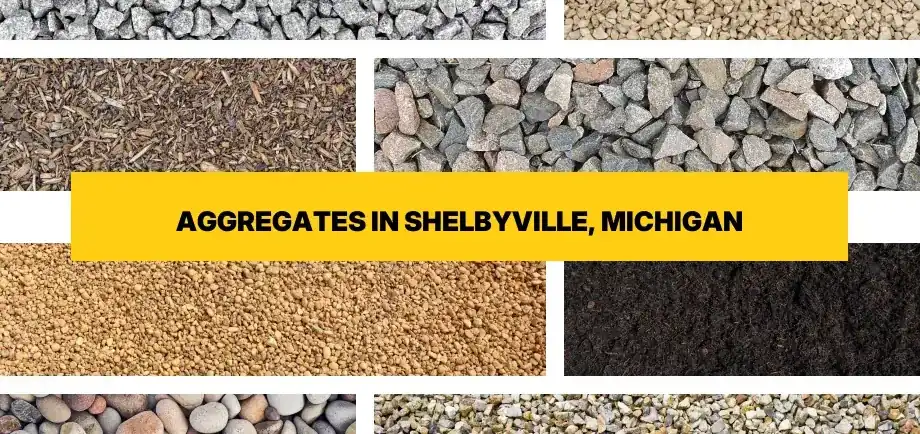
Shop Aggregates for Delivery in Shelbyville
Order online for free delivery to any Shelbyville address.
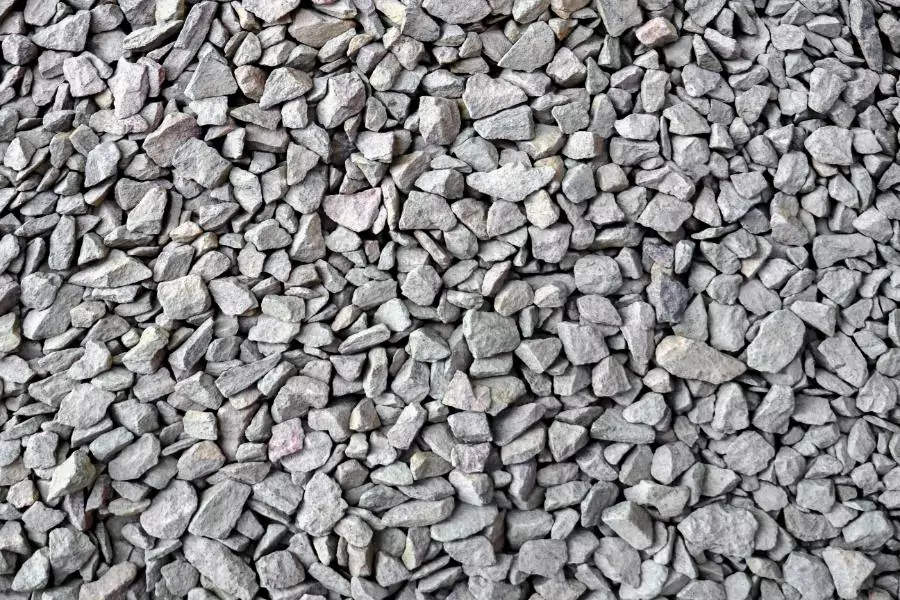
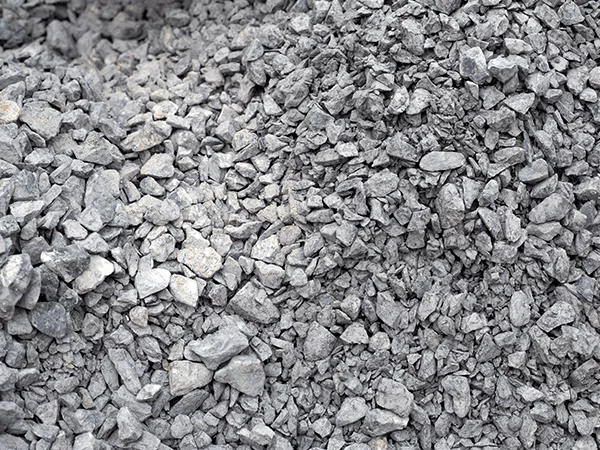


Gravel Monkey provides reliable gravel and aggregate delivery throughout Shelbyville, Michigan, serving residential and commercial customers across Allegan County. From rural properties along M-43 to homes near the Gull Lake shoreline, we deliver high-quality aggregates directly to your site with absolutely free delivery. Whether you're building a new driveway in the village center or tackling drainage challenges on a farm property, our comprehensive selection of materials meets the demands of Michigan's unique soil conditions and climate.
Complete Aggregate Selection for Shelbyville Projects
Shelbyville's location in southwest Michigan presents specific challenges for property owners, from clay-heavy soils that require proper drainage to freeze-thaw cycles that test driveway durability. Our aggregate inventory addresses these local conditions with materials proven to perform in Michigan's continental climate. We serve customers throughout the Shelbyville area, including properties near Baseline Lake, Gun Lake, and the surrounding countryside.
Understanding regional soil composition is essential for successful projects in Allegan County. The area's glacial till soils, deposited thousands of years ago by retreating ice sheets, create a foundation that's predominantly clay-based with varying drainage characteristics. This geological reality means proper aggregate selection becomes critical for long-term project success, particularly for driveways, foundations, and drainage applications.
- Driveway Gravel - Engineered specifically for residential and commercial driveways
- 3/4 Inch Crushed Stone - Versatile aggregate for multiple applications
- #57 Stone - Industry-standard drainage and construction aggregate
- Crusher Run - Compactable base material that resists frost heaving
- Road Base - Heavy-duty foundation for roads and parking areas
- Drain Rock - Essential for French drains and water management systems
- Pea Gravel - Smooth, rounded stones for landscaping projects
- River Rock - Natural aesthetic appeal for decorative applications
- Walkway Gravel - Comfortable and attractive for pathways
- Topsoil - Nutrient-rich soil for gardens and lawn establishment
- Fill Dirt - Grading material for property leveling
- Crushed Concrete - Eco-friendly recycled aggregate option
- Mason Sand - Fine sand for masonry and construction projects
- Playground Sand - Safe, clean sand for play areas
- Washed Sand - Clean sand for multiple applications
- Decomposed Granite - Natural pathway material with excellent compaction
Serving All Shelbyville Neighborhoods and Surrounding Communities
Gravel Monkey delivers throughout the greater Shelbyville region, providing aggregates and materials to both village residents and rural property owners. Our service area extends throughout Allegan County, reaching customers in numerous communities and rural areas.
In the village center near M-43, we regularly supply materials for driveway renovations and residential landscaping projects. Properties along 42nd Street benefit from our drainage solutions, particularly important given the area's clay soils. Homes near the Gun Lake shoreline frequently request decorative aggregates for landscaping that complements their waterfront settings. Rural properties along 48th Street and surrounding farm roads depend on our road base and crusher run for maintaining private drives that withstand heavy agricultural equipment.
We also serve surrounding communities including Bradley to the northwest, Wayland to the southwest, Hickory Corners to the east, and Yankee Springs to the northeast. Properties near the Yankee Springs Recreation Area often require specialized aggregates for cabin access roads and recreational facilities. The rolling terrain common throughout this region creates unique drainage challenges that our team understands well.
From small village lots to expansive rural acreages, Shelbyville properties vary significantly in their aggregate needs. Our free delivery service ensures that whether you're working on a quarter-acre residential lot or a hundred-acre farm, quality materials arrive when you need them.
Aggregates Engineered for Michigan's Continental Climate
Shelbyville experiences a full continental climate with cold, snowy winters and warm, humid summers. Average January temperatures dip to around 22°F, while July averages reach 72°F. Annual precipitation totals approximately 36 inches, distributed fairly evenly throughout the year, with additional snowfall averaging 60 inches annually. This climate creates specific challenges for aggregate applications.
The freeze-thaw cycle that occurs from late fall through early spring represents the primary concern for Shelbyville property owners. When temperatures fluctuate around freezing, moisture trapped in soil and aggregate materials expands and contracts repeatedly. This process, called frost heaving, can destroy poorly constructed driveways and foundations within just a few winters. Proper aggregate selection and installation techniques mitigate these effects.
Understanding Local Soil Characteristics
Allegan County soils reflect the region's glacial history. As massive ice sheets retreated approximately 14,000 years ago, they deposited layers of till—a mixture of clay, silt, sand, and gravel. The predominant soil series in the Shelbyville area include Boyer sandy loam on higher elevations and Marlette loam in lower areas, both with clay-enriched subsoil layers that affect drainage.
This clay content creates several challenges. First, clay soils expand when wet and contract when dry, creating movement that stresses structures and hardscapes. Second, clay's poor drainage characteristics mean water accumulates rather than percolates, increasing frost heaving potential. Third, clay becomes extremely slick when wet and rock-hard when dry, complicating construction timing. Successful aggregate projects account for these characteristics through proper material selection and installation methods.
Choosing the Right Aggregate for Your Shelbyville Project
Different projects demand different aggregate characteristics. This comparison helps Shelbyville property owners select appropriate materials based on local conditions and project requirements.
| Material Type | Best Applications | Drainage Rating | Compaction Quality | Frost Resistance |
|---|---|---|---|---|
| Crusher Run | Driveway base, road construction | Moderate | Excellent | Very High |
| 3/4 Inch Crushed Stone | Driveways, foundations, drainage layers | High | Very Good | High |
| #57 Stone | French drains, pipe bedding, concrete aggregate | Excellent | Good | High |
| Road Base | Heavy-duty drives, parking areas, farm lanes | Moderate | Excellent | Very High |
| Drain Rock | Foundation drainage, septic systems | Excellent | Fair | High |
| Pea Gravel | Pathways, landscaping, decorative beds | Good | Fair | Moderate |
| Crushed Concrete | Budget driveways, temporary roads | High | Very Good | High |
| Decomposed Granite | Walking paths, patios, natural areas | Good | Excellent | Moderate |
Driveway Projects in Shelbyville
Driveway construction represents one of the most common aggregate applications in the Shelbyville area. The combination of clay soils and freeze-thaw cycles demands proper base preparation and material selection. A typical residential driveway requires excavation of organic material and clay to a depth of 12-16 inches, followed by installation of geotextile fabric to prevent base migration into clay subsoil.
The base layer typically consists of 8-10 inches of compacted crusher run or road base. These materials contain a mixture of stone sizes with fine particles that fill voids between larger aggregates, creating a dense, stable foundation. Proper compaction using a vibratory plate compactor or roller ensures maximum density. The surface layer uses 3-4 inches of driveway gravel or 3/4 inch crushed stone, which provides a durable driving surface while allowing water infiltration.
Drainage Solutions for Clay Soils
Many Shelbyville properties struggle with standing water and soggy areas due to the region's clay-heavy soils. French drain systems using drain rock or #57 stone provide effective solutions. These systems work by creating a gravel-filled trench containing a perforated pipe that intercepts groundwater and directs it away from structures or problem areas.
The aggregate surrounding the drain pipe serves multiple functions. It filters soil particles that could clog the pipe, provides a high-permeability pathway for water movement, and supports the pipe against soil pressure. Proper installation includes wrapping the aggregate in geotextile fabric to prevent long-term clogging from soil migration. Foundation drainage systems use similar principles, protecting basements and crawl spaces from hydrostatic pressure.
Popular Aggregate Applications Throughout Allegan County
Residential Landscaping Projects
Shelbyville homeowners increasingly invest in landscaping improvements that enhance curb appeal and property value. Decorative aggregates create low-maintenance alternatives to traditional mulch beds while providing excellent weed suppression. River rock in various sizes adds texture and visual interest to foundation plantings, particularly around homes near Gun Lake and Baseline Lake where natural aesthetics complement waterfront settings.
Walkway gravel creates attractive pathways between outdoor spaces without the expense of pavers or concrete. These paths work particularly well in Shelbyville's rural setting, connecting homes to outbuildings, gardens, and recreational areas. Decomposed granite offers another popular pathway option, compacting into a firm surface that feels natural underfoot while resisting erosion during Michigan's heavy spring rains.
Agricultural and Farm Applications
Rural properties throughout the Shelbyville area require durable aggregate solutions for farm lanes, equipment yards, and livestock areas. Road base provides the structural strength necessary for heavy agricultural equipment while resisting rutting during wet periods. Proper construction of farm lanes includes adequate drainage provisions, as standing water accelerates deterioration and creates impassable conditions.
Equipment storage areas benefit from a thick layer of crushed concrete or crusher run, creating a stable surface that prevents vehicles from sinking into clay soils. These materials also minimize mud tracking into barns and onto public roads. Livestock areas such as paddocks and feeding zones require aggregates that drain well while providing solid footing—3/4 inch crushed stone serves this purpose effectively.
Septic System Installation
The clay soils common in Allegan County create challenges for septic system drain fields. Many properties require engineered fill systems that use specific aggregate types to ensure proper percolation. Drain rock or washed sand typically surround distribution pipes, while larger stone materials create drainage layers beneath the system. Local health department regulations specify aggregate gradations and installation methods to ensure system functionality.
Erosion Control Applications
Properties on sloped terrain near the Yankee Springs area often face erosion challenges during spring snowmelt and heavy rainfall events. Riprap and larger river rock provide effective erosion control along drainage ditches and stream banks. These materials dissipate water energy while remaining stable during high-flow conditions. Smaller aggregates like pea gravel work well for less severe slopes, creating permeable surfaces that allow water infiltration while stabilizing soil.
Professional Installation Considerations for Shelbyville Properties
Successful aggregate projects require more than quality materials—proper installation techniques ensure long-term performance. Understanding local conditions helps contractors and DIY property owners avoid common mistakes.
Site Preparation Fundamentals
Adequate site preparation represents the foundation of any successful aggregate project. Excavation must extend below the frost line for structural applications, typically 42 inches in Allegan County. Removing organic material and unsuitable clay soils prevents settlement and frost heaving. Many Shelbyville properties benefit from incorporating geotextile fabric between native soil and aggregate layers, particularly where clay content exceeds 30%.
Proper grading ensures water moves away from structures and paved areas. A minimum slope of 2% (1/4 inch per foot) directs surface water to appropriate drainage points. In areas with poor natural drainage, installing subsurface drainage pipes before placing aggregates prevents water accumulation within the base layers. This proactive approach avoids costly repairs after project completion.
Compaction Requirements
Compaction transforms loose aggregate into a stable, load-bearing surface. Proper compaction requires appropriate moisture content—too dry and particles won't interlock, too wet and aggregates become unstable. Most aggregates compact best at moisture contents slightly below saturation. Adding water during compaction helps achieve optimal density.
Compaction should occur in lifts (layers) no more than 6 inches thick. Each lift receives multiple passes with compaction equipment until no further densification occurs. For residential driveways, vibratory plate compactors work well for areas under 1,000 square feet. Larger projects justify renting a vibratory roller. Proper compaction significantly extends project lifespan, particularly in Michigan's challenging freeze-thaw environment.
Seasonal Timing Considerations
Project timing affects both installation quality and long-term performance. Spring in Shelbyville brings high soil moisture from snowmelt, complicating excavation and compaction. Many contractors prefer late summer and fall for aggregate projects when soils have dried adequately. However, projects must conclude before ground freezing prevents proper compaction.
Winter projects require special considerations. Cold temperatures prevent proper compaction, and frozen ground complicates excavation. However, frozen conditions can provide temporary access for heavy equipment to wet areas that would otherwise be impassable. Spring projects should begin after soils have drained sufficiently to avoid working in saturated conditions.
Calculating Aggregate Quantities for Your Project
Accurate material quantity calculations prevent ordering too little (requiring additional delivery) or too much (wasting money on excess materials). The basic formula multiplies length times width times depth, but working in consistent units prevents errors.
Standard Calculation Method
For rectangular areas, measure length and width in feet. Determine desired depth in inches, then convert to feet by dividing by 12. Multiply length × width × depth (in feet) to get cubic feet. Divide cubic feet by 27 to convert to cubic yards—the standard unit for aggregate sales.
Example: A driveway measuring 40 feet long by 12 feet wide with 4 inches of aggregate:
40 × 12 × (4/12) = 40 × 12 × 0.33 = 160 cubic feet
160 ÷ 27 = 5.9 cubic yards
Round up to ensure adequate material. This example requires approximately 6 cubic yards. For irregular shapes, divide the area into rectangles, calculate each section separately, then sum the results. Online calculators can simplify these computations, but understanding the underlying math helps verify results.
Compaction Factors
Aggregates compress during compaction, typically reducing volume by 10-15% depending on material type and compaction effort. Crusher run and road base compact significantly due to their gradation containing fine particles that fill voids. Single-size aggregates like #57 stone or drain rock compact less.
Account for compaction by increasing calculated quantities by 15-20% for materials like crusher run and road base. For less compactable materials like pea gravel or drain rock, add 10% to calculated volumes. This ensures adequate material remains after compaction achieves specified depths.
Coverage Rates and Thickness Guidelines
Different applications require different aggregate depths. Residential driveways typically use 4 inches of surface aggregate over 8-10 inches of compacted base material. Light-duty pathways require only 2-3 inches of pea gravel or walkway gravel over 4 inches of base. Heavy-duty applications like farm lanes may require 16-18 inches of total aggregate depth.
As a general rule, one cubic yard of aggregate covers approximately 80 square feet at 4 inches depth, 160 square feet at 2 inches depth, or 320 square feet at 1 inch depth. These calculations assume compacted material. Always order slightly more than calculated needs to ensure project completion without delays for additional delivery.
Maintaining Aggregate Surfaces in Michigan's Climate
Proper maintenance extends the life of aggregate projects and maintains their appearance. Shelbyville's climate creates specific maintenance requirements that property owners should understand.
Spring Maintenance
Spring brings challenges from frost heaving and snowmelt. Inspect aggregate surfaces for areas that have heaved or settled unevenly. Rake uneven areas smooth and add fresh aggregate to low spots. Address drainage problems promptly—standing water accelerates deterioration. Clean drainage ditches and culverts to ensure proper water flow away from aggregate surfaces.
Summer and Fall Care
Summer heat dries aggregate surfaces, potentially creating dust issues. Periodic watering helps control dust while improving compaction. Some property owners apply dust control products, though these require reapplication and may wash away during heavy rains. Fall represents an ideal time to add a fresh layer of surface aggregate, as moderate temperatures and moisture levels facilitate compaction.
Weed control maintains appearance and prevents vegetation from disrupting aggregate surfaces. Hand-pulling weeds when small prevents seed production. Pre-emergent herbicides applied in early spring prevent many weeds from germinating. Always follow label directions when using chemical weed controls near water features or sensitive areas.
Winter Considerations
Snow removal from aggregate driveways requires care to avoid displacing surface materials. Set plow blades slightly higher than normal to prevent gouging. Avoid metal-edged snow shovels in favor of plastic versions that protect aggregate surfaces. Sand provides traction without the corrosive effects of road salt, though it requires spring cleanup.
Frequently Asked Questions About Aggregates in Shelbyville
We deliver a complete range including driveway gravel, crushed stone in multiple sizes, pea gravel, river rock, crusher run, road base, drain rock, topsoil, fill dirt, various sands, crushed concrete, decomposed granite, and walkway gravel throughout Shelbyville and surrounding Allegan County areas.
Yes! Gravel Monkey offers completely FREE delivery to Shelbyville and the surrounding Michigan area for all gravel and aggregate orders. No hidden fees or delivery charges.
For Shelbyville properties, crusher run and 3/4 inch crushed stone provide excellent stability during freeze-thaw cycles. These materials compact well and resist frost heaving common in Michigan winters. Road base also performs exceptionally well for heavy-duty applications like farm lanes and commercial drives.
Measure your area in feet for length and width, then multiply by your desired depth converted to feet. Divide the result by 27 to get cubic yards. For driveways, we recommend 3 to 4 inches of compacted gravel over 8-10 inches of base material. Our team can help calculate exact amounts for your Shelbyville property and recommend appropriate materials.
Delivery times depend on current demand and your location within the Shelbyville area. Contact us at 646-809-3983 to check availability for your specific timeline and project needs. We strive to accommodate urgent requests whenever possible.
Drain rock and number 57 stone work exceptionally well for drainage projects on the clay-rich soils common in Shelbyville. These materials allow water flow while preventing soil migration. For French drain systems, wrap aggregate in geotextile fabric to ensure long-term performance.
Residential driveways in Shelbyville should have a minimum of 8-10 inches of compacted base material (crusher run or road base) topped with 3-4 inches of surface aggregate. Heavy-duty applications like farm equipment access may require 12-16 inches of total depth. Proper depth prevents frost heaving damage during Michigan winters.
In Shelbyville's clay soils, geotextile fabric provides significant benefits by preventing aggregate migration into clay subsoil and reducing maintenance requirements. While not absolutely required, fabric installation typically pays for itself through extended driveway life and reduced need for additional aggregate over time.
Start Your Shelbyville Aggregate Project Today
Whether you're improving a rural property along 42nd Street, renovating a village driveway near M-43, or tackling drainage challenges on farmland near Yankee Springs, Gravel Monkey delivers the quality aggregates you need. Our comprehensive inventory includes everything from specialized drainage rock to decorative landscaping materials, all backed by free delivery throughout the Shelbyville area.
Our team understands the unique challenges of working with Allegan County's clay soils and Michigan's demanding climate. We help customers select appropriate materials for their specific applications, calculate accurate quantities, and plan projects for optimal timing and results. From small residential projects to large agricultural applications, Gravel Monkey provides the materials and expertise that Shelbyville property owners trust.
Contact us today at 646-809-3983 to discuss your project requirements and schedule your free delivery. We serve the entire Shelbyville region including Bradley, Wayland, Hickory Corners, Yankee Springs, and all surrounding areas. Let us help you select the perfect aggregates for your Michigan property.

Need help? Reach out for a quote: