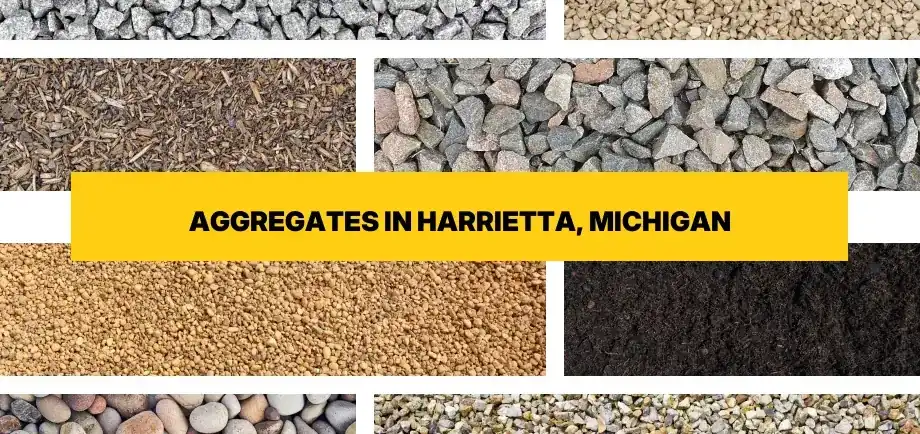
Sand, Aggregates & Gravel for Harrietta, Michigan
Local Topsoil, Dirt, Sand, Rocks and Gravel near me in Harrietta, Michigan
Shop Aggregates for Delivery in Harrietta
Order online for free delivery to any Harrietta address.
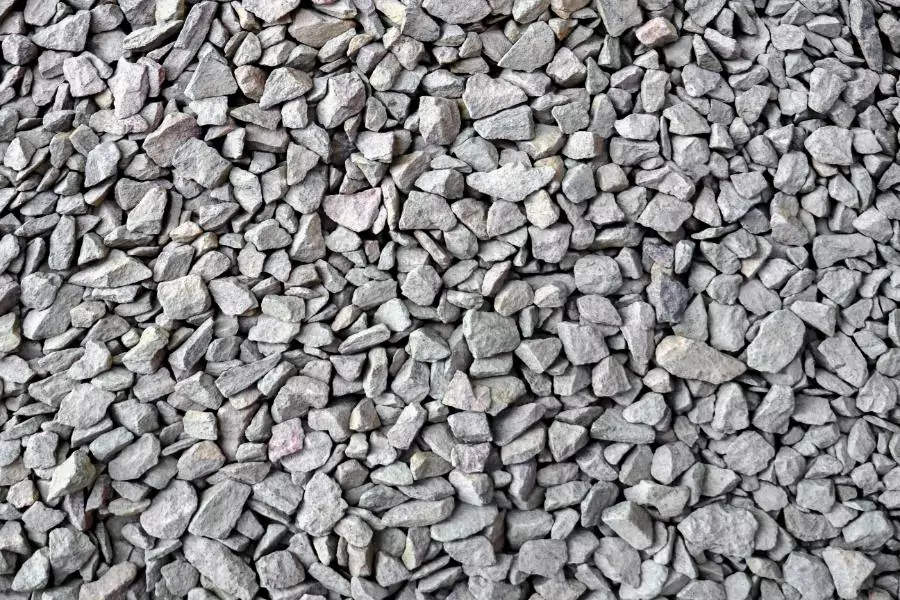
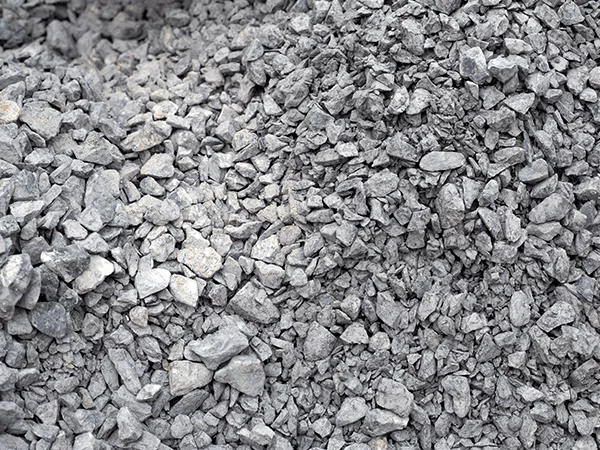


Gravel Monkey is your trusted source for premium gravel and aggregate delivery throughout Harrietta, Michigan and surrounding Wexford County communities. Whether you're building a new driveway near Lake Thirteen, improving drainage on a property close to the Manistee River, or upgrading a rural road in the surrounding forested areas, we deliver high-quality aggregates directly to your location with absolutely free delivery. Our comprehensive selection of materials is perfectly suited to the unique sandy soil conditions and seasonal climate challenges found throughout Northern Michigan.
Premium Aggregates and Stone Materials Available in Harrietta
Our extensive inventory includes every aggregate type you need for residential, commercial, and municipal projects across the Harrietta region. We understand the specific demands of Northern Michigan construction and landscaping, from managing the sandy soil prevalent throughout Wexford County to addressing drainage challenges near wetland areas and seasonal water table fluctuations.
- Driveway Gravel - Durable aggregate base material engineered for lasting driveways in sandy soil conditions
- 3/4 inch Crushed Stone - Versatile angular aggregate for foundations, drainage, and roadway applications
- #57 Stone - Popular clean aggregate for drainage systems, French drains, and concrete work
- Crusher Run - Compactable aggregate blend with fines, ideal for stable base construction
- Road Base - Dense aggregate foundation material for roads and heavy-traffic areas
- Pea Gravel - Smooth rounded aggregate perfect for walkways, patios, and decorative applications
- River Rock - Natural decorative stone for landscaping beds and water features
- Walkway Gravel - Attractive aggregate specifically sized for garden paths and pedestrian areas
- Drain Rock - Angular aggregate engineered for maximum water flow in drainage applications
- Crushed Concrete - Recycled aggregate for eco-friendly base material and fill projects
- Topsoil - Nutrient-rich soil for gardens, lawns, and planting beds
- Fill Dirt - Quality earthen material for grading, leveling, and site preparation
- Mason Sand - Fine sand aggregate for masonry joints and construction applications
- Playground Sand - Safe, clean sand for children's play areas and sandboxes
- Washed Sand - Clean multi-purpose sand aggregate for concrete and landscaping
- Decomposed Granite - Natural compacting aggregate for trails and natural-looking pathways
Understanding Harrietta's Unique Soil and Climate Conditions
Harrietta sits in the heart of Northern Michigan's glacial landscape, where sandy soil dominates the terrain from the Manistee River valley to the forests surrounding Boon and beyond. This sandy soil composition, a legacy of ancient glacial deposits, presents specific challenges for construction and landscaping projects. The high sand content means excellent natural drainage but can cause stability issues for driveways and foundations without proper aggregate base preparation.
The region experiences cold winters with significant snowfall, typically accumulating 80-100 inches annually, and moderate summers with temperatures ranging from the 70s to low 80s Fahrenheit. The freeze-thaw cycles common from November through March can heave improperly constructed surfaces, making quality aggregate selection and installation depth critical for long-term durability. Properties near wetland areas and the numerous lakes dotting Wexford County often face additional challenges with seasonal water table fluctuations that require thoughtful drainage solutions.
Why Proper Aggregates Matter for Harrietta Properties
The combination of sandy native soil and harsh seasonal weather makes choosing the right aggregates essential for any project in the Harrietta area. Sandy soil lacks the natural binding properties of clay-based soils, meaning driveways and roads require substantial aggregate base layers to prevent rutting and settling. Properties throughout the region, from those near Idlewild to rural areas around Cherry Grove and beyond to Lake City, benefit from properly engineered aggregate foundations that account for local conditions.
The high water table present in many areas, particularly in lower elevations near streams and wetlands feeding into the Manistee River watershed, demands aggregates with superior drainage characteristics. During spring melt and periods of heavy rainfall, proper drainage becomes critical to prevent water accumulation that can undermine structures, flood basements, and create impassable driveways. Angular aggregates like our crushed stone products provide the void spaces necessary for effective water management while maintaining structural integrity.
Choosing the Right Aggregate for Your Harrietta Project
Not all aggregates serve the same purpose, and selecting the appropriate material for your specific application ensures project success and longevity. Below we compare common aggregate types and their ideal uses in Northern Michigan conditions:
| Aggregate Type | Best Applications | Drainage Quality | Compaction | Sandy Soil Performance |
|---|---|---|---|---|
| Driveway Gravel | Residential driveways, parking areas | Excellent | Good compaction | Ideal for sandy base |
| Crusher Run | Road base, driveway foundation | Moderate | Excellent compaction | Superior stability |
| 3/4 inch Crushed Stone | Driveways, foundations, drainage | Excellent | Good compaction | Very effective |
| #57 Stone | French drains, pipe bedding, concrete | Superior | Minimal compaction | Excellent for drainage |
| Drain Rock | Foundation drainage, sump systems | Superior | Minimal compaction | Maximum water flow |
| Road Base | Heavy traffic areas, municipal roads | Moderate | Excellent compaction | Exceptional stability |
| Pea Gravel | Pathways, decorative landscaping | Good | Poor compaction | Decorative use only |
| River Rock | Landscaping beds, decorative features | Good | No compaction | Aesthetic applications |
Aggregate Applications Throughout the Harrietta Area
Driveway Construction and Repair
Driveways in Harrietta face unique challenges from the combination of sandy subsoil and harsh winters. A successful driveway begins with proper site preparation, removing organic material and addressing any drainage concerns. For properties on sandy soil, which encompasses most of the region, we recommend a minimum 4-inch base layer of crusher run followed by 3-4 inches of driveway gravel for the surface.
The crusher run provides a stable, compactable foundation that won't shift in sandy conditions, while the driveway gravel surface resists rutting during thaws and provides good traction year-round. Properties with steeper grades or heavier vehicle traffic, such as those with RVs or commercial equipment common in this rural area, may benefit from thicker base layers or the addition of road base materials for enhanced durability.
Drainage Solutions for Northern Michigan Properties
Effective drainage is paramount in Harrietta, where spring snowmelt and seasonal rainfall can overwhelm improperly designed systems. French drains installed with #57 stone or drain rock provide reliable subsurface drainage around foundations, preventing basement moisture issues common in the region. The angular shape of these aggregates creates consistent void spaces that allow water to flow freely while preventing fine sand particles from clogging the system.
For properties near wetland areas or those with high water tables, perimeter drainage systems combined with proper grading can redirect water away from structures. Many properties around Lake Thirteen and other water bodies require comprehensive drainage planning to manage seasonal water level changes. Strategic placement of drainage aggregate channels can transform problematic wet areas into usable space while protecting building foundations and preventing surface water pooling.
Landscaping and Decorative Applications
The natural beauty of Northern Michigan deserves landscaping materials that complement the forest setting while providing practical functionality. Walkway gravel creates attractive, permeable garden paths that blend with the wooded environment typical of Harrietta properties. These paths provide dry footing during wet seasons while allowing rainwater to naturally percolate into the ground rather than creating runoff.
River rock works beautifully in naturalistic landscape designs, particularly around water features or in dry creek beds that manage seasonal runoff. The smooth, rounded stones contrast nicely with native plantings and evergreens while providing long-lasting, low-maintenance ground cover. Pea gravel offers similar aesthetic appeal in smaller spaces like courtyard patios, around deck bases, or as attractive mulch alternative in planting beds.
Foundation and Construction Aggregates
Any construction project in Harrietta requires proper foundation preparation to account for sandy soil conditions. The 3/4 inch crushed stone serves multiple roles in construction, from providing drainage around foundation walls to creating stable bases for concrete slabs. Its angular profile allows for excellent compaction while maintaining drainage properties essential for preventing frost heave and water accumulation.
For larger projects or those requiring certified materials for engineering specifications, our aggregates meet or exceed standard construction requirements. Road base materials provide maximum stability for heavy equipment access during construction, an important consideration for remote properties common throughout the forested areas between Harrietta and Mesick. These aggregates can later be incorporated into permanent driveways or parking areas, making them a cost-effective choice for new construction.
Serving Harrietta and Surrounding Wexford County Communities
Gravel Monkey proudly delivers premium aggregates throughout Harrietta and the broader Northern Michigan region. Our service area encompasses diverse communities, each with unique characteristics and material needs:
Downtown Harrietta and the historic village center feature a mix of older homes and small businesses where proper drainage and driveway maintenance remain ongoing priorities. The sandy soil beneath these established properties often requires periodic aggregate additions to maintain driveway integrity and manage water flow around older foundations not built to modern standards.
Properties near Lake Thirteen and other water bodies scattered throughout the area face special considerations with seasonal water table fluctuations. Many lakefront and near-water properties benefit from comprehensive drainage solutions using drain rock and #57 stone to manage groundwater while preventing erosion along shorelines. The combination of recreational vehicle traffic and waterfront access makes durable aggregate driveways essential in these locations.
The rural areas extending toward Boon to the north and Cherry Grove to the west consist primarily of larger parcels with long private drives requiring substantial aggregate quantities for proper construction. These forest-surrounded properties often feature challenging terrain with elevation changes, natural drainage patterns, and established tree root systems that demand thoughtful aggregate selection and placement.
Moving south toward Idlewild, properties in this historically significant area include both seasonal cottages and year-round residences. The diversity of property types means varied aggregate needs, from light residential driveways to heavier-duty access roads serving multiple parcels. The continued development and renovation of properties in this area creates steady demand for quality aggregates that perform in sandy soil conditions.
The Manistee River corridor running through the region attracts outdoor enthusiasts and property owners who value the natural setting. River-adjacent properties require special attention to erosion control and drainage management, making proper aggregate selection critical. Decorative river rock complements the natural aesthetic while providing functional benefits in riparian buffer zones and rain gardens.
Properties in the Mesick vicinity to the west and extending toward Lake City in the northeast represent the broader service area where Harrietta residents often work and shop. These communities share similar glacial soil conditions and climate challenges, meaning the aggregate solutions that work in Harrietta translate effectively throughout Wexford County and adjacent areas in Lake and Manistee Counties.
Seasonal Planning for Northern Michigan Aggregate Projects
Timing matters when planning aggregate projects in Harrietta's four-season climate. Understanding seasonal considerations helps ensure project success and material longevity.
Spring: Prime Time for Drainage and Foundation Work
Spring brings snowmelt and increased rainfall, making it the ideal season to identify and address drainage problems that may have gone unnoticed during winter. The saturated ground conditions reveal weak spots in driveways, areas of poor drainage, and foundation concerns. Installing French drains, improving surface drainage, and reinforcing driveway bases during late spring allows systems to cure before the next winter cycle.
Summer: Peak Construction and Landscaping Season
Summer's warm, dry conditions provide optimal weather for major aggregate projects. Driveway construction, road base installation, and landscaping work proceed efficiently when the ground is dry and equipment can access properties easily. Many Harrietta property owners schedule large projects for summer months to take advantage of extended daylight and favorable working conditions. Decorative aggregate installations using walkway gravel or river rock also progress best during dry weather when proper grading and placement can be achieved.
Fall: Preparation for Winter Challenges
Fall represents the last opportunity to prepare properties for winter before frozen ground makes work difficult. Topping off driveway aggregate, improving drainage systems, and addressing any erosion issues should be completed before the first hard freeze. Many experienced Northern Michigan property owners view fall as the strategic time for preventive maintenance using quality aggregates that will withstand the coming freeze-thaw cycles.
Winter: Planning and Limited Emergency Work
While frozen ground limits most aggregate work, winter provides time for planning spring and summer projects. Emergency repairs to damaged driveways or critical drainage issues can sometimes be addressed during brief thaw periods, though proper aggregate compaction becomes difficult in cold conditions. Planning aggregate purchases during winter often means better availability and preparation for spring delivery when demand increases.
Aggregate Installation Best Practices for Harrietta Properties
Proper installation determines whether aggregates perform as intended or fail prematurely. Following proven best practices ensures maximum value from your material investment.
Site Preparation Fundamentals
All successful aggregate projects begin with thorough site preparation. Remove all organic material including topsoil, roots, and vegetation from the work area. Organic matter decomposes over time, creating voids that allow aggregate surfaces to settle unevenly. In Harrietta's sandy soil, excavating to firm, stable sand provides the ideal base for aggregate layers.
Grade the prepared area to promote drainage away from structures and toward designed drainage points. Even slight slopes of 2-3% prevent water accumulation within aggregate layers. For driveway projects, crown the surface slightly to shed water to the sides rather than allowing it to pond or flow along the length where it can create washout channels.
Layer Thickness and Compaction
Aggregate depth depends on the application and expected traffic. Residential driveways on sandy soil typically require 6-8 inches of total aggregate depth, split between base and surface layers. Heavier traffic or problematic soil conditions may necessitate greater depth. Compact each layer thoroughly before adding the next, using appropriate equipment for the aggregate type and layer thickness.
Crusher run and road base materials require mechanical compaction to achieve their full binding and load-bearing potential. Multiple passes with a vibrating plate compactor or roller, especially for layers exceeding 4 inches, ensure proper density. Drainage aggregates like #57 stone or drain rock should not be compacted, as their effectiveness depends on maintaining void spaces for water flow.
Edge Restraint and Containment
Aggregate materials need edge restraint to prevent lateral spreading over time, especially important in sandy soil that offers little natural containment. For driveways, this may include treated timber edges, concrete curbs, or Belgian blocks. Garden paths and decorative installations benefit from metal or plastic edging that remains hidden below the aggregate surface while providing necessary structure.
Proper edge restraint becomes particularly important on sloped driveways common throughout Harrietta's rolling terrain. Without containment, vehicle traffic and gravity gradually push aggregates downhill, creating thin spots at the top and accumulation at the bottom. Well-installed edges maintain uniform coverage and prevent costly material loss.
Environmentally Responsible Aggregate Use in Northern Michigan
Harrietta's location within the Manistee River watershed and surrounded by state forest lands makes environmental stewardship an important consideration for aggregate projects. Choosing and using materials responsibly protects the natural resources that make Northern Michigan special.
Crushed concrete represents an eco-friendly alternative to virgin stone for many base applications. This recycled aggregate provides similar performance characteristics to natural stone while reducing landfill waste and quarrying impacts. Properties throughout the Harrietta area have successfully used crushed concrete for driveway bases, parking areas, and road foundations.
Permeable aggregate surfaces contribute to water quality by allowing rainfall and snowmelt to infiltrate naturally rather than creating runoff that carries pollutants to streams and lakes. Driveway designs using proper drainage aggregates, walkway installations with pea gravel, and landscaping featuring river rock all promote natural water cycling while providing functional surfaces.
Careful site planning minimizes the aggregate quantities needed while maximizing effectiveness. Strategic placement of materials where they provide the most benefit, rather than blanket coverage, reduces both cost and environmental impact. Working with the natural topography and drainage patterns, rather than fighting against them, often results in more sustainable and less material-intensive solutions.
Frequently Asked Questions About Aggregates in Harrietta
For Harrietta's predominant sandy soil conditions, we recommend crusher run or road base for driveway foundations as they compact well and provide stability that sandy soil lacks. Drain rock and #57 stone excel in drainage projects given the high water table in many areas near the Manistee River region. The angular shapes of these aggregates interlock effectively even without cohesive soil to bind them.
Most Harrietta driveways on sandy soil require 6-8 inches of total aggregate depth for reliable, long-term performance. This typically consists of 4 inches of compacted crusher run or road base for the foundation, topped with 3-4 inches of driveway gravel for the surface. Properties with heavier vehicle traffic, steeper grades, or particularly poor soil may benefit from deeper base layers of 6 inches or more.
Yes, we deliver year-round to Harrietta, though winter weather conditions may occasionally affect delivery schedules. Many Northern Michigan property owners prefer fall delivery before freeze-thaw cycles begin, allowing materials to be stockpiled on-site for spring installation. Winter deliveries are possible during thaw periods, though installation becomes challenging in frozen conditions.
Drain rock and #57 stone are ideal for French drain systems in Harrietta. These angular aggregates allow excellent water flow while preventing soil infiltration, essential for managing the seasonal water table fluctuations common in Wexford County. The clean, uniform sizing of these materials ensures consistent drainage performance, while their angular shape prevents the settling and compaction that would reduce effectiveness over time.
Preventing washout requires proper initial construction with adequate depth and drainage planning. Crown your driveway surface slightly to shed water to the sides, install culverts or drainage channels to direct water across rather than down the driveway, and use angular aggregates like driveway gravel or crushed stone that resist displacement. Edge restraints also help contain materials during high-flow periods.
Properties near lakes and wetlands often benefit from enhanced drainage solutions due to higher water tables and seasonal fluctuations. While the same aggregate types work throughout the Harrietta area, waterfront properties may require thicker drainage layers, more extensive French drain systems, or additional considerations for managing groundwater. The sandy soil is consistent throughout the region, but water management becomes more critical closer to surface water.
Calculate your driveway area (length times width) and multiply by the depth in feet to get cubic feet, then divide by 27 to convert to cubic yards. For a typical 12-foot wide by 100-foot long driveway with 6 inches of total aggregate depth, you would need approximately 22 cubic yards of material. This would typically consist of about 15 yards of base aggregate and 7-8 yards of surface gravel. Our team can help calculate exact quantities for your specific project.
Yes, we deliver throughout the Harrietta area including nearby communities in Wexford, Lake, and Manistee Counties. Our service area extends to communities like Idlewild, Boon, Cherry Grove, Mesick, and Lake City. Contact us to confirm delivery availability and scheduling for your specific Northern Michigan location.
Why Harrietta Property Owners Choose Gravel Monkey
Selecting the right aggregate supplier makes the difference between a successful project and ongoing headaches. Gravel Monkey has built our reputation on reliable service, quality materials, and deep understanding of Northern Michigan's unique conditions.
Free Delivery Throughout the Harrietta Area
We eliminate the hassle and expense of aggregate transportation by providing free delivery to Harrietta and surrounding communities. Whether your project site is in the village center, on a remote forested property, or anywhere in between, our delivery trucks navigate Northern Michigan's roads to bring materials directly to you. This free delivery service saves money, time, and the challenge of coordinating multiple trips with personal vehicles inadequate for bulk aggregate transport.
Quality Materials for Demanding Applications
Every aggregate we deliver meets or exceeds industry standards for the intended application. Our driveway gravel compacts properly without excessive fines that create mud, our drainage stone maintains consistent sizing for reliable water flow, and our decorative materials provide lasting beauty without fading or degrading. Quality matters in Northern Michigan's harsh climate, where inferior materials fail quickly, requiring costly replacement.
Expert Guidance for Project Success
Not sure which aggregate best suits your Harrietta property's needs? Our team provides personalized recommendations based on your specific application, soil conditions, budget, and long-term goals. We help you calculate accurate material quantities, suggest installation best practices, and answer questions about working with sandy soil and seasonal challenges unique to the region.
Responsive Service and Flexible Scheduling
We understand that project timelines don't always align perfectly with weather and other variables. Gravel Monkey works with your schedule to deliver aggregates when you need them, whether that's coordinating with contractor availability, waiting for ideal weather conditions, or accommodating last-minute changes. Our commitment to responsive communication and flexible service makes us the preferred aggregate supplier for Harrietta property owners and contractors alike.
Ready to Start Your Harrietta Aggregate Project?
From driveway construction to drainage solutions, landscaping projects to foundation work, Gravel Monkey provides the quality aggregates and reliable delivery that make your project successful. Our comprehensive inventory, free delivery throughout the Harrietta area, and commitment to customer satisfaction have made us Northern Michigan's trusted aggregate supplier.
Contact us today to discuss your project requirements, get expert recommendations for your specific site conditions, and schedule convenient delivery of premium aggregates to your Harrietta property. Let us show you why property owners throughout Wexford County choose Gravel Monkey for all their gravel and aggregate needs.

Need help? Reach out for a quote: