Bulk Aggregate & Gravel Products in Romulus, Michigan
Local Topsoil, Dirt, Sand, Rocks and Gravel near me in Romulus, Michigan
Shop Aggregates for Delivery in Romulus
Order online for free delivery to any Romulus address.


Gravel Monkey provides professional aggregate delivery services throughout Romulus, Michigan, serving homeowners and contractors with premium gravel, stone, sand, and soil materials. Whether you're building a new driveway near Detroit Metropolitan Wayne County Airport, improving drainage along the Huron River corridor, or tackling a landscaping project in one of Romulus's established neighborhoods, we deliver high-quality aggregates directly to your property with free delivery throughout Wayne County. Our extensive material selection and local expertise make us the trusted choice for residential and commercial projects across the Romulus area.
Complete Aggregate Selection for Romulus Properties
Romulus properties face unique challenges including clay-heavy soils, seasonal freeze-thaw cycles, and drainage considerations near the Huron River watershed. Gravel Monkey offers a comprehensive range of aggregates and materials specifically suited for these local conditions:
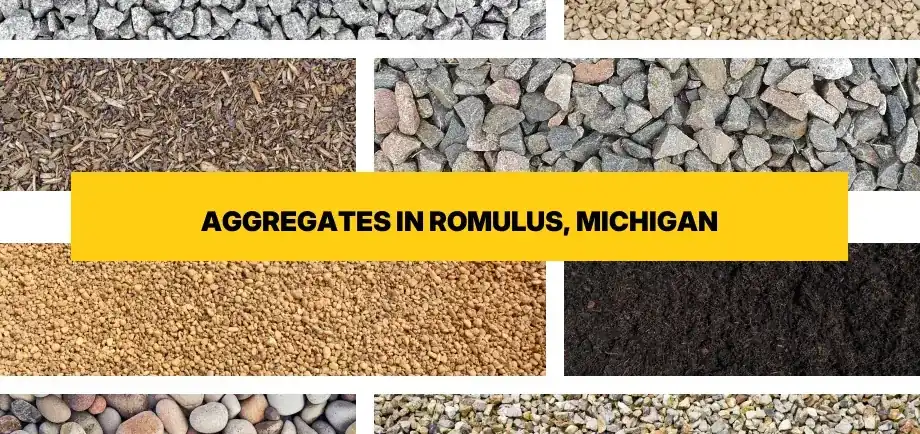
- Driveway Gravel - Superior base material designed for long-lasting driveways that withstand Michigan winters
- 3/4 Inch Crushed Stone - Versatile aggregate for foundations, driveways, and drainage applications
- #57 Stone - Premium drainage stone perfect for French drains and concrete bedding
- Crusher Run - Compactable base material ideal for driveways and parking areas
- Road Base - Heavy-duty aggregate for commercial roadways and high-traffic areas
- Pea Gravel - Smooth decorative stone for walkways, patios, and garden accents
- River Rock - Natural aesthetic stone in multiple sizes for landscaping features
- Walkway Gravel - Specially sized aggregate for attractive pedestrian paths
- Crushed Concrete - Eco-friendly recycled aggregate for sustainable projects
- Drain Rock - Essential aggregate for drainage systems and water management
- Topsoil - Nutrient-rich soil for lawns, gardens, and landscaping beds
- Fill Dirt - Quality fill material for grading, leveling, and construction projects
- Mason Sand - Fine-grade sand for masonry work and construction applications
- Playground Sand - Safe, clean sand for play areas and sandboxes
- Washed Sand - Clean sand for concrete mixing and landscaping uses
- Decomposed Granite - Natural stone fines for pathways and rustic landscapes
Serving All Romulus Neighborhoods and Districts
We provide free aggregate delivery throughout every corner of Romulus, Michigan. Our service area includes residential neighborhoods, commercial districts, and industrial zones:
Downtown and Central Romulus
The historic downtown Romulus area along Wayne Road features a mix of established homes and commercial properties. Properties in this central district often require aggregates for driveway repairs, foundation work, and commercial parking lot maintenance. The clay-based soils common to this area benefit from proper aggregate base layers that prevent settling and promote drainage.
Airport Gateway Area
Neighborhoods surrounding Detroit Metropolitan Wayne County Airport, particularly along Goddard Road and near Merriman Road, see significant development activity. Both residential subdivisions and commercial facilities in this district regularly need aggregates for new construction, expansions, and infrastructure improvements. The proximity to the Huron River means drainage considerations are particularly important for properties in this zone.
Huron River Corridor
Properties along the Huron River and near Huron River Drive face unique drainage challenges due to their proximity to water features. Homes in neighborhoods like those near Lower Huron Metro Park benefit from properly installed drain rock and crusher run to manage water flow and prevent foundation issues. The natural beauty of this area also creates demand for decorative aggregates like river rock and pea gravel for landscaping projects.
North Romulus Residential Areas
The residential neighborhoods north of I-94, including areas near Vining Road and Beverly Road, feature primarily single-family homes on larger lots. These properties frequently need aggregates for driveway installation and maintenance, landscaping projects, and yard grading. The Michigan climate with its freeze-thaw cycles makes quality aggregate selection critical for long-term durability.
South Romulus and Pennsylvania Road District
The southern portion of Romulus near Pennsylvania Road includes both established residential areas and newer developments. Properties in this district often require fill dirt for lot grading, topsoil for lawn establishment, and various crushed stone products for driveway and foundation work. The clay content in local soils makes proper drainage and base preparation essential.
Industrial and Commercial Zones
Romulus features significant industrial and commercial development along I-94 and I-275 corridors. These facilities regularly need bulk aggregates for parking lots, access roads, loading areas, and site development. Road base and crusher run are particularly popular for commercial applications requiring heavy-duty performance.
Oakwood and Ecorse Road Areas
Eastern Romulus neighborhoods near Ecorse Road and extending toward Wayne serve diverse residential properties. Homeowners in these areas utilize our aggregate delivery for everything from small garden projects to major driveway installations. The established tree canopy in some sections creates additional drainage considerations that proper aggregate selection can address.
Western Romulus Development
Newer developments west of Wayne Road showcase modern construction that still requires quality aggregates for landscaping, drainage systems, and driveway approaches. These growing neighborhoods demonstrate continued demand for professional aggregate delivery services throughout the Romulus area.
Understanding Romulus Soil Conditions and Climate
Successful aggregate projects in Romulus require understanding the local geology and climate patterns that affect material performance. The Romulus area sits within the Great Lakes region with specific characteristics that influence construction and landscaping decisions.
Clay-Heavy Soil Composition
Romulus properties predominantly feature clay-heavy soils typical of southeastern Michigan. These dense soils present both challenges and opportunities for construction projects. Clay soils retain moisture, expand when wet, and can create drainage problems around foundations and under driveways. This makes proper aggregate selection and installation critical. We recommend crushed stone or number 57 stone as base layers beneath driveways to prevent the heaving and cracking that clay expansion can cause. The use of drain rock around foundations helps channel water away from structures, preventing the moisture retention issues common in clay soils.
Seasonal Freeze-Thaw Impact
Michigan winters bring repeated freeze-thaw cycles that challenge driveways, foundations, and hardscaping. Water trapped in soil or aggregate freezes, expands, and can lift or crack surfaces—a phenomenon called frost heaving. Romulus typically experiences temperatures ranging from the low teens in January to the high 80s in July, with significant winter precipitation. Quality aggregates with proper drainage characteristics resist frost damage. Compacted crusher run creates a stable base that sheds water rather than trapping it, while road base provides heavy-duty performance for commercial applications subject to winter stress.
Proximity to Huron River
The Huron River flows through western Romulus, creating localized drainage considerations for nearby properties. Areas within the river's flood plain or near tributary streams require especially careful attention to water management. French drains filled with number 57 stone, proper lot grading using fill dirt, and strategic aggregate placement help properties manage seasonal water fluctuations. River rock offers both functional drainage and aesthetic appeal for properties highlighting their riverside location.
Precipitation and Drainage Needs
Romulus receives approximately 33 inches of precipitation annually, distributed fairly evenly throughout the year. This consistent moisture, combined with clay soils, makes drainage a year-round concern. Spring rains and snowmelt can overwhelm poorly planned drainage systems. Our aggregate solutions address these conditions by creating pathways for water movement. Crushed stone under driveways prevents pooling, drain rock channels water to appropriate discharge points, and proper grading with fill dirt ensures water moves away from structures rather than toward them.
| Aggregate Type | Best Romulus Applications | Drainage Rating | Compaction | Winter Performance |
|---|---|---|---|---|
| Driveway Gravel | Residential driveways, parking areas | Excellent | Very Good | Superior |
| 3/4 Inch Crushed Stone | Foundations, base layers, drainage | Excellent | Good | Excellent |
| #57 Stone | French drains, concrete bedding | Superior | Moderate | Excellent |
| Crusher Run | Driveways, paths, base material | Good | Excellent | Very Good |
| Road Base | Commercial roads, heavy-duty areas | Good | Superior | Superior |
| Pea Gravel | Walkways, landscaping, decorative | Very Good | Low | Good |
| Crushed Concrete | Eco-friendly base, driveways | Good | Very Good | Good |
| Drain Rock | Drainage systems, water management | Superior | Low | Excellent |
Choosing the Right Aggregate for Your Romulus Project
Different projects require specific aggregate characteristics to perform optimally in Romulus conditions. Understanding which materials work best for various applications ensures successful outcomes.
Driveway Installation and Repair
Romulus driveways endure significant stress from vehicles, weather, and underlying clay soil movement. A successful driveway starts with excavation to remove unstable surface soil, followed by a compacted aggregate base. We recommend a 4 to 6 inch layer of compacted crusher run as the foundation, which provides excellent stability and drainage. This base prevents the settling and cracking common in clay soil areas. For the surface layer, driveway gravel or crushed stone three-quarter inch offers the ideal combination of compaction, drainage, and durability. Properties with heavy vehicle traffic or commercial applications should consider road base for maximum strength. The key is creating a stable, well-draining structure that resists Michigan's freeze-thaw cycles.
Foundation Drainage Solutions
Protecting foundations from water damage is critical in Romulus clay soils. A properly installed foundation drain system uses number 57 stone or drain rock to create a permeable channel that collects water and directs it away from the structure. The installation typically involves excavating alongside the foundation to footer level, installing perforated drain pipe, and surrounding it with washed number 57 stone. This aggregate size allows rapid water movement while preventing fine soil particles from clogging the system. The drain system should discharge to a suitable outlet—typically toward the street, storm sewer, or a low area away from the home. This investment protects against basement flooding, foundation damage, and the moisture problems that plague structures built on clay soils.
Landscaping and Decorative Applications
Romulus homeowners enhance their properties with decorative aggregate features that add visual interest while serving functional purposes. Pea gravel creates attractive pathways that drain well and feel comfortable underfoot. River rock in various sizes adds natural beauty to garden beds, water features, and foundation plantings. Decomposed granite offers a rustic, natural appearance for informal paths and patios. These decorative aggregates work particularly well in Romulus because they drain freely, preventing the muddy conditions that plague clay soils after rain. When installing decorative aggregates, we recommend landscape fabric beneath to prevent weed growth while allowing water drainage.
Grading and Lot Preparation
New construction and renovation projects in Romulus often require lot grading to establish proper drainage slopes and elevation. Fill dirt provides the bulk material needed for raising grades, filling low spots, and creating the foundational contours of a property. For areas that will support structures, driveways, or hardscaping, we recommend compacting fill dirt in layers and capping with quality topsoil for lawn establishment. The goal is to create slopes that direct water away from buildings—typically a minimum 2 percent grade for the first 10 feet from foundations. Proper grading prevents the water accumulation issues that plague flat or improperly sloped Romulus properties.
Commercial and Industrial Applications
Commercial properties in Romulus industrial zones require aggregates that withstand heavy equipment, truck traffic, and constant use. Road base provides the strength needed for delivery areas, equipment yards, and access roads. Parking lots benefit from a well-compacted base of crusher run topped with asphalt or additional road base for unpaved applications. The key to commercial aggregate projects is proper engineering—calculating the depth and type of aggregate needed based on soil conditions, expected loads, and traffic patterns. Our experience with Romulus commercial projects ensures appropriate material recommendations for each specific application.
Aggregate Delivery to Romulus and Surrounding Communities
While we specialize in serving Romulus, Gravel Monkey also provides free aggregate delivery to surrounding Wayne County communities. Properties in Taylor, Belleville, Canton Township, Westland, and Inkster benefit from the same premium materials and professional service. Our central location allows efficient delivery throughout southeastern Michigan, and we're familiar with the soil conditions, climate challenges, and building practices common throughout the region. Whether your project is in Romulus proper or a neighboring community, we deliver quality aggregates on schedule and on budget.
How to Calculate Aggregate Quantities for Romulus Projects
Accurate material estimation prevents project delays and controls costs. Understanding how to calculate aggregate needs ensures you order the right amount for your specific Romulus application.
Driveway Aggregate Calculations
For a typical Romulus residential driveway, measure the length and width in feet, then determine the desired depth in inches. A standard compacted driveway uses 4 inches of aggregate—3 inches of base material (crusher run) plus 1 inch of surface aggregate (driveway gravel or crushed stone). Convert depth to feet by dividing by 12 (4 inches = 0.33 feet). Multiply length × width × depth to get cubic feet, then divide by 27 to convert to cubic yards. For example, a 50-foot by 12-foot driveway at 4 inches deep requires 7.4 cubic yards. Always add 10 percent extra to account for compaction and irregularities.
Foundation Drain Material Needs
Foundation drains typically require a 12-inch wide by 12-inch deep trench along the foundation perimeter. Measure the linear feet of foundation requiring drainage. For every 10 linear feet, you'll need approximately 0.37 cubic yards of number 57 stone or drain rock. A foundation with 100 linear feet of drainage requires about 3.7 cubic yards of stone. This calculation assumes standard residential construction; deeper foundations or wider trenches require proportionally more material.
Landscape Material Estimates
For landscaping applications like garden beds, pathways, or decorative areas, calculate the square footage of the area (length × width). Typical depth for pea gravel or river rock is 2 to 3 inches. Use the same formula as driveways: square feet × depth in feet ÷ 27 = cubic yards. A 200 square foot pathway at 2 inches deep needs approximately 1.2 cubic yards of aggregate. For irregular shapes, break the area into rectangles or approximate the size, then add extra to ensure complete coverage.
Fill Dirt and Topsoil Requirements
Grading projects and lawn establishment require accurate soil calculations. Measure the area in square feet and determine how many inches of material you need to add. For raising a grade, calculate the average depth needed across the area. For example, if you need to raise a 1,000 square foot area by an average of 6 inches, that's 1,000 × 0.5 ÷ 27 = 18.5 cubic yards. For topsoil over fill dirt, plan on 4 to 6 inches of topsoil for lawn establishment. Our delivery team can help verify your calculations to ensure you receive the right amount for your specific Romulus project.
Professional Installation Tips for Romulus Aggregate Projects
Proper installation techniques maximize the performance and longevity of aggregate materials in Romulus clay soil conditions and Michigan climate.
Site Preparation Essentials
Every successful aggregate project begins with thorough site preparation. Remove all vegetation, roots, and organic material from the project area—decomposing organic matter creates voids that cause settling. In Romulus clay soils, excavate deep enough to reach stable soil, typically 8 to 12 inches for driveways. For drainage applications, ensure trenches have proper slope—minimum 1 percent grade for effective water movement. Mark utility locations before digging to avoid dangerous and costly mistakes. Proper preparation prevents the settling and failure that plague shortcuts.
Compaction Best Practices
Compaction transforms loose aggregate into a stable, load-bearing surface. Use a mechanical plate compactor for projects larger than small walkways. Install and compact aggregates in lifts—layers no more than 4 inches thick before compaction. Each lift should be thoroughly compacted before adding the next layer. This approach ensures uniform density throughout the depth of the installation. For Romulus driveways, proper compaction of crusher run base prevents the rutting and settlement that occurs when vehicles repeatedly drive over loose material. The investment in a compactor rental or professional installation pays dividends in long-term performance.
Drainage Integration
In Romulus clay soils, every aggregate installation should consider water management. Driveways need crown or cross-slope to shed water rather than allowing it to pond. Foundation aggregates must connect to proper discharge points. Landscape applications benefit from landscape fabric to separate aggregate from underlying soil while allowing drainage. Consider where water will go—directing it toward the street, swales, or other appropriate outlets prevents creating problems for neighboring properties or overwhelming municipal storm systems. Good drainage design extends the life of aggregate installations and prevents the erosion and washout common in poorly planned projects.
Edge Restraint and Containment
Aggregate materials require edge restraint to maintain their intended shape and prevent migration. Driveways need stable edges—either existing concrete, installed edge pavers, or compacted soil banks. Walkways and decorative applications benefit from commercial edge restraints, timber borders, or stone edging. Without proper containment, aggregates gradually spread into adjacent lawns or garden beds, creating maintenance headaches and degrading the installation's appearance. Taking time to install quality edge restraints during initial construction saves ongoing effort and preserves the project's intended design.
Frequently Asked Questions About Aggregate Delivery in Romulus
We deliver a complete range of aggregates including driveway gravel, crushed stone, number 57 stone, pea gravel, river rock, crushed concrete, crusher run, road base, drain rock, topsoil, fill dirt, mason sand, playground sand, washed sand, and decomposed granite throughout Romulus and surrounding Wayne County areas.
Yes! Gravel Monkey offers FREE delivery to Romulus and the surrounding Michigan area for all gravel and aggregate orders. We service the entire Romulus area including neighborhoods near Detroit Metro Airport, Huron River, and all residential zones.
For Romulus clay-heavy soils, we recommend crushed stone or number 57 stone for driveways and foundations. Drain rock and crusher run also work excellently for improving drainage. The clay soils in Wayne County benefit from proper aggregate base layers that prevent shifting and settling.
For a typical Romulus driveway, calculate length times width times depth in feet, then divide by 27 for cubic yards. Most driveways need 3 to 4 inches of compacted depth. Our team can help you calculate the exact amount needed for your specific project.
Absolutely! We deliver aggregates throughout all Romulus neighborhoods including areas near Detroit Metropolitan Wayne County Airport, Goddard Road, Merriman Road, and the Huron River corridor. Free delivery applies to all Romulus locations.
We offer mason sand for construction and mortar work, playground sand for safe play areas, and washed sand for concrete and landscaping projects. All sand products are delivered free throughout Romulus.
Yes! We service both residential and commercial projects throughout Romulus including the industrial areas along I-94, Goddard Road commercial district, and development zones near Vining Road. We have experience supplying aggregates for parking lots, roadways, and large-scale construction projects.
For Romulus weather conditions with frequent freeze-thaw cycles, we recommend crushed stone three-quarter inch or crusher run. These aggregates compact well, provide excellent drainage, and resist heaving during winter months. Proper drainage is essential in Michigan climate.
Get Started with Your Romulus Aggregate Project
Gravel Monkey makes aggregate delivery simple and hassle-free for Romulus property owners. Our free delivery service, quality materials, and local expertise ensure your project starts with the right foundation. Whether you're planning a residential driveway in the Airport Gateway area, commercial development along I-94, drainage improvements near the Huron River, or landscaping upgrades in any Romulus neighborhood, we have the aggregates you need delivered when you need them.
Our team understands Romulus soil conditions, Michigan climate challenges, and the specific requirements that make aggregate projects successful in Wayne County. From initial material selection to quantity calculations and delivery scheduling, we're here to help your project succeed. Every aggregate delivery includes our commitment to quality materials, on-time service, and the professional support that sets Gravel Monkey apart from other suppliers.
Romulus contractors and homeowners trust Gravel Monkey for aggregates that perform. Our crushed stone, gravel, sand, and soil products meet the demands of Michigan construction and landscaping while our free delivery service eliminates transportation hassles. Contact us today to discuss your project needs, get expert material recommendations, and schedule delivery to your Romulus property.

Need help? Reach out for a quote: