Buy Bulk Aggregates & Gravel in Argyle, Michigan
Local Topsoil, Dirt, Sand, Rocks and Gravel near me in Argyle, Michigan
Shop Aggregates for Delivery in Argyle
Order online for free delivery to any Argyle address.


Gravel Monkey delivers premium aggregates and landscaping materials directly to properties throughout Argyle, Michigan. As your local supplier for the Thumb region, we understand the unique challenges that Sanilac County residents face—from clay-heavy soils to harsh freeze-thaw cycles that demand durable materials. Whether you're improving a rural driveway, creating proper drainage around your property, or tackling agricultural projects, we provide free delivery of high-quality aggregates that perform reliably in Michigan's demanding climate.
Complete Aggregate Selection for Argyle Projects
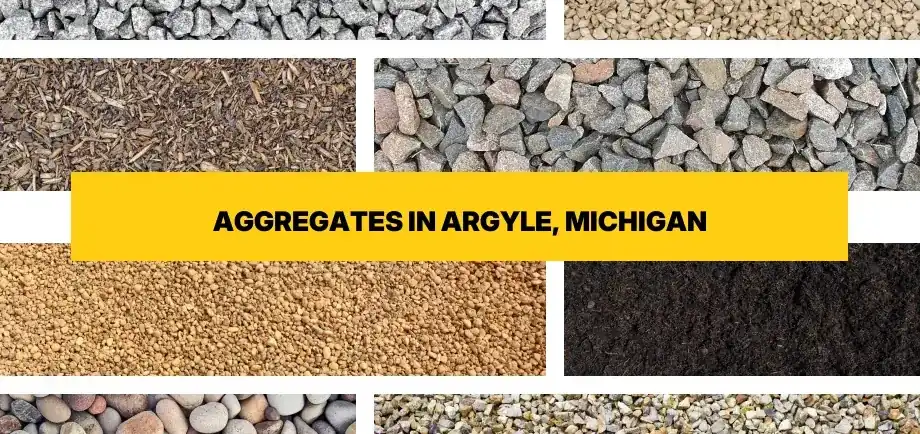
Our comprehensive inventory serves residential, agricultural, and commercial customers across Argyle and surrounding Sanilac County communities. We supply materials suited for Michigan's unique soil composition and weather patterns:
- Driveway Gravel - Compacting aggregate that withstands heavy vehicle traffic
- 3/4 inch Crushed Stone - Versatile size for driveways, foundations, and base layers
- #57 Stone - Industry-standard aggregate for drainage and concrete work
- Crusher Run - Self-compacting base material ideal for Michigan conditions
- Road Base - Heavy-duty foundation for driveways and access roads
- Drain Rock - Essential for managing water around foundations and fields
- Pea Gravel - Smooth stones perfect for walkways and decorative applications
- River Rock - Natural rounded stones for landscaping features
- Walkway Gravel - Comfortable surface for paths and garden areas
- Crushed Concrete - Eco-friendly recycled aggregate for budget-conscious projects
- Topsoil - Nutrient-rich soil for gardens and lawn establishment
- Fill Dirt - Essential for grading and leveling Argyle properties
- Mason Sand - Fine aggregate for mortar and concrete mixing
- Playground Sand - Safe, clean sand for recreational areas
- Washed Sand - Clean sand for construction and landscaping
- Decomposed Granite - Natural compacting material for pathways
Why Argyle Properties Need Quality Aggregates
Argyle sits in Michigan's Thumb region where agricultural heritage meets rural residential development. The area's clay-based soils, combined with Michigan's notorious freeze-thaw cycles, create specific challenges that demand proper aggregate solutions. Local properties near Deckerville Road and throughout the surrounding farmland require materials that drain efficiently while providing stable foundations.
The Sanilac County geology features heavy clay content that retains moisture and expands during winter freezing. This soil expansion can damage driveways, foundations, and structures lacking proper drainage and base materials. Quality aggregates address these issues by creating permeable layers that channel water away from critical areas while providing stable, compacting surfaces that resist frost heave.
Michigan Climate Considerations for Aggregate Selection
Argyle experiences true four-season weather with cold winters averaging 20-30°F in January and warm summers reaching the upper 70s and low 80s. Annual precipitation of approximately 32 inches, combined with significant snowfall, means properties must manage substantial water movement throughout the year. Spring thaw periods present particular challenges as saturated soils lose bearing capacity.
Proper aggregate selection helps Argyle homeowners combat these conditions. Materials like crusher run and crushed stone compact tightly while allowing water to percolate through, preventing the pooling that leads to ice formation and subsequent damage. The angular shapes of crushed aggregates interlock mechanically, creating stable surfaces that don't shift even when underlying soils become saturated during Michigan's wet seasons.
Driveway Aggregate Solutions for Argyle Roads
Rural driveways dominate the Argyle landscape, connecting homes and farms to main routes like M-90 and Deckerville Road. These driveways face punishment from agricultural equipment, seasonal moisture, and temperature extremes. Choosing appropriate aggregates ensures driveways remain functional year-round without constant maintenance.
Base Layer Construction
Successful Argyle driveways start with proper base construction. A foundation layer of road base or crusher run creates the essential structure that supports everything above. This initial layer should be 4-6 inches thick after compaction, providing adequate depth to distribute weight and prevent settling into soft clay soils common throughout Sanilac County.
The base material must compact firmly while maintaining drainage capability. Crusher run excels in this application because its varied particle sizes—from dust to 3/4 inch stones—fill voids completely when compacted. This creates a nearly waterproof barrier that sheds water to the sides while providing rock-solid support for vehicles ranging from passenger cars to loaded farm trucks.
Surface Layer Selection
The visible surface layer requires different properties than the base. Driveway gravel sized at 3/4 inch provides an ideal surface that's comfortable for walking, looks attractive, and stands up to vehicle traffic. This size compacts adequately without becoming uncomfortably sharp or rough. For properties wanting maximum compaction and minimal maintenance, a final thin layer of crusher run over the base creates surfaces that rival paved driveways in stability.
Properties near Sandusky or Peck often choose #57 stone for surface layers because it offers excellent drainage while maintaining good compaction. The uniform sizing prevents smaller particles from migrating downward, maintaining a consistent surface appearance season after season.
Essential Drainage Solutions for Michigan Thumb Properties
Water management determines whether Argyle properties thrive or struggle with ongoing maintenance issues. The region's clay soils shed water slowly, meaning proper drainage systems must actively channel moisture away from structures, driveways, and activity areas. Strategic aggregate placement creates these essential pathways.
Foundation Drainage Systems
Homes and agricultural buildings require perimeter drainage to prevent water infiltration and foundation damage. Drain rock placed in trenches alongside foundations allows water to flow freely to lower elevations or drainage pipes. This aggregate's clean, angular structure provides maximum void space while supporting soil loads that would collapse lesser materials.
French drain installations around Argyle properties typically use drain rock wrapped in filter fabric to prevent clay particles from clogging the aggregate over time. This system handles the substantial water volumes generated during spring snowmelt and summer thunderstorms common to the Michigan Thumb region. Properties near the Cass River watershed particularly benefit from comprehensive drainage solutions.
Surface Water Management
Low areas on properties become seasonal ponds without proper drainage. Crushed stone swales and channels move surface water efficiently toward appropriate discharge points. The angular aggregate resists erosion better than rounded stones while providing the hydraulic conductivity needed to handle Michigan's precipitation patterns.
Agricultural properties often need drainage solutions that accommodate field runoff without eroding. Riprap-style aggregate applications using larger stones protect drainage channels from the velocity of concentrated water flow, essential during intense summer rainstorms that can drop an inch or more of rain in short periods.
| Aggregate Type | Best Applications | Typical Size | Drainage Rating | Compaction |
|---|---|---|---|---|
| Crusher Run | Driveway base, road foundation | Dust to 3/4" | Good | Excellent |
| 3/4" Crushed Stone | General purpose, driveways | 3/4" | Excellent | Very Good |
| #57 Stone | Drainage, concrete aggregate | 1/2" to 1" | Excellent | Good |
| Drain Rock | French drains, foundation drainage | 3/4" to 1.5" | Maximum | Moderate |
| Pea Gravel | Walkways, decorative areas | 3/8" | Very Good | Poor |
| Road Base | Heavy-duty driveways, roads | Dust to 1.5" | Good | Excellent |
Decorative and Functional Landscaping Aggregates
Beyond utilitarian applications, aggregates transform Argyle properties into attractive, low-maintenance landscapes. The Michigan growing season's relatively short duration makes year-round appeal important, and stone features provide consistent visual interest regardless of weather or season.
Pathways and Garden Borders
Walkway gravel creates comfortable surfaces for garden paths that drain quickly after rain. Unlike organic mulches that decompose and require annual replacement, stone pathways last indefinitely while suppressing weeds and defining landscape areas. Properties throughout the Argyle area use these materials to connect homes with outbuildings, gardens, and recreational spaces.
River rock offers smooth, rounded surfaces ideal for barefoot areas near homes or around swimming pools. The natural appearance complements Michigan's rural aesthetic while providing practical benefits. Larger river rock sizes work excellently for dry creek beds that manage occasional water flow while adding visual interest during dry periods.
Decorative Ground Covers
Pea gravel serves as an attractive alternative to grass in areas with challenging growing conditions. The small, rounded stones create comfortable surfaces for patios and sitting areas while eliminating mowing and irrigation requirements. This approach suits Argyle's climate where summer drought stress can leave lawns brown despite homeowner efforts.
Decomposed granite provides another option for those wanting natural earth tones and a somewhat softer surface than gravel. This material compacts moderately while maintaining a natural appearance, ideal for rustic landscape designs popular in rural Michigan communities. It works particularly well for pathways through flower gardens or around vegetable plots common on Argyle properties.
Soil Enhancement Materials for Argyle Gardens and Lawns
While aggregates handle structural and drainage needs, growing healthy plants in Sanilac County requires attention to soil quality. The native clay soils, while agriculturally productive when properly managed, challenge home gardeners and lawn enthusiasts with their dense structure and poor drainage.
Topsoil for New Plantings
Quality topsoil transforms problem planting areas into productive growing spaces. New construction sites around Argyle typically strip away topsoil during excavation, leaving subsoil that lacks the organic matter and structure plants need. Adding a 4-6 inch layer of quality topsoil provides the rooting medium that vegetables, flowers, and lawn grasses require to thrive.
Michigan's northern climate means shorter growing seasons demand maximum soil productivity. Topsoil rich in organic matter warms faster in spring, allowing earlier planting dates crucial for crops like tomatoes that need long seasons to produce. The improved structure also enhances drainage in a region where spring and early summer rains can waterlog poorly draining soils.
Fill Dirt for Grading Projects
Proper site grading protects structures and creates usable outdoor spaces. Fill dirt provides economical material for raising grades, filling depressions, and establishing proper drainage slopes. Argyle properties often need grading work to direct water away from buildings or to create level areas for sheds, garages, or recreational spaces.
Strategic fill dirt placement addresses the common problem of water pooling near foundations. Creating positive drainage slopes—even modest ones of just 2-3 percent grade—channels water away from vulnerable areas. This simple intervention prevents countless basement moisture problems and foundation issues that plague properties on flat or improperly graded lots.
Aggregate Applications for Argyle Agricultural Operations
Farming remains integral to Argyle's identity and economy. Agricultural operations require substantial amounts of aggregate for facility access, storage areas, and infrastructure maintenance. Proper materials keep farms operating efficiently regardless of weather conditions that would otherwise bog down equipment and delay time-sensitive operations.
Farm Lane Maintenance
Access lanes to fields, barns, and storage areas take tremendous abuse from heavy equipment. Tractors, combines, and loaded grain trucks concentrate enormous weight on surfaces that must perform year-round. Crushed stone provides the durability these applications demand while draining well enough to remain passable during wet periods.
Many Sanilac County farms maintain lanes with annual applications of fresh aggregate to replace material that migrates or embeds in mud. This approach costs less than paving while providing adequate service for equipment access. The crushed angular aggregate compacts firmly under weight, creating surprisingly stable surfaces that handle loads conventional pavements would struggle with.
Equipment Storage and Work Areas
Gravel pads around barns and equipment storage buildings keep machinery out of mud and provide clean work surfaces for maintenance and repairs. Well-constructed aggregate areas shed water effectively while supporting hydraulic jacks and other equipment requiring solid footing. These spaces prove essential during planting and harvest seasons when time pressure makes working in muddy conditions unacceptable.
Crushed concrete offers budget-friendly solutions for large area coverage common on farms. The recycled material performs similarly to virgin aggregate while costing significantly less—important when covering the thousands of square feet typical of agricultural operations. The environmental benefits of using recycled materials align with farming's stewardship values too.
Aggregate Installation Best Practices for Michigan Properties
Proper installation maximizes aggregate performance and longevity. While Gravel Monkey delivers premium materials directly to your Argyle property, understanding installation fundamentals helps homeowners achieve professional results or communicate effectively with contractors.
Site Preparation Essentials
Successful aggregate projects start with thorough site preparation. Removing vegetation, roots, and organic debris prevents future settling and material loss. The native soil should be graded to proper elevations before aggregate placement, establishing drainage patterns that work with gravity rather than against it.
Compacting the native soil base provides a stable foundation that won't shift under aggregate weight. This step proves particularly important in Argyle's clay soils which can remain soft if not properly consolidated. Mechanical compaction with plate tampers or rollers transforms loose soil into firm support that resists settling even during spring thaw periods.
Layer Thickness and Compaction
Aggregate layers should be placed in lifts no thicker than 4 inches before compaction. Attempting to compact thicker layers results in well-consolidated surface material over loose aggregate beneath—a recipe for eventual failure. Each layer should be compacted thoroughly before adding the next, building up to the desired final thickness through multiple applications.
Water addition during compaction helps achieve optimal density with crushed aggregates. Light moisture allows particles to move into their tightest arrangement while avoiding the muddiness that prevents proper compaction. Michigan's natural precipitation often provides adequate moisture, but dry periods may require water application for best results.
Edge Restraint and Containment
Aggregates require edge restraint to prevent lateral spreading that destroys careful grading and compaction. Options range from timber or steel edging to concrete borders depending on budget and aesthetic preferences. Agricultural applications often use nothing more than firm soil berms, while residential projects typically warrant more finished edge treatments.
Proper edging maintains design dimensions while preventing aggregate from migrating into adjacent lawn or garden areas. This containment proves essential for decorative applications where visual boundaries matter. Even utilitarian driveways benefit from defined edges that prevent gradual width expansion and material loss.
Serving Argyle and Surrounding Sanilac County Communities
Gravel Monkey proudly delivers throughout the greater Argyle area and neighboring communities across Michigan's Thumb region. Our free delivery service extends to properties near major routes and rural areas alike:
Local Areas We Serve
Residents and businesses throughout central Argyle enjoy convenient access to our complete aggregate inventory. Properties along Deckerville Road and surrounding agricultural areas receive the same reliable service as in-town locations. We regularly deliver to customers near Sandusky to the south, Peck to the north, and Deckerville to the east.
The broader Sanilac County region relies on our materials for residential improvements, agricultural operations, and commercial projects. Communities throughout the Michigan Thumb region know they can count on Gravel Monkey for quality aggregates delivered when promised. Whether your project sits near the Cass River watershed or deeper into rural farmland, we ensure prompt, professional delivery service.
Our service area extends to neighboring communities including Minden City, Melvin, Applegate, and Snover. Rural properties on the many gravel roads that characterize Sanilac County receive the same attention as properties on paved routes. Distance doesn't limit our commitment to serving the entire Argyle region with premium aggregates and exceptional service.
Calculating Aggregate Quantities for Your Argyle Project
Accurate material estimation prevents the frustration of running short mid-project or the waste of over-ordering. Understanding volume calculations helps Argyle property owners order confidently.
Basic Volume Calculations
Aggregate quantities are typically ordered by the ton or cubic yard. To calculate cubic yards needed, multiply length times width times depth (all in feet) and divide by 27. For example, a driveway 50 feet long by 12 feet wide requiring 4 inches (0.33 feet) of aggregate calculates as: 50 × 12 × 0.33 = 198 cubic feet ÷ 27 = 7.3 cubic yards.
Most aggregates weigh approximately 1.3-1.5 tons per cubic yard, though this varies by material type and moisture content. Our team helps customers convert cubic yard calculations to tons for ordering, ensuring you receive the quantity your project demands. When in doubt, slight over-ordering beats running short—extra aggregate finds uses around properties, while delays waiting for additional deliveries disrupt project schedules.
Accounting for Compaction and Settling
Crushed aggregates compact significantly when properly installed. Materials like crusher run may reduce 20-30 percent in volume during compaction. Order quantities should account for this reduction to achieve desired final depths. Loose measurement of a 4-inch layer may compact to only 3 inches after mechanical consolidation.
Spring installation in Michigan often reveals additional settling as freeze-thaw cycles work on newly placed aggregates. Keeping modest quantities of extra material available allows quick touchups the following spring without requiring new delivery arrangements. This practice proves especially wise for critical areas like driveway approaches and entries where settling becomes immediately noticeable.
Frequently Asked Questions About Gravel in Argyle
Crusher run provides excellent performance for Argyle driveways, offering superior compaction that withstands Michigan freeze-thaw cycles while maintaining good drainage. For surface layers, 3/4 inch crushed stone delivers attractive appearance with durability. The angular shapes of crushed aggregates interlock mechanically, creating stability that rounded gravels cannot match in our clay soil conditions.
Driveway bases in Argyle should be 4-6 inches thick after compaction to adequately support vehicle weight and resist frost heave. Properties with heavy equipment or clay soils may benefit from thicker bases up to 8 inches. Proper base depth prevents the settling and rutting common when aggregate layers are too thin to bridge soft spots in underlying soils.
River rock performs well in Michigan winters for landscaping applications. The smooth stones don't retain salt or chemicals that might damage more porous materials. However, avoid using river rock for driveways or high-traffic areas because the rounded shape doesn't compact or provide traction like crushed aggregates. Reserve river rock for decorative features and garden areas where its aesthetic qualities shine.
Installing landscape fabric between native soil and aggregate prevents the materials from mixing over time. This barrier allows water drainage while keeping aggregates separate from clay. The fabric particularly helps in Argyle where freeze-thaw action can pump clay upward into aggregate layers. Proper fabric installation extends aggregate life significantly, especially for pathways and decorative applications.
Crushed concrete offers the best value for covering large areas common on agricultural properties. This recycled material performs comparably to virgin aggregate while costing less per ton—essential when surfacing thousands of square feet. Crushed concrete compacts adequately for equipment traffic while providing drainage that keeps work areas functional during wet periods typical of Michigan springs and falls.
Late spring through fall provides ideal conditions for aggregate installation in Argyle. The ground has thawed and dried sufficiently for equipment operation, while warm temperatures allow optimal compaction. Avoid installation during winter freezes or spring thaw when soils are saturated and unstable. Summer and early fall installations allow time for settling before winter, reducing the touchup work needed the following spring.
Most residential aggregate driveway projects in Argyle don't require permits, but regulations vary by township and proximity to roads. Check with your local township office before beginning work, especially if your project affects drainage patterns or involves work near road rights-of-way. Commercial operations and driveways connecting to county or state roads may have specific requirements worth verifying in advance.
We deliver throughout Argyle and rural Sanilac County using trucks sized appropriately for local road conditions. Our drivers work with customers to identify accessible drop points that minimize lawn damage while placing materials conveniently for your project. We navigate gravel roads and rural driveways regularly, bringing aggregates directly to where you need them—even in locations other suppliers consider too remote for delivery service.
Why Argyle Residents Choose Gravel Monkey
Selecting the right aggregate supplier impacts project success as much as choosing appropriate materials. Gravel Monkey serves Argyle with distinctive advantages that simplify your material sourcing:
Free Delivery Throughout the Thumb Region
We eliminate delivery charges that competitors add to every order. This free delivery extends throughout Argyle and surrounding Sanilac County communities, making professional-grade aggregates accessible regardless of property location. Rural residents enjoy the same delivery service as in-town properties without distance surcharges.
Quality Materials That Perform
Our aggregates meet specifications that ensure consistent performance in Michigan conditions. We source materials specifically suited for the freeze-thaw cycles, clay soils, and precipitation patterns characteristic of the Thumb region. This attention to material quality means your driveway, drainage project, or landscape feature performs reliably year after year.
Expert Guidance for Project Success
Our team understands local conditions and helps customers select appropriate materials for their specific applications. Whether you're tackling a simple walkway or complex drainage system, we provide recommendations based on decades of experience serving Michigan properties. This guidance helps first-time aggregate buyers make confident decisions while offering experienced contractors reliable supplier partnership.
Reliable Scheduling and Communication
We respect your time with deliveries that arrive as scheduled. Our communication keeps you informed throughout the ordering and delivery process, eliminating the uncertainty that frustrates construction timelines. When weather or unforeseen circumstances affect schedules, we proactively reach out with alternatives rather than leaving customers wondering about their deliveries.
Ready to Start Your Argyle Project?
Whether you're building a new driveway, improving drainage, or enhancing your property's landscape, Gravel Monkey delivers the quality aggregates your Argyle project demands. Our extensive inventory, free delivery, and Michigan-specific expertise make us the logical choice for residential, agricultural, and commercial applications throughout Sanilac County.
Contact us today to discuss your project requirements. Our knowledgeable team helps you select appropriate materials and calculate quantities accurately, ensuring your order arrives complete and ready for installation. Experience the difference that working with a dedicated aggregate supplier makes—from initial consultation through final delivery, we're committed to your project's success.

Need help? Reach out for a quote: