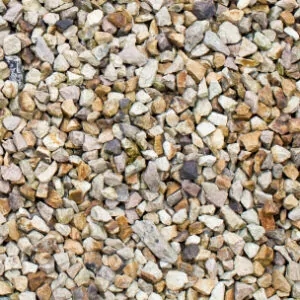

Sand, Aggregates & Gravel for Perkins, Michigan
Local Topsoil, Dirt, Sand, Rocks and Gravel near me in Perkins, Michigan
Shop Aggregates for Delivery in Perkins
Order online for free delivery to any Perkins address.
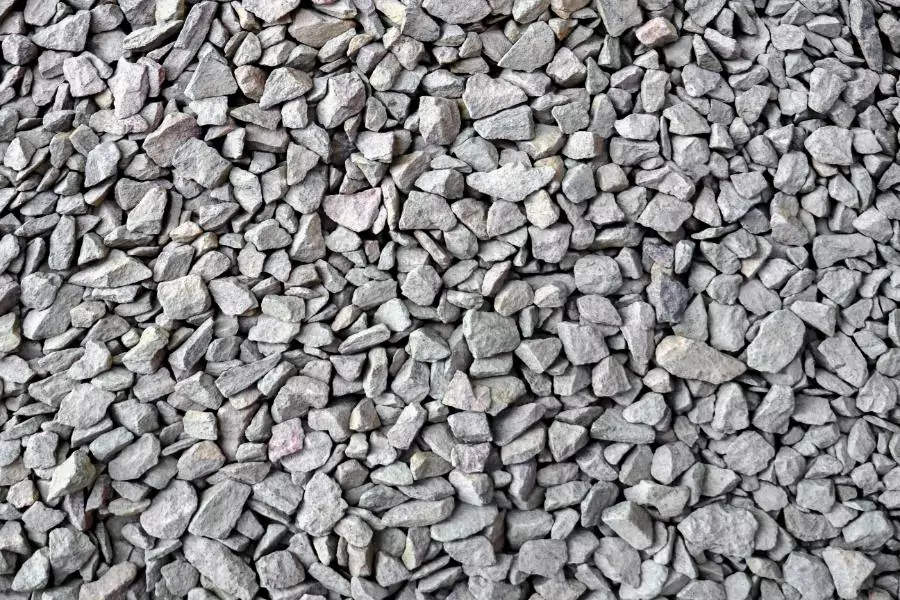
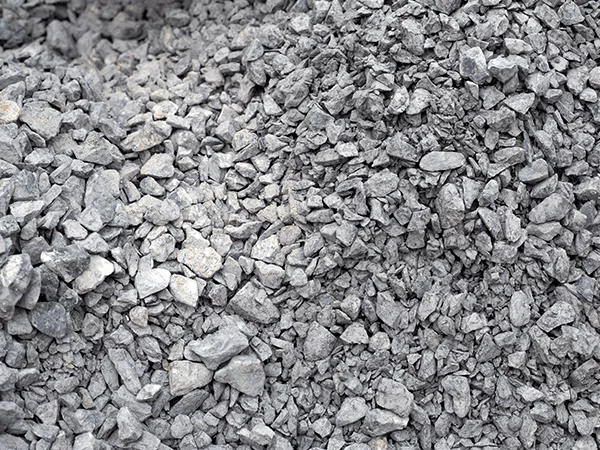


Gravel Monkey delivers premium aggregates, gravel, and stone materials throughout Perkins, Michigan and the surrounding Delta County region. Located in the Upper Peninsula, Perkins residents face unique challenges from harsh winters, sandy glacial soils, and extensive freeze-thaw cycles that demand high-quality aggregate solutions. Whether you're building a driveway near the Whitefish River, creating proper drainage for properties along County Road 420, or establishing a stable base for construction projects throughout the township, we provide free delivery of professional-grade materials directly to your site.
Complete Aggregate & Stone Selection for Perkins, MI
Understanding the Upper Peninsula's demanding climate and glacial soil composition, Gravel Monkey offers a comprehensive range of aggregates specifically suited for Delta County conditions. Our materials perform reliably through Michigan's extreme seasonal variations, from summer humidity to brutal winter freezes.
- Driveway Gravel - Engineered aggregate blends that withstand UP winter conditions and heavy loads
- 3/4 inch Crushed Stone - Versatile aggregate for foundations, driveways, and drainage applications
- #57 Stone - Premium crushed aggregate for concrete work and base layers
- Crusher Run - Compactable base material ideal for driveways and roadways
- Road Base - Heavy-duty aggregate foundation for private roads and access ways
- Drain Rock - Angular stone for French drains and foundation drainage systems
- Pea Gravel - Smooth rounded stone for pathways and decorative landscape features
- River Rock - Natural decorative stone in multiple sizes for gardens and water features
- Walkway Gravel - Comfortable aggregate blend for pedestrian paths and trails
- Crushed Concrete - Eco-friendly recycled aggregate for base layers and fill
- Topsoil - Nutrient-rich soil for gardens, lawns, and landscape beds
- Fill Dirt - Quality earthen material for grading and elevation adjustments
- Decomposed Granite - Compactable natural fines for pathways and landscape surfaces
- Mason Sand - Fine-grade sand for masonry work and paver installations
- Playground Sand - Clean, safe sand for play areas and recreation spaces
- Washed Sand - Cleaned sand for concrete mixing and construction applications
Upper Peninsula Geology and Aggregate Performance in Perkins
Perkins and the broader Delta County region sit on glacially-deposited soils that present specific challenges for construction and landscaping. The area's sandy, well-drained soils—remnants of ancient Lake Algonquin—require proper aggregate selection to ensure long-term stability. When you're working near the Whitefish River corridor or throughout the township's agricultural areas, understanding these geological factors becomes critical.
The Upper Peninsula experiences approximately 180 inches of snowfall annually, with winter temperatures regularly dropping below zero Fahrenheit. This extreme freeze-thaw cycling causes frost heave in improperly prepared surfaces. Additionally, Perkins receives about 31 inches of precipitation yearly, making proper drainage essential for any aggregate installation. The region's clay lenses beneath sandy topsoil can trap water, causing hydrostatic pressure that destabilizes poorly-designed aggregate bases.
Climate Considerations for Aggregate Projects
Perkins' continental climate with harsh winters means aggregate materials must perform across temperature ranges from -20°F to 85°F. Spring thaw periods create challenging conditions as frost leaves the ground, temporarily reducing bearing capacity. Summer projects benefit from faster curing times, but the short construction season—typically May through October—means planning ahead for aggregate delivery is essential.
Properties near Cornell and along M-35 face particular drainage challenges due to relatively flat topography and high water tables in spring. Proper base preparation with compacted aggregates prevents seasonal heaving and maintains surface integrity year after year. The region's limited road maintenance budgets in rural areas mean residential driveways must be engineered to last without frequent professional attention.
Aggregate Applications Throughout the Perkins Area
Residential Driveways and Private Roads
Perkins township properties often feature long driveways accessing homes set back from public roads. These access routes require robust aggregate bases to handle daily vehicle traffic plus seasonal challenges like snowplow scraping and spring mud. A properly constructed aggregate driveway begins with six inches of compacted crusher run base, providing stability through freeze-thaw cycles. The surface layer typically uses three to four inches of driveway gravel that compacts firmly while shedding water effectively.
Properties along Ford River Road and in the areas near Nahma benefit from aggregates that compact tightly yet drain freely. The glacial soils common throughout Delta County provide excellent natural drainage, but surface aggregates must prevent rutting during spring thaw. Many Perkins residents choose crushed stone for its angular edges that lock together, creating stable surfaces that resist washboard formation even under heavy use.
Foundation Drainage and Water Management
Proper foundation drainage protects structures from Michigan's significant moisture loads. Winter snowmelt combined with spring rains can saturate soils rapidly, especially in areas with clay subsoils. Installing drain rock around foundations, connected to perimeter drainage tile, channels water away before it can penetrate basements or cause structural settling. This drainage aggregate should extend at least 18 inches from foundation walls and slope away from the building.
Properties throughout Perkins Township, particularly in lower-lying areas near the Whitefish River and around Ensign, require thoughtful water management. French drains using angular drain rock intercept groundwater before it reaches foundations or septic systems. The rock's void spaces—approximately 40% of total volume—provide ample capacity for water collection and conveyance to daylight or other discharge points.
Landscaping and Decorative Applications
Upper Peninsula landscapes benefit from aggregates that complement natural woodland aesthetics while providing practical benefits. River rock creates attractive borders around garden beds while suppressing weeds and retaining soil moisture during dry periods. Pea gravel works beautifully for pathways connecting buildings to garages, gardens, or waterfront access points common on Perkins properties.
The region's short growing season makes decorative aggregates particularly valuable—they provide year-round visual interest when snow isn't covering everything. Decomposed granite creates natural-looking pathways that complement log homes and rustic architecture popular throughout Delta County. These materials also reduce maintenance compared to traditional mulch, which decomposes quickly in Michigan's humid summers.
| Aggregate Type | Best Applications | Compaction | Drainage | UP Winter Performance |
|---|---|---|---|---|
| Crusher Run | Driveway base, road base, parking areas | Excellent | Good | Superior frost resistance |
| 3/4" Crushed Stone | Foundations, driveways, drainage | Very Good | Excellent | Resists heaving |
| #57 Stone | Concrete aggregate, French drains | Good | Excellent | Stable in freeze-thaw |
| Drain Rock | Foundation drains, septic fields | Minimal | Superior | Maintains void spaces |
| Pea Gravel | Walkways, decorative borders | Fair | Very Good | Shifts under snow load |
| Road Base | Private roads, heavy-duty access | Excellent | Good | Engineered for UP conditions |
Proper Aggregate Installation for Delta County Conditions
Successfully installing aggregates in Perkins requires understanding both the materials and local environmental factors. The Upper Peninsula's extreme conditions punish shortcuts but reward proper preparation. Begin any aggregate project by assessing existing soil conditions—sandy glacial soils drain well but may require deeper base layers for heavy loads, while clay pockets need additional drainage consideration.
Base Preparation and Compaction
Remove all organic material and loose topsoil before placing aggregate base layers. Even small amounts of organic matter will decompose, creating voids that lead to settling and surface failure. In Perkins' sandy soils, excavate to stable material—typically 8 to 12 inches depending on anticipated loads. For driveways and parking areas, this depth provides adequate frost protection given the region's significant frost penetration.
Compact each aggregate layer in lifts no thicker than four inches. Proper compaction ensures materials lock together, creating a monolithic mass that distributes loads effectively and resists deformation during freeze-thaw cycling. Use a mechanical plate compactor for most residential projects, making multiple passes until the surface shows no further densification. Properties near Rapid River and throughout the southern portions of the township especially benefit from thorough compaction given slightly higher clay content in these areas.
Drainage Integration
Every aggregate installation in Michigan requires drainage planning. Crown driveways and roads with a 2% slope from centerline to edges, allowing water to shed rather than pool. Install aggregate shoulders slightly lower than driving surfaces to capture and direct runoff. For properties with challenging topography or high water tables common around Cornell, consider installing perforated drainage pipe in trenches filled with drain rock along low sides of aggregate surfaces.
Address catch basins and culvert connections during installation rather than attempting retrofits later. Spring snowmelt in Delta County can be dramatic—the combination of deep snowpack and rapid warming can produce significant runoff volumes that overwhelm inadequate drainage systems. Size all drainage features generously, recognizing that climate trends suggest increasingly intense precipitation events even in the Upper Peninsula.
Seasonal Planning for Perkins Aggregate Projects
The Upper Peninsula's dramatic seasonal variations significantly impact aggregate project timing and execution. Understanding these patterns helps property owners in Perkins plan effectively and avoid costly problems.
Spring: Challenge and Opportunity
Spring arrives late in Perkins, often not fully established until mid-May. Frost typically leaves the ground by late April, but soil moisture remains high through early June as snowmelt percolates through the profile. This period presents challenges for aggregate delivery—heavy equipment can damage lawns and soft ground may make access difficult. However, spring offers advantages for projects requiring excavation, as groundwater tables are clearly visible and drainage patterns become obvious.
Wait until ground firms before placing final aggregate surface layers. Base layers can often be installed earlier, as they'll benefit from several weeks of settling under natural moisture conditions before receiving surface materials. Properties throughout the township, from areas near Maple Ridge to homes along the Whitefish River corridor, experience similar spring timing, though south-facing slopes dry noticeably faster.
Summer and Fall: Prime Construction Seasons
June through October provides ideal conditions for aggregate projects in Perkins. Dry ground allows equipment access without damage, and materials compact optimally at moderate moisture levels. Summer's longer days maximize productivity, while fall's cooler temperatures make physical work more comfortable. Many Delta County residents schedule aggregate deliveries for late summer, allowing time for installation before ground freezes while avoiding spring mud season.
Fall installations benefit from natural settling over winter. Freeze-thaw action actually helps newly-placed aggregates settle into optimal configurations, though surfaces may require light grading and fresh material addition in spring. Plan fall projects early—Perkins can see hard freezes by late October, and winter weather sometimes arrives abruptly in the Upper Peninsula.
Winter: Limited but Possible
Winter aggregate projects in Perkins require careful planning but remain feasible for urgent needs. Frozen ground provides excellent equipment access, and snow can be plowed to expose work areas. However, aggregates won't compact properly when frozen, so winter installations should be considered temporary until proper compaction can occur during spring thaw. Emergency driveway repairs and temporary access roads represent appropriate winter aggregate uses.
Serving Properties Throughout the Perkins Area
Gravel Monkey delivers aggregates throughout Perkins Township and neighboring Delta County communities. Our service area encompasses diverse property types and landscape conditions, each presenting unique material requirements.
Perkins Township Residential Areas
The core residential areas of Perkins Township feature a mix of year-round homes and seasonal properties. Many residences sit on multi-acre parcels with long driveways requiring substantial aggregate for construction and maintenance. These properties benefit from crusher run bases topped with durable surface aggregates that handle both daily use and seasonal challenges. The township's rural character means residents take pride in well-maintained properties, and quality aggregate installations contribute significantly to both aesthetics and functionality.
Cornell and Ensign Vicinity
The communities of Cornell and Ensign anchor the northern portions of Delta County near Perkins. These small settlements feature older homes with established landscapes alongside newer construction. Properties here often deal with moderately heavy soils requiring thoughtful drainage design. Aggregate materials must perform reliably given limited access to professional maintenance services—installations need to be done right the first time.
Ford River Road Corridor
Properties along Ford River Road and connecting routes serve as primary access to many Perkins residences. These roads see varied traffic including seasonal recreational vehicles heading to area lakes and forests. Residential driveways connecting to these routes require robust construction to handle not just homeowner vehicles but delivery trucks, service vehicles, and occasional heavy equipment. Quality aggregates properly installed provide the durability these high-use access points demand.
Rapid River and Southern Delta County
South of Perkins proper, the Rapid River area presents slightly different soil conditions with more clay content requiring additional drainage attention. Aggregate installations here benefit from extra care with base preparation and drainage integration. The proximity to US-2 provides excellent access for aggregate delivery, making material transportation efficient even for properties set back from main routes.
Whitefish River Properties
Properties near the Whitefish River enjoy scenic waterfront locations but face unique challenges from high water tables and seasonal flooding potential. Aggregate installations here must be elevated and well-drained to remain functional during spring high water. River rock and decorative aggregates complement natural riverside aesthetics while providing practical erosion control along banks and shorelines.
M-35 Corridor
The M-35 corridor through Delta County connects Perkins to Escanaba and points north. Properties along this route benefit from excellent road access for aggregate delivery while requiring materials tough enough to handle regular traffic from the main highway. Commercial properties and working farms in this area particularly appreciate aggregates that perform reliably under heavy use and harsh conditions.
Agricultural Areas
Perkins Township includes working farms and rural properties where aggregates serve both aesthetic and functional roles. Farm lanes, equipment storage areas, and property entrances all benefit from proper aggregate bases that prevent mud and provide all-season access. The agricultural community understands material quality and appreciates aggregates that deliver long-term performance without constant maintenance.
Recreational Property Access
The Perkins area's proximity to extensive national forest lands, lakes, and outdoor recreation makes it popular for seasonal property owners. Camps, hunting properties, and vacation homes require low-maintenance access solutions—aggregates provide ideal surfaces that withstand sporadic use and harsh winters without deteriorating. These property owners particularly value quality materials since they're not present to address problems that might develop.
Why Perkins Property Owners Choose Gravel Monkey
Gravel Monkey understands the unique demands of Upper Peninsula property ownership. Our aggregate materials are selected specifically for Michigan's challenging climate, and our delivery service makes professional-quality materials accessible to every property in the Perkins area.
Premium Materials for UP Conditions
We source aggregates that perform reliably through Delta County's extreme seasonal variations. Our crushed stone products feature angular edges that lock together under compaction, creating stable surfaces that resist frost heave and spring breakup. We understand that Upper Peninsula winters demand more from aggregates than moderate climates—our materials are tested and proven in harsh conditions.
Free Delivery Throughout the Region
Every aggregate order to Perkins includes free delivery, making premium materials affordable for projects of all sizes. Whether you're installing a small walkway or building a half-mile driveway, delivery costs never inflate your project budget. Our trucks navigate rural Delta County roads efficiently, reaching properties throughout the township and surrounding areas without additional fees or complications.
Expert Guidance for Your Project
Selecting appropriate aggregates requires understanding both materials and applications. Our team provides personalized recommendations based on your specific project—considering soil conditions, drainage requirements, expected use patterns, and budget constraints. We help Perkins property owners avoid costly mistakes by matching materials to applications properly from the start. Whether you need road base for a private driveway or decorative aggregates for landscaping, we'll ensure you order exactly what your project requires.
Reliable Service You Can Count On
Upper Peninsula property ownership requires reliable suppliers who understand local conditions and deliver on promises. Gravel Monkey maintains consistent aggregate quality and dependable delivery schedules, so your project stays on track. We know that construction season is short in Michigan—when weather allows work, you need materials to arrive promptly and perform as expected.
Frequently Asked Questions About Aggregates in Perkins, Michigan
For Perkins driveways, crusher run provides an excellent compactable base, topped with three-quarter inch crushed stone or driveway gravel for the surface. This combination handles freeze-thaw cycles, provides good drainage, and maintains stability under heavy use. The angular edges of crushed materials lock together, preventing washboarding and rutting common with rounded gravels.
Typical residential driveways in Perkins require 6 to 8 inches of compacted aggregate base, though heavier use areas benefit from 10 to 12 inches. The Upper Peninsula's deep frost penetration—often 5 feet or more—makes adequate base depth critical. Sandy glacial soils common throughout the area provide good natural drainage but need sufficient aggregate depth for load distribution.
Winter aggregate installation is possible but not ideal. Frozen materials won't compact properly, and frozen ground prevents proper preparation. If winter work is necessary, plan for spring repairs once ground thaws. Fall installation before freeze-up provides better results, allowing materials to settle naturally over winter. Summer and early fall remain optimal for aggregate projects in Perkins.
Calculate aggregate needs by multiplying length times width times depth in feet, then divide by 27 to get cubic yards. For example, a 12-foot by 100-foot driveway with 6 inches of base needs 22 cubic yards. Always order 10 to 15 percent extra to account for compaction and uneven base conditions. Our team provides detailed estimates customized for your specific Perkins property.
Perkins properties must manage spring snowmelt, summer storms, and autumn rains effectively. Crown all aggregate surfaces with 2 percent slope for water shedding. Install perimeter drainage where needed, especially near structures. Clay lenses beneath sandy topsoils can trap water, so perforated pipe in drain rock trenches often proves necessary along low edges of driveways and parking areas.
Yes, we deliver throughout Perkins Township and surrounding Delta County areas with free delivery included. Our trucks navigate rural roads regularly, reaching properties from the Whitefish River to M-35 corridor without difficulty. Let us know about any access constraints like low-hanging branches, narrow lanes, or soft ground when ordering so we can plan delivery accordingly.
Both crusher run and road base work well for Upper Peninsula driveways. Crusher run offers excellent compaction with fine particles filling voids between larger stones. Road base typically features more consistent sizing engineered for heavy loads. For most Perkins residential driveways, crusher run provides outstanding performance at competitive cost. Commercial applications or extremely heavy use may justify road base.
Properly installed aggregate driveways in Perkins typically need light surface material additions every 3 to 5 years. Spring grading removes winter plow damage and redistributes aggregates pushed aside by vehicle traffic. Major renovation—adding new base layers—becomes necessary after 15 to 20 years depending on use intensity and installation quality. Annual maintenance takes just an hour or two and significantly extends surface life.
Get Started With Your Perkins Aggregate Project
Whether you're building a new driveway, improving drainage, or enhancing your Upper Peninsula property's landscape, Gravel Monkey provides the quality aggregates and reliable delivery you need. Our materials perform through Michigan's toughest conditions, and our team ensures you select exactly what your project requires. Contact us today to discuss your specific needs—we're ready to deliver premium aggregates throughout Perkins and Delta County with no delivery fees and expert guidance included with every order.

Need help? Reach out for a quote: