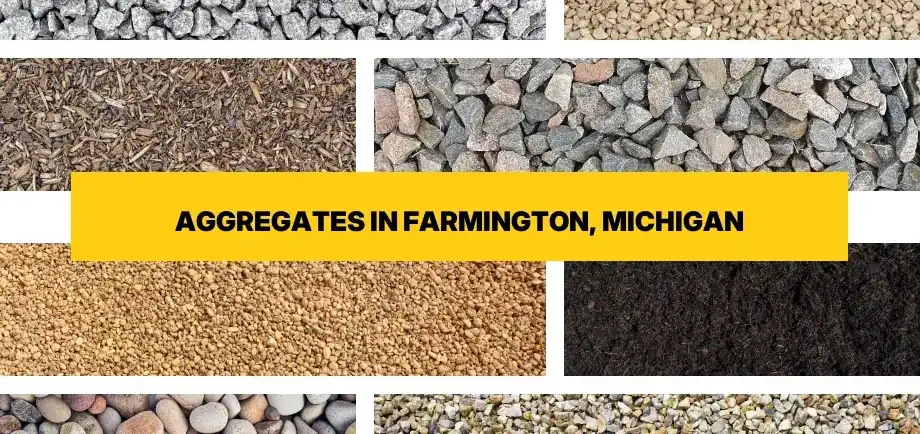
Sand, Aggregates & Gravel for Farmington, Michigan
Local Topsoil, Dirt, Sand, Rocks and Gravel near me in Farmington, Michigan
Shop Aggregates for Delivery in Farmington
Order online for free delivery to any Farmington address.
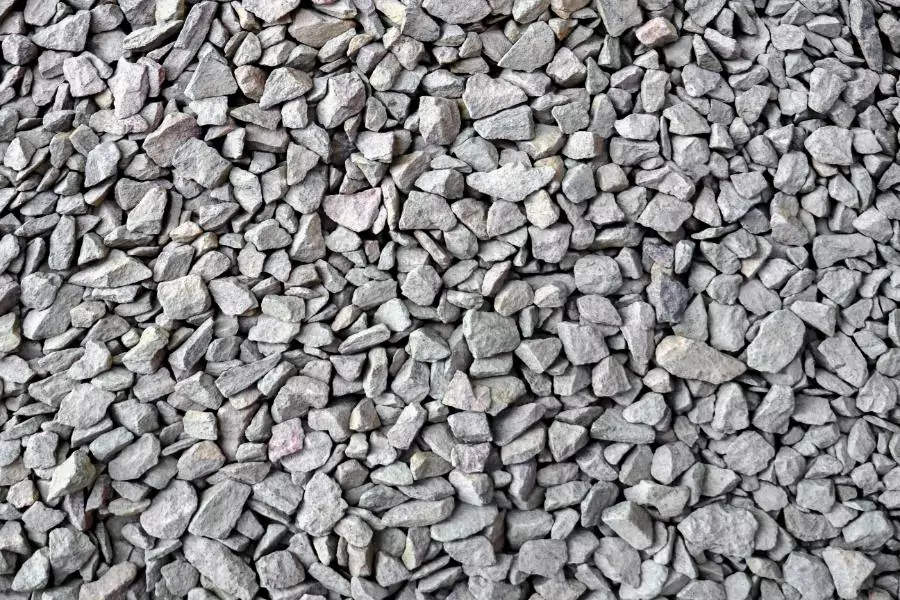
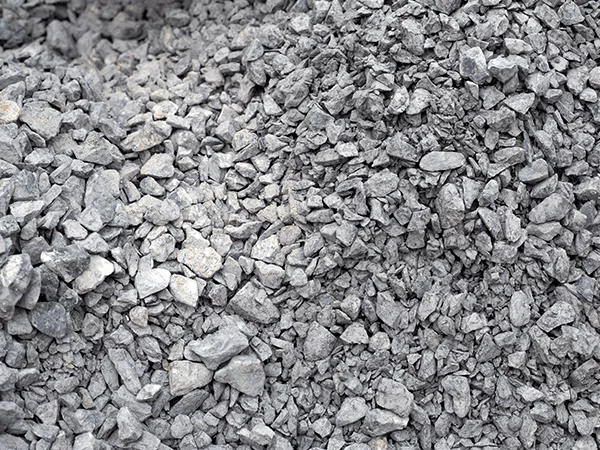


Gravel Monkey delivers premium gravel, aggregates, and construction materials throughout Farmington, Michigan and surrounding Oakland County communities. Whether you're renovating a historic home in downtown Farmington, building a new driveway in Warner Woods, or upgrading drainage systems near Farmington Hills, we provide high-quality materials with free delivery directly to your property. Our comprehensive selection of aggregates meets the unique demands of Michigan's freeze-thaw climate and clay-rich soil conditions.
Complete Range of Aggregates & Materials in Farmington
Gravel Monkey offers a full inventory of construction and decorative aggregates designed to perform in southeastern Michigan's challenging weather conditions. Our materials serve residential, commercial, and municipal projects throughout the Farmington area:
- Driveway Gravel - Engineered base material that withstands Michigan winters
- 3/4 inch Crushed Stone - Versatile angular aggregate for foundations and bases
- #57 Stone - Industry-standard drainage and backfill material
- Crusher Run - Compactable base that locks together for stability
- Road Base - Heavy-duty foundation for parking areas and access roads
- Drain Rock - Clean stone for French drains and water management
- Pea Gravel - Smooth decorative stone for pathways and gardens
- River Rock - Natural rounded stone for aesthetic landscaping
- Walkway Gravel - Specially selected for garden paths and pedestrian areas
- Crushed Concrete - Eco-friendly recycled aggregate alternative
- Decomposed Granite - Fine aggregate for natural-looking pathways
- Topsoil - Nutrient-rich soil for gardens and lawn establishment
- Fill Dirt - Quality material for grading and elevation adjustments
- Mason Sand - Fine sand for masonry and paver installation
- Playground Sand - Safe, clean sand for residential play areas
- Washed Sand - Multi-purpose clean sand for various applications
Aggregate Delivery Throughout Farmington Communities
We deliver aggregates and construction materials to all Farmington neighborhoods, historic districts, and surrounding areas. Our delivery service covers:
Downtown Farmington: Historic downtown properties benefit from our decorative aggregates that complement the area's architectural character. Whether you're restoring a vintage home on Grand River Avenue or updating commercial properties near the Riley Park area, our materials match Farmington's aesthetic standards.
Warner Woods: This established neighborhood features mature properties that often require drainage solutions. The clay-heavy soil common throughout Warner Woods responds well to proper aggregate base materials and French drain installations using our clean stone products.
Quakertown: Homes in this residential area frequently need driveway renovations and yard drainage improvements. The rolling terrain of Quakertown requires quality base materials that prevent erosion and provide stable foundations for vehicle traffic.
Woodcreek Farms: New construction and renovation projects in Woodcreek Farms demand professional-grade aggregates for foundations, driveways, and landscaping features. Properties here benefit from materials that handle Michigan's seasonal moisture variations.
Northwest Farmington: Larger lots in this area often include extensive landscaping projects, horse facilities, and acreage that require bulk aggregate deliveries for pathways, paddocks, and property development.
Springbrook Hills: This neighborhood's established homes regularly need aggregate materials for patio bases, retaining wall backfill, and driveway repairs. The area's mature trees and landscaping integrate well with natural stone products.
Near Farmington Hills Border: Properties along the Farmington-Farmington Hills boundary enjoy convenient access to our delivery service. We serve developments near Ten Mile Road, Eleven Mile Road, and Drake Road corridors with equal efficiency.
Adjacent Communities: Our Farmington delivery zone extends to nearby Livonia, West Bloomfield, Novi, and Southfield, providing comprehensive coverage throughout western Oakland County.
Aggregates Engineered for Michigan's Climate and Geology
Farmington's location in southeastern Michigan presents specific challenges that influence material selection. Understanding these factors ensures successful project outcomes.
Freeze-Thaw Cycle Considerations
Michigan experiences an average of 50 to 70 freeze-thaw cycles annually, with Farmington seeing temperatures ranging from summer highs near 85°F to winter lows often below 15°F. This temperature variation causes significant ground movement. Aggregates must provide drainage channels that prevent water accumulation, as trapped moisture expands during freezing and creates heaving, cracking, and structural failure.
Angular crushed stone compacts tightly while maintaining void spaces for water drainage. These characteristics make crushed aggregates superior to rounded materials for base applications in Farmington. The interlocking edges resist displacement during freeze-thaw movement, maintaining structural integrity throughout seasonal transitions.
Clay Soil Challenges
Farmington sits atop glacial till deposits that left heavy clay soils throughout Oakland County. This clay expands when wet and contracts during dry periods, creating unstable conditions for structures, driveways, and hardscaping. Clay also retains water, exacerbating freeze-thaw damage and creating poor drainage conditions.
Proper aggregate base layers create barriers between clay soil and structures. A minimum four-inch layer of compacted aggregate provides load distribution and prevents direct contact between foundations and expansive clay. For optimal results, many Farmington contractors specify geotextile fabric beneath aggregate layers to prevent clay migration into stone voids.
Precipitation and Drainage Requirements
Farmington receives approximately 32 inches of annual precipitation, with significant snowfall from December through March. Spring thaw periods often create saturated soil conditions that persist into late April. Effective drainage systems using appropriate aggregates prevent water damage, foundation settlement, and landscape erosion.
French drain installations require clean, angular stone that resists compaction and maintains drainage capacity over time. Properties throughout Quakertown and Warner Woods particularly benefit from perimeter drainage systems that intercept groundwater before it reaches foundation walls or basement spaces.
Choosing the Right Aggregate for Your Farmington Project
Different applications require specific aggregate characteristics. This comparison helps identify the optimal material for common Farmington projects:
| Aggregate Type | Primary Use | Particle Size | Compaction | Drainage |
|---|---|---|---|---|
| Driveway Gravel | Residential driveways | Mixed gradation | Excellent | Very Good |
| 3/4 inch Crushed Stone | General construction base | 0.75 inch nominal | Very Good | Excellent |
| Number 57 Stone | Drainage, backfill | 0.5 to 1 inch | Good | Excellent |
| Crusher Run | Road base, parking areas | Minus 3/4 inch | Excellent | Good |
| Road Base | Heavy traffic areas | Variable gradation | Excellent | Good |
| Drain Rock | French drains, perimeter drains | 0.75 to 1.5 inch | Minimal | Maximum |
| Pea Gravel | Decorative landscaping | 0.25 to 0.5 inch | Poor | Excellent |
| Crushed Concrete | Eco-friendly base material | Variable | Very Good | Very Good |
Driveway Aggregates for Farmington Properties
Driveway installation and repair represents one of the most common aggregate applications in Farmington. Proper material selection directly impacts longevity, maintenance requirements, and overall performance.
Base Layer Requirements
Michigan driveways require substantial base preparation due to frost depth and soil conditions. Farmington's frost line extends approximately 42 inches below grade, meaning ground freezing affects significant soil volume. Professional installations begin with excavation to stable subgrade, often requiring removal of organic material and unsuitable clay.
The base layer typically consists of larger aggregate that provides structural support and drainage. Many contractors prefer crusher run or road base for this application because the varied particle sizes fill voids and compact to create a solid platform. A base thickness of 6 to 8 inches works well for residential driveways, while commercial applications may require 10 to 12 inches.
Surface Layer Selection
The driveway surface layer requires smaller, more uniform aggregates that pack smoothly under vehicle traffic. Properties throughout downtown Farmington and Springbrook Hills often choose decorative options that complement home exteriors while providing functionality.
Traditional gravel driveways use angular stone that interlocks under traffic. The rough edges prevent stone migration and maintain surface integrity through multiple seasons. Farmington's temperature variations make angular aggregates essential - rounded river rock and pea gravel shift excessively and create maintenance challenges.
Maintenance and Longevity
Properly constructed aggregate driveways in Farmington require minimal maintenance beyond periodic stone replenishment and grading. Spring inspection allows identification of areas where freeze-thaw action has caused displacement. Adding material to low spots and regrading high areas maintains proper drainage and extends driveway life.
Annual applications of fresh surface stone refresh appearance and fill gaps created by traffic and weather. Most Farmington homeowners find that 1 to 2 tons of surface aggregate every 2 to 3 years maintains optimal driveway conditions.
Drainage System Aggregates for Oakland County Properties
Effective water management protects Farmington properties from foundation damage, landscape erosion, and basement moisture. The area's clay soil and seasonal precipitation make drainage systems essential for most properties.
French Drain Installation
French drains intercept groundwater and surface runoff before moisture reaches foundation walls. These systems consist of perforated pipe surrounded by clean aggregate that filters water while maintaining flow capacity. Proper aggregate selection determines system efficiency and longevity.
Clean stone without fines works best for French drain applications. Fine particles clog void spaces and reduce drainage capacity over time. Properties throughout Warner Woods and Quakertown benefit from perimeter drains installed at foundation depth, typically 12 to 18 inches below finished grade.
Surface Drainage Features
Surface drainage channels guide water away from structures, hardscaping, and landscape areas. Decorative rock can line these channels while providing functional water conveyance. The combination of utility and aesthetics makes surface drainage features attractive additions to Farmington properties.
Dry creek beds using river rock create natural-looking drainage solutions that handle storm water while enhancing landscape design. These features work particularly well on sloped properties where visible drainage is necessary but traditional systems appear industrial.
Decorative Aggregates for Farmington Landscapes
Landscaping applications extend beyond functional requirements into aesthetic enhancement. Gravel Monkey provides decorative aggregates that transform outdoor spaces throughout Farmington.
Pathway and Walkway Applications
Garden paths using gravel and decomposed granite create permeable walking surfaces that blend naturally with plantings. These materials allow water infiltration while preventing mud and erosion common with bare soil paths. Farmington's established neighborhoods feature mature trees and shade gardens where aggregate pathways provide practical access without disturbing root systems.
Edging materials define pathway boundaries and prevent aggregate migration into lawn or planting areas. Stone edging, metal landscape borders, or treated lumber create clean lines that maintain separation between materials. Proper edging reduces maintenance and extends the time between aggregate replenishment.
Mulch Alternatives and Garden Beds
Rock mulch provides permanent ground cover that doesn't decompose like organic materials. River rock and pea gravel work well around foundation plantings, in xeriscape designs, and beneath deck areas where traditional mulch performs poorly. The stones retain moisture around plant roots while suppressing weed growth.
Color selection affects landscape aesthetics and plant presentation. Lighter stones reflect heat and brighten shaded areas, while darker aggregates absorb warmth and create contrast with foliage. Many Farmington properties use varied stone colors to define different garden zones or highlight specific plantings.
Water Feature Surrounds
Ponds, fountains, and water features benefit from aggregate surrounds that manage splash and runoff while creating natural settings. River rock particularly suits water feature applications due to rounded edges and polished appearance that suggests natural stream beds.
Pond perimeters require aggregates that drain quickly to prevent standing water around pond edges. This drainage prevents mosquito breeding and protects pond liners from erosion damage during rain events.
Commercial and Municipal Aggregate Supply in Farmington
Commercial properties, municipal projects, and institutional facilities throughout Farmington require bulk aggregate delivery for various applications. Gravel Monkey serves business districts, schools, parks, and public works projects with reliable material supply and scheduling.
Parking Lot Development
Commercial parking areas demand aggregates that withstand constant vehicle traffic and weather exposure. Base preparation typically involves substantial aggregate depth - often 12 to 18 inches of compacted stone beneath asphalt or concrete surfaces. Properties along Grand River Avenue and in commercial zones near Eight Mile Road frequently require these materials for parking expansion or renovation.
Parks and Recreation Facilities
Public spaces throughout Farmington use specialized aggregates for various purposes. Playground areas require certified playground sand that meets safety standards for fall zones. Walking trails benefit from compacted aggregate surfaces that remain stable through seasons while providing comfortable pedestrian access.
Athletic fields and multi-use areas often incorporate aggregates in drainage systems, subsurface preparation, and surrounding features. Proper material specification ensures facilities perform well despite heavy use and Michigan weather challenges.
Utility Installation and Infrastructure
Municipal infrastructure projects require aggregates for utility trench backfill, road reconstruction, and stormwater management. Clean stone products provide stable bedding for water lines, drain tiles, and underground utilities while maintaining proper drainage around installations.
Calculating Aggregate Requirements for Your Project
Accurate material estimation prevents shortages and excess orders. Understanding basic calculation methods helps Farmington property owners plan projects effectively.
Basic Volume Calculation
Aggregate quantities are typically ordered by weight (tons) but calculated from volume (cubic yards). The basic formula multiplies length times width times depth in feet, then divides by 27 to convert cubic feet to cubic yards. For example, a driveway measuring 50 feet long by 12 feet wide by 0.33 feet deep (4 inches) equals 7.3 cubic yards.
Most aggregates weigh approximately 1.3 to 1.5 tons per cubic yard, though this varies by material type. Driveway gravel and crushed stone typically fall in this range, while lighter materials like pea gravel may weigh slightly less per yard.
Common Project Estimates
Standard residential driveways in Farmington measure 10 to 14 feet wide and 30 to 60 feet long. With a 4-inch aggregate depth, these driveways require 4 to 10 tons of material depending on specific dimensions. Larger properties or those with circular drives may need significantly more aggregate.
French drain installations typically use 6 to 12 inches of drainage rock, depending on soil conditions and drainage requirements. A 50-foot French drain trench, 12 inches wide and 12 inches deep with stone, requires approximately 1.9 cubic yards or roughly 2.5 tons of drain rock.
Garden pathways using decomposed granite or walkway gravel generally need 2 to 3 inches of material depth. A 3-foot wide path extending 40 feet requires approximately 1.5 cubic yards, translating to roughly 2 tons of aggregate.
Professional Installation Practices for Michigan Conditions
Proper installation techniques maximize aggregate performance and project longevity. These practices address Farmington's specific environmental challenges.
Subgrade Preparation
Successful aggregate installations begin with proper subgrade preparation. Remove all organic material, roots, and unsuitable soil to reach stable subgrade. In areas with heavy clay, excavation often extends several inches deeper than minimum requirements to ensure proper drainage.
Subgrade compaction prevents settling after aggregate placement. Plate compactors or roller equipment compress native soil to create firm support for aggregate layers. This step is particularly important in Farmington due to clay soil that remains soft when wet.
Geotextile Fabric Applications
Landscape fabric or geotextile material between subgrade and aggregate prevents soil migration into stone voids. This separation maintains aggregate drainage capacity and prevents settling caused by clay intrusion. Properties throughout Woodcreek Farms and Warner Woods benefit significantly from fabric installation beneath driveways and drainage features.
Fabric weight and permeability ratings affect performance. Non-woven geotextile with appropriate permeability allows water passage while blocking soil particles. Overlap fabric seams by 12 to 18 inches and secure edges to prevent displacement during aggregate placement.
Compaction and Grading
Aggregate compaction occurs in layers, typically called lifts, of 4 to 6 inches. Each lift receives thorough compaction before adding additional material. This process eliminates voids and creates dense, stable base layers that resist settlement and displacement.
Surface grading establishes proper drainage away from structures. A minimum 2 percent slope (approximately 1/4 inch per foot) directs water away from foundations and prevents pooling. Farmington properties benefit from careful attention to grading during installation to manage Michigan's significant precipitation and snowmelt.
Frequently Asked Questions About Aggregates in Farmington
We deliver a complete range of materials including driveway gravel, crushed stone, number 57 stone, pea gravel, river rock, crusher run, road base, drain rock, crushed concrete, topsoil, fill dirt, and various sand types throughout Farmington and surrounding Oakland County areas.
Yes! Gravel Monkey offers FREE delivery to Farmington and the surrounding Michigan area for all gravel, aggregate, and material orders. We serve downtown Farmington, Farmington Hills, and nearby communities.
For a standard driveway, calculate length times width times depth in feet. A typical Michigan driveway needs 3 to 4 inches of base material. Our team can help you calculate the exact amount needed for your Farmington property based on your specific project dimensions and soil conditions.
Crushed stone and crusher run work best for Michigan weather. These aggregates compact well and allow proper drainage, which is critical during freeze-thaw cycles. The angular edges lock together to prevent shifting during temperature changes common in Farmington and throughout Oakland County.
We strive to accommodate rush orders when possible. Contact our team to check availability for same-day or next-day delivery of gravel and aggregates to your Farmington location. We understand that project timelines often require quick material access.
For Farmington clay soil conditions, we recommend drain rock or number 57 stone for drainage projects, crusher run for structural bases, and topsoil amendments for gardening applications. These materials help manage the heavy, expansive clay common throughout Oakland County and provide stable foundations for various projects.
Absolutely. We supply aggregates for commercial developments, municipal projects, and institutional facilities throughout Farmington. Our delivery service accommodates project schedules and can handle bulk orders for parking lots, utility installations, and site development.
Michigan driveways typically require 6 to 8 inches of compacted aggregate base for residential applications. Commercial driveways or those with heavy vehicle traffic may need 10 to 12 inches. This depth accommodates frost action and provides stable support through Farmington's seasonal temperature variations.
Professional Aggregate Delivery Throughout Farmington
Gravel Monkey serves Farmington, Michigan with comprehensive aggregate supply and free delivery service. Our materials meet the performance requirements of southeastern Michigan's challenging climate and soil conditions. From residential driveways in downtown Farmington to commercial developments near Farmington Hills, we provide quality products and reliable service for every project.
Our experienced team understands local conditions and helps customers select appropriate materials for specific applications. Whether you're addressing clay soil challenges in Warner Woods, installing drainage systems in Quakertown, or developing landscaping features in Springbrook Hills, we deliver the right aggregates for successful project completion.
Contact Gravel Monkey today to discuss your Farmington project requirements. Our free delivery service and comprehensive material selection make us the preferred aggregate supplier throughout Oakland County. We're committed to providing the quality materials and professional service that Farmington property owners, contractors, and municipalities depend on for lasting results.

Need help? Reach out for a quote: