Gravel for Sale in Hope, Michigan
Local Topsoil, Dirt, Sand, Rocks and Gravel near me in Hope, Michigan
Shop Aggregates for Delivery in Hope
Order online for free delivery to any Hope address.
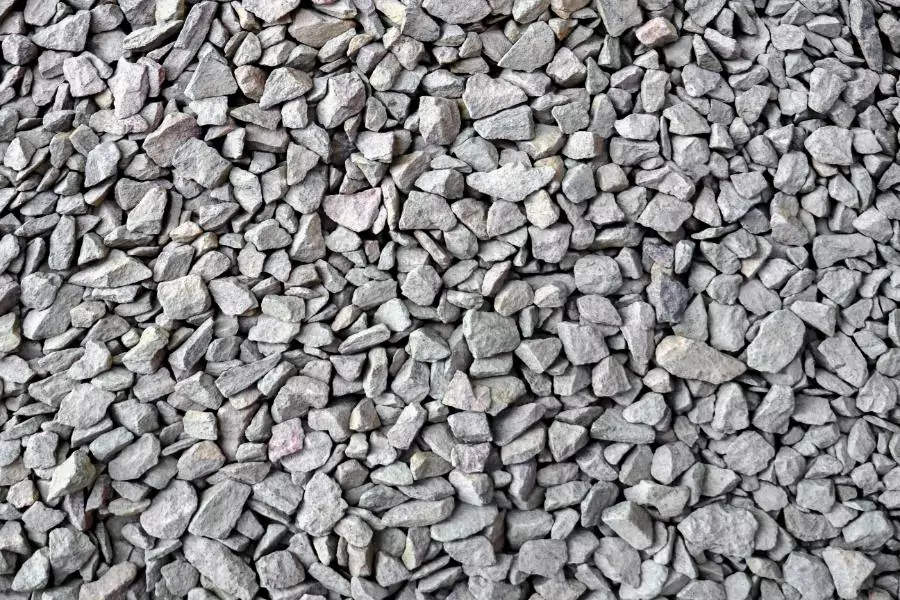
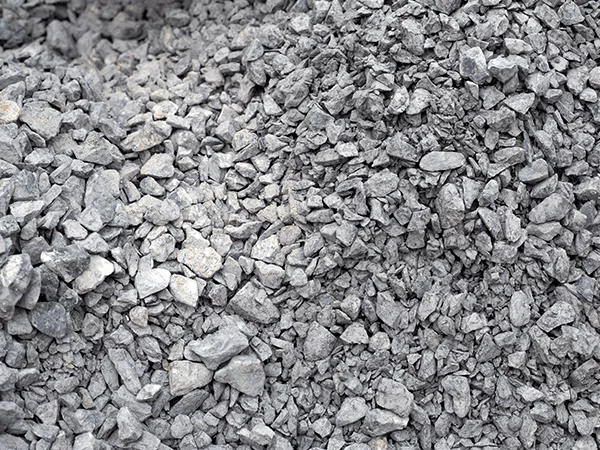


Gravel Monkey provides comprehensive aggregate delivery services throughout Hope, Michigan, and the greater Midland County region. Whether you're improving a rural driveway near Edenville Road, building a new access road for agricultural operations, or upgrading drainage systems in residential areas near the Tittabawassee River, we deliver premium aggregates directly to your property with absolutely no delivery charges. Our extensive selection of materials addresses the unique challenges of central Michigan's clay-rich soils and demanding freeze-thaw cycles, ensuring your project succeeds regardless of the season.
Complete Aggregate & Material Selection for Hope, MI
Hope's location in central Michigan presents specific challenges for construction and landscaping projects. The region's clay-heavy soils, proximity to the Tittabawassee and Tobacco Rivers, and harsh winter conditions require carefully selected aggregates that provide superior drainage and stability. Gravel Monkey offers materials specifically suited to these local conditions:
- Driveway Gravel - Angular aggregate designed for Michigan's freeze-thaw cycles and heavy vehicle traffic
- 3/4 inch Crushed Stone - Versatile limestone aggregate perfect for driveways, foundations, and base layers
- #57 Stone - Clean, uniform stone ideal for drainage applications and concrete work
- Crusher Run - Compactable blend of stone and fines for stable, long-lasting bases
- Road Base - Heavy-duty aggregate engineered for rural access roads and farm lanes
- Drain Rock - Open-graded stone for superior water management in clay soils
- Pea Gravel - Smooth decorative stone for pathways and garden beds
- River Rock - Natural rounded stone in multiple sizes for landscaping features
- Walkway Gravel - Comfortable aggregate blend for pedestrian paths and trails
- Crushed Concrete - Eco-friendly recycled material for cost-effective base construction
- Topsoil - Nutrient-rich soil perfect for Hope's growing season
- Fill Dirt - Quality material for grading and leveling projects
- Mason Sand - Fine-grade sand for masonry and construction applications
- Playground Sand - Clean, safe sand for recreational areas
- Washed Sand - Versatile clean sand for multiple construction uses
- Decomposed Granite - Natural pathway material that compacts firmly
Understanding Hope's Soil Conditions and Climate Challenges
Hope, Michigan sits in the heart of Midland County's agricultural region, where glacial till deposited heavy clay soils thousands of years ago. This geological heritage creates specific challenges for property owners undertaking construction or landscaping projects. The area's dense clay content holds moisture, leading to poor natural drainage, frost heaving during winter months, and significant soil expansion during wet periods.
Central Michigan experiences average winter temperatures ranging from 15°F to 30°F, with frequent freeze-thaw cycles that can devastate improperly constructed driveways and foundations. Annual precipitation averages 32 inches, with significant snowfall between December and March. Spring thaw periods bring saturated soils and standing water issues, particularly in low-lying areas near the Tittabawassee River and throughout the floodplain regions.
These conditions make proper aggregate selection critical. Materials must provide excellent drainage to prevent water accumulation, resist movement during freeze-thaw cycles, and maintain structural integrity under Michigan's seasonal temperature swings. Properties throughout Hope, from rural farmsteads along Sasse Road to residential areas near Coleman, require aggregates specifically chosen to address these local geological and climatic realities.
Aggregate Applications for Hope Properties
Driveway Construction and Renovation
Driveways throughout Hope face constant challenges from Michigan winters, agricultural vehicle traffic, and clay soil conditions. Successful driveway projects require multiple aggregate layers working together. Start with a foundation of road base or crusher run, which compacts firmly and provides a stable platform resistant to clay soil movement. This base layer should extend 6-8 inches deep for standard residential driveways and 10-12 inches for agricultural or commercial applications expecting heavy equipment.
Top the base layer with 3-4 inches of driveway gravel or crushed stone for the driving surface. The angular nature of these aggregates allows them to interlock, creating a stable surface that resists rutting and washouts common with rounded materials. Properties along North Saginaw Road, Waldo Avenue, and throughout the rural sections of Hope benefit tremendously from this layered approach, which dramatically extends driveway lifespan while reducing maintenance requirements.
Drainage Solutions for Clay Soils
Hope's clay-rich soils create persistent drainage challenges for property owners. Without proper water management, foundations can suffer moisture damage, basements flood, and yard areas remain perpetually soggy. Installing French drains with #57 stone or specialized drain rock provides effective solutions. These open-graded aggregates allow water to flow freely while preventing the migration of surrounding clay particles that would clog the system.
Foundation perimeter drainage, particularly important for properties near the Tobacco River and in areas prone to seasonal flooding, requires aggregates that maintain drainage capacity throughout Michigan's freeze-thaw cycles. Clean crushed stone creates the necessary void spaces for water movement while resisting compaction that would reduce effectiveness over time.
Agricultural and Rural Applications
Hope's strong agricultural heritage means many properties require aggregates for farm-specific applications. Equipment pads, barn floors, and field access roads demand materials that withstand heavy machinery while providing year-round accessibility. Crushed concrete offers an economical solution for farm roads and equipment areas, providing excellent load-bearing capacity at a lower cost than virgin aggregates.
Livestock areas benefit from well-draining aggregates that keep animals out of mud and reduce hoof problems. A base of larger crusher run topped with smaller stone creates firm, comfortable surfaces that shed water effectively. Properties throughout Hope's agricultural areas, from operations near Edenville to farms along Maynard Road, utilize these aggregate solutions to improve farm efficiency and animal welfare.
| Aggregate Type | Best Applications | Drainage Rating | Freeze-Thaw Resistance | Typical Depth |
|---|---|---|---|---|
| Driveway Gravel | Residential driveways, parking areas | Excellent | Superior | 3-4 inches |
| 3/4 inch Crushed Stone | Driveways, foundations, general use | Excellent | Excellent | 3-6 inches |
| #57 Stone | Drainage systems, concrete aggregate | Superior | Excellent | 4-12 inches |
| Crusher Run | Base layers, compaction required | Good | Excellent | 4-8 inches |
| Road Base | Heavy traffic areas, farm roads | Good | Superior | 6-12 inches |
| Drain Rock | French drains, foundation drainage | Superior | Excellent | 6-18 inches |
| Pea Gravel | Pathways, decorative landscaping | Very Good | Good | 2-3 inches |
| Crushed Concrete | Farm roads, base material | Very Good | Excellent | 4-8 inches |
Serving Communities Throughout Hope and Midland County
Gravel Monkey delivers throughout Hope and surrounding communities, providing free aggregate delivery to every corner of the region. Our service area encompasses the rural character of Hope Township and extends to neighboring communities facing similar soil and climate challenges.
Properties along Edenville Road frequently require aggregates for long rural driveways and farm access roads. The area's proximity to the Edenville Dam and Wixom Lake influences soil moisture levels, making proper drainage aggregate selection particularly important for property owners in this corridor.
The Sanford area to the northeast shares Hope's clay soil challenges and agricultural character. Homeowners and farmers in Sanford benefit from the same aggregate solutions that work throughout Hope, particularly materials that address seasonal flooding concerns following significant rain events.
Properties near Coleman to the southeast often require aggregates for recreational facilities, including pathways around local parks and residential landscaping projects. The area's slightly higher elevation provides somewhat better natural drainage, but clay soils still necessitate proper aggregate selection for long-term project success.
The North Saginaw Road corridor through Hope features a mix of agricultural operations and residential properties, all requiring reliable access regardless of weather conditions. Aggregates that maintain driveway integrity during spring thaw and winter freeze cycles prove essential for this heavily traveled route.
Areas near the Tittabawassee River and Tobacco River face additional moisture management challenges due to proximity to these waterways. Properties in the floodplain require aggregates with superior drainage characteristics and resistance to water saturation, making materials like drain rock and #57 stone particularly valuable.
The Sasse Road and Waldo Avenue areas represent typical Hope residential and agricultural zones where property owners balance functionality with aesthetics. Driveways must support daily use while landscaping projects incorporate decorative aggregates that complement the rural Michigan character.
We also serve the broader Midland County region including Midland proper, where urban and suburban properties have different aggregate needs but face the same geological and climatic challenges. Whether you're in Hope Township or any surrounding community, Gravel Monkey provides the same high-quality materials and reliable free delivery service.
Detailed Aggregate Information for Michigan Projects
Foundation and Base Materials
Building on Hope's clay soils requires aggregates that provide stable, well-draining foundations resistant to seasonal soil movement. Road base combines various stone sizes with binding fines that compact into a solid, unified mass. This aggregate type excels in situations requiring maximum load-bearing capacity, from building foundations to equipment pads supporting agricultural machinery.
Crusher run offers similar benefits with a slightly different gradation, making it ideal for projects where a smooth, dense surface is priority. The combination of larger stones and smaller particles fills voids completely, creating bases that resist water infiltration while maintaining structural integrity through repeated freeze-thaw cycles. Many Hope property owners use crusher run as the foundation layer for driveways, allowing the material to compact naturally under traffic over the first season.
Surface and Finish Materials
The visible surface of your project deserves aggregates that balance function with appearance. Crushed stone in three-quarter inch size provides the ideal driveway finish for Michigan conditions. Its angular surfaces interlock to resist displacement, while the sizing allows proper drainage without creating an uncomfortably rough surface. This aggregate maintains its integrity year-round, requiring minimal maintenance compared to alternatives.
For pathways and lighter-use areas, walkway gravel offers comfortable pedestrian surfaces that remain stable in wet conditions. This aggregate blend combines various sizes to create firm, attractive paths that complement Hope's natural landscape. Properties incorporating walking trails, garden paths, or recreational areas benefit from walkway gravel's balance of aesthetics and practicality.
Decorative Landscape Aggregates
Hope properties seeking visual appeal alongside functionality can incorporate decorative aggregates that enhance landscape design while serving practical purposes. Pea gravel's smooth, rounded stones create attractive borders around garden beds, fill areas between pavers, and provide comfortable surfaces for patios and seating areas. The neutral colors blend with Michigan's natural environment while offering excellent drainage for plant health.
River rock in various sizes adds natural beauty to water features, dry creek beds, and architectural accents. These tumbled stones suggest the geological history of Michigan's glacial past while providing long-lasting visual interest. Decomposed granite offers a different aesthetic, compacting into firm surfaces for contemporary pathway designs while maintaining a naturalistic appearance appropriate to Hope's setting.
Specialized Aggregates for Specific Needs
Certain projects require aggregates with particular characteristics. Mason sand's fine, consistent gradation makes it essential for mortar mixing, paver setting, and finishing work. The clean, washed nature ensures proper bonding in masonry applications while the particle size allows for precise leveling and finishing.
Playground sand meets safety standards for recreational areas, providing impact-absorbing surfaces that protect children during play. Properties with play equipment, whether private homes or community facilities, benefit from this specifically processed material that remains clean and safe through years of use.
Washed sand serves multiple construction purposes, from concrete mixing to backfill applications. The washing process removes clay, silt, and organic materials, creating clean aggregate that performs predictably in various applications. Hope builders and contractors rely on washed sand for projects requiring precise material specifications.
Seasonal Aggregate Planning for Hope Properties
Michigan's distinct seasons influence aggregate project timing and material selection. Spring brings thaw conditions and saturated soils, creating challenging installation conditions but also revealing drainage problems that need addressing. Property owners observing spring flooding or standing water should plan drainage improvements using aggregates like drain rock or #57 stone before the next heavy rain season.
Summer offers ideal conditions for aggregate projects in Hope. Dry soil conditions allow for proper base preparation and compaction, ensuring maximum project longevity. Driveway installations, foundation work, and major grading projects should be scheduled during summer months when Michigan weather cooperates fully with construction activities.
Fall represents the last opportunity before winter to complete outdoor projects. Many Hope property owners tackle driveway improvements in autumn, allowing new aggregate installations to settle before freeze-thaw cycles begin. The cooler temperatures reduce dust during installation while soil conditions typically remain favorable for excavation and grading work.
Winter limits aggregate project options but doesn't eliminate them entirely. Emergency driveway repairs, temporary access roads for logging or construction, and covered foundation work remain feasible. Proper material selection becomes even more critical during cold months, with angular aggregates that resist frost heaving preferred over materials that might shift during repeated freezing and thawing.
Aggregate Installation Best Practices for Hope's Conditions
Successful aggregate projects begin with proper site preparation. Hope's clay soils require excavation to adequate depth, removing organic material and unstable soil before aggregate placement. For driveways, excavate to at least 12 inches depth in areas with particularly heavy clay content, allowing room for both base and surface layers with adequate thickness to resist soil pressure from below.
Fabric barrier installation beneath aggregates prevents clay migration upward into stone layers, maintaining drainage capacity and structural integrity over time. This step proves particularly important in Hope's soil conditions, where clay particles can work their way into aggregate voids, eventually compromising the entire installation. Quality geotextile fabric creates a permanent barrier while allowing water drainage.
Proper compaction ensures aggregate layers achieve maximum density and stability. Road base and crusher run require mechanical compaction in lifts no thicker than 4-6 inches, with each layer compacted before adding the next. Surface aggregates like driveway gravel benefit from initial light compaction followed by natural compaction under traffic, allowing the angular stones to interlock optimally.
Drainage considerations should guide every aggregate project in Hope. Grade surfaces to direct water away from structures and toward appropriate drainage areas. Install aggregates with positive drainage built in, creating crowned surfaces for driveways and sloped surfaces for patios and walkways. These simple measures prevent water accumulation that would otherwise compromise aggregate performance and accelerate deterioration.
Maintaining Aggregate Installations in Michigan
Well-installed aggregates require minimal maintenance but benefit from periodic attention. Hope driveways should be raked or graded annually to redistribute aggregate evenly across the surface, filling low spots and leveling high areas. This simple maintenance extends driveway life significantly while improving appearance and function.
Spring represents the ideal time for aggregate maintenance in Hope. After winter's freeze-thaw cycles, inspect driveways and other aggregate installations for areas requiring additional material. Top off thin spots promptly to prevent further deterioration and maintain proper drainage. A few bags of aggregate applied proactively prevents the need for major repairs later.
Weed control between aggregates maintains appearance and prevents vegetation from destabilizing installations. In landscaped areas with pea gravel or river rock, fabric barriers beneath the aggregate prevent most weed issues, but occasional spot treatment of breakthrough vegetation keeps areas looking their best. Avoid chemical treatments near water features or garden beds, opting for manual removal in sensitive areas.
Heavy snow removal equipment can displace aggregates during winter maintenance. Use care when plowing or blowing snow from aggregate surfaces, adjusting equipment height to avoid catching and removing stone along with snow. Consider marking driveway edges before snowfall to guide equipment operators and prevent damage to aggregate installations.
Frequently Asked Questions About Aggregates in Hope, Michigan
We deliver a complete range of aggregates including driveway gravel, crushed stone, #57 stone, pea gravel, river rock, crusher run, road base, drain rock, recycled concrete, topsoil, fill dirt, mason sand, playground sand, washed sand, and decomposed granite throughout Hope and surrounding Midland County areas.
Yes! Gravel Monkey offers FREE delivery to Hope and the surrounding Michigan area for all gravel and aggregate orders. We service the entire Midland County region with no delivery charges.
The amount depends on your project size and depth. For driveways, calculate length times width times depth in feet, then divide by 27 to get cubic yards. A typical driveway needs 3 to 4 inches of depth. Our team can help you calculate the exact amount for your Hope property based on Michigan soil conditions.
For Hope's freeze-thaw climate, we recommend crushed stone, crusher run, or #57 stone. These angular aggregates interlock well, provide excellent drainage, and resist heaving during Michigan winters better than rounded materials.
Absolutely! We deliver throughout Hope and surrounding rural Midland County areas including Edenville, Sanford, and nearby communities. Our free delivery covers the entire region.
For Hope's clay-rich soils and freeze-thaw conditions, we recommend road base or crusher run as the foundation layer, topped with driveway gravel or three-quarter inch crushed stone. This combination provides excellent drainage and prevents frost heaving common in central Michigan.
Yes! We serve agricultural operations throughout Hope and Midland County with materials for barn floors, equipment pads, field access roads, and drainage projects. Our fill dirt and crushed concrete are popular for farm applications.
We typically deliver to Hope within 2 to 3 business days of order placement. During peak spring and summer seasons, delivery times may extend slightly. Contact us for current availability and to schedule your free delivery.
Get Started with Your Hope Aggregate Project
Whether you're upgrading a rural driveway, improving property drainage, building agricultural infrastructure, or enhancing your landscape, Gravel Monkey delivers the quality aggregates you need throughout Hope, Michigan. Our extensive material selection addresses the specific challenges of central Michigan's clay soils and demanding climate, while our free delivery service ensures your project starts without added transportation costs.
Our team understands Hope's unique conditions and can help you select the right aggregates for your specific application. From foundation materials that resist frost heaving to decorative stones that enhance your property's appearance, we provide solutions backed by knowledge of what works in Midland County's environment.
Contact us today to discuss your project requirements, get accurate material estimates, and schedule your free delivery. Let Gravel Monkey's expertise and comprehensive aggregate selection make your Hope property project a success.

Need help? Reach out for a quote: