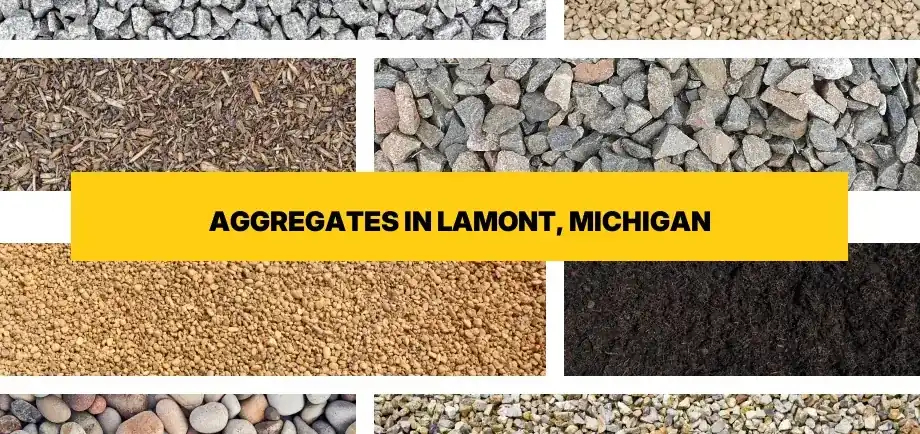
Buy Bulk Aggregates & Gravel in Lamont, Michigan
Local Topsoil, Dirt, Sand, Rocks and Gravel near me in Lamont, Michigan
Shop Aggregates for Delivery in Lamont
Order online for free delivery to any Lamont address.
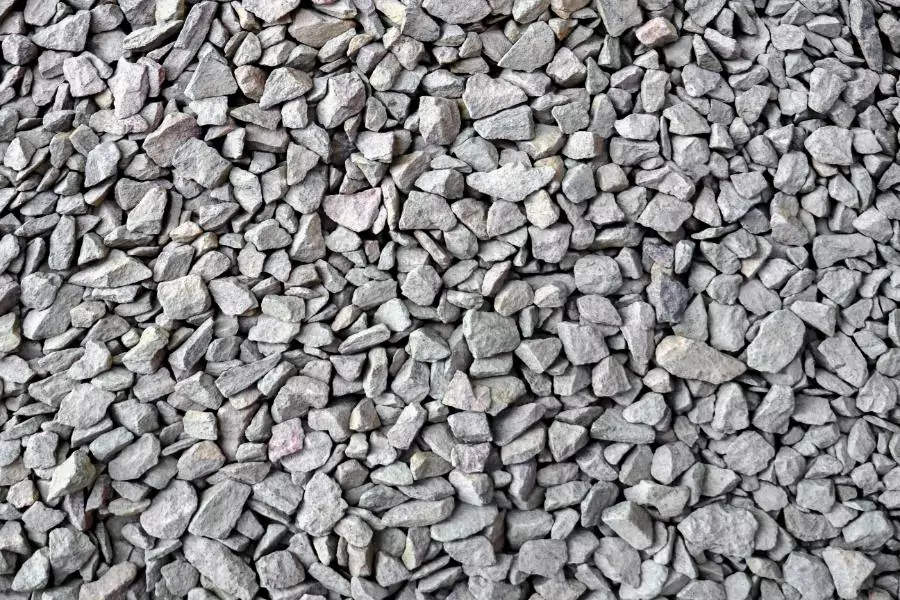
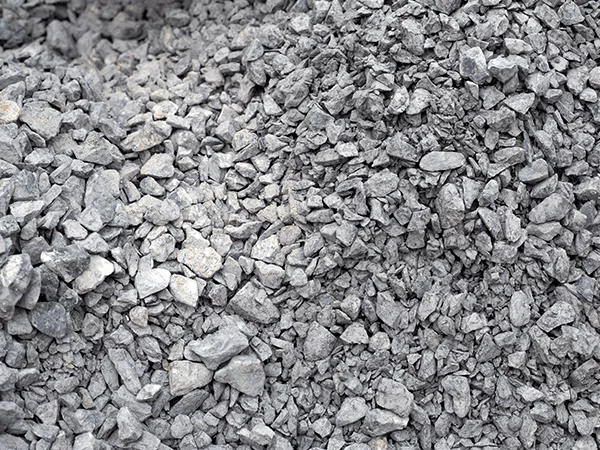


Gravel Monkey is your premier source for premium aggregates and bulk materials delivery in Lamont, Michigan. Serving properties throughout Ottawa County, from rural homesteads along Bass River to commercial projects near the intersection of 92nd Avenue and Leonard Street, we deliver high-quality gravel, stone, sand, and soil materials directly to your location with absolutely free delivery. Whether you're building a driveway on the west side near Allendale or improving drainage in areas closer to Coopersville, our comprehensive selection of aggregates meets every residential, agricultural, and commercial need in the Lamont area.
Complete Range of Aggregates & Materials in Lamont
Our extensive inventory covers all aggregate and landscaping material needs for Lamont properties. From foundational base materials to decorative finishing stones, Gravel Monkey supplies the quality aggregates West Michigan projects demand:
- Driveway Gravel - Engineered aggregate blend for lasting residential and farm driveways
- 3/4 Inch Crushed Stone - Versatile angular aggregate for bases, drainage, and compaction
- #57 Stone - Industry-standard crushed aggregate for construction and drainage applications
- Crusher Run - Premium compactable base material with fines for maximum stability
- Road Base - Heavy-duty aggregate foundation for roads and high-traffic areas
- Pea Gravel - Smooth natural aggregate for walkways and decorative applications
- River Rock - Polished decorative stone in multiple sizes for landscaping
- Walkway Gravel - Specialized aggregate for paths and pedestrian surfaces
- Drain Rock - Large clean aggregate optimized for water management systems
- Crushed Concrete - Eco-friendly recycled aggregate for base applications
- Topsoil - Nutrient-rich soil for gardens and lawn establishment
- Fill Dirt - Clean fill material for grading and leveling projects
- Mason Sand - Fine washed sand for masonry and concrete work
- Washed Sand - Clean multipurpose sand for construction applications
- Playground Sand - Safe, certified sand for children's play areas
- Decomposed Granite - Natural compacting aggregate for pathways and surfaces
Aggregates Engineered for Lamont's Soil Conditions
Lamont sits in an area characterized by Ottawa County's distinctive clay-loam soils, specifically the Marlette-Capac-Brookston soil association common throughout western Michigan. This heavy clay content, while excellent for agriculture, presents specific challenges for construction and drainage projects. Properties along 92nd Avenue and throughout the rural sections north of Leonard Street often deal with poor natural drainage and soil expansion during Michigan's dramatic freeze-thaw cycles.
The region experiences approximately 37 inches of annual precipitation, with significant snowfall averaging 75 inches per winter season. Spring thaw periods, particularly intense along the Bass River watershed, create saturated conditions that test inadequate base materials. Summer brings warm temperatures averaging 82°F in July, while January sees averages around 24°F. These temperature swings from -10°F winter lows to 90°F+ summer highs cause considerable ground movement in clay soils without proper aggregate foundations.
Successful projects in Lamont require aggregates that address these geological realities. Angular crushed stone materials provide the mechanical interlock needed to resist clay soil heaving. Open-graded aggregates like drain rock create essential pathways for water to escape clay matrices. Properties near Allendale to the southwest and extending toward Coopersville face similar conditions, making proper aggregate selection critical for long-term project performance.
Aggregate Applications for Lamont Properties
Residential Driveways and Access Roads
Rural properties throughout Lamont benefit tremendously from professionally installed aggregate driveways. The expansive clay soils require substantial base preparation using compactable materials that prevent rutting and settling. A typical residential driveway should start with 6-8 inches of compacted crusher run or road base to create a stable platform that bridges soft clay soils. This aggregate base distributes vehicle weight and prevents the punching-through effect common with inadequate foundations.
The surface layer depends on usage patterns and aesthetic preferences. Farm driveways accommodating heavy equipment benefit from larger crushed stone aggregates like 3/4 inch material that resists displacement under load. Residential driveways with lighter traffic perform beautifully with #57 stone as a surface layer, providing excellent traction while maintaining a refined appearance. Properties along the more developed corridors near 8th Avenue often prefer tighter-grade materials that compact firmly but still allow water infiltration.
Agricultural Applications
Lamont's agricultural heritage means many properties require aggregates for barn access, equipment yards, and livestock areas. These applications demand materials that withstand constant heavy loads while managing the moisture challenges inherent in agricultural operations. Crusher run provides an exceptional solution, creating a rock-solid surface that compacts into a monolithic slab when properly installed.
Feed lots and high-traffic livestock areas benefit from deeper aggregate installations, often 10-12 inches of compacted base material. This thickness prevents organic matter from punching through to underlying soils during wet periods. The fine particles within crusher run lock angular stone pieces together, creating a surface that sheds water while maintaining structural integrity under repetitive loading from tractors and farm equipment.
Drainage Solutions for Clay Soils
Effective water management separates successful Lamont projects from problematic ones. The heavy clay soils that dominate the area effectively seal water at the surface, creating pooling, basement seepage, and foundation settlement issues. Strategic aggregate placement transforms these drainage nightmares into properly managed water systems.
French drain installations around foundations and in low-lying yard areas require clean drain rock that won't clog with sediment. These larger aggregates create void spaces where water flows freely toward designed discharge points. Properties near the Bass River floodplain particularly benefit from comprehensive drainage systems using proper aggregates to intercept groundwater before it reaches structures.
Surface drainage solutions often employ swales lined with crushed stone to channel water away from buildings and hardscaped areas. The angular nature of crushed aggregates prevents erosion while allowing rapid water infiltration. Many Lamont properties combine surface and subsurface drainage systems to address both immediate rainfall runoff and longer-term groundwater management challenges.
Aggregate Material Comparison for Lamont Projects
| Aggregate Type | Best Applications | Compaction Level | Drainage Rating | Clay Soil Performance |
|---|---|---|---|---|
| Crusher Run | Driveway bases, parking areas, roads | Excellent | Moderate | Outstanding |
| 3/4" Crushed Stone | General base material, drainage layers | Very Good | Excellent | Very Good |
| #57 Stone | Concrete aggregate, drainage, surface layer | Good | Excellent | Good |
| Road Base | Heavy-duty foundations, main access roads | Excellent | Moderate | Excellent |
| Drain Rock | French drains, foundation drainage | Minimal | Outstanding | Excellent |
| Pea Gravel | Walkways, decorative areas, landscaping | Poor | Very Good | Fair |
| Crushed Concrete | Temporary roads, fill, budget base layers | Good | Good | Good |
Seasonal Aggregate Project Planning in Lamont
Michigan's distinct seasons significantly impact aggregate project timing and material selection. Understanding these seasonal dynamics helps Lamont property owners plan successful installations that perform year-round.
Spring Installation Considerations
Spring in Lamont brings thawing clay soils saturated with snowmelt and rainfall. While this might seem problematic, spring actually offers excellent conditions for aggregate projects once soils dry sufficiently. The key is waiting until frost completely leaves the ground, typically by late April in this region. Installing aggregates over frozen ground layers traps ice that later melts, creating voids and settlement.
Early spring projects benefit from addressing winter damage before it worsens. Driveways that heaved during freeze-thaw cycles can be rebuilt with proper aggregate depths to prevent recurrence. Properties near Coopersville Road often schedule spring projects to repair winter drainage failures before summer storms arrive.
Summer Project Advantages
Summer provides optimal conditions for aggregate installation throughout Lamont. Dry soils compact efficiently, equipment operates without creating ruts, and completed projects have time to settle before winter. July and August offer consistently dry weather, though extreme heat above 90°F can make physical work challenging.
Summer projects should prioritize areas that will face heavy winter use. Farm driveways, equipment yards, and access roads benefit from full-season compaction before freeze-up. Properties establishing new aggregate surfaces gain maximum benefit from summer installation, allowing natural compaction from rainfall and use before winter stresses arrive.
Fall Preparation Projects
Fall represents the last window for major aggregate work before winter. September and October in Ottawa County typically provide excellent working conditions with moderate temperatures and relatively dry soils. This timing allows projects to compact through late-season rains while avoiding frozen ground conditions.
Fall projects often focus on drainage improvements and winter access preparation. Installing proper aggregate in problem drainage areas before freeze-up prevents ice dam formation and spring flooding issues. Many Lamont properties schedule driveway improvements in fall to ensure reliable winter access.
Winter Material Considerations
While major installation projects pause during Michigan winters, understanding how aggregates perform in cold weather informs material selection. Angular crushed aggregates maintain traction on slopes even when covered with snow. The mechanical interlock between stone pieces prevents shifting under snow removal equipment.
Properties using aggregates for animal areas appreciate how proper stone surfaces remain cleaner than dirt in winter. The void spaces in crushed rock allow manure and moisture to drop below the surface, maintaining better footing for livestock. This drainage capability prevents the frozen manure mats common with inadequate surfaces.
Professional Aggregate Installation Practices
Quality aggregate installation in Lamont requires understanding both material properties and local soil conditions. Following proven practices ensures projects perform as intended for decades rather than failing within seasons.
Site Preparation Fundamentals
Proper site preparation determines project success more than any other factor. Start by removing all organic material, including topsoil, roots, and vegetation. Clay soils throughout Lamont contain significant organic matter that compresses over time, causing settlement. Excavate to stable mineral soil, which may require removing 6-12 inches of material in some locations.
Grade the prepared surface to promote drainage away from structures and toward discharge areas. Even slight slopes of 2-3% dramatically improve water management. Properties with flat terrain may need to create crown profiles in driveways, with elevated centers that shed water to edges. This simple grading prevents pooling that weakens aggregate bases.
Aggregate Depth Requirements
Adequate aggregate depth cannot be overstated when building on Lamont's clay soils. Minimum residential driveway bases should measure 6 inches of compacted material, with 8-10 inches preferred for long-term performance. Commercial applications, farm equipment areas, and heavily loaded surfaces require 10-12 inches or more.
These depths aren't arbitrary—they represent the minimum thickness needed to distribute loads across soft clay soils without punching through. Under-sizing aggregate depth saves money initially but guarantees premature failure requiring complete reconstruction. Properties that invest in proper depths enjoy decades of service from single installations.
Compaction Methodology
Mechanical compaction transforms loose aggregate into solid, load-bearing surfaces. Install materials in 4-inch lifts, compacting each layer before adding the next. This layered approach ensures uniform density throughout the profile. Small plate compactors work well for residential projects, while larger vibratory rollers serve commercial applications better.
Compaction timing matters significantly. Materials compact best at optimal moisture content—not bone dry, but not saturated. Slightly damp aggregates lock together more effectively than dusty-dry materials. Many experienced contractors lightly mist stone during compaction to achieve ideal conditions.
Edge Restraint Systems
Aggregate surfaces need edge restraints to prevent lateral spreading under traffic loads. Without containment, crushed stone gradually migrates outward, creating thin center areas that fail. Residential driveways often use treated timber edges, steel edging, or compacted soil shoulders. Commercial projects may employ concrete curbing or larger armoring stone.
Edge restraints should extend to the full depth of the aggregate section, not just surface deep. This anchoring prevents the entire aggregate mass from shifting. Properties using pea gravel for walkways particularly need robust edging, as rounded stones migrate more easily than angular crushed materials.
Serving Lamont and Surrounding Communities
Our delivery service extends throughout Lamont and neighboring areas of Ottawa County. We regularly serve properties in these communities and districts:
- Downtown Lamont - Historic center along 92nd Avenue near Leonard Street
- Bass River Area - Rural properties along the Bass River corridor and floodplain
- West Side Near Allendale - Growing residential area toward Allendale Charter Township
- Coopersville Road Corridor - Mixed agricultural and residential properties along M-45
- 8th Avenue District - Developed area with established homes and small farms
- Leonard Street Corridor - Main east-west route through central Lamont
- Rural North Sections - Agricultural properties north of Lamont proper
- East Toward Conklin - Transitional agricultural land east of Lamont
We also deliver to nearby communities including Coopersville, Marne, Conklin, Allendale, and throughout western Ottawa County. Our free delivery covers both residential properties and commercial sites throughout the region.
Sustainable Aggregate Practices and Recycled Materials
Environmental stewardship increasingly influences aggregate material selection for Lamont projects. Recycled and repurposed materials offer cost savings while reducing environmental impact. Crushed concrete exemplifies this trend, transforming construction waste into valuable aggregate products.
Recycled concrete performs excellently as base material for driveways, parking areas, and roads. The angular particles derived from crushing old concrete create mechanical interlock similar to virgin crushed stone. When properly graded and compacted, recycled concrete bases support heavy loads reliably. Many Lamont agricultural operations appreciate the cost-effectiveness of recycled materials for equipment yards and access roads.
Native Michigan limestone aggregates represent another environmentally sound choice. Quarried within the state, these materials require less transportation energy than aggregates sourced from distant locations. The gray-tan coloration of Michigan limestone blends naturally with the regional aesthetic, complementing the agricultural character of Ottawa County landscapes.
Proper aggregate installation itself promotes environmental benefits. Permeable aggregate surfaces allow rainwater infiltration, reducing stormwater runoff that can carry pollutants to local waterways including Bass River. This natural filtration through stone matrices removes sediments and contaminants before water reaches the groundwater table. Properties installing aggregate driveways and pathways contribute to improved water quality throughout the watershed.
Aggregate Project Economics for Lamont Properties
Understanding the economics of aggregate projects helps property owners make informed decisions that balance initial costs against long-term performance. While quality materials and proper installation require upfront investment, the extended service life of well-built aggregate surfaces delivers superior value compared to shortcuts that fail prematurely.
Material Cost Considerations
Aggregate pricing varies by material type, with crushed stone products typically offering excellent value for performance. Crusher run and road base represent economical choices for base applications, providing both structural strength and reasonable cost. Decorative aggregates like river rock command premium pricing due to processing and sourcing requirements, making them better suited for accent areas rather than entire large projects.
Bulk purchasing significantly reduces per-ton costs for major projects. Residential driveways typically require 20-40 tons of aggregate depending on size and depth, while agricultural projects may need hundreds of tons. Our free delivery throughout Lamont eliminates transportation charges that can substantially increase project costs when sourcing materials independently.
Installation Investment
Professional installation adds value through proper site preparation, correct aggregate depths, and thorough compaction. These practices prevent common failures like settling, rutting, and premature deterioration. DIY installation saves labor costs but requires equipment rentals and technical knowledge that many property owners lack.
The differential between minimal and proper aggregate depth might represent $500-1000 in material cost for a typical driveway. However, that investment extends service life from 5-7 years to 15-20 years or more—dramatic value creation through modest additional upfront expense. Properties that compromise on depth inevitably face complete reconstruction costs that far exceed the initial savings.
Long-Term Value Creation
Quality aggregate installations create lasting property value. Well-maintained stone driveways enhance curb appeal and functionality, important factors for properties in Lamont's competitive real estate market. Agricultural properties with proper equipment access and livestock areas operate more efficiently, reducing maintenance time and improving productivity.
Aggregate surfaces require minimal ongoing maintenance compared to paved alternatives. Occasional grading and stone addition keep surfaces functional for decades. This contrasts with asphalt that requires seal coating every few years and complete replacement within 15-20 years. Over a 30-year ownership period, aggregate driveways typically cost significantly less than paved alternatives while providing comparable or superior performance on rural properties.
Frequently Asked Questions About Aggregates in Lamont
Residential driveways in Lamont should have minimum 6 inches of compacted aggregate base, with 8-10 inches preferred for long-term performance. The heavy clay soils throughout Ottawa County require adequate depth to prevent settling and rutting. Farm driveways accommodating equipment need 10-12 inches. Proper depth is the single most important factor determining how long your driveway lasts.
Muddy driveways result from inadequate base depth and poor drainage. Install at least 8 inches of compacted crusher run or road base over clay soils, and ensure the driveway is crowned or sloped to shed water. French drains along driveway edges can intercept groundwater. Using angular crushed stone rather than rounded gravel also reduces mud migration to the surface during wet periods.
Crusher run provides exceptional performance for agricultural applications in Lamont. This material combines larger angular stone with smaller particles that fill voids and compact into a solid surface. Road base offers similar benefits for heavy equipment areas. Both materials resist rutting under heavy loads while maintaining adequate drainage through Michigan's wet spring seasons.
DIY installation is possible for small projects if you have access to compaction equipment and understand proper techniques. However, professional installation ensures correct site preparation, adequate depths, proper grading, and thorough compaction—factors that determine long-term success. For driveways and significant projects, professional installation typically delivers better value through superior longevity and performance.
Foundation drainage issues require strategic aggregate placement. Install French drains using clean drain rock around foundation perimeters, sloped to carry water away from structures. Regrade soil surfaces away from foundations and add aggregate swales to channel surface water. The clay soils in Lamont require both surface and subsurface drainage systems for complete water management.
Late spring through fall provides optimal installation conditions once soils dry from spring thaw. May through October offers consistently workable weather in Ottawa County. Avoid installing over frozen ground or in muddy conditions. Summer installations benefit from full-season compaction before winter, while fall projects should be completed by late October before ground freezing.
Gravel Monkey provides FREE delivery throughout Lamont and surrounding Ottawa County areas. You pay only for materials—there are no delivery charges, fuel surcharges, or hidden fees. This straightforward pricing makes it easy to budget your project accurately without worrying about transportation costs that other suppliers add.
A layered approach works best for Lamont residential driveways. Use crusher run or road base for the bottom 6-8 inches to create a compacted foundation. Top this with 2-3 inches of #57 stone or 3/4 inch crushed stone for the surface layer. This combination provides structural strength from the base with a refined appearance and good traction from the surface layer.
Why Choose Gravel Monkey for Lamont Aggregate Delivery
Our commitment to quality materials, reliable delivery, and customer satisfaction makes Gravel Monkey the preferred aggregate supplier throughout Lamont and Ottawa County. We understand the unique challenges that local clay soils present and stock materials specifically suited to West Michigan conditions.
Free delivery throughout Lamont eliminates the hassle and expense of arranging transportation for bulk materials. Our experienced team provides accurate material recommendations based on your specific project requirements and site conditions. Whether you're building a new driveway near Coopersville Road, improving drainage along Bass River, or creating agricultural access roads north of Leonard Street, we supply the right aggregates delivered directly to your property.
We maintain consistent material quality through careful supplier selection and quality control processes. Our crushed stone aggregates feature proper gradations for compaction and durability. Sand products are clean and properly graded for their intended applications. Soil materials are screened to remove debris and contaminants. This attention to quality ensures your project performs as planned for years to come.
Our delivery scheduling accommodates your project timeline, whether you need materials immediately or want to coordinate delivery with contractor availability. Flexible ordering handles projects of any size, from small residential repairs to large commercial developments. Knowledgeable staff help calculate material quantities accurately, preventing both shortages that delay projects and excess materials that represent wasted money.
Local expertise sets us apart from distant suppliers unfamiliar with Lamont's specific conditions. We understand how Ottawa County clay soils behave, what aggregate depths work reliably, and which materials perform best in Michigan's freeze-thaw cycles. This regional knowledge translates into better project outcomes and fewer problems down the road.

Need help? Reach out for a quote: