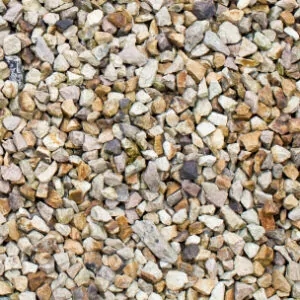
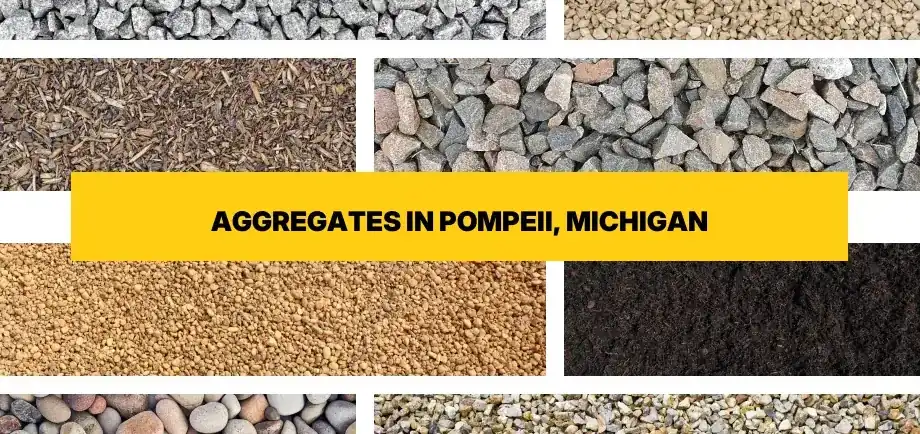
Bulk Aggregate & Gravel Products in Pompeii, Michigan
Local Topsoil, Dirt, Sand, Rocks and Gravel near me in Pompeii, Michigan
Shop Aggregates for Delivery in Pompeii
Order online for free delivery to any Pompeii address.
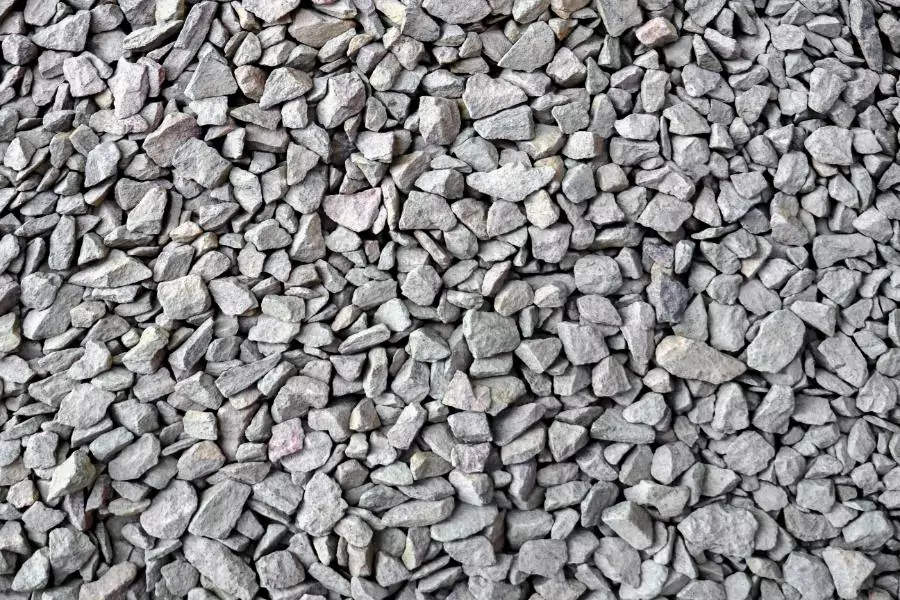
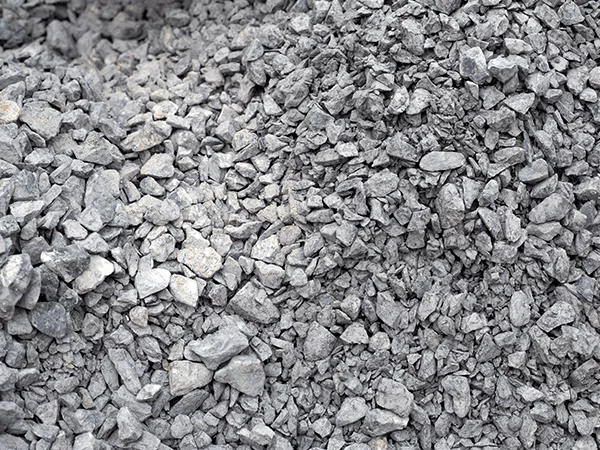


Gravel Monkey delivers premium aggregates and bulk materials throughout Pompeii, Michigan and the surrounding Gratiot County area. Whether you're building a new driveway along rural township roads, managing drainage challenges in Michigan's clay-rich soil, or completing landscaping projects near the Pine River watershed, we bring high-quality materials directly to your property with free delivery. Our comprehensive selection of aggregates serves residential homeowners, agricultural operations, and commercial contractors across central Michigan.
Complete Aggregate Selection for Pompeii Properties
Gravel Monkey stocks a full range of construction and landscaping aggregates engineered to perform in Michigan's challenging climate. From subzero winter temperatures to spring thaw cycles, our materials deliver reliable results for every application:
- Driveway Gravel - Durable base material engineered for Michigan's freeze-thaw cycles
- 3/4 inch Crushed Stone - Versatile aggregate for driveways, foundations, and base layers
- #57 Stone - Popular drainage aggregate and concrete bedding material
- Crusher Run - Compactable base material that locks together under pressure
- Road Base - Heavy-duty foundation for driveways and access roads
- Pea Gravel - Smooth decorative stone for walkways and landscaping
- River Rock - Natural rounded stone for water features and garden beds
- Walkway Gravel - Comfortable aggregate for paths and recreational areas
- Drain Rock - Angular stone engineered for water management systems
- Crushed Concrete - Eco-friendly recycled aggregate for roads and bases
- Decomposed Granite - Stable surface for pathways and patios
- Topsoil - Nutrient-rich soil for lawns and garden beds
- Fill Dirt - Essential material for grading and leveling projects
- Mason Sand - Fine sand for masonry work and paver installation
- Playground Sand - Safe, clean sand for recreational areas
- Washed Sand - Clean sand for multiple applications
Why Pompeii Homeowners Choose Gravel Monkey
Central Michigan properties face unique challenges requiring aggregates specifically suited to local conditions. Pompeii sits in an agricultural region characterized by clay loam soils, seasonal water table fluctuations, and dramatic temperature swings from summer highs near 85 degrees to winter lows below zero. Our aggregates address these specific conditions with materials engineered for long-term performance.
Located in Gratiot County's rural landscape, Pompeii properties benefit from proper aggregate selection. The area's glacial till soils contain significant clay content, creating drainage challenges during spring snowmelt and heavy rain events. Properties near Pine River and surrounding tributaries require careful attention to water management, making quality drainage aggregates essential for foundation protection and soil stability.
Agricultural and Rural Property Applications
Pompeii's agricultural heritage means many properties include barns, outbuildings, and equipment storage facilities requiring durable aggregate surfaces. Farm lanes, equipment pads, and livestock areas demand materials that resist rutting under heavy loads while managing Michigan's abundant moisture. Our road base and crusher run products provide the structural integrity needed for agricultural operations throughout the township.
Rural driveways extending from township roads to home sites often span considerable distances, requiring cost-effective yet durable aggregate solutions. The combination of proper base materials and surface aggregates ensures these essential access routes remain functional through every season, from spring mud season to winter snow accumulation.
Aggregate Comparison Guide for Michigan Projects
Selecting the right aggregate depends on your specific application, soil conditions, and traffic requirements. This comparison helps Pompeii property owners match materials to their project needs:
| Material Type | Best Applications | Compaction | Drainage Rating | Freeze-Thaw Resistance |
|---|---|---|---|---|
| Crusher Run | Driveway base, roads, parking areas | Excellent | Good | Excellent |
| 3/4" Crushed Stone | General driveways, foundations | Very Good | Excellent | Excellent |
| #57 Stone | Drainage, concrete work, backfill | Good | Excellent | Excellent |
| Road Base | Heavy traffic areas, farm lanes | Excellent | Good | Excellent |
| Pea Gravel | Walkways, decorative landscaping | Fair | Very Good | Good |
| Drain Rock | French drains, foundation drainage | Fair | Excellent | Excellent |
| Crushed Concrete | Base layers, stabilization | Very Good | Good | Very Good |
| Decomposed Granite | Pathways, patios, landscaping | Good | Fair | Good |
Common Aggregate Applications in Central Michigan
Driveway Construction and Renovation
Michigan driveways endure tremendous stress from seasonal changes. Spring thaw can cause base materials to shift, while winter plowing puts surface aggregates under constant pressure. A properly constructed driveway begins with adequate excavation and drainage, followed by a compacted base layer of road base or crusher run, then finished with appropriate surface aggregates.
For properties with clay-heavy soils common throughout Gratiot County, installing proper drainage alongside aggregate bases prevents frost heave and premature failure. The angular particles in crushed aggregates interlock under compaction, creating a stable matrix that resists displacement even under heavy snow removal equipment.
Foundation Drainage Systems
Protecting foundations from Michigan's moisture requires effective drainage solutions. Properties built on clay soils face particular challenges as water cannot percolate quickly through dense material. Installing drain rock around foundation perimeters creates pathways for water to move away from structures before it can cause basement moisture or foundation settlement.
French drain systems using perforated pipe surrounded by angular aggregates provide reliable long-term drainage. The voids between stones allow rapid water movement while preventing fine soil particles from clogging the system. This approach proves essential for properties throughout the Pine River watershed where water tables rise during spring runoff.
Erosion Control and Stabilization
Rural properties often include slopes, ditches, and areas vulnerable to erosion during heavy rain events. Strategic placement of river rock and larger aggregates slows water velocity while creating attractive landscape features. Drainage swales lined with stone manage stormwater effectively while reducing maintenance compared to grass channels.
Areas around culverts and driveway entrances benefit from erosion-resistant aggregates that prevent washouts during spring snowmelt. These high-velocity water zones require durable materials that remain in place while allowing water to pass through efficiently.
Seasonal Considerations for Michigan Aggregate Projects
Central Michigan's four distinct seasons influence aggregate installation timing and material selection. Understanding these seasonal factors helps property owners plan projects for optimal results.
Spring Installation Strategies
Spring brings abundant moisture as snowmelt saturates soils throughout Pompeii. While this season challenges construction timing, it also reveals drainage problems that dry summer conditions might hide. Observing water flow patterns during spring helps identify areas needing improved drainage before installation begins.
Late spring after soil dries but before summer heat provides ideal conditions for aggregate projects. Soil compaction achieves better results, and cooler temperatures make physical labor more comfortable. Installing aggregates before summer also prepares properties for fall activities and winter weather.
Summer Project Benefits
Summer offers the longest working windows and driest soil conditions for aggregate installation. Equipment operates efficiently, compaction achieves maximum density, and completed projects have months to settle before winter freeze-thaw cycles begin. Farm properties benefit from summer installation timing when agricultural activities shift away from building areas.
Fall Preparation
Fall aggregate projects prepare properties for winter. Installing fresh surface materials before snow flies ensures proper drainage of snowmelt and creates stable surfaces for snow removal equipment. Properties completing driveway work in fall benefit from natural settling during winter, with spring revealing any minor adjustments needed.
Winter Considerations
While major aggregate installation typically pauses during Michigan winters, emergency repairs and small projects remain possible during brief temperature breaks. Frozen ground actually provides stable working conditions, though compaction becomes nearly impossible and material delivery faces weather-related challenges.
Understanding Gratiot County Soil Conditions
Pompeii's glacial till soils present specific challenges that proper aggregate selection addresses. The area's soil composition resulted from glacial deposits left during the last ice age, creating a mixture of clay, silt, sand, and gravel in varying proportions throughout the township.
Clay loam soils predominate across much of central Michigan, offering good fertility for agriculture but creating drainage and construction challenges. Clay particles hold water, causing soils to remain saturated long after rain events. This moisture retention creates unstable conditions for structures, driveways, and paths unless properly managed with aggregates and drainage systems.
The expansive nature of clay soils means they swell when wet and shrink during dry periods. This movement creates stress on foundations, driveways, and any structures lacking proper aggregate bases. Installing sufficient aggregate depth creates a buffer zone separating structures from problematic clay soils beneath.
Water Table Management
Seasonal water table fluctuations affect properties throughout Pompeii. Spring typically brings the highest water tables as snowmelt and rain saturate soils. Summer allows water tables to recede, while fall rains can cause secondary rises before winter freezing. Understanding these patterns helps property owners install aggregates at appropriate depths and incorporate drainage features where needed.
Properties near wetlands, streams, or low-lying areas face more pronounced water table challenges requiring comprehensive drainage approaches. Combining proper site grading, aggregate bases, and drainage systems creates dry, stable building platforms even in challenging locations.
Serving Communities Throughout Greater Pompeii
Gravel Monkey delivers aggregates throughout Pompeii township and surrounding Gratiot County communities. Our service area includes:
- North Pompeii - Rural residential and agricultural properties along township roads
- South Pompeii - Farmsteads and country homes near Gratiot County borders
- Pine River Area - Properties along and near this important central Michigan waterway
- Eastern Township - Agricultural operations and rural residences
- Western Township - Mixed agricultural and residential development
We also serve nearby communities including Ithaca, St. Louis, Alma, Breckenridge, and other central Michigan locations. Our free delivery service ensures quality aggregates reach properties throughout Gratiot County and surrounding areas regardless of rural locations or distance from main highways.
Detailed Material Specifications
Base Course Aggregates
Base course materials provide the foundation for driveways, parking areas, and roads. These aggregates must compact densely while maintaining drainage capability. Crusher run combines various stone sizes from fines to three-quarter inch particles, allowing the material to compact into a solid, unified mass. When properly installed and compacted, crusher run creates an extremely stable base resistant to shifting under traffic loads.
Road base takes base course performance further with specifications designed for heavy traffic and load-bearing requirements. Agricultural properties using heavy equipment benefit from road base's superior strength and resistance to rutting. The material's angular particles interlock mechanically, distributing loads across a wide area rather than creating pressure points that cause deformation.
Surface Course Options
Surface aggregates determine the final appearance and performance of driveways and paths. Three-quarter inch crushed stone provides an excellent general-purpose surface that compacts adequately while maintaining drainage. The uniform sizing creates a relatively smooth surface suitable for vehicle traffic while allowing water to pass through to base layers below.
Properties prioritizing aesthetics often choose pea gravel or river rock for decorative areas. These rounded aggregates create comfortable walking surfaces and attractive landscape features. While they compact less than angular materials, their drainage properties and visual appeal make them ideal for walkways, patios, and garden applications.
Drainage Aggregates
Effective drainage requires aggregates specifically engineered for water management. Number 57 stone features uniform sizing that creates consistent void spaces allowing rapid water movement. The angular particles resist compaction, maintaining drainage capacity over time even under soil pressure.
Drain rock typically incorporates larger stones creating generous void spaces for maximum water flow. French drain installations, foundation drainage systems, and subsurface water management all benefit from these specialized aggregates. The clean, washed nature of drainage stones prevents fine particles from reducing permeability over time.
Specialty Applications
Certain projects require specialized aggregates beyond standard construction materials. Decomposed granite offers unique properties for pathway construction, compacting into a firm surface while retaining a natural appearance. This material performs well in landscaping applications where traditional paving seems too formal but loose gravel proves impractical.
Mason sand serves as essential bedding material for paver installation, providing a smooth, stable base allowing precise leveling. The fine particle size fills small voids while compacting adequately under paver weight. Playground sand meets safety standards for recreational areas, offering impact absorption and cleanliness important for family spaces.
Aggregate Installation Best Practices
Proper installation techniques ensure aggregates perform as intended throughout Michigan's challenging climate. Following proven methods prevents common problems and extends project lifespan.
Site Preparation
All successful aggregate projects begin with thorough site preparation. Remove organic material including topsoil, roots, and vegetation from areas receiving aggregates. Organic material decomposes over time, creating voids that allow settling and deformation. Excavation depth depends on intended use, with driveways typically requiring six to eight inches of total aggregate depth.
Grade sites to promote water drainage away from structures and toward appropriate discharge points. Even small slopes prevent water ponding within aggregate layers. Properties with clay soils benefit from installing geotextile fabric beneath aggregates, preventing fine soil particles from migrating upward into stone layers while maintaining drainage.
Layering Strategy
Professional installations use multiple aggregate layers, each serving specific functions. Base layers provide structural support and drainage using materials like road base or crusher run. Install base materials in lifts of three to four inches, compacting each layer thoroughly before adding the next. This approach achieves maximum density and stability.
Surface layers determine final appearance and immediate functionality. Select surface aggregates based on intended use, with larger stones for utility areas and finer materials for high-traffic or decorative spaces. Surface depth typically ranges from two to three inches depending on material type and traffic expectations.
Compaction Requirements
Proper compaction transforms loose aggregates into stable, unified surfaces. Mechanical compactors apply force consolidating particles and eliminating air voids. Base layers require aggressive compaction using plate compactors or rollers appropriate to project size. Each lift must achieve adequate density before adding subsequent layers.
Surface layers need less aggressive compaction preserving drainage capability while achieving stability. Over-compaction can crush aggregate particles, creating fines that reduce permeability. Finding the balance between stability and drainage ensures long-term performance.
Edge Restraint
Aggregate areas need edge restraints preventing lateral spreading under traffic loads. Options include pressure-treated timbers, steel edging, or concrete curbs depending on aesthetic preferences and budget. Rural driveways often use compacted earth shoulders or strategically placed larger stones creating natural boundaries.
Long-Term Aggregate Maintenance
While aggregates require less maintenance than many paving alternatives, periodic attention preserves appearance and functionality. Michigan's climate creates specific maintenance needs property owners should understand.
Surface Grooming
Traffic patterns gradually displace surface aggregates creating ruts and thin spots. Annual grading redistributes material maintaining proper drainage and appearance. Spring represents ideal timing for grading, addressing displacement from winter snow removal and freeze-thaw cycles.
Areas showing significant rutting may need additional material rather than simple redistribution. Adding fresh aggregates periodically compensates for gradual losses from weather and use while refreshing appearance.
Weed Management
Seeds inevitably find their way into aggregate surfaces, germinating wherever organic material accumulates. Controlling weeds preserves appearance and prevents root systems from displacing stones. Options include manual removal, spot herbicide application, or landscape fabric barriers installed during initial construction.
Drainage Monitoring
Observe water behavior during rain events and snowmelt, ensuring drainage systems function properly. Address any ponding or erosion immediately before minor issues become major problems. Clean drainage structures annually removing accumulated sediment that could reduce capacity.
Frequently Asked Questions About Gravel in Pompeii
We deliver a complete range of aggregates including driveway gravel, crushed stone in various sizes, pea gravel, river rock, crusher run, road base, drain rock, recycled concrete, topsoil, fill dirt, and multiple sand varieties throughout Pompeii and surrounding Gratiot County areas.
Yes! Gravel Monkey provides FREE delivery to Pompeii and the surrounding central Michigan area for all gravel, aggregate, and bulk material orders.
Crusher run and three-quarter inch crushed stone perform excellently in Michigan winters. These aggregates compact well and provide proper drainage to prevent frost heave damage common in our region.
Calculate length times width times depth in feet. For driveways, we recommend 4 inches of aggregate depth. A standard two-car driveway typically requires 7 to 10 cubic yards of material.
In many cases, yes. Contact Gravel Monkey at 646-809-3983 to check availability for same-day or next-day delivery to your Pompeii property.
Number 57 stone and drain rock are excellent choices for managing water in Michigan clay soils. These angular aggregates create spaces for water flow while remaining stable through our wet springs and frozen winters.
Most residential driveway projects do not require permits in rural Gratiot County. However, projects affecting drainage patterns or involving township road entrances may need approval. Check with Pompeii Township offices to confirm requirements for your specific project.
Properly installed aggregates last many years with appropriate maintenance. Base layers can remain functional for decades, while surface materials may need refreshing every 5 to 10 years depending on traffic and maintenance practices.
Professional Aggregate Delivery in Pompeii
Whether you're improving a rural driveway, managing drainage challenges in clay soils, or completing landscaping projects, Gravel Monkey delivers the quality aggregates central Michigan properties demand. Our comprehensive material selection, expert guidance, and free delivery service make us the preferred aggregate supplier throughout Pompeii and Gratiot County.
From agricultural operations requiring heavy-duty road base to homeowners seeking decorative landscaping stone, we provide materials engineered for Michigan's demanding climate. Our aggregates resist freeze-thaw damage, manage moisture effectively, and maintain their integrity through years of use.
Contact Gravel Monkey today at 646-809-3983 to discuss your aggregate needs. Our team understands central Michigan soil conditions, climate challenges, and the specific requirements of Pompeii properties. We'll help you select appropriate materials, calculate quantities accurately, and schedule convenient delivery to your location.

Need help? Reach out for a quote: