
Sand, Aggregates & Gravel for Haslett, Michigan
Local Topsoil, Dirt, Sand, Rocks and Gravel near me in Haslett, Michigan
Shop Aggregates for Delivery in Haslett
Order online for free delivery to any Haslett address.
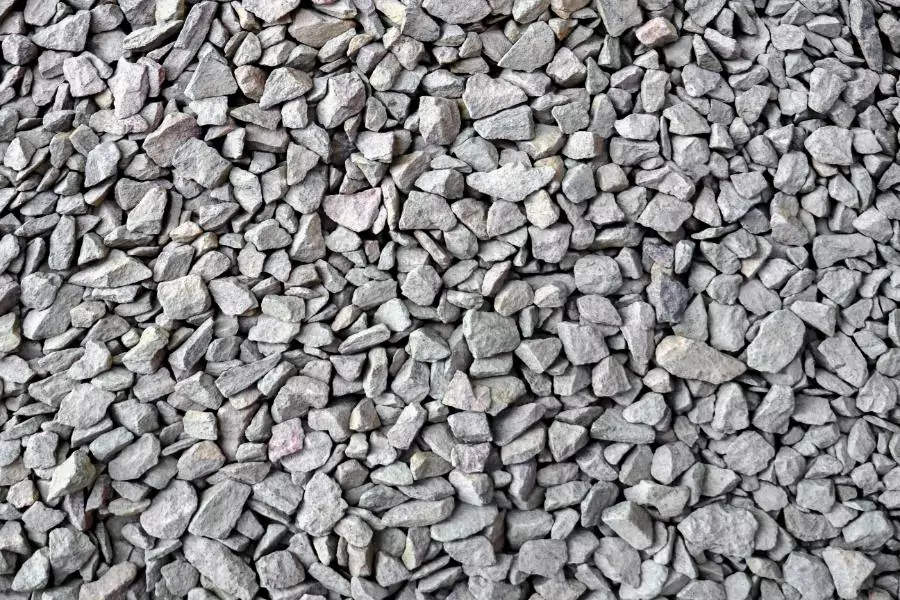
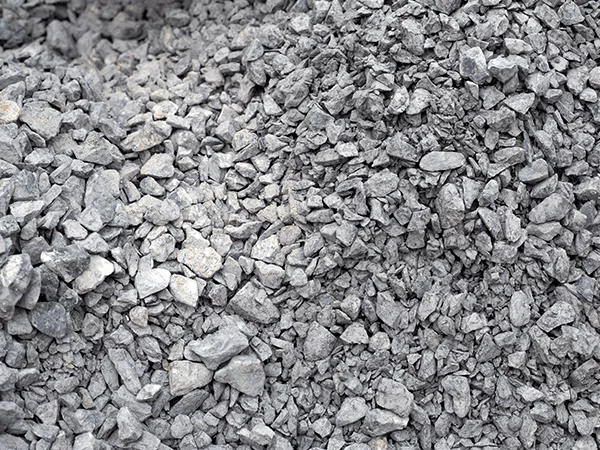


Gravel Monkey brings professional-grade aggregates and bulk materials directly to your Haslett property with completely free delivery. Whether you're building a new driveway near Lake Lansing, creating drainage solutions in Valley Farms, or upgrading landscaping in Burcham Woods, we supply the high-quality stone, gravel, and soil products that Michigan projects demand. Our commitment to the greater Lansing area means reliable service for residential and commercial customers throughout Haslett, Okemos, East Lansing, and beyond.
Complete Selection of Aggregates for Haslett Projects
Gravel Monkey stocks a comprehensive inventory of construction and landscaping aggregates specifically selected for Michigan's unique soil conditions and climate. From foundational base materials to decorative stone finishing touches, we deliver everything your Haslett project requires:
- Driveway Gravel - Premium base material engineered for durability through Michigan winters
- 3/4 inch Crushed Stone - Versatile aggregate for driveways, foundations, and pathways
- #57 Stone - Clean drainage aggregate perfect for French drains and foundation perimeters
- Crusher Run - Self-compacting base that creates rock-solid foundations
- Road Base - Heavy-duty aggregate for driveways and access roads
- Pea Gravel - Smooth stones ideal for walkways and decorative landscaping
- River Rock - Natural beauty for gardens and water features
- Topsoil - Nutrient-rich soil for gardens and lawn establishment
- Fill Dirt - Essential for grading and leveling projects
- Crushed Concrete - Eco-friendly recycled aggregate alternative
- Walkway Gravel - Specially sized for comfortable pedestrian surfaces
- Drain Rock - Large stone for superior water management
- Mason Sand - Fine sand for masonry and paver installation
- Playground Sand - Safe, clean sand for play areas
- Washed Sand - Multi-purpose sand for construction projects
- Decomposed Granite - Natural pathway material that compacts beautifully
Aggregate Delivery Throughout Haslett Communities
Our delivery service covers every neighborhood in Haslett and surrounding areas. We're familiar with the local terrain, from the waterfront properties along Lake Lansing to the established subdivisions near Haslett High School. Properties in Valley Farms, Chippewa Estates, and Burcham Woods frequently order our aggregates for driveways and landscaping improvements. We also serve commercial clients near Marsh Road and the Haslett business district, providing bulk materials for parking lots and site development.
Haslett's location between Lake Lansing and the Red Cedar River creates unique drainage challenges that our aggregate solutions address effectively. The glacial till soils common throughout Ingham County require proper base materials to prevent settling and frost heaving during Michigan's harsh winter months. Our customers in nearby Okemos, Williamston, Bath, and East Lansing appreciate our understanding of regional soil conditions that date back to the Wisconsin glaciation period.
Michigan-Specific Aggregate Solutions
Haslett experiences a humid continental climate with cold, snowy winters and warm, humid summers. Average annual snowfall exceeds 50 inches, and temperatures regularly drop below freezing from December through March. These freeze-thaw cycles create significant challenges for driveways, foundations, and landscaping projects. Water trapped in poorly draining soils expands when frozen, causing heaving that damages structures and surfaces.
The local geology consists primarily of glacial drift deposits - a mix of clay, silt, sand, and gravel left behind by retreating ice sheets. This soil composition features moderate to poor drainage characteristics, making proper aggregate selection critical. Properties near Lake Lansing and Warner Creek often encounter high water tables that require French drains and strategic grading to prevent basement flooding and yard saturation.
Why Michigan Properties Need Quality Aggregates:
- Freeze-Thaw Resistance: Properly installed crushed stone bases allow water to drain freely rather than freezing in place and causing heaving
- Heavy Clay Mitigation: Aggregates improve drainage in clay-heavy Michigan soils that retain excessive moisture
- Load Distribution: Compacted stone spreads weight evenly, preventing rutting and settling common in native soils
- Erosion Control: Strategic aggregate placement protects slopes and channels water away from foundations
- All-Season Access: Well-constructed gravel driveways and roads remain usable through snow, rain, and spring thaw
Driveway Aggregates for Haslett Homes
Your driveway represents one of the most visible features of your property, and in Haslett's climate, it must withstand significant environmental stress. Successful driveway construction begins with understanding Michigan's soil and weather patterns. The native clay soils around Lake Lansing hold moisture, which expands during freezing and contracts during thawing. Without proper base materials, driveways develop potholes, ruts, and uneven surfaces within just a few seasons.
Professional Driveway Construction Process
Whether you're installing a new driveway in Chippewa Estates or renovating an existing one near Haslett High School, the construction process follows proven principles that ensure longevity. First, excavate to a depth that accommodates base layers plus your chosen surface material. In Haslett, we recommend excavating 8 to 12 inches for residential driveways, though properties with poor drainage may require deeper preparation.
The base layer provides critical functions: distributing vehicle weight across a wide area, facilitating drainage beneath the surface, and creating a stable platform that resists frost heaving. Crusher run excels as a base material because it contains a mix of stone sizes that compact tightly together. The smaller particles fill voids between larger stones, creating an almost concrete-like foundation when properly compacted. This base layer typically ranges from 4 to 6 inches thick.
The surface layer requires careful selection based on your priorities. Traditional driveway gravel offers excellent traction and natural drainage. The angular stones lock together under traffic, maintaining a firm surface. For enhanced aesthetics, many Valley Farms residents choose a mixed surface that combines functionality with visual appeal. The key is ensuring adequate drainage - water that cannot escape through or around the driveway will eventually cause damage regardless of material quality.
Maintenance and Longevity
Properly constructed aggregate driveways in Haslett require minimal maintenance compared to asphalt or concrete alternatives. Spring typically demands the most attention, as snowmelt and rainfall can create minor rutting or displaced stones. A simple grading pass with a landscape rake redistributes material and restores the smooth surface. Every few years, adding a thin layer of fresh surface aggregate refreshes the appearance and fills any low spots that develop over time.
| Aggregate Type | Best Applications | Drainage Rating | Freeze-Thaw Performance | Compaction Level |
|---|---|---|---|---|
| Crusher Run | Driveway base, parking areas | Good | Excellent | Maximum |
| 3/4" Crushed Stone | Driveways, pathways, foundations | Excellent | Excellent | High |
| #57 Stone | French drains, behind walls | Outstanding | Excellent | Moderate |
| Pea Gravel | Walkways, landscaping, patios | Very Good | Good | Light |
| River Rock | Decorative beds, water features | Good | Good | None |
| Crushed Concrete | Driveways, base layers, roads | Very Good | Excellent | High |
| Drain Rock | Foundation drainage, culverts | Maximum | Excellent | None |
Water Management with Strategic Aggregate Placement
Managing water around Haslett properties requires understanding how Michigan's climate and local topography interact. Spring snowmelt combined with April showers can saturate soils rapidly, especially in lower-lying areas near Warner Creek or Lake Lansing. Summer storms occasionally drop several inches of rain in short periods, overwhelming drainage systems that weren't designed with adequate capacity.
French drains represent one of the most effective solutions for persistent water problems. These subsurface drainage systems redirect water away from foundations, basements, and landscaped areas. Installation begins by excavating a trench that slopes away from the area you're protecting. Line the trench with landscape fabric to prevent soil infiltration, then fill it with clean drainage aggregate. A perforated pipe placed within the aggregate collects water and channels it toward a safe discharge point.
The choice of aggregate matters significantly for drainage performance. #57 stone features uniform sizing around three-quarters of an inch, creating consistent void spaces that allow rapid water movement. Unlike crusher run or other mixed aggregates, drainage stone contains minimal fine particles that could restrict water flow. Properties throughout Burcham Woods and Valley Farms frequently install French drains around foundation perimeters, preventing the basement dampness and flooding that plagued many homes built before modern drainage standards.
Surface Drainage and Erosion Control
Not all drainage problems require subsurface solutions. Strategic surface grading combined with aggregate channels can effectively manage runoff from driveways, roofs, and hardscaped areas. Dry creek beds using river rock create attractive landscape features that double as functional drainage swales. During heavy rain, water flows through these decorative stone channels rather than eroding soil or pooling where it causes damage.
Slopes present unique challenges in Haslett's rolling terrain. Bare soil on slopes erodes quickly during rainfall, washing sediment into lawns, gardens, and storm drains. Covering slopes with appropriately sized stone creates a protective layer that allows water to percolate slowly rather than running off rapidly. The stone adds weight that resists erosion while the spaces between rocks accommodate water infiltration.
Landscaping Aggregates for Aesthetic and Functional Beauty
Beyond structural applications, aggregates enhance outdoor living spaces throughout Haslett. Natural stone offers textures, colors, and forms that complement Michigan's native landscapes while requiring minimal maintenance. Unlike mulch that decomposes and needs regular replacement, stone remains attractive and functional for many years with only occasional refreshing.
Pea gravel excels for creating inviting pathways through gardens or connecting outdoor living areas. The small, rounded stones provide comfortable walking surfaces while preventing weed growth beneath. Many homeowners in Chippewa Estates incorporate pea gravel around patios and seating areas, appreciating how it defines spaces without requiring the commitment of permanent hardscaping. The natural tan and gray tones blend beautifully with Michigan's seasonal color palette.
River rock serves ornamental purposes that elevate landscape designs. Placed around tree bases, it protects roots while eliminating the need for lawn maintenance in difficult areas. Water features benefit from river rock's smooth, natural appearance - arrange various sizes around ponds or fountains to create authentic-looking waterside environments. The larger stones available range from two inches to six inches or more, offering design flexibility for different scales and effects.
Ground Cover and Weed Prevention
Traditional landscape fabric combined with stone ground cover provides superior weed control compared to organic mulches. The stone layer blocks sunlight from reaching the soil surface while the fabric prevents weed roots from establishing. This combination significantly reduces landscape maintenance, particularly around foundations, along fence lines, and in areas where you want permanent low-maintenance beauty.
Decomposed granite offers yet another aesthetic option, particularly for pathways and patio areas. This natural material compacts moderately, creating a firm but permeable surface. The warm earth tones suit contemporary landscape designs while complementing traditional architecture common throughout older Haslett neighborhoods. Unlike loose gravel, properly installed decomposed granite stays in place and doesn't scatter onto lawns or adjoining areas.
Commercial Aggregate Solutions in Haslett
Business properties along Marsh Road and throughout Haslett's commercial districts face unique challenges that require professional-grade aggregate solutions. Parking lots must handle heavy traffic loads while providing adequate drainage to prevent flooding and ice formation. Site development for new construction demands massive quantities of base materials, delivered on schedule to keep projects moving forward.
Gravel Monkey serves commercial contractors and property managers with reliable bulk aggregate delivery. Our understanding of Michigan building codes and site preparation requirements ensures you receive appropriate materials for each application. From road base for new access roads to mason sand for commercial paver installations, we maintain inventory levels that meet demand even during peak construction seasons.
Site Preparation and Grading
Commercial site development in Haslett begins with proper grading that establishes positive drainage away from buildings and paved areas. Fill dirt provides economical material for adjusting elevations and creating buildable pads on uneven terrain. Once the rough grading is complete, road base creates stable surfaces for heavy equipment and future paving operations.
Projects near Lake Lansing or in other environmentally sensitive areas require careful attention to erosion control and sediment management. Properly placed aggregates stabilize disturbed soils, preventing sediment-laden runoff from entering waterways. Temporary access roads using crusher run keep construction traffic off finished grades while providing all-weather access for deliveries and equipment movement.
Expert Installation Guidance for Haslett Projects
Successful aggregate projects require more than just quality materials - proper installation techniques ensure your investment performs as intended. Whether you're tackling a DIY driveway in Valley Farms or managing a commercial site preparation near downtown Haslett, these principles guide project success.
Site Preparation Fundamentals
All aggregate applications begin with adequate site preparation. Remove vegetation, roots, and topsoil from the project area - organic material decomposes and creates voids that lead to settling. Excavate to appropriate depths based on your application: driveways typically require 8 to 12 inches total depth, while pathways might need only 4 to 6 inches. The Michigan frost line extends 42 inches deep, but most residential aggregate projects don't require excavation to frost depth because the stone layers provide adequate protection against heaving.
Establish proper drainage slopes during site preparation. Driveways should slope away from structures at a minimum of one inch per ten feet of distance. For comparison, a gentle slope you can barely perceive while standing equals approximately 2 percent grade - perfect for most driveway applications. Steeper slopes up to 3 or 4 percent work well but may feel noticeably tilted.
Compaction and Layer Installation
Each aggregate layer requires compaction to achieve design performance. Hand tampers work for small projects, but renting a plate compactor or jumping jack tamper significantly improves results on larger installations. Compact material in lifts no more than 4 inches thick - attempting to compact deeper layers reduces effectiveness because the compactor's energy doesn't penetrate fully.
For driveways and parking areas, compact the subgrade (native soil) before placing any aggregate. This prevents future settling that creates depressions in the finished surface. Add base materials in layers, compacting each lift before adding the next. The base layer might require two passes with aggregates totaling 6 inches - split this into two 3-inch lifts for better compaction. Finally, add and compact your surface material, whether it's traditional driveway gravel, pea gravel, or another product.
Calculating Aggregate Quantities
Accurate material estimates prevent the frustration of running short or paying for excessive delivery. Aggregate quantities are measured in cubic yards - a volume measurement. Calculate the area of your project in square feet (length times width), then multiply by depth in feet. Divide the result by 27 to convert cubic feet to cubic yards.
For example, a driveway measuring 12 feet wide and 50 feet long totals 600 square feet. If you need 6 inches (0.5 feet) of base material, multiply 600 by 0.5 to get 300 cubic feet. Divide 300 by 27 to get 11.1 cubic yards - round up to 12 yards to ensure adequate coverage. Add 10 percent for compaction and irregularities, bringing your order to approximately 13 cubic yards. Our team gladly helps verify calculations and recommends quantities based on your specific Haslett project requirements.
Sustainable Aggregate Choices
Environmental consciousness increasingly influences material selection for construction and landscaping projects. Aggregates offer inherent sustainability advantages - they're natural materials requiring minimal processing compared to manufactured alternatives like concrete or asphalt. Stone doesn't degrade or release chemicals into the environment, and properly installed aggregate systems allow natural water infiltration that supports groundwater recharge.
Crushed concrete exemplifies sustainable resource use by giving demolished concrete structures new life as functional aggregate. Rather than filling landfills, recycled concrete performs comparably to virgin stone for many applications at reduced cost. The environmental benefits extend beyond waste reduction - producing crushed concrete requires less energy than quarrying and processing new stone. Many environmentally conscious property owners throughout Haslett choose crushed concrete for driveways and base layers, appreciating both the ecological benefits and cost savings.
Permeable surfaces created with aggregates help manage stormwater naturally rather than overloading municipal systems. When rain falls on aggregate driveways or paths, water infiltrates through the stone rather than running off immediately. This reduces flooding, filters pollutants, and maintains more natural hydrological cycles. Properties near Lake Lansing particularly benefit from permeable aggregate systems that prevent nutrient-laden runoff from reaching the lake.
Year-Round Aggregate Performance in Michigan
Haslett's four-season climate creates distinct patterns of aggregate use and maintenance. Understanding seasonal considerations helps property owners plan projects and maintain surfaces effectively throughout the year.
Spring: Renewal and Repair Season
As snow melts and the ground thaws, aggregate surfaces may show signs of displacement or settling. Spring offers the ideal time to address these minor issues before they worsen. Add fresh material to low spots, rake surfaces smooth, and recompact areas that loosened during winter. Properties with long driveways in Burcham Woods or Chippewa Estates often schedule spring maintenance that keeps surfaces in prime condition.
Summer: Prime Installation Season
Warm, dry weather makes summer ideal for major aggregate projects. Ground conditions remain stable, compaction equipment operates most efficiently, and multiple passes with heavy loads don't risk creating muddy ruts. Most Haslett residents schedule driveway installations or major landscaping improvements during summer months when project conditions prove optimal.
Fall: Preparation for Winter
Before snow arrives, verify that drainage systems function properly and surfaces remain smooth without depressions that could hold ice. Fall provides the last opportunity to add material, adjust grades, or make repairs before winter weather halts most outdoor projects. Properties in Haslett particularly benefit from fall drainage improvements that prevent spring flooding.
Winter: Off-Season Planning
While installation rarely occurs during Michigan winters, this season offers time to plan upcoming projects. Research aggregate options, obtain quotes, and schedule spring delivery. Some suppliers including Gravel Monkey coordinate pre-season orders that ensure material availability when construction weather returns. Winter also reveals drainage problems as snowmelt highlights low areas and flow patterns.
Frequently Asked Questions About Aggregates in Haslett
Crusher run and crushed stone perform exceptionally well for Haslett driveways because they compact tightly and drain efficiently. These aggregates resist the frost heaving common during Michigan winters when trapped water freezes and expands. A properly constructed driveway uses crusher run as the base layer topped with crushed stone or driveway gravel for the surface, creating a durable installation that handles heavy loads and severe weather.
Proper grading and crowned surfaces prevent washout by directing water off the driveway rather than allowing it to flow lengthwise down the surface. Create a gentle crown down the center of the driveway so water flows toward both edges. Install aggregate in adequate depths (8 to 12 inches total including base) and compact thoroughly. Edge restraints like landscape timbers or stone borders help contain material and prevent spreading.
Capable DIYers can successfully install residential driveways with proper planning and equipment. The project requires excavation tools, compaction equipment (rentable), and physical labor. Small to medium driveways prove manageable for homeowners with construction experience. Larger driveways, commercial installations, or projects requiring significant grading benefit from professional contractors who have specialized equipment and expertise in proper techniques.
Well-constructed aggregate driveways require minimal maintenance. Annual spring grading typically suffices to smooth any minor rutting and redistribute displaced material. Every 3 to 5 years, adding a thin layer of fresh surface aggregate refreshes appearance and fills any worn areas. This maintenance schedule keeps driveways looking great and functioning properly with far less effort and expense than asphalt or concrete alternatives.
Crushed stone features angular edges created when larger rocks are mechanically crushed. These angular shapes lock together when compacted, creating very stable surfaces ideal for driveways and foundations. Pea gravel consists of small, naturally rounded stones that don't compact tightly. While less stable for vehicular traffic, pea gravel creates comfortable walking surfaces for pathways and attractive ground cover for landscaping beds.
Some weed growth occurs in any gravel installation, but proper preparation minimizes issues. Install landscape fabric beneath the aggregate layer to block weed roots while allowing water drainage. Maintain adequate aggregate depth (3 to 4 inches minimum for paths, more for driveways) so sunlight doesn't reach the soil surface. Periodic application of environmentally safe weed control products keeps occasional growth manageable without significant effort.
Properties near Lake Lansing often experience higher water tables and may encounter challenging drainage conditions. Aggregates with excellent drainage characteristics become particularly important in these locations. Using adequate depths of crushed stone or drain rock in base layers helps manage moisture effectively. French drains around foundations and strategic grading direct water safely away from structures, preventing the dampness and flooding issues that can affect lakeside properties.
Crushed concrete represents an excellent eco-friendly choice that recycles demolished concrete rather than consuming virgin quarried stone. This recycled aggregate performs comparably to traditional stone for most applications while reducing landfill waste and quarrying impact. All stone aggregates offer inherent environmental benefits by creating permeable surfaces that allow natural water infiltration and groundwater recharge, unlike impervious asphalt or concrete that contributes to stormwater runoff problems.
Why Haslett Residents Choose Gravel Monkey
Local property owners and contractors throughout greater Lansing trust Gravel Monkey for aggregate delivery because we understand Michigan construction and landscaping challenges. Our free delivery eliminates the hassle and expense of hauling materials yourself, and our knowledgeable team helps you select appropriate products for your specific application and soil conditions.
We maintain extensive inventory of all aggregate types, ensuring availability even during peak construction seasons. Orders are delivered promptly on your schedule, placed precisely where you need material. This convenience saves time and prevents the back-breaking work of moving tons of stone with wheelbarrows after delivery.
Whether you're building a new driveway in Valley Farms, improving drainage near Warner Creek, creating walkways in Burcham Woods, or managing a commercial project along Marsh Road, Gravel Monkey provides the materials, expertise, and service that ensure project success. Contact us today to discuss your Haslett aggregate needs and schedule your free delivery.

Need help? Reach out for a quote: