Rock & Driveway Gravel in Rock, Michigan
Local Topsoil, Dirt, Sand, Rocks and Gravel near me in Rock, Michigan
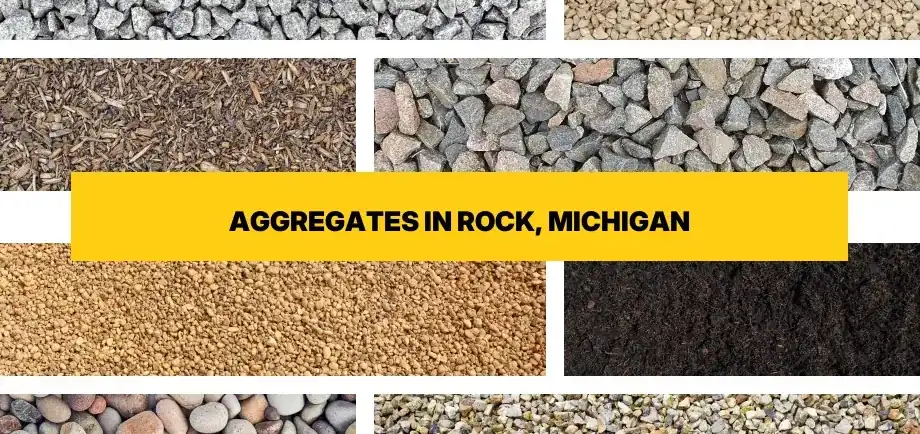
Shop Aggregates for Delivery in Rock
Order online for free delivery to any Rock address.


Gravel Monkey brings professional aggregate delivery directly to Rock, Michigan, serving property owners throughout Delta County and the Upper Peninsula. Whether you're improving a rural driveway near Ensign, creating drainage solutions for properties near the Whitefish River, or building foundations in areas prone to frost heave, we deliver premium aggregates to your location with absolutely free delivery. Our materials are specifically selected to handle the challenging soil conditions and extreme seasonal changes that define construction and landscaping in the Upper Peninsula region.
Complete Aggregate Selection for Rock, MI Projects
Rock sits in a unique geological area where glacial deposits, clay-rich soils, and proximity to Lake Michigan create specific material requirements for residential and commercial projects. Our comprehensive inventory addresses every challenge presented by Upper Peninsula construction:
- Driveway Gravel - Essential base material engineered for Michigan's freeze-thaw cycles
- 3/4 inch Crushed Stone - Versatile aggregate for foundations, driveways, and drainage systems
- #57 Stone - Angular rock ideal for French drains and concrete applications
- Crusher Run - Superior compaction material for stable bases throughout Delta County
- Road Base - Heavy-duty foundation for rural roads and parking areas
- Drain Rock - Specialized aggregate for managing high water tables
- Pea Gravel - Smooth stone for walkways and decorative landscaping
- River Rock - Natural aesthetics for gardens and water features
- Walkway Gravel - Pathway material that drains well in high-precipitation areas
- Crushed Concrete - Eco-friendly recycled aggregate for rural applications
- Decomposed Granite - Compactable surface material for trails and patios
- Topsoil - Nutrient-rich soil for gardens and lawn establishment
- Fill Dirt - Essential for grading and elevation changes
- Mason Sand - Fine sand for masonry and soil amendment
- Playground Sand - Clean, safe sand for family recreation areas
- Washed Sand - Multi-purpose construction sand
Serving Rock and Surrounding Upper Peninsula Communities
Our delivery coverage extends throughout Delta County and the surrounding Upper Peninsula region. We regularly serve properties in these areas:
Rock and Greater Delta County: From downtown Rock to rural properties along County Road 426, we deliver aggregates throughout the immediate area. Many properties near the Sturgeon River require specialized drainage solutions, which our materials effectively address.
Ensign and Nahma: These small communities north of Rock often face similar soil challenges. Properties near Nahma and extending toward the Garden Peninsula benefit from our crusher run and road base for maintaining rural driveways and access roads.
Rapid River and Masonville: East of Rock, these communities near US-2 frequently need aggregates for residential improvements and drainage management. The clay-heavy soils common throughout this corridor make quality base materials essential for long-lasting projects.
Garden and Fayette: Properties on the Garden Peninsula face unique challenges from Lake Michigan's influence. Our drain rock and crushed stone help manage moisture and provide stable foundations despite the high water table.
Cornell and Brampton: These rural areas west of Rock require durable aggregates that can withstand heavy equipment and seasonal weight from snow accumulation. Our road base and driveway gravel excel in these demanding conditions.
Perkins and Schaffer: Communities near Perkins often require specialized aggregate solutions for agricultural access roads and property improvements. The combination of clay soils and variable topography makes proper base preparation critical.
Upper Peninsula Climate Considerations for Rock, Michigan
Rock experiences a true Upper Peninsula climate with profound implications for aggregate selection and installation. Winter temperatures regularly drop below zero degrees Fahrenheit, with January averages around 15°F. The area receives over 65 inches of annual snowfall, creating substantial freeze-thaw cycles that challenge any aggregate installation.
Spring brings significant snowmelt that can overwhelm poorly designed drainage systems. Annual precipitation exceeds 30 inches, with summer humidity from Lake Michigan creating persistent moisture challenges. These conditions make proper drainage and stable aggregate bases absolutely critical for any outdoor project in the Rock area.
The local geology consists primarily of glacial till deposited during the last ice age, creating a complex mixture of clay, silt, sand, and gravel. Underneath lies Paleozoic bedrock, but most construction occurs in the glacial overburden. This clay-rich soil expands when wet and contracts when frozen, causing significant frost heave problems. Properties near the Whitefish River and Sturgeon River corridors often deal with high water tables that compound drainage challenges.
Aggregate Applications for Upper Peninsula Properties
Driveway Construction and Repair in Delta County
Rock area driveways endure extreme conditions from heavy snow loads, plow damage, spring frost heave, and summer moisture. A proper driveway starts with excavating the clay-rich native soil to adequate depth, typically 12 to 16 inches for residential applications. The base layer should consist of road base or crusher run, materials that compact tightly and create a stable platform resistant to shifting.
The surface layer requires angular aggregate like driveway gravel or 3/4 inch crushed stone that interlocks under compaction. This surface resists rutting from vehicles and drainage from spring melt. Many Rock properties benefit from crowning the driveway center to encourage water runoff, preventing ice buildup during winter months. For rural properties with longer driveways near Ensign or Nahma, proper aggregate selection dramatically reduces maintenance costs and extends driveway life.
Drainage Solutions for High Water Tables
The combination of clay soils, high precipitation, and proximity to Lake Michigan creates persistent drainage challenges throughout Delta County. French drains installed with drain rock or #57 stone effectively intercept groundwater before it reaches foundations or creates standing water problems. These systems work year-round, handling both spring snowmelt and summer precipitation.
Properties with basement moisture problems often benefit from exterior drainage systems using angular aggregates that maintain void spaces even under soil pressure. The key is creating continuous drainage pathways that direct water away from structures toward natural drainage features or properly designed outlets. Many rural properties near Garden or Cornell require extensive drainage planning to manage seasonal water flow.
Foundation Preparation and Site Work
Building foundations in Rock requires careful attention to frost depth, which extends 42 inches below grade in Delta County. Foundation footings must sit below this depth to avoid frost heave damage. The foundation walls themselves benefit from proper drainage aggregate placement to prevent hydrostatic pressure buildup during spring thaw.
Site grading with fill dirt establishes proper drainage patterns away from structures. Topsoil placement over fill dirt creates growing medium for lawns and landscaping, but the foundation drainage layer using crushed concrete or crusher run remains the critical element protecting the structure from moisture intrusion and frost damage.
Pathway and Walkway Construction
Pedestrian surfaces around Rock properties need materials that drain quickly while providing stable footing during Michigan's unpredictable weather. Walkway gravel offers excellent drainage while creating attractive pathways between buildings and gardens. For areas receiving heavy foot traffic, decomposed granite provides a firm, compactable surface that resists erosion and stands up to snow removal.
Pea gravel creates comfortable walking surfaces for garden paths and decorative areas, though it requires edging to prevent migration. River rock serves as both functional drainage material around downspouts and decorative accent in landscaping beds. The key with any pathway material in the Upper Peninsula is ensuring adequate base preparation to prevent frost heave from creating uneven surfaces.
Aggregate Comparison for Rock, Michigan Projects
Selecting the right aggregate depends on understanding how different materials perform in Upper Peninsula conditions. This comparison helps match materials to specific applications:
| Aggregate Type | Best Applications | Compaction | Drainage | Frost Resistance |
|---|---|---|---|---|
| Driveway Gravel | Residential driveways, parking areas | Excellent | Very Good | Excellent |
| Crusher Run | Base layers, road foundations | Superior | Good | Excellent |
| 3/4" Crushed Stone | Multi-purpose base and surface | Very Good | Excellent | Excellent |
| #57 Stone | Drainage systems, concrete aggregate | Good | Superior | Excellent |
| Road Base | Heavy-duty foundations, rural roads | Superior | Good | Excellent |
| Drain Rock | French drains, foundation drainage | Moderate | Superior | Excellent |
| Pea Gravel | Pathways, landscaping, ground cover | Poor | Excellent | Good |
| Crushed Concrete | Rural driveways, temporary roads | Very Good | Good | Very Good |
| Decomposed Granite | Walkways, trails, patio bases | Excellent | Moderate | Good |
| River Rock | Decorative landscaping, erosion control | Poor | Very Good | Excellent |
Professional Installation Practices for Rock, MI
Proper installation techniques make the difference between aggregates that last decades and those requiring frequent repair. Understanding Upper Peninsula conditions helps ensure project success.
Base Preparation Fundamentals
Every aggregate project begins with proper excavation. Remove all organic material, topsoil, and unstable clay to reach firm subgrade. In Rock's clay-rich soils, this often means excavating deeper than initially planned. For driveways, minimum excavation depth should be 12 inches, with 16 to 18 inches preferred for areas receiving heavy vehicle traffic.
Install landscape fabric or geotextile over the prepared subgrade to prevent aggregate migration into soft soils below. This separation layer is especially critical in Delta County where clay soils can pump up through aggregate under repeated loading. The geotextile maintains aggregate integrity and prevents the base from gradually sinking into soft subgrade.
Compaction Requirements
Mechanical compaction is non-negotiable for structural aggregate applications. A plate compactor works well for residential projects, while larger vibratory rollers suit commercial work or extensive driveways. Install aggregate in 4-inch lifts, compacting each layer before adding the next. This technique creates uniform density throughout the base and prevents differential settling.
Pay particular attention to edges and perimeter areas where compaction is most difficult. These zones experience the highest failure rates when insufficiently compacted. In Rock's freeze-thaw environment, poorly compacted edges quickly deteriorate, creating maintenance headaches and shortened project life.
Drainage Integration
Every aggregate installation should include drainage planning. Crown driveways and parking areas to direct water toward edges. Install French drains or swales at strategic locations to intercept water before it saturates the aggregate base. Near Rapid River or properties close to Lake Michigan, aggressive drainage systems may be necessary to manage high water tables.
Consider installing perforated pipe wrapped in drain rock along driveway edges or foundation perimeters. These systems capture water efficiently and direct it to suitable outlets, preventing the moisture accumulation that leads to frost heave and base failure during Upper Peninsula winters.
Seasonal Project Planning in Delta County
Rock's extreme seasonal variations create distinct windows for optimal aggregate installation. Planning projects around weather patterns improves outcomes and reduces complications.
Spring Installation Challenges
Spring brings abundant moisture as snowpack melts throughout Delta County. Ground conditions remain saturated well into May, making excavation difficult and compaction nearly impossible. Wait until soil dries sufficiently before beginning aggregate projects. Installing materials over saturated subgrade traps moisture beneath the aggregate, creating frost heave problems the following winter.
Summer and Fall: Prime Installation Seasons
Late spring through fall offers ideal conditions for aggregate work in Rock. Dry, warm weather allows proper excavation, compaction, and curing. Target June through September for major projects. Early October can work if weather cooperates, but be prepared for sudden temperature drops that can complicate finishing work.
Winter Considerations
Frozen ground makes excavation extremely difficult from November through March. However, winter is excellent for planning projects and securing material quotes. Emergency repairs using crushed concrete or driveway gravel can address immediate problems, though proper installation must wait for spring thaw.
Calculating Aggregate Quantities
Accurate material estimation prevents shortages and minimizes waste. Use these guidelines for Rock area projects:
Basic Calculation Formula: Length (feet) × Width (feet) × Depth (feet) ÷ 27 = Cubic yards needed
Driveway Example: A 50-foot-long by 12-foot-wide driveway with 4-inch depth requires: 50 × 12 × 0.33 = 198 cubic feet ÷ 27 = 7.3 cubic yards. Order 8 cubic yards to account for compaction and edge spillage.
Compaction Factor: Most aggregates compact 10-20% during installation. Order 15% extra to ensure adequate coverage after compaction. This is particularly important with crusher run and road base materials that compact significantly.
Depth Recommendations by Application:
- Residential driveways: 4 to 6 inches compacted depth
- Commercial parking: 6 to 8 inches compacted depth
- Walkways and paths: 3 to 4 inches compacted depth
- Foundation drainage: 6 to 12 inches around perimeter
- French drains: 12 to 18 inches in trench
Managing Rock's Unique Soil Conditions
Understanding local soil characteristics helps property owners make informed decisions about aggregate selection and installation methods. Rock sits on glacial deposits that create specific challenges requiring proper solutions.
Clay-Rich Glacial Till
The predominant soil type throughout Delta County is glacial till containing significant clay content. This material expands when wet and contracts when frozen, creating powerful forces that displace aggregate bases and damage foundations. The clay also retains moisture, preventing proper drainage and creating saturated conditions that worsen frost heave.
Combat these effects by excavating clay soils to adequate depth and replacing with properly compacted aggregates. The goal is creating a stable, free-draining base that resists movement despite seasonal moisture and temperature changes. Properties near Ensign and Nahma with particularly heavy clay benefit from deeper excavation and thicker aggregate bases.
High Water Table Management
Areas near the Whitefish River, Sturgeon River, and other water features often have water tables within feet of the surface. Spring snowmelt and heavy summer rains raise water levels further, creating saturated conditions that undermine aggregate stability. French drains using drain rock or #57 stone intercept groundwater before it reaches critical areas.
Perimeter drains around foundations protect structures from moisture intrusion while lowering the effective water table beneath driveways and hardscaped areas. Route collected water to natural drainage features or create appropriately sized retention areas that allow gradual infiltration without creating erosion problems.
Frost Depth and Heave Prevention
Delta County's 42-inch frost depth creates substantial forces during freeze-thaw cycles. Water trapped in fine-grained soils expands upon freezing, lifting anything above it. Proper aggregate bases using angular materials prevent moisture accumulation while providing stable platforms that resist frost movement.
The key is using materials that drain freely while interlocking under compaction. Crusher run, road base, and driveway gravel all meet these criteria. Avoid materials that trap water or don't compact well, as they worsen frost heave rather than preventing it.
Frequently Asked Questions About Gravel in Rock, Michigan
We deliver driveway gravel, crushed stone in multiple sizes, pea gravel, river rock, crusher run, road base, drain rock, recycled concrete, topsoil, fill dirt, and various sand types throughout Rock and the surrounding Upper Peninsula communities.
Yes! Gravel Monkey offers FREE delivery to Rock and the surrounding Michigan area for all gravel and aggregate orders. We proudly serve Delta County and neighboring communities.
The amount depends on your project dimensions. For driveways, calculate length times width times depth in feet. A typical driveway needs 3 to 4 inches of gravel depth. Our team can help you calculate the exact amount for your Upper Peninsula property.
For Rock area driveways, we recommend crushed stone, driveway gravel, or crusher run. These materials compact well, provide excellent drainage for heavy snowmelt, and withstand the freeze-thaw cycles common in Delta County.
Absolutely. Our drain rock and number 57 stone are specifically designed for drainage solutions. These materials are essential for managing the high water table and heavy precipitation common near Lake Michigan and the Upper Peninsula region.
Rock sits on glacial till and clay-rich soils that retain moisture and experience significant frost heave during winter. Quality base aggregates and proper drainage are essential for stable driveways and foundations in this region.
Yes, we deliver throughout Delta County including rural properties near Ensign, Nahma, Garden, and Rapid River. Free delivery applies to the entire Rock area and surrounding Upper Peninsula communities.
For Rock area gardens, mason sand works well for amending heavy clay soils and improving drainage. Combined with quality topsoil, it creates ideal growing conditions despite the challenging Upper Peninsula climate.
Professional Aggregate Delivery Throughout Rock, Michigan
Gravel Monkey combines extensive material knowledge with reliable delivery service to support residential and commercial projects throughout Delta County and the greater Upper Peninsula. Our team understands the unique challenges presented by Rock's climate, geology, and soil conditions, helping customers select appropriate aggregates for long-lasting results.
From rural driveways near Cornell to foundation drainage in Garden, from pathway materials in Rapid River to heavy-duty road base near Ensign, we deliver the quality aggregates your project demands. Free delivery throughout the Rock area ensures your materials arrive when needed, where needed, ready to install.
Our inventory addresses every aggregate need from decorative landscaping to structural foundations. Whether you're managing seasonal drainage challenges, building new construction, or maintaining existing properties, we supply the materials and expertise that make Upper Peninsula projects successful. Contact us today to discuss your project requirements and experience the difference professional aggregate supply makes in Rock, Michigan.

Need help? Reach out for a quote: