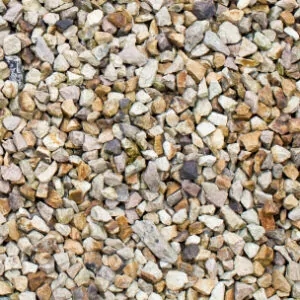
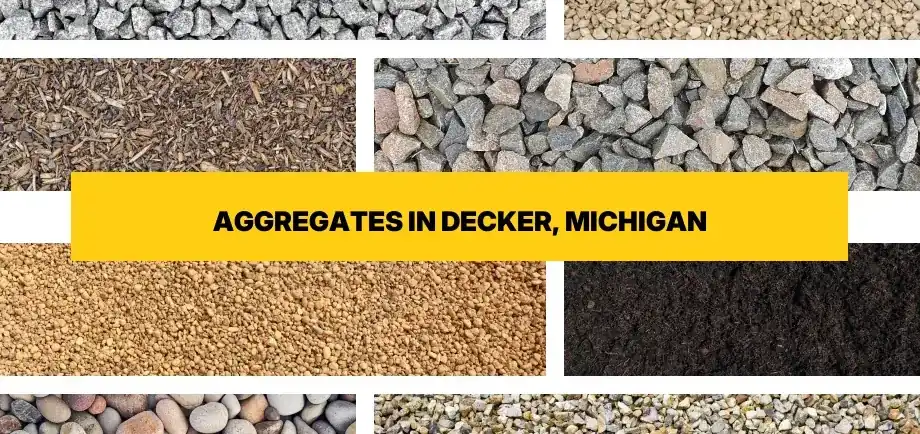
Buy Bulk Aggregates & Gravel in Decker, Michigan
Local Topsoil, Dirt, Sand, Rocks and Gravel near me in Decker, Michigan
Shop Aggregates for Delivery in Decker
Order online for free delivery to any Decker address.
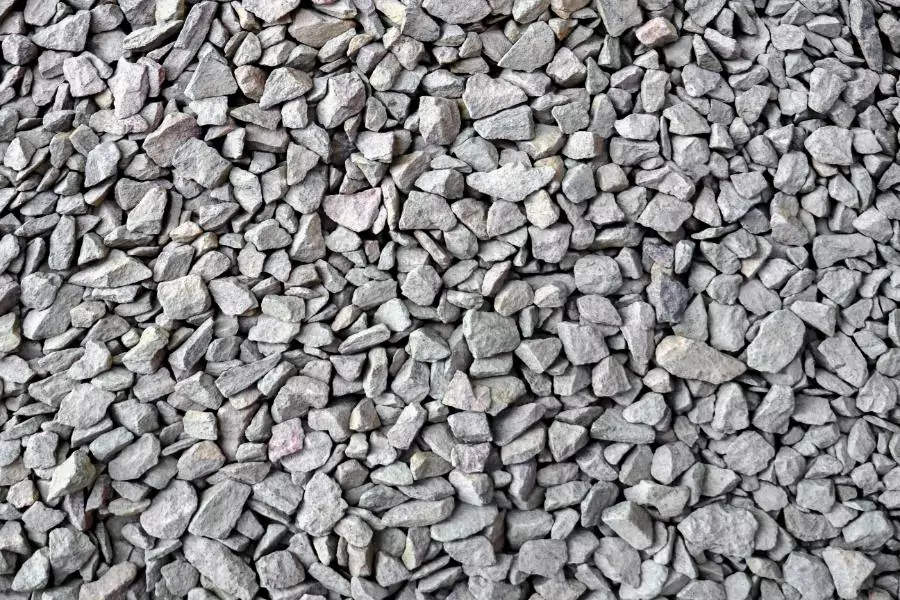
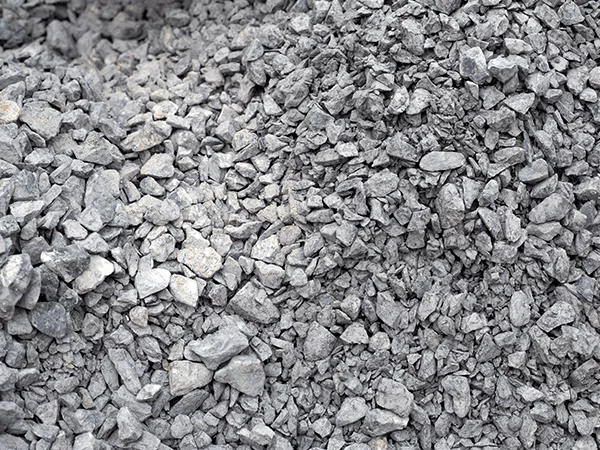


Gravel Monkey is your trusted source for premium gravel and aggregate delivery in Decker, Michigan. Serving the heart of Sanilac County and the Michigan Thumb region, we provide high-quality aggregates for agricultural, residential, and commercial projects. Whether you're maintaining a farm lane near Snover, building a new driveway in Deckerville, or managing drainage on rural property throughout the area, we deliver the materials you need directly to your Decker location with absolutely free delivery.
Understanding the unique challenges of Michigan clay soils and the demanding freeze-thaw cycles of Thumb area winters, we supply aggregates specifically suited to local conditions. From compactable bases for long farm roads to drainage solutions for spring thaw management, our materials are selected to perform in Decker's continental climate.
Complete Range of Aggregates and Materials in Decker, MI
At Gravel Monkey, we stock a comprehensive inventory of aggregates, gravel, sand, and soil products for every type of project in Sanilac County. Our materials are delivered fresh and ready for immediate use on your Decker property.
- Driveway Gravel - Durable aggregate base perfect for Michigan driveways and farm lanes
- 3/4 Inch Crushed Stone - Versatile crushed aggregate for foundations and drainage
- #57 Stone - Standard crushed stone for French drains and concrete work
- Crusher Run - Compactable aggregate base ideal for roads and parking areas
- Road Base - Heavy-duty aggregate for farm roads and access drives
- Pea Gravel - Smooth decorative aggregate for walkways and landscaping
- River Rock - Natural stone for aesthetic landscaping projects
- Walkway Gravel - Decorative aggregate for garden paths and outdoor spaces
- Drain Rock - Specialized aggregate for drainage systems and French drains
- Crushed Concrete - Eco-friendly recycled aggregate for base applications
- Topsoil - Nutrient-rich soil for gardens, lawns, and agricultural use
- Fill Dirt - Quality fill for grading, leveling, and construction projects
- Mason Sand - Fine sand for masonry work and concrete mixing
- Playground Sand - Safe, clean sand for play areas
- Washed Sand - Clean sand for multiple construction applications
- Decomposed Granite - Natural pathway material that compacts beautifully
Serving Decker and Surrounding Sanilac County Communities
Our free delivery service extends throughout Decker and the entire Michigan Thumb region. We're proud to serve agricultural operations, homeowners, and contractors in communities including Snover, Sandusky, Deckerville, Marlette, and Croswell. Whether your property is located along main roads or on rural farm routes throughout Sanilac County, we navigate local roads to deliver aggregates exactly where you need them.
The Decker area's predominantly agricultural landscape means many properties require long driveways, farm lane maintenance, and effective drainage solutions. Our aggregate products are specifically selected to handle the heavy equipment traffic common on Michigan farms while managing the water flow challenges presented by the region's clay-rich soils.
Agricultural Applications for Thumb Area Farms
Decker sits in one of Michigan's most productive agricultural regions, where proper road maintenance and drainage are critical for farm operations. The heavy clay soils throughout Sanilac County can create muddy, impassable conditions during spring thaw and after heavy rains. Our crusher run and road base aggregates provide stable, compactable surfaces that withstand heavy farm equipment while promoting water drainage.
Many Decker area farmers depend on well-maintained access roads for equipment movement, grain hauling, and livestock operations. Using the right aggregate base prevents rutting, reduces maintenance costs, and ensures year-round accessibility. The key is selecting materials that compact firmly over Michigan's expansive clay soils while providing sufficient drainage to prevent frost heaving during winter months.
Understanding Decker's Soil Conditions and Climate Challenges
Decker is located in the Michigan Thumb region, characterized by heavy clay soils deposited during glacial periods. This clay-rich soil presents specific challenges for construction and road building. Clay soils have poor drainage, expand when wet, and contract during dry periods, creating an unstable base for driveways and structures without proper aggregate foundation.
The area experiences a humid continental climate with cold, snowy winters and warm, humid summers. Average winter temperatures drop well below freezing, with typical January lows around 15°F and highs near 30°F. Summer temperatures reach the 80s, with July averaging highs near 82°F. Annual precipitation averages about 32 inches, distributed fairly evenly throughout the year with slightly higher amounts during summer months.
Freeze-Thaw Cycles and Aggregate Selection
Michigan's freeze-thaw cycles are particularly demanding on driveways, roads, and foundations. Water trapped in soil expands as it freezes, causing frost heaving that can damage improperly constructed surfaces. This makes proper aggregate selection and installation critical for long-term durability in the Decker area.
Quality crushed stone aggregates create an effective barrier between the expansive clay subsoil and your driveway or building foundation. The angular shape of crushed stone allows particles to lock together when compacted, creating a stable base that resists movement. Additionally, the void spaces between stones provide drainage paths for water, preventing ice formation and frost heaving.
For optimal performance in Decker's climate, we recommend a minimum 6-inch base layer of compacted aggregate for driveways, with 8-10 inches preferred for areas with heavy equipment traffic. This thickness provides adequate insulation from frost penetration while ensuring proper load distribution over the clay subsoil.
| Aggregate Type | Best Applications | Drainage Rating | Compaction Quality |
|---|---|---|---|
| Crusher Run | Driveways, farm roads, parking areas | Excellent | Superior - locks tightly |
| 3/4 Inch Crushed Stone | Foundations, French drains, base layer | Excellent | Very Good |
| #57 Stone | Drainage systems, concrete aggregate | Excellent | Good |
| Road Base | Heavy traffic roads, agricultural lanes | Very Good | Superior - heavy duty |
| Drain Rock | French drains, septic fields, foundation drainage | Outstanding | Moderate |
| Pea Gravel | Decorative landscaping, pathways | Good | Poor - shifts easily |
| Crushed Concrete | Base material, temporary roads, eco projects | Very Good | Good |
| Decomposed Granite | Pathways, patios, natural landscaping | Moderate | Good when wet |
Drainage Solutions for Michigan Clay Soils
Effective drainage is perhaps the most critical consideration for any construction project in the Decker area. The heavy clay soils typical throughout Sanilac County shed water poorly, leading to standing water, basement moisture problems, and unstable driveways. Proper aggregate drainage systems are essential for managing water flow and protecting your investment.
French Drain Installation with Quality Aggregates
French drains are highly effective for redirecting water away from foundations, driveways, and low-lying areas. A properly installed French drain uses #57 stone or drain rock around a perforated pipe to collect and channel water to a suitable discharge point. The open structure of these aggregates allows water to flow freely while preventing soil infiltration that would clog the system.
For Decker properties dealing with seasonal flooding or persistent wet areas, French drains provide a permanent solution. The key is using clean, properly sized aggregates that maintain their drainage capacity over time. Our drain rock and #57 stone are washed and graded to ensure optimal performance in Michigan drainage applications.
Foundation Drainage Around Buildings
Every building in the Decker area should have proper foundation drainage to prevent basement water intrusion and foundation damage. A layer of drain rock placed against foundation walls, covered with filter fabric, and sloped away from the building provides an effective drainage plane that keeps water moving away from the structure.
This is especially important given the expansive nature of local clay soils. Wet clay exerts significant pressure against foundation walls, which can lead to cracks and structural damage over time. Maintaining dry soil conditions around foundations through proper drainage extends building life and prevents costly repairs.
Building Driveways That Last in Sanilac County
A well-constructed driveway is a significant investment that should last decades with proper installation. In the Decker area, this means understanding how to build over challenging clay soils and designing for Michigan's harsh climate. The foundation of any quality driveway is a properly prepared aggregate base.
Driveway Base Preparation
Start by removing all organic material, topsoil, and unstable clay to reach firm subgrade. In areas with particularly poor soil conditions, you may need to excavate 12-18 inches deep. The excavated area should extend several inches beyond the planned driveway width to accommodate proper edge support.
Install a geotextile fabric over the prepared subgrade. This fabric acts as a separation layer, preventing clay soil from mixing upward into your aggregate base while still allowing water drainage. This step is especially important in the Decker area where expansive clays can migrate upward, contaminating the aggregate layer and reducing its effectiveness.
Aggregate Layer Installation
Install your base aggregate in lifts (layers) of 4-6 inches, compacting each lift thoroughly with a plate compactor or roller. For residential driveways, a total base thickness of 6-8 inches is typically adequate. Agricultural lanes and driveways supporting heavy equipment should have 10-12 inches of compacted aggregate base.
Crusher run excels as a driveway base material because it contains a mix of stone sizes from dust to larger aggregate. When compacted, the fines fill voids between larger stones, creating a dense, stable surface that resists rutting and supports heavy loads. The material locks together mechanically, preventing lateral movement that causes driveway failure.
Surface Layer Options
For the wearing surface, many Decker area property owners choose crushed stone ranging from 3/8 to 3/4 inch. These materials provide a stable, attractive surface that's easy to maintain with occasional grading. The angular nature of crushed stone prevents it from rolling away like rounded gravel, maintaining surface integrity over time.
Proper crown (center height) is essential for driveway longevity. Build your driveway with a slight crown, typically 2-3% slope from center to edges, to promote water runoff. In the Decker area's clay soil conditions, standing water on driveway surfaces leads to rapid deterioration and frost damage.
Aggregate Solutions for Thumb Area Agricultural Operations
Sanilac County's agricultural heritage means many Decker area properties require specialized aggregate applications for farm operations. From equipment storage pads to grain bin foundations and livestock barn approaches, proper aggregate use improves farm efficiency and reduces maintenance costs.
Farm Lane Construction and Maintenance
Long farm lanes connecting buildings to public roads face unique challenges. These access routes must support heavy equipment including loaded grain trucks, tractors pulling implements, and feed delivery vehicles. Traditional gravel often fails under this stress, creating ruts and mud during wet periods.
Road base and crusher run provide superior performance for farm lane construction. These materials compact to a dense, stable surface that resists rutting even under heavy loads. The key is adequate thickness – farm lanes should have a minimum 8-inch compacted base, with 10-12 inches recommended for routes supporting the heaviest equipment.
Proper drainage alongside farm lanes extends their service life. Water standing on or near the travel surface softens the aggregate base and accelerates deterioration. Consider installing shallow ditches or swales along lane edges to direct runoff away from the roadway.
Equipment Pads and Work Areas
Designated areas for equipment parking, maintenance, and material storage benefit enormously from proper aggregate surfacing. A well-prepared aggregate pad prevents soil compaction, reduces mud, and creates a stable work surface throughout the year.
For equipment pads, excavate 8-10 inches of soil and install compacted crusher run or road base. These materials create a firm surface that supports heavy machinery while allowing water drainage. Edge the pad with larger stone or timber to maintain definition and prevent aggregate migration.
Residential Landscaping and Outdoor Living Projects
Beyond functional applications, aggregates play an important role in residential landscaping throughout the Decker area. From decorative pathways to patio bases and garden beds, the right materials enhance outdoor spaces while managing water drainage.
Creating Attractive Walkways and Paths
Garden paths and walkways benefit from properly selected aggregates that combine aesthetics with functionality. Pea gravel remains a popular choice for its smooth, rounded appearance and comfortable walking surface. Its small size and natural colors complement most landscape designs while providing excellent drainage.
For a more natural look, consider decomposed granite for pathway construction. This material compacts to create a firm, stable walking surface that feels more natural than traditional gravel. The fine texture and earth tones blend beautifully with Michigan's natural landscape, while the compacted surface remains relatively stable underfoot.
Walkway gravel offers another excellent option, combining decorative appeal with practical performance. Available in various colors and sizes, walkway gravel creates defined pathways that drain well and require minimal maintenance. Edge pathways with metal, stone, or timber borders to maintain clean lines and prevent aggregate migration into lawn areas.
Patio and Outdoor Living Space Foundations
Whether installing pavers, flagstone, or creating a gravel patio, proper base preparation determines long-term success. In Decker's clay soil conditions, adequate aggregate base is essential to prevent settling and maintain a level surface through freeze-thaw cycles.
Start with a well-compacted base of 4-6 inches of crusher run or 3/4 inch crushed stone. This layer provides stable support and drainage. Top this with a 1-2 inch layer of fine aggregate such as mason sand or fine crusher run to create a level bedding surface for pavers or stone.
Decorative Landscaping with Natural Stone
River rock adds natural beauty to landscape beds, around foundation plantings, and in decorative features. Its smooth, water-worn appearance creates visual interest while providing effective weed suppression and moisture retention in planted areas. River rock's natural colors – from grey and tan to reddish hues – complement Michigan's seasonal landscape beautifully.
For dry creek beds and water management features that handle occasional runoff, river rock provides both function and aesthetics. Layer different sizes of stone to create a natural appearance while providing adequate drainage capacity for storm water.
Seasonal Considerations for Aggregate Projects in Michigan
Timing your aggregate delivery and installation project appropriately for Michigan's seasons ensures optimal results and longevity. Each season presents unique considerations for working with aggregates in the Decker area.
Spring: Thaw Conditions and Drainage
Spring in Sanilac County brings thawing soil, increased rainfall, and challenging working conditions. This is when drainage problems become most apparent, as water has nowhere to go in saturated clay soils. Spring is an ideal time to install French drains and foundation drainage using drain rock or #57 stone, as you can clearly see where water accumulates.
However, spring's wet conditions can make driveway construction challenging. Excavation work may need to wait until soils dry sufficiently to support equipment. If you must build during wet periods, excellent drainage preparation becomes even more critical.
Summer: Optimal Construction Conditions
Summer provides ideal conditions for aggregate projects. Dry soil allows proper compaction, and good weather permits outdoor work. This is prime time for driveway construction, farm lane improvements, and landscaping projects throughout the Decker area.
Schedule aggregate delivery and installation during summer if possible. The dry conditions allow optimal compaction of base materials, ensuring maximum density and long-term stability. Just be aware that summer is peak season – order materials in advance to ensure timely delivery.
Fall: Preparing for Winter
Fall offers another good construction window before winter arrives. Completing drainage improvements and driveway work before freeze-up prevents problems during winter months. The moderate temperatures and typically dry conditions make fall ideal for aggregate projects.
Focus on drainage improvements in fall. Installing proper foundation drainage and French drains before winter prevents ice dams and foundation damage during freeze-thaw cycles. The ground is still workable, but time is limited before freezing conditions arrive.
Winter: Planning and Preparation
Winter isn't ideal for major aggregate installation, but it's perfect for planning. Use winter months to evaluate drainage issues, identify needed improvements, and plan spring projects. Mark problem areas when snow melts or ice forms – these indicate where drainage improvements are needed.
Some maintenance work remains possible during winter. You can add surface aggregate to driveways and farm lanes to improve traction and fill ruts, though compaction won't be optimal until spring thaw. Keep drainage paths clear of ice to prevent water backup when thaw begins.
Planning Your Aggregate Project: Quantities and Logistics
Successful aggregate projects start with accurate material estimation and proper planning. Understanding how to calculate quantities and coordinate delivery ensures your Decker project proceeds smoothly without delays or material shortages.
Calculating Aggregate Quantities
Most aggregate is sold by the ton or cubic yard. To estimate your needs, calculate the volume of space to fill using length x width x depth (all in feet), then divide by 27 to convert cubic feet to cubic yards. As a general rule, one cubic yard of gravel covers approximately 100 square feet at 3 inches deep.
For a typical residential driveway 12 feet wide and 100 feet long with a 6-inch base, you would need: 12 ft x 100 ft x 0.5 ft = 600 cubic feet, divided by 27 = approximately 22 cubic yards of aggregate. Always order 10-15% extra to account for compaction and irregularities in excavation depth.
Understanding Aggregate Weights and Delivery
Different aggregates have varying weights per cubic yard, affecting delivery logistics. Crushed stone typically weighs 2,700-3,000 pounds per cubic yard, while lighter materials like topsoil or fill dirt weigh less. Understanding these weights helps ensure your site can accommodate delivery trucks.
Standard dump trucks can carry 10-15 tons of material, equivalent to roughly 7-10 cubic yards of stone. Larger deliveries may require multiple loads or larger trucks. Ensure your driveway or access route can support loaded delivery trucks, and identify exactly where you want materials placed.
Site Preparation for Delivery
Prepare your Decker property for aggregate delivery by clearing the drop area and ensuring truck access. Mark utility locations, remove obstacles, and verify the delivery truck can access and exit your property safely. In rural areas, check for overhead wires, overhanging branches, and weight restrictions on private bridges.
Most deliveries are dumped from the truck's rear, so position the drop location where you can easily move material to its final destination. For large projects, consider having materials dumped in multiple locations to reduce wheelbarrow or equipment hauling distances.
Frequently Asked Questions About Aggregates in Decker, Michigan
We deliver a complete range of aggregates including driveway gravel, crushed stone, #57 stone, crusher run, pea gravel, river rock, road base, drain rock, recycled concrete, topsoil, fill dirt, and various sand types throughout Decker and the surrounding Sanilac County area.
Yes! Gravel Monkey offers FREE delivery to Decker and the surrounding Michigan Thumb region for all gravel and aggregate orders.
The amount depends on your project size. For driveways, calculate length times width times depth in feet, typically 3 to 4 inches deep. Our team can help you estimate the right amount for your specific Decker property based on the Michigan clay soils common in the area.
Crusher run and three quarter inch crushed stone are excellent choices for Decker driveways. They compact well over the clay soils typical in Sanilac County and provide excellent stability for Michigan freeze-thaw cycles.
Absolutely! We deliver to all rural properties in and around Decker, including agricultural areas throughout Sanilac County and neighboring communities like Snover, Sandusky, and Deckerville.
For Michigan clay soils common in Decker, we recommend drain rock or number 57 stone for drainage projects, crusher run for driveways and roads, and proper grading with quality fill dirt to manage water flow during spring thaw and heavy rain periods.
We typically deliver to Decker within 2 to 3 business days. During peak agricultural and construction seasons in spring and summer, we recommend ordering in advance to ensure timely delivery to your Michigan Thumb property.
Yes! We deliver mason sand and washed sand suitable for septic system installation and repair throughout the Decker area. Our sand products meet Michigan requirements for drain field construction.
Sustainable Aggregate Solutions for Michigan Properties
Environmental stewardship matters to Decker area property owners, and aggregate selection plays a role in sustainable land management. Choosing the right materials and installation methods minimizes environmental impact while maximizing project longevity.
Recycled Aggregates for Eco-Conscious Projects
Crushed concrete represents an environmentally responsible alternative to virgin stone aggregates. Produced by crushing and processing demolished concrete structures, this recycled material performs excellently as a base for driveways, farm roads, and parking areas. Using recycled concrete reduces landfill waste while providing a cost-effective, durable aggregate option.
Crushed concrete compacts well, provides good drainage, and contains residual cement that can actually strengthen over time when exposed to moisture. For Decker area properties seeking sustainable building materials, crushed concrete offers environmental benefits without sacrificing performance.
Managing Stormwater Runoff
Proper aggregate use helps manage stormwater runoff, reducing erosion and protecting water quality. Permeable surfaces created with pea gravel, river rock, or open-graded stone allow water infiltration rather than creating runoff. This approach recharges groundwater, filters pollutants, and reduces stress on drainage systems.
For properties in the Decker area with drainage challenges, consider incorporating permeable aggregate surfaces in pathways, patios, and secondary driveways. These installations manage water naturally while reducing the amount of impervious surface on your property.
Soil Conservation Through Proper Drainage
Erosion control is critical on Michigan properties, especially in agricultural areas where topsoil preservation affects productivity. Strategic use of aggregates in drainage systems and on access routes prevents soil loss while managing water flow. French drains, properly surfaced lanes, and aggregate check dams all contribute to soil conservation efforts.
The goal is directing water without allowing it to gain erosive velocity. Gentle slopes surfaced with appropriate aggregates, combined with proper drainage structures, keep soil in place while managing inevitable runoff from Michigan's substantial precipitation.
Ready to Start Your Decker Aggregate Project?
Gravel Monkey is your local source for quality aggregates, gravel, sand, and soil products throughout Decker and Sanilac County. With free delivery, expert advice, and materials suited to Michigan's demanding conditions, we make your project easier from planning through completion.
Whether you're building a new driveway, maintaining farm lanes, improving drainage, or creating attractive outdoor living spaces, we have the aggregates you need. Our knowledgeable team understands the unique challenges of working with Decker area clay soils and Michigan's freeze-thaw cycles, and we're ready to help you select the right materials for lasting results.
Our comprehensive inventory includes everything from heavy-duty road base for agricultural operations to decorative pea gravel for residential landscaping. Every load is delivered fresh, with the quality and consistency you need for professional results. We serve residential homeowners, agricultural operations, contractors, and commercial clients throughout the Michigan Thumb region.
Contact us today to discuss your project requirements, get expert material recommendations, and schedule your free delivery to Decker. With proper aggregate selection and professional installation, your project will perform beautifully for decades through Michigan's demanding seasonal cycles.

Need help? Reach out for a quote: