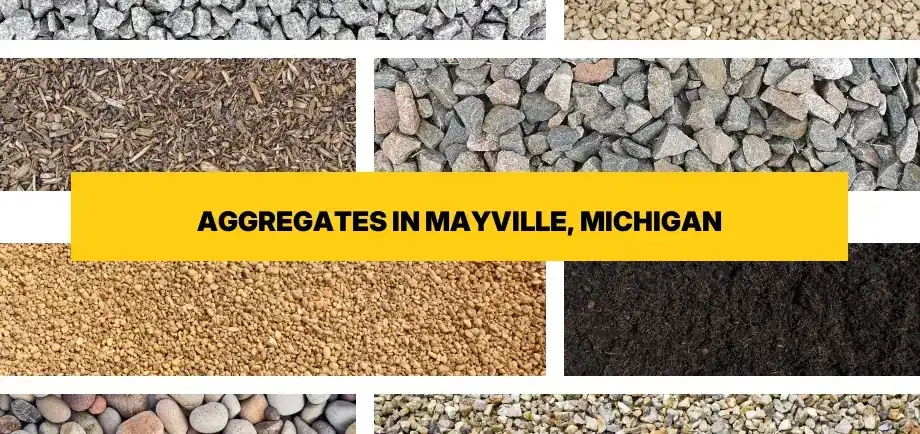
Buy Bulk Aggregates & Gravel in Mayville, Michigan
Local Topsoil, Dirt, Sand, Rocks and Gravel near me in Mayville, Michigan
Shop Aggregates for Delivery in Mayville
Order online for free delivery to any Mayville address.


Gravel Monkey is your trusted source for premium gravel and aggregate delivery in Mayville, Michigan. Serving properties throughout Tuscola County, from rural homes along Saginaw Road to farms near the village center, we deliver high-quality aggregates directly to your property with absolutely free delivery. Whether you're upgrading a country driveway, improving drainage on clay-heavy soil, or creating beautiful landscaping features, our comprehensive selection of materials meets the unique needs of Mayville properties.
Complete Aggregate Selection for Mayville Properties
Gravel Monkey offers an extensive range of aggregates and landscaping materials specifically suited for Mayville's soil conditions and climate. Our products serve residential properties, agricultural operations, and commercial projects throughout the area:
- Driveway Gravel - Durable base material perfect for long country driveways
- 3/4 inch Crushed Stone - Versatile aggregate for driveways, foundations, and pathways
- #57 Stone - Clean drainage stone ideal for French drains and septic systems
- Crusher Run - Compactable material excellent for stable base construction
- Road Base - Heavy-duty foundation for driveways and farm roads
- Drain Rock - Essential for managing water in clay soil conditions
- Pea Gravel - Decorative smooth stone for walkways and landscaping
- River Rock - Natural aesthetic for gardens and water features
- Walkway Gravel - Attractive pathways and garden borders
- Crushed Concrete - Eco-friendly recycled aggregate option
- Topsoil - Nutrient-rich soil for gardens and lawn establishment
- Fill Dirt - Quality material for grading and leveling projects
- Mason Sand - Fine sand for masonry and construction work
- Playground Sand - Safe, clean sand for children's play areas
- Washed Sand - Clean sand for various applications
- Decomposed Granite - Natural compacting material for trails and patios
Understanding Mayville's Soil and Geology
Mayville sits in Tuscola County's agricultural heartland, characterized by predominantly clay-rich soils that present unique challenges for property owners. The area features Pewamo clay loam and Blount loam soil types, which are highly fertile for farming but can create drainage issues and unstable surfaces for driveways and structures. These dense clay soils expand when wet and contract during dry periods, making proper aggregate selection and drainage solutions essential for any construction or landscaping project.
The region's glacial history left behind deep clay deposits mixed with occasional sandy lenses. During spring thaw and periods of heavy rainfall—Mayville receives approximately 32 inches of precipitation annually—water moves slowly through these tight soils, creating pooling and muddy conditions. Properties along Saginaw Road, Fostoria Road, and throughout the Mayville village area benefit significantly from proper drainage systems using appropriate aggregates. Understanding these geological factors helps homeowners choose materials that will perform optimally for decades.
Climate Factors Affecting Aggregate Projects in Mayville
Mayville experiences a typical Michigan continental climate with cold, snowy winters and warm, humid summers. Winter temperatures frequently drop below 20°F, with significant snowfall from December through March. The freeze-thaw cycles common to this region are particularly hard on driveways and roadways, making material selection critical for longevity. Aggregates that allow proper drainage and resist frost heave perform best in these conditions.
Spring typically brings the most challenging conditions for Mayville properties. As frost leaves the ground and snow melts, the clay soil becomes saturated, creating soft, unstable conditions. Many rural driveways become nearly impassable during this "mud season," which typically runs from late March through April. Summer temperatures average in the mid-70s to low-80s, providing ideal conditions for aggregate installation projects. Fall, with its cooler temperatures and generally drier conditions, represents another excellent season for driveway and drainage work throughout the Mayville area.
Serving All Mayville Area Communities
Gravel Monkey proudly delivers throughout Mayville and surrounding Tuscola County communities. Our service area includes:
- Downtown Mayville - Historic village center with residential and commercial properties
- Saginaw Road Corridor - Rural residential and agricultural properties along the main thoroughfare
- Fostoria Road Area - Farm properties and country homes with long driveways
- East Mayville Street - Established residential neighborhood near the village
- Colwood - Small community northeast of Mayville proper
- Silverwood - Nearby farming community to the east
- Kingston - Adjacent village to the northwest
- Clifford - Small town to the south in Lapeer County
We also serve properties near the Cass River watershed and throughout the surrounding agricultural areas where long driveways and rural properties require quality aggregate materials.
| Aggregate Type | Best Applications | Drainage Quality | Mayville Soil Match |
|---|---|---|---|
| Driveway Gravel | Residential driveways, farm roads | Good | Excellent for clay |
| Crusher Run | Base layer, compactable surfaces | Moderate | Ideal foundation |
| Road Base | Heavy-duty driveways, parking areas | Good | Superior stability |
| #57 Stone | French drains, septic systems | Excellent | Perfect drainage |
| 3/4 inch Crushed Stone | Driveways, foundations, paths | Very Good | Versatile choice |
| Drain Rock | Drainage solutions, wet areas | Excellent | Essential for clay |
| Pea Gravel | Walkways, decorative landscaping | Good | Surface applications |
| River Rock | Garden beds, erosion control | Good | Decorative uses |
Driveway Solutions for Mayville Properties
Rural properties in Mayville often feature long driveways that require substantial aggregate materials to maintain year-round access. The combination of heavy clay soil and Michigan's freeze-thaw cycles creates specific challenges that proper aggregate selection can solve effectively. A well-constructed driveway in the Mayville area typically requires a multi-layer approach to achieve lasting results.
Proper Driveway Construction Layers
The foundation layer should consist of compactable material that creates a stable base even in clay soil conditions. Many Mayville properties benefit from starting with a geotextile fabric over the existing ground, especially in soft or wet areas. This fabric prevents the base aggregate from mixing with the clay soil below, maintaining structural integrity over time.
For properties along Fostoria Road and throughout the agricultural areas, the base layer often uses 6-8 inches of material. This substantial base accommodates the soil expansion and contraction that occurs with seasonal moisture changes. The surface layer provides the wearing course that vehicles directly contact, typically requiring 3-4 inches of appropriate material that resists rutting and displacement.
Managing Drainage in Clay Soil
Proper drainage represents perhaps the most critical factor for driveway longevity in Mayville. The dense clay soils common throughout the area shed water slowly, allowing it to pool on or beneath driveway surfaces. Installing drainage solutions alongside aggregate driveways prevents the erosion and washout that occurs during spring thaw and heavy rain events.
Many successful Mayville driveways incorporate crown shaping—building the center slightly higher than the edges—to encourage water runoff. Where driveways run through particularly wet areas or low spots, installing culverts or drainage ditches becomes necessary. Properties near the Cass River or in naturally low-lying areas benefit tremendously from these engineered drainage solutions combined with proper aggregate selection.
Seasonal Aggregate Project Planning
Timing your aggregate project properly in Mayville's climate can significantly impact results and longevity. Each season presents different advantages and challenges for installation work.
Spring Project Considerations
While spring's arrival brings the desire to start outdoor projects, it often represents the most challenging season for aggregate work in Mayville. As frost leaves the ground, typically in late March through April, the clay soil becomes saturated and unstable. Many property owners wait until late May or early June when soils have dried sufficiently to support equipment and allow proper compaction. However, spring is an excellent time for planning and material estimation.
Summer: Peak Installation Season
Summer offers the most favorable conditions for aggregate projects throughout Mayville. Dry soil conditions allow equipment access, proper compaction, and immediate usability of newly installed driveways or paths. July and August provide the most reliable weather windows, though occasional thunderstorms can create temporary delays. The firm ground conditions also reduce the risk of ruts from delivery trucks, protecting existing lawn areas.
Fall: The Second-Best Window
Many experienced contractors and property owners prefer fall for aggregate projects in Mayville. September and October typically bring cooler temperatures with less rainfall than spring, creating ideal working conditions. The soil has dried from summer but hasn't yet frozen, allowing excellent compaction. Additionally, completing driveway work before winter ensures proper settling and readiness for snow removal equipment. Fall projects also avoid the spring rush, often providing better contractor availability.
Winter Work Limitations
Winter aggregate delivery and installation faces obvious challenges in Mayville. Frozen ground prevents proper excavation and compaction, and snow cover complicates layout and grading. However, winter can work for certain applications, such as adding surface material to existing driveways showing wear, or stockpiling materials for spring installation. Many property owners use winter months for project planning and material selection.
Aggregate Solutions for Agricultural Properties
Mayville's agricultural heritage means many properties require specialized aggregate applications beyond typical residential needs. Farm driveways see significantly heavier traffic than residential drives, including grain trucks, tractors, and equipment haulers that can weigh 40 tons or more when fully loaded. These applications demand robust base construction and surface materials that resist rutting under heavy loads.
Barnyard areas present unique challenges as they experience constant traffic, equipment parking, and exposure to agricultural chemicals and animal waste. Many Mayville farms use thick layers of base material topped with compacted surface aggregates to create all-weather work areas. Proper drainage around barns and equipment sheds prevents the mud and standing water that damages equipment and creates hazardous working conditions.
Field access roads require materials that provide traction and stability while remaining cost-effective for longer distances. Many agricultural operations use economical options for less-traveled access roads while investing in premium materials for high-traffic areas. The key is creating surfaces that remain passable during spring planting and fall harvest when time-sensitive operations cannot wait for ideal ground conditions.
Residential Landscaping with Aggregates
Beyond driveways and functional applications, aggregates enhance Mayville properties through attractive landscaping features. The village's established neighborhoods along East Mayville Street and throughout the residential areas showcase how aggregates create beautiful, low-maintenance outdoor spaces.
Garden Pathways and Borders
Attractive pathways connect different areas of your property while providing dry footing even after rain. The smooth texture and natural colors work beautifully in flower gardens and around established plantings. For more formal garden designs, combinations of different aggregate sizes and colors create visual interest and clearly defined spaces.
Water Management Features
Mayville's clay soil makes water management essential for successful landscaping. Dry creek beds using larger aggregates provide attractive solutions for directing runoff from downspouts and low areas. These features combine practical drainage function with aesthetic appeal, working especially well in naturalistic landscape designs. Around foundation walls, properly installed aggregate beds prevent water from pooling against structures while eliminating muddy splash-back that stains siding.
Low-Maintenance Ground Covers
Areas that struggle to maintain grass growth, such as deep shade under mature trees or areas with poor drainage, often benefit from aggregate ground covers. These applications eliminate the ongoing maintenance of mowing, fertilizing, and weed control while creating clean, finished appearances. Many Mayville properties use aggregates in side yards, around air conditioning units, and in other functional areas where grass proves impractical.
Critical Drainage Solutions for Clay Soil
Mayville's predominant clay soils make proper drainage absolutely essential for any aggregate project's success. Clay's poor permeability means water cannot absorb quickly, leading to surface runoff, pooling, and erosion issues that undermine driveways, foundations, and landscaping investments.
French Drain Systems
French drains represent the gold standard for managing subsurface water in clay soil conditions. These systems use perforated pipe surrounded by drainage aggregate in a trench, collecting and redirecting water away from problem areas. Properties throughout the Saginaw Road corridor and residential areas use French drains to protect foundations, prevent basement water intrusion, and dry out chronically wet lawn areas.
Proper French drain installation in Mayville's clay soil requires adequate depth—typically 18-24 inches—to reach below frost penetration depth. The trench must slope consistently toward the discharge point, usually at least 1 inch per 10 feet. Wrapping the aggregate and pipe in geotextile fabric prevents clay particles from clogging the system over time, ensuring decades of reliable service.
Surface Drainage Strategies
Surface water management prevents the erosion and washout that occurs during heavy rain or spring snowmelt. Swales—shallow vegetated channels—work alongside aggregate driveways to catch and redirect runoff. Many Mayville properties incorporate these natural-looking features that blend into the landscape while providing critical water management.
For properties with significant slope, installing culverts or cross-drains prevents water from channeling down driveways and creating deep ruts. These systems capture water at strategic points and direct it to safe discharge locations, protecting the aggregate investment and maintaining driveway integrity through all weather conditions.
Commercial and Municipal Aggregate Applications
Mayville's business district and municipal facilities require aggregate materials that withstand intensive use while maintaining professional appearances. Commercial parking areas see constant vehicle traffic and must remain accessible in all weather conditions. The proper combination of base materials and surface aggregates creates durable surfaces that minimize maintenance requirements and maximize property value.
Local businesses along Main Street and throughout the village benefit from attractive aggregate applications that enhance curb appeal while providing functional surfaces for customer parking and equipment access. The village itself uses quality aggregates for maintaining park facilities, walking trails, and municipal infrastructure that serves residents throughout the year.
Successful Installation Best Practices
Achieving optimal results from your aggregate investment requires proper installation techniques suited to Mayville's specific conditions. While professional installation ensures the best outcomes, understanding these principles helps property owners make informed decisions and oversee their projects effectively.
Site Preparation
Proper preparation begins with removing vegetation, roots, and organic topsoil from the work area. In Mayville's clay soil, excavating to adequate depth and achieving proper grade proves essential. Many projects benefit from removing 12-18 inches of native soil, replacing it with properly compacted base materials. This approach creates stable foundations that won't fail when clay soil beneath expands and contracts with moisture changes.
Compaction Requirements
Compaction might be the single most important factor determining project longevity. Each layer of aggregate requires proper compaction using appropriate equipment—typically a vibratory plate compactor for thinner layers or a drum roller for thicker applications. Proper compaction prevents settling, rutting, and premature failure. In Mayville's environment, compacting in 4-6 inch lifts rather than thick single layers achieves better results.
Edge Restraint
Preventing aggregate migration at driveway and path edges maintains clean appearances and prevents material loss. Options include treated timber edging, concrete curbing, or simply compacting aggregate firmly against stable soil banks. Properties throughout Mayville use various edge treatments based on aesthetic preferences and functional requirements.
Maintaining Your Aggregate Investment
Proper maintenance extends the life of aggregate installations and maintains their functional and aesthetic qualities. Fortunately, aggregate surfaces require relatively minimal upkeep compared to asphalt or concrete alternatives, making them particularly practical for Mayville's rural properties.
Regular Surface Maintenance
Driveways and parking areas benefit from periodic regrading to maintain proper crown and drainage patterns. Spring typically reveals areas where winter plowing or frost heave has displaced material. A simple pass with a grading blade or landscape rake restores smooth surfaces and proper drainage. Many Mayville property owners perform this maintenance annually, typically in April or May after winter damage becomes apparent.
Weed Control
While aggregate surfaces resist weed growth better than bare soil, some maintenance prevents vegetation from gaining foothold. Pre-emergent herbicides applied in spring prevent most weed issues. For existing weeds, spot treatment with appropriate herbicides or manual removal keeps surfaces clean. Proper base installation with geotextile fabric dramatically reduces weed problems throughout the aggregate surface.
Replenishment Needs
Over time, surface materials gradually work into the base layer or migrate off edges, requiring periodic replenishment. Most Mayville driveways need fresh surface material every 3-5 years, though this varies with traffic levels and material type. Adding a thin layer of fresh material restores appearance and function, representing an economical maintenance approach compared to complete reconstruction.
Environmental Advantages of Aggregate Surfaces
Aggregate surfaces offer significant environmental benefits compared to impervious paving options. Their porous nature allows rainwater and snowmelt to infiltrate rather than running off directly into drainage systems. This natural filtration reduces pollutant loads reaching local waterways, including the Cass River watershed that influences local ecology.
Permeable aggregate surfaces help manage stormwater on-site, reducing the burden on municipal drainage systems and decreasing flooding risks downstream. In Mayville's agricultural setting, this benefit extends to reducing nutrient runoff from nearby farm fields. The light color of most aggregates also reduces heat island effects compared to dark asphalt surfaces, keeping properties cooler during summer months.
Recycled options provide additional environmental advantages by diverting waste materials from landfills while offering cost-effective alternatives to virgin aggregates. These sustainable choices appeal to environmentally conscious Mayville property owners seeking to minimize their projects' ecological footprints.
Understanding Aggregate Project Costs
Aggregate projects in Mayville typically cost significantly less than comparable asphalt or concrete installations, making them attractive for rural properties with long driveways or extensive surfacing needs. Several factors influence total project costs, helping property owners budget effectively and make informed material choices.
Material costs vary based on aggregate type, quantity needed, and current market conditions. Base materials generally cost less per ton than decorative surface options. The free delivery offered by Gravel Monkey throughout Mayville eliminates a significant expense that other suppliers charge, improving overall project affordability.
Installation labor, if hiring contractors, represents a substantial project component. However, many Mayville property owners with appropriate equipment handle installation themselves, particularly for straightforward applications like driveway resurfacing or pathway creation. Site preparation requirements also influence costs—properties needing extensive excavation, drainage improvements, or existing material removal see higher expenses than simpler overlay applications.
Frequently Asked Questions About Gravel and Aggregates in Mayville
For Mayville's heavy clay soils, materials that compact well and provide excellent drainage work best. Crusher run creates ideal base layers, while road base offers superior heavy-duty foundations. For drainage applications, 57 stone and drain rock perform exceptionally well. The key is choosing materials appropriate for your specific application—base layers need compactability while drainage layers need porosity. Our team helps Mayville property owners select materials matched to their soil conditions and project requirements.
Most Mayville driveways require 6-8 inches of compacted base material for residential use, with an additional 3-4 inches of surface material. Properties with particularly soft or wet clay soil may benefit from deeper bases of 10-12 inches. Agricultural driveways supporting heavy truck traffic often need 12-18 inches of base. The depth also depends on whether you're building on undisturbed ground or replacing existing material. Properties along Fostoria Road and throughout agricultural areas typically require more substantial bases due to soil conditions and traffic patterns.
Late spring through fall offers the best conditions for aggregate projects in Mayville. Late May through October provides dry soil conditions that allow proper compaction and equipment access. Summer months, particularly July and August, offer the most reliable weather. Early fall, especially September and October, combines favorable weather with less contractor demand than spring. Avoid installation during spring mud season when saturated clay soil prevents proper compaction and equipment causes excessive ground disturbance.
Calculate volume by multiplying length times width times depth in feet, then divide by 27 to convert cubic feet to cubic yards. For example, a 200-foot driveway that's 12 feet wide needing 4 inches of material equals 200 x 12 x 0.33 feet divided by 27, or approximately 29 cubic yards. Different materials have different densities and coverage rates, so conversion to tons varies by material type. Our team provides accurate estimates specific to your Mayville project, accounting for material type, compaction factors, and your property's specific conditions.
Yes, properly installed aggregate driveways perform excellently in Michigan winters and handle snow plowing well. The key is adequate base depth and proper compaction that prevents frost heave. Aggregate surfaces don't crack like concrete or develop potholes like asphalt, making them ideal for Mayville's freeze-thaw cycles. When plowing, adjust blade height slightly to avoid scraping up surface material. Many Mayville residents prefer aggregate driveways specifically because they handle winter conditions so reliably while requiring minimal maintenance.
In many cases, yes, you can install new aggregate over existing surfaces if they're relatively stable. Over old gravel or aggregate driveways, adding fresh material often works perfectly. Over deteriorated asphalt or concrete, you may install aggregate if the existing surface provides adequate base, though removing severely broken pavement usually produces better long-term results. For Mayville's clay soil conditions, ensuring proper drainage beneath any overlay proves essential. We help evaluate your existing surface and recommend the best approach for lasting results.
Proper base construction and drainage prevent spring mud problems in Mayville's clay soil. Start with adequate base depth—at least 6-8 inches of compacted material. Install geotextile fabric between the clay soil and base aggregate to prevent mixing. Crown your driveway so water runs off edges, and ensure side ditches or swales carry water away. In chronically wet areas, installing French drains alongside the driveway captures subsurface water before it reaches the surface. Proper installation prevents the mud issues that plague many Mayville driveways during spring thaw.
Crushed stone features angular edges that lock together when compacted, creating stable driving surfaces that resist rutting. Pea gravel consists of smooth, rounded stones that don't compact as firmly and tend to shift under vehicle traffic. For Mayville driveways, crushed stone varieties provide far superior performance. Pea gravel works beautifully for walkways, landscaping, and decorative applications where compaction and stability matter less. Most successful Mayville driveways use crushed stone for the base and wearing surface, reserving pea gravel for pedestrian paths and garden features.
Professional Aggregate Delivery Throughout Mayville
Gravel Monkey serves all of Mayville, Michigan and surrounding Tuscola County with premium aggregate materials and free delivery. Whether you're maintaining a farm operation along Saginaw Road, upgrading a residential driveway near downtown Mayville, or creating beautiful landscaping features in Colwood, we provide the quality materials and expertise your project demands. Our extensive selection ensures you'll find exactly the right aggregates for your specific application, soil conditions, and budget.
Understanding Mayville's unique clay soil challenges and climate conditions, we help property owners select materials that deliver lasting performance and value. From initial material selection through delivery scheduling, our team ensures your project receives the attention and expertise it deserves. Experience the difference that quality aggregates and professional service make for your Mayville property.

Need help? Reach out for a quote: