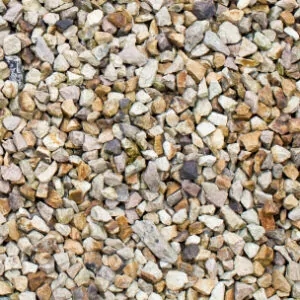
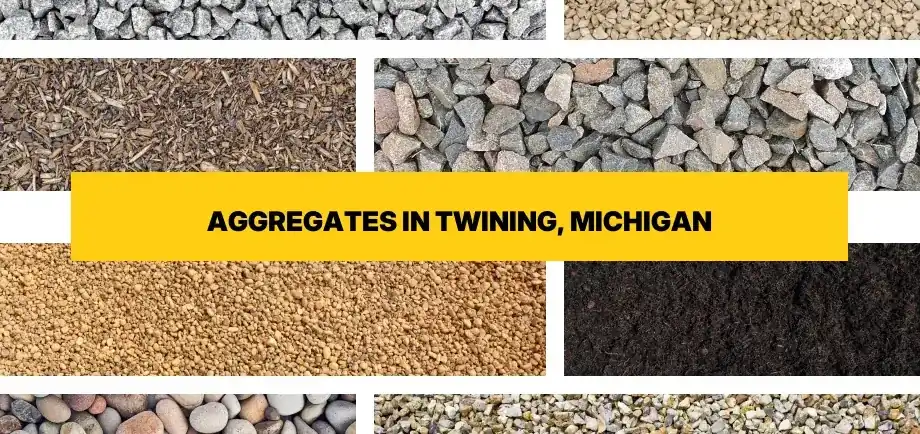
Rock & Driveway Gravel in Twining, Michigan
Local Topsoil, Dirt, Sand, Rocks and Gravel near me in Twining, Michigan
Shop Aggregates for Delivery in Twining
Order online for free delivery to any Twining address.
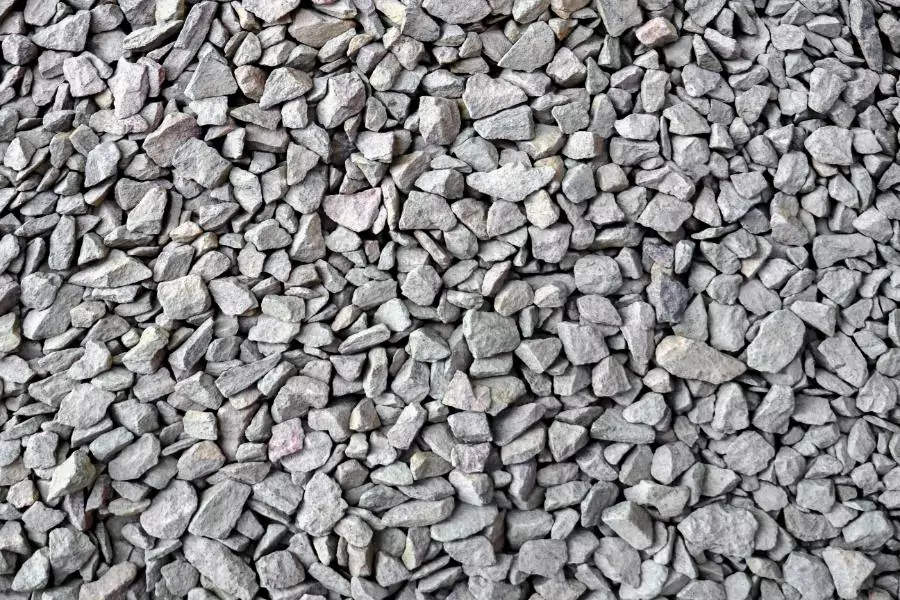
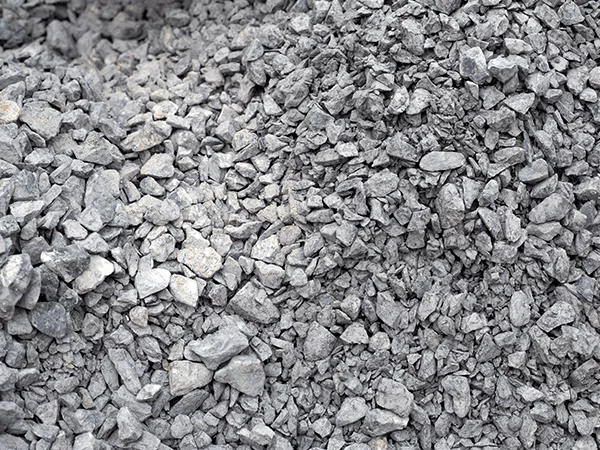


Gravel Monkey is your trusted source for premium aggregates and landscaping materials in Twining, Michigan. Serving Arenac County and the surrounding areas near the Rifle River and Au Gres River, we deliver high-quality gravel, crushed stone, and specialty aggregates directly to your property with free delivery. Whether you're improving a rural driveway along Deep River Road, establishing drainage near Twining Lake, or building foundations in the agricultural areas surrounding town, our comprehensive selection of aggregates meets every residential, commercial, and agricultural need.
Complete Aggregate Selection for Twining Projects
Our extensive inventory includes every type of aggregate material needed for northeastern Michigan projects. From compactable base layers to decorative landscaping stone, we supply properties throughout Twining, Turner, and surrounding Arenac County communities:
- Driveway Gravel - Durable aggregate designed for Michigan's challenging climate
- 3/4 inch Crushed Stone - Versatile aggregate for driveways, foundations, and base layers
- #57 Stone - Standard drainage aggregate for construction applications
- Crusher Run - Compactable mix perfect for stable base layers
- Road Base - Heavy-duty aggregate for rural roads and driveways
- Drain Rock - Angular aggregate for French drains and drainage systems
- Pea Gravel - Smooth, rounded aggregate for decorative landscaping
- River Rock - Natural stone in various sizes for aesthetic appeal
- Walkway Gravel - Attractive aggregate for garden paths and walkways
- Crushed Concrete - Eco-friendly recycled aggregate for cost-effective projects
- Topsoil - Nutrient-rich soil for gardens and lawn establishment
- Fill Dirt - Grading material for leveling and site preparation
- Mason Sand - Fine sand for masonry and construction
- Playground Sand - Clean, safe sand for play areas
- Washed Sand - Cleaned sand for multiple applications
- Decomposed Granite - Natural aggregate for paths and landscaping
Understanding Twining's Unique Aggregate Needs
Twining's location in northeastern Michigan presents specific challenges that require careful aggregate selection. The region's sandy loam soils, combined with areas of clay-based soil near the Rifle River watershed, demand aggregates that provide both stability and drainage. Winter temperatures averaging 15-20°F and summer highs reaching 80°F create significant freeze-thaw cycles that impact aggregate performance.
Properties near Twining Lake and along the Rifle River bottomlands often deal with seasonal water tables and spring flooding. These conditions make proper drainage aggregates essential for long-term project success. The agricultural character of Arenac County means many properties require heavy-duty aggregates capable of supporting farm equipment and commercial vehicles throughout Michigan's variable weather patterns.
Climate and Geological Considerations
Arenac County receives approximately 30-32 inches of annual precipitation, with significant snowfall averaging 40-50 inches per winter. This moisture, combined with the region's glacial till soils containing sand, gravel, and clay deposits, requires aggregates that compact well while maintaining drainage capacity. The frost depth in Twining typically reaches 42-48 inches, necessitating proper base preparation for all aggregate applications.
The underlying geology of outwash plains and lake-bed deposits means many Twining properties have naturally sandy soils that drain well but may lack stability for heavy loads. Conversely, areas with higher clay content near creek drainages require aggregates specifically chosen for their drainage characteristics to prevent water accumulation and frost heaving.
Aggregate Solutions for Every Twining Project
Residential Driveway Aggregates
Rural driveways throughout Twining and the surrounding countryside face unique challenges. Long driveways servicing properties along Twining Road, Townline Road, and throughout the agricultural areas need aggregates that resist rutting, provide year-round access, and handle Michigan's freeze-thaw cycles. Properties near Turner and Omer rely on properly constructed aggregate driveways for reliable access during spring thaw and winter snow events.
The ideal approach combines a stable base of compactable aggregate with a wearing surface that resists displacement. Starting with a foundation layer that addresses drainage prevents water accumulation that leads to frost heaving and seasonal damage. Many Twining homeowners successfully use these combinations for driveways ranging from 200 to 1,000 feet or more, essential for the area's rural character.
Commercial and Agricultural Aggregate Applications
Arenac County's agricultural operations demand aggregates that support heavy equipment, provide all-season access, and resist degradation from constant use. Farm lanes, equipment yards, and access roads throughout the Twining area require heavy-duty aggregates capable of distributing loads and maintaining stability during wet conditions. Commercial properties in nearby communities also depend on properly designed aggregate surfaces for parking areas and access drives.
Drainage and Foundation Aggregates
Proper drainage remains critical for Twining properties, particularly those near water features or in low-lying areas. French drains, foundation drainage systems, and yard drainage solutions require angular aggregates that create void spaces for water movement. Properties experiencing basement moisture, standing water, or soggy yards benefit significantly from properly installed drainage systems using appropriate aggregates.
Foundation work throughout the region requires aggregates that provide stable support while preventing water accumulation. The combination of Michigan's deep frost penetration and variable soil conditions makes proper aggregate selection essential for lasting foundations on Twining properties.
Choosing the Right Aggregate for Your Twining Project
Selecting appropriate aggregates depends on understanding their specific characteristics and how they perform in northeastern Michigan conditions. This comparison helps identify the best materials for your specific application:
| Aggregate Type | Best Applications | Compaction | Drainage | Twining Climate Performance |
|---|---|---|---|---|
| Crusher Run | Driveway base, road base, stable foundations | Excellent | Moderate | Superior freeze-thaw resistance |
| 3/4" Crushed Stone | Driveways, foundations, general construction | Very Good | Good | Excellent all-season stability |
| #57 Stone | Drainage systems, pipe bedding, French drains | Moderate | Excellent | Prevents water accumulation |
| Road Base | Heavy-duty driveways, farm lanes, parking areas | Excellent | Good | Handles heavy loads year-round |
| Drain Rock | Foundation drainage, yard drainage, sump systems | Low | Excellent | Prevents frost heaving |
| Pea Gravel | Landscaping, walkways, decorative areas | Low | Good | Attractive, low maintenance |
| Crushed Concrete | Budget driveways, base layers, temporary roads | Very Good | Good | Cost-effective, environmentally friendly |
Aggregate Delivery Throughout the Twining Area
We provide comprehensive aggregate delivery service to all areas of Twining and surrounding Arenac County communities. Our delivery coverage ensures properties throughout the region receive timely, professional service:
Primary Delivery Areas
Central Twining: Properties along M-65, Townline Road, and throughout the village center receive regular delivery service. Residential driveways, commercial properties, and municipal projects all benefit from our comprehensive aggregate selection.
Twining Lake Area: Lakefront properties and rural homes around Twining Lake often require specialized aggregate solutions for drainage and access. The sandy soils near the lake benefit from properly compacted aggregates that provide stability without compromising drainage.
Deep River Road Corridor: This agricultural area features long rural driveways and farm operations requiring heavy-duty aggregates. Properties along Deep River Road and connecting routes rely on our materials for year-round access and equipment support.
Rifle River Vicinity: Properties near the Rifle River and its tributaries face unique drainage challenges. Our aggregates help manage water flow, prevent erosion, and provide stable surfaces despite proximity to wetlands and floodplains.
Turner and Omer Areas: We extend delivery throughout neighboring communities including Turner to the south and Omer to the north. These areas share similar soil conditions and climate challenges, making our aggregate selection equally valuable.
West Townline District: Rural properties along West Townline Road and surrounding agricultural lands utilize our aggregates for farm lanes, access drives, and drainage improvements essential for modern agricultural operations.
Au Gres River Region: Properties near the Au Gres River drainage system benefit from our drainage aggregates and foundation materials designed for areas with higher water tables and seasonal flooding potential.
M-55 Corridor Properties: Commercial and residential properties along M-55 east and west of Twining receive the same quality materials and service, ensuring consistent results across the entire service area.
Seasonal Aggregate Planning for Twining Properties
Understanding how Michigan's seasons impact aggregate projects helps ensure successful outcomes. Twining's continental climate creates distinct seasonal considerations that influence both installation timing and aggregate selection.
Spring Aggregate Projects
Spring represents the most challenging season for aggregate work in northern Michigan. Frost leaving the ground, often in late March through April, causes heaving and settling that damages improperly constructed aggregate surfaces. However, spring also offers an ideal window for drainage improvements before summer rains. Properties experiencing spring flooding or muddy conditions benefit from aggregate drainage solutions installed as soon as ground conditions permit equipment access.
Summer Installation Advantages
Summer provides optimal conditions for aggregate installation throughout the Twining area. Dry soil conditions allow for excellent compaction, and equipment can access remote properties without causing damage. Driveway reconstruction, new installations, and major drainage projects proceed efficiently during June through August. However, summer project demand means scheduling work early ensures timely completion before fall weather arrives.
Fall Preparation Projects
Fall offers a second excellent window for aggregate projects before winter. September through October provides favorable conditions while allowing sufficient time for settling before ground freezes. Many Twining property owners address drainage issues discovered during spring, repair driveways damaged by winter, or complete projects started earlier in the year. Fall installation allows aggregates to settle naturally before winter stress.
Winter Considerations
While winter limits aggregate project scope, Gravel Monkey delivers materials year-round for urgent repairs and emergency access needs. Winter deliveries require special consideration for access and placement, but frozen ground conditions sometimes provide advantages for properties with soft soils. Planning winter projects requires communication with our team to ensure successful outcomes despite challenging conditions.
Professional Aggregate Installation Guidelines
Successful aggregate projects begin with proper planning and preparation. Whether you're hiring a contractor or completing work yourself, understanding best practices ensures lasting results on your Twining property.
Site Preparation Essentials
Proper site preparation dramatically impacts aggregate performance. Removing existing vegetation, organic materials, and unsuitable soils creates a stable foundation. Properties with clay-based soils benefit from excavating to stable material and establishing proper drainage before aggregate placement. Sandy soils may require compaction of the native surface and installation of geotextile fabric to prevent mixing and maintain aggregate integrity.
Establishing proper grades prevents water accumulation and directs runoff away from structures. Crowning driveways, sloping walkways, and creating positive drainage throughout aggregate surfaces ensures water moves efficiently off the surface rather than saturating the base. This proves especially important in Twining's climate where freeze-thaw cycles quickly damage water-saturated aggregates.
Aggregate Depth and Layering
Proper depth varies based on application and expected loads. Residential driveways typically require 4-6 inches of compacted aggregate, while farm lanes and commercial areas may need 8-12 inches or more. Building aggregates in lifts of 3-4 inches, compacting each layer thoroughly, creates superior strength and stability compared to single-pass installation.
Using different aggregate types in layers optimizes performance. A base layer of highly compactable aggregate like crusher run provides foundation strength, while a surface layer of crushed stone creates the wearing surface. This approach distributes loads effectively while maintaining surface integrity under traffic.
Compaction and Finishing
Proper compaction transforms loose aggregate into a stable surface capable of supporting loads and resisting weather damage. Mechanical compaction using plate compactors, roller compactors, or vibratory equipment ensures adequate density. Adding moisture during compaction aids in achieving maximum density, particularly important with crusher run and similar materials containing fine particles.
Finishing techniques affect both function and appearance. Grading the surface to maintain proper drainage while creating smooth transitions prevents water pooling and enhances usability. Many Twining properties benefit from crown profiles that shed water effectively while maintaining comfortable driving surfaces.
Maintaining Aggregate Surfaces in Michigan's Climate
Regular maintenance extends aggregate surface life and maintains functionality through Twining's challenging weather conditions. Simple attention to common issues prevents minor problems from becoming major repairs.
Addressing Rutting and Displacement
Traffic patterns gradually create ruts and displace aggregates, particularly after spring thaw. Raking or grading displaced material back into traffic areas, adding fresh aggregate to low spots, and re-compacting worn areas maintains surface integrity. Addressing these issues promptly prevents accelerating deterioration that requires more extensive repairs.
Managing Vegetation Growth
Vegetation growing through aggregate surfaces indicates insufficient depth, poor compaction, or contamination with organic material. Removing vegetation promptly, adding additional aggregate depth, and ensuring proper compaction prevents recurring problems. Some property owners successfully use landscape fabric beneath aggregates in areas prone to vegetation growth, though this requires installation during initial construction or major renovation.
Drainage Maintenance
Maintaining proper drainage preserves aggregate surfaces and prevents premature failure. Keeping drainage ditches clear, ensuring culverts flow freely, and directing roof runoff away from aggregate surfaces all contribute to longevity. Properties near Twining Lake and along creek drainages particularly benefit from attention to drainage system maintenance.
Seasonal Maintenance Tasks
Spring typically requires the most maintenance attention, addressing winter damage and preparing surfaces for summer use. Fall maintenance focuses on drainage clearing and adding material where needed before winter. Regular light maintenance proves far more cost-effective than allowing surfaces to deteriorate to the point of requiring complete reconstruction.
Sustainable Aggregate Choices for Twining Properties
Environmental consciousness increasingly influences aggregate selection for projects throughout northeastern Michigan. Several approaches reduce environmental impact while maintaining project quality and performance.
Recycled Aggregate Options
Crushed concrete provides an environmentally friendly alternative to virgin aggregate for many applications. This recycled material performs excellently in base layers, temporary roads, and budget-conscious driveway projects. Using recycled aggregates reduces landfill waste while conserving natural aggregate resources. The performance characteristics closely match those of natural crushed stone, making recycled concrete an excellent choice for environmentally conscious Twining property owners.
Permeable Surface Benefits
Aggregate surfaces naturally provide more stormwater infiltration compared to impervious pavement. This reduces runoff volume, filters pollutants, and recharges groundwater. Properties near Twining Lake and along the Rifle River watershed particularly benefit from permeable aggregate surfaces that minimize downstream water quality impacts. Properly designed aggregate surfaces contribute to overall watershed health while providing functional access and parking areas.
Long-Term Resource Efficiency
Properly installed aggregate surfaces deliver decades of service with minimal maintenance and no need for energy-intensive resurfacing or replacement. This long service life, combined with the natural origin of aggregates and their eventual return to natural materials, makes aggregate surfaces among the most environmentally responsible surface choices available. The ability to add material and restore surfaces without complete reconstruction further enhances environmental credentials.
Understanding Aggregate Project Costs in Twining
Budgeting for aggregate projects requires understanding several cost factors that influence total investment. Transparent information helps property owners make informed decisions and plan appropriately.
Material Cost Factors
Aggregate pricing reflects material type, processing requirements, and market conditions. Virgin crushed stone typically commands premium pricing compared to recycled materials, while specialty products like decorative river rock cost more than standard construction aggregates. Volume significantly impacts pricing, with larger orders generally receiving more favorable per-unit costs. Understanding these factors helps in selecting materials that balance budget constraints with performance requirements.
Installation Cost Considerations
Professional installation costs vary based on project complexity, site access, existing conditions, and required preparation work. Projects requiring extensive excavation, drainage installation, or challenging site access naturally incur higher installation costs. Remote properties common throughout Arenac County may face additional mobilization costs for equipment and materials. Discussing project specifics with contractors early provides realistic cost expectations and helps avoid surprises.
Long-Term Value Analysis
Evaluating aggregate projects requires considering long-term value rather than simply initial cost. Properly installed aggregate surfaces delivering 20-30 years or more of service represent excellent value compared to alternatives requiring frequent maintenance or replacement. The ability to refresh and maintain aggregate surfaces incrementally spreads costs over time rather than requiring large reinvestment at intervals. This economic model suits many Twining property owners seeking reliable, cost-effective solutions.
Frequently Asked Questions About Aggregates in Twining
Long rural driveways common throughout Twining benefit most from a layered approach using crusher run or road base for the foundation with three-quarter inch crushed stone as the wearing surface. This combination provides excellent load distribution, resists rutting, and handles Michigan's freeze-thaw cycles effectively. The total depth should be 4-6 inches for residential use, with deeper installations for heavier traffic or equipment access.
Preventing washout requires proper drainage and adequate driveway crowning. Ensure water can drain off the driveway surface rather than flowing along it. Installing culverts or drainage swales where water crosses the driveway prevents concentrated flow from cutting channels. Using properly compacted aggregates with adequate fines, like crusher run, creates surfaces that resist erosion better than open-graded materials. Regular maintenance to restore crown and fill low spots also prevents progressive erosion damage.
Residential driveways in Twining typically require 4-6 inches of compacted aggregate depth. Properties with clay-based soils or poor drainage may benefit from 6-8 inches. The depth should increase for driveways serving heavy vehicles or farm equipment. Installing aggregate in multiple lifts with compaction between layers creates stronger surfaces than single-pass installation. Consulting with experienced contractors familiar with Arenac County soil conditions helps determine appropriate depth for your specific property.
Winter aggregate installation faces significant challenges in Twining's climate. Frozen ground prevents proper compaction, and snow/ice complicate material handling and placement. Emergency repairs and urgent access improvements can proceed during winter, but major projects typically wait for spring or fall. Frozen ground sometimes provides advantages for accessing soft soil areas, but the inability to properly compact materials limits installation options. Planning projects for warmer months ensures better outcomes and easier installation.
Calculate aggregate volume by multiplying length times width times depth in feet, then dividing by 27 to convert to cubic yards. For example, a driveway 12 feet wide, 200 feet long, and 4 inches (0.33 feet) deep requires approximately 30 cubic yards. Adding 10-15 percent extra accounts for compaction and settling. Our team can help you calculate exact quantities based on your project specifications and site conditions. Accurate measurement prevents ordering too little and requiring additional delivery or having excess material.
Crusher run contains a blend of stone sizes from dust to larger pieces, allowing it to compact very tightly and create a stable, almost solid surface. Crushed stone consists of uniformly sized pieces that don't compact as tightly but provide better drainage. Many Twining driveways use crusher run for the base layer where stability matters most, topped with crushed stone for the wearing surface. This combination optimizes both compaction and drainage, essential for northern Michigan's climate.
Geotextile fabric benefits many Twining driveways, particularly those on soft soils or areas with poor drainage. The fabric prevents aggregate from mixing with underlying soil, maintains aggregate layer integrity, and can improve load distribution. Properties with sandy soils may not require fabric, while those with clay-based soils benefit significantly. Fabric installation requires proper site preparation and adds to project cost, but the improved performance and extended service life often justify the investment for challenging soil conditions.
Well-maintained aggregate driveways in Twining typically need surface refresh every 3-5 years, adding a thin layer to restore surface integrity and fill worn areas. Properties with heavy use, poor drainage, or challenging soil conditions may require more frequent attention. Major renovation or deep aggregate addition becomes necessary every 10-15 years for most driveways. Regular light maintenance proves more cost-effective than allowing surfaces to deteriorate severely before intervention. Addressing problems promptly extends overall surface life and reduces long-term costs.
Professional Aggregate Delivery for Twining Properties
Gravel Monkey delivers the premium aggregates your Twining project demands. Our comprehensive selection, free delivery throughout Arenac County, and commitment to customer satisfaction make us the preferred aggregate supplier for residential, commercial, and agricultural properties throughout northeastern Michigan. From long rural driveways requiring heavy-duty aggregates to decorative landscaping projects needing specialty materials, we supply exactly what your property needs.
Our team understands Twining's unique soil conditions, climate challenges, and the specific requirements of properties throughout the Rifle River and Au Gres River watersheds. We help you select appropriate aggregates, calculate quantities accurately, and ensure timely delivery that keeps your project on schedule. Whether you're maintaining an existing aggregate surface, building a new driveway, or addressing drainage challenges, our expertise and quality materials deliver results that last.
Experience the difference that quality aggregates and professional service make for your Twining property. Contact Gravel Monkey today to discuss your project requirements, receive expert recommendations, and schedule free delivery of premium aggregates to your property. We're ready to help you create durable, functional surfaces that perform beautifully in Michigan's challenging climate for years to come.

Need help? Reach out for a quote: