
Bulk Aggregate & Gravel Products in West Poland, Maine
Local Topsoil, Dirt, Sand, Rocks and Gravel near me in West Poland, Maine
Shop Aggregates for Delivery in West Poland
Order online for free delivery to any West Poland address.
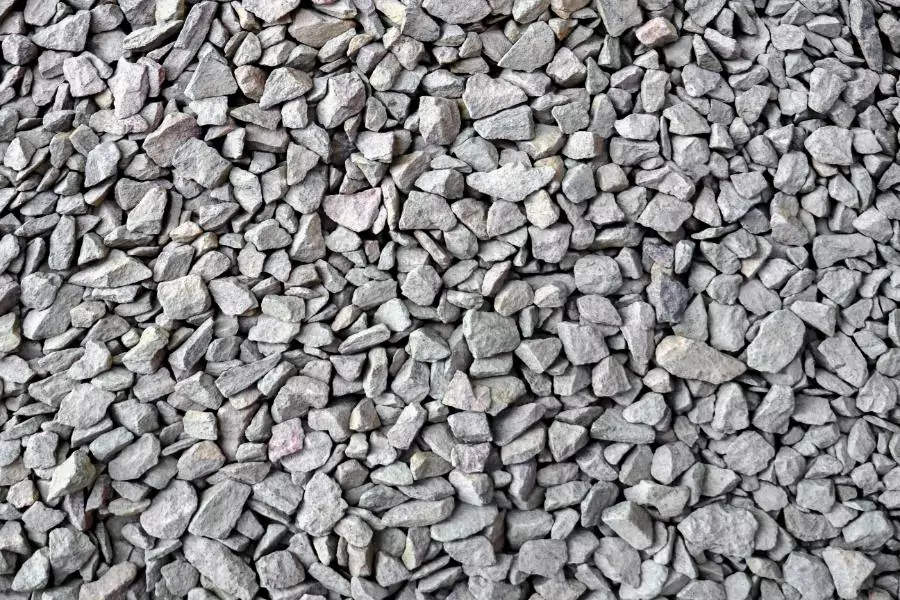
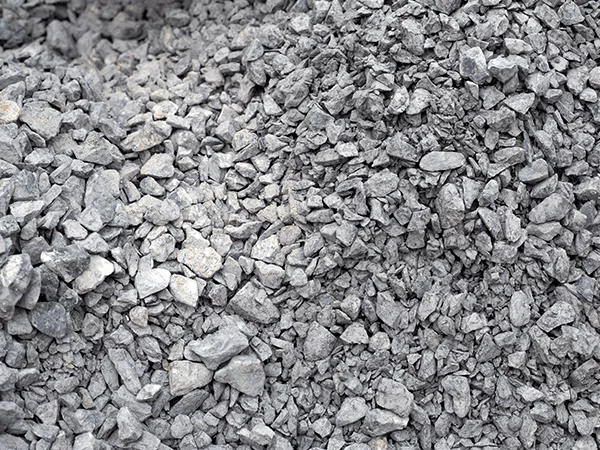


Gravel Monkey delivers premium aggregates and gravel materials throughout West Poland, Maine and the surrounding Androscoggin County region. Whether you're building a new driveway off Route 26, improving drainage near Range Pond, or creating walkways through your wooded property, we provide high-quality aggregates with completely free delivery. Our materials are specifically selected to withstand Maine's challenging freeze-thaw cycles and seasonal weather patterns.
Complete Range of Aggregates Available in West Poland
West Poland properties face unique challenges from rocky glacial soils, seasonal frost heave, and significant temperature swings between summer and winter. Gravel Monkey provides aggregates specifically suited to these Maine conditions. Our comprehensive selection includes materials for driveways, foundations, drainage systems, and decorative applications throughout West Poland, Poland, and nearby Mechanic Falls.
- Driveway Gravel - Engineered base material that stands up to Maine winters and heavy snow loads
- 3/4 inch Crushed Stone - Versatile aggregate for driveways, foundations, and base layers
- #57 Stone - Standard construction aggregate for drainage and concrete projects
- Crusher Run - Compactable material perfect for stable road and driveway bases
- Road Base - Heavy-duty foundation material for permanent surfaces
- Drain Rock - Clean stone designed for effective water management
- Pea Gravel - Smooth natural stone for pathways and decorative landscaping
- River Rock - Rounded decorative stone in multiple sizes for aesthetic appeal
- Walkway Gravel - Specially sized aggregate for comfortable foot traffic areas
- Crushed Concrete - Eco-friendly recycled aggregate for sustainable projects
- Decomposed Granite - Natural granite fines for pathways and hardscaping
- Topsoil - Nutrient-rich soil for gardens and lawn establishment
- Fill Dirt - Essential material for grading and foundation work
- Mason Sand - Fine sand for masonry and construction applications
- Playground Sand - Safe, clean sand for play areas
- Washed Sand - Clean sand for multiple construction uses
Maine Climate and Aggregate Selection for West Poland Properties
West Poland experiences the full spectrum of New England weather, with winter temperatures regularly dropping below zero degrees Fahrenheit and summer highs reaching into the 80s. This dramatic temperature range, combined with annual snowfall exceeding 60 inches, creates significant challenges for aggregate installations. The freeze-thaw cycle common from November through April causes soil expansion and contraction that can disrupt poorly constructed driveways and foundations.
The glacially-deposited soils throughout West Poland and the broader Range Pond area contain significant clay content, which holds moisture and exacerbates frost heave problems. Properties near Lower Range Pond, Middle Range Pond, and along the edges of Thompson Lake face additional drainage challenges from seasonal water table fluctuations. Selecting appropriate aggregates with proper drainage characteristics is essential for long-lasting installations.
Our aggregates are specifically chosen to address these Maine-specific challenges. Materials like crusher run compact tightly while maintaining drainage pathways that prevent water accumulation and ice formation. This balance between stability and permeability makes them ideal for West Poland's climate conditions.
Serving West Poland Neighborhoods and Surrounding Communities
Gravel Monkey provides free aggregate delivery throughout West Poland and neighboring areas in Androscoggin and Cumberland Counties. Our service area includes both lakeside properties and rural residential areas across the region.
Local Areas We Serve
We regularly deliver aggregates to properties throughout these West Poland areas and nearby communities:
- Range Pond Area - Lakefront properties requiring specialized drainage solutions
- Route 26 Corridor - Residential and commercial properties along the main thoroughfare
- White Oak Hill Road - Rural properties with long driveway access needs
- Tripp Lake vicinity - Seasonal and year-round homes near the water
- Poland (town center) - Just minutes from West Poland with similar soil conditions
- Mechanic Falls - Neighboring community with comparable aggregate requirements
- Minot - Adjacent rural area sharing geological characteristics
- Casco - Nearby town with similar drainage and climate challenges
Properties throughout these areas share common challenges including rocky glacial till, seasonal frost penetration depths exceeding 4 feet, and varying drainage requirements based on topography and proximity to water bodies. Our team understands these localized conditions and can recommend optimal aggregate solutions for your specific West Poland location.
Aggregate Applications for West Poland Projects
Driveway Construction and Repair
West Poland driveways endure significant stress from snow plows, ice, and freeze-thaw cycles. A proper driveway base begins with road base or crusher run compacted to 4-6 inches depth, creating a stable foundation that resists frost heave. The top layer should consist of driveway gravel or 3/4 inch crushed stone, which provides excellent traction during icy conditions while allowing water to drain away from the surface.
Properties along White Oak Hill Road and other sloped terrain benefit from additional attention to drainage. Installing drain rock along the edges prevents water accumulation that can undermine the aggregate base during spring thaw. Many West Poland residents also appreciate the aesthetic appeal of a well-maintained gravel driveway that complements the rural character of the area.
Foundation Drainage Solutions
The clay-rich soils common throughout West Poland and Poland require effective foundation drainage to prevent basement moisture issues. A proper foundation drain system uses #57 stone or drain rock placed in a trench alongside the foundation footer, surrounded by filter fabric to prevent soil infiltration. This aggregate creates channels for groundwater to flow away from the structure rather than seeping through foundation walls.
Properties near Range Pond and other water bodies face elevated water tables during spring snowmelt. Foundation drainage becomes even more critical in these locations to manage the substantial water volume moving through the soil. The open structure of properly sized drainage aggregates allows rapid water movement while maintaining long-term performance.
Walkways and Pathways
Creating attractive walkways through wooded West Poland properties adds both functionality and visual appeal. Walkway gravel compacts into a firm surface comfortable for foot traffic while maintaining natural aesthetics. Pea gravel offers a smoother alternative with rounded stones that won't track indoors as readily, making it popular for paths near home entrances.
For more rustic pathways through naturalized areas, decomposed granite provides an organic appearance that blends seamlessly with forest environments. This material compacts firmly while allowing some permeability, preventing puddles during Maine's frequent rain events. Many Range Pond area properties use these materials to create paths to docks, boathouses, and waterfront sitting areas.
Septic System Components
Maine regulations require specific aggregate materials for septic system leach fields and drainage areas. Washed sand meets state specifications for septic sand, while drain rock provides the necessary void space in leach field trenches. West Poland's clay soils make proper septic drainage design particularly important for system longevity and regulatory compliance.
| Aggregate Type | Best Applications | Compaction | Drainage Rating | Maine Winter Performance |
|---|---|---|---|---|
| Crusher Run | Driveway base, Road foundation | Excellent | Good | Superior stability |
| 3/4 inch Crushed Stone | Driveway surface, Base layer | Very Good | Excellent | Resists frost heave |
| #57 Stone | Drainage, Concrete mix | Good | Excellent | Prevents ice buildup |
| Road Base | Heavy-duty surfaces | Excellent | Good | Maximum durability |
| Drain Rock | Foundation drains, French drains | Minimal | Superior | Prevents water damage |
| Pea Gravel | Walkways, Landscaping | Fair | Very Good | Good traction |
| Crushed Concrete | Eco-friendly base | Very Good | Good | Comparable to stone |
| Decomposed Granite | Natural pathways | Good | Fair | Seasonal maintenance |
Understanding Aggregate Specifications for West Poland Installation
Successful aggregate projects require proper material selection, adequate depth, and appropriate compaction techniques. West Poland's frost penetration depth averages 48 inches, meaning any aggregate base for permanent structures should extend below this level when possible, or include proper drainage to mitigate frost heave effects.
Proper Base Preparation
Before placing any aggregate, excavate existing soil to stable subgrade. In areas with high clay content common around Poland and Mechanic Falls, consider excavating an additional 4-6 inches and backfilling with coarse sand to create a capillary break that prevents moisture wicking into the aggregate layer. This step significantly improves long-term performance in Maine's wet spring conditions.
Compact the subgrade before aggregate placement using a plate compactor or roller appropriate for the project scale. Each aggregate layer should be compacted in lifts no thicker than 4 inches to achieve proper density throughout the depth. Water application during compaction helps achieve optimal density, particularly with crusher run and road base materials.
Calculating Aggregate Quantities
To determine how much aggregate you need for a West Poland project, measure the length and width in feet, then multiply by the desired depth in feet. Divide this result by 27 to convert cubic feet to cubic yards, the standard ordering unit for bulk aggregates.
For example, a driveway measuring 50 feet long by 12 feet wide with 4 inches of aggregate depth: 50 x 12 x 0.33 = 198 cubic feet ÷ 27 = 7.3 cubic yards. Order slightly more than calculated to account for compaction, irregular subgrade, and edge requirements. Our team can verify quantities for your specific West Poland property conditions.
West Poland Geology and Soil Characteristics
West Poland sits within the glacially-modified landscape of western Maine, characterized by deposits left by the Laurentide Ice Sheet that retreated roughly 12,000 years ago. The region's soil composition reflects this glacial history, with abundant glacial till containing mixed particle sizes from clay to large boulders. This unsorted material creates drainage challenges and uneven bearing capacity for construction projects.
Bedrock throughout the area consists primarily of metamorphic rocks including schist and gneiss, typically found 10-30 feet below the surface depending on topography. Shallow bedrock areas near Route 26 and throughout the hillier terrain may require special consideration during excavation. The combination of clay-rich till and seasonal high water tables means proper aggregate selection becomes critical for long-term project success.
Properties located in lower elevations near Range Pond and Tripp Lake often encounter hydric soils with very poor drainage characteristics. These areas benefit significantly from engineered aggregate layers that create stable building platforms and effective water management systems. Aggregates act as both structural support and drainage media in these challenging soil conditions.
Seasonal Aggregate Installation Considerations in Maine
West Poland's distinct seasons each present unique opportunities and challenges for aggregate projects. Understanding these seasonal factors helps ensure optimal installation timing and long-term performance.
Spring Installation Challenges
Spring in West Poland brings significant snowmelt and frequent rainfall, creating muddy conditions from March through May. While tempting to begin outdoor projects as weather warms, waiting until soil moisture levels decrease produces better compaction results. The soil frost layer gradually recedes during this period, and attempting installation while frost remains in lower soil layers can lead to settling issues later.
However, spring also offers advantages for certain aggregate projects. Foundation drainage improvements should happen before summer construction season, and aggregate materials placed on frozen or wet subgrade may need replacement. Properties experiencing spring basement moisture should address foundation drainage during this season to manage water before it enters structures.
Summer and Fall: Prime Installation Seasons
June through October provides ideal conditions for aggregate installation throughout West Poland. Drier soils compact more effectively, heavy equipment operates without creating ruts, and new aggregate surfaces have time to settle before winter arrives. Fall installation allows time for initial surface compaction from vehicle traffic before snow season, reducing maintenance needs the following spring.
Early fall proves particularly advantageous for driveway projects, as aggregates settle during autumn rains and stabilize before winter freeze. Properties planning significant grading or driveway work should aim for August through October completion when possible.
Winter Repairs and Maintenance
While major aggregate installations pause during Maine winters, emergency repairs remain necessary. Potholes and washouts from snow melt cycles require prompt attention to prevent further damage. Keep a small stockpile of driveway gravel or crushed stone available for winter patching on properties with long driveways through wooded areas common around White Oak Hill Road.
Aggregate Maintenance for West Poland Properties
Properly maintained aggregate surfaces last decades with minimal intervention. West Poland's climate necessitates specific maintenance practices to maximize aggregate lifespan and performance.
Annual Maintenance Tasks
Spring provides the optimal time to assess aggregate surfaces after winter damage. Look for areas where snow plows have displaced surface material, rutting from freeze-thaw cycles, or depressions where water pools. Add fresh aggregate to low spots and redistribute displaced material using a landscape rake or tractor blade.
Drainage features require annual inspection and cleaning. Remove accumulated sediment from drainage ditches, clean culvert entrances and exits, and verify that water flows away from structures as designed. Properties near Range Pond should pay particular attention to erosion control, as water runoff can carry sediment into the lake if not properly managed.
Grading and Crown Maintenance
Aggregate driveways should maintain a crown or cross-slope that directs water toward edges rather than allowing pooling in wheel paths. Spring grading restores this crown after winter disturbance. Use a landscape rake or box blade to pull material from edges toward the center, then redistribute to create a 2-3% cross slope for effective drainage.
Long driveways common in West Poland benefit from grading twice annually - after spring thaw and again in early fall. This schedule maintains optimal drainage before mud season and winter, reducing long-term maintenance requirements.
Replenishment Schedule
Even well-maintained aggregate surfaces require periodic material addition. West Poland driveways typically need 1-2 yards of fresh aggregate every 2-3 years to maintain proper depth and drainage. Properties with significant traffic or steep grades may require annual addition. The compaction and minor migration of fines are normal processes that gradually reduce surface depth over time.
Frequently Asked Questions About Aggregates in West Poland, Maine
We deliver driveway gravel, crushed stone in various sizes, pea gravel, river rock, crusher run, road base, drain rock, recycled crushed concrete, topsoil, fill dirt, and multiple sand varieties throughout West Poland and surrounding Androscoggin County areas.
Yes! Gravel Monkey offers FREE delivery to West Poland and the surrounding Maine area for all gravel and aggregate orders.
For Maine freeze-thaw cycles, crusher run and three-quarter inch crushed stone provide excellent stability. These materials compact well and allow proper drainage to prevent frost heave damage common in West Poland winters.
Calculate length times width times depth in feet, then divide by 27 for cubic yards. Most West Poland driveways need 3 to 4 inches of gravel depth. Our team can help estimate the right amount for your specific property.
Absolutely. Drain rock and crushed stone create effective drainage solutions for properties near Range Pond and other water bodies. These materials allow water to flow freely while preventing soil erosion.
Both materials compact well for stable surfaces. Crusher run contains a mix of stone sizes that lock together, while road base is specifically graded for load-bearing applications. Both work excellently for West Poland driveways and roads.
Late spring through fall offers optimal conditions, with June through October being ideal. Drier soil conditions allow better compaction, and installations have time to settle before winter weather arrives.
Grade the surface before winter to ensure proper drainage, keep a small stockpile for patching winter damage, and inspect the driveway each spring for areas needing repair or fresh aggregate addition.
Professional Aggregate Delivery Throughout West Poland
Gravel Monkey serves West Poland and the surrounding Androscoggin County area with reliable aggregate delivery and expert material guidance. Our team understands the unique challenges of Maine properties, from frost heave mitigation to drainage solutions for clay soils. Whether you're installing a new driveway along Route 26, improving foundation drainage near Range Pond, or creating pathways through wooded property, we provide the right aggregates for lasting results.
Every West Poland project receives the same commitment to quality materials and customer service. We source aggregates specifically suited to Maine's climate and soil conditions, ensuring your investment performs well for years to come. Contact us today to discuss your project requirements and receive expert recommendations for your specific West Poland location.

Need help? Reach out for a quote: