Sand, Aggregates & Gravel for Washington, Maine
Local Topsoil, Dirt, Sand, Rocks and Gravel near me in Washington, Maine
Shop Aggregates for Delivery in Washington
Order online for free delivery to any Washington address.


Gravel Monkey is your reliable source for premium gravel and aggregate delivery throughout Washington, Maine. Serving rural properties, lakefront homes near Medomak Lake, and driveways along Route 17 and Route 220, we deliver high-quality aggregates directly to your property with free delivery. Whether you're maintaining a country driveway in Razorville, upgrading your shoreline property, or completing construction projects in this scenic Knox County town, we have the materials you need for lasting results in Maine's demanding climate.
Complete Selection of Aggregates Available in Washington, ME
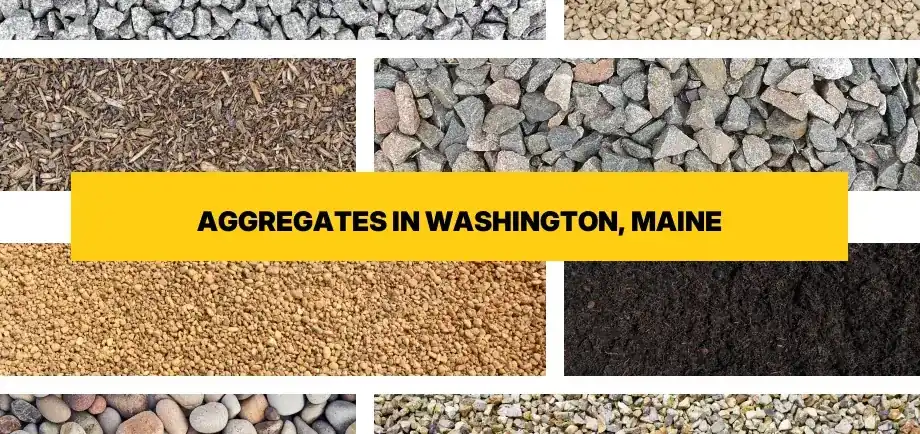
Washington's diverse landscape, from lakeside properties to hilltop homes and rural roads, requires materials that can handle Maine's challenging weather conditions. We offer a comprehensive range of aggregates for every project need:
- Driveway Gravel - Engineered for Washington's freeze-thaw cycles and rural road conditions
- 3/4 inch Crushed Stone - Versatile base material for driveways and foundations
- #57 Stone - Standard drainage aggregate for septic systems and French drains
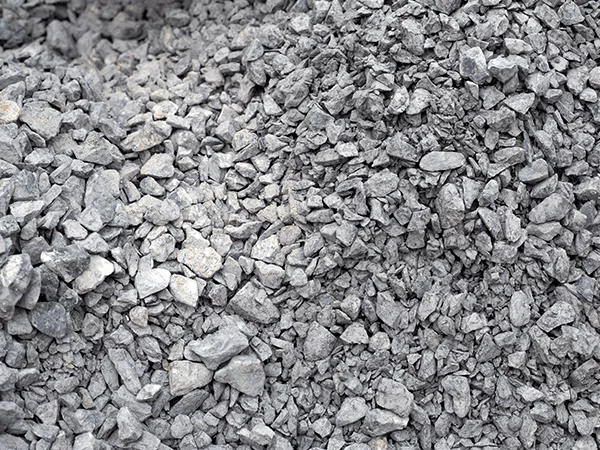
- Crusher Run - Compactable base that locks together for stable surfaces
- Road Base - Heavy-duty foundation for long driveways and private roads
- Drain Rock - Washed stone for effective water management systems
- Pea Gravel - Decorative aggregate for walkways and landscaping
- River Rock - Natural stone for aesthetic landscape projects
- Walkway Gravel - Perfect size for garden paths and outdoor spaces
- Topsoil - Nutrient-rich soil for gardens and lawn establishment
- Fill Dirt - Essential for grading and leveling Washington properties
- Crushed Concrete - Eco-friendly recycled aggregate for budget projects
- Mason Sand - Fine sand for masonry and construction work
- Playground Sand - Safe, clean sand for play areas
- Washed Sand - Clean aggregate for concrete mixing and landscaping
- Decomposed Granite - Compactable natural material for paths and patios
Understanding Washington's Unique Soil and Climate Conditions
Washington, Maine sits in Knox County with terrain ranging from 200 to 800 feet in elevation, featuring glacial till soils, rocky outcroppings, and clay-based subsoils common throughout central coastal Maine. The area experiences cold winters with temperatures dropping to -10°F or lower, significant freeze-thaw cycling from November through April, and annual precipitation averaging 45-50 inches including substantial snowfall.
These conditions create specific challenges for property owners in Washington. The clay content in local soils leads to frost heaving during winter months, making proper aggregate bases essential for driveways and foundations. Properties around Medomak Lake and along the many seasonal streams must address drainage issues particularly during spring snowmelt and fall rain events. The freeze-thaw cycle demands materials that maintain stability without breaking down, which is why we recommend specific aggregate types for Washington applications.
Aggregate Solutions for Washington's Rural Properties
Rural Washington properties, particularly those along dirt roads and extended private driveways, require substantial aggregate materials to maintain year-round access. The combination of heavy clay soils, frost action, and mud season challenges means that proper base preparation is critical. Many homes in the Razorville area and near Crystal Lake depend on well-constructed driveways that can withstand heavy loads from delivery trucks, propane services, and snow removal equipment throughout winter months.
For properties in Washington's higher elevations, drainage becomes even more crucial. Aggregates serve multiple purposes: creating stable driving surfaces, directing water away from foundations, and preventing the soil erosion common on Maine hillsides. The rocky nature of Washington's terrain often means excavation work encounters ledge and boulders, requiring significant fill materials to achieve proper grades. Our fill dirt supplies help Washington property owners level sites and create stable building pads on challenging terrain.
Driveway Gravel Solutions for Washington's Climate
Washington's rural character means most properties have long driveways requiring regular maintenance and occasional rebuilding. The key to a lasting driveway in this area is understanding how Maine's weather affects different aggregate materials and proper layering techniques.
The ideal driveway construction for Washington starts with a stable base layer. Crusher run provides an excellent foundation because it contains a mix of stone sizes that compact together and resist frost heaving. This base layer should be 6-8 inches deep for standard residential use, and up to 12 inches for properties expecting heavy traffic or equipment. The compaction process is crucial - properly compacted crusher run creates a solid platform that won't shift during freeze-thaw cycles.
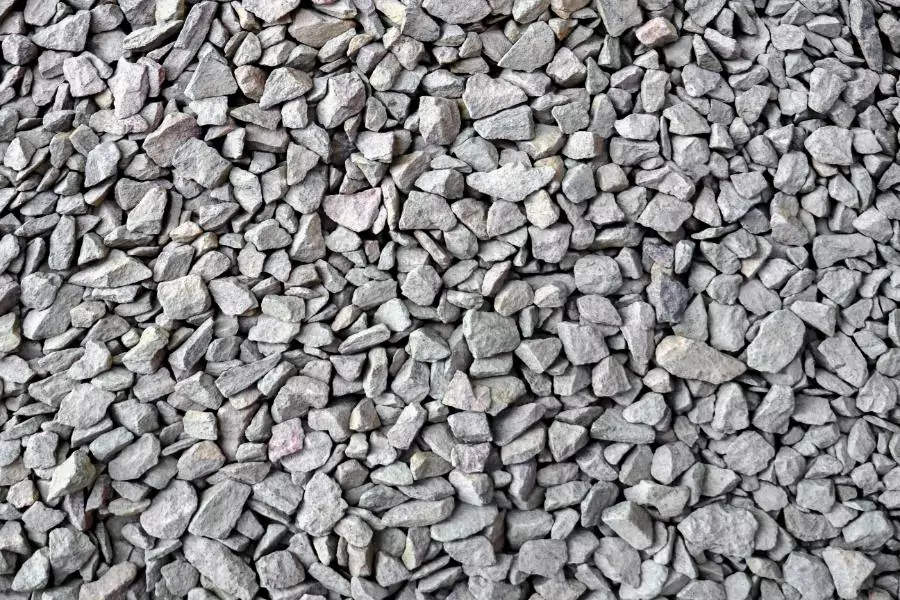
Over the crusher run base, a layer of driveway gravel provides the driving surface. This top layer should be 3-4 inches deep and consists of angular stones that interlock while still allowing water drainage. Properties near Medomak Lake or in lower elevations where spring mud season is particularly challenging benefit from the additional depth of quality aggregate materials. The angular nature prevents stones from rolling under vehicle tires, maintaining a stable surface even when wet.
Addressing Washington's Drainage Challenges
Proper drainage is essential for driveway longevity in Washington. Many properties experience water issues due to clay soils, hillside locations, or proximity to seasonal streams. Installing drain rock along driveway edges or beneath the surface creates pathways for water to escape rather than accumulating and causing frost damage or washouts.
For driveways with severe drainage challenges common in Washington's topography, consider installing French drains using #57 stone. This uniform-sized aggregate allows water to flow freely while supporting the weight of the driveway above. Properties along Route 220 and Route 17 often benefit from culvert installations and professional grading to direct water appropriately, especially during snowmelt season when runoff can undermine even well-constructed driveways.
Choosing the Right Aggregate for Your Washington Project
Different projects throughout Washington require specific aggregate types. Understanding the characteristics and applications of each material helps ensure successful project outcomes that withstand Maine's demanding conditions.
| Aggregate Type | Best Applications | Drainage Quality | Compaction | Winter Performance |
|---|---|---|---|---|
| Driveway Gravel | Residential driveways, rural roads | Good | Excellent | Resists frost heaving |
| Crusher Run | Base layers, parking areas | Moderate | Superior | Very stable in freezing |
| 3/4 inch Crushed Stone | Driveways, foundations, drainage | Excellent | Very Good | Handles freeze-thaw well |
| Road Base | Long driveways, private roads | Good | Excellent | Engineered for heavy use |
| #57 Stone | Drainage systems, septic fields | Superior | Moderate | Prevents water accumulation |
| Pea Gravel | Walkways, landscaping | Excellent | Poor | Decorative, not structural |
| Crushed Concrete | Budget driveways, base fill | Good | Good | Cost-effective option |
| Decomposed Granite | Paths, patios, walkways | Good | Very Good | Firm surface when compacted |
Aggregate Materials for Washington's Common Property Improvements
Washington property owners undertake diverse projects requiring quality aggregates. From maintaining historic farmhouses to developing seasonal camps around Crystal Lake and Medomak Lake, having the right materials delivered promptly makes project completion smoother and results more durable.
Foundation and Construction Projects
New construction and additions in Washington require proper foundation preparation. The area's rocky, clay-based soils demand substantial excavation and backfill work. After foundation walls are poured, backfilling with crushed stone creates drainage around the foundation perimeter, preventing water infiltration and frost damage. Many Washington builders prefer the three-quarter inch size because it provides excellent drainage while still supporting backfill weight.
Site preparation often requires bringing in fill dirt to achieve proper grades, especially on Washington's hilly terrain. Properties being developed from woodland need extensive site work to create level building pads and yard spaces. The combination of removing unsuitable native soils and importing quality fill dirt establishes stable foundations that won't settle unevenly over time.
Septic System Installation and Maintenance
Rural Washington properties depend on private septic systems, and proper installation requires specific aggregates. The drain field or leach field uses drain rock to create voids where effluent can filter through while providing structural support. Maine septic codes specify washed stone requirements, and using the correct materials ensures system longevity and proper function in Washington's clay soils where drainage is naturally limited.
Lakefront Property Improvements
Properties around Medomak Lake and other Washington water bodies face unique challenges. Shoreline erosion, seasonal access roads, and boat launch areas require aggregates that resist washout while managing water flow. River rock provides natural-looking erosion control along shorelines and around dock areas, while road base creates stable seasonal roads that handle spring mud conditions when camps open for summer.
Many lakefront owners create attractive walkways using walkway gravel or pea gravel, materials that allow rainwater infiltration while providing comfortable walking surfaces. These decorative aggregates complement the natural beauty of Washington's lake country while serving practical purposes.
Seasonal Planning for Washington Aggregate Projects
Maine's distinct seasons significantly impact when and how to use aggregates in Washington. Understanding seasonal considerations helps property owners time projects appropriately and select materials that perform well year-round.
Spring Projects and Mud Season
Spring in Washington brings mud season, typically from mid-March through late April, when frost leaves the ground and everything becomes saturated. This is simultaneously the worst time for heavy equipment access and the best time to assess winter damage to driveways and roads. Many property owners wait until the ground firms up in May to undertake major aggregate projects, though emergency repairs sometimes can't wait.
Spring is ideal for installing drainage solutions. When you can see where water accumulates and flows, installing drain rock systems and grading improvements addresses problems at their source. Properties experiencing spring flooding or washouts benefit from professional drainage design combined with proper aggregate materials before summer arrives.
Summer and Fall Construction Season
From late May through October, Washington experiences its prime construction season. Ground is accessible, weather is relatively dry, and equipment can operate efficiently. This is when most driveway reconstruction, foundation work, and major landscape projects occur. Aggregates delivered during summer and fall can be properly installed and compacted before winter freeze.
Fall brings its own considerations. Late-season projects need completion before ground freezes, typically by mid-November in Washington. Many property owners install fresh driveway gravel in October or early November, giving it time to settle slightly before winter snow removal begins. The angular nature of quality driveway materials means they lock together quickly, even without the extended settling time of summer installations.
Winter Maintenance and Preparation
Washington winters are harsh, with significant snow accumulation and temperatures well below freezing for extended periods. While major aggregate projects wait for warmer weather, winter reveals how well previous work performs. Driveways with proper base layers and adequate drainage handle snow removal and freeze-thaw cycles without developing potholes or washouts.
Some Washington property owners keep extra crushed stone on hand for winter pothole repairs, though cold temperatures make compaction difficult. More commonly, winter identifies problem areas to address the following spring. Properties that experience ice dams, drainage issues, or driveway failure during winter need aggregate-based solutions once weather permits proper installation.
Serving All Washington, Maine Communities
Our free delivery covers every corner of Washington and surrounding areas. We regularly serve properties throughout the town including:
The Razorville area with its rural character and long private driveways requires substantial aggregate materials for driveway maintenance. Properties near Medomak Lake benefit from our shoreline erosion control aggregates and seasonal road materials. Homes along Route 17 connecting to Union and Augusta use our aggregates for everything from driveway repairs to foundation work. The Route 220 corridor toward Liberty sees regular deliveries for both residential and agricultural properties.
The Crystal Lake area's seasonal camps and year-round homes need reliable aggregate delivery for access roads and property improvements. Properties around Washington Pond use our materials for boat launch areas and shoreline projects. The historic Washington Village area benefits from aggregate delivery for driveway work and landscaping projects on established properties.
We also serve surrounding communities including Union to the south, Liberty to the north, and Appleton to the east. Properties in adjacent Lincoln County near Jefferson and Somerville receive the same free delivery and quality materials as Washington proper. Whether your property is on a maintained town road or a remote private drive, Gravel Monkey delivers the aggregates you need.
Detailed Aggregate Specifications for Washington Projects
Understanding the technical specifications of different aggregates helps Washington property owners make informed decisions. Each material serves specific purposes, and choosing correctly ensures project success and longevity.
Base Materials for Maximum Stability
Road base represents engineered aggregate designed for heavy-duty applications. In Washington, this material works exceptionally well for long driveways exceeding 500 feet, private roads serving multiple properties, and areas expecting heavy equipment traffic. The gradation includes various stone sizes from fine particles to 2-inch stones, creating a matrix that compacts to near-concrete hardness. Properties in hilly terrain benefit from road base's superior stability on grades.
Crusher run offers similar benefits with slightly different composition. This material includes stone dust and fines that fill voids between larger stones, creating a tight, compacted surface. When properly installed and rolled, crusher run forms a water-resistant cap that sheds moisture rather than allowing it to penetrate and cause frost damage. Washington contractors frequently use crusher run as the base layer for everything from shed pads to barn floors.
Drainage Aggregates
Effective drainage is critical in Washington's clay soils and high-rainfall environment. Drain rock consists of clean, washed stone without fines, allowing water to flow freely through the aggregate. Typical applications include French drains, foundation perimeter drains, and septic system components. The uniform sizing, usually around one to two inches, prevents smaller particles from clogging drainage pathways.
For standard drainage applications, #57 stone provides reliable performance at economical cost. This designation refers to stone that passes through a one-inch screen but is retained on a one-half inch screen, creating uniform sizing ideal for drainage work. Washington properties with wet basements, standing water issues, or inadequate surface drainage benefit from properly installed #57 stone drainage systems.
Sand Products for Specific Applications
Washington construction and landscaping projects often require sand products. Mason sand provides the fine, clean aggregate necessary for mortar mixing, paver base preparation, and concrete work. Its particle size distribution ensures proper bonding in masonry applications while providing adequate drainage for paver installations.
Washed sand serves multiple purposes from concrete mixing to backfilling pools and playgrounds. The washing process removes clay, silt, and organic materials, leaving clean silica sand. Properties installing play areas use playground sand, which meets safety specifications for particle size and cleanliness, protecting children from sharp edges or contaminants.
Decorative Landscape Aggregates
Beyond functional applications, aggregates enhance Washington's landscape aesthetics. Pea gravel creates comfortable walking surfaces for garden paths and dog runs while providing excellent drainage. The naturally rounded stones come in various colors including tan, gray, and rust tones that complement Maine's natural landscape. Properties around Medomak Lake often use pea gravel for shoreline areas and outdoor seating spaces where its texture and appearance feel at home in waterfront settings.
River rock offers larger decorative stones for landscape accents, dry creek beds, and erosion control with aesthetic appeal. Available in sizes from one inch to six inches and larger, river rock creates visual interest while serving practical purposes. Washington property owners use river rock around foundations, in rain gardens, and as mulch alternatives in low-maintenance landscape beds.
Decomposed granite provides a unique alternative to traditional gravel for paths and patios. When compacted, it forms a firm, stable surface with a natural appearance. The material allows some water infiltration while remaining solid underfoot. Washington properties with historic character often choose decomposed granite for walkways and outdoor spaces that complement traditional architecture.
Professional Installation Practices for Washington Conditions
Proper installation techniques make the difference between aggregate projects that last decades and those requiring frequent repairs. Washington's climate demands attention to detail during every phase of aggregate installation.
Site Preparation Fundamentals
Successful aggregate projects start with thorough site preparation. For driveways, this means removing unsuitable soils down to stable subgrade, typically 12-18 inches below final grade in Washington's frost-prone climate. Excavation should extend beyond the driveway edges by 12 inches on each side to ensure adequate base width. Properties with poor drainage require even deeper excavation to install drainage systems before aggregate placement.
Fabric geotextile placement over excavated subgrade prevents aggregate mixing with underlying clay soils. In Washington's conditions where frost action can push clay upward into aggregate layers, geotextile provides a separation barrier that maintains aggregate integrity over time. This step is particularly important for driveways seeing heavy traffic or properties with wet, unstable soils.
Compaction and Layer Installation
Each aggregate layer requires proper compaction to achieve design strength and longevity. Professional installation uses vibratory plate compactors or roller compactors depending on project size. The base layer should be placed in 4-inch lifts, compacting each lift before adding the next. Water application during compaction helps particles settle and interlock, though excessive water causes problems in Washington's clay soils.
Final surface layers receive similar attention. Driveway gravel spread at 3-4 inches deep gets compacted to roughly 2.5-3 inches, creating a tight, stable driving surface. The compaction process continues as vehicles use the driveway during the first few weeks, which is why some contractors apply slightly more material than calculated, accounting for settling.
Drainage Integration
Every Washington aggregate project should consider water management. Driveways require crown (center high point) of about one-quarter inch per foot of width, shedding water to edges where it can flow to ditches or drainage systems. Properties without natural drainage outlets may need catch basins and underground piping to direct water away from structures and roadways.
Side ditches lined with drain rock or river rock provide functional drainage while appearing intentional rather than afterthought. The rock lining prevents erosion and makes maintenance easier, preventing vegetation growth that would clog drainage pathways. Washington's heavy spring runoff makes such details essential for long-term success.
Frequently Asked Questions About Gravel in Washington, Maine
For Washington properties, we recommend starting with a crusher run or road base foundation layer 6-8 inches deep, topped with 3-4 inches of angular driveway gravel. This combination handles freeze-thaw cycles effectively, provides excellent drainage, and resists frost heaving common in Knox County's clay soils. The angular stones interlock preventing rutting while maintaining stability through Maine's harsh winters.
Gravel Monkey offers FREE delivery throughout Washington and surrounding areas. You pay only for the materials you order - there are no separate delivery charges, fuel surcharges, or hidden fees. This makes budgeting for your project straightforward and often more economical than competitors who charge separately for delivery to rural Maine locations.
For French drains and foundation drainage in Washington, we recommend #57 stone or drain rock. These materials provide uniform sizing around 3/4 to 1 inch that allows water to flow freely while supporting soil weight. The washed nature of drain rock prevents fines from clogging the system, which is critical in Washington's clay-based soils where drainage is naturally limited.
Late spring through fall offers the best conditions for driveway work in Washington. Wait until after mud season (usually late April or May) when ground is firm and dry enough for equipment access and proper compaction. Many property owners complete driveway projects in September or October, allowing materials to settle before winter snow removal begins. Avoid installation during extremely wet periods or when frost is in the ground.
Yes! We deliver throughout Washington including lakefront properties, seasonal camps, and remote rural locations. Our service area covers the entire town and extends to surrounding communities. Whether your property is on Route 17, near Crystal Lake, in Razorville, or on a private road, we provide the same free delivery and quality materials. Just ensure your driveway can accommodate our delivery truck, or we can discuss alternative delivery arrangements.
For shed foundations in Washington, excavate 8-12 inches below final grade and fill with crusher run or road base, compacting in layers. This depth accounts for frost penetration (frost line in Washington is approximately 4 feet) and provides adequate drainage. Top with 2 inches of crushed stone for a level surface. Proper base depth prevents frost heaving from shifting your shed during winter months, a common problem in Maine's freeze-thaw climate.
Crushed concrete works well for many Washington applications including driveway bases, parking areas, and general fill. It's more economical than virgin stone while still providing good compaction and drainage. However, for top layers of driveways or high-visibility areas, traditional driveway gravel offers better appearance and smoother surface. Crushed concrete excels in base layers where its cost savings provide excellent value without compromising performance.
A standard 12-foot wide, 200-foot long driveway with 4 inches of base material and 3 inches of top dressing requires approximately 35-40 tons of aggregate total (25 tons base, 12-15 tons top layer). Washington's longer rural driveways often need 50-75 tons or more. Our team can calculate exact quantities based on your specific measurements, soil conditions, and desired depth. It's better to order slightly more than calculated to ensure adequate coverage and account for compaction.
Why Washington Property Owners Choose Gravel Monkey
Washington's rural character and distance from major population centers can make finding reliable material suppliers challenging. Gravel Monkey solves this problem by offering professional aggregate delivery throughout Knox County with the same service quality as urban areas.
Our commitment to Washington customers includes:
- Completely Free Delivery - No hidden fees or minimum order requirements for Washington addresses
- Premium Quality Aggregates - Materials specifically suited for Maine's demanding climate
- Reliable Scheduling - We understand rural delivery challenges and plan accordingly
- Expert Guidance - Help calculating quantities and selecting appropriate materials for your project
- Professional Service - Experienced drivers familiar with Washington's roads and property access
- Comprehensive Selection - Everything from foundation materials to decorative landscape aggregates
Whether you're maintaining a historic Washington farmhouse, developing waterfront property, or simply keeping your driveway in top condition, we deliver the aggregates you need when you need them. Our understanding of central Maine's soil conditions, weather patterns, and construction challenges ensures you receive materials and advice appropriate for Washington's specific environment.
From the hillsides overlooking Medomak Lake to the rural roads connecting Washington to Union and Liberty, property owners trust Gravel Monkey for reliable aggregate delivery. We take pride in serving Maine communities like Washington where quality materials and dependable service make property ownership more manageable and successful. Contact us today to discuss your project needs and experience the difference that professional aggregate delivery makes for Washington properties.

Need help? Reach out for a quote: