Rock & Driveway Gravel in Monson, Maine
Local Topsoil, Dirt, Sand, Rocks and Gravel near me in Monson, Maine
Shop Aggregates for Delivery in Monson
Order online for free delivery to any Monson address.


Gravel Monkey is your premier source for high-quality aggregates and gravel delivery in Monson, Maine. Located in the heart of Piscataquis County at the southern terminus of the legendary 100-Mile Wilderness, Monson presents unique material challenges that require specialized aggregate solutions. Whether you're maintaining a seasonal camp road near Lake Hebron, improving drainage around Spectacle Pond, creating a durable driveway along Route 15, or upgrading access roads for Appalachian Trail hikers, we deliver premium aggregates directly to your property with absolutely free delivery throughout the Monson area.
Comprehensive Aggregate Selection for Monson Properties
Monson's distinctive geography—characterized by glacial till deposits, shallow bedrock, acidic forest soils, and high annual precipitation—demands carefully selected aggregates that can withstand freeze-thaw cycles, manage moisture effectively, and provide long-lasting stability. Our extensive product line addresses every requirement for residential, commercial, and recreational properties throughout this rugged Maine town.
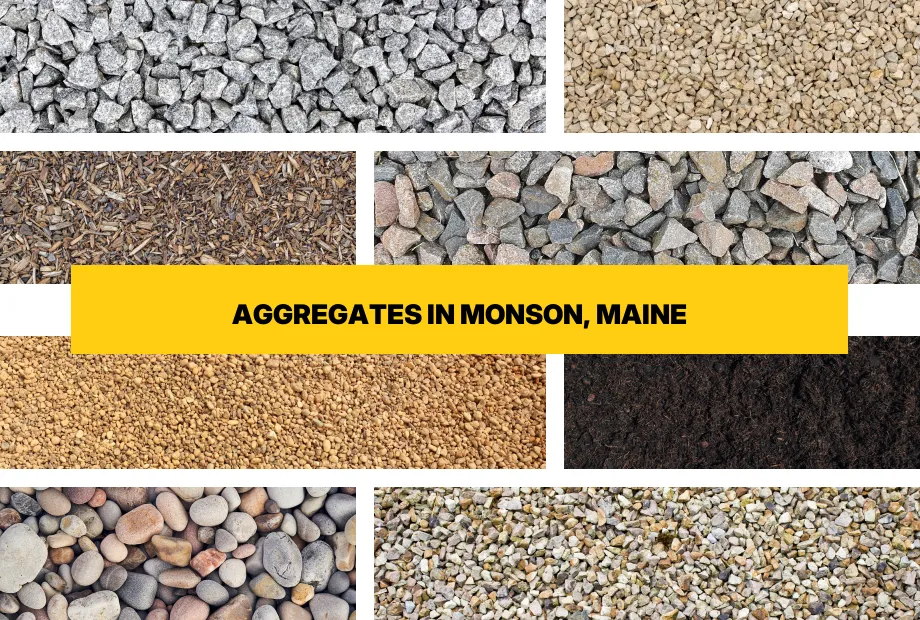
- Driveway Gravel - Engineered aggregate blend designed for Maine's challenging seasonal conditions
- 3/4 inch Crushed Stone - Industry-standard crushed stone for foundations and driveway bases
- #57 Stone - Popular angular stone ideal for drainage systems and concrete work
- Crusher Run - Compactable aggregate mix perfect for stable base construction
- Road Base - Heavy-duty aggregate for access roads and commercial applications
- Drain Rock - Clean, angular stone specifically graded for superior drainage performance
- Pea Gravel - Smooth, rounded aggregate for walkways and decorative landscaping
- River Rock - Natural decorative stone for aesthetic landscaping features
- Walkway Gravel - Specially sized aggregate for comfortable, stable pathways
- Crushed Concrete - Eco-friendly recycled aggregate for sustainable projects
- Topsoil - Screened, nutrient-rich soil for gardens and lawn establishment
- Fill Dirt - Clean fill material for grading and site leveling
- Mason Sand - Fine-graded sand for masonry and construction projects
- Playground Sand - Clean, safe sand for recreational areas
- Washed Sand - Thoroughly cleaned sand for multiple applications
- Decomposed Granite - Natural granite fines for permeable pathways
Understanding Monson's Unique Geological and Climate Challenges
Monson sits at an elevation of approximately 1,000 feet in the Longfellow Mountains region of Maine, where geological and climatic factors significantly impact aggregate performance. The town's foundation consists primarily of Devonian-age slate and schist bedrock overlain by glacial till deposits left by retreating ice sheets roughly 12,000 years ago. This glacial legacy created shallow, rocky soils with high stone content and limited depth—characteristics that affect both construction and landscaping throughout the area.
The local soil classification falls predominantly into the Peru-Marlow-Tunbridge association, characterized by acidic, well-drained to moderately well-drained forest soils. These soils typically contain 20-40% rock fragments and demonstrate high susceptibility to erosion on slopes, making proper aggregate selection critical for driveway stability and drainage management. The shallow bedrock, often encountered at depths of 1-3 feet, means excavation projects frequently require specialized equipment and additional aggregate fill to achieve desired grades.
Monson experiences a humid continental climate with severe winters and short, mild summers. Annual precipitation averages 42-44 inches distributed relatively evenly throughout the year, with an additional 80-100 inches of annual snowfall. Winter temperatures regularly plunge to -20°F or below, while summer highs reach the mid-70s to low 80s. The extended frost season—typically from mid-October through early May—subjects aggregates to over 150 freeze-thaw cycles annually, one of the highest rates in the continental United States.
This extreme freeze-thaw activity causes frost heave in improperly constructed bases, where water trapped in fine-grained materials expands upon freezing, displacing aggregates and creating the characteristic washboard patterns and potholes common on poorly maintained camp roads. The spring mud season, occurring when frozen ground thaws from the top down while remaining frozen below, creates particularly challenging conditions where proper drainage becomes essential. These factors make properly graded aggregates with excellent drainage characteristics—such as Gravel Monkey crushed stone products—absolutely critical for any permanent installation in the Monson area.
Aggregate Delivery Throughout Monson and Surrounding Areas
We provide comprehensive delivery service throughout Monson's diverse residential, recreational, and remote areas:
Monson Village Center
The historic downtown area along Main Street and Pleasant Street represents the town's commercial and residential core. Properties here often feature older foundations requiring careful drainage management and periodic driveway maintenance to handle winter plowing and spring runoff. Our aggregates help preserve these historic properties while ensuring modern performance standards.
Lake Hebron District
This popular recreational area north of the village features numerous seasonal camps and year-round homes along the lake's shoreline and surrounding wooded terrain. Properties here require aggregates that can handle seasonal traffic patterns, manage moisture from the nearby lake, and withstand the freeze-thaw cycles that impact lakefront locations. Camp roads in this area benefit particularly from our properly graded driveway aggregates and road base materials.
Spectacle Pond Area
Located southwest of the village, Spectacle Pond attracts fishing enthusiasts and seasonal residents. The access roads and private driveways serving this area traverse rolling, wooded terrain with variable soil depths. Proper aggregate selection ensures reliable year-round access while minimizing maintenance requirements in this beautiful but challenging environment.
Route 15 Corridor
The primary highway through Monson connects the town to Greenville to the northwest and Dover-Foxcroft to the southeast. Properties along this corridor range from residential homes to small businesses and require aggregates that can withstand higher traffic volumes and provide safe, stable access points from the main roadway. Commercial-grade aggregates prove essential in these higher-use applications.
Appalachian Trail Gateway
As the last town before the 100-Mile Wilderness, Monson serves hundreds of northbound AT thru-hikers annually. Properties catering to this seasonal traffic—including hostels, outfitters, and parking areas—require durable aggregates that can handle concentrated use during the hiking season from June through September while remaining stable during winter months.
Doughty Ponds Region
East of the village, the Doughty Ponds area encompasses remote camps and hunting properties accessed by seasonal roads. These locations demand aggregates that provide reliable performance despite limited maintenance and infrequent use. Our road base and crusher run products excel in these demanding remote applications.
North Monson Area
The northern section of town features particularly rugged terrain with steep slopes and extensive forest cover. Properties here often contend with significant elevation changes requiring careful grading and premium drainage solutions. Our comprehensive aggregate selection provides the materials necessary to create stable, long-lasting installations in this challenging topography.
Guilford Border Region
The southern boundary with neighboring Guilford includes agricultural properties and rural residential areas where proper drainage management proves critical for both field access and residential development. Our range of aggregates supports both agricultural and residential applications in this transitional zone.
Selecting the Right Aggregate for Your Monson Project
With Monson's demanding climate and geological conditions, choosing the appropriate aggregate significantly impacts project success and longevity. This comprehensive comparison helps identify the optimal material for your specific application:
| Aggregate Type | Best Applications | Drainage Rating | Compaction | Monson Advantage |
|---|---|---|---|---|
| Driveway Gravel | Residential driveways, camp roads | Excellent | Very Good | Withstands freeze-thaw cycles |
| 3/4" Crushed Stone | Driveway base, foundations | Excellent | Excellent | Optimal for shallow bedrock sites |
| #57 Stone | Drainage systems, French drains | Outstanding | Good | Handles high precipitation |
| Crusher Run | Base layers, parking areas | Very Good | Outstanding | Creates dense, stable base |
| Road Base | Access roads, commercial drives | Excellent | Outstanding | Heavy-duty winter performance |
| Drain Rock | Foundation drainage, septic | Superior | Moderate | Prevents spring flooding issues |
| Pea Gravel | Pathways, decorative areas | Good | Fair | Attractive, low-maintenance |
| Crushed Concrete | Eco-friendly base material | Very Good | Very Good | Sustainable, cost-effective |
Seasonal Aggregate Applications in Monson
Maine's dramatic seasonal variations require strategic timing and material selection for aggregate projects:
Spring Projects (April-June)
Spring in Monson brings the challenging mud season as frost leaves the ground and snowmelt creates excessive moisture. This period, while difficult, represents an ideal time to identify drainage problems and plan improvements. Once soil stabilizes in late May or early June, aggregate installation becomes highly effective. Projects begun after mud season have the entire summer and fall to settle and compact before winter arrives. Focus on drainage improvements using drain rock or #57 stone to address areas that showed water accumulation during snowmelt.
Summer Work (July-August)
Summer provides optimal conditions for major aggregate projects in Monson. Dry soil conditions allow for deeper excavation, better compaction, and more efficient installation. This season suits major driveway reconstructions, new road base installation, and comprehensive drainage system improvements. The warm temperatures and typically drier conditions mean aggregates settle and compact quickly, achieving design specifications efficiently. However, summer also brings peak camp and trail season traffic, so plan delivery timing accordingly for recreational properties.
Fall Preparation (September-October)
Early fall represents the final opportunity for aggregate work before winter. This season particularly suits emergency repairs and surface improvements that will face winter conditions. Installing fresh driveway gravel in September or early October allows material to compact partially before frost, creating better winter performance. Focus on addressing any drainage concerns identified during previous winters, as proper fall preparation dramatically reduces spring damage.
Winter Considerations (November-March)
Winter aggregate work in Monson becomes impractical once ground freezes, typically by mid-November. However, planning winter projects and securing materials proves valuable. Some property owners stockpile aggregates in fall for spring application, though this requires proper storage to prevent contamination. Winter months offer ideal planning time to design summer projects and coordinate delivery schedules for the coming season.
Serving Monson and Nearby Piscataquis County Communities
While headquartered to serve Monson, we extend our free delivery throughout the surrounding region:
Greenville (18 miles northwest) - This larger Moosehead Lake community shares similar aggregate needs though with higher traffic volumes and more commercial applications. Many Monson residents work or shop in Greenville, and we serve both communities with identical material quality and service standards.
Dover-Foxcroft (22 miles southeast) - The county seat features more commercial and industrial applications while maintaining rural character. Our aggregate products serve the entire spectrum from residential properties to commercial developments throughout this area.
Shirley (12 miles west) - This small community along Route 15 toward Greenville features similar geological and climate challenges to Monson, making our aggregate selection perfectly suited to properties throughout the area.
Guilford (8 miles south) - Monson's immediate neighbor to the south presents slightly less severe winter conditions but shares the glacial till geology and drainage challenges that make proper aggregate selection critical.
Abbot (12 miles east) - This farming community benefits from our agricultural-grade aggregates for farm lanes and field access while residential properties use the same quality materials as Monson installations.
Material-Specific Application Guidance for Monson Properties
Driveway Construction and Maintenance
Monson driveways face extraordinary demands from winter plowing, spring thaw, heavy snow loads, and the constant freeze-thaw cycling characteristic of northern Maine. A properly constructed driveway requires a multi-layer approach beginning with adequate excavation to remove organic material and unstable soil—particularly important given the prevalence of shallow, organic-rich forest soils throughout the area.
The foundation layer should consist of large aggregate such as road base or large crushed stone to bridge soft spots and provide structural stability above the native soil. This layer, typically 6-8 inches compacted, must extend below the frost line or be thick enough to resist frost heave through sheer mass. The intermediate layer uses crusher run or 3/4 inch crushed stone, providing a dense, compactable base that locks together to resist displacement. The surface layer employs driveway gravel in a 3-4 inch compacted depth, creating the driving surface that handles plowing, tire forces, and weather exposure.
Proper crowning—creating a gentle peak along the driveway centerline—ensures water sheds to the sides rather than pooling on the surface. In Monson's high-precipitation environment, this detail proves critical for longevity. Side ditches or swales should direct runoff away from the driveway structure, preventing undermining during spring snowmelt when water volumes peak. Plan for annual surface gravel replenishment, as winter plowing inevitably removes material, and freeze-thaw action gradually displaces aggregates even on well-constructed bases.
Foundation Drainage Systems
Monson's combination of shallow bedrock, high precipitation, and severe freeze-thaw cycles makes foundation drainage absolutely essential. Water accumulating against foundation walls can freeze and expand, creating sufficient pressure to crack or displace even well-constructed concrete or stone foundations. The solution involves perimeter drainage systems using clean stone—typically #57 stone or drain rock—wrapped in filter fabric to prevent soil intrusion.
These systems should tie into daylight outlets or properly sized drain fields that can handle the volume of water generated during spring snowmelt. Given Monson's topography, most properties can achieve gravity drainage, but careful planning ensures water doesn't simply move to neighboring properties or create new problems downslope. Foundation drainage proves particularly critical for older homes in the village center, where original construction may predate modern drainage techniques.
Seasonal Road Maintenance
Camp roads and private access roads serving multiple properties around Lake Hebron, Spectacle Pond, and other recreational areas require regular maintenance to remain passable year-round. These roads typically see minimal winter use but must handle spring mud season and summer recreational traffic. Annual grading followed by fresh aggregate application—using road base or driveway gravel—extends road life and improves performance.
Drainage remains the critical factor for seasonal road longevity. Cross-slope and proper ditching ensure water leaves the road surface quickly rather than soaking into the base where it causes weakness and frost heave. Many seasonal roads in the Monson area benefit from geotextile fabric beneath the aggregate layer, particularly in locations with very soft native soils. This fabric prevents aggregate from punching into the subgrade while still allowing water drainage.
Parking and Turnaround Areas
Properties near the Appalachian Trail corridor and lakefront locations often require dedicated parking for visitors, hikers, and recreational users. These areas need aggregates that can handle repeated turning forces and concentrated loading without rutting. Crushed concrete or crusher run provides excellent performance in these applications, offering the compaction and stability necessary for parking areas while remaining cost-effective for larger installations.
Proper sub-base preparation matters even more for parking areas than driveways, as the concentrated tire forces from turning and parking generate higher stress. A minimum 12-inch total aggregate depth—combining base and surface layers—provides adequate performance for normal passenger vehicle use. Commercial or heavy vehicle parking may require additional depth or specialized base preparation.
Environmental Stewardship in Aggregate Applications
Monson's location within an extensively forested region with abundant water resources demands environmentally conscious aggregate applications. Proper installation protects water quality in Lake Hebron, Spectacle Pond, and the numerous streams flowing through the area. Erosion control during and after aggregate installation prevents sediment from entering waterways—particularly important given the steep slopes and erodible soils common throughout the region.
Using recycled crushed concrete where appropriate reduces environmental impact while providing excellent performance. This material works particularly well for base layers and areas where appearance matters less than function. The recycling aspect appeals to environmentally conscious property owners while delivering cost savings without compromising quality.
Proper drainage design ensures that runoff from aggregate surfaces doesn't carry excessive sediment or alter natural drainage patterns. In areas near streams or wetlands, installing aggregate appropriately sized and properly filtered maintains water quality while achieving project goals. The Maine Department of Environmental Protection has specific guidelines for work near water bodies, and our team can advise on compliant installations.
Frequently Asked Questions About Aggregates in Monson, Maine
We deliver a comprehensive range of aggregates including driveway gravel, crushed stone, #57 stone, pea gravel, river rock, crusher run, road base, drain rock, crushed concrete, topsoil, fill dirt, mason sand, playground sand, washed sand, and decomposed granite throughout Monson and surrounding Piscataquis County areas.
Yes! Gravel Monkey offers FREE delivery to Monson and the surrounding Maine area for all gravel and aggregate orders. We service the entire town including Lake Hebron, Spectacle Pond, and all rural routes.
For Monson winters with heavy snow and freeze-thaw cycles, we recommend three-quarter inch crushed stone or crusher run. These materials compact well, resist frost heave, and provide excellent drainage which is critical for Maine properties.
For driveways, calculate length times width times depth in feet, then divide by 27 for cubic yards. Typically, a 3 to 4 inch depth works well. Our team can help estimate the right amount for your specific Monson project based on your property conditions and local soil characteristics.
Absolutely! We deliver throughout the Monson area including properties near Lake Hebron, Spectacle Pond, Doughty Ponds, and along Route 15. We understand that many Monson properties are rural camps and seasonal homes, and we are equipped to reach remote locations.
Monson sits on glacial till with shallow bedrock and acidic forest soils. For drainage and stability, we recommend crushed stone, drain rock, or road base. These aggregates handle moisture from snowmelt and the area's high annual precipitation of over 40 inches effectively.
Yes, we deliver throughout Monson including areas near the Appalachian Trail corridor. Whether you're improving a camp road, parking area, or trail access point, we can supply the aggregates you need with free delivery.
Late spring through early fall offers optimal conditions for aggregate installation in Monson. After mud season ends in late May or June, the ground stabilizes enough for proper compaction. Completing projects by mid-October ensures new aggregates have time to settle before winter freeze-up.
Professional Aggregate Solutions for Every Monson Project
From the village center to the most remote camps along the 100-Mile Wilderness boundary, Gravel Monkey delivers the aggregates Monson properties need to withstand Maine's demanding climate and challenging geology. Our comprehensive product selection, free delivery, and deep understanding of local conditions ensure your project succeeds whether you're building new, maintaining existing infrastructure, or addressing long-standing drainage concerns.
Every aggregate we deliver meets rigorous quality standards for gradation, cleanliness, and performance. We understand that Monson properties face unique challenges—from shallow bedrock to extreme freeze-thaw cycles—and our material recommendations reflect this local knowledge. Whether you need a single yard for a small repair or multiple loads for major construction, we provide the same quality materials and professional service.
Our delivery fleet reaches every corner of Monson and surrounding communities, from lakefront properties to remote forest camps. We work with your schedule and your site's specific access requirements to ensure efficient, damage-free delivery that gets your project started right. With free delivery throughout the area, there's never a hidden charge or surprise fee—just quality aggregates delivered when and where you need them.

Need help? Reach out for a quote: